How Local Conditions Play In
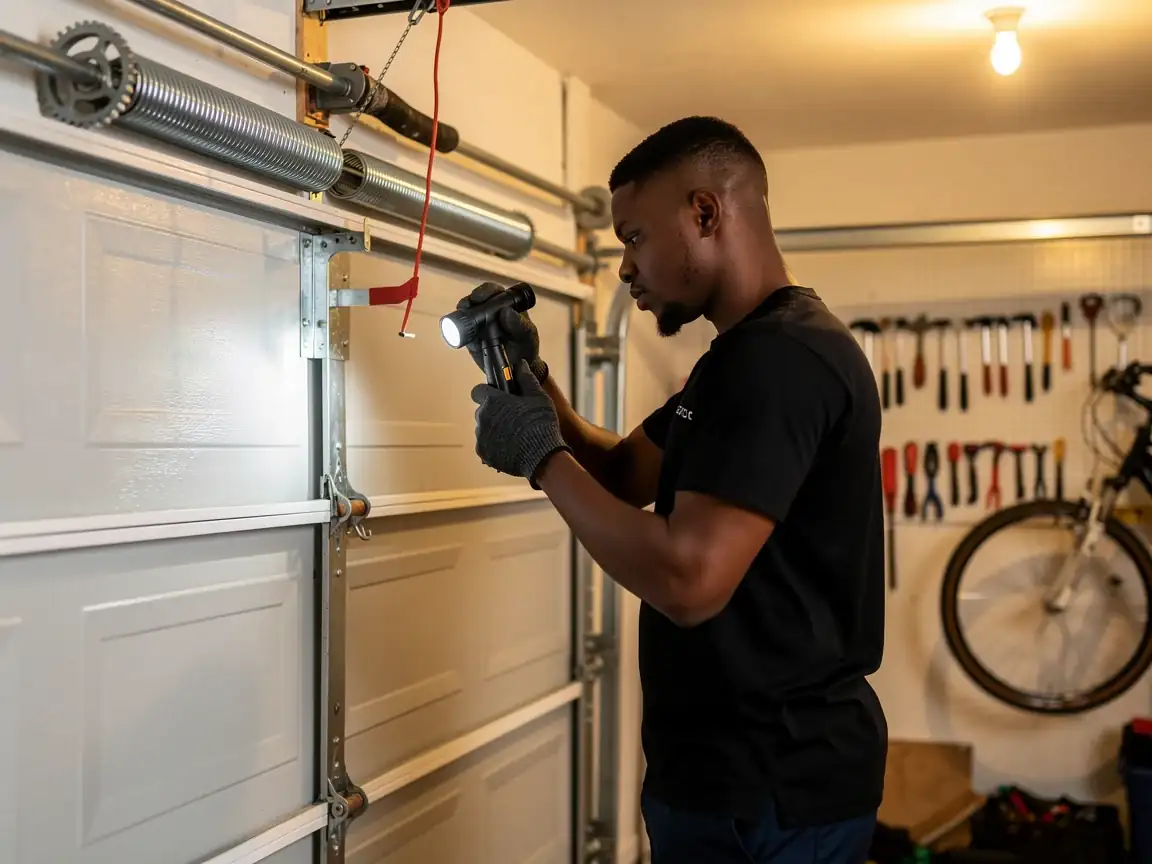
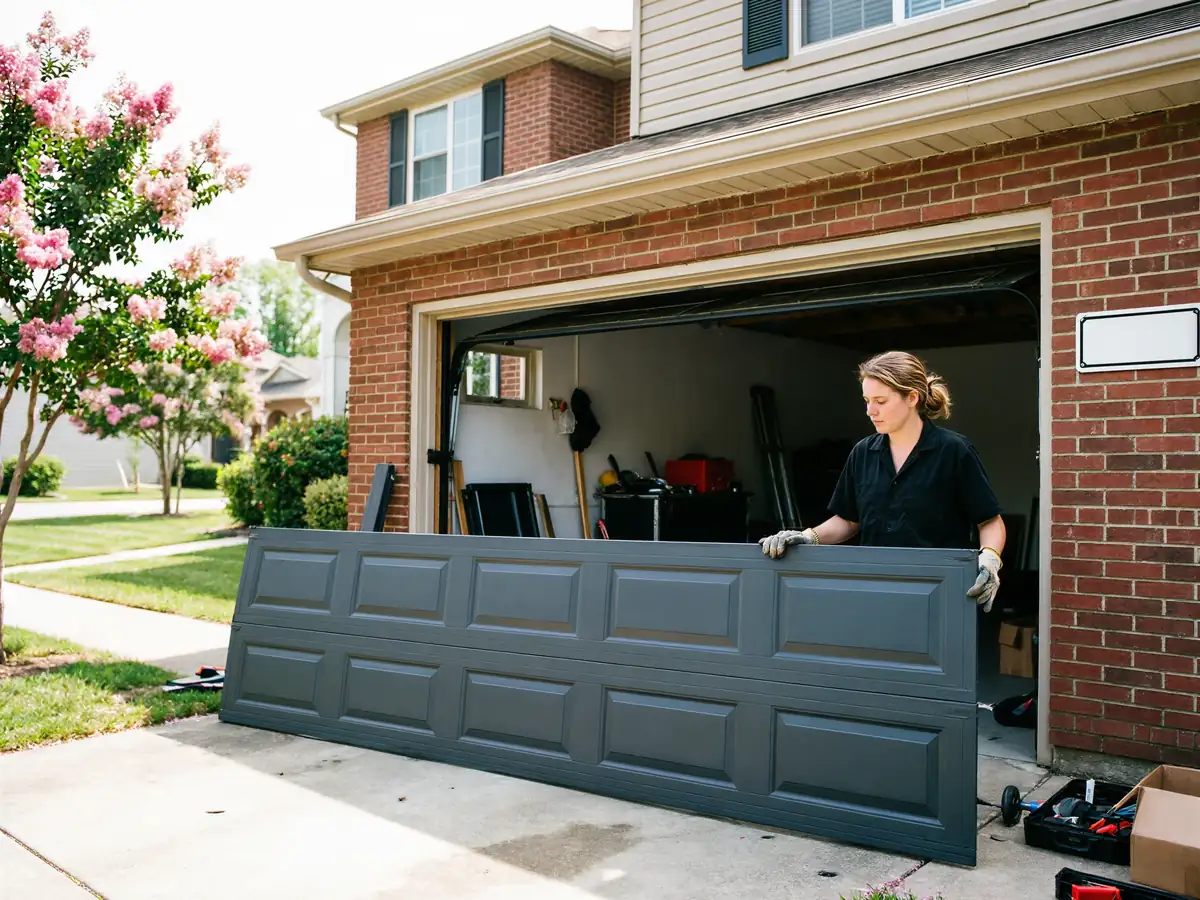
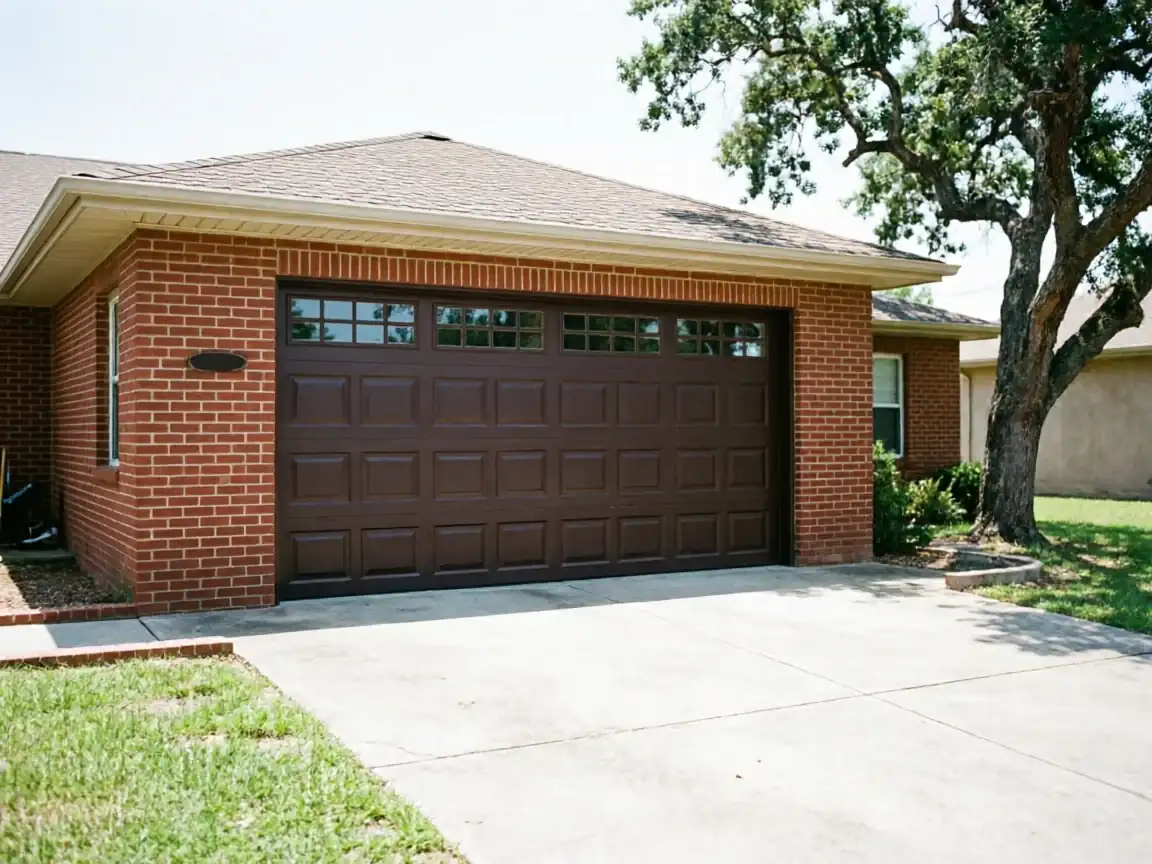
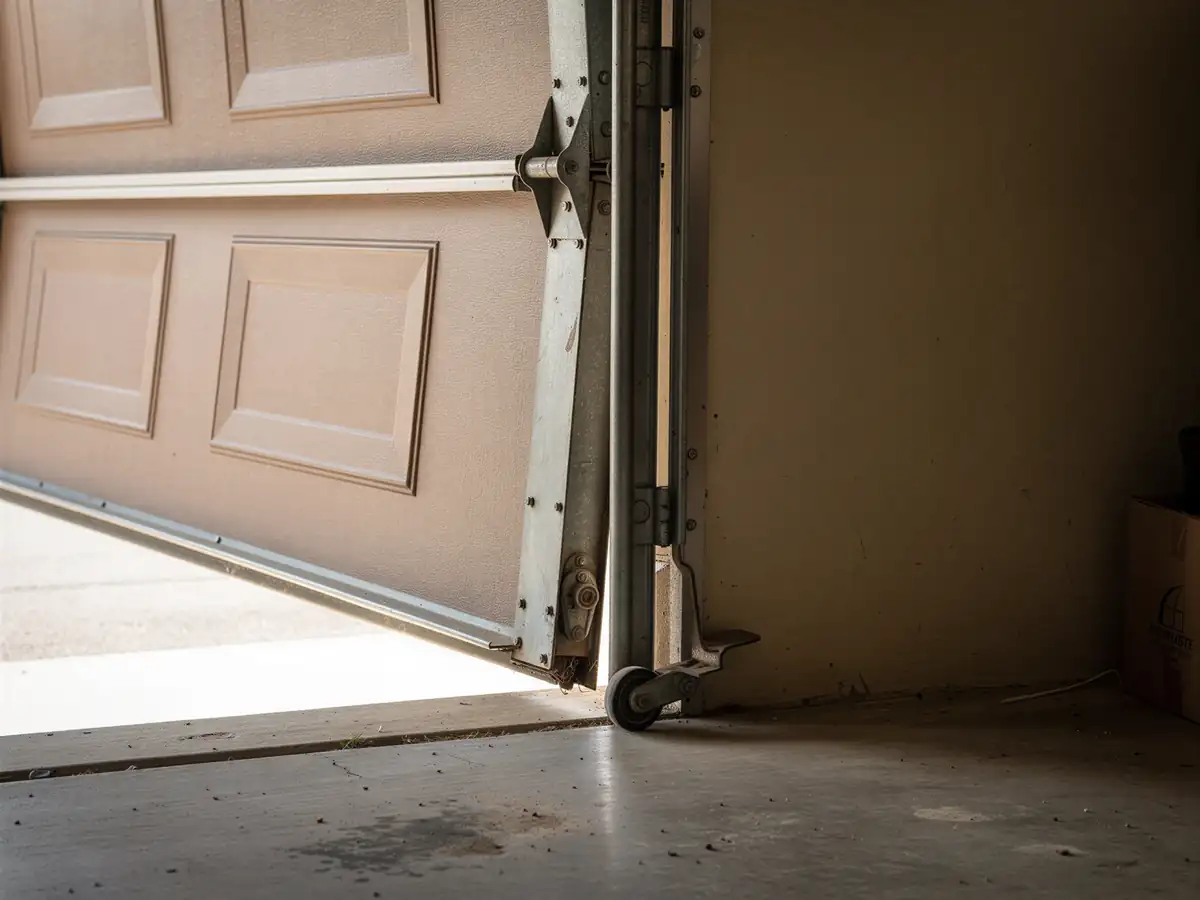
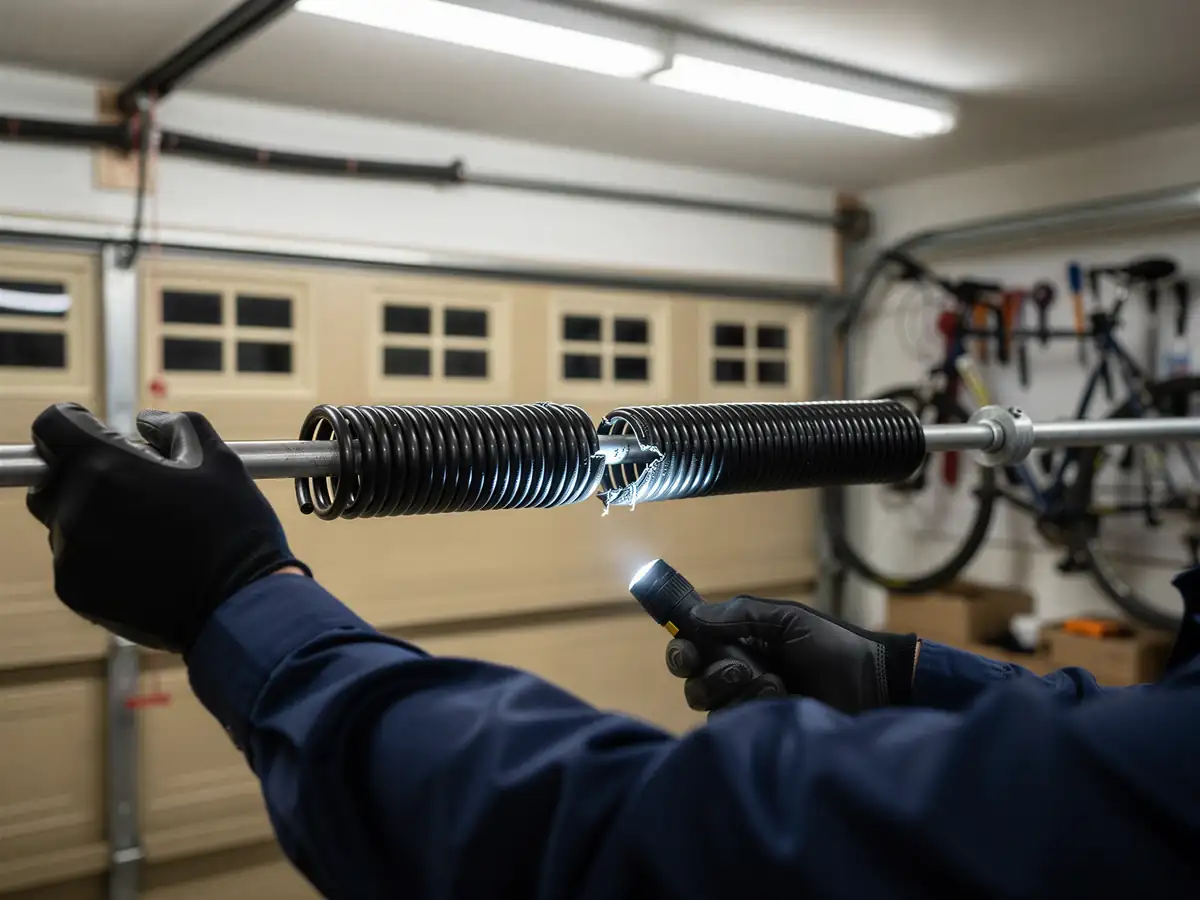
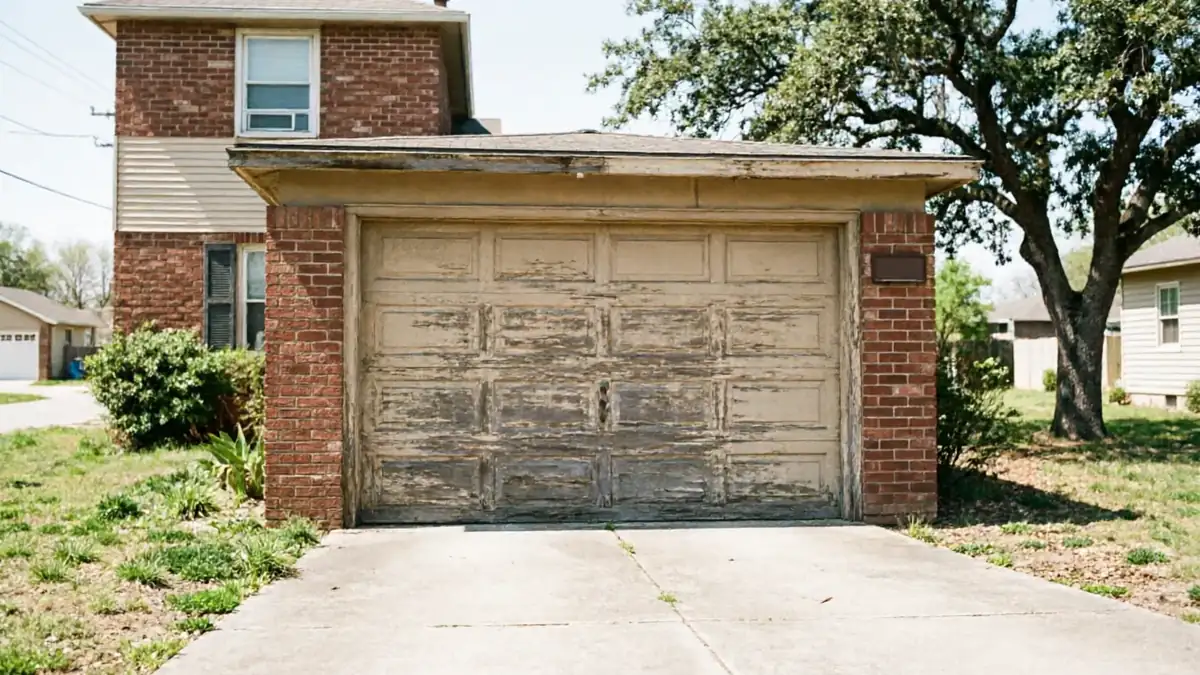
Our climate band here is cold-moderate - real winter cold, but not the deep-freeze extremes some regions get. That matters for spring fatigue. Torsion springs lose tension faster with repeated cold-to-warm cycling, and a door installed when the house was built in the late 1990s to early 2000s is now old enough that its springs are near or past the end of a normal service life. If your door is sagging on one side or the opener strains and reverses before it closes, that's often spring fatigue talking, not a door that needs to be junked. On the other hand, steel panels from that same era weren't always insulated to today's standard, and in a cold-moderate climate that shows up as condensation and rust starting from the inside out - something you won't see until you look closely at the bottom panel edge. That's a repair-versus-replace fork: springs and rollers are almost always worth fixing, a rusted-through panel usually isn't.
Checking It Yourself
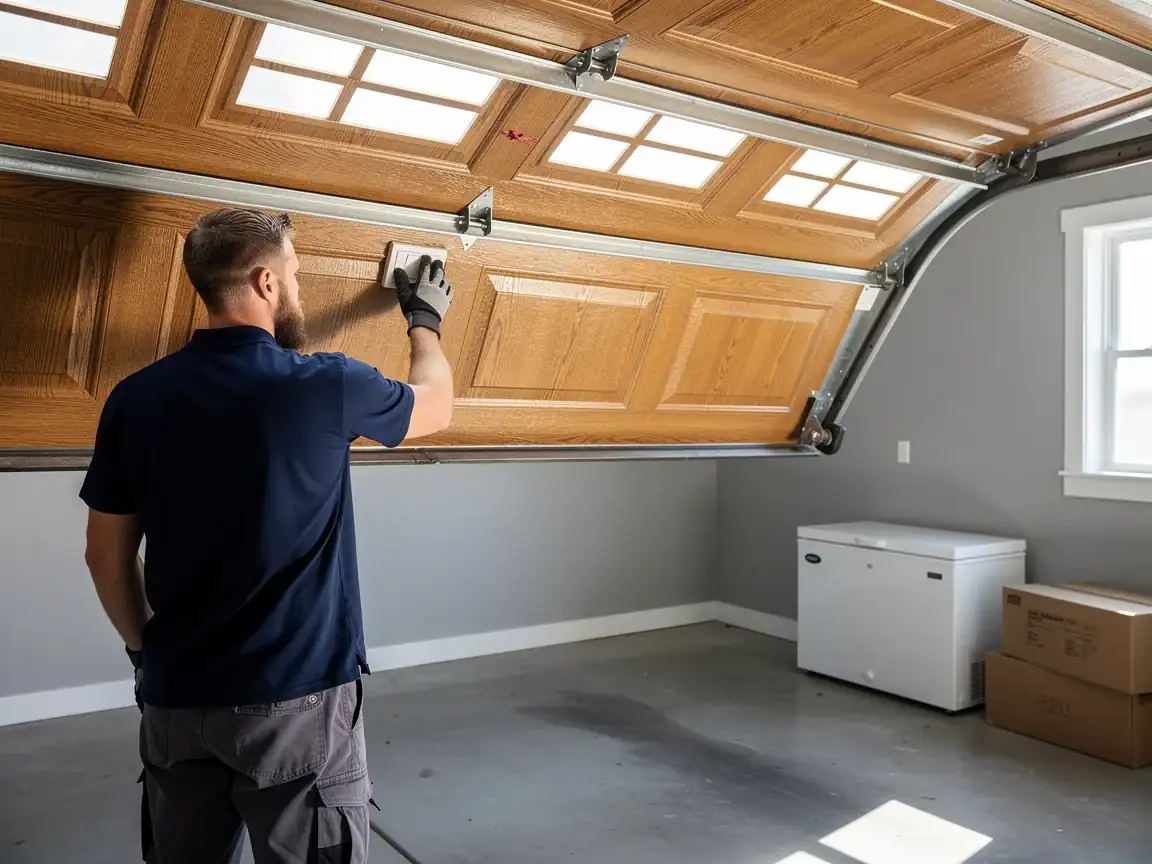
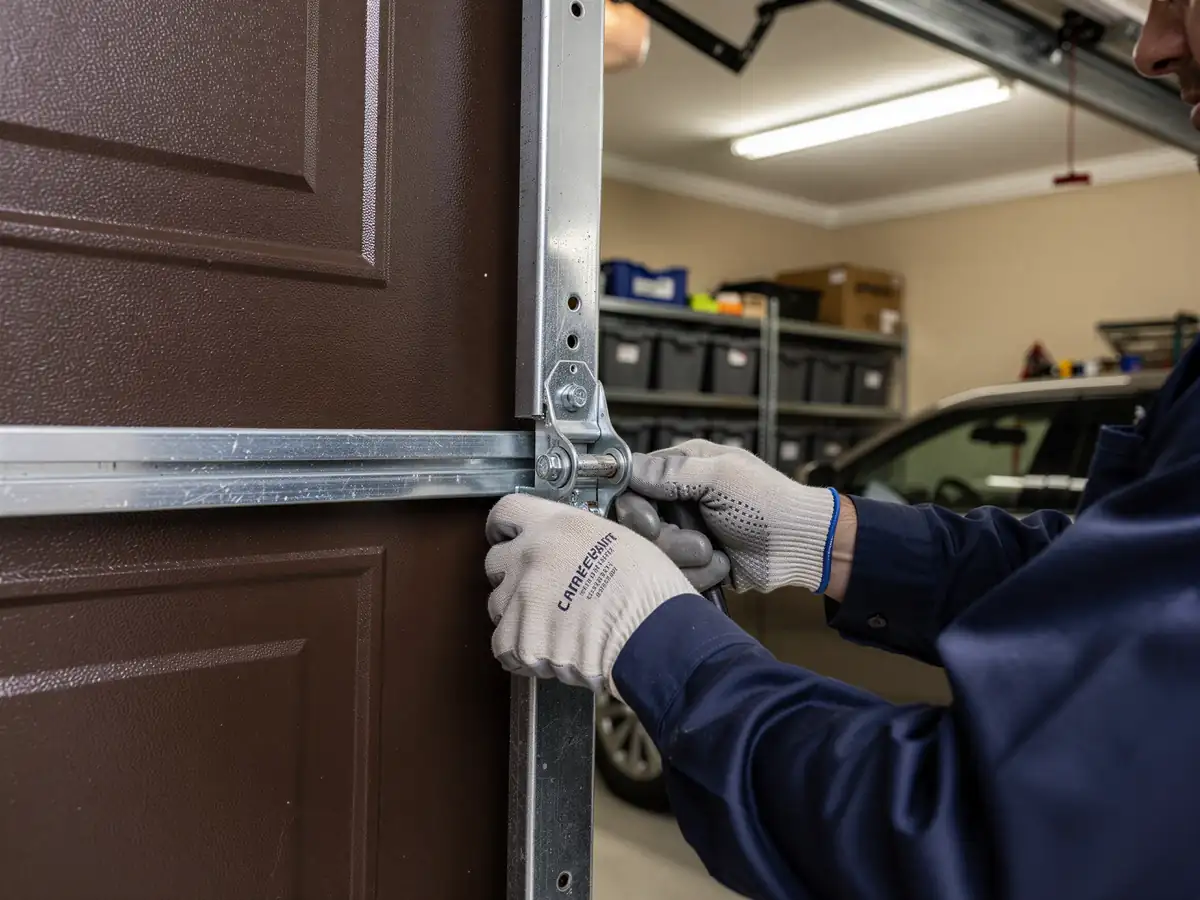
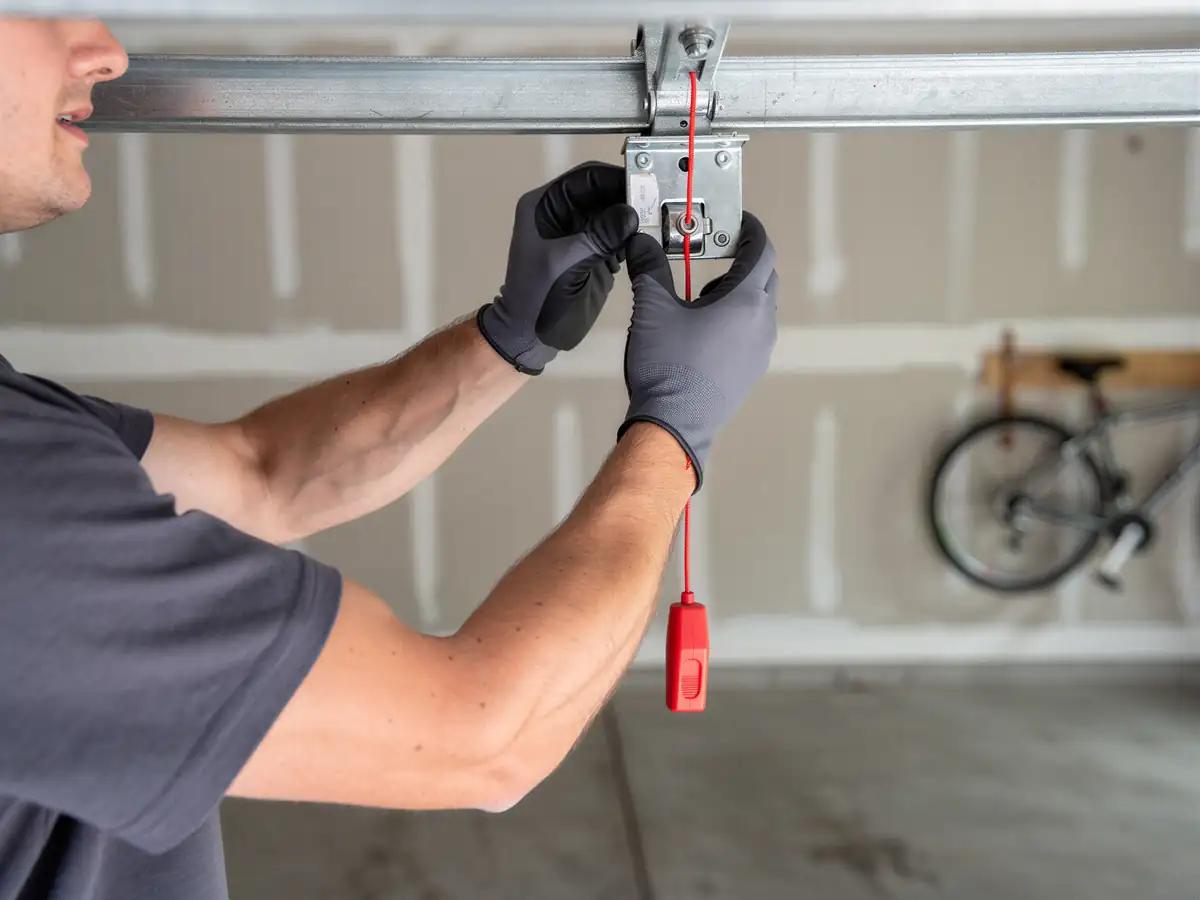
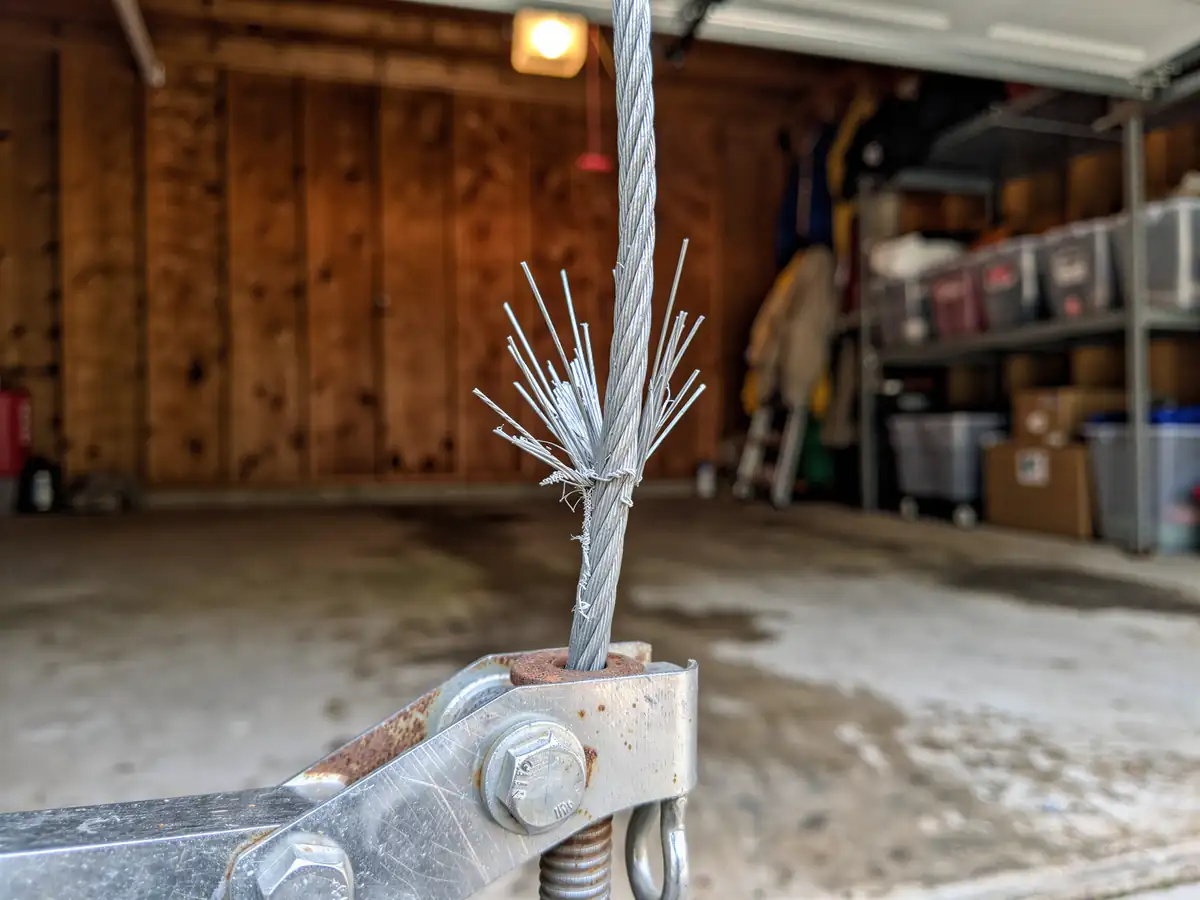
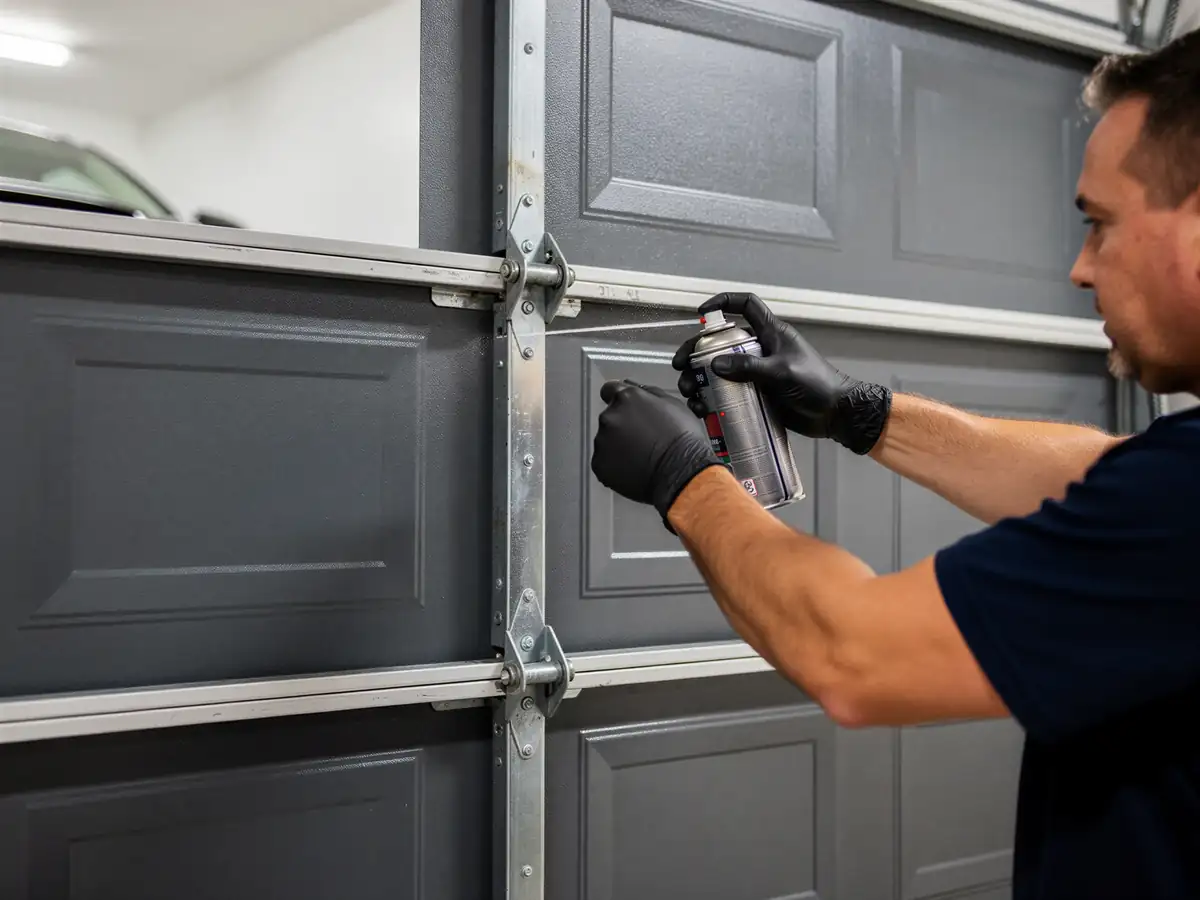
Before you call anyone, do a five-minute look. Lift the door halfway by hand with the opener disconnected - it should stay put on its own. If it drops, that's spring tension, a repair job, not a replacement reason. Run your hand along the bottom panel edge and the vertical tracks for rust bubbling or flaking paint; surface rust is cosmetic, but rust you can push a fingernail through means the panel is compromised. Check whether the rollers are the original nylon or steel ones - original hardware on a house built in the 1987-2013 window is now 10 to 35 years old, and worn rollers cause most of the grinding noise people assume means a dead opener. Last, look at the opener's manufacture date sticker if you can find it; a unit original to a 1990s build is well past typical opener lifespan and often the actual reason the door