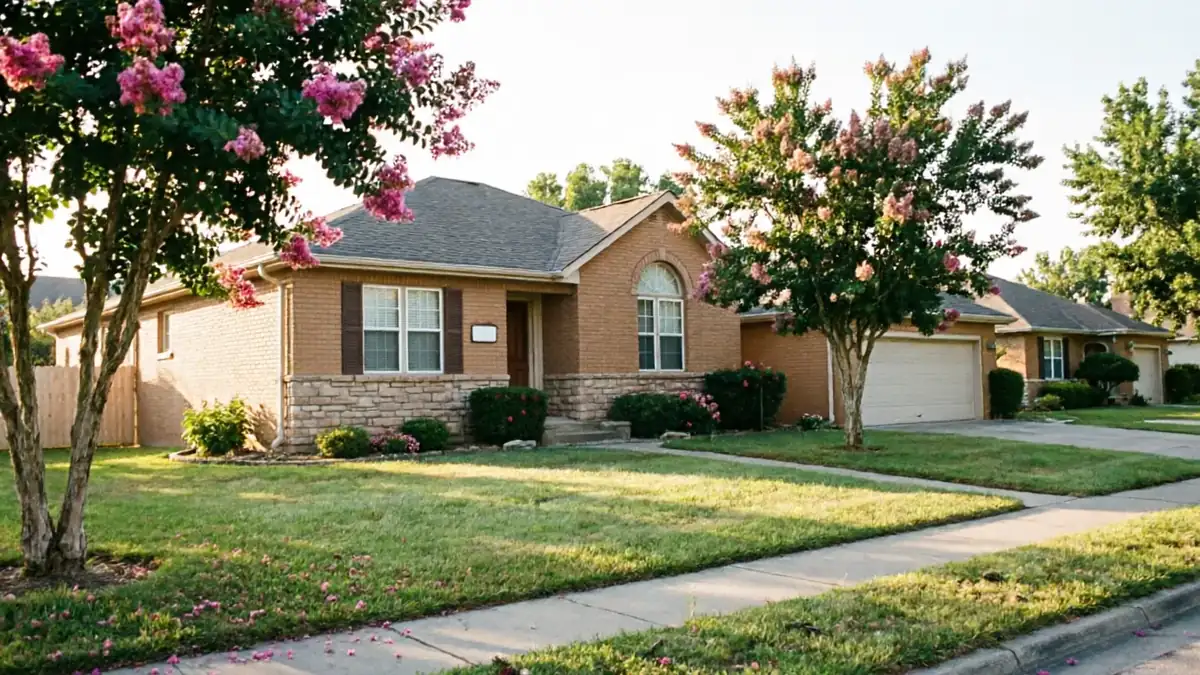
Lowell homes mostly date from the late 1990s and 2000s, newer than much of the area. Rogers Garage Door Pros drives the four miles out to handle the hardware that era brings.
Lowell skews newer than a lot of what we cover out of Rogers. Across the wider service area the median home was built around 1997, with stock running from 1987 to 2013. Lowell's own median lands closer to 2001, which puts a good share of its garage doors and openers inside the window where steel rollers, center-mounted torsion springs, and early photo-eye safety sensors became standard rather than optional. That matters more than it sounds like it should, because a door built to 1990s spec and a door built to 2001 spec don't always share parts. With 3,623 households here, against roughly 40,545 across the full area we serve, Lowell is one of the smaller pockets on our route, but the housing is consistent enough that we can usually guess what we're walking into before we open the truck. Median household income here runs $92,986, a bit above the $87,150 median for the broader area, and that tracks with what we see on service calls - more owners replacing an opener before it fully fails rather than running it into the ground.
Old Streets and New Ones
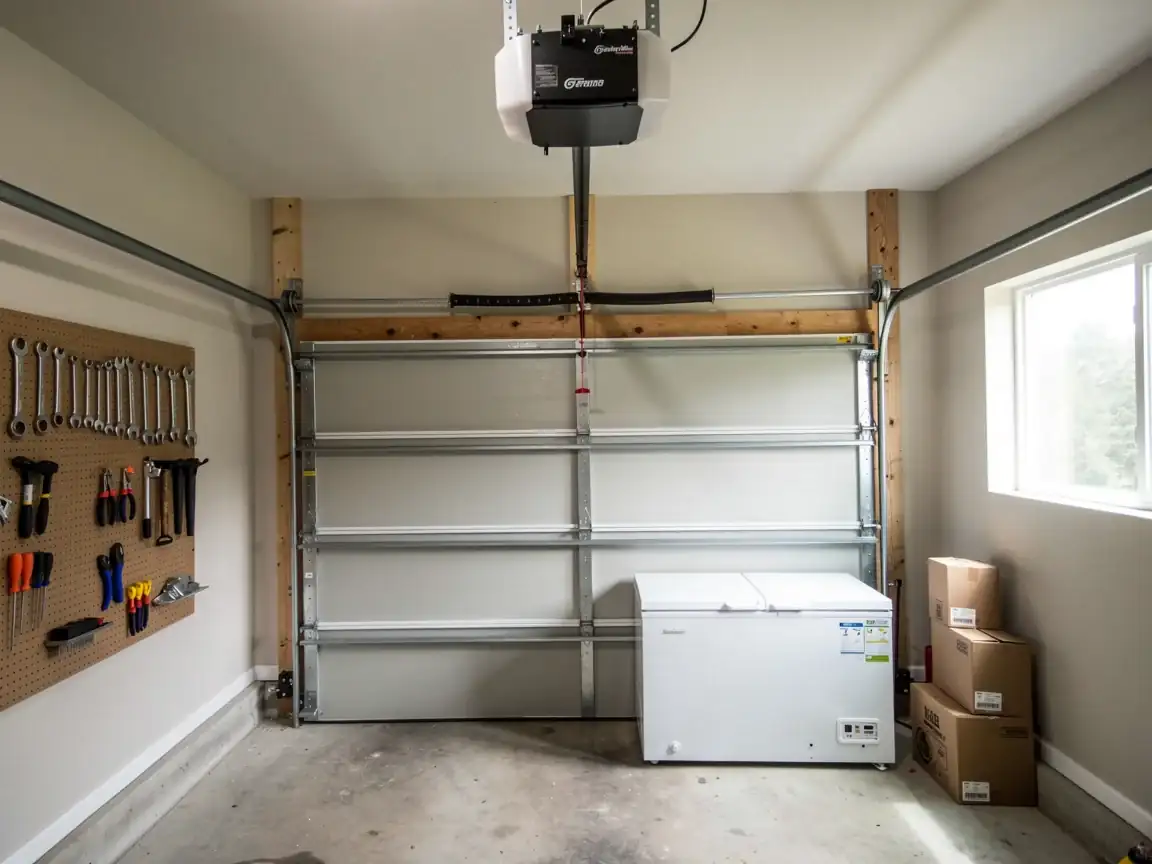
Because Lowell's build-out leans later than some of its neighbors, you don't see as much of the original one-piece door and side-mount torsion setup that still turns up on older streets elsewhere in the area. What you do see more of is sectional steel doors on standard lift, openers from the chain-drive era before belt drives got common, and wall consoles without the keypad or smart-hub features that came standard after the mid-2000s. None of that is a complaint - it's just a different maintenance curve than a 1960s door. The parts for this era are still mostly in production, which is good news when a spring lets go or a sensor goes bad. The harder calls are the handful of older outliers mixed into newer subdivisions, where the door predates the house around it and needs older hardware nobody expects to find on a newer street.
How That Shows Up in the Door
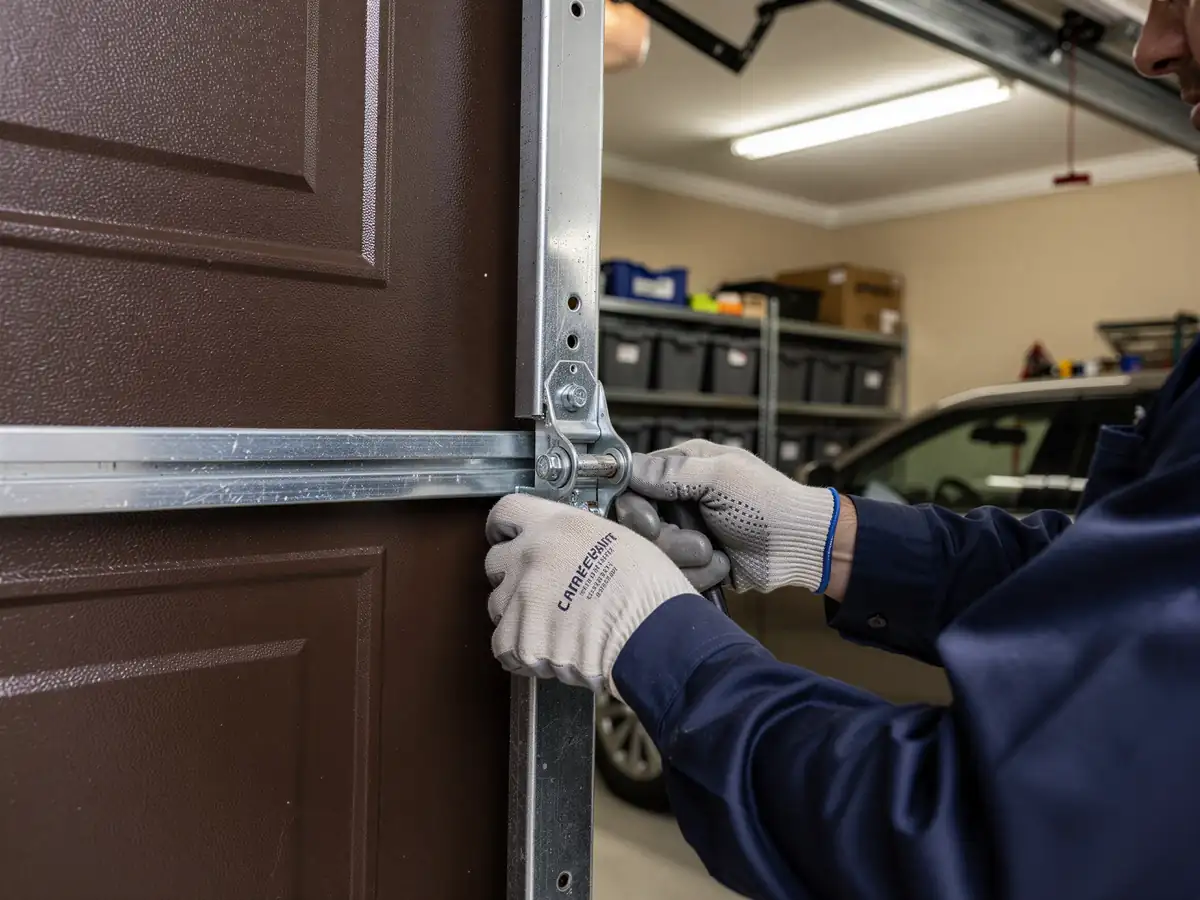
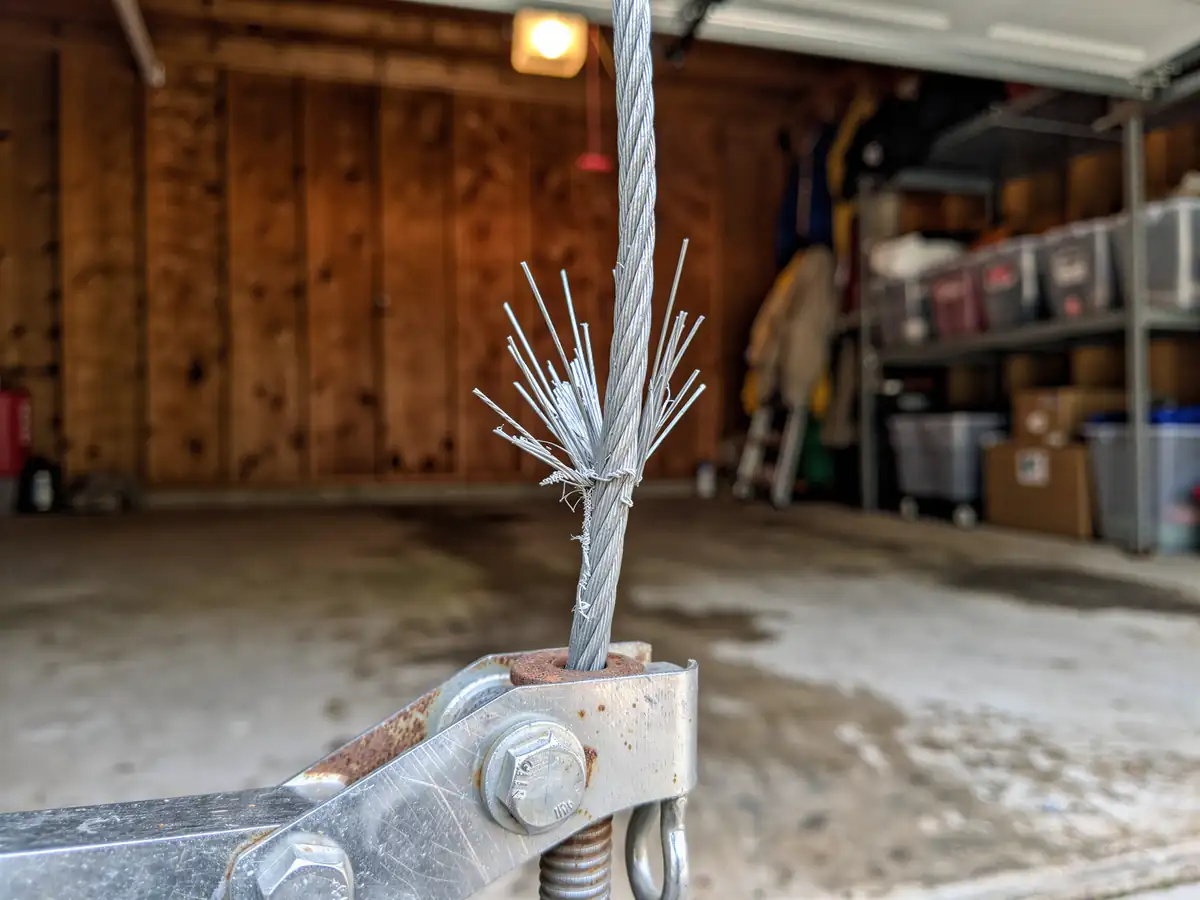
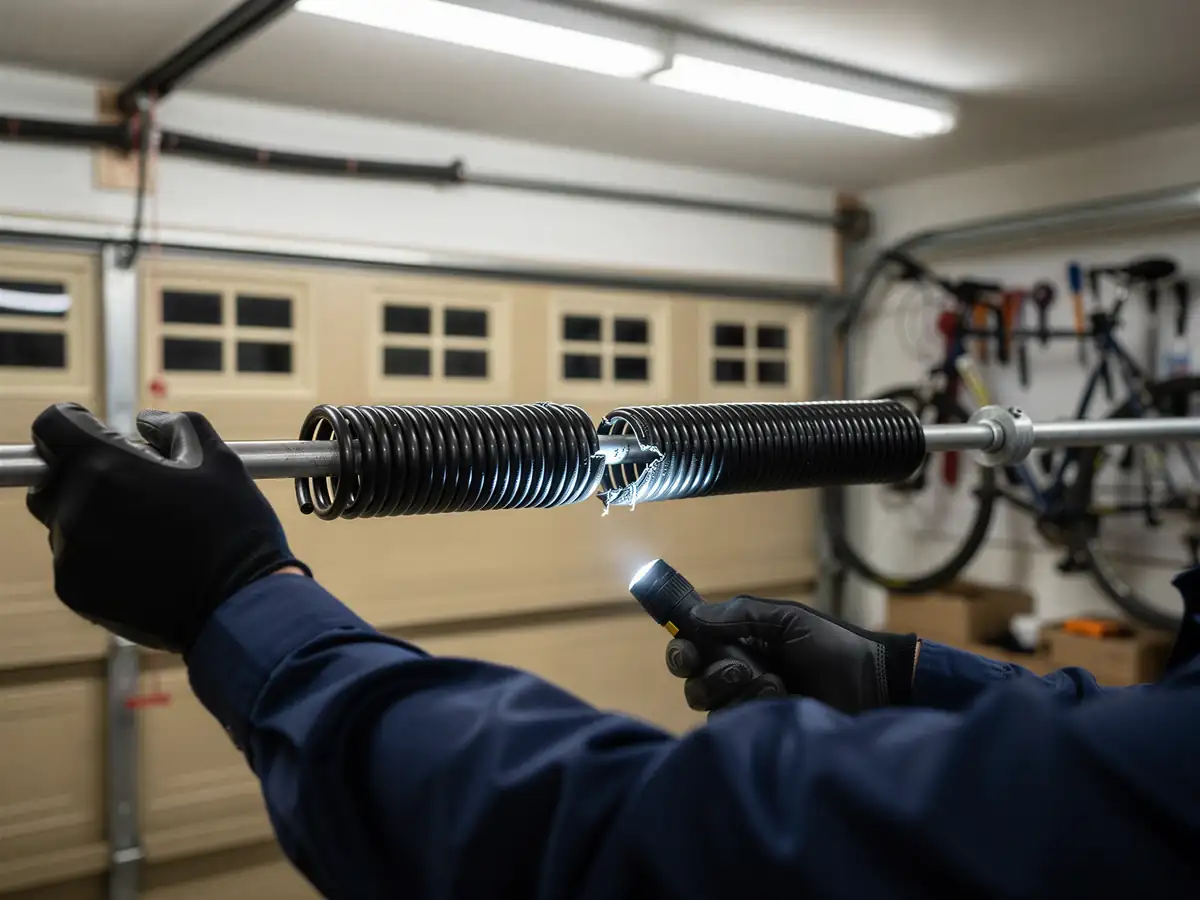
Cold winters here put real strain on steel torsion springs no matter the build year, and Lowell sits in the same moderate-cold climate band as the rest of the area we cover. On a door from the late 1990s or early 2000s, the spring has usually had two decades of temperature swings to work through, and that's about the lifespan where we see the first break on original equipment. Rollers on these doors are often nylon without bearings, which means more noise and more binding as they age, especially once a track shifts out of square. Openers from this window are also right at the point where the drive gear or circuit board starts to go, which looks like a dead opener but is usually a $20-$40 part, not a full replacement. We drive the four miles out from Rogers for these calls regularly enough to recognize the pattern fast.
What We Will Not Take On
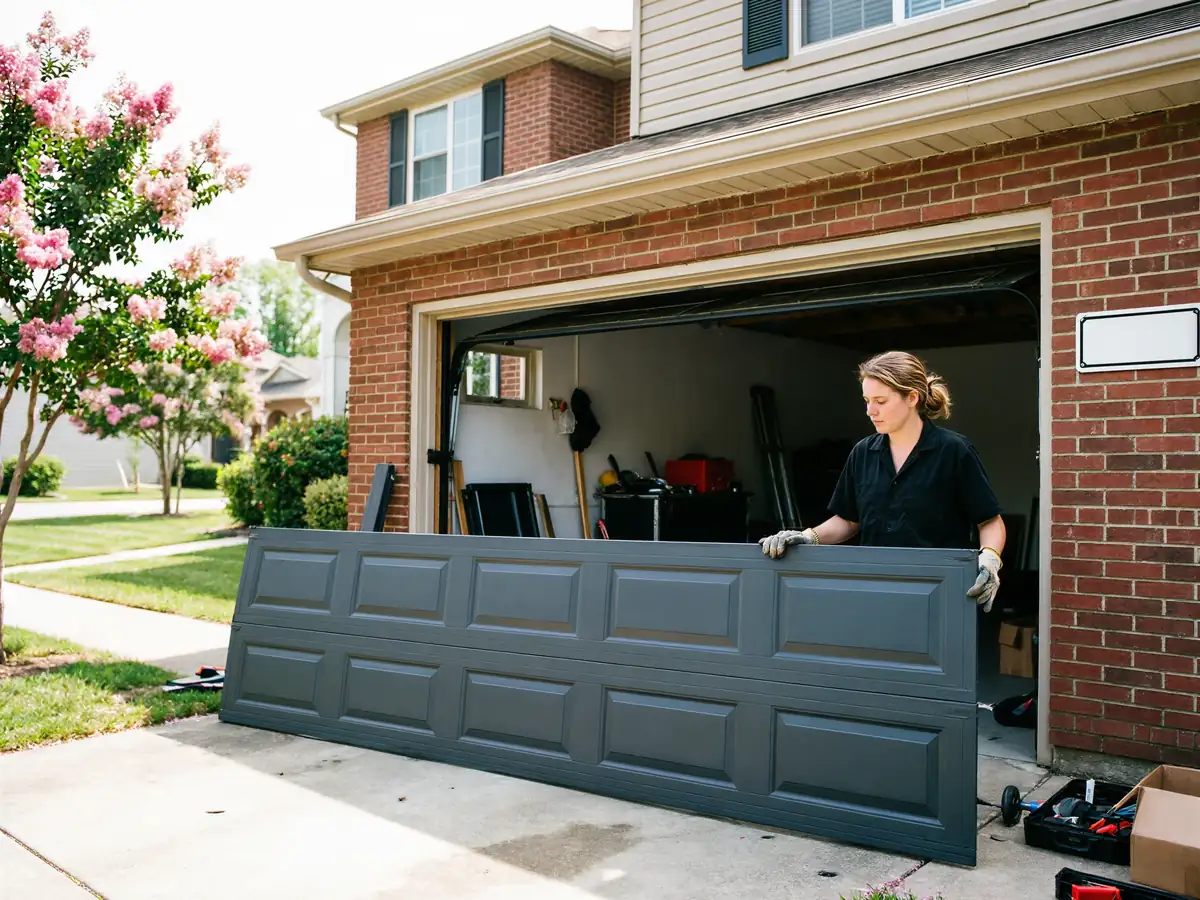
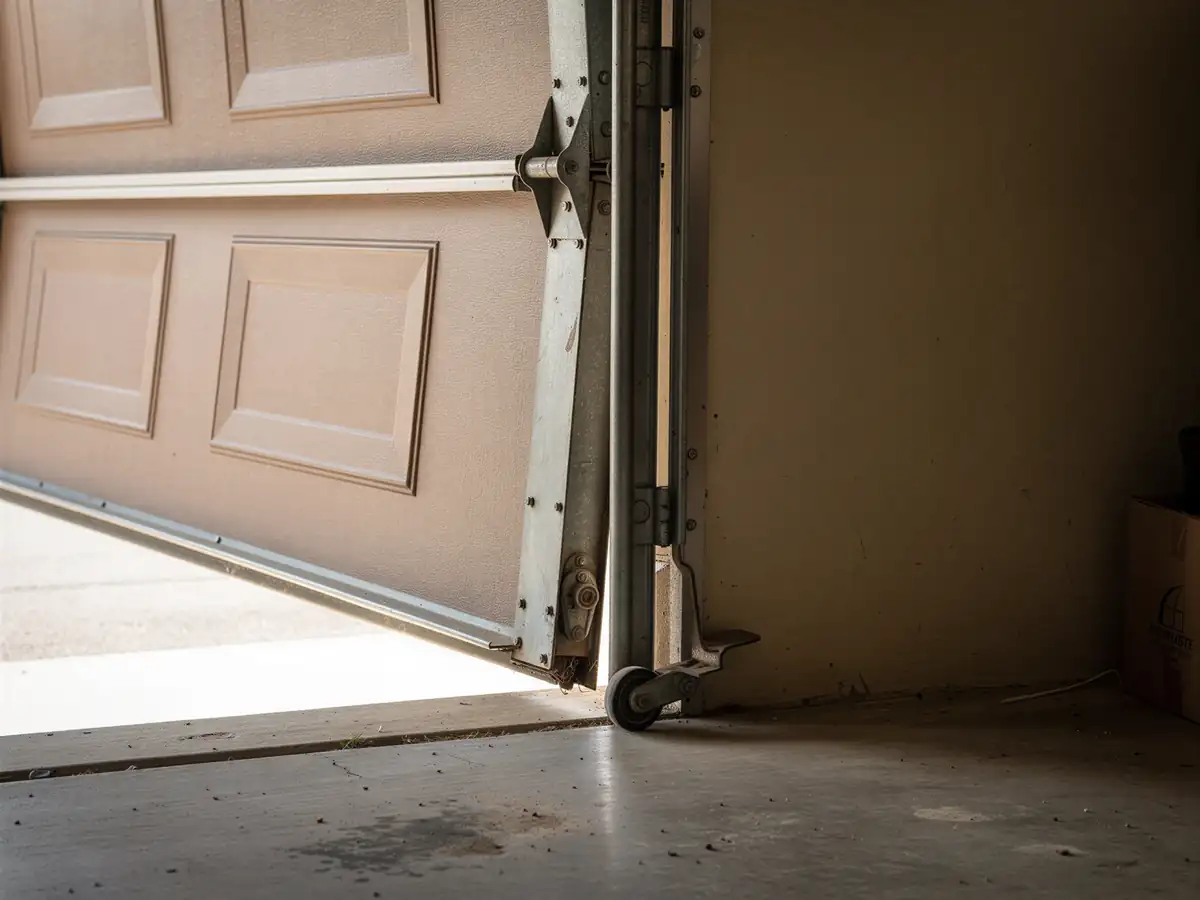
We don't carry stock for every obsolete opener model, and on a door old enough to predate its subdivision, the exact replacement part can take longer to source than the job itself. If a spring has failed on a door that's already sagging, rusted through at the tracks, or missing a full replacement from the manufacturer, we'll tell you straight that spring replacement isn't worth it and a new door is the better call. We also won't guess at a diagnosis over the phone for anything involving the opener's circuit board - that needs a hands-on look. None of this is a reason to put off a call. It's just the limit of what a repair should cost you versus what a replacement does.
How it works
From “it’s stuck” to “it’s fixed”
01
Tell us what’s wrong
Describe the symptom - won’t open, loud bang, opener runs but the door won’t move.
02
On-site diagnosis
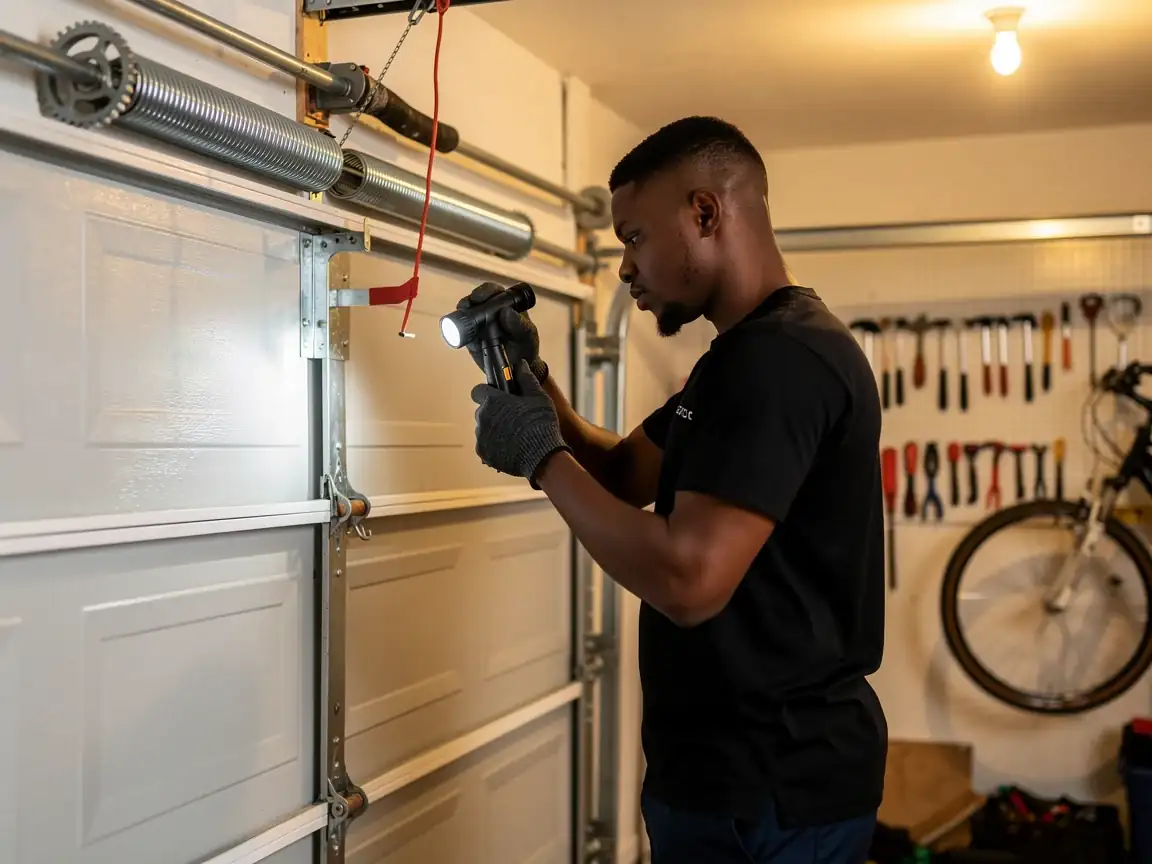
A technician tests the door under power and by hand and finds what actually failed.
03
Clear, up-front plan
You get the fix that’s needed and what drives the cost - before any work starts.
04
Repaired & tested
The repair is done, the door is set true and tested, and the work area left clean.
Not sure which repair your door needs in Rogers, AR? Describe what it’s doing - every job starts with a diagnosis.
Is Lowell's garage door stock different from the rest of the Rogers service area?
Somewhat. The area median build year is around 1997, but Lowell's own housing skews a little newer, closer to 2001. That means more center-mounted torsion springs and steel rollers, and less of the older side-mount hardware you'd find on older streets nearby.
How far is Rogers Garage Door Pros traveling to reach Lowell?
About four miles. We don't keep a separate depot in Lowell - the truck comes out from Rogers for every call here, same as it does for the rest of the service area.
Will you replace a spring on an older door in Lowell?
Usually, yes. Most Lowell doors are from the late 1990s or 2000s, and parts for that era are still easy to source. If the door itself is failing structurally, we'll say so rather than sink a new spring into a door that needs replacing.
Do winters here affect garage door springs?
Yes. The area sits in a moderate-cold climate band, and steel torsion springs lose tension faster with repeated cold swings. A spring from the early 2000s is often right at the age where it lets go first in winter.
Ready to get your garage door sorted?
Tell us what it’s doing and where you are in Rogers - we’ll take it from there.