The Problem
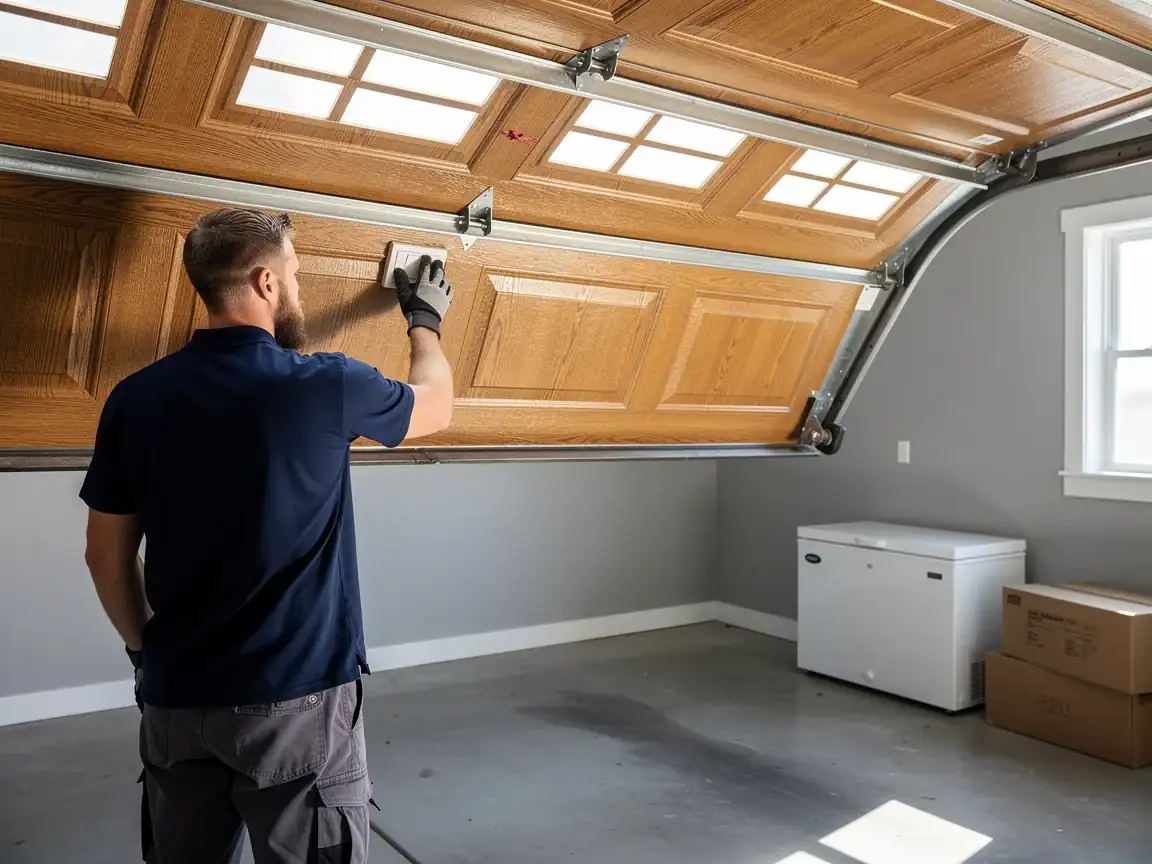
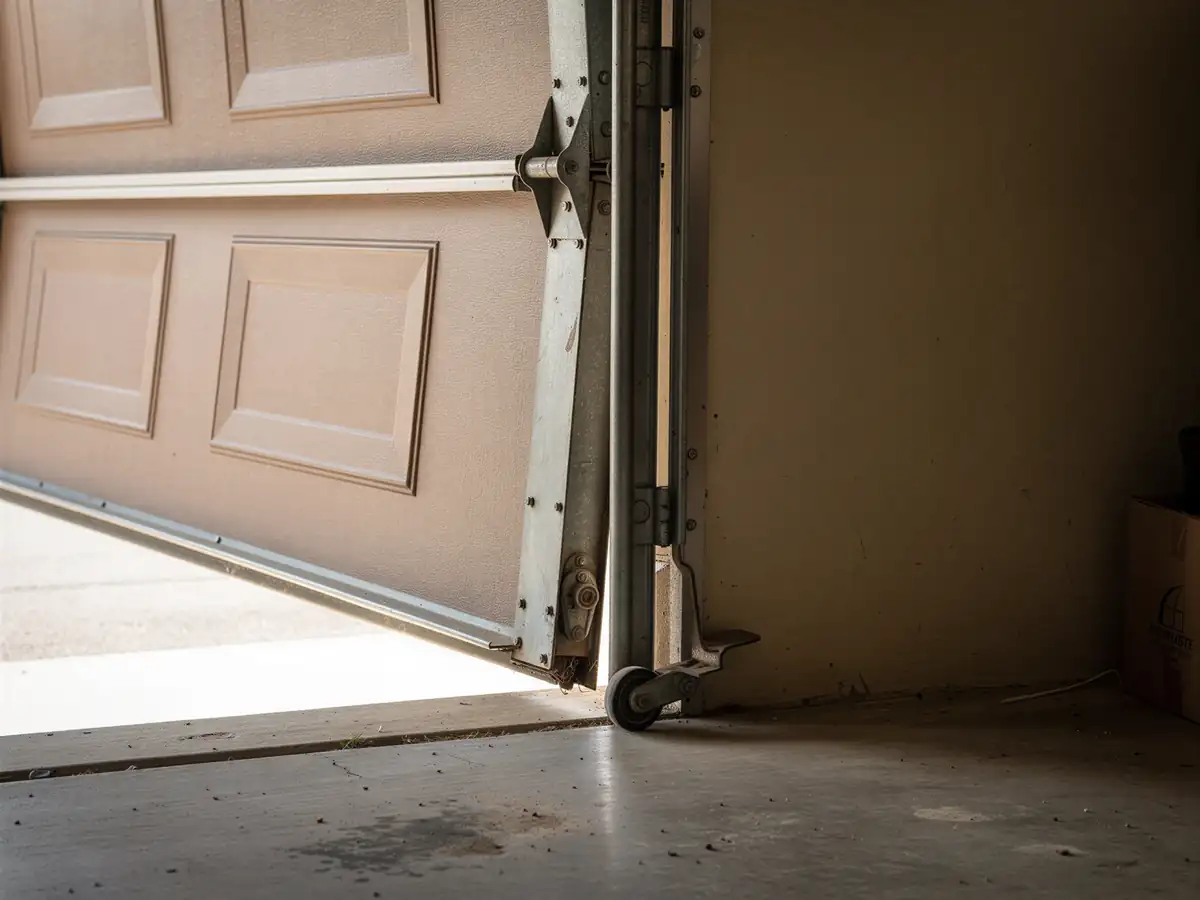
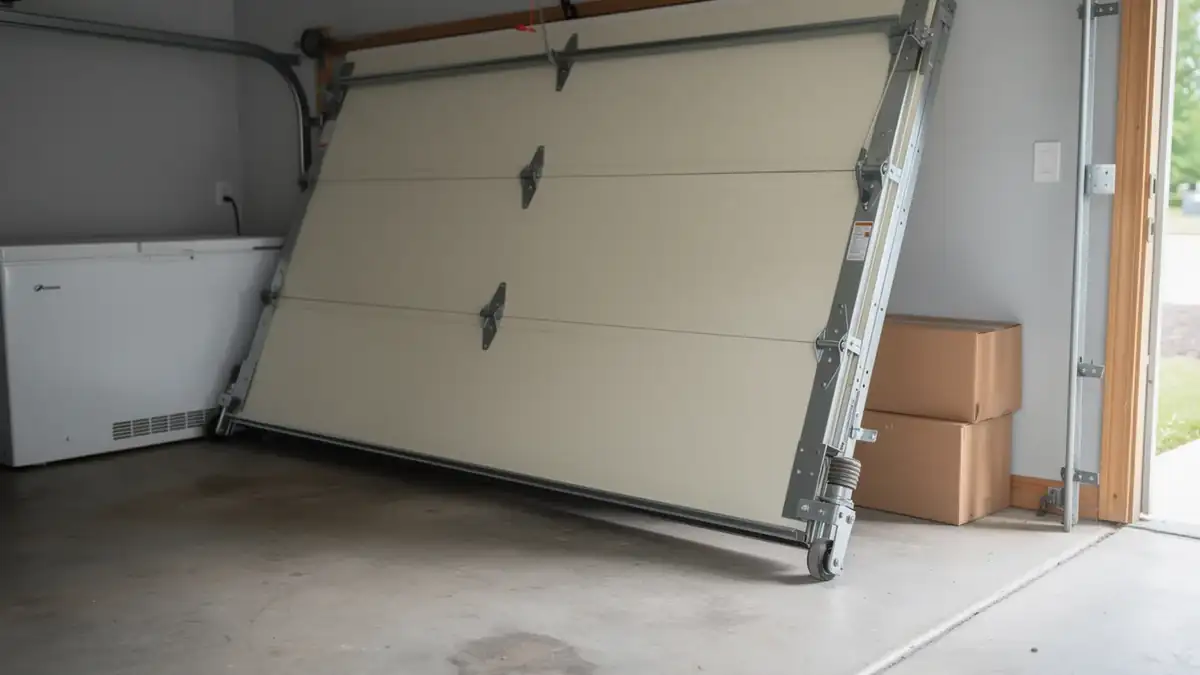
A door off track almost always starts with one roller losing its line
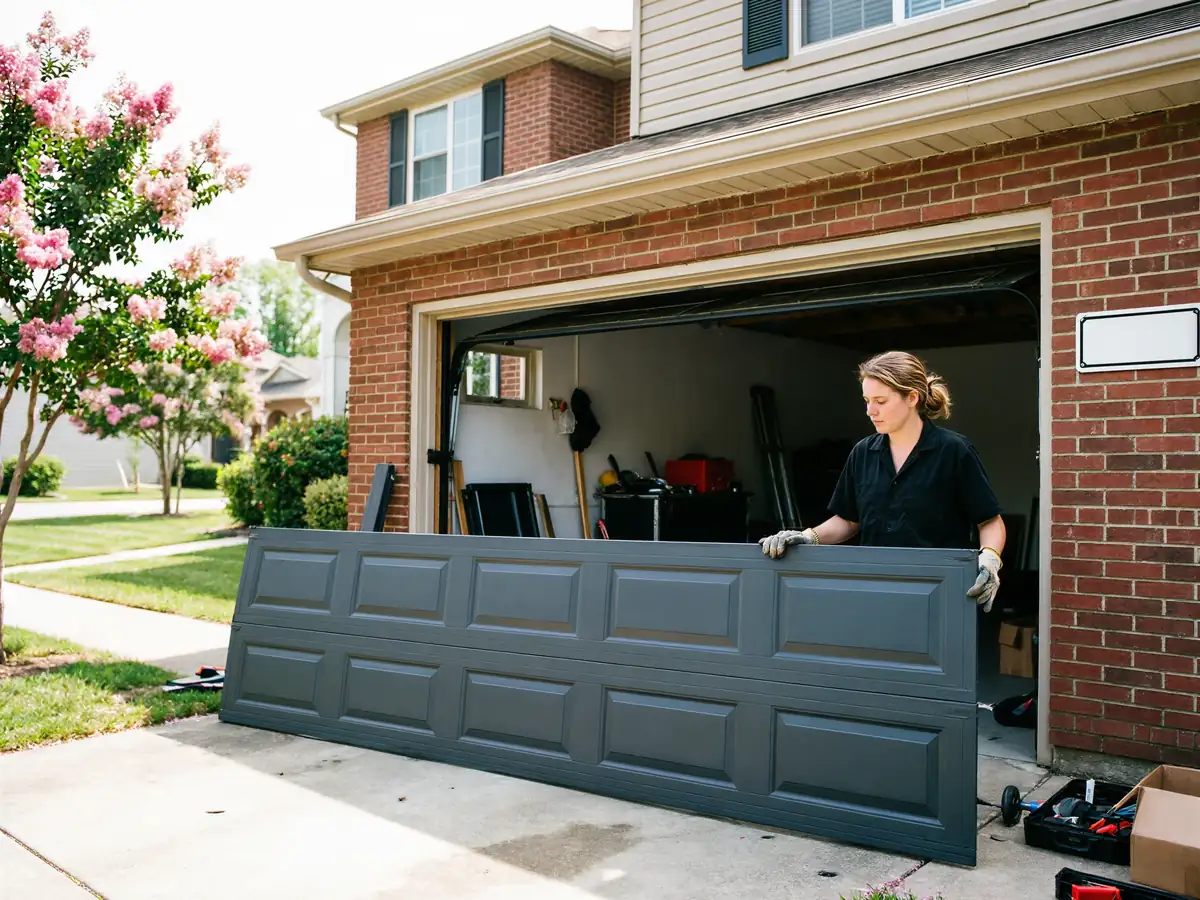
Not the whole door failing at once. The roller rides up out of the channel, usually at a bend near the bottom bracket or where the vertical track meets the curve into the horizontal run. Once one roller's out, the panel above it racks sideways and pulls the next roller with it. By the time you notice the door hanging crooked or grinding on one side, you're usually looking at a track that's been slowly bending under uneven pull for weeks.
Most of the housing stock in the Rogers service area went up between 1987 and 2013
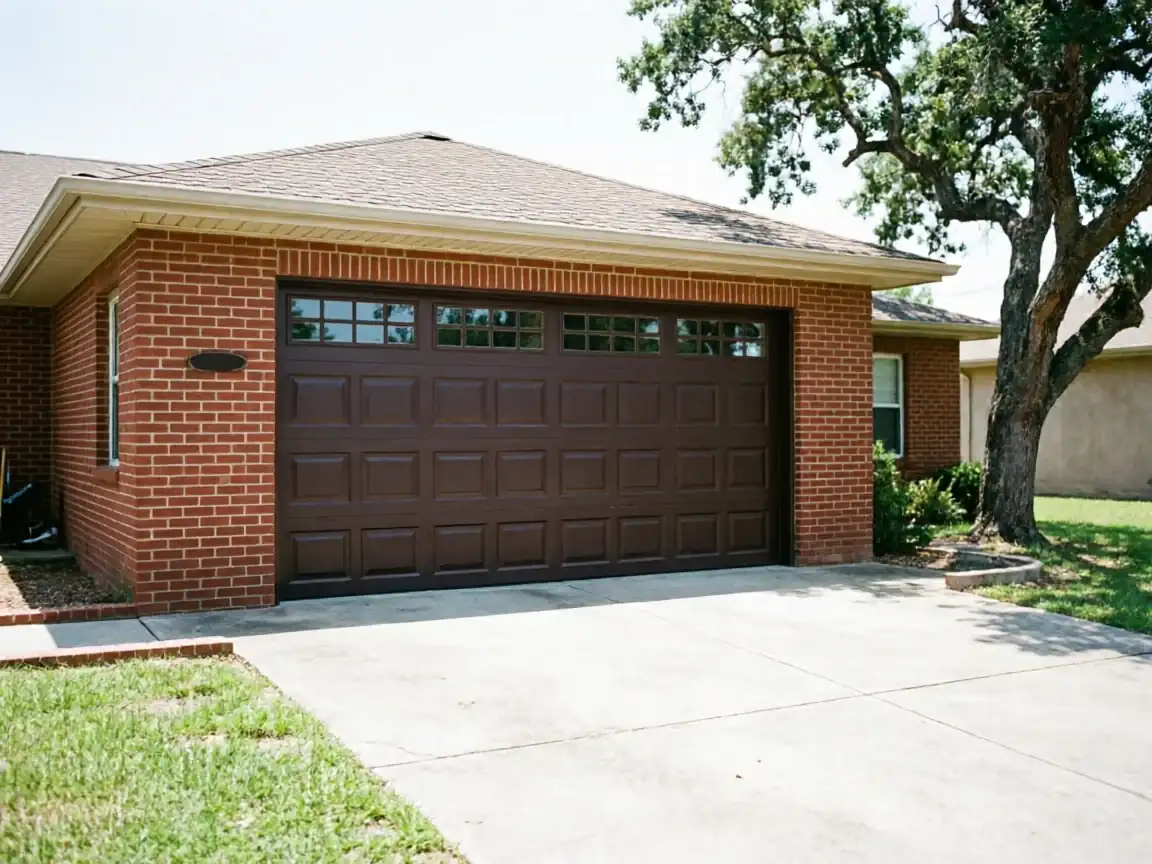
With a lot of it clustered in the 1980s and 90s build wave across the area's older subdivisions. That matters here specifically: a track installed in 1991 is over thirty years old, and galvanized steel track brackets loosen on their lag screws over that kind of span, especially where the jamb wood has dried and shrunk a little around the fasteners. A door that's run fine for decades can start working loose all at once once a bracket finally gives.
We also see it on doors where someone's added an opener upgrade without checking the original track alignment
The motor pulls harder and straighter than the old manual chain did, and that extra force finds the weak bracket first.
How Local Conditions Play In
Rogers sits in a cold-moderate climate band, which means real freeze-thaw cycling through the winter months rather than one hard freeze and done. That cycling works on the concrete slab under your door footing. Small seasonal shifts in the slab translate directly into movement at the track's floor-mounted bracket, a few degrees at a time, year over year. On a track that's already thirty-plus years old from that 1987-2013 build period, that's often the last push that sends a roller out of the channel.
Temperature swings also change how steel track behaves day to day. Track that's slightly bowed from age sits tighter against the roller on a cold morning and looser once the garage warms up in the afternoon sun hitting the door. That's part of why an off-track door often seems to happen "out of nowhere" on a cold snap morning - the steel's been marginal for a while, and the cold is what finally lets a roller walk out of true.
Condensation is a smaller factor but a real one. A sealed garage with a vapor-tight slab can hold moisture against the lower track brackets, and over the kind of multi-decade span common to this area's housing, that moisture is enough to rust a bracket fastener from the inside before it's visible.
Checking It Yourself
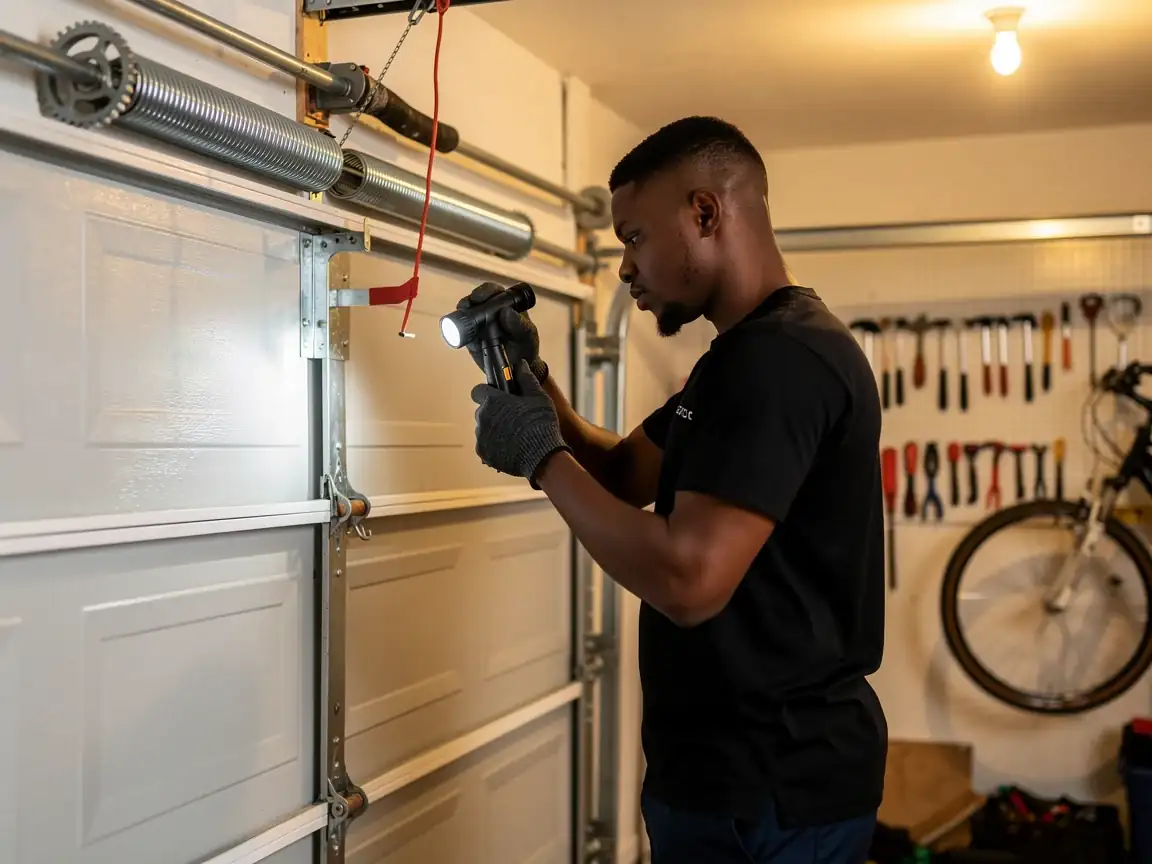
Before you call anyone, open the garage and look at the track from the side, not straight on. Stand back a few feet and sight down the vertical track on each side. A healthy track runs dead straight to the curve; any wave or kink means the track itself has bent, not just loosened.
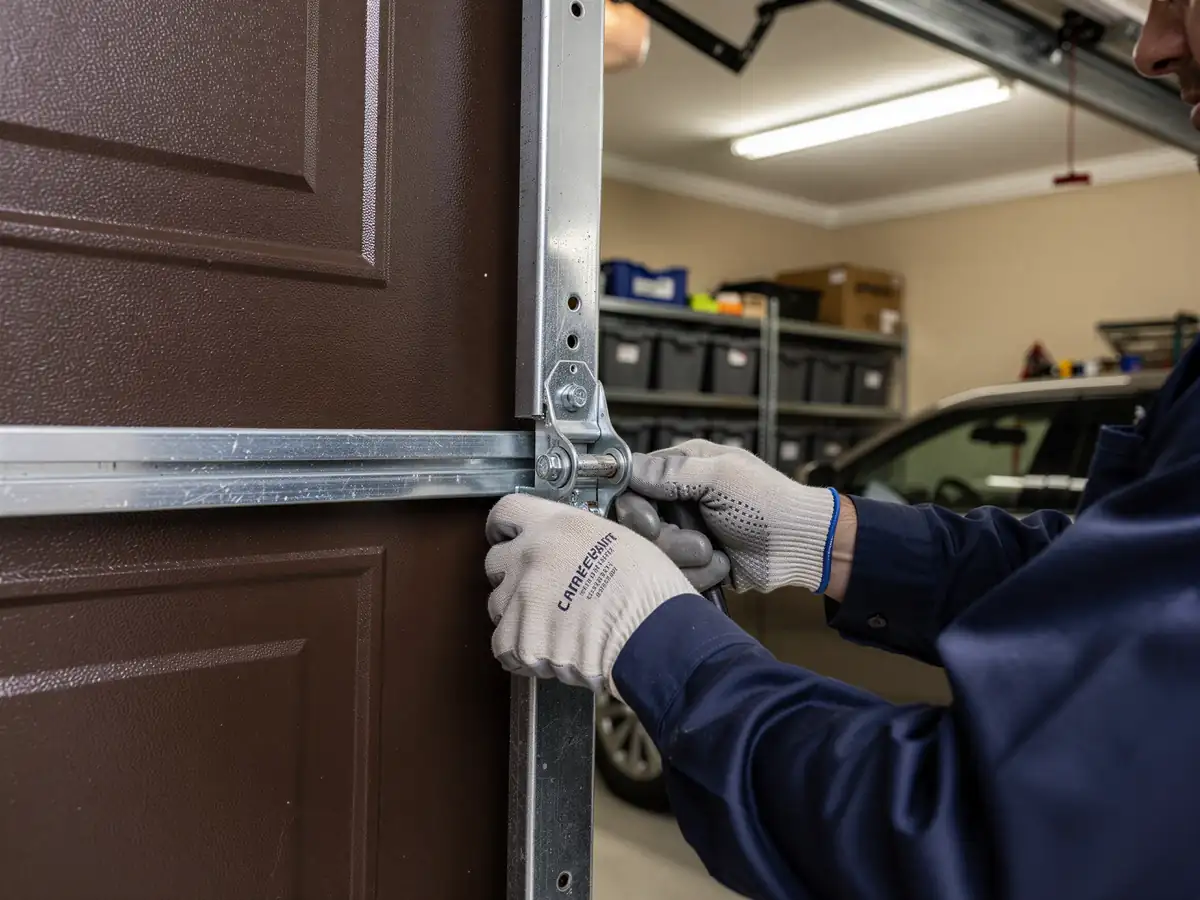
Next, check the brackets that hold the track to the framing, top to bottom. On a door from the 1980s-90s build wave common to this area, these are usually lag-screwed into the jamb. Give each bracket a push by hand. Any play at all, even a small amount, tells you that's where the roller is going to walk out next.
Look at the rollers themselves where they sit in the track. If a roller's worn down to a smaller diameter than the others, or the roller stem looks bent, that roller is probably the first one that jumped.
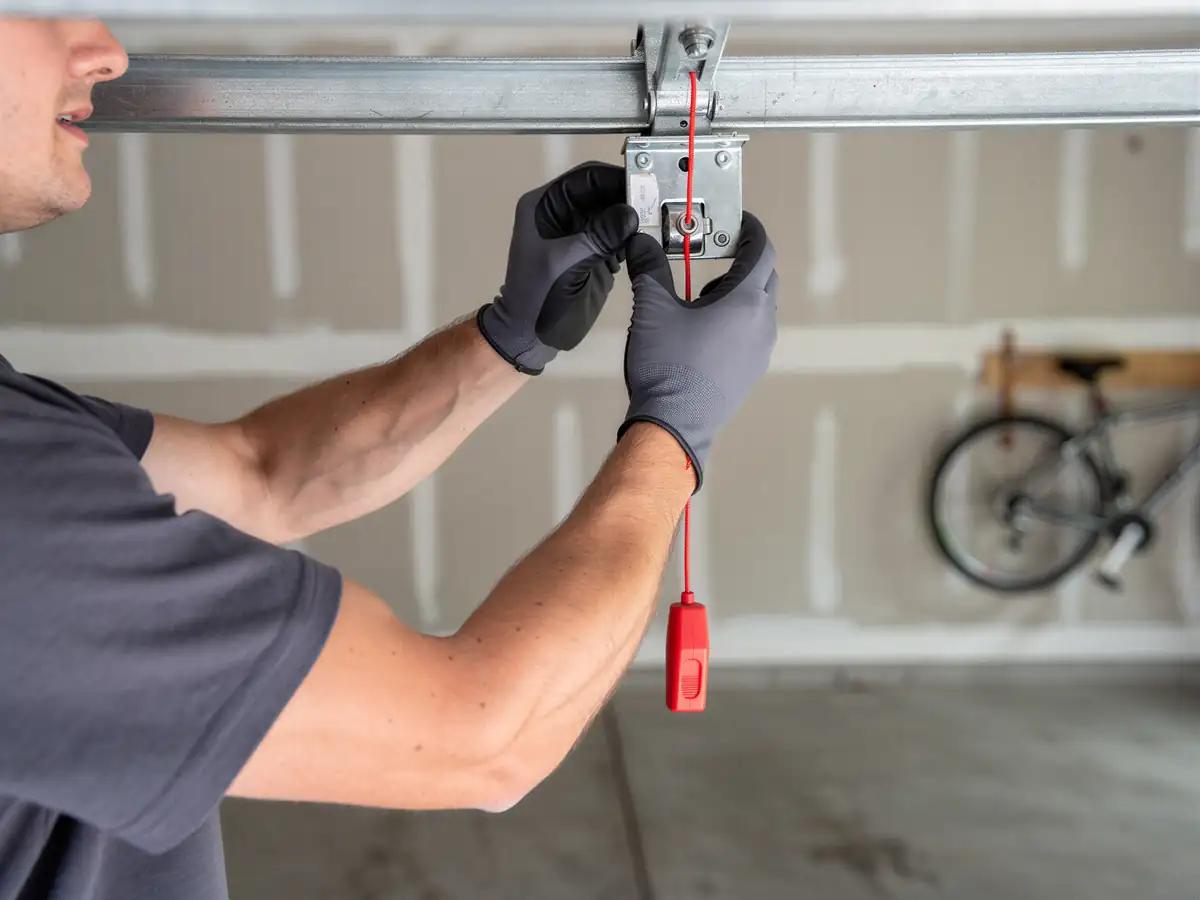
Honest limitation here: if you find the track itself is bent, not just loose, don't try to straighten it yourself with a pry bar. Bent track under spring tension is a real way to get hurt, and in most cases a bent section needs replacing rather than bending back - the steel doesn't return to true once it's kinked.
The Cost of This Job
We don't have a flat number to quote here without seeing the door
A loose bracket and a bent track are two very different repairs, and a door that's been run off-track for a while sometimes has a bent panel on top of the track problem. What we can tell you is how to think about it: if the track is just loose at the brackets, that's usually the smaller end of the job. If the track is visibly bent or the rollers are worn out of round, the fix moves from tightening hardware to replacing sections, which costs more in parts and time.
On houses from the 1987-2013 build era that make up most of this area
We're increasingly seeing original track hardware reach the end of its working life at the same time as the opener motor, since both were usually installed together. When that happens, it's often worth replacing the track and rollers as a set rather than patching one bracket at a time, since the next bracket over is usually close behind it.