Old Streets and New Ones
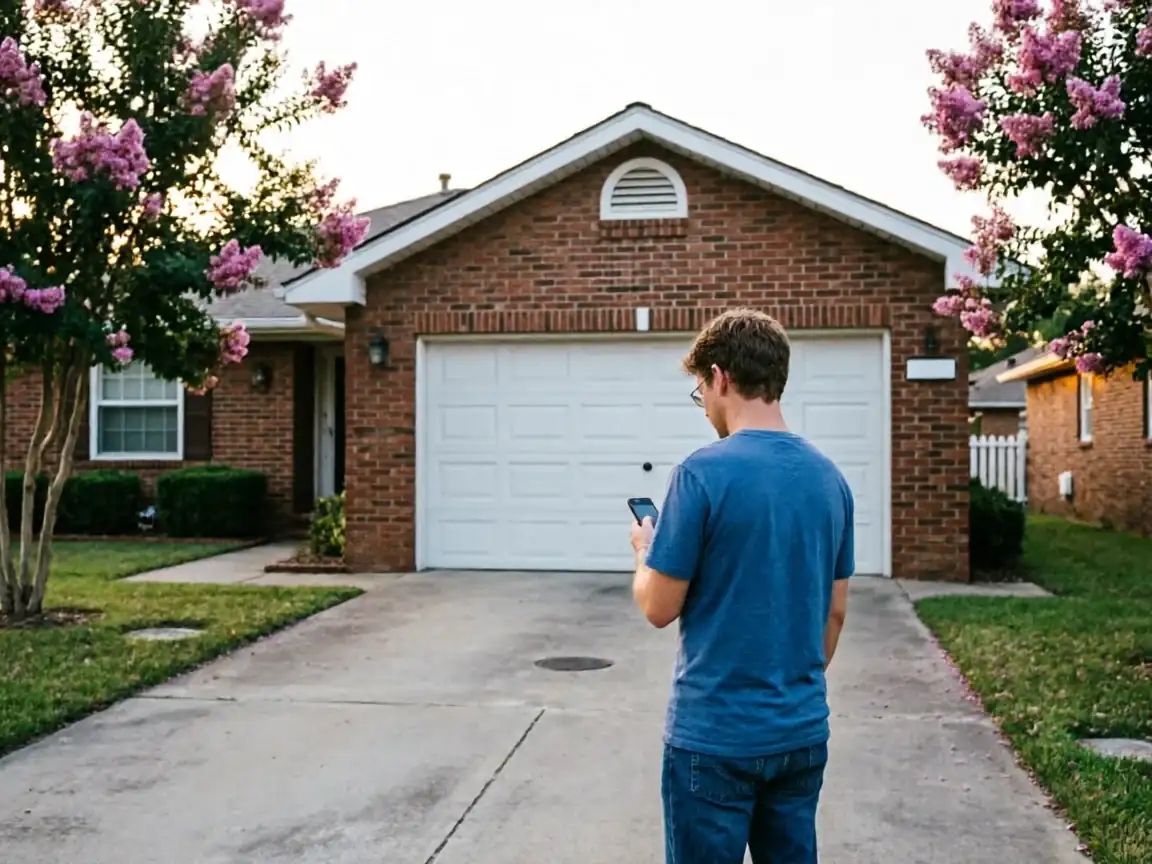
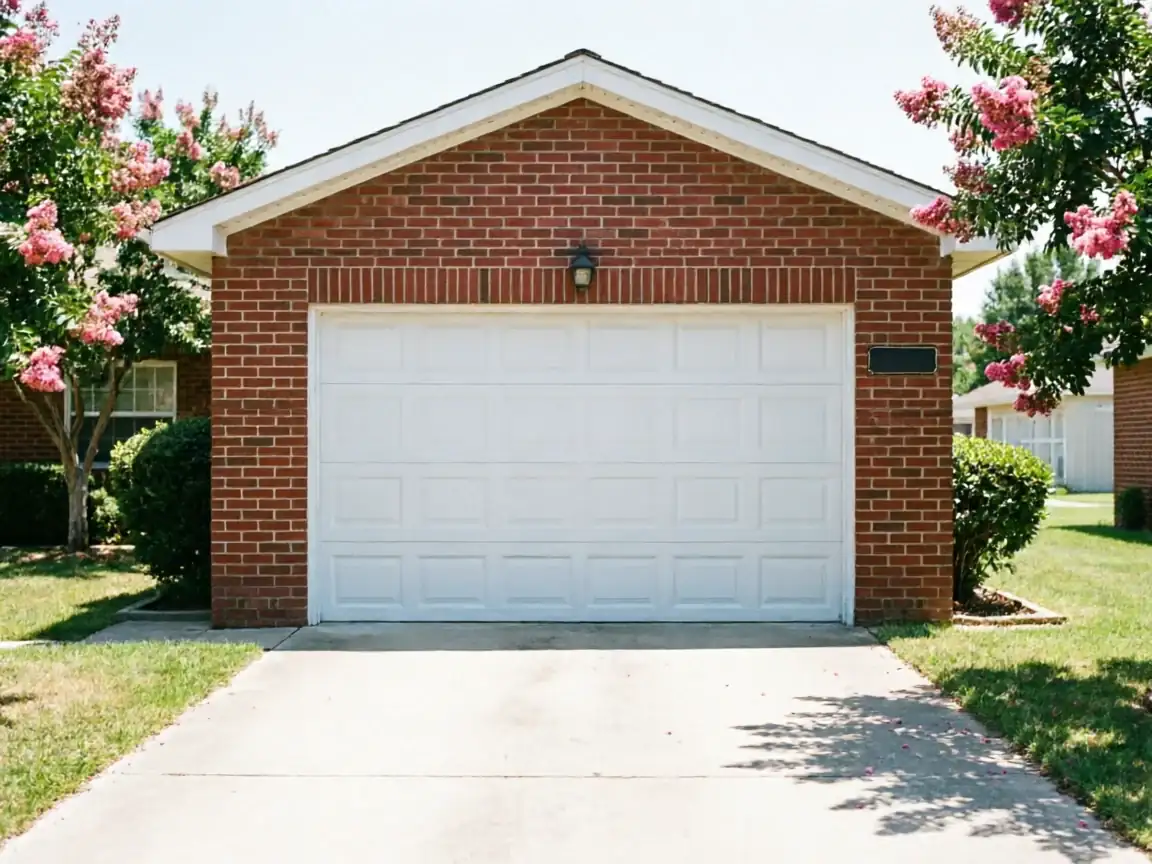
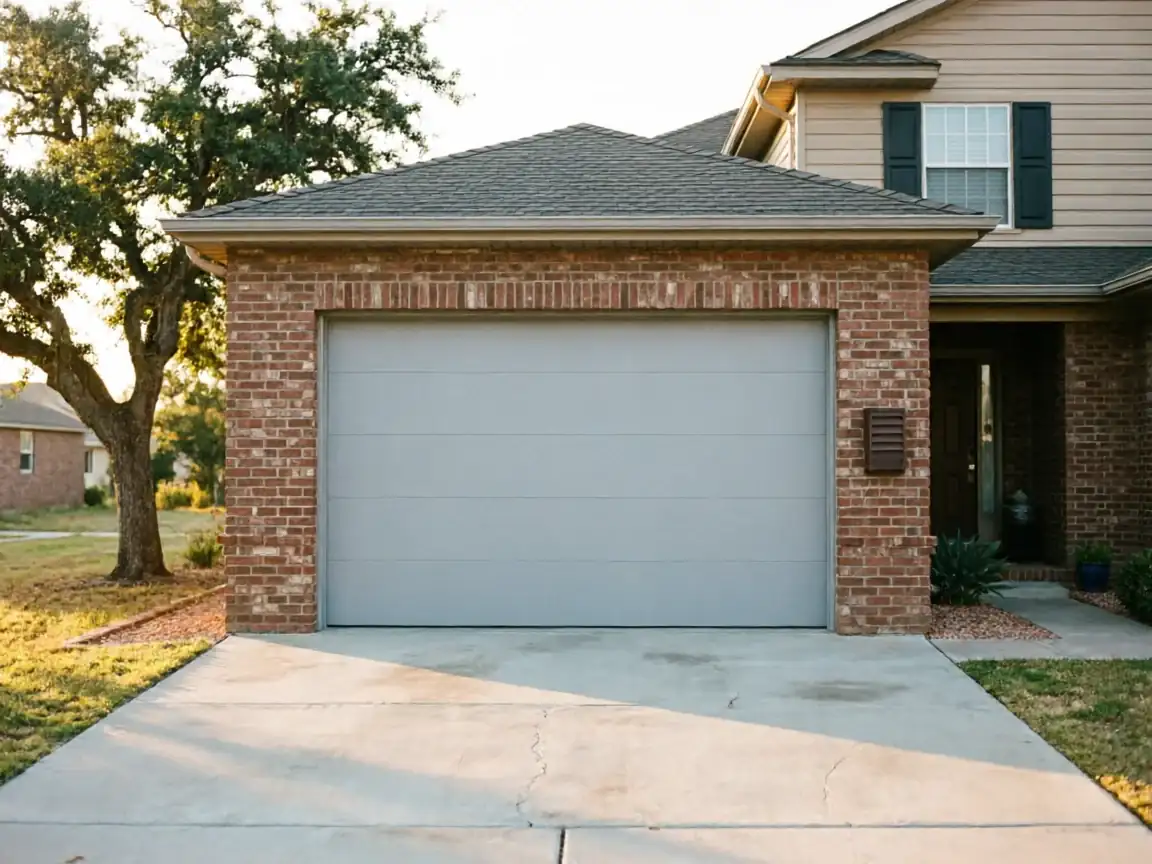
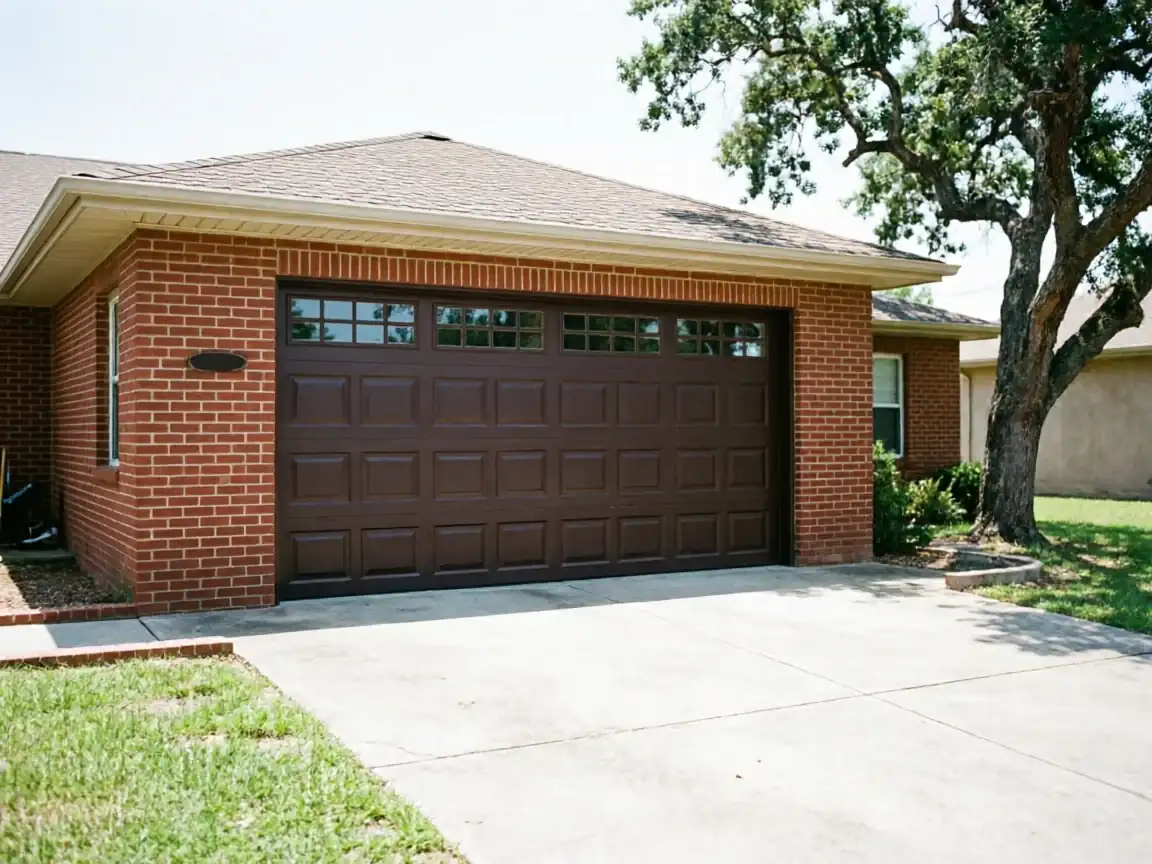
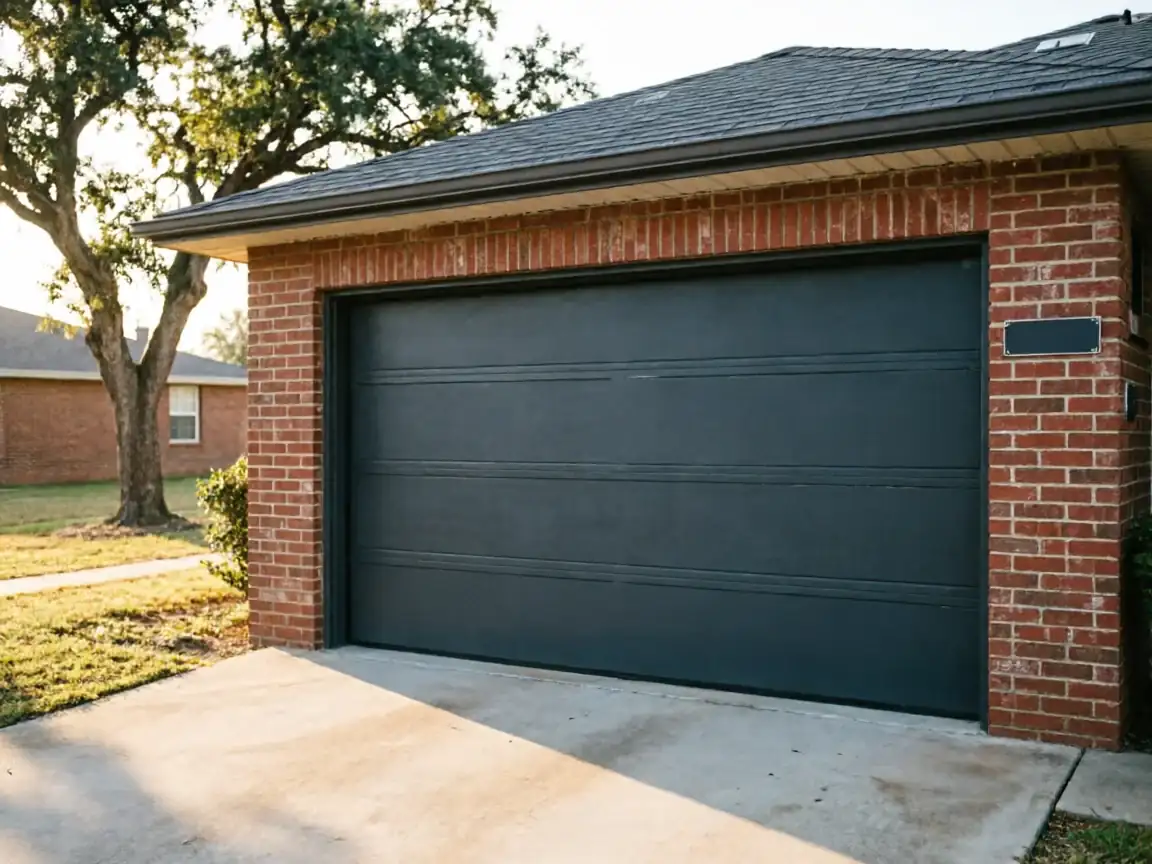
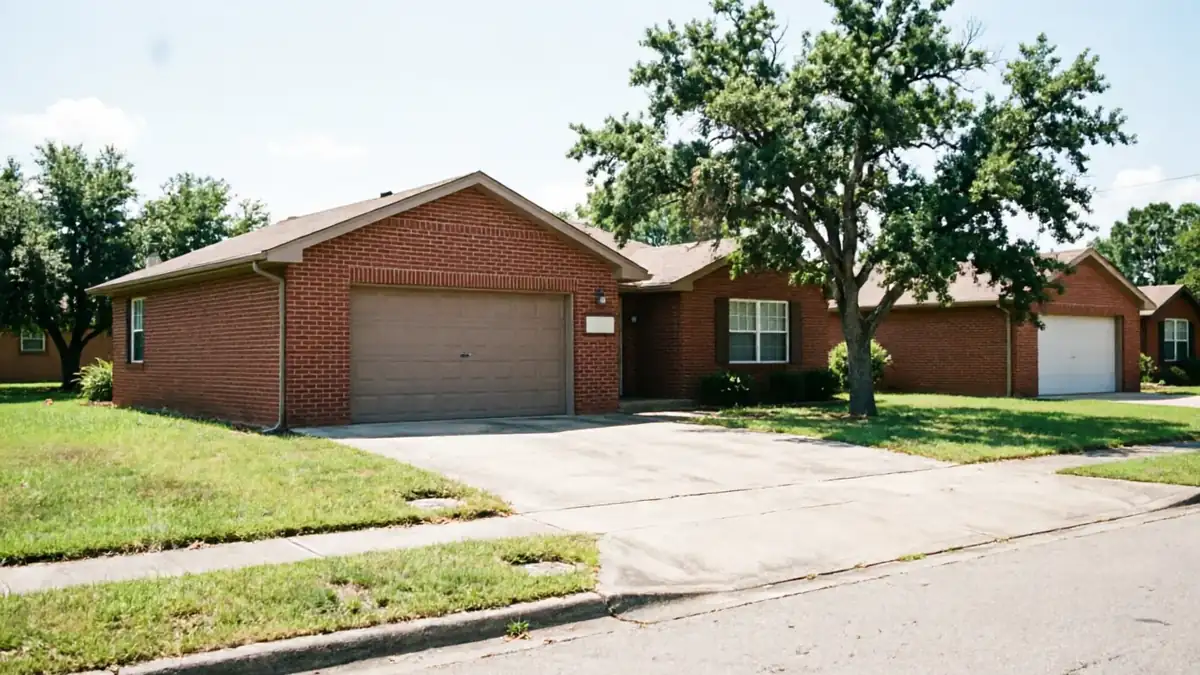
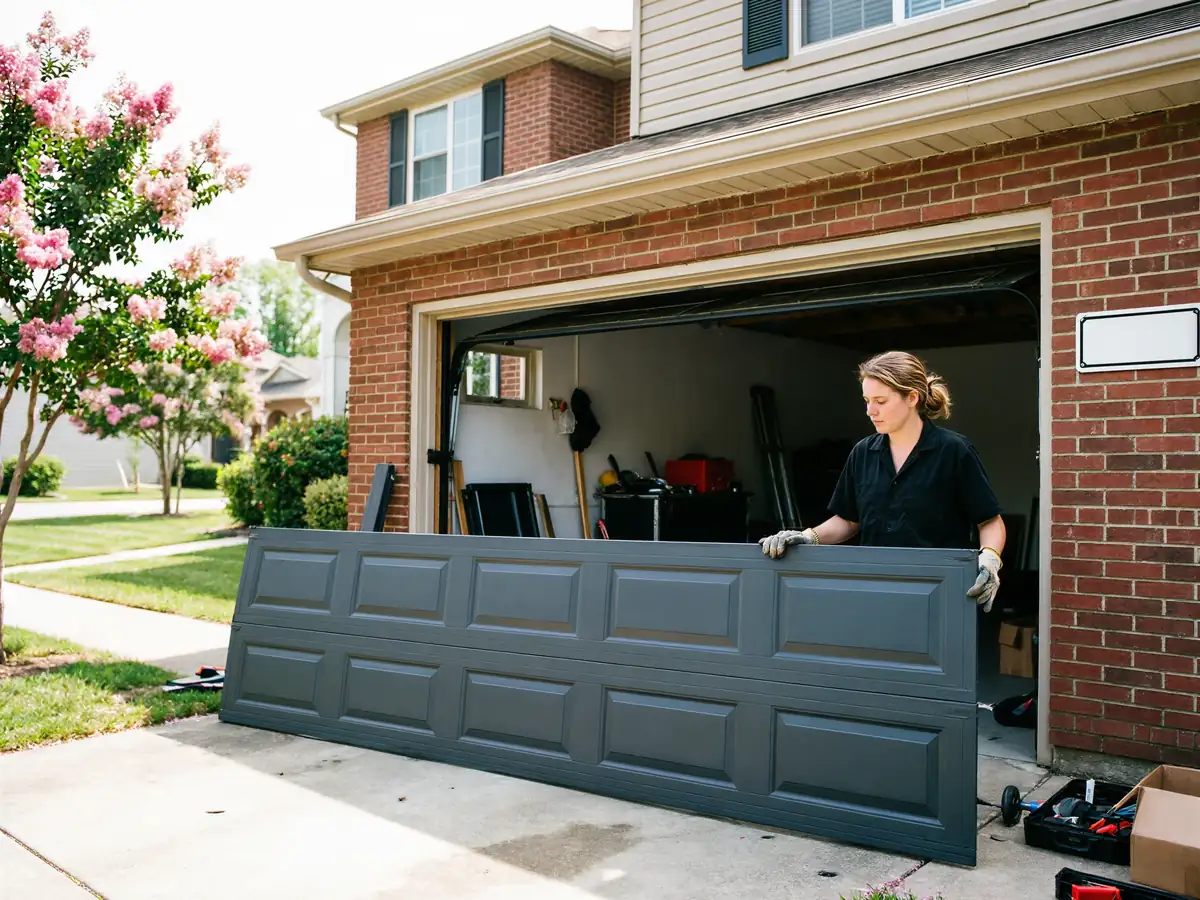
Across the broader area, a lot of the housing stock still dates to the 1980s and 90s, spread over 17 named communities with their own build patterns. Centerton doesn't fit that older pattern as cleanly. Most of what's here went up during or after the 2000s construction push, so you don't get the same mix of original one-piece doors and later replacements that you'd find in an older pocket. What you do get is more uniformity: same-era openers, same-era torsion setups, same-era weatherstripping, all wearing out on a similar clock. The streets that came in earliest within Centerton's own growth are starting to show it first. That's not a claim about any specific subdivision, it's just what happens when a town's housing arrives in a shorter window rather than trickling in over four decades. Fewer oddball doors, more doors failing in the same few years because they were installed in the same few years.
How That Shows Up in the Door
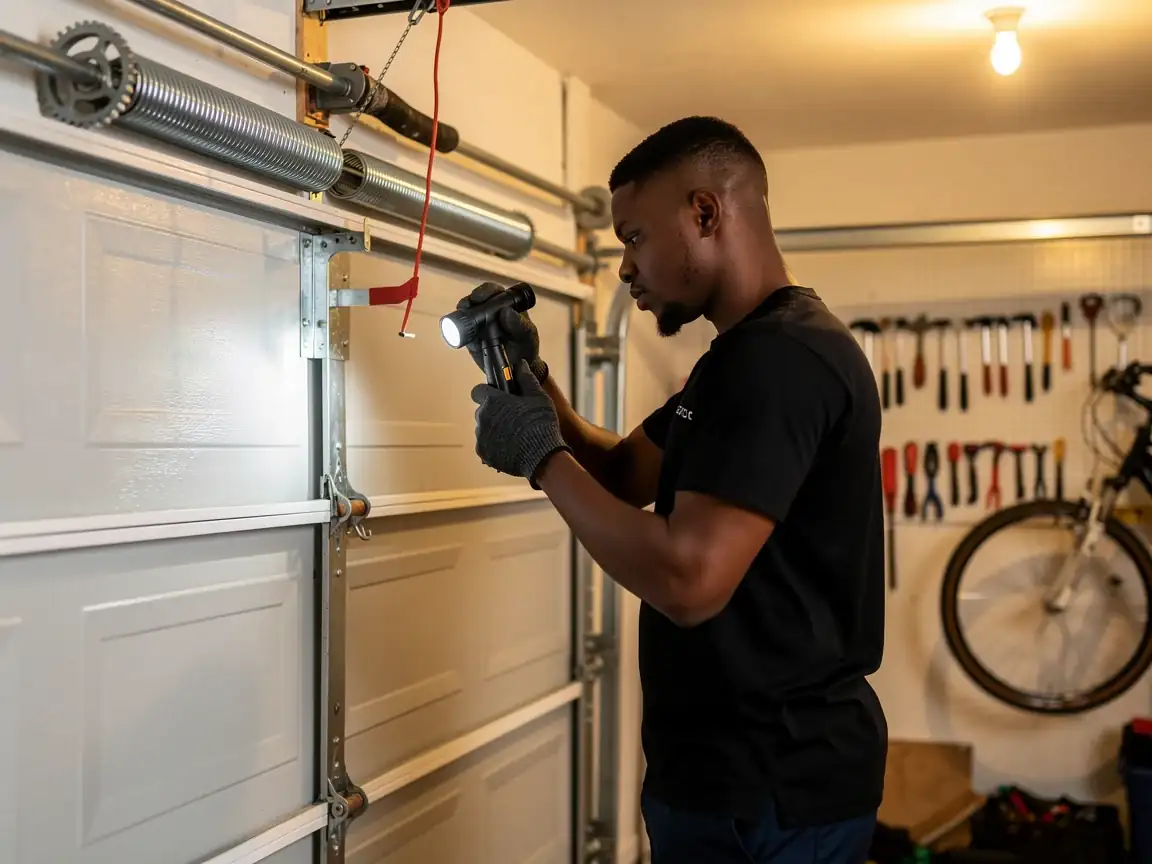
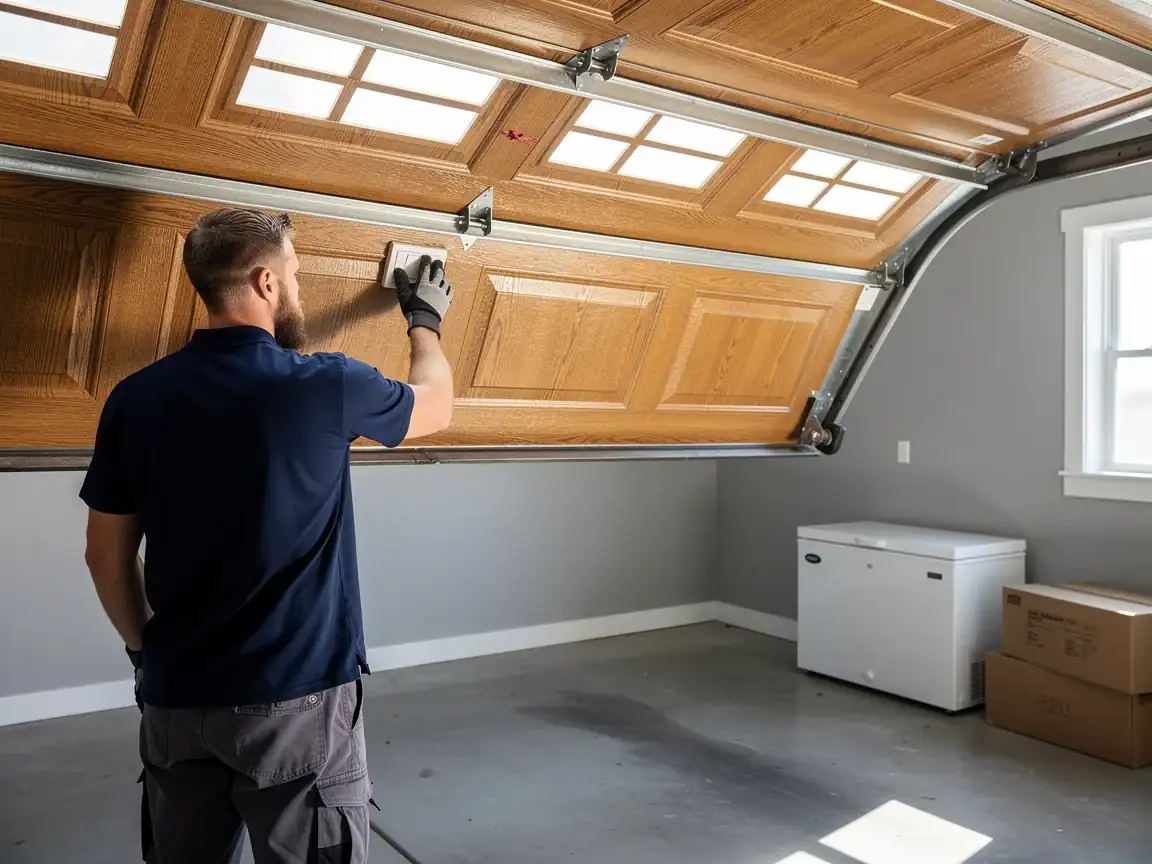
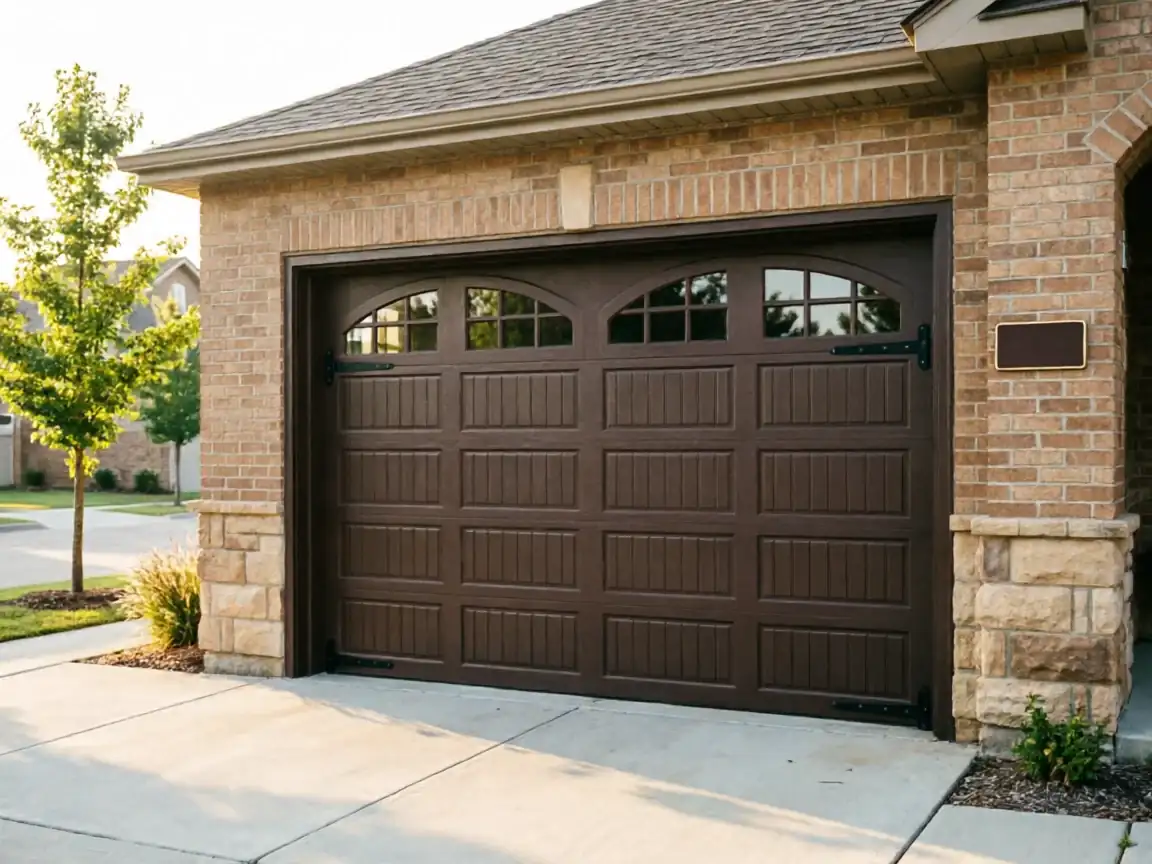
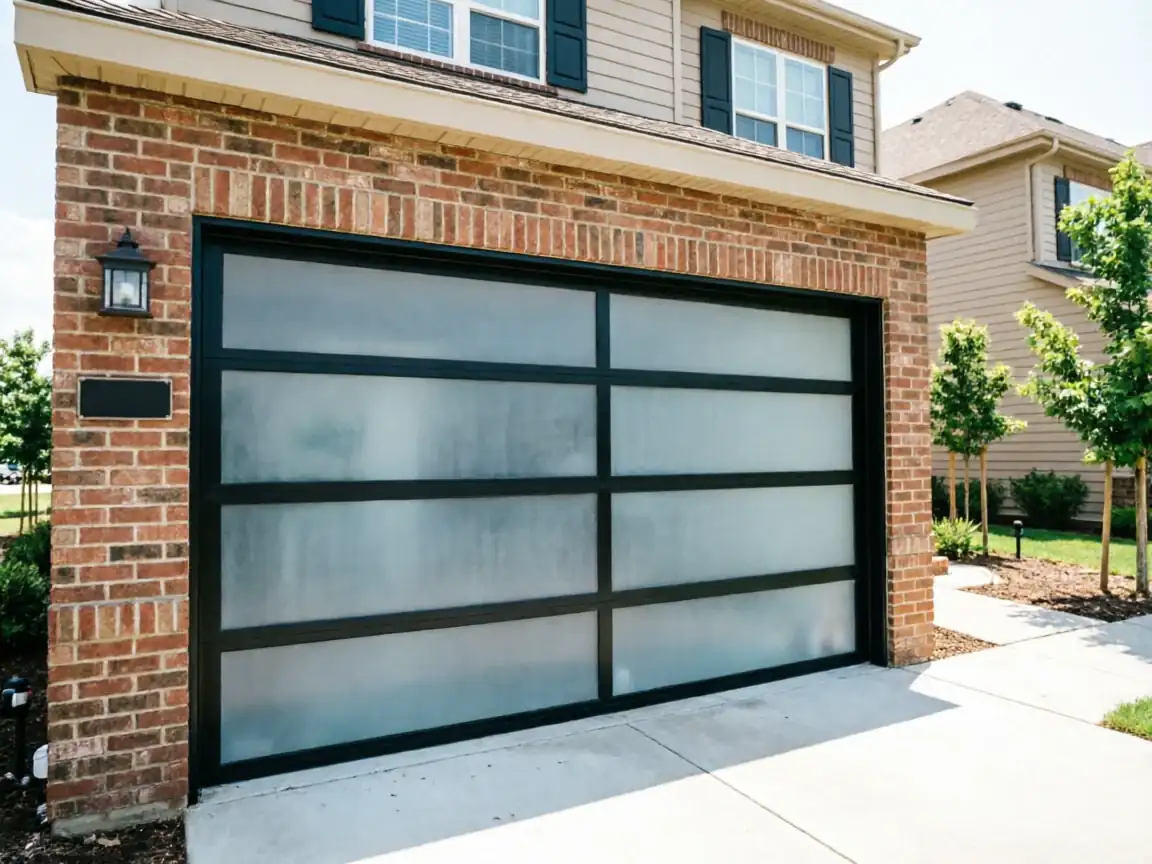
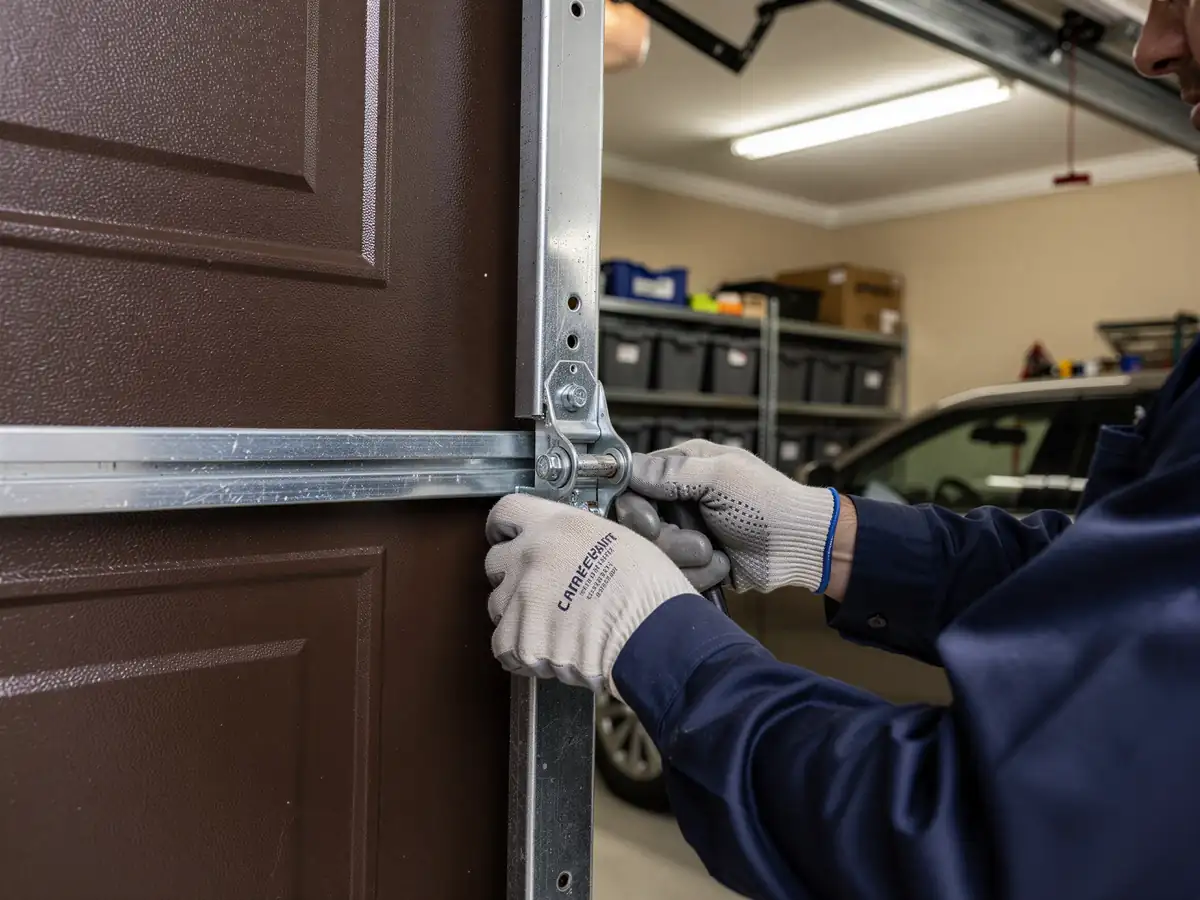
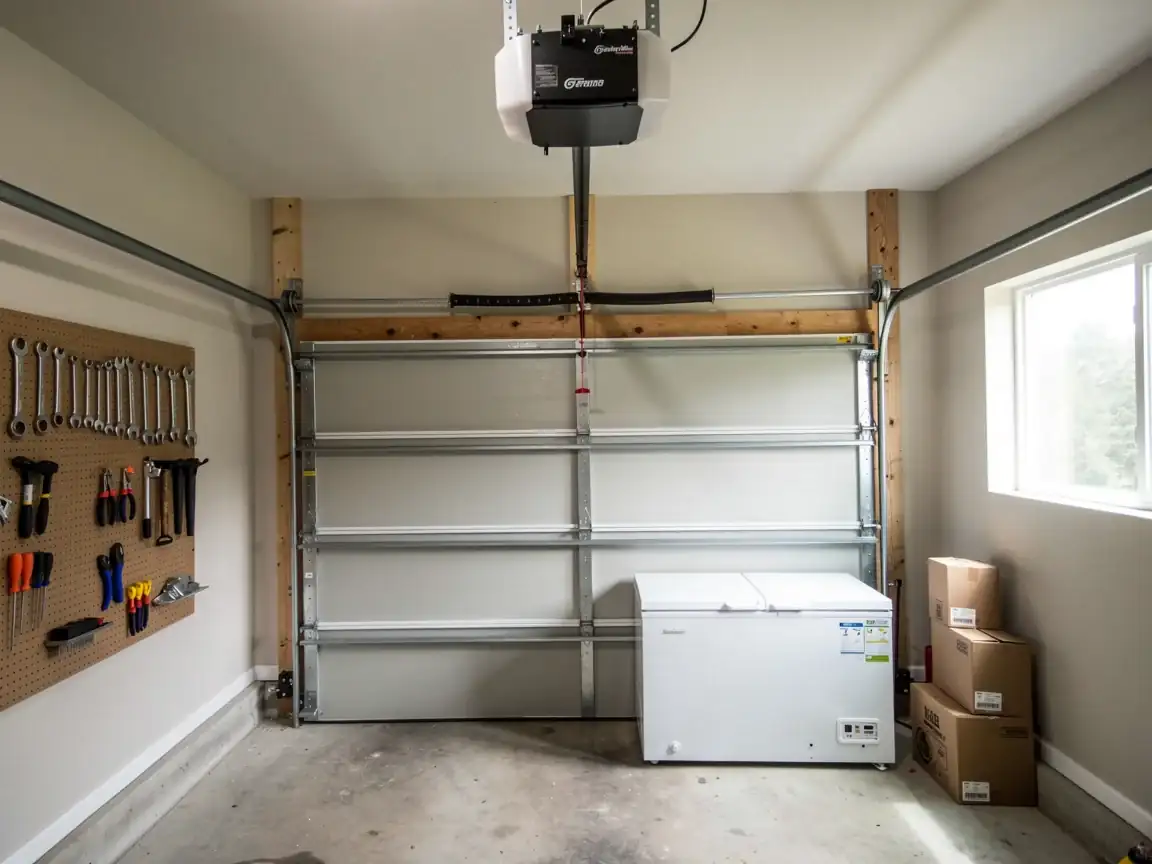
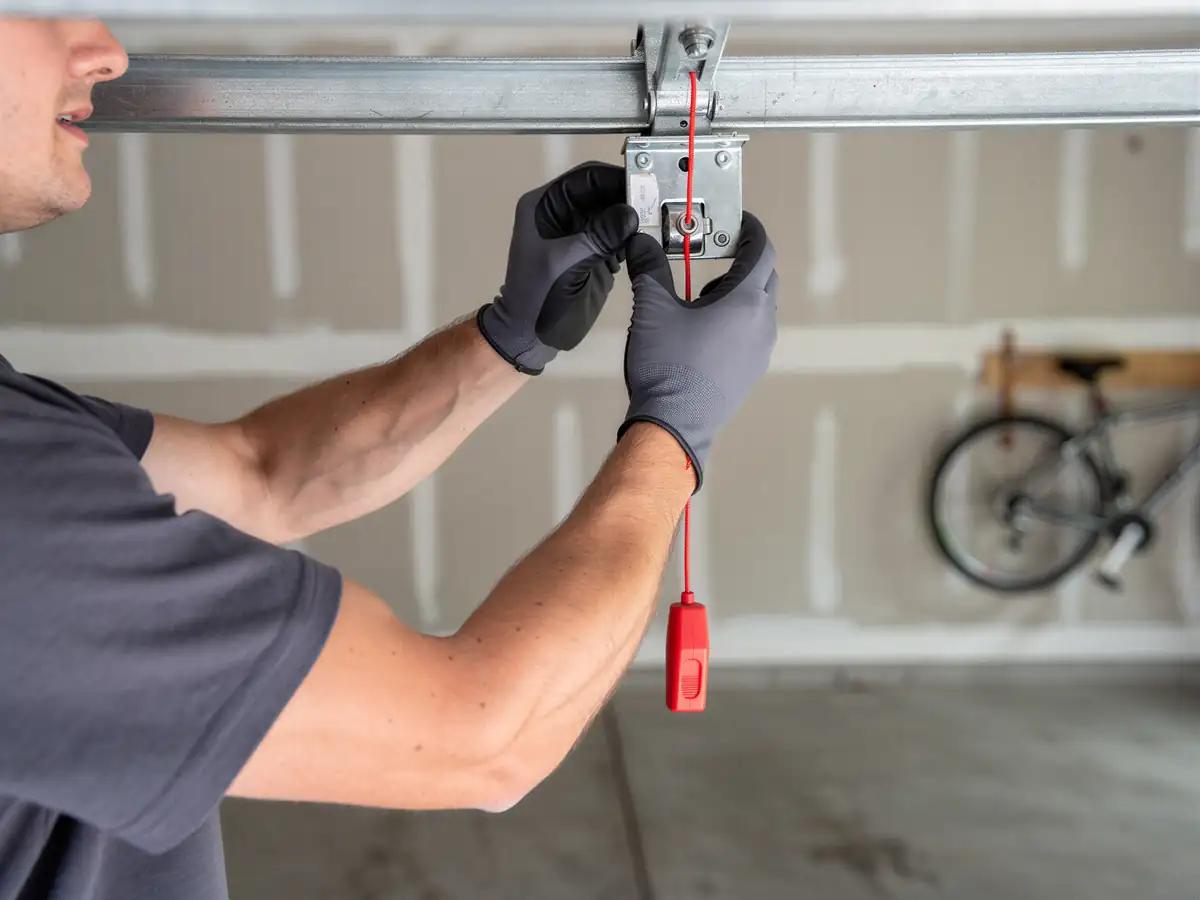
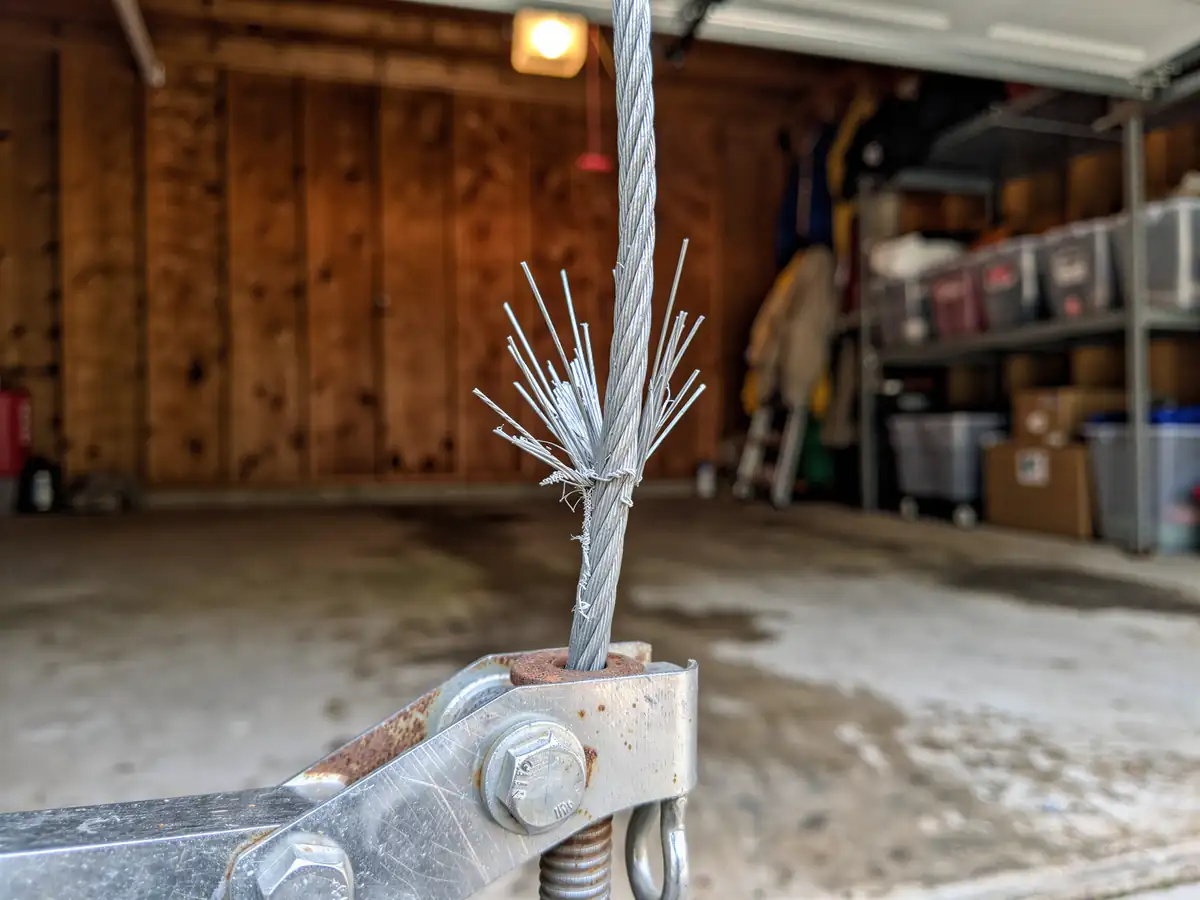
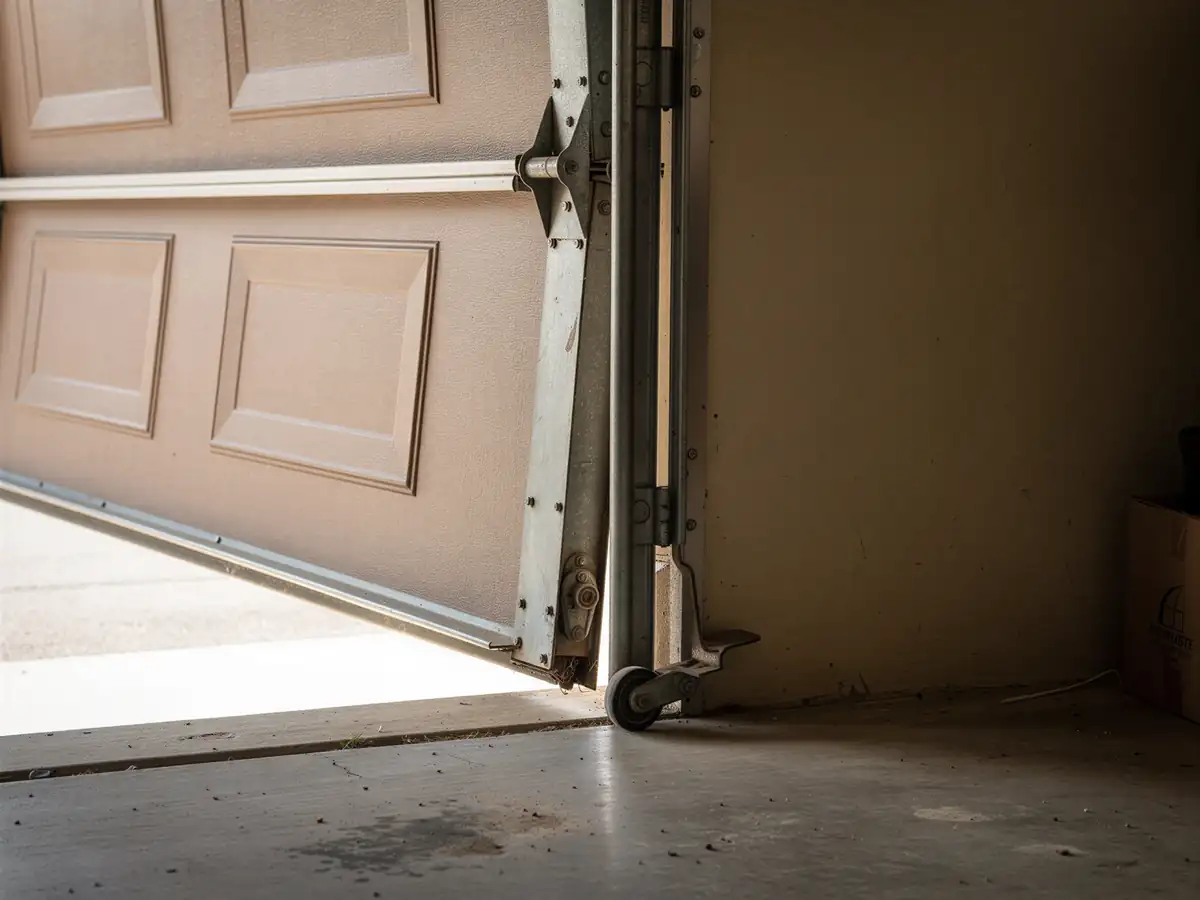
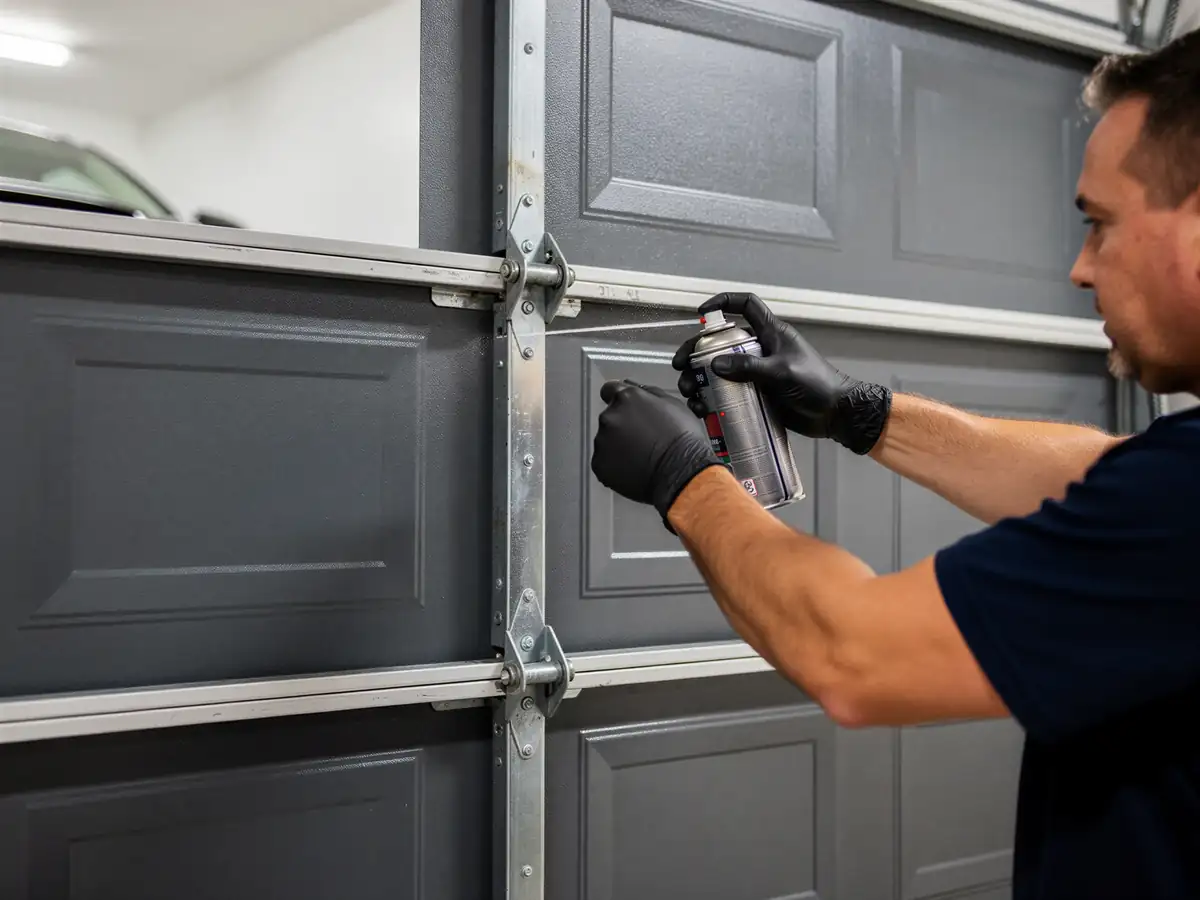
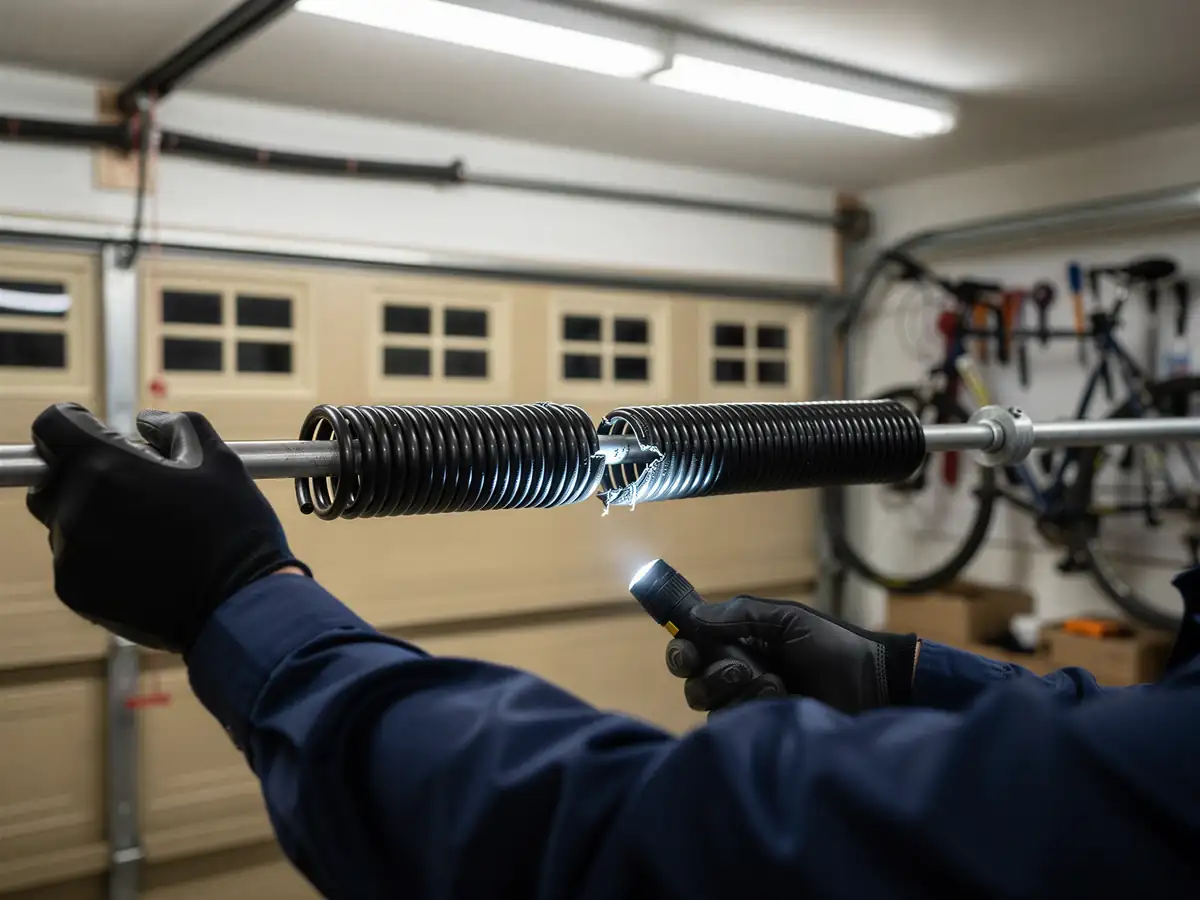
Builder-grade torsion springs are sized to a minimum cycle count, and on a 2000s-era house that count runs out right around now, which is why spring failure is the most common call we get from this part of the territory. Second most common: opener logic boards and safety sensors, since most of these garages came with the same chain or belt unit as standard equipment and those units are reaching the age where the circuit board, not the motor, is what quits. The region sits in a cold-moderate climate band, so winter is when weatherstripping gaps and slightly misaligned tracks turn into doors that stick or won't seal, especially on insulated doors where the seal matters more for keeping a conditioned garage comfortable. None of this is dramatic. It's steady wear hitting a lot of houses at once because they were all built close together.