Old Streets and New Ones
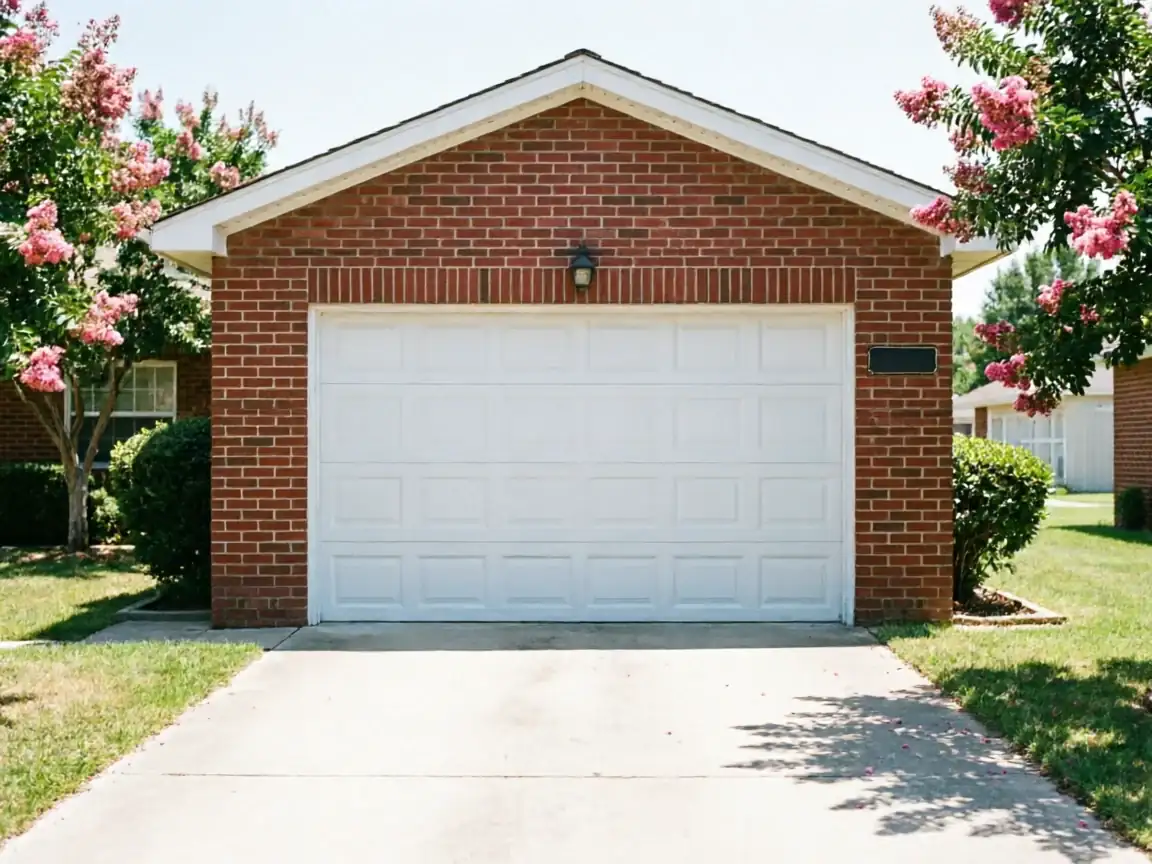
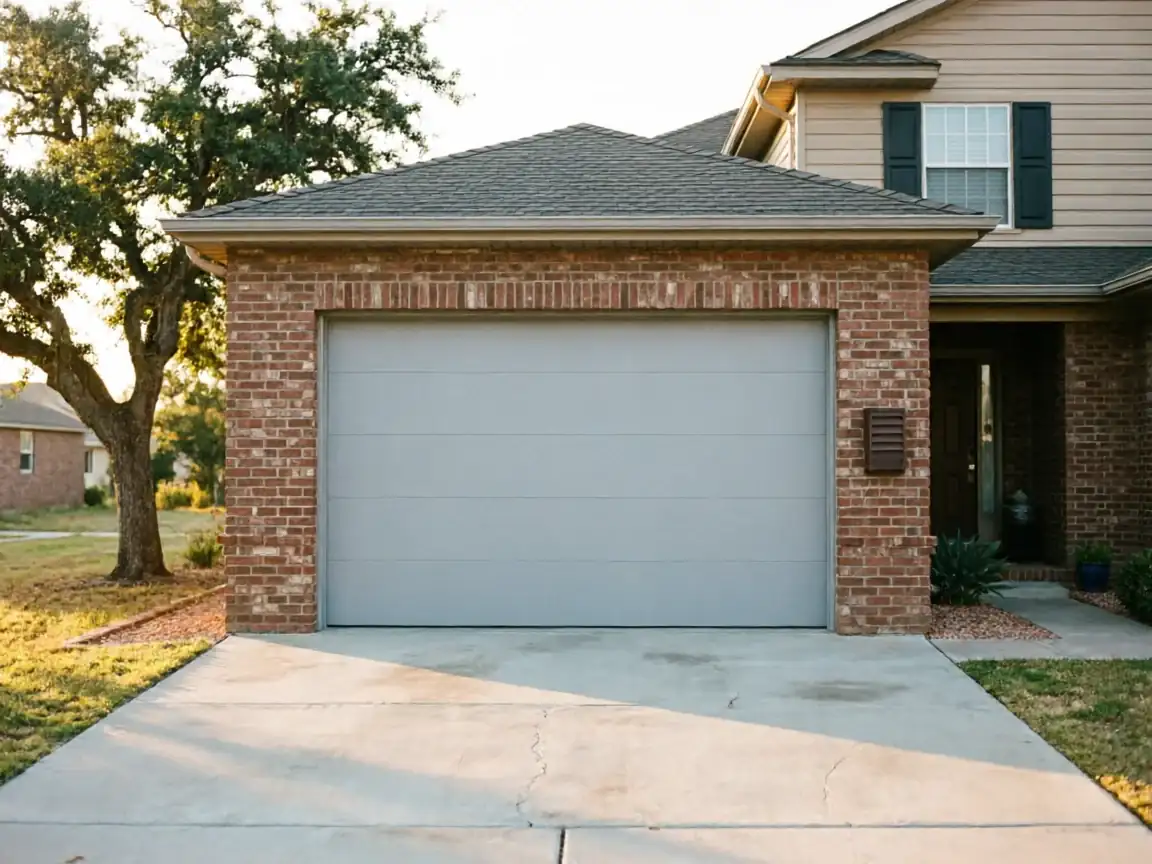
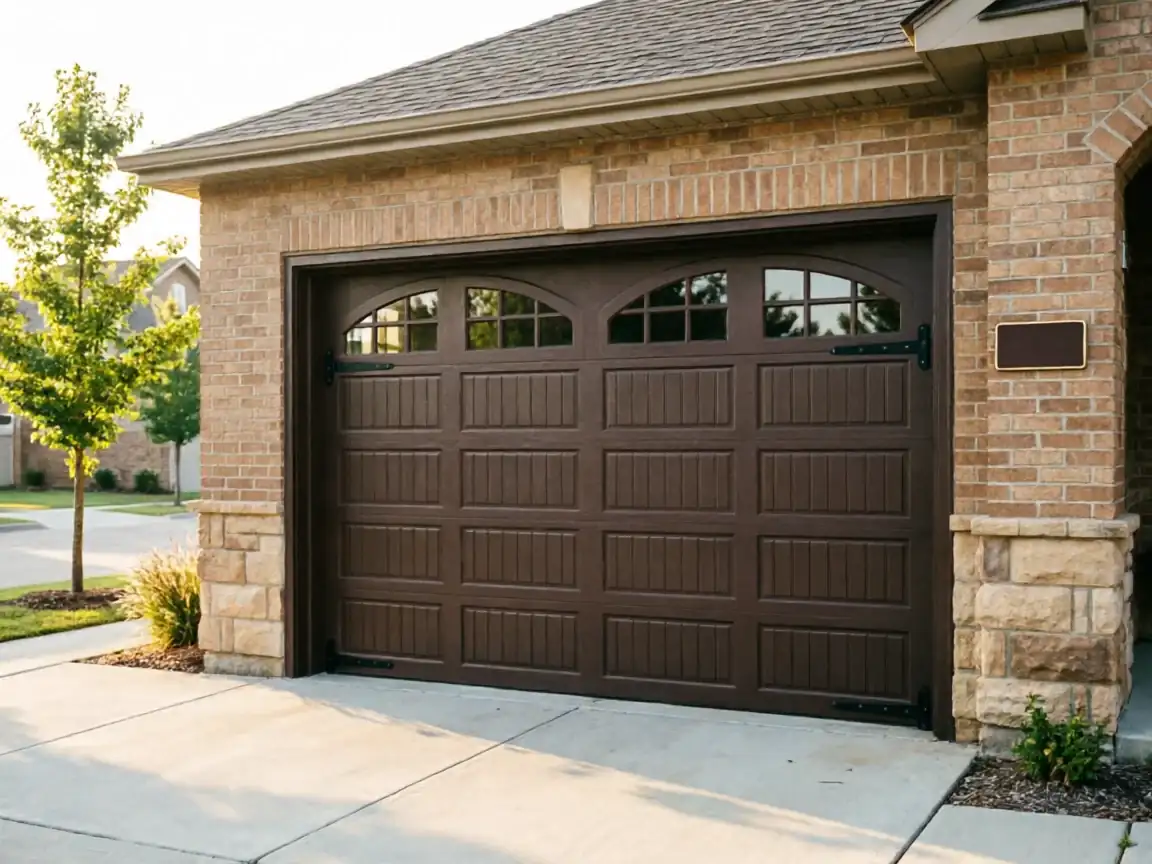
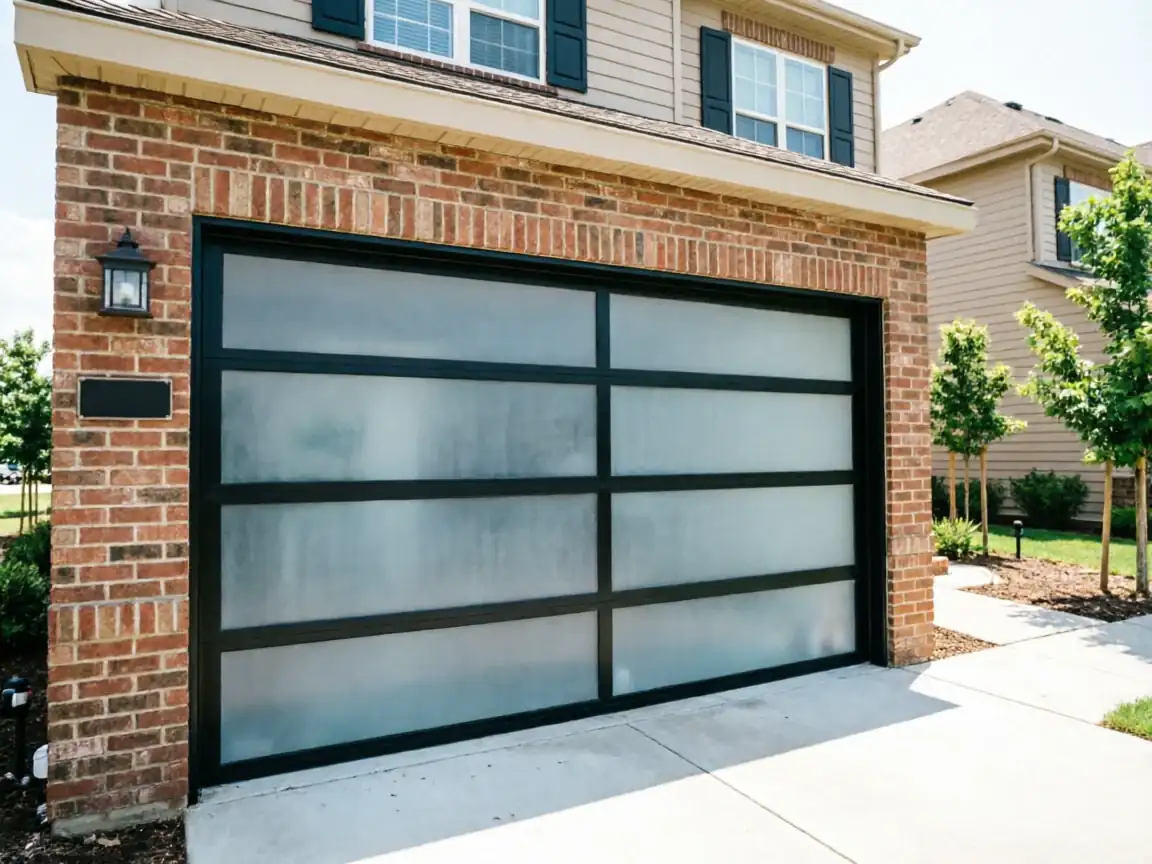
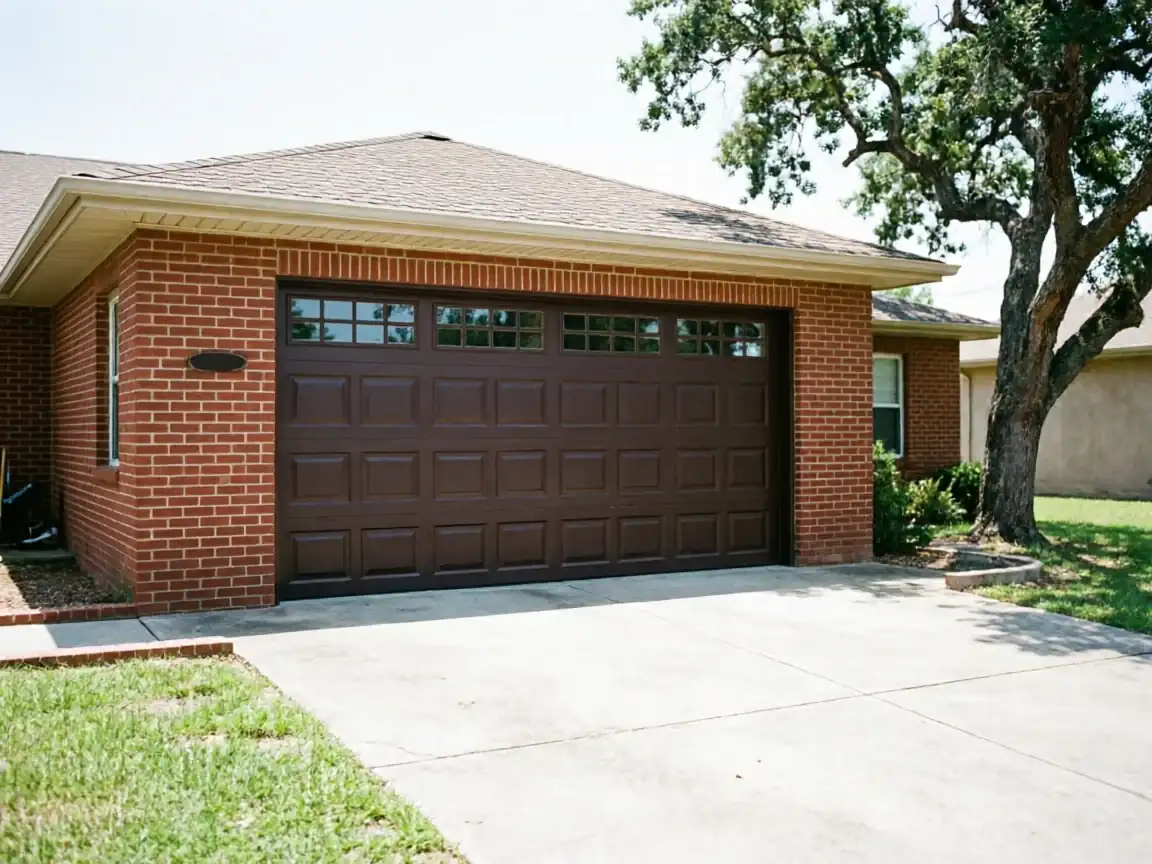
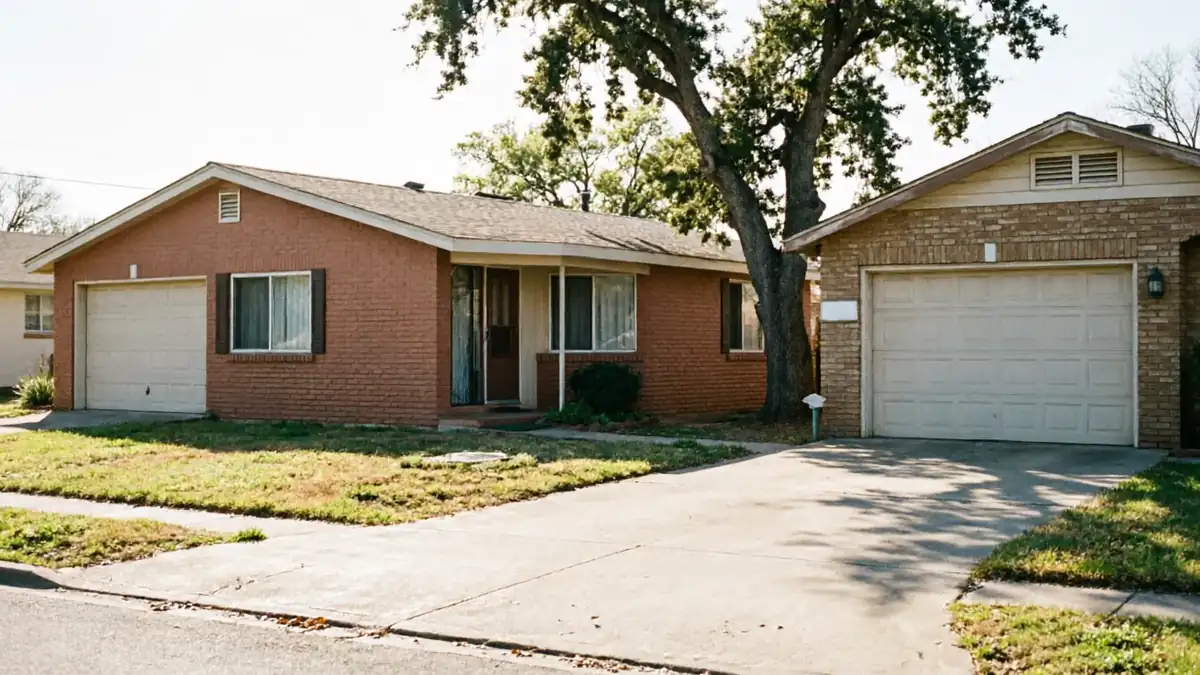
A build window centered on 1990 means most of Prairie Creek missed the earliest wave of 1980s steel doors but also predates the newer insulated, steel-and-polystyrene sandwich panels that started showing up broadly after the mid-90s. That puts a lot of these doors in an in-between category: single-layer steel, standard torsion springs sized for that era's door weights, openers that are likely on their second or third unit by now since a chain-drive opener from the early 90s rarely makes it three decades. Compare that to places like Lowell or Little Flock, each a few miles off in different directions, where the build mix skews differently enough that the common failure we see shifts too. Prairie Creek doesn't have the oldest stock in the coverage area and it doesn't have the newest. It sits in a narrow band, and that narrow band is what we're actually diagnosing for when a call comes in from here.
How That Shows Up in the Door
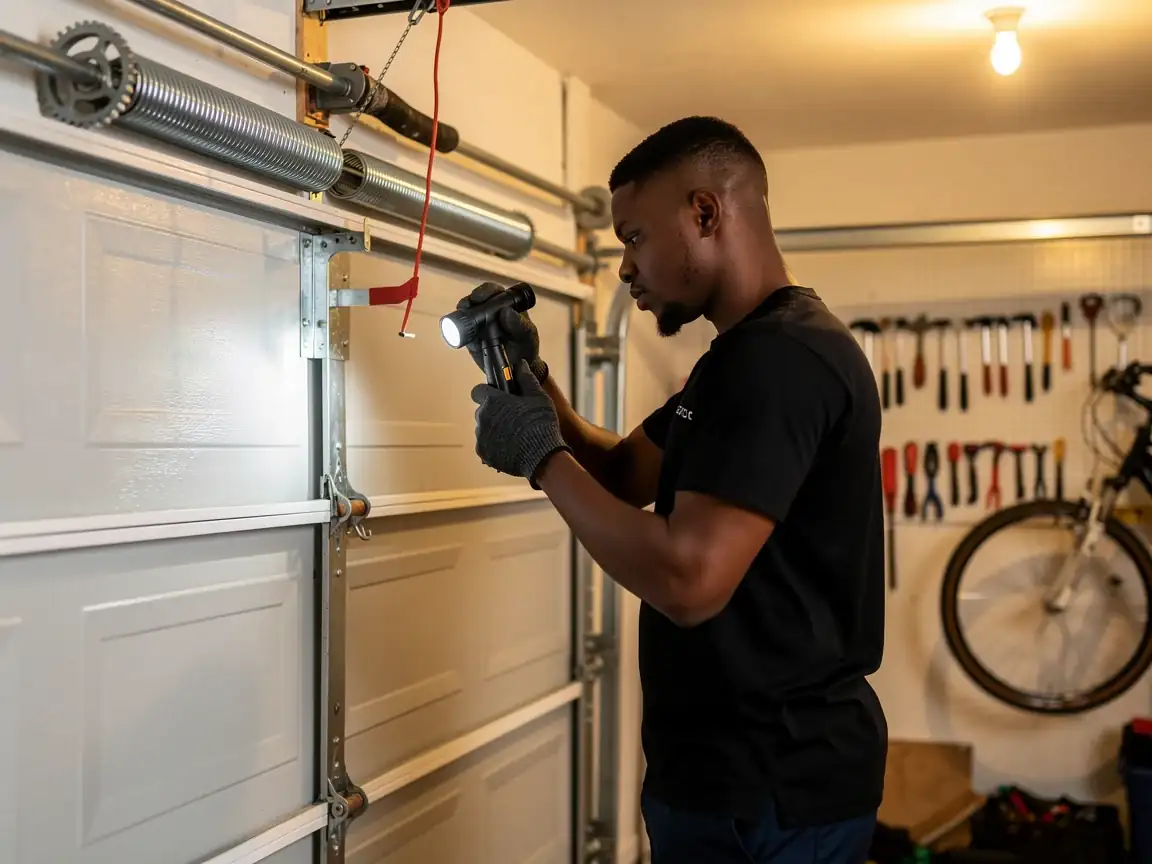
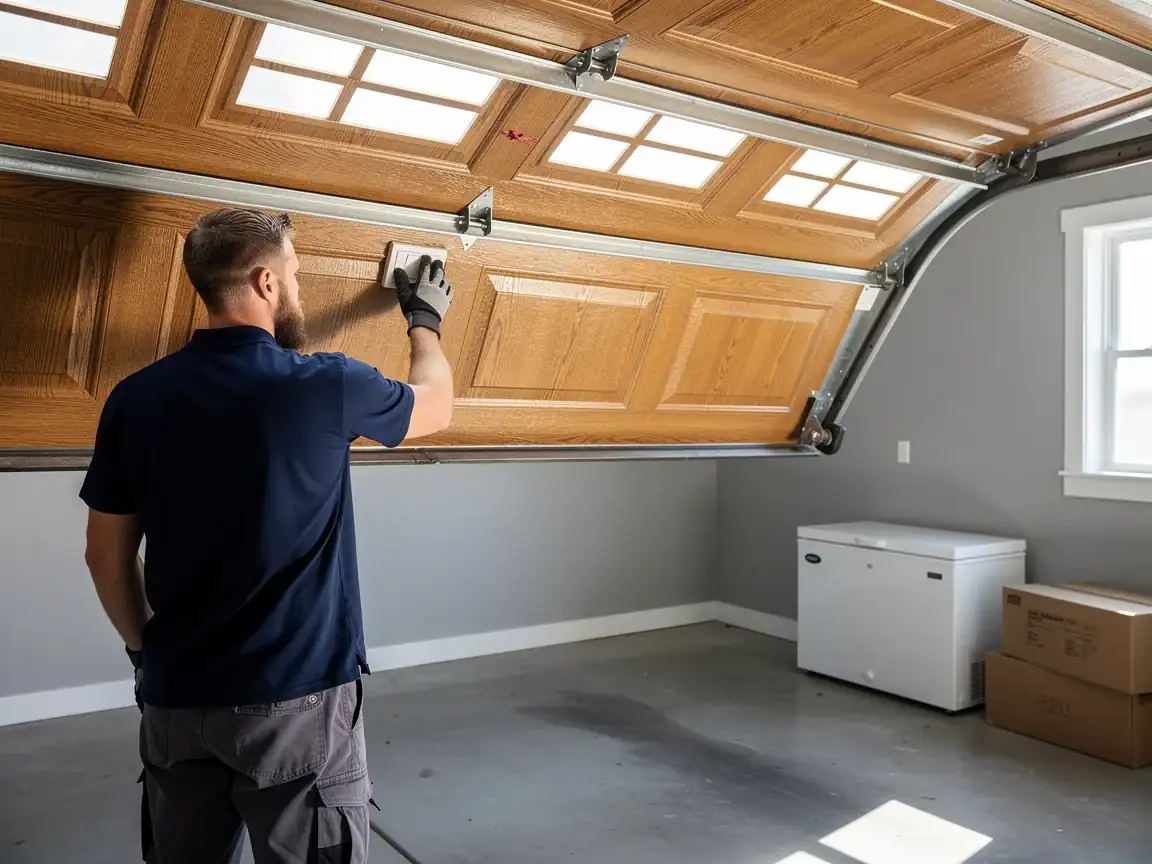
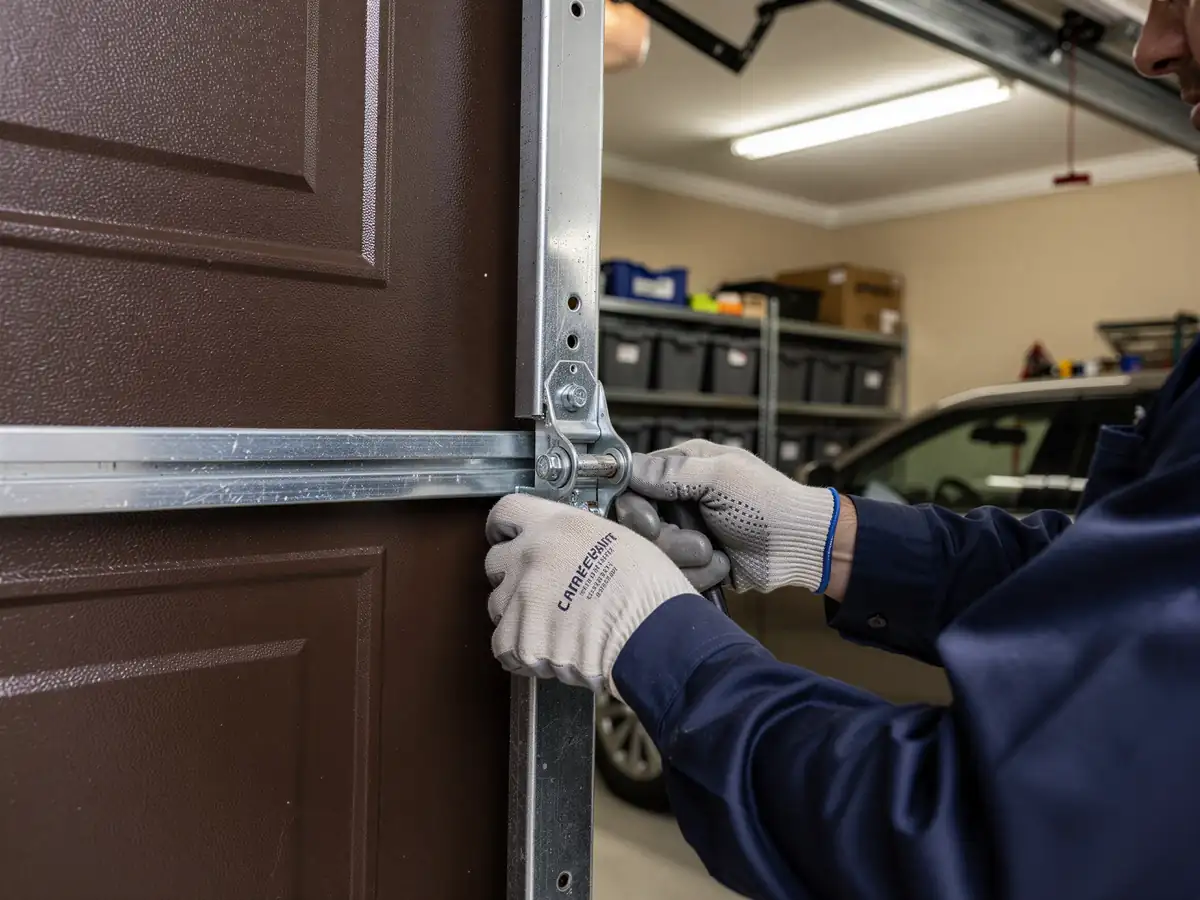
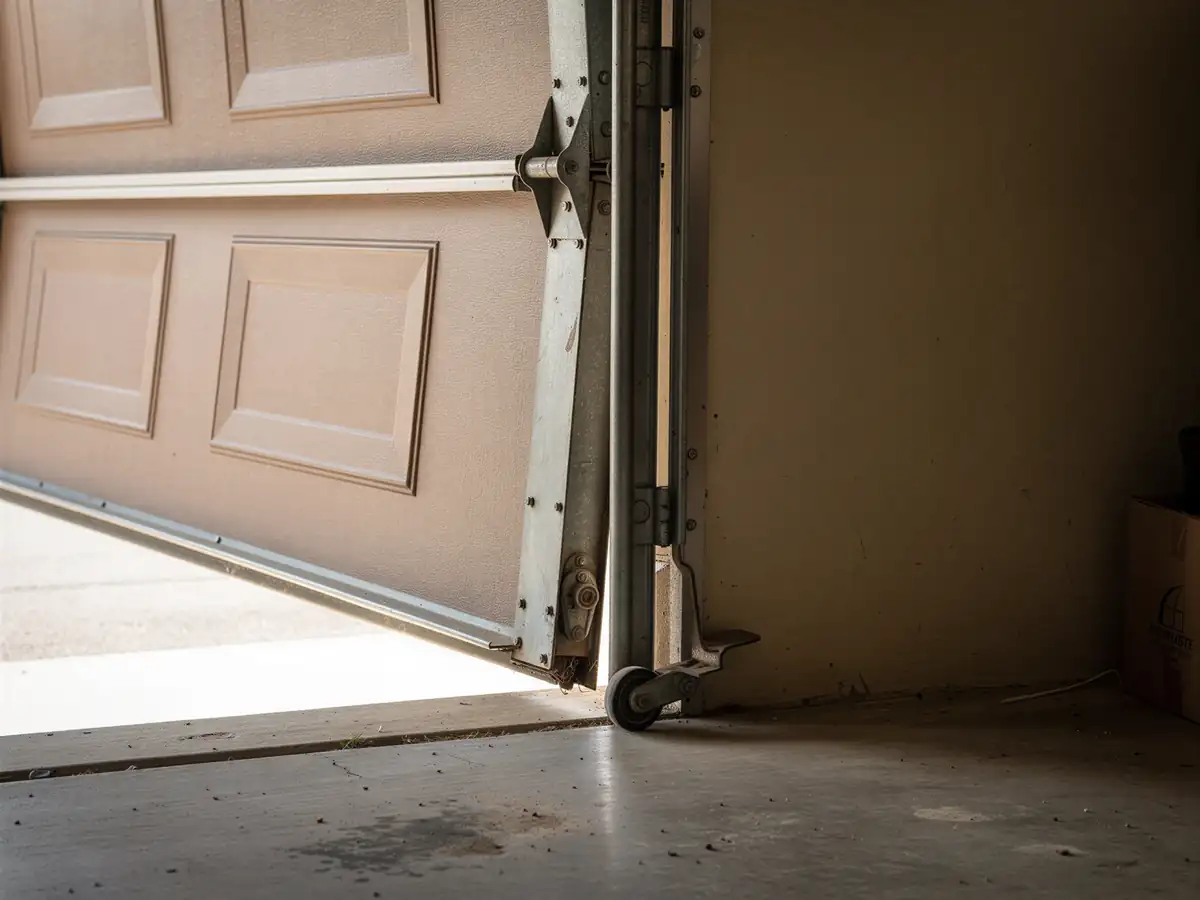
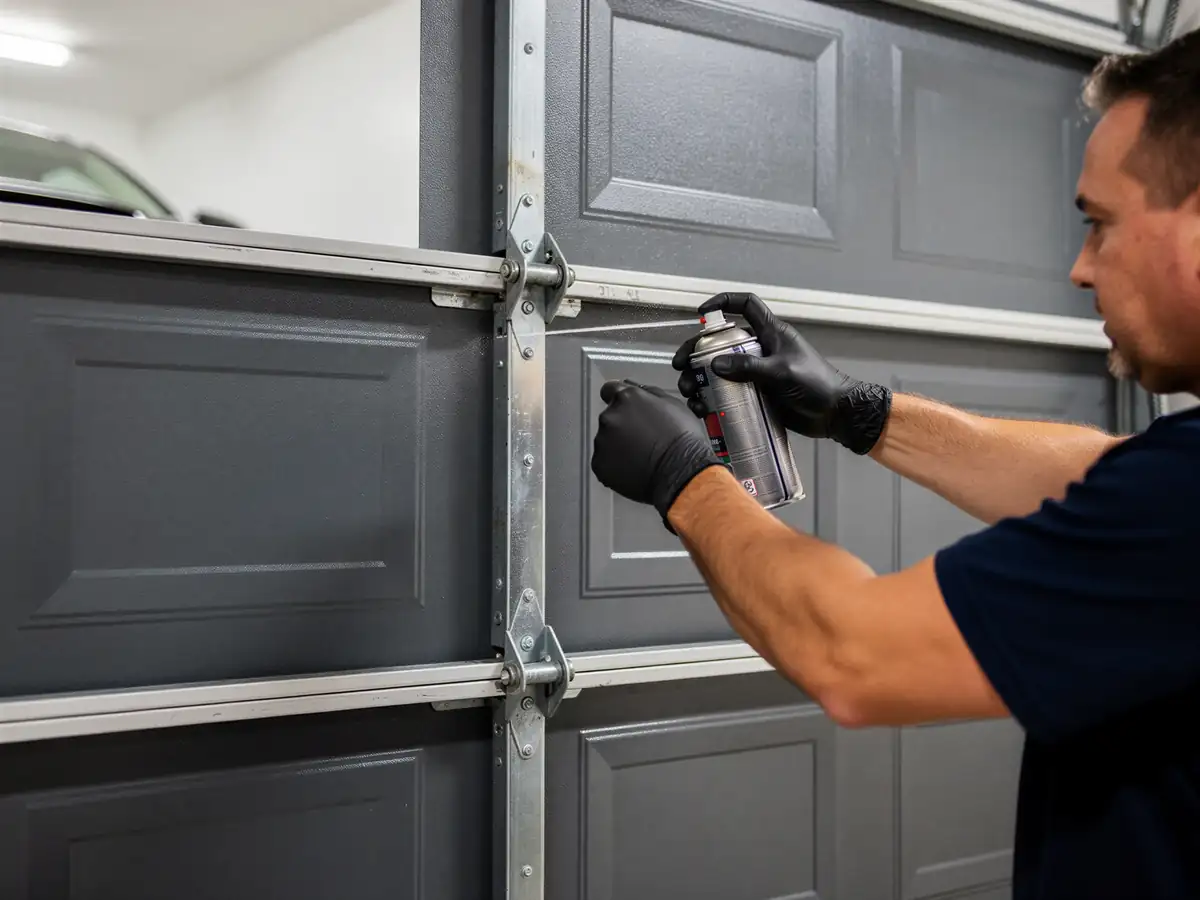
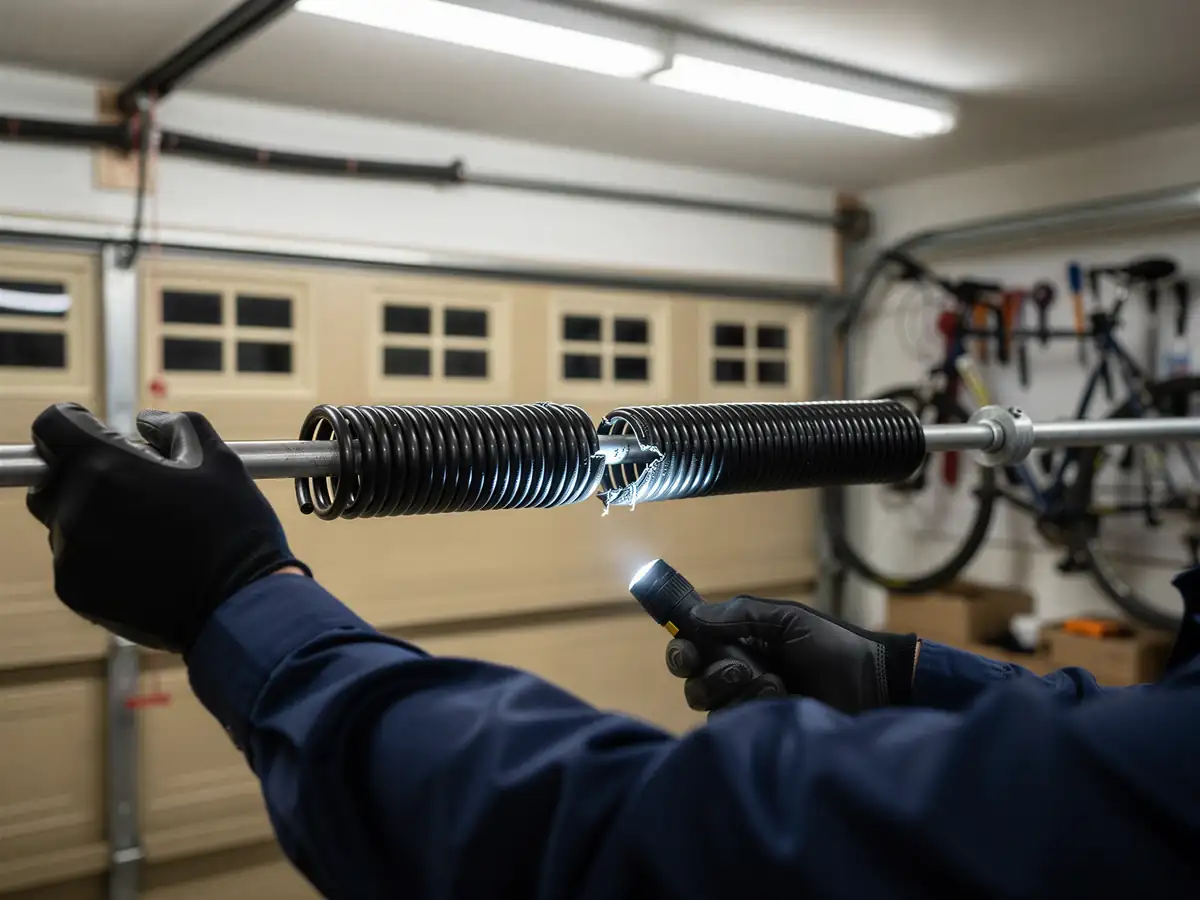
On a door this age, the failures cluster. Torsion springs rated for late-80s/early-90s door weights wear out the same way everywhere, but we see a lot of first-generation torsion setups here that were never upgraded when the opener was swapped, so the spring and the opener's lift capacity don't quite match anymore. Rollers are usually original-style steel-on-steel rather than the sealed nylon ones that became common later, which means more noise and more wear on the track over time. Winters in this area sit in the same cold-moderate band as the rest of the region, so the ground shifts a little every freeze-thaw cycle, which tugs on track alignment on an already-aging frame. None of this is dramatic. It's the slow kind of wear that shows up as a louder door, then a slower door, then a door that won't fully seat.