Old Streets and New Ones
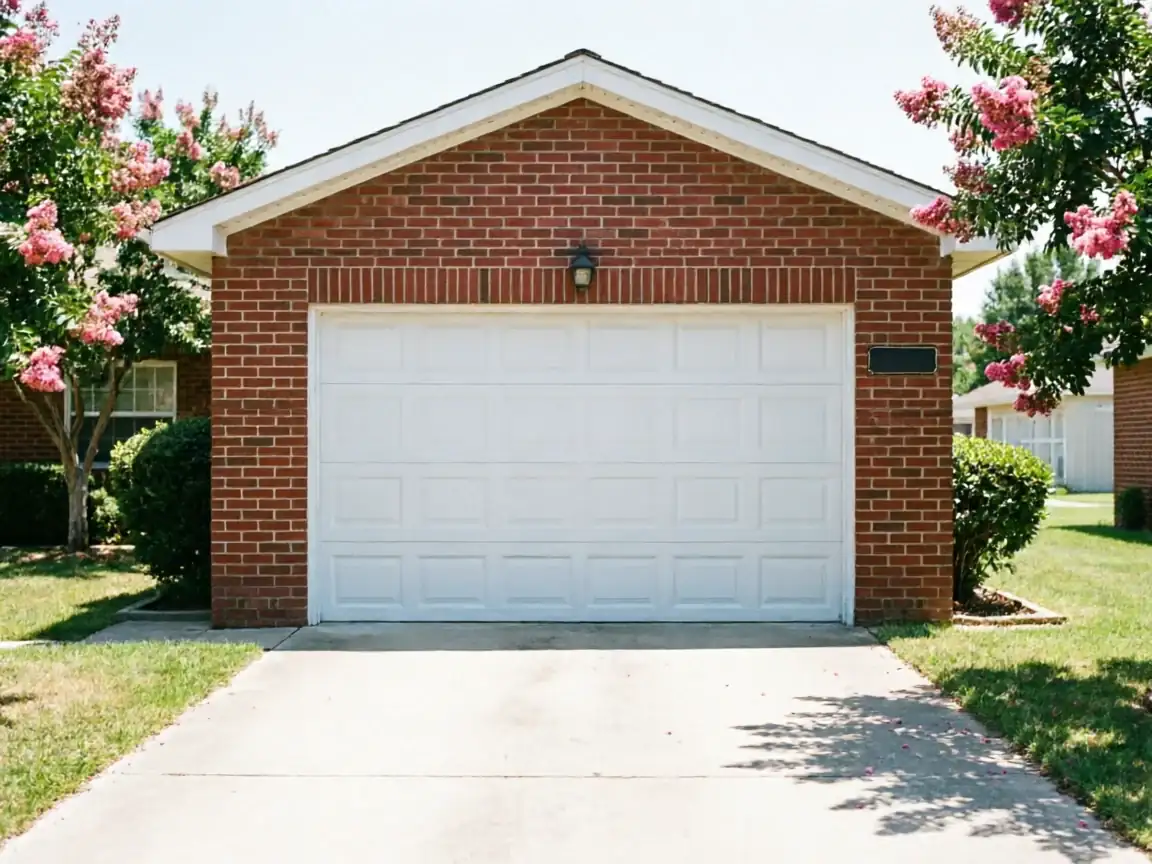
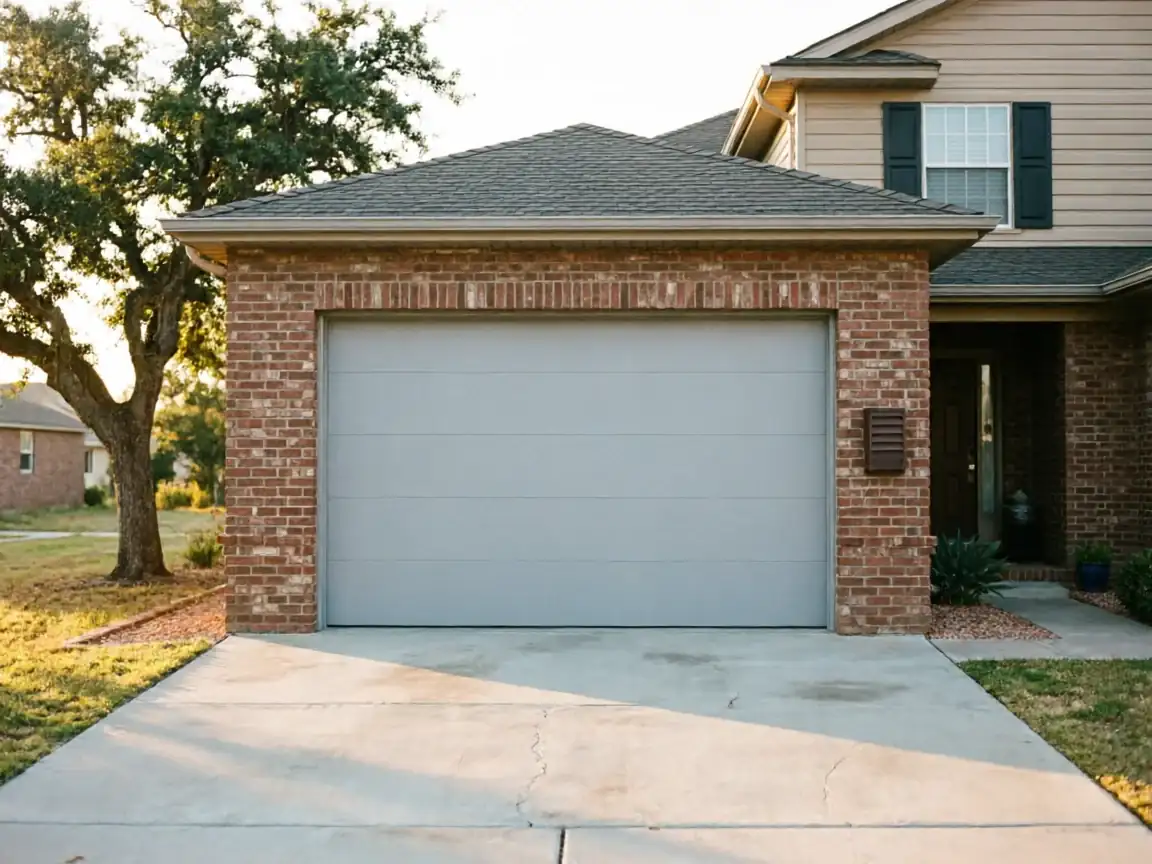
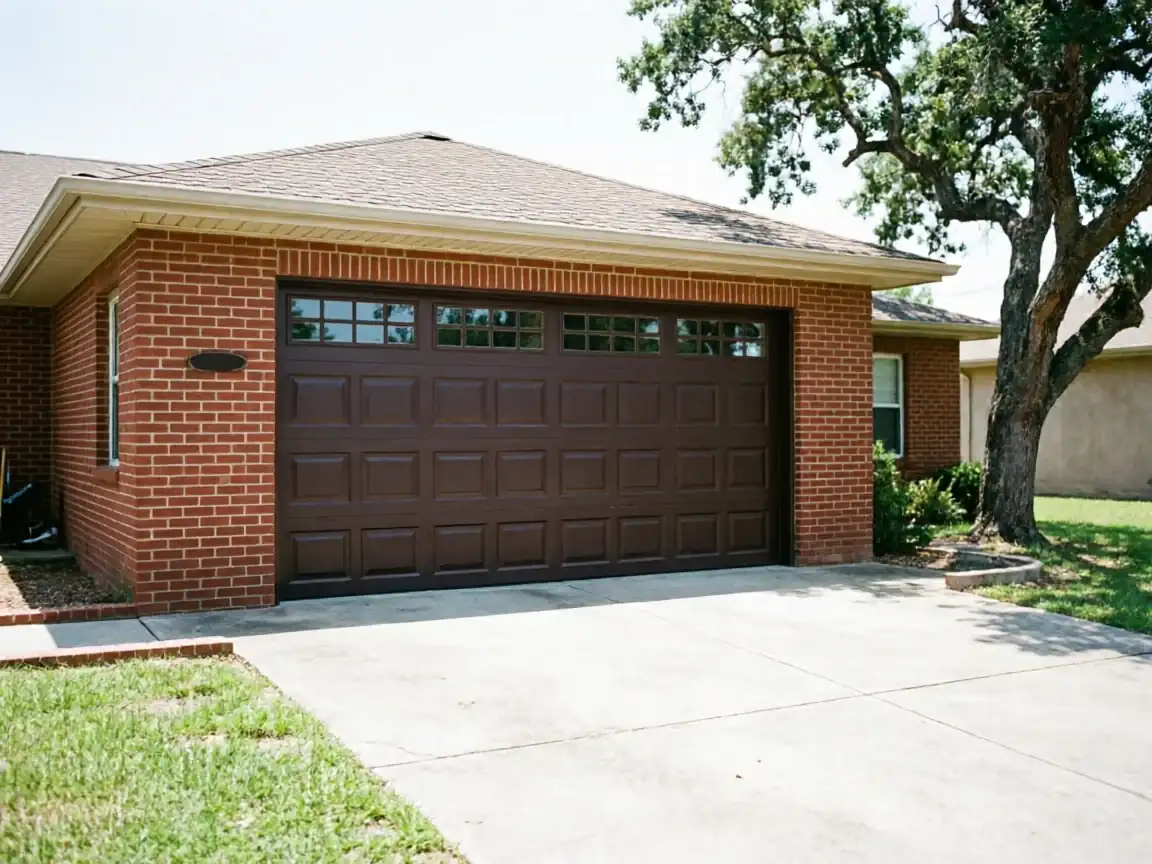
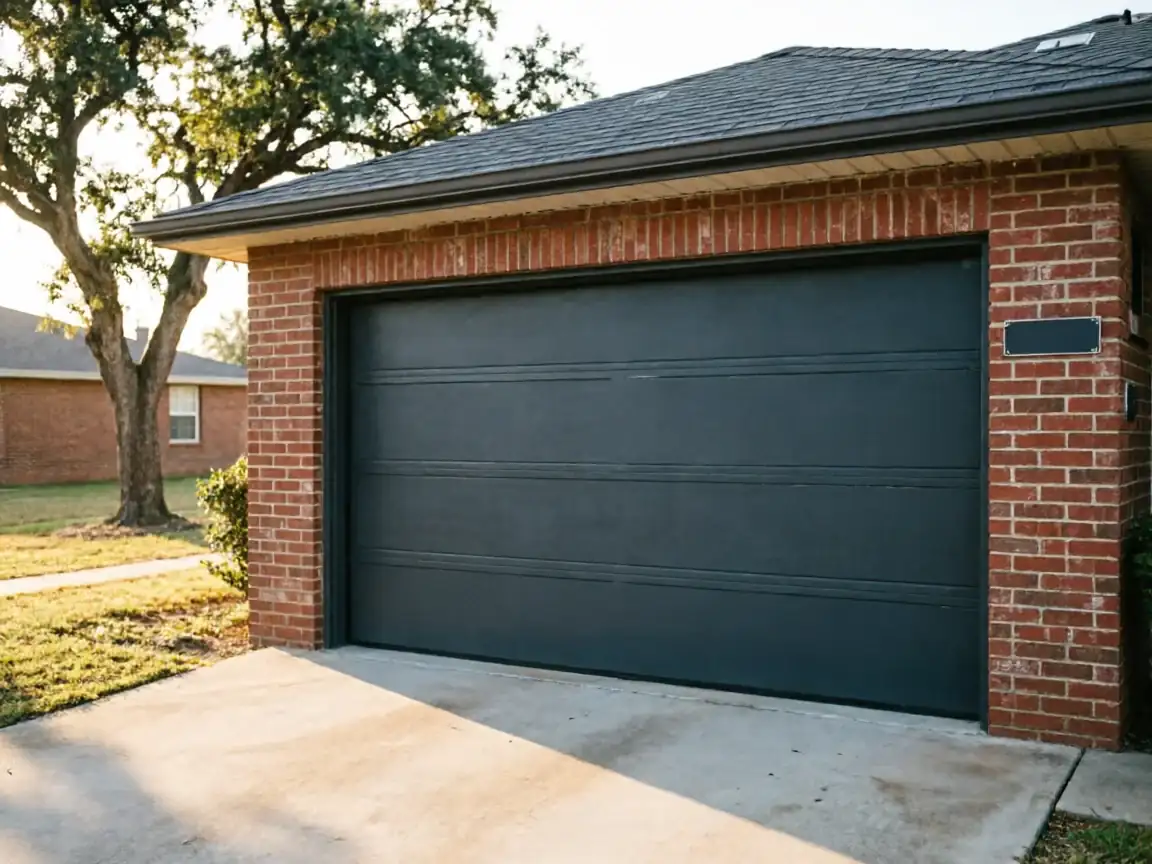
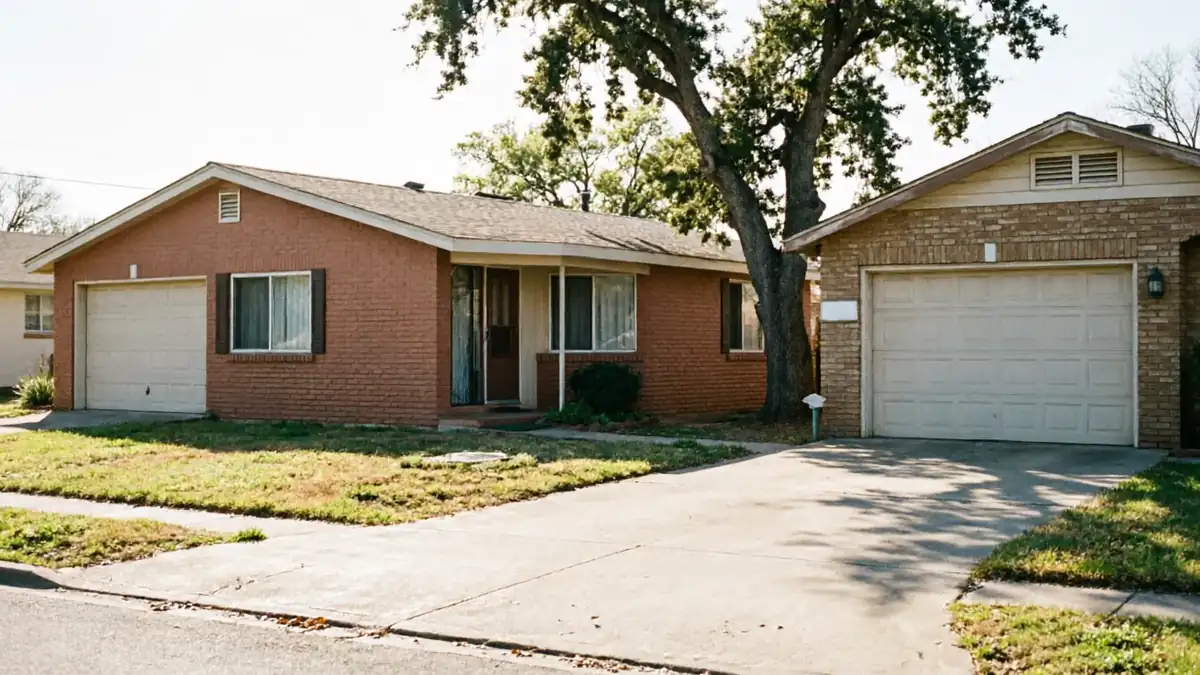
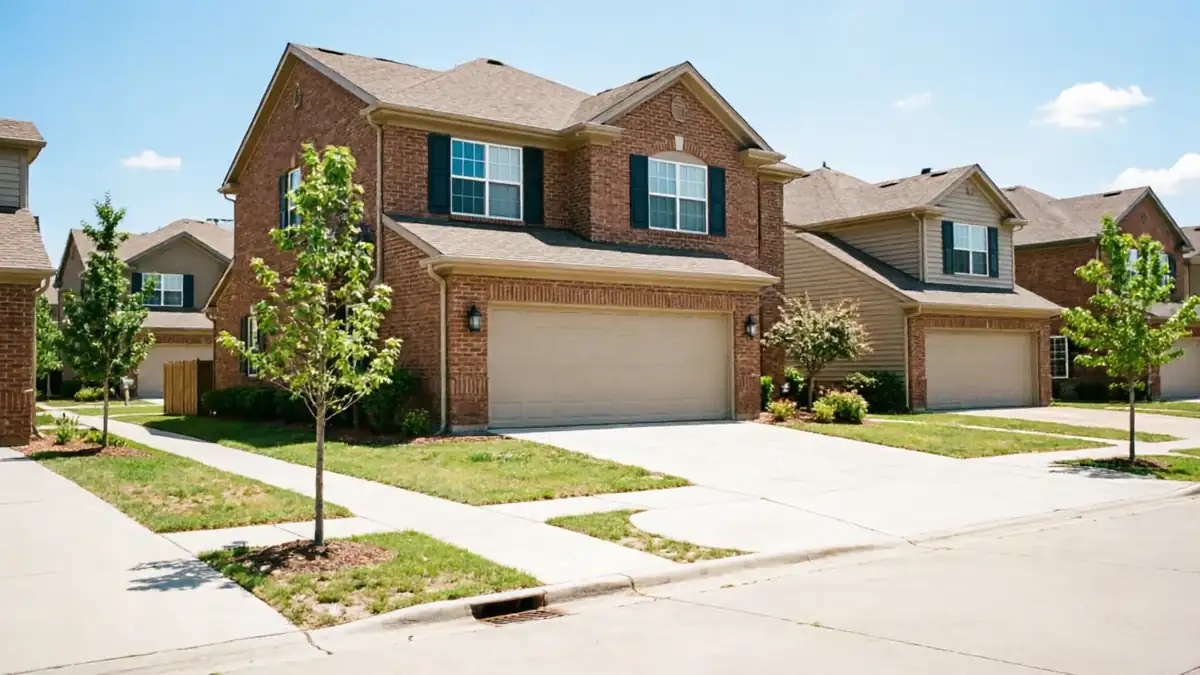
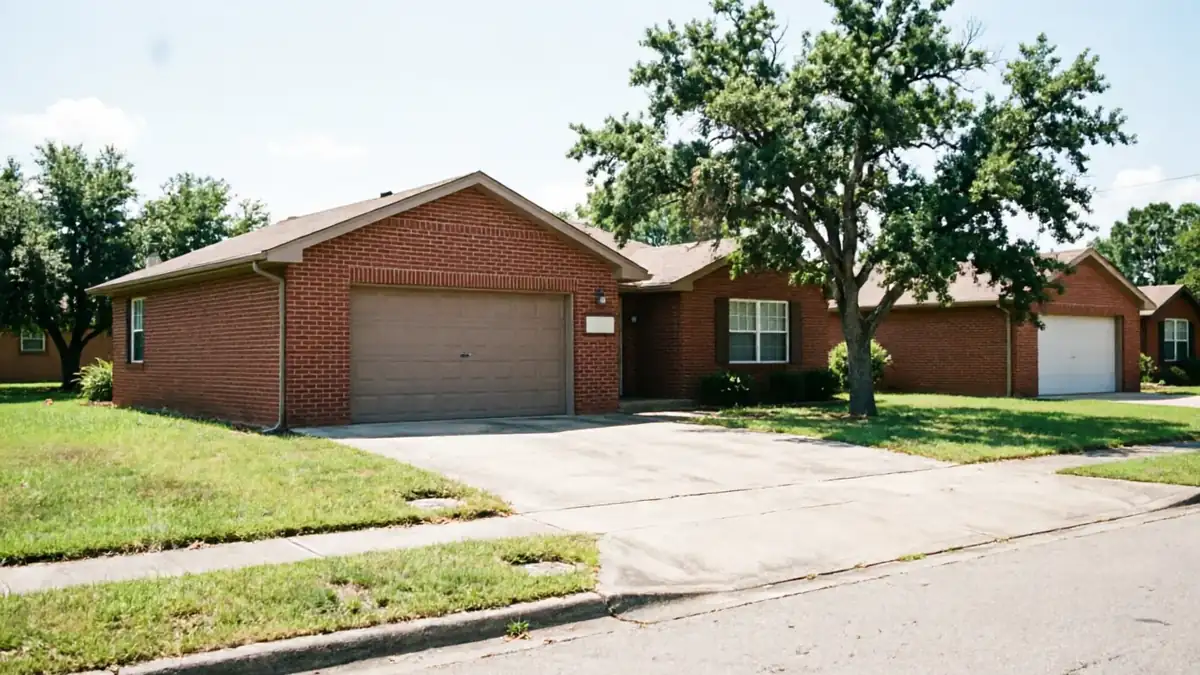
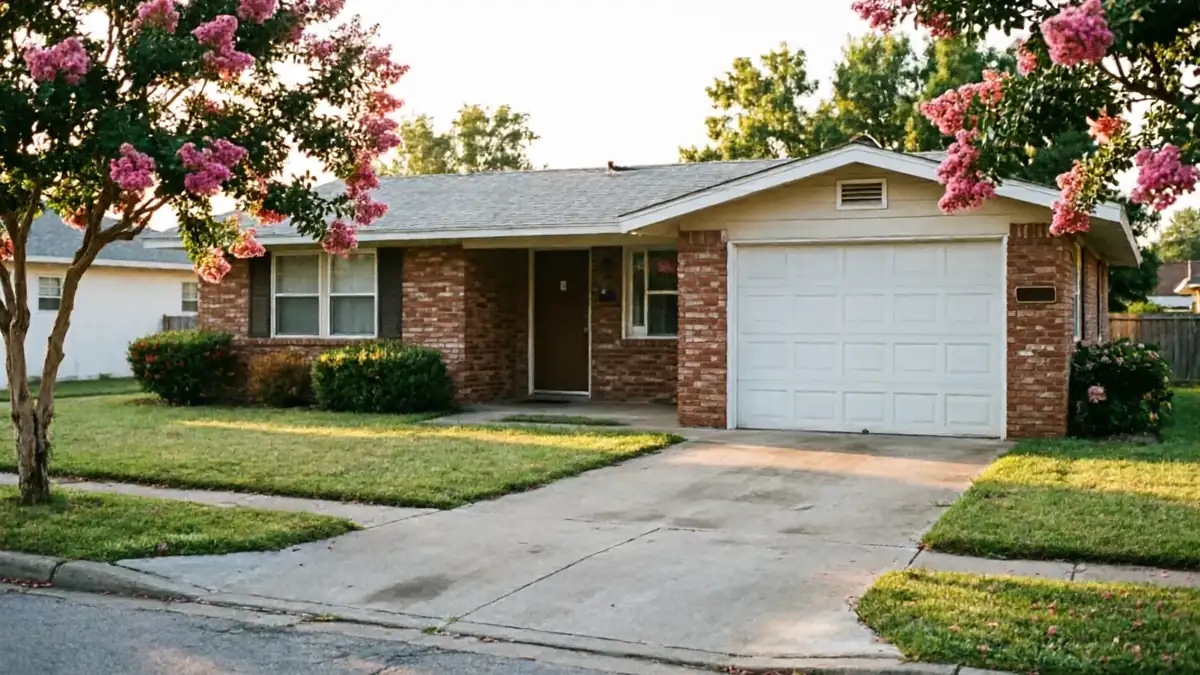
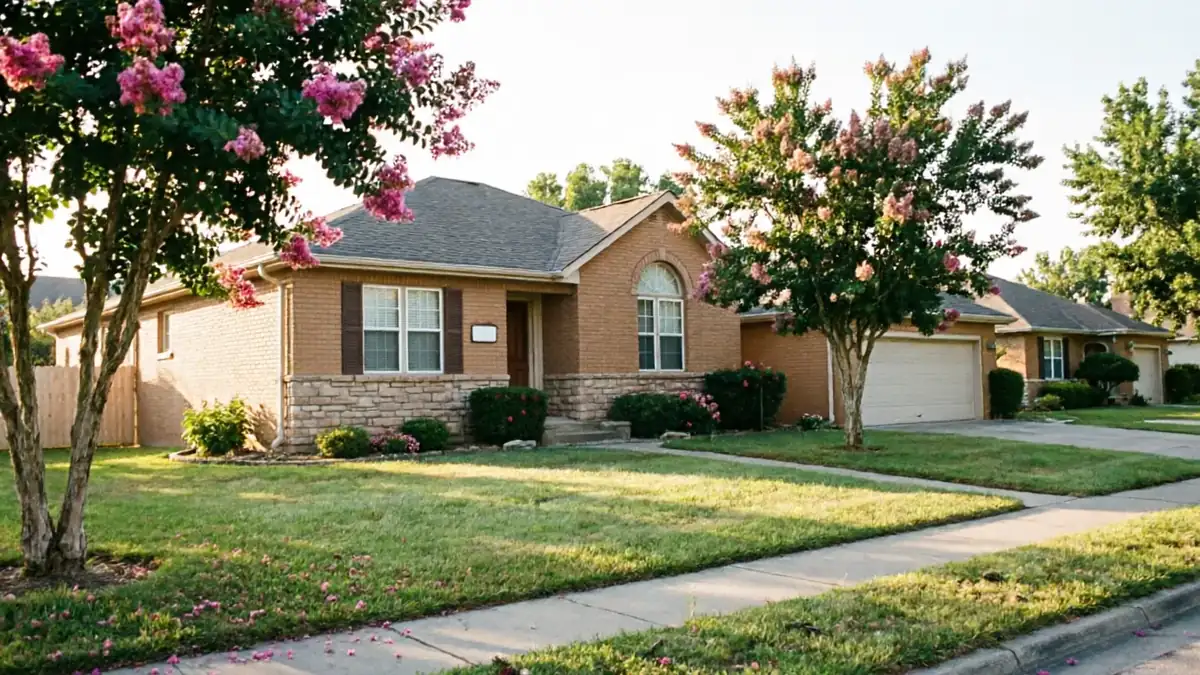
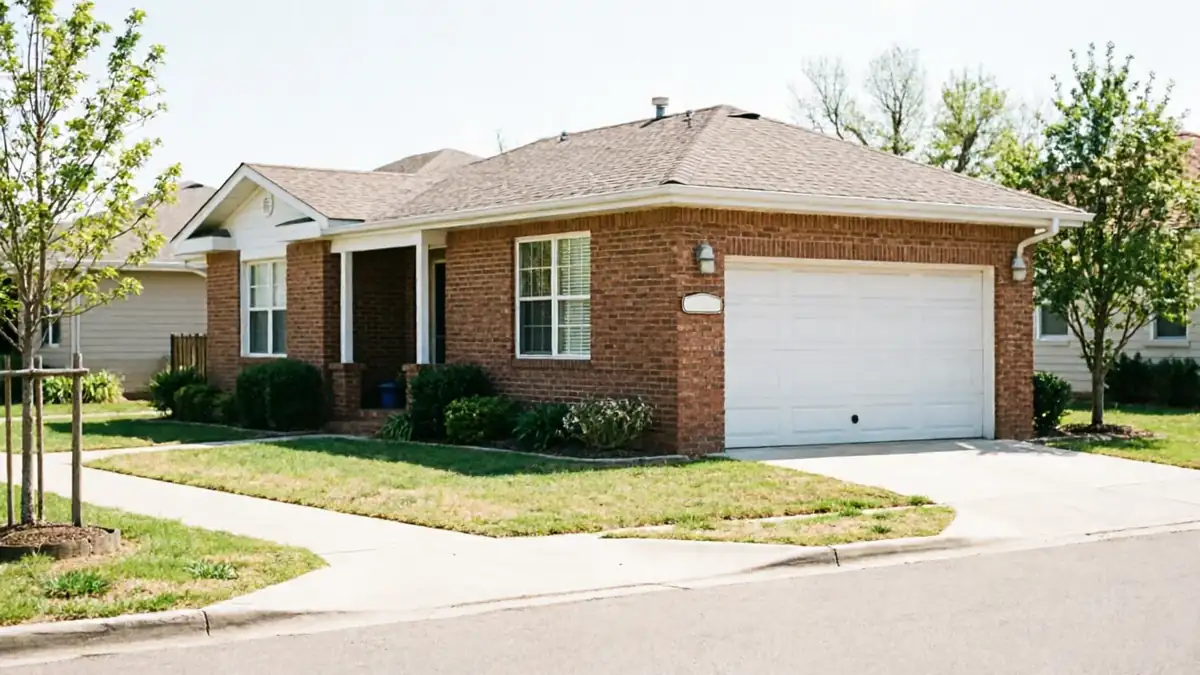
A town built mostly in one stretch of years doesn't age evenly in garage doors the way it does in paint color. The original torsion springs and openers that shipped with a 1998-era build start showing their age around the same time across a whole neighborhood, which is why we'll get calls from streets that look brand new to a passerby but are quietly due for a spring replacement all at once. Tontitown's growth happened later than the older core of the broader service area, so you won't find the mix of 1960s one-piece doors and 1990s sectional doors side by side here the way you might closer to Rogers itself. It's a more uniform stock, which makes diagnosing a common fault pattern easier once we're on site, even though we can't promise what any specific house has without seeing it.
How That Shows Up in the Door
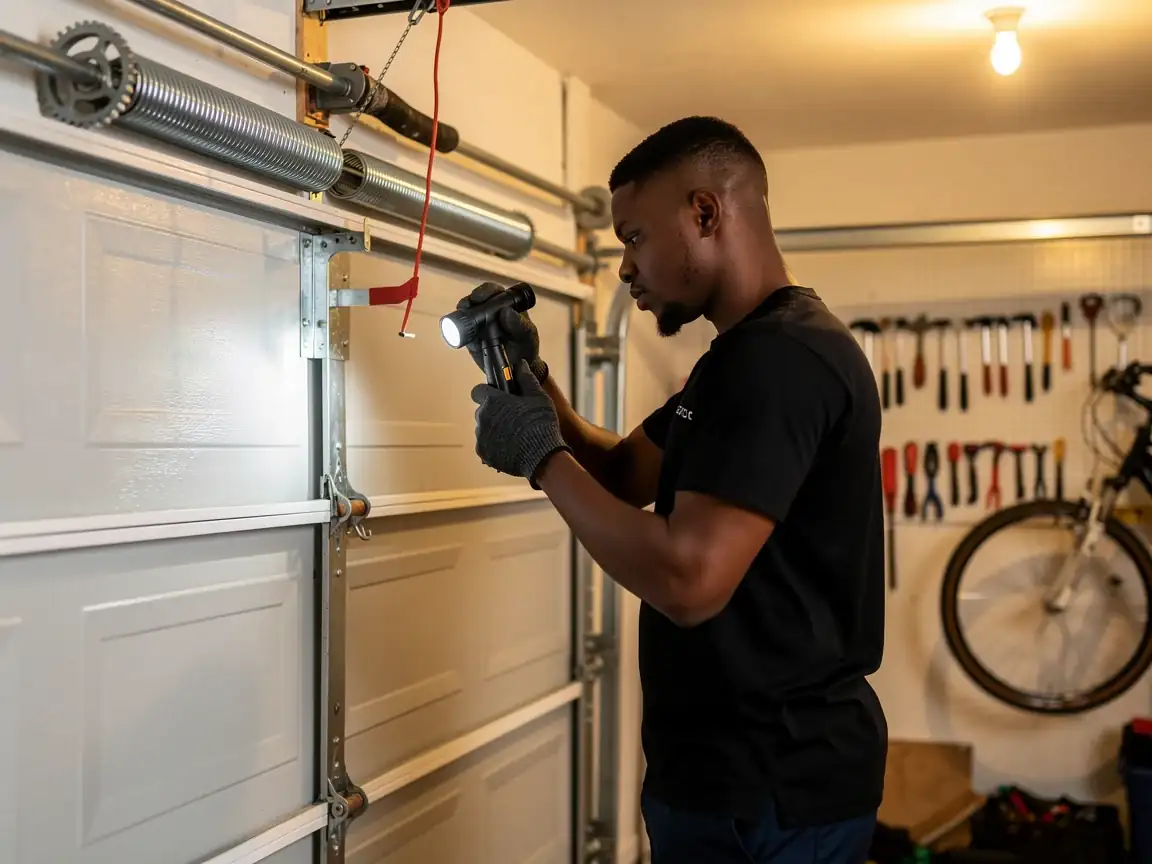
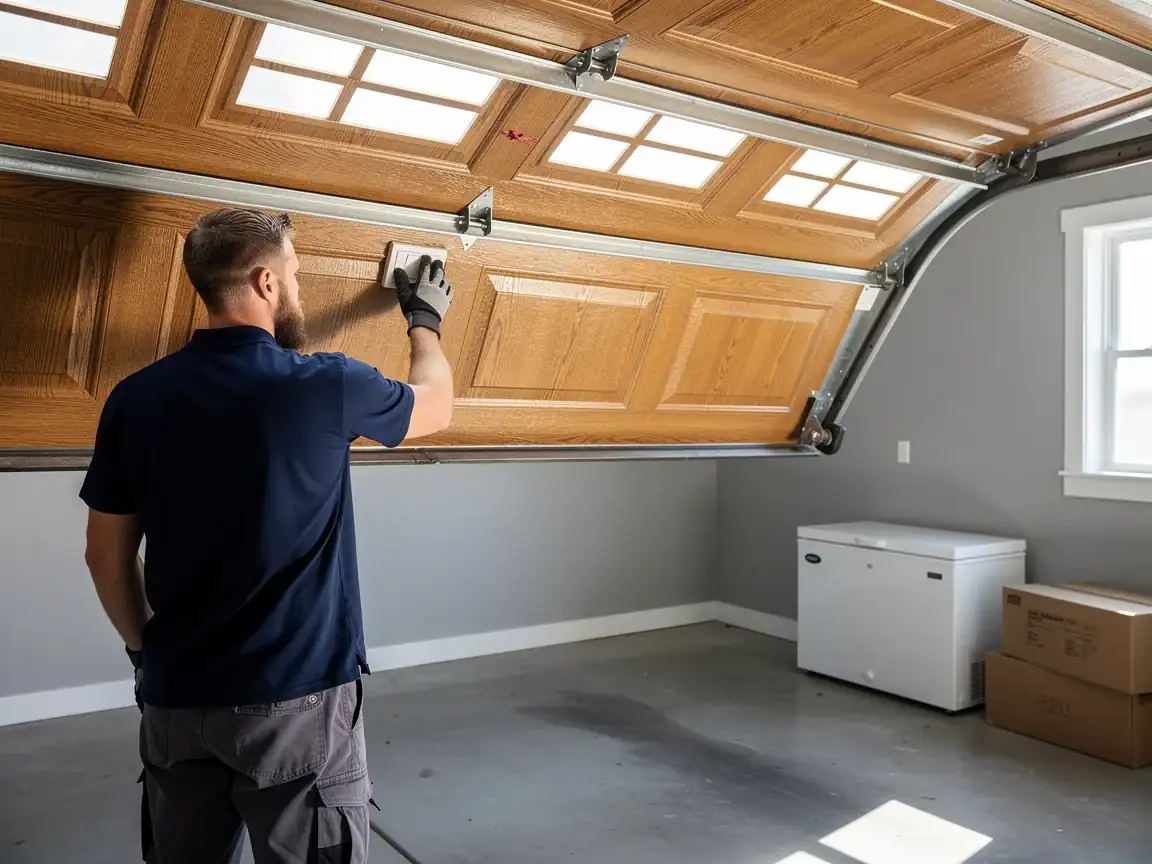
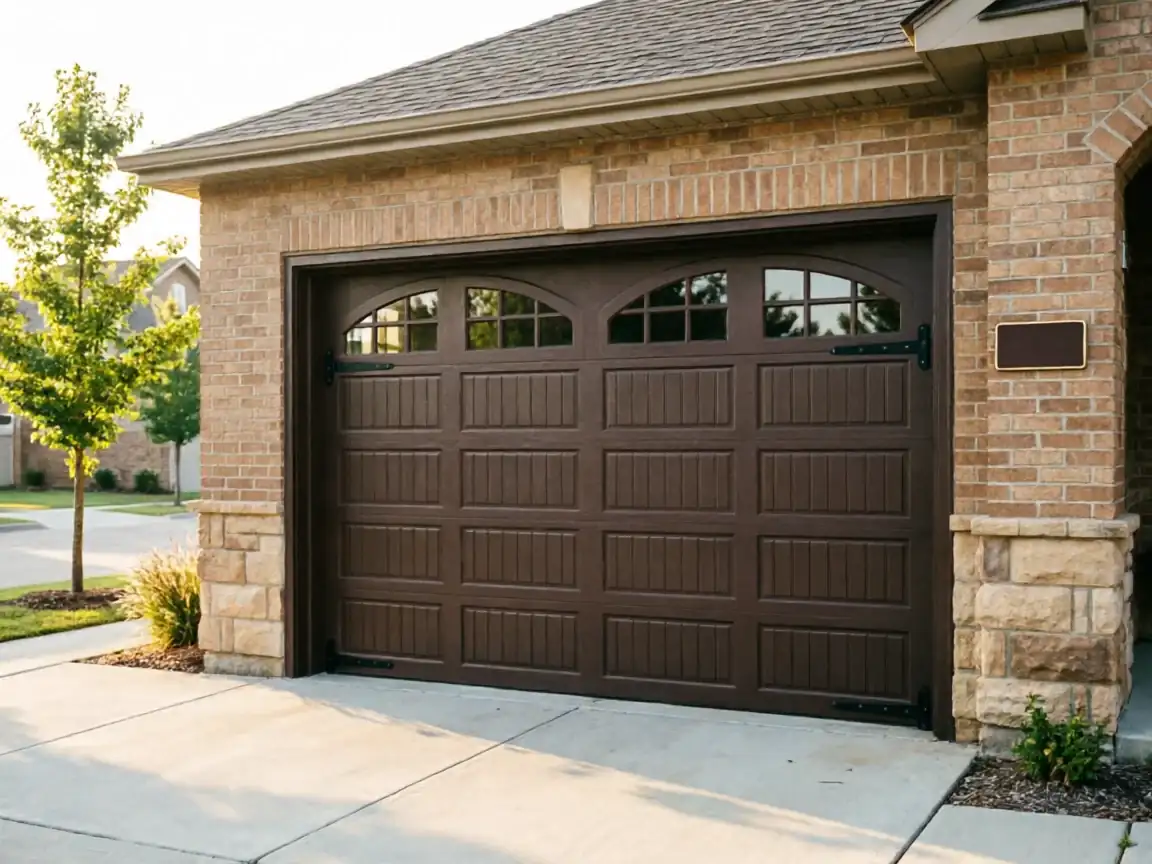
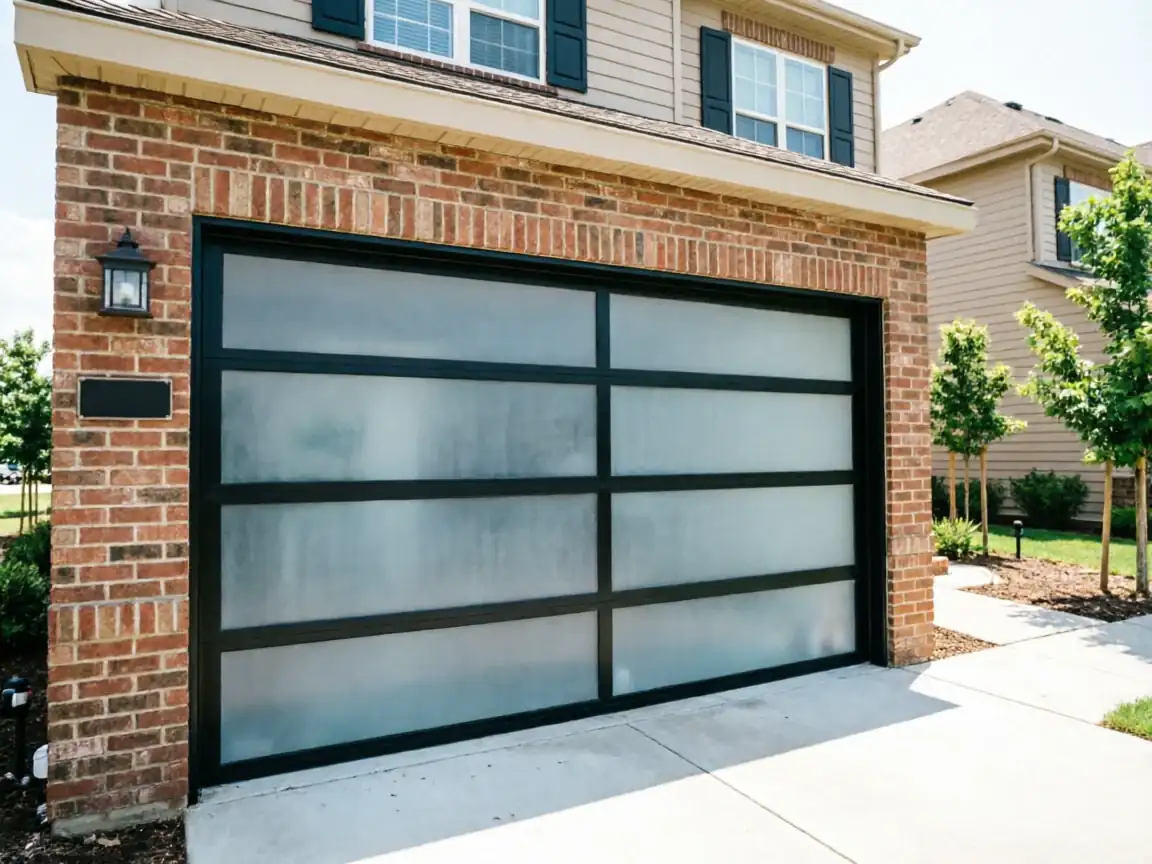
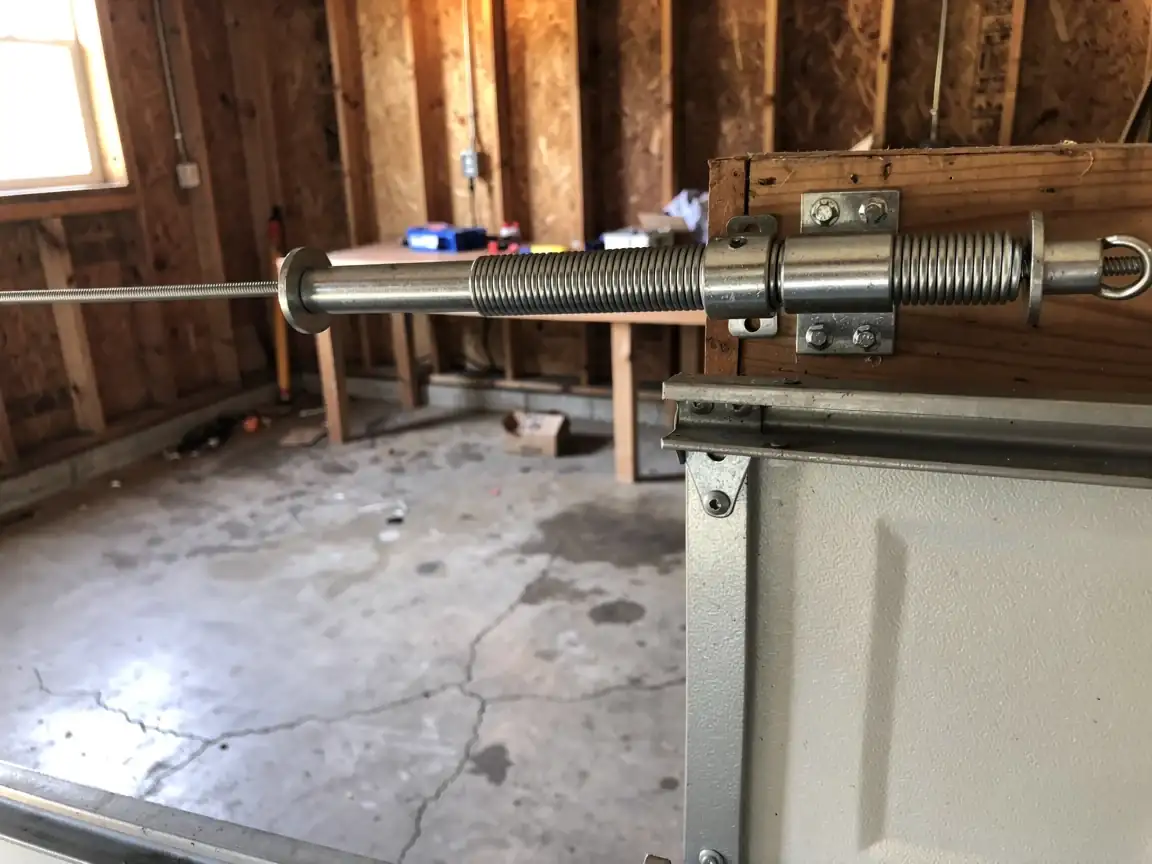
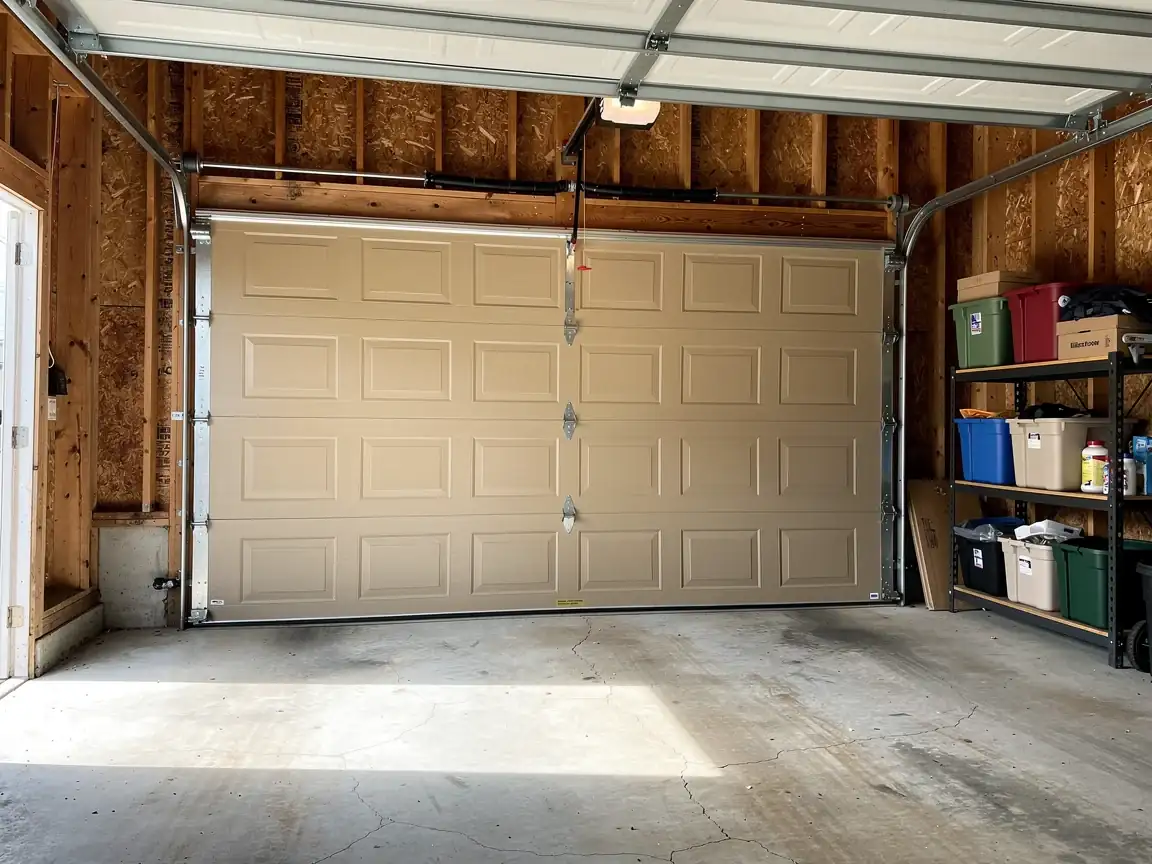
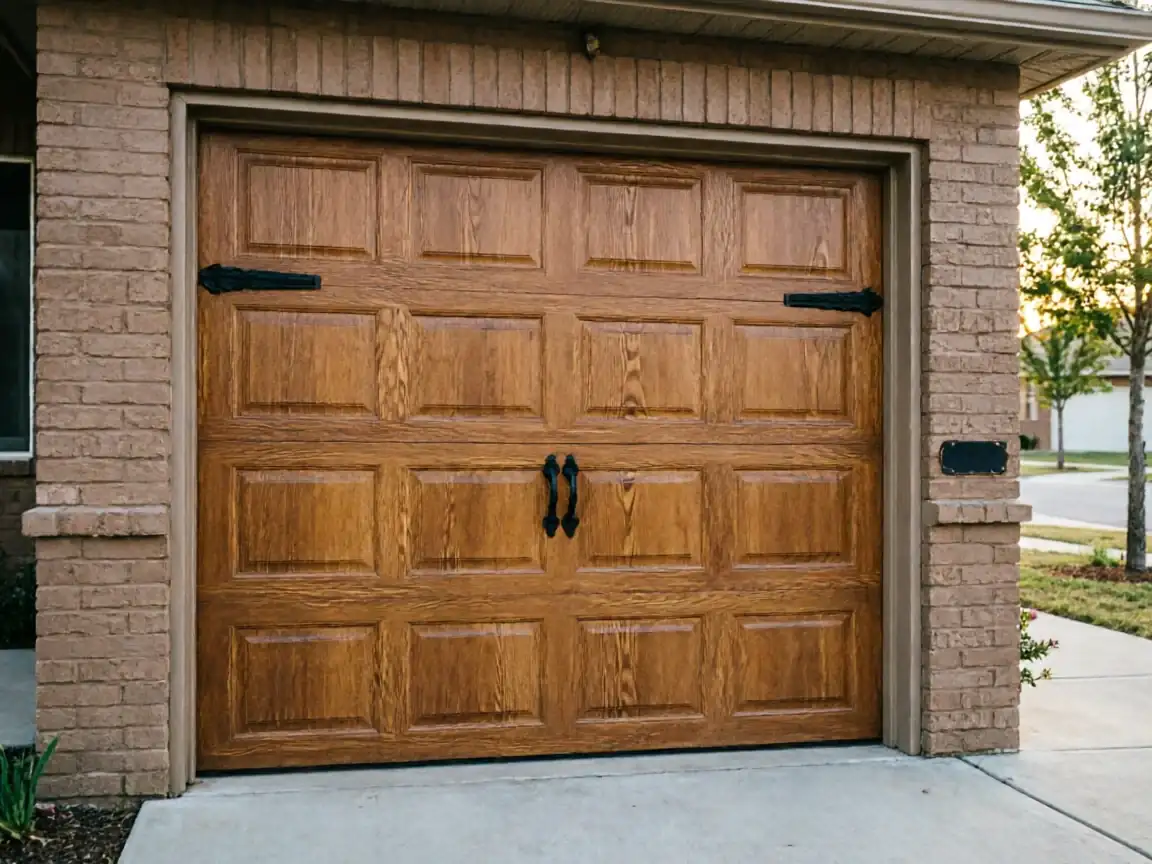
A door installed around 1998 almost always means a torsion spring system mounted above the opening rather than the side-mounted extension springs common in older stock, and it means an opener built after the 1993 federal rule requiring photo-eye safety sensors. That's good news for parts availability - this hardware era is still well supported. What does wear out is predictable: torsion springs rated for roughly 10,000 cycles start failing in that 10-to-20-year window, nylon rollers from that period get brittle, and galvanized track can pit over cold winters here, since this area sits in a cold, moderate climate band. Cold snaps stiffen lubricant and make an aging spring work harder on its last few cycles, which is often when it finally lets go. We see more spring failures in winter for that reason, not because the door is defective, but because cold exposes what age already weakened.