This Area's Housing
Pea Ridge sits about 9 miles from our shop in Rogers
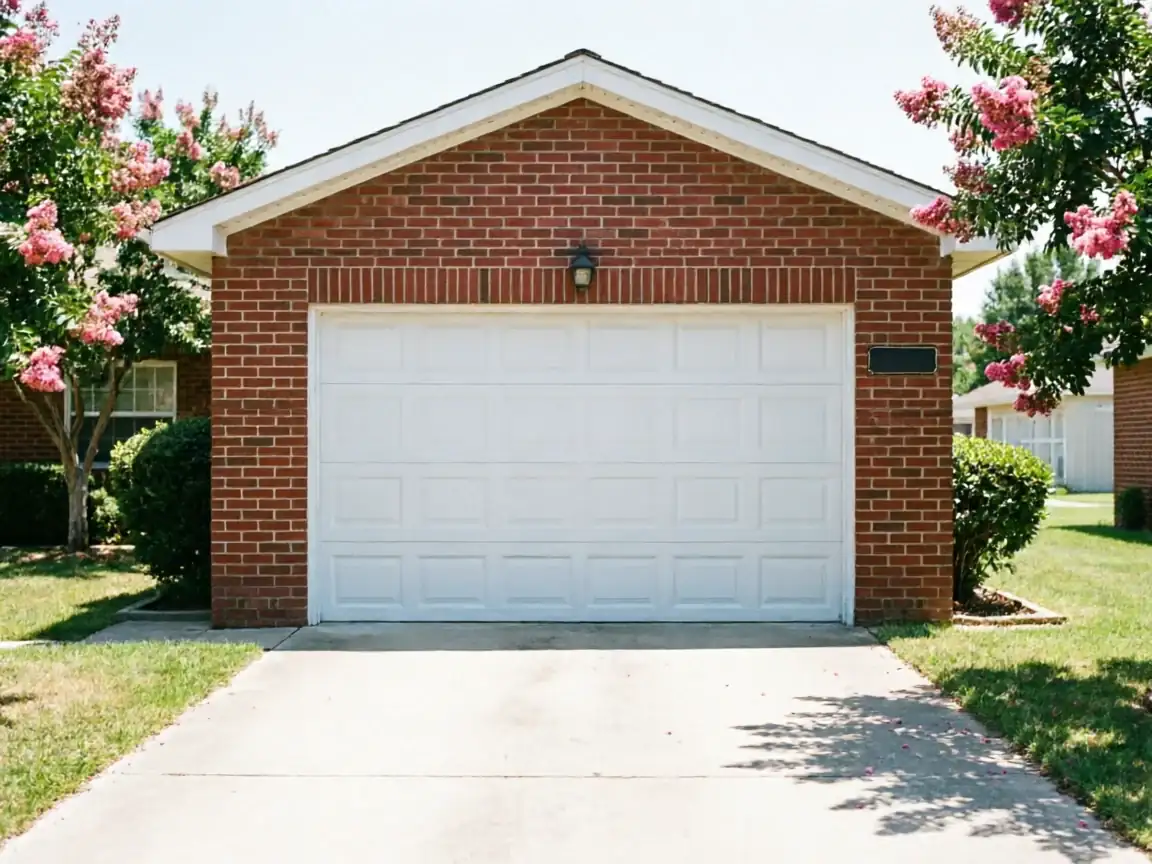
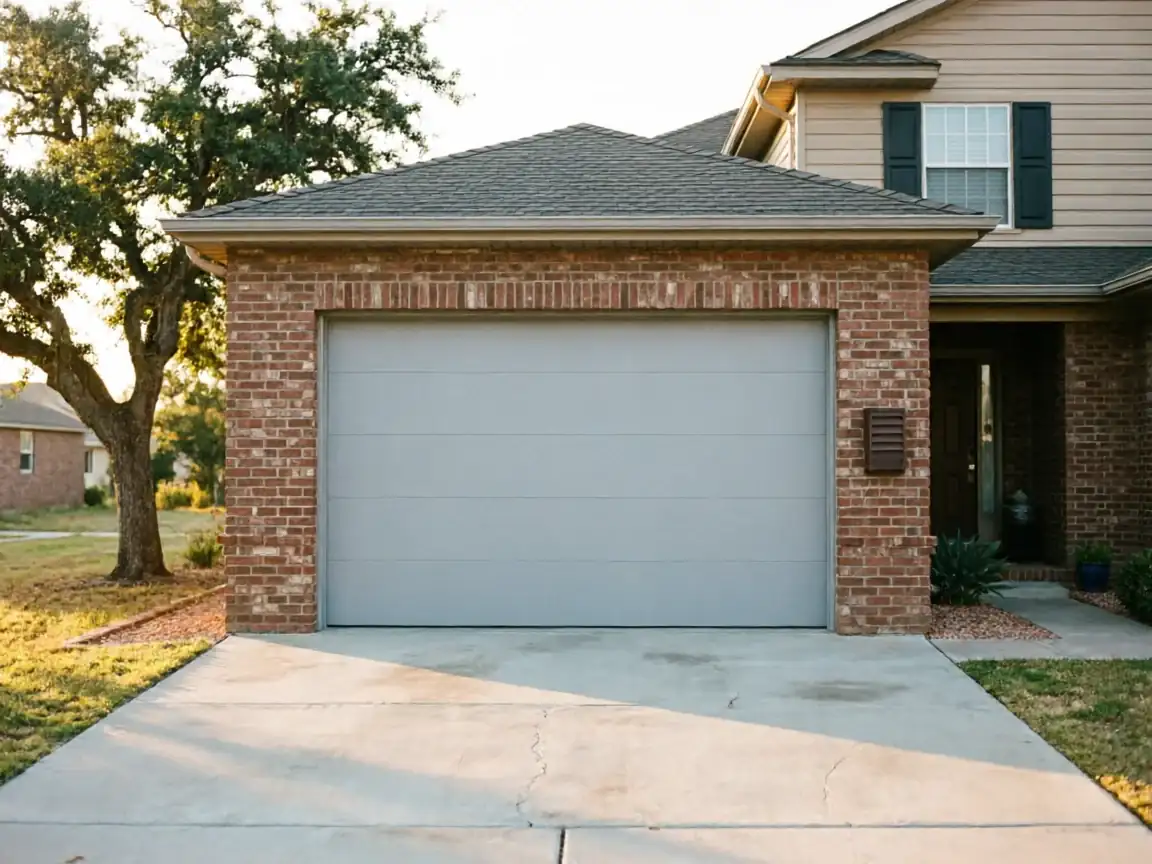
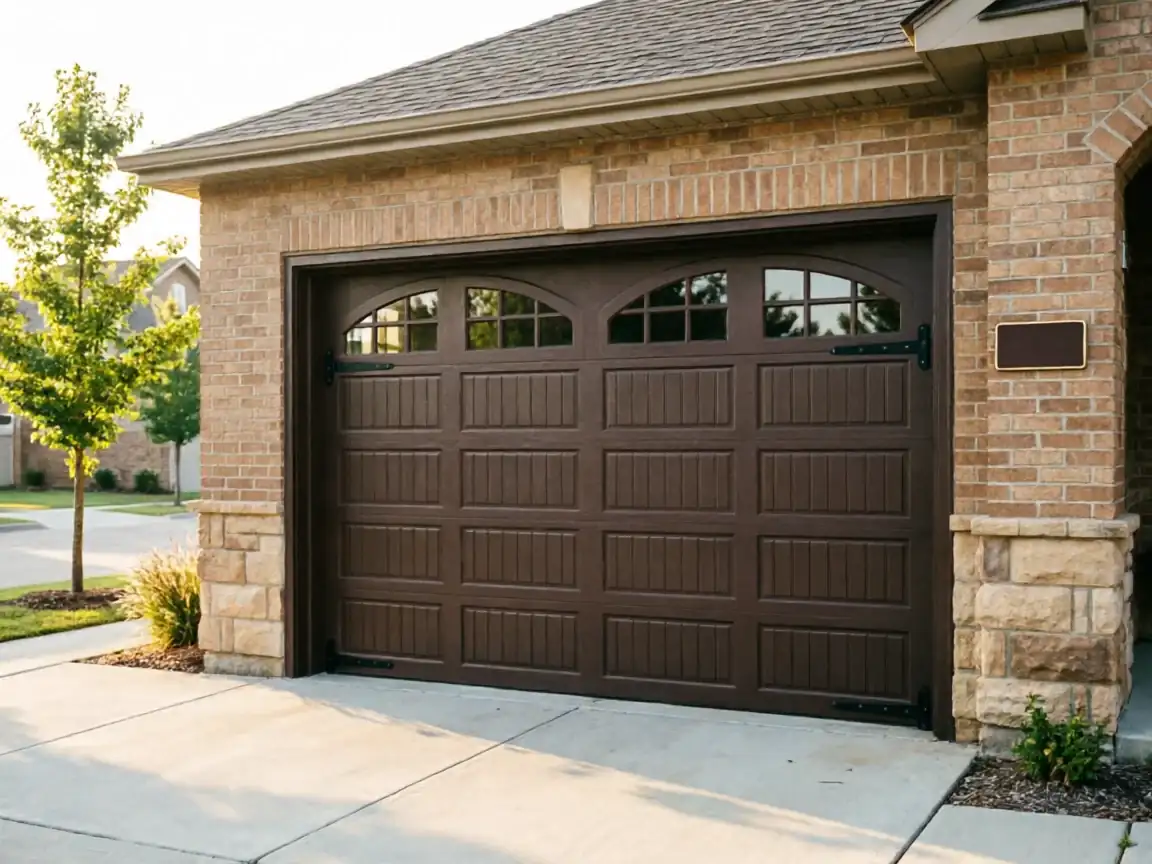
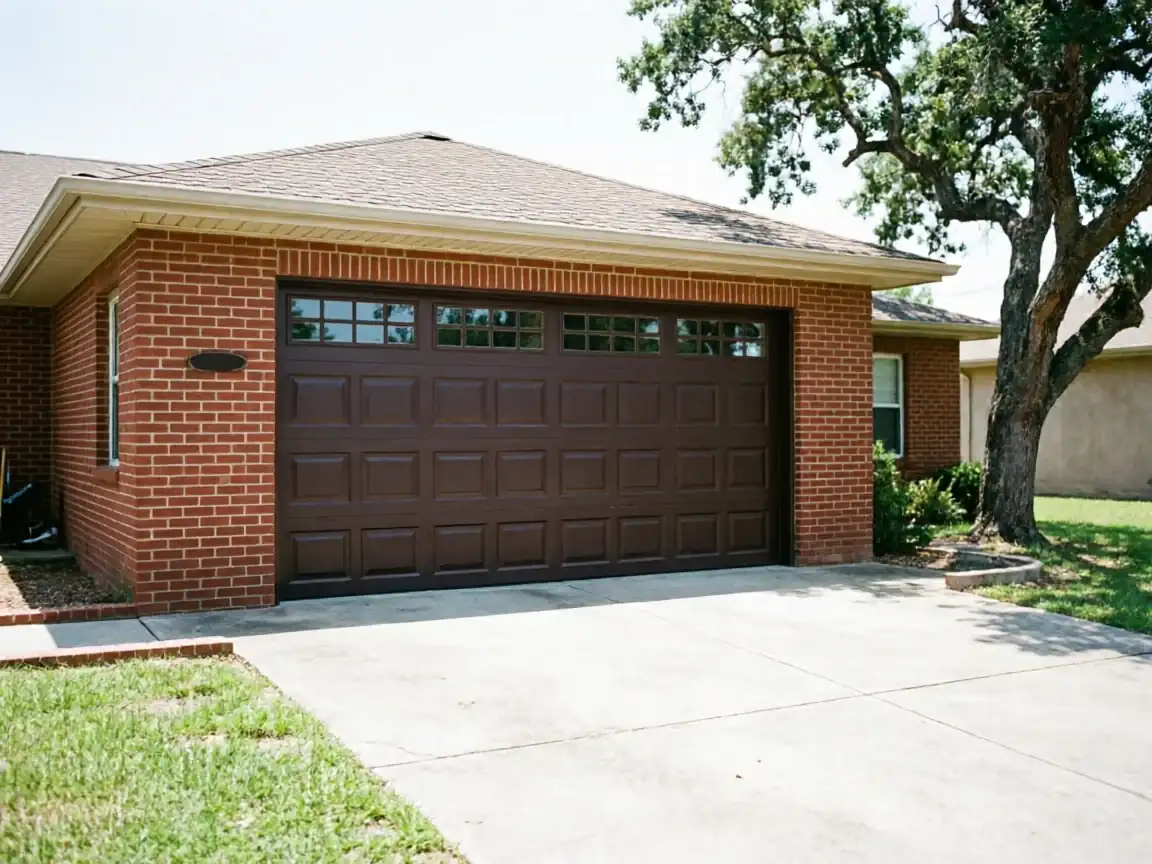
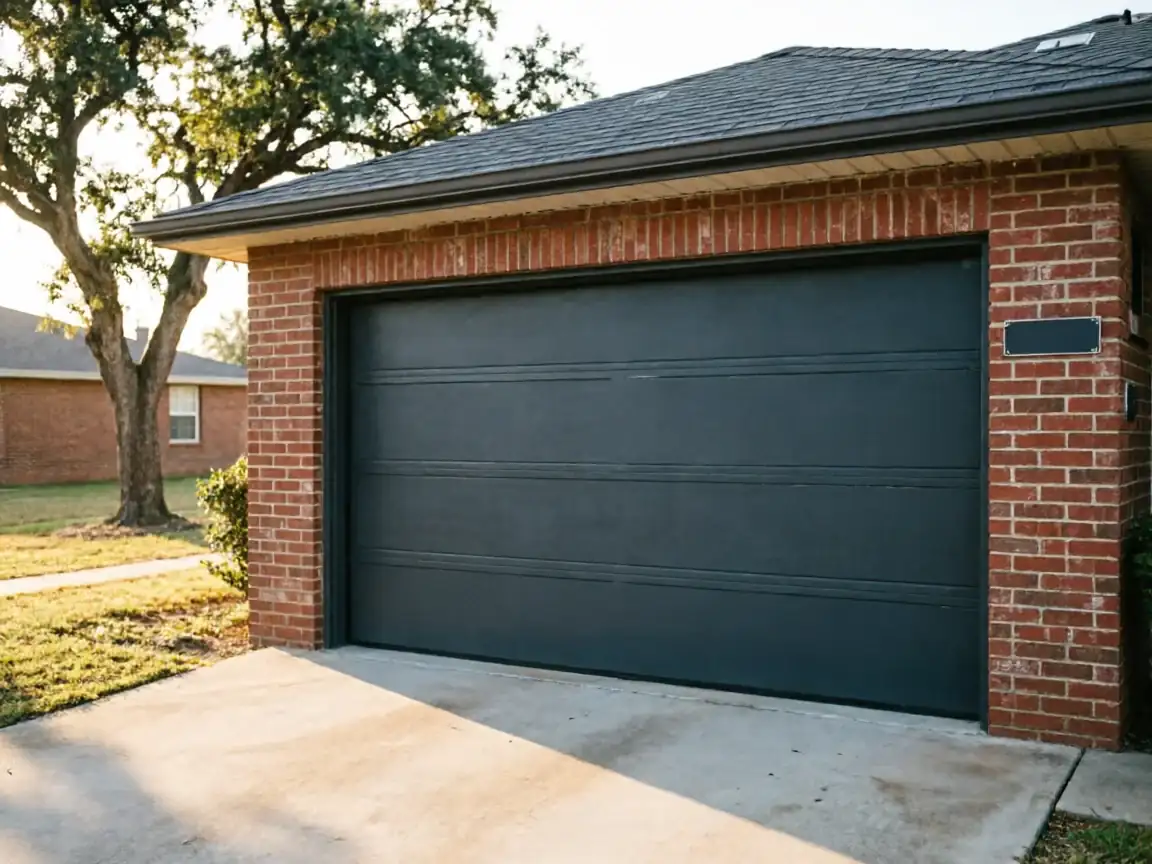
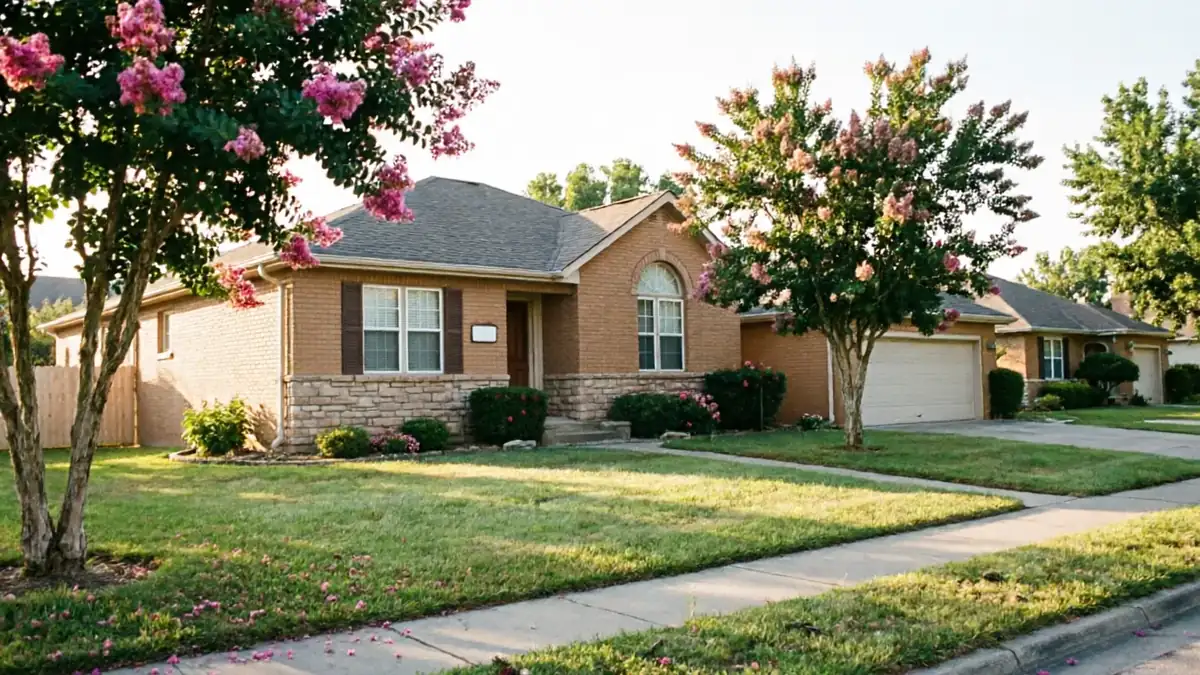
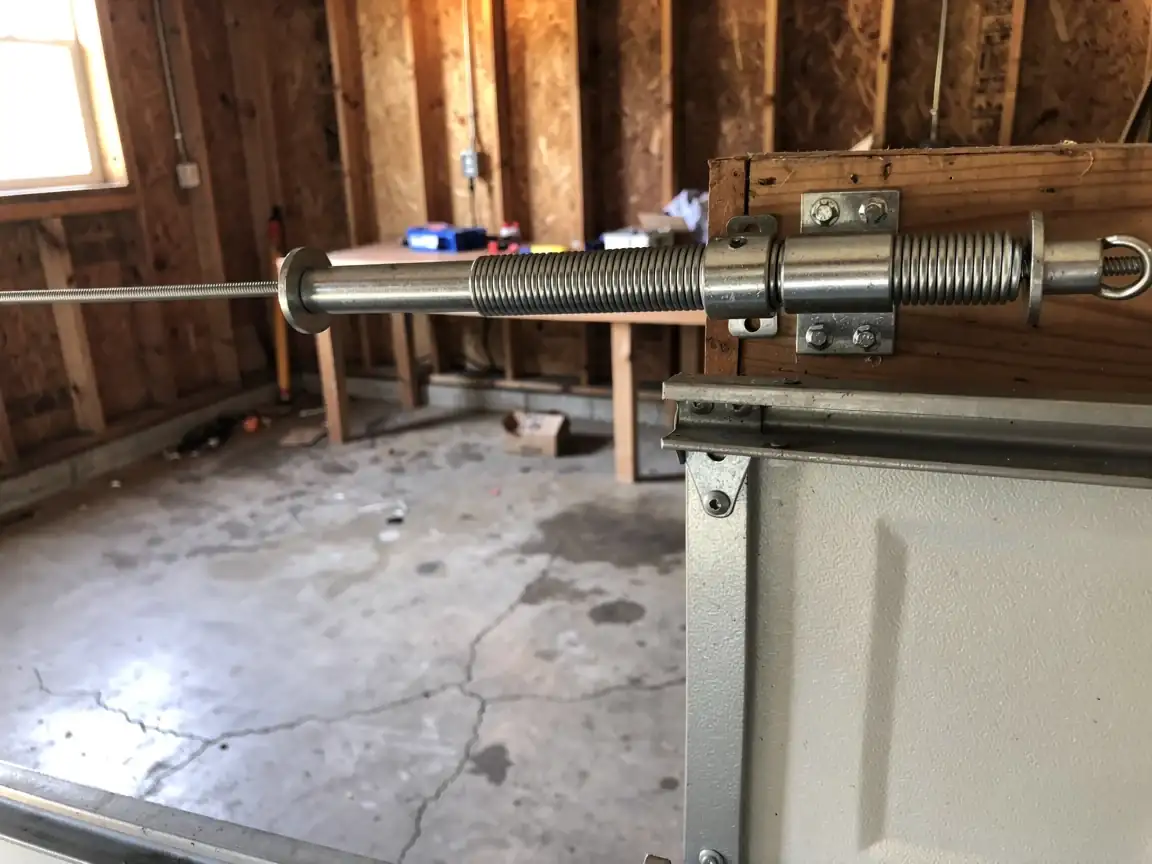
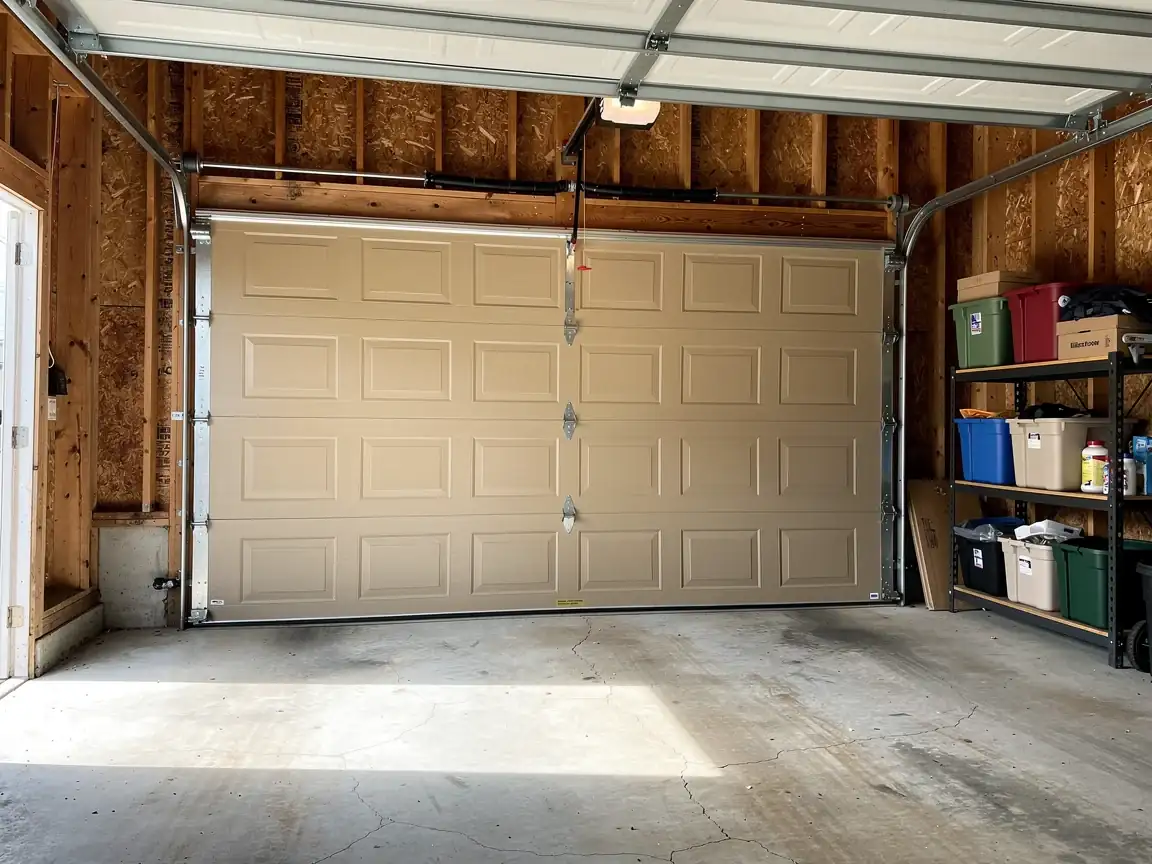
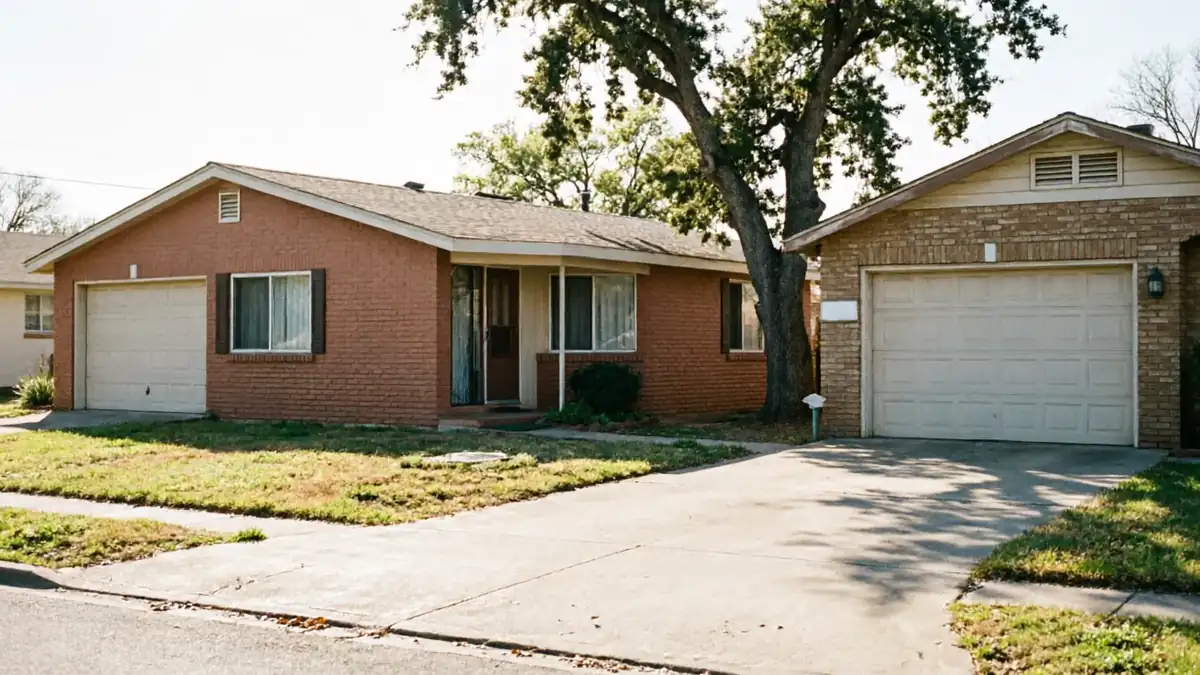
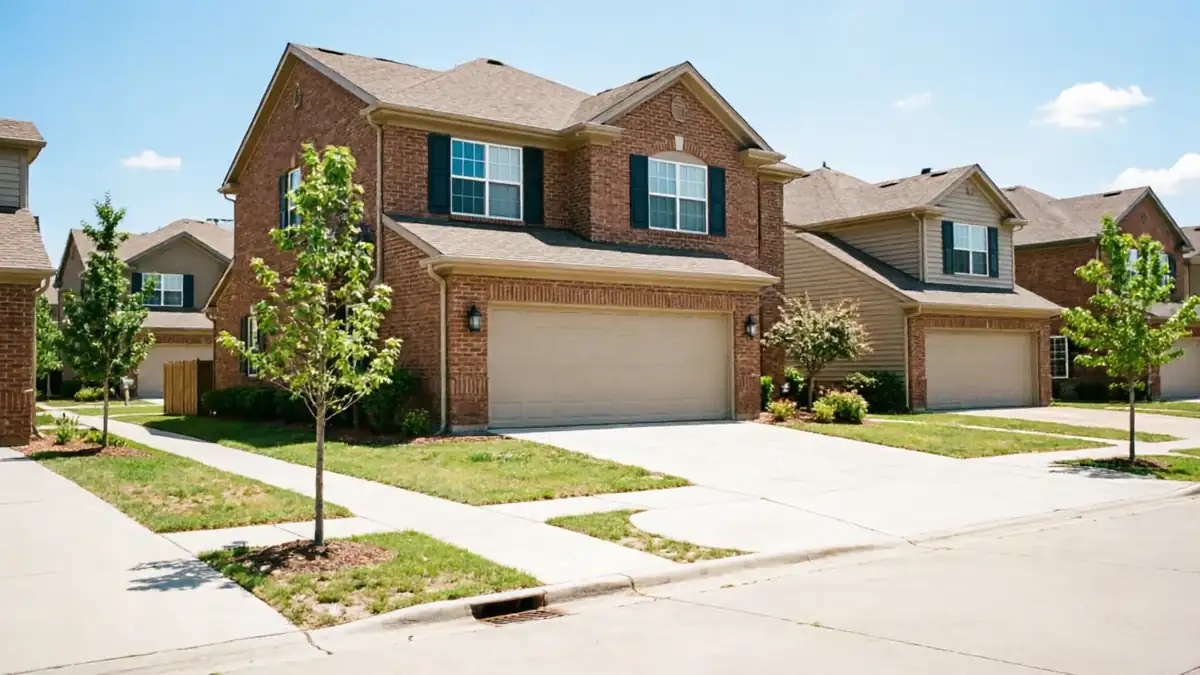
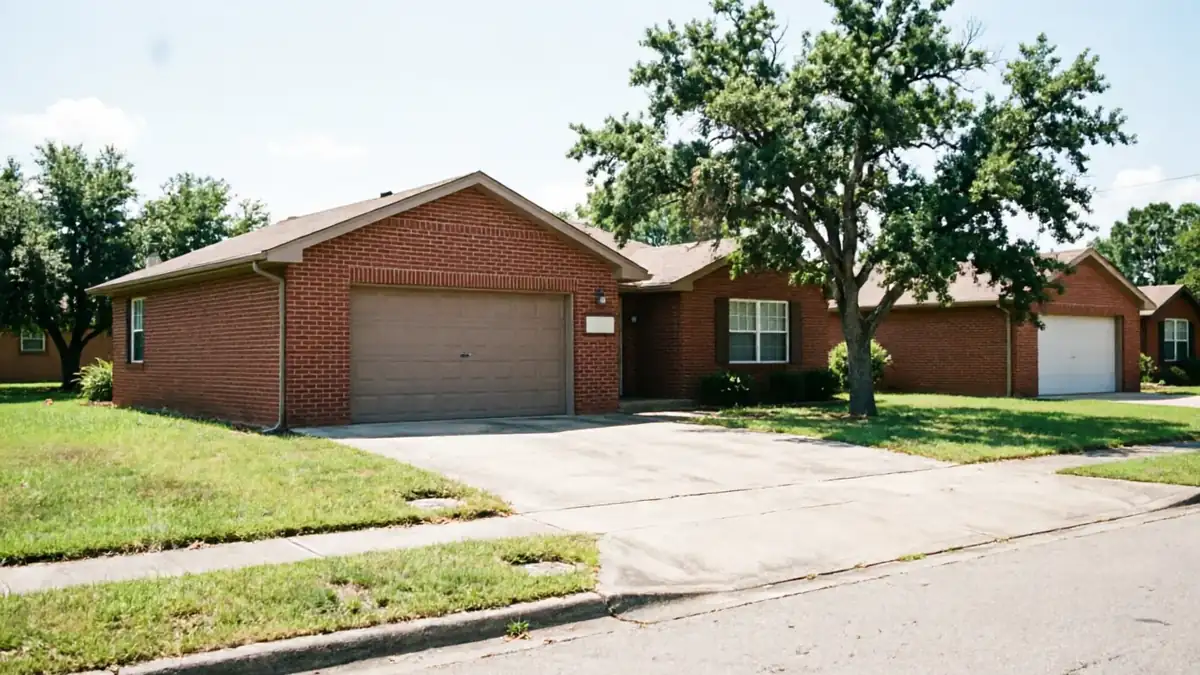
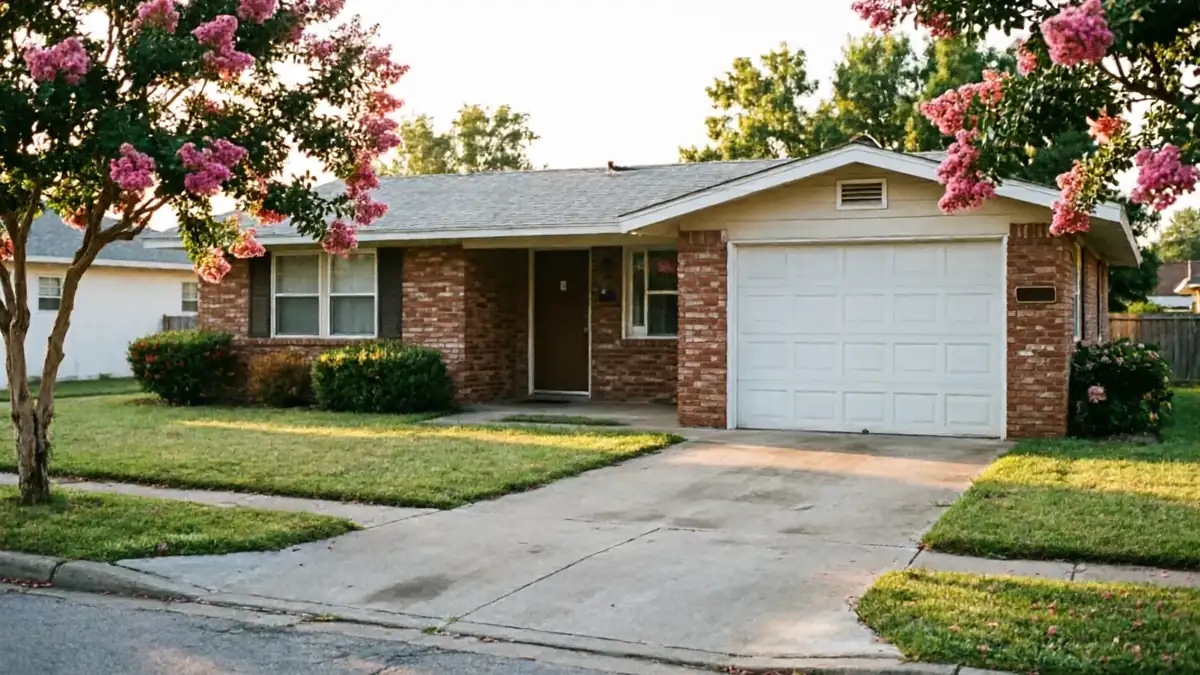
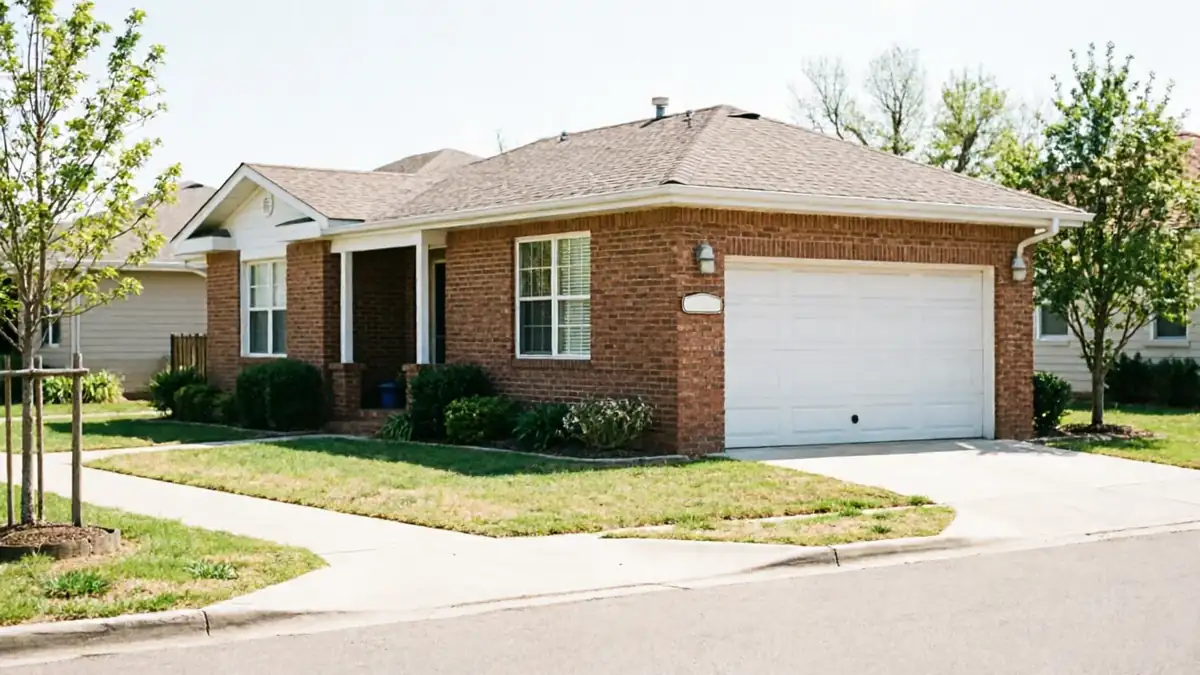
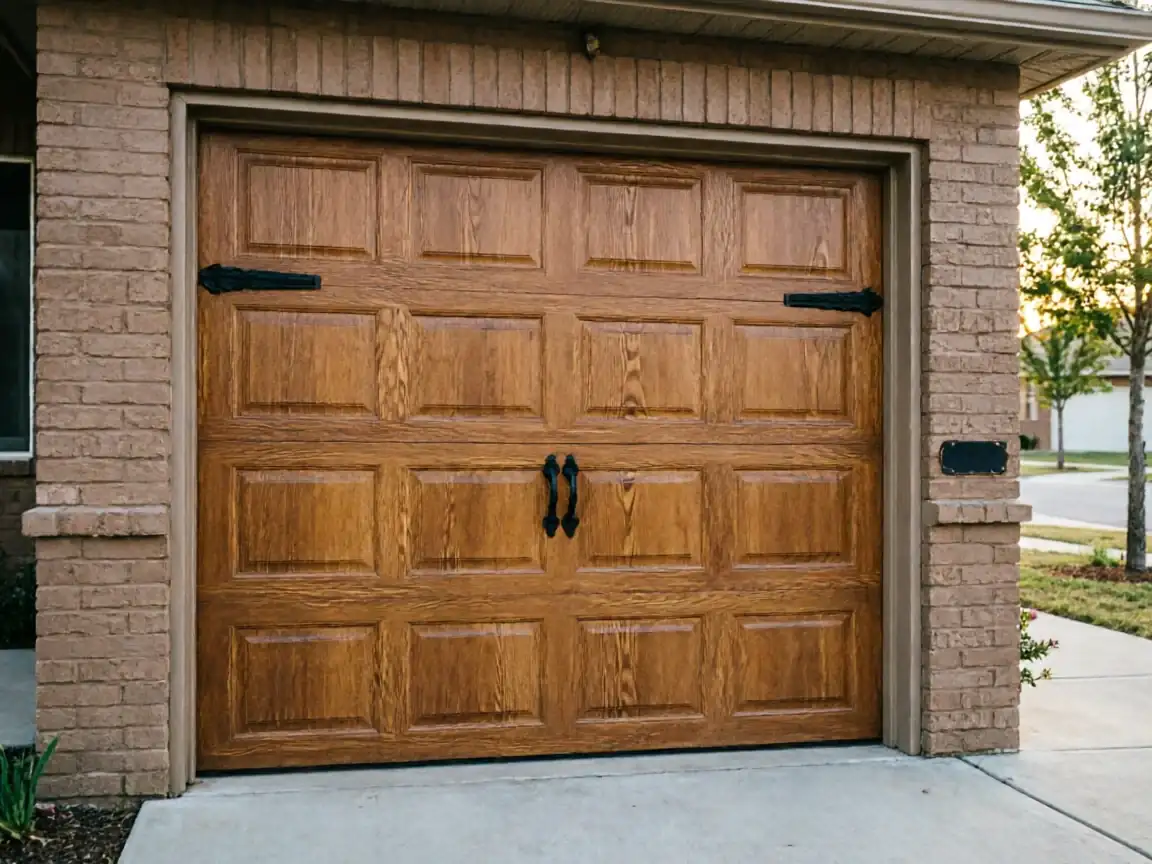
And the houses out here mostly went up in the same stretch as the rest of the service area - median build year 1997, with 2,759 households in the area. That's not old housing stock by Arkansas standards. It's not new either. It means the garage doors we see on these calls are steel sectional doors on extension or torsion springs, not the heavy one-piece slab doors you'd find in a neighborhood built before 1970.
- 9 miles
- 2,759 households
The income profile here runs a bit higher than the service area median too
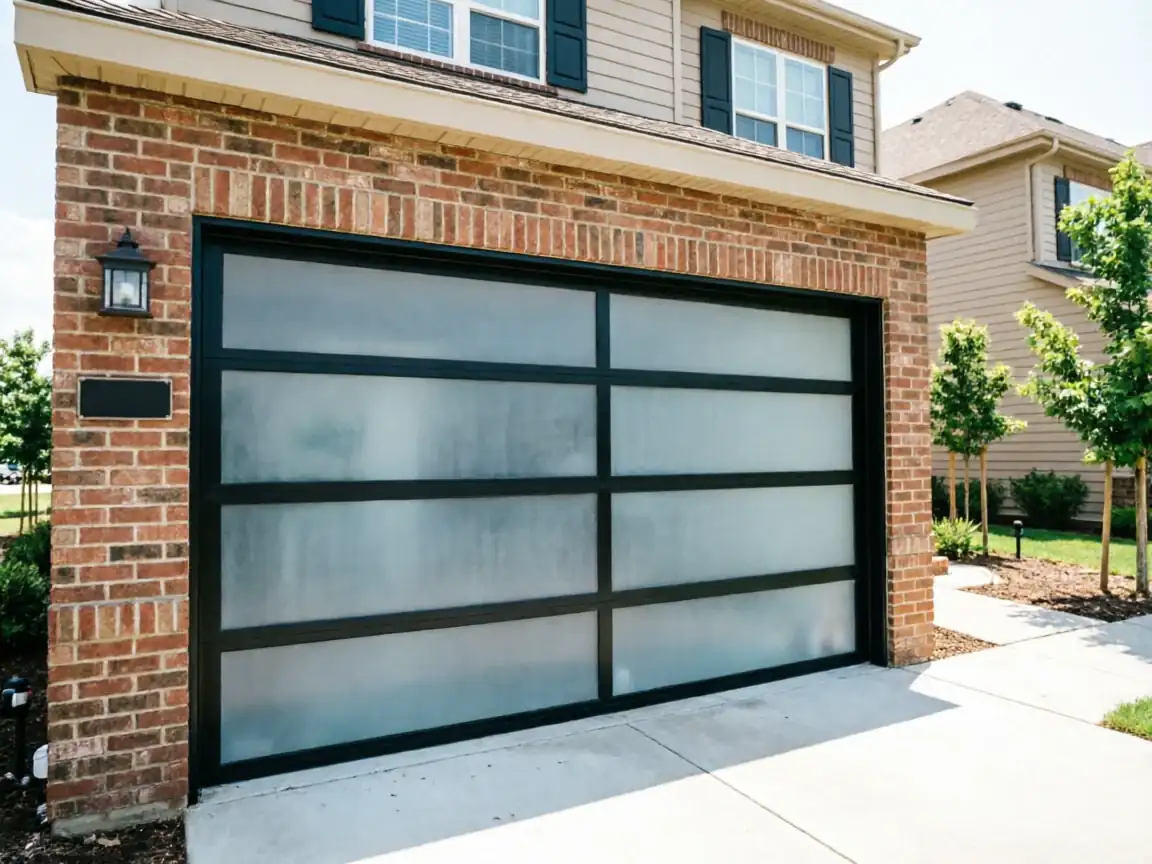
$93,627 compared to $87,150 across the wider coverage area. That tends to show up in the kind of openers and doors people chose when they built or upgraded: more belt-drive openers, more insulated steel panels, fewer bare single-layer doors. It doesn't change the mechanics of a broken spring, but it does change what's usually on the hinges when we get there.
We're not guessing at this
A 1997-built house and a 1975-built house wear out differently, and knowing which one we're driving to changes what's in the truck before we leave Rogers.
Old Streets and New Ones
Because so much of Pea Ridge's housing clustered into that late-80s-through-2000s window, you don't get the patchwork you see in older river towns - a 1920s bungalow next to a 1960s ranch next to a 2005 build, each with a different door era. Here the stock is more uniform. That cuts both ways. It means parts availability is usually better, since torsion spring sizes and standard opener mounts from the 1990s and 2000s are still common and still stocked. It also means when one door on a street fails, the one next door - built the same year by the same builder - is often not far behind it.
We don't have a street-by-street breakdown of Pea Ridge to point to, so we won't pretend to know your block specifically. What we can say is that a house built in that 1987-2013 window almost never has the original spring left. Torsion springs are rated for a number of cycles, not a number of years, and a door used daily for two decades has used up its spring regardless of the street it's on.
How That Shows Up in the Door
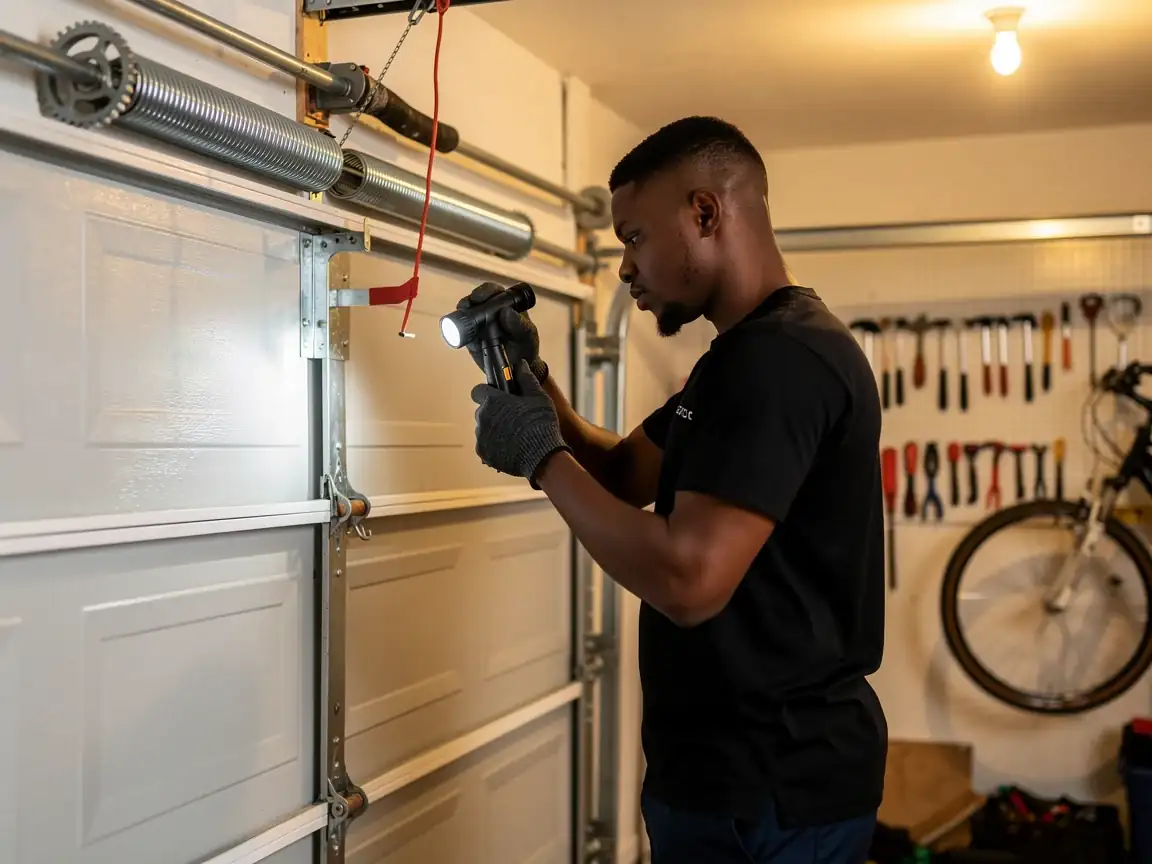
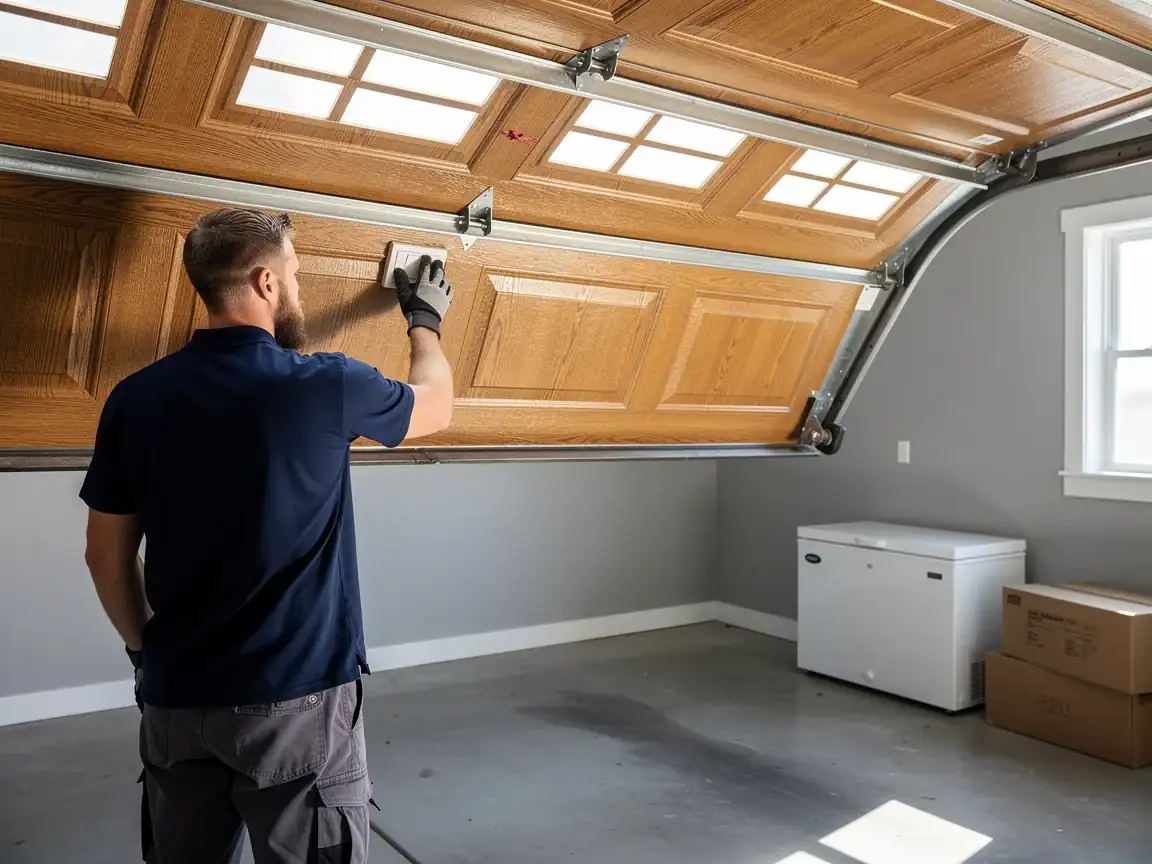
On a door from this era, the failures we see most are torsion spring breaks, worn nylon rollers that have gone loud, and openers reaching the end of their circuit board life - fifteen to twenty-five years is about what a mid-90s to 2000s opener gives you before the logic board or the motor capacitor goes. Panels from this period are usually steel, sometimes with a foam core, and they dent before they crack, which is a cheaper fix than people expect if we catch it early.
What we don't see much of out here are the problems that plague much older housing - rotted wood jamb doors, obsolete spring sizes nobody makes anymore, tracks bent from decades of settling. That's one upside of a 1997-median build year: the hardware is still in production, and a same-era replacement part usually fits.
What We Will Not Take On
We're honest about the trip
Rogers to Pea Ridge is about 9 miles, and we'll make that drive for the work listed above - springs, openers, rollers, cables, panel repair, full door replacement. What we won't do is take on a job that needs a structural fix to the opening itself, like a rotted or shifted frame; that's carpentry work, not garage door work, and we'll tell you so rather than bolt a new door onto a bad opening.
- 9 miles
We also won't quote a repair over the phone on a torsion spring job sight unseen
Spring size and drum type vary enough across builds from this era that guessing wrong means a second trip. If your opener is original to a 1990s build and the logic board is dead, sometimes replacing the opener outright costs less than hunting down a board for a model that's been discontinued for years. We'll tell you when that's the case instead of running up a repair bill on a unit that's done.