The Complications
Most houses in this part of the service area went up between 1987 and 2013
With the median landing around 1997. That means a huge share of the openers we get called on are original to the house or are the first replacement unit a prior owner put in during the 2000s - chain-drive units with steel logic boards that were never built to run for three decades. The 17 named areas we cover share this same build window, so the failure pattern repeats house to house: the gear-and-sprocket assembly strips out, the circuit board corrodes at the solder joints, or the safety reversal sensors drift out of alignment after years of the door settling on its track.
The complication isn't just age
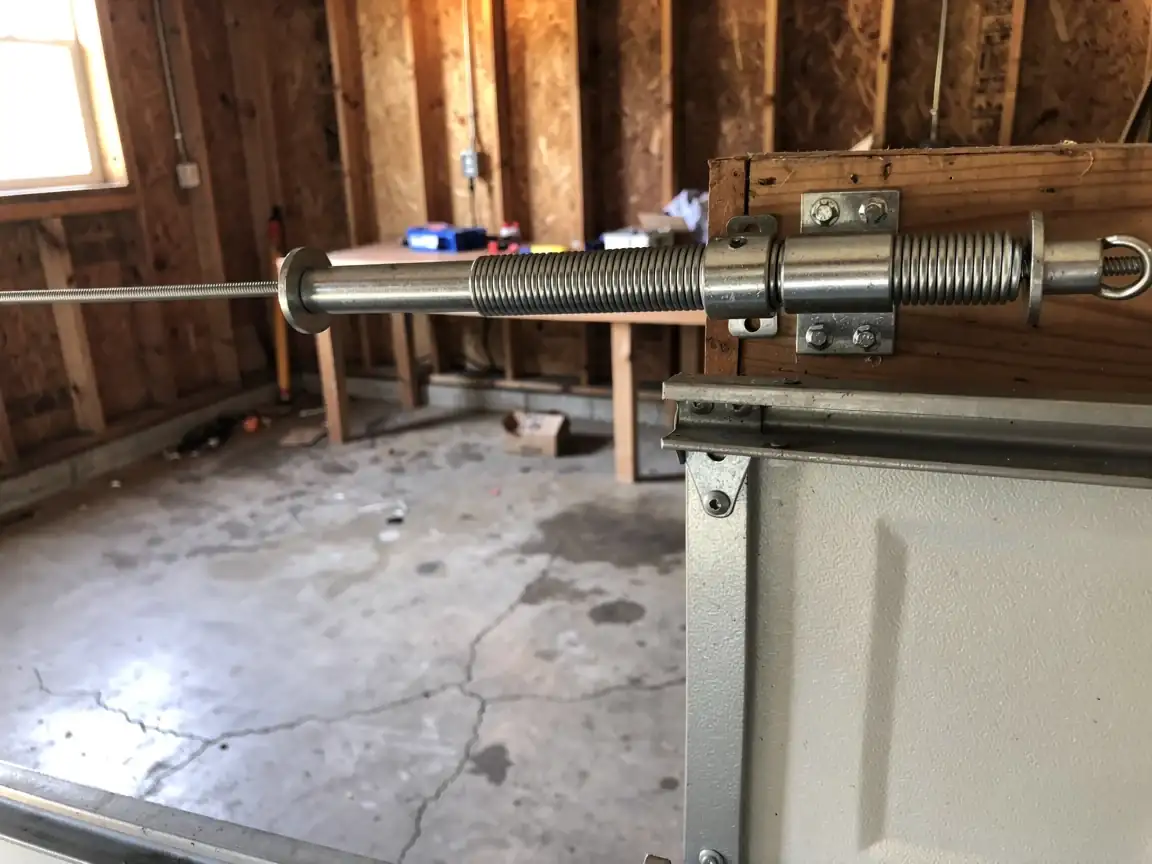
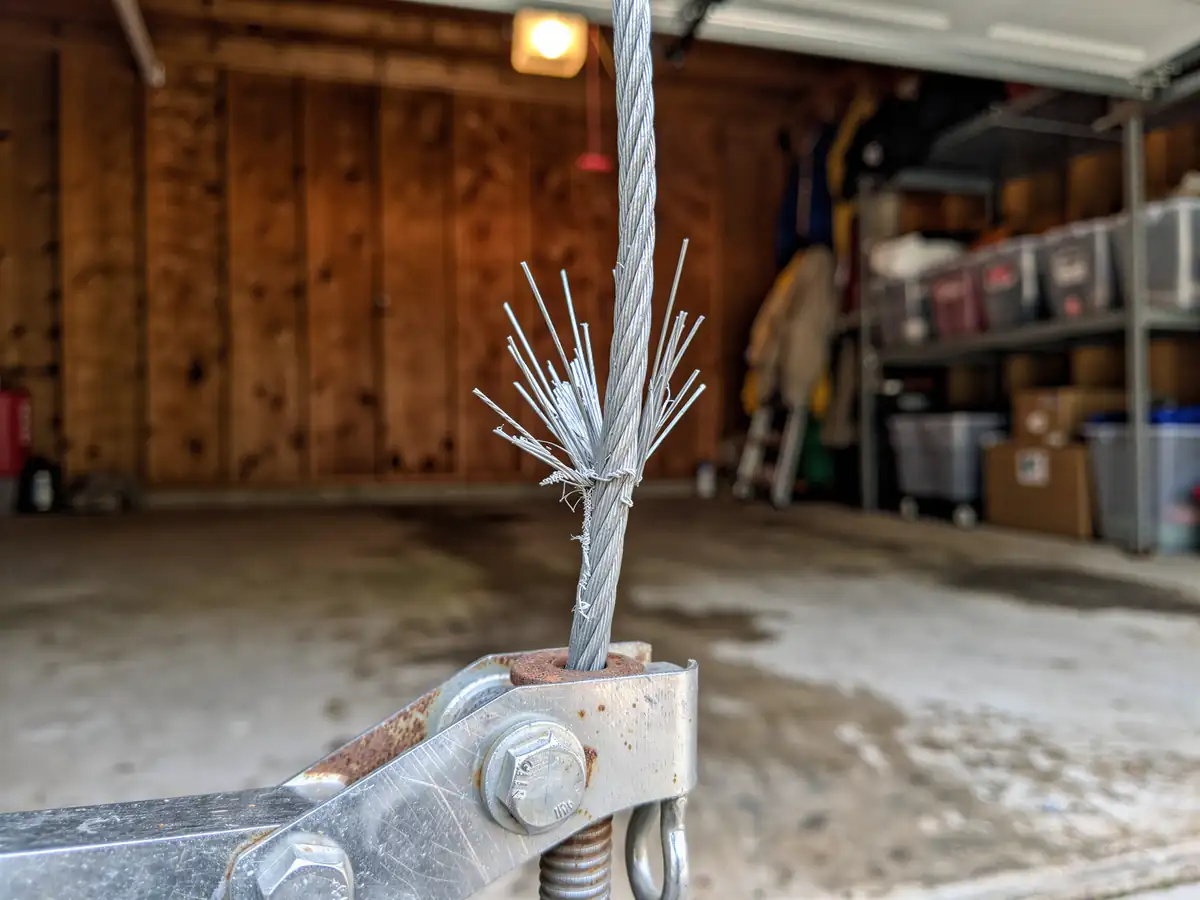
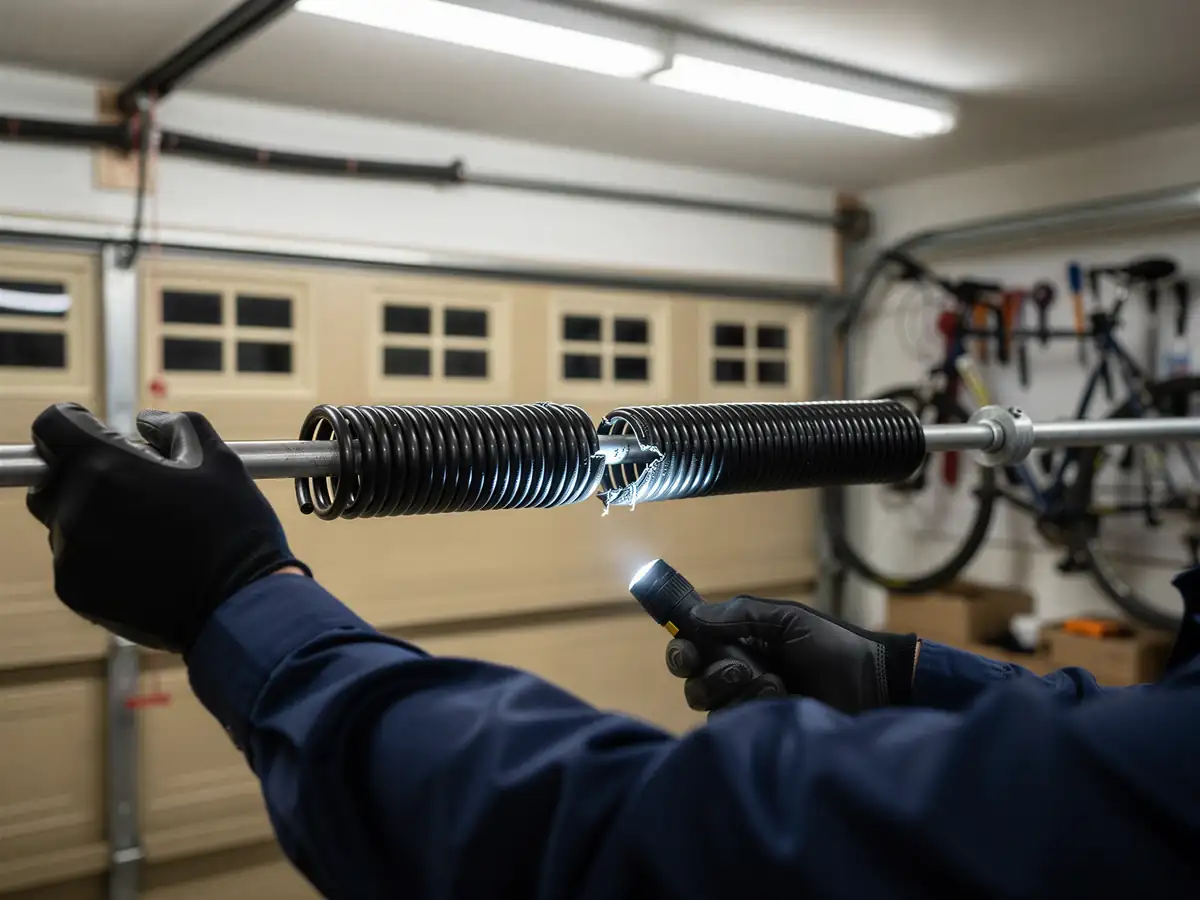
It's that these openers were paired with doors and hardware from the same era, so when the opener starts struggling, it's often masking a spring or cable problem underneath. We won't quote an opener repair without checking whether the door itself is pulling extra load on the motor - that's usually the real reason a 15-year-old unit suddenly can't lift a door it handled fine for a decade.
The Symptom
The call we get most is a door that hums or clicks but doesn't move, which points to a stripped gear or a capacitor that's given out - common once a chain-drive unit passes the 15 to 20 year mark, which lines up with a lot of the 1987-2013 stock we see. Close behind that: a remote that works from the driveway but not from the street, or an opener that runs fine most of the year and then balks on the first hard-cold morning.
That cold-weather hesitation is a real pattern here, not a coincidence. Our climate band is cold-moderate, and grease inside an aging gear housing stiffens up overnight, so the motor draws more current just to break the gear loose. On an opener that's already marginal, that extra draw is what finally burns out the capacitor or trips the thermal cutoff. If you've noticed your opener is fine by afternoon but won't fire at 7 a.m., that's the mechanism, not bad luck.
The Cost of This Job
We don't have a flat number to put here, and we're not going to make one up. What we can tell you is how we decide between repair and replacement: if the motor, gears, and logic board are failing on a unit from the 1990s or early 2000s, we're usually looking at a full opener swap rather than a patch repair, because parts for that generation of chain-drive units are getting hard to source and a new belt-drive unit will run quieter and handle the cold better anyway.
If the opener itself is newer and the failure is isolated - a sensor out of alignment, a worn drive gear, a dead remote - that's a straightforward repair call and usually the cheaper path. The honest limitation: we won't know which situation you're in until we're standing in front of the unit. Anyone quoting opener repair over the phone without seeing the installed date or hearing the motor run is guessing.
Why This Fails Locally
This is a repair pattern built into the area's housing timeline, not a generic appliance issue
With most homes across the 17 communities we serve - from Lowell and Little Flock a few miles out to Gravette and Decatur further north - dating to the 1987-2013 window, a large share of openers are now old enough to be hitting end-of-life gear and board failures at roughly the same time. That's different from a neighborhood with mixed-era construction, where failures spread out more evenly year to year.
- 17 communities
The cold-moderate climate band adds a second layer
Openers here get cold-morning strain that houses in warmer regions don't deal with, which shortens the working life of gears and capacitors that were already approaching their limit. Put those two factors together - an opener fleet that's aging in step, plus winter mornings that stress the weakest units first - and you get the exact pattern we see on service calls: late-year models from the 1990s and early 2000s failing in clusters during the colder months.