Stocked Parts
Median household income in Cave Springs runs $147,917
Well above the $87,150 figure for the wider service area. That number matters here more than most places, because it changes the math on a maintenance call. At that income level, a homeowner isn't stretching to justify a $300 tune-up or a spring swap - the harder question is whether to keep maintaining a door that's still well inside its working life, or jump straight to replacement because the budget allows it.
The answer is usually: keep maintaining it
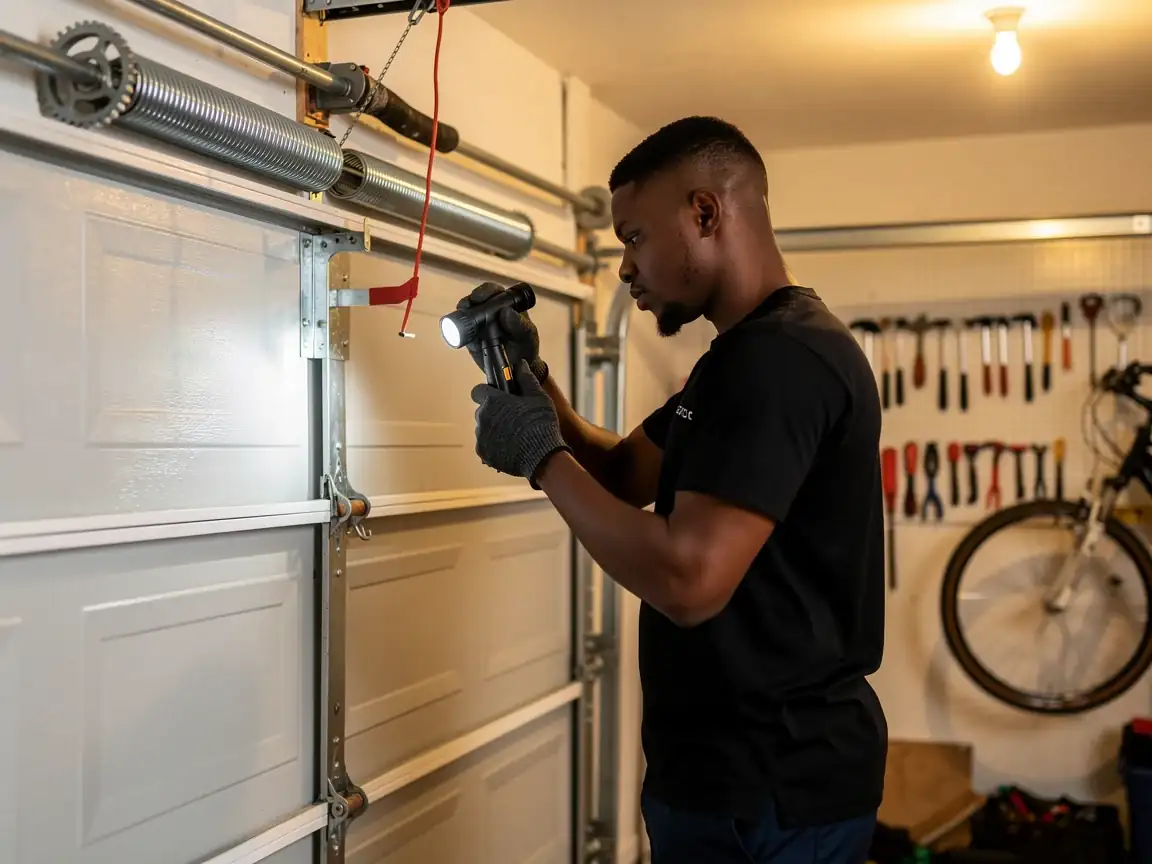
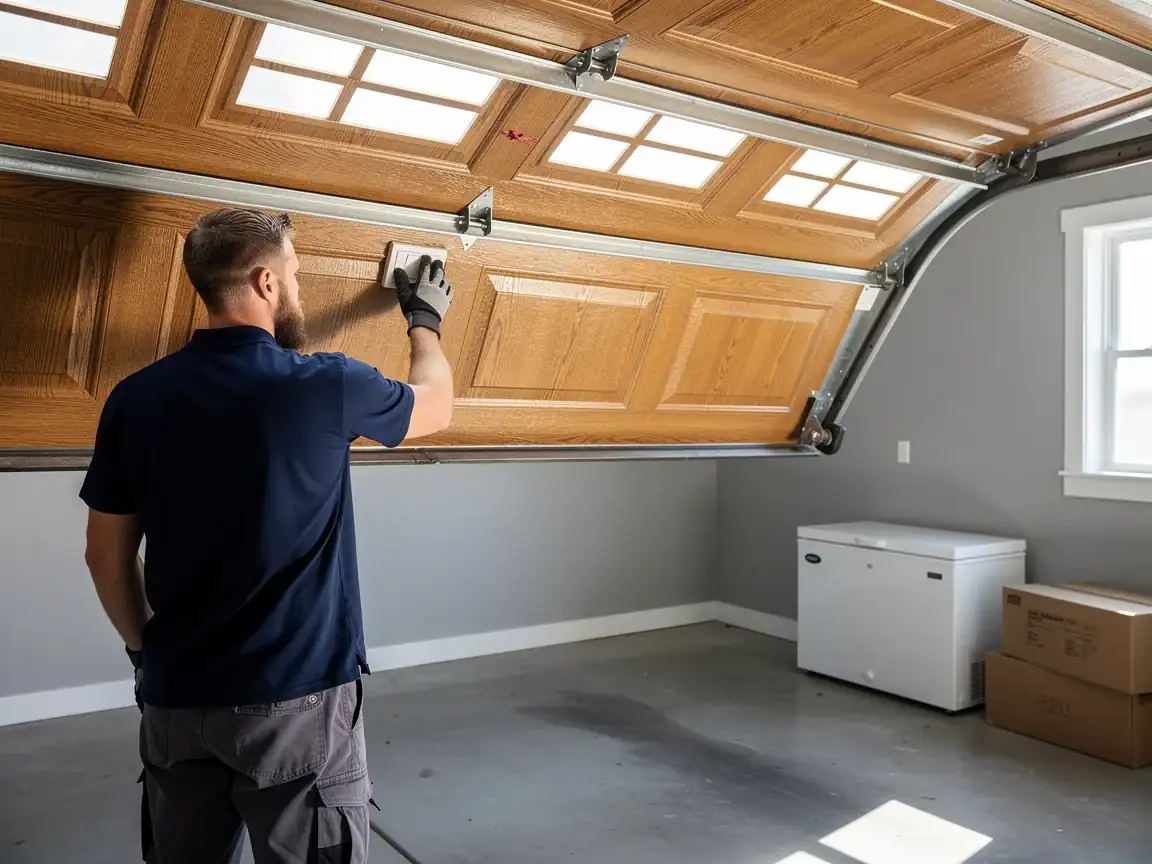
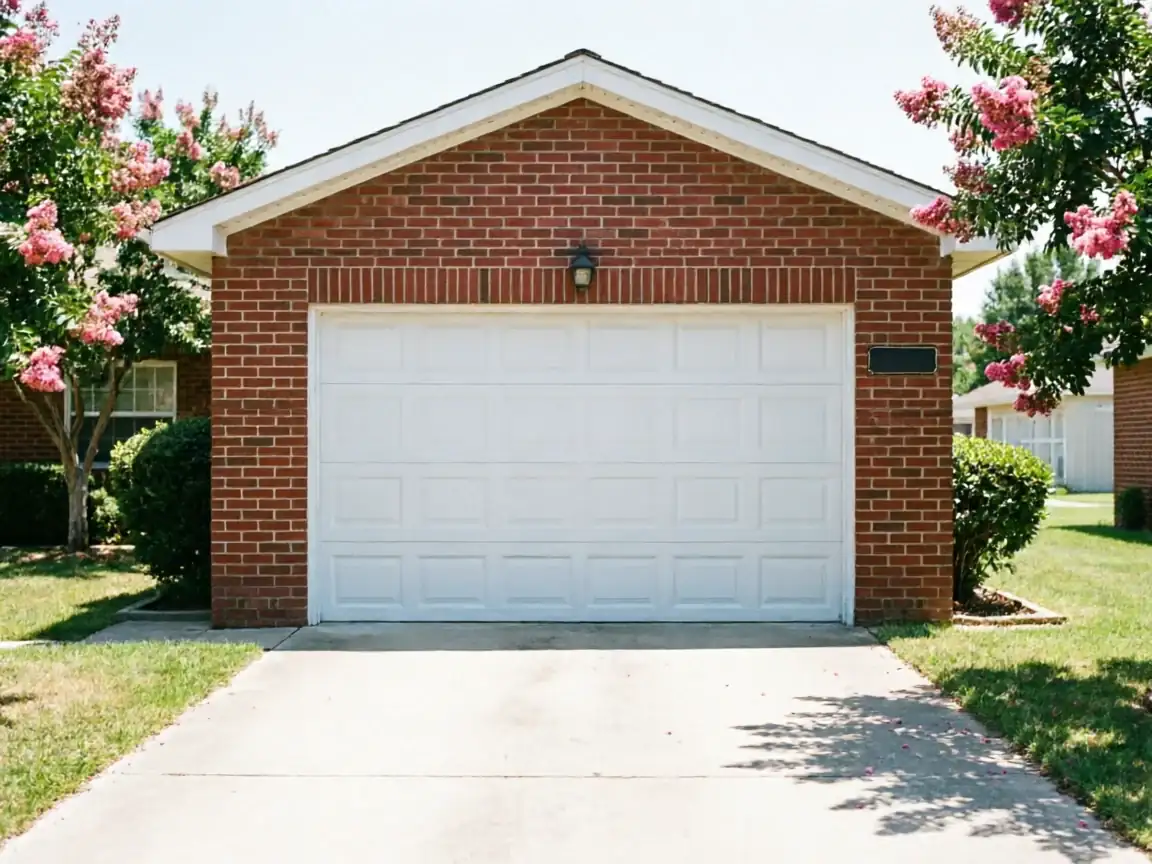
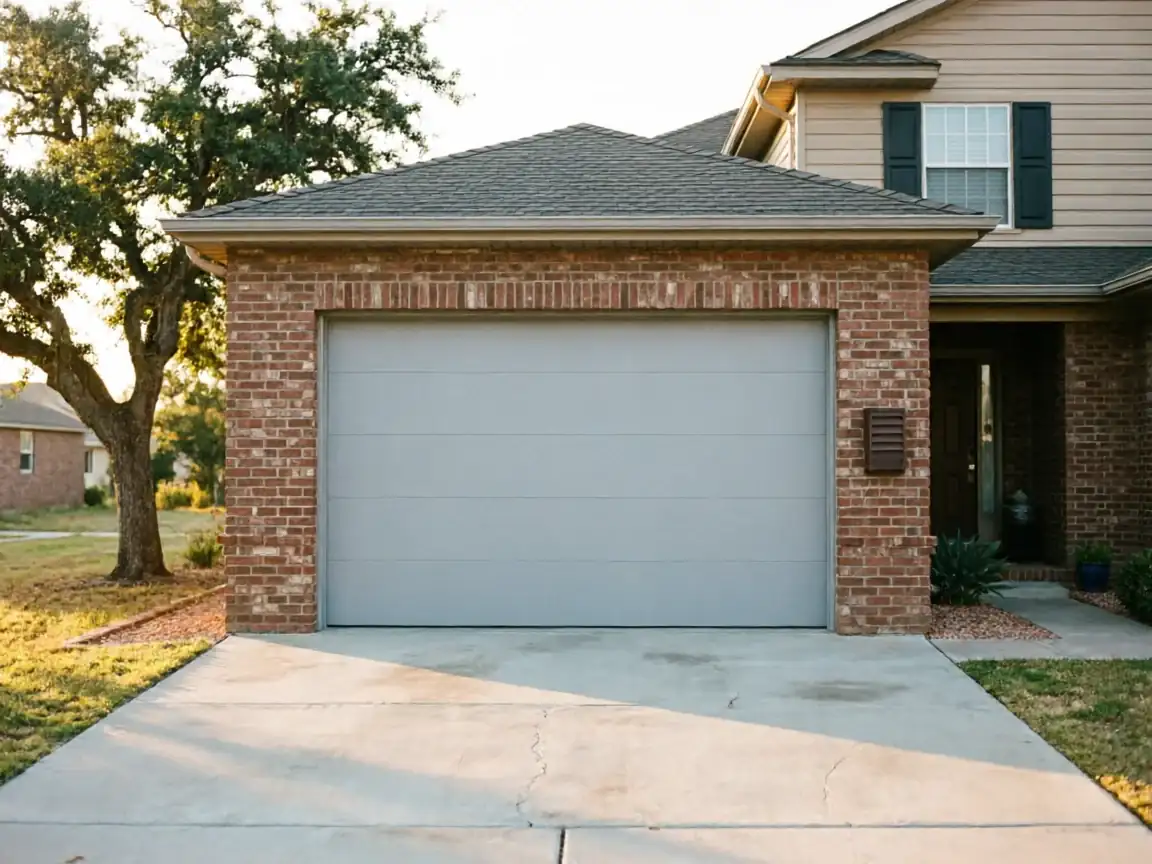
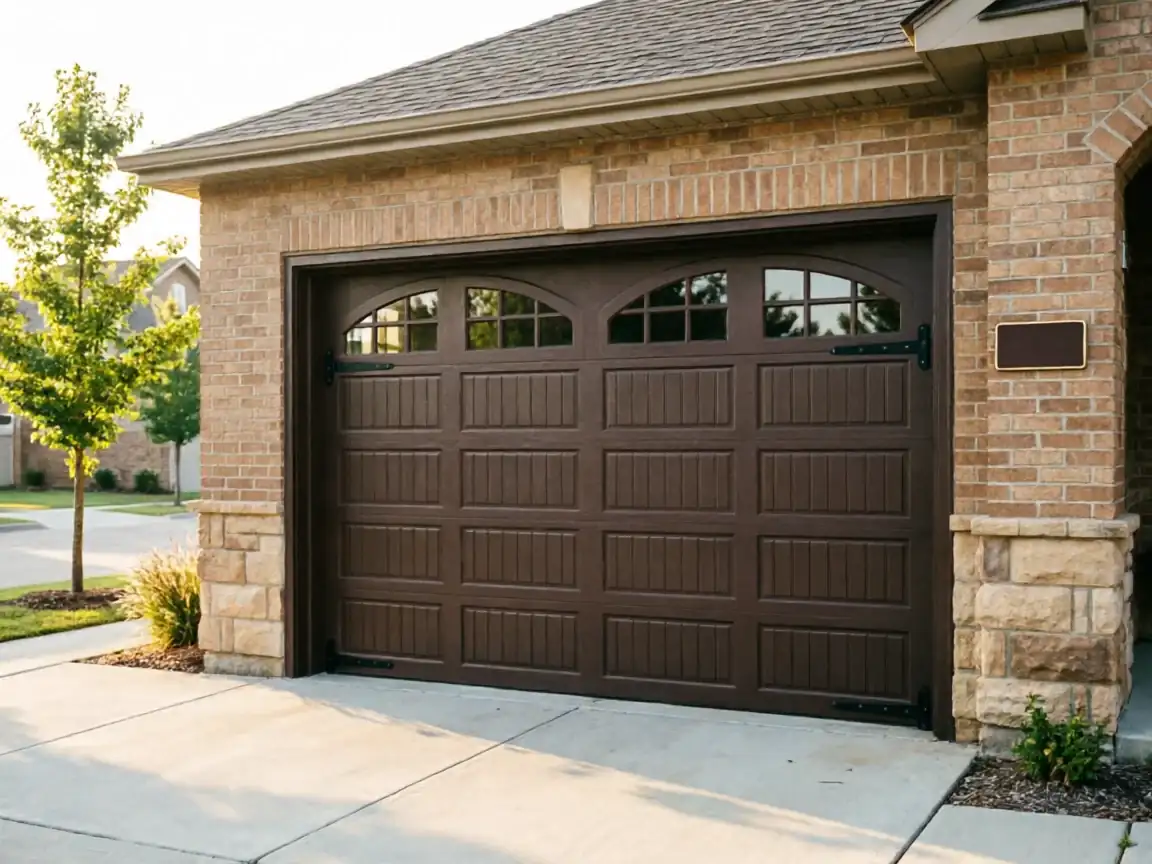
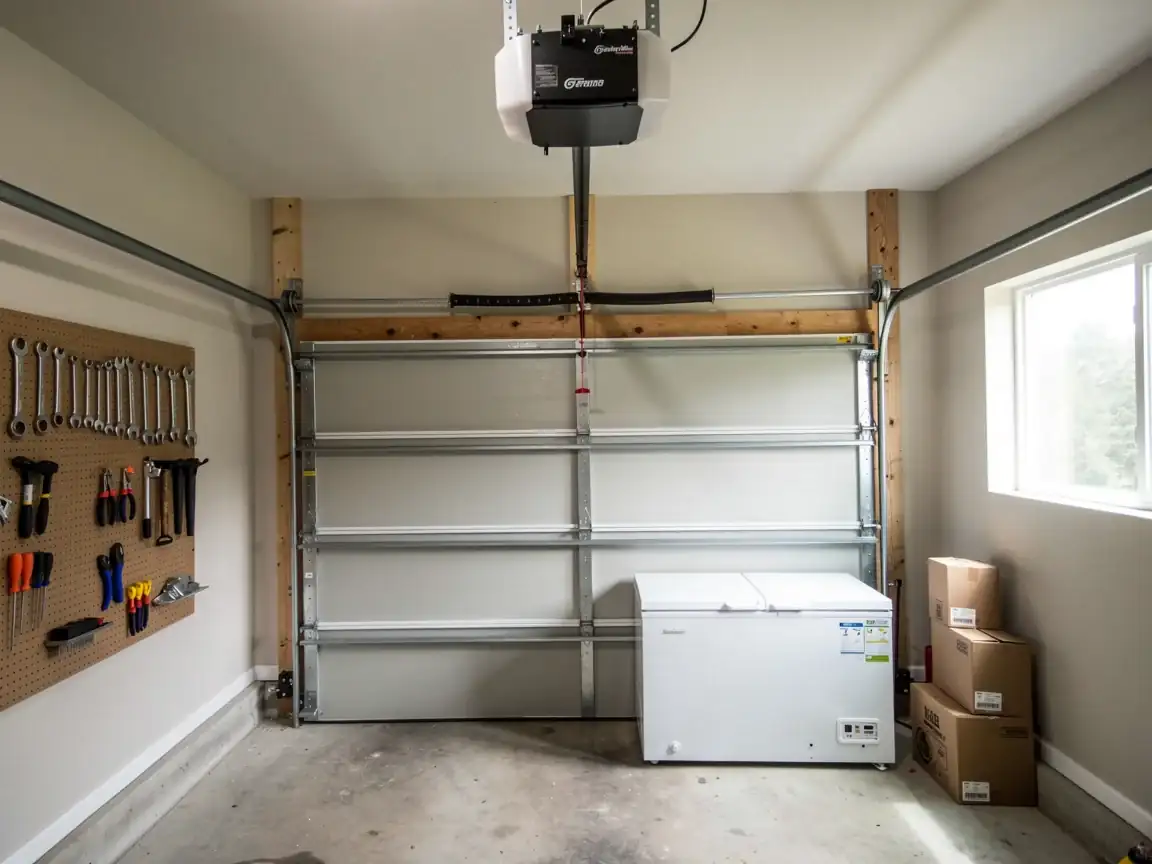
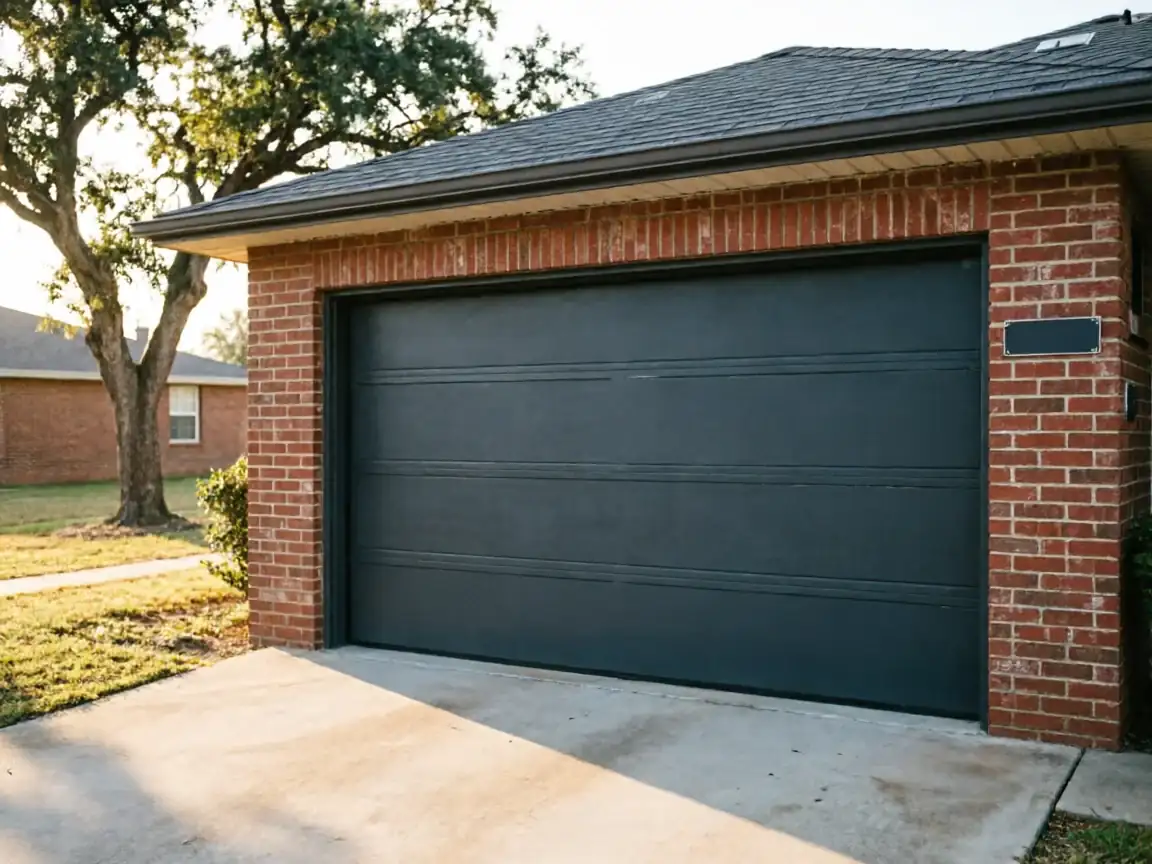
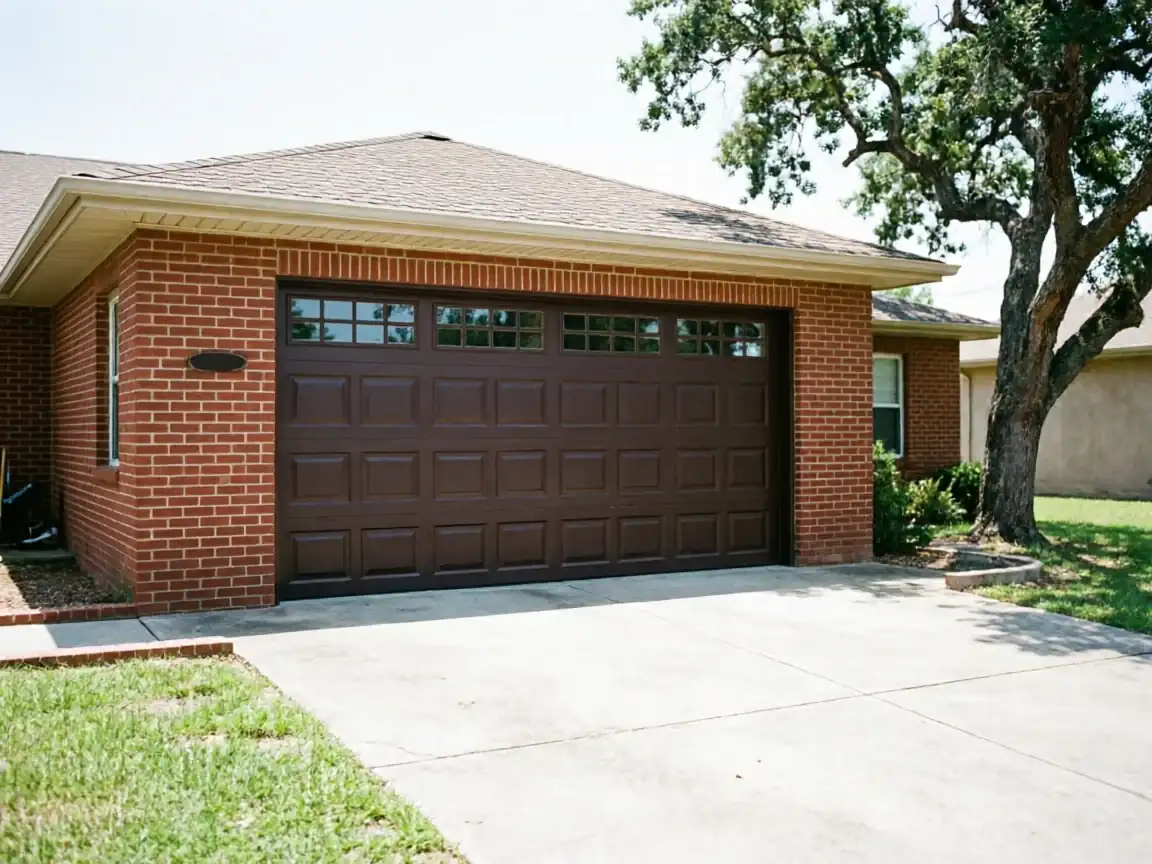
Cave Springs sits at the newer end of the area's housing stock - the broader service area runs 1987 to 2013 with a median of 1997, but Cave Springs itself carries a median year built of 2013. Doors out here are mostly steel sectional with factory torsion springs and rolling-code openers, not the mismatched hardware you find on a 1990s remodel. We carry standard torsion springs, nylon and steel rollers, and weatherstrip kits sized for this generation of door on the truck, because that's what these houses actually need. We don't stock parts for older wood-panel doors or chain-drive openers from the 1980s cohort that shows up elsewhere in the service area - if a Cave Springs house has one of those, it's the exception, and we'll order the part rather than pretend we carry it.
How to Book
There's no branch in Cave Springs - we run the truck out from Rogers, about 5 miles away. That's a short run, but it's still a trip, so maintenance visits here get scheduled rather than walked in on. Tell us the door's age and whether it's ever had service; a 2013-build door that's never been touched is a different job than one that's had annual lube and adjustment.
Because Cave Springs is a smaller pocket of the service area - about 1,811 households total against the roughly 40,545 across the full territory - we're not running multiple trucks through here daily. Booking ahead gets you a tighter window than calling same-day and hoping. We'll ask for the door's approximate install year and opener brand up front so the right spring and roller stock is already on the truck when we show up.
The Complications
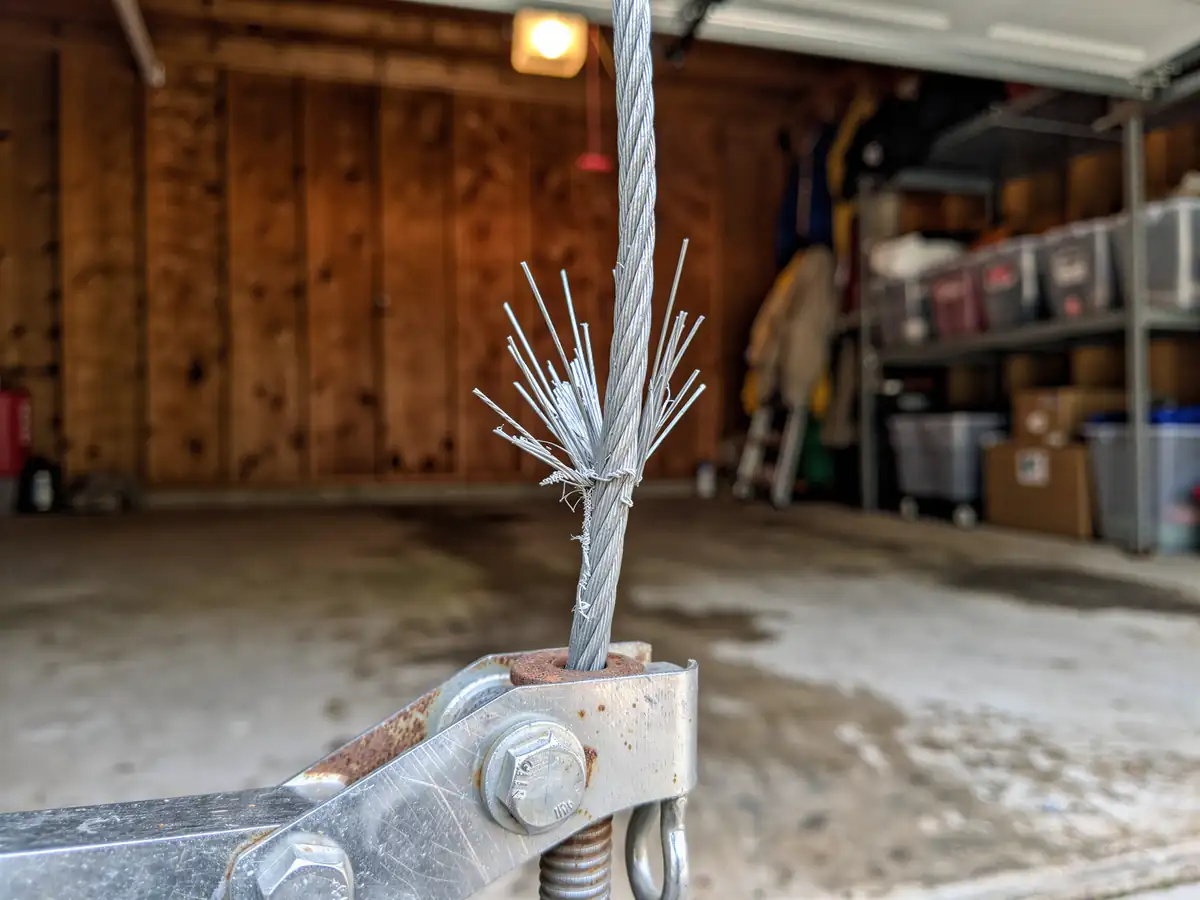
The area sits in a cold-moderate climate band, which for a door built around 2013 mostly shows up as stiff springs and gummed-up rollers in deep winter rather than structural failure. Newer torsion springs handle temperature swings better than the older open-coil setups you'd find on a 1990s door, but they still lose a little lift on the coldest mornings, and an opener's force settings that were fine in October can start straining a cable in January.
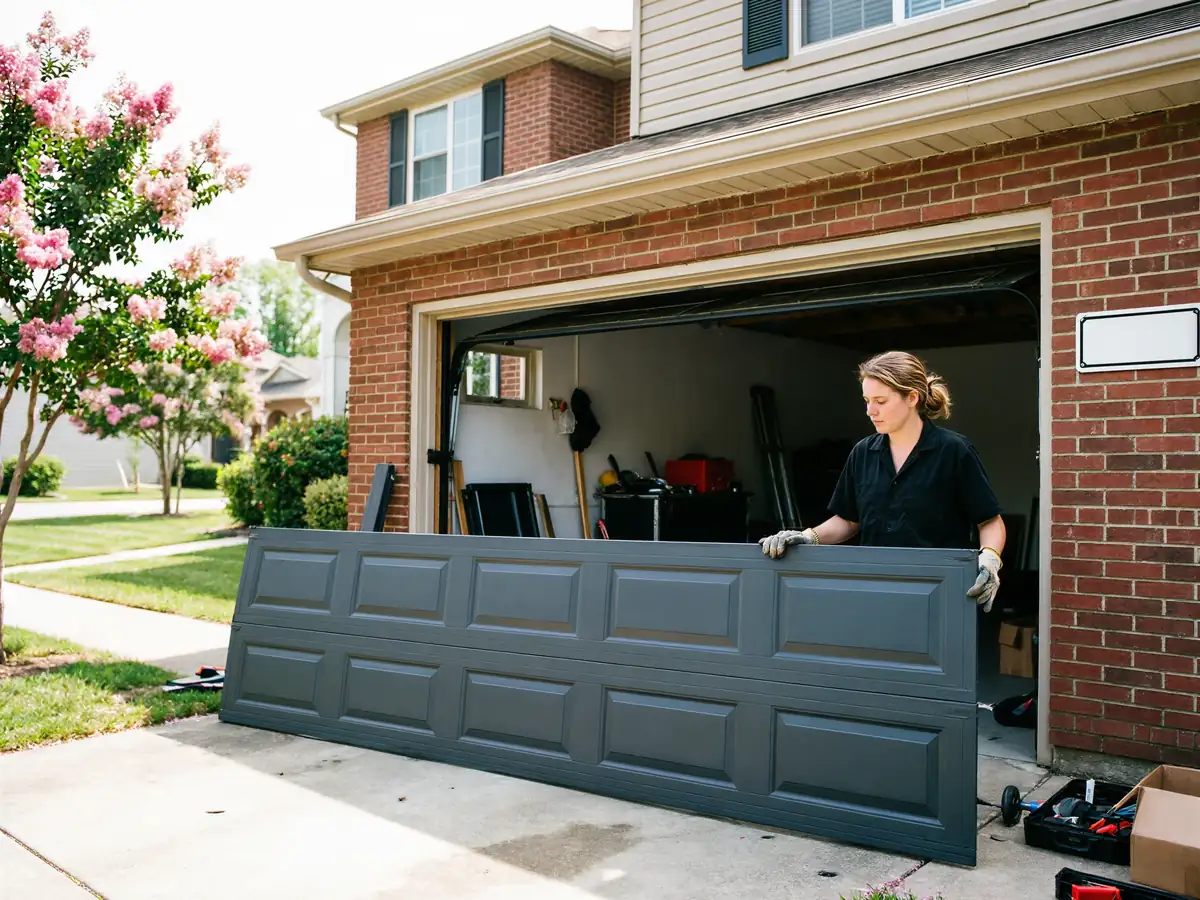
Here's the honest complication: at $147,917 median income, we see more requests to just replace a door at the first sign of trouble than the mechanics actually call for. A 2013-era door with a sticking roller or a slightly misaligned track almost never needs a new door - it needs an hour of adjustment. We'll tell you when replacement genuinely makes sense and when it doesn't, even if the easier sale is the new door. If your opener logic board is failing, that's a different story, and we'll say so plainly rather than stretch a repair past the point it's worth it.
Doing It Yourself
A door built around 2013 is young enough that most of what it needs is upkeep, not repair, and a fair amount of that upkeep is within reach for a homeowner
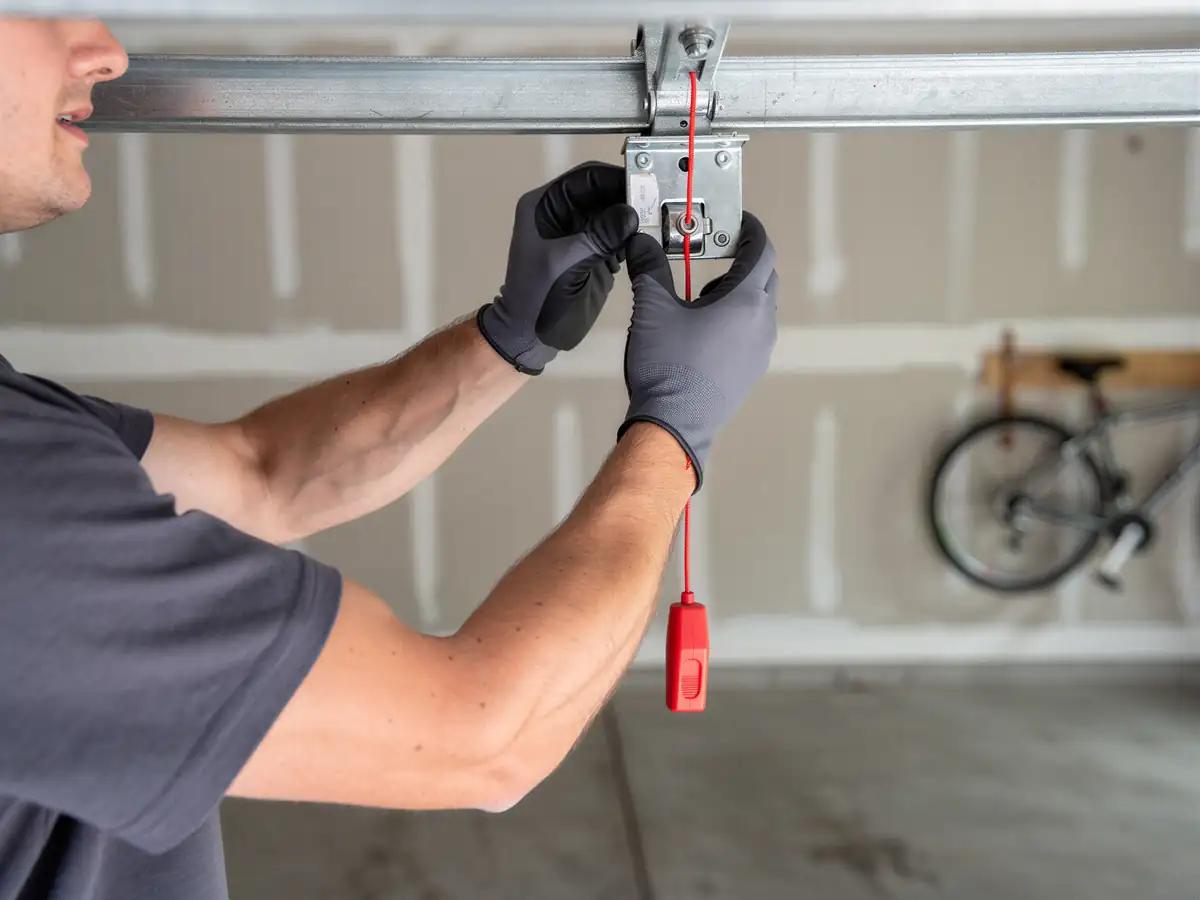
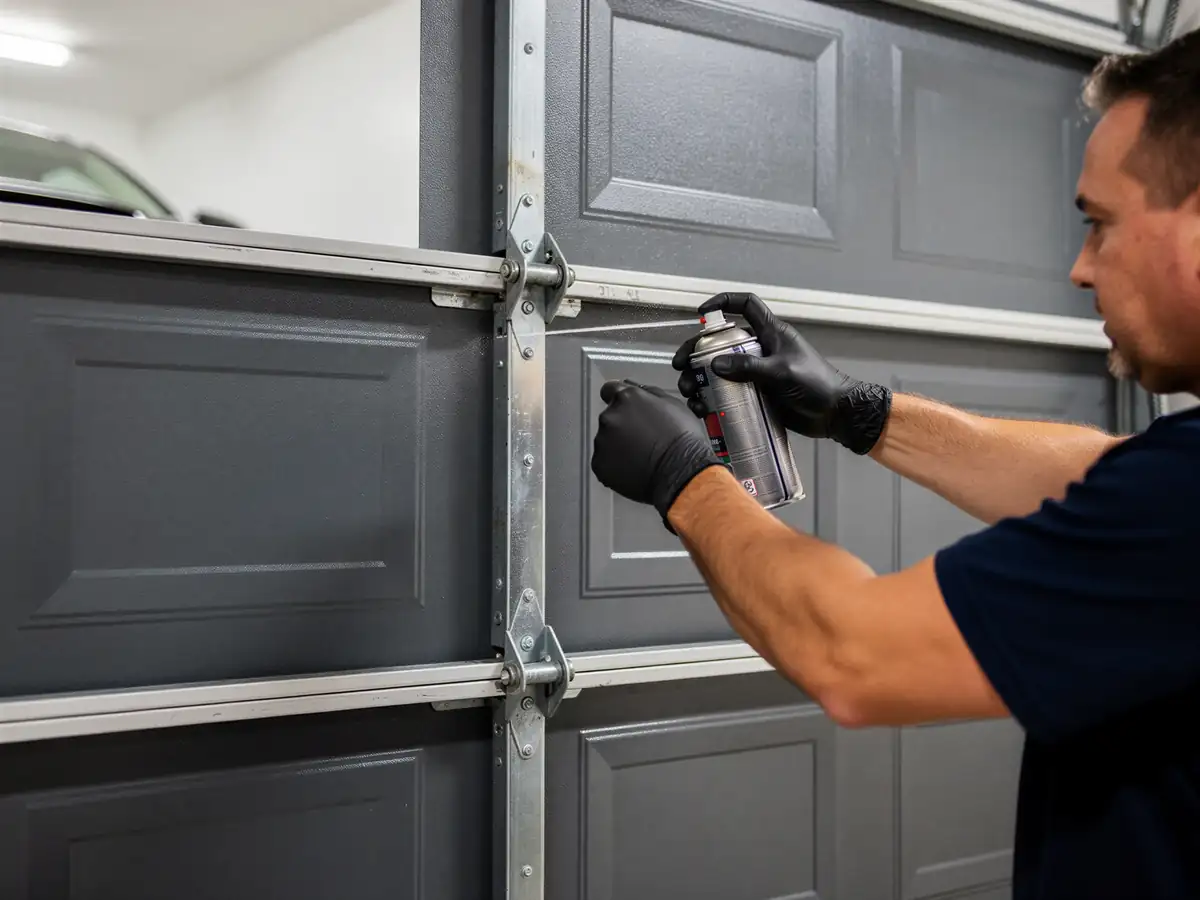
Wipe down and lubricate the rollers and hinges twice a year, check that the weatherstrip along the bottom panel hasn't cracked from the cold-moderate swings this area gets, and listen for new noise - a 2013 door should still run quiet.
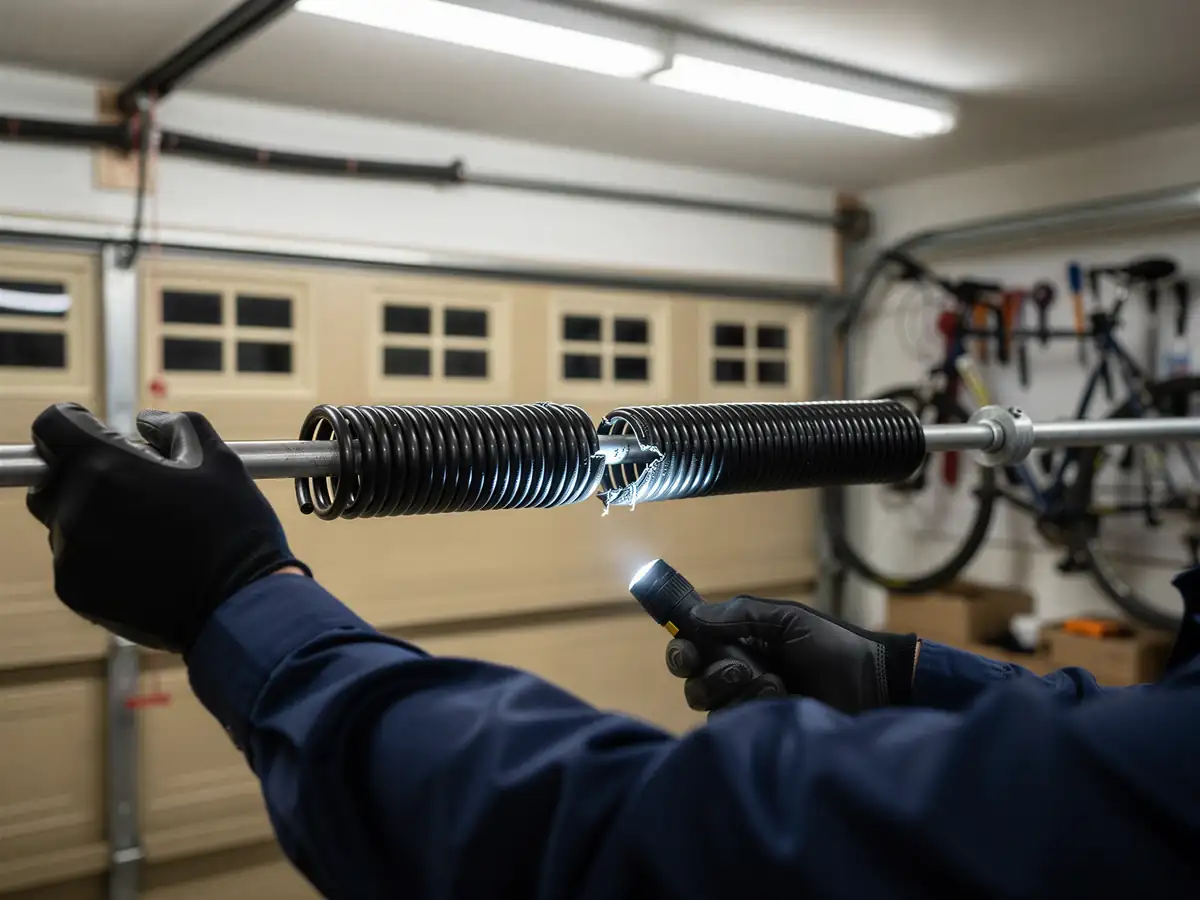
What you shouldn't touch: the torsion spring itself
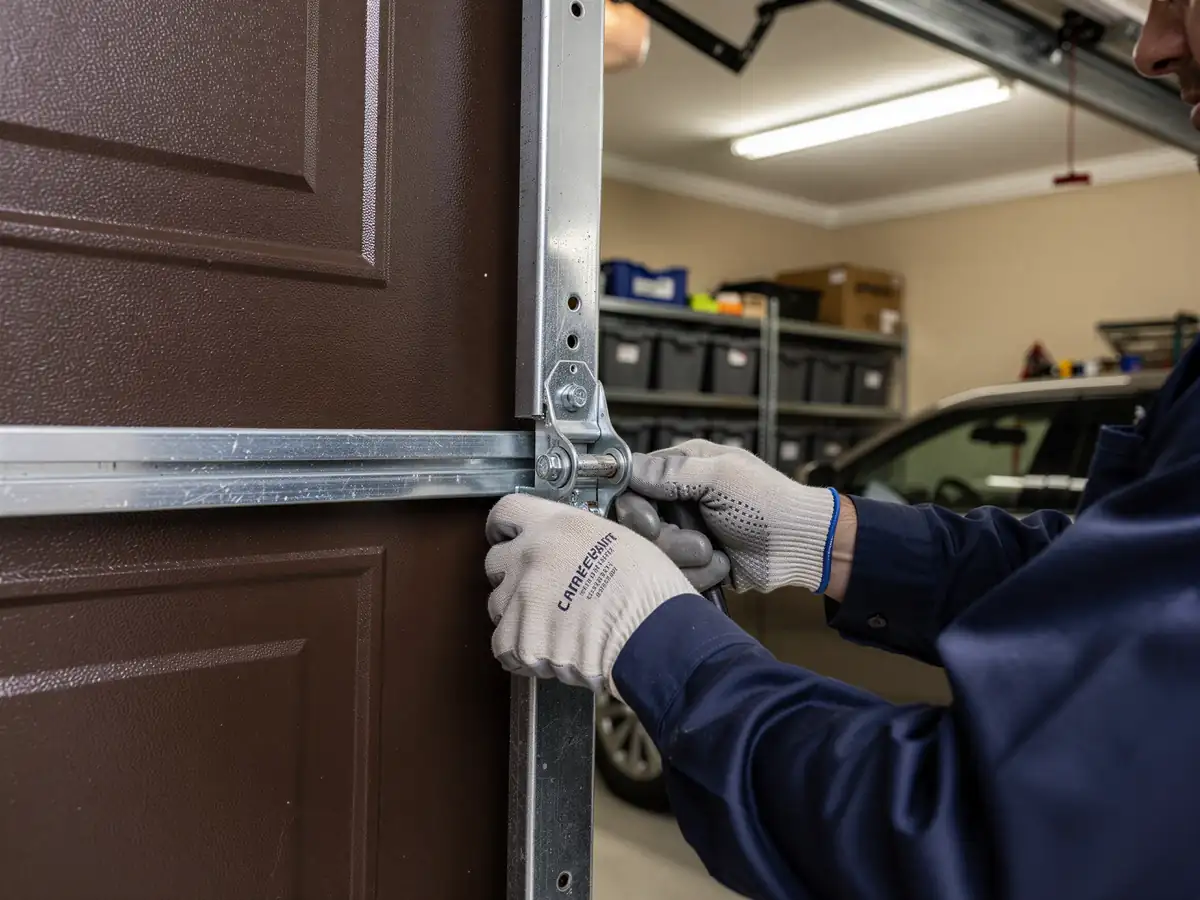
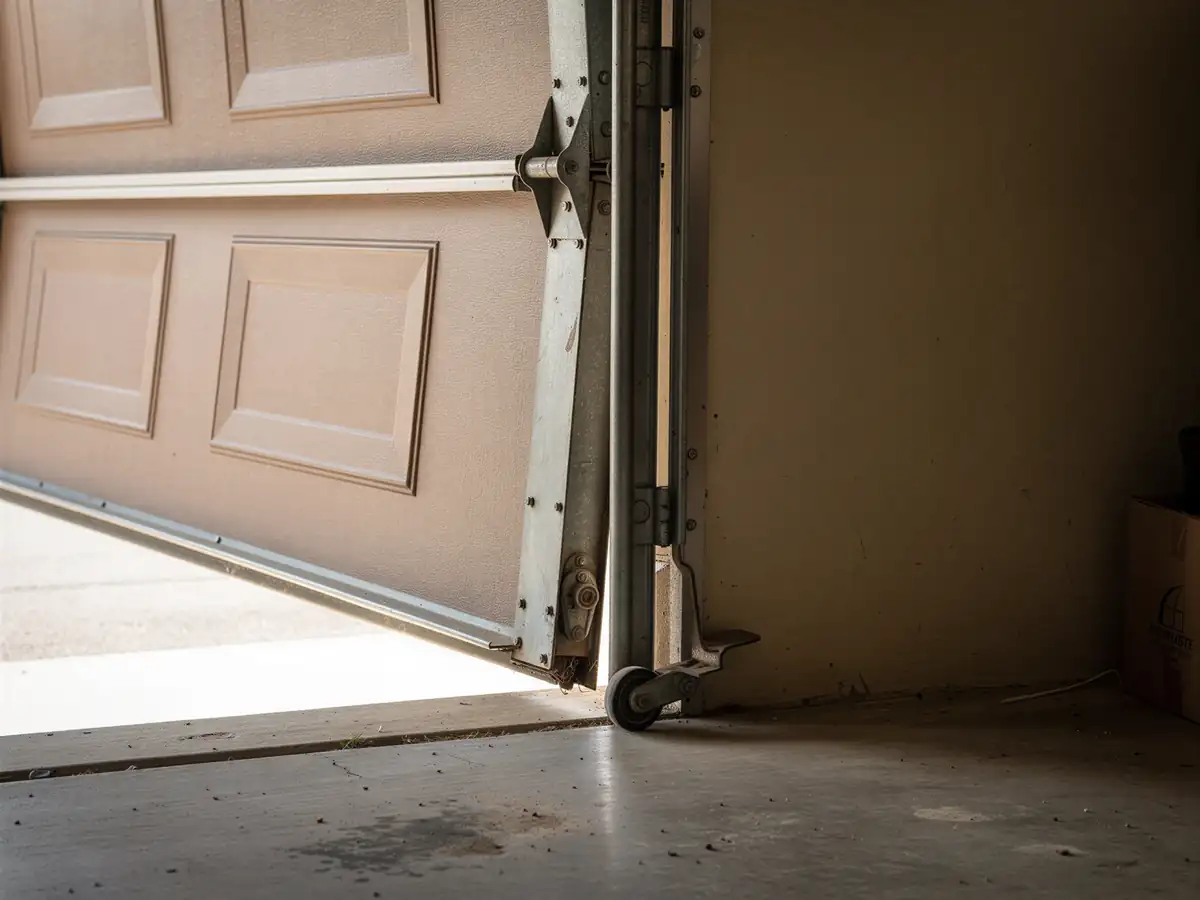
Even on newer hardware, a torsion spring under full tension can put someone in the hospital, and it's not a job where a tutorial substitutes for the right tools. Same with cable replacement or realigning a bent track. If the door is binding, slow to open, or the opener is straining, that's a call, not a weekend project. We'd rather you save the DIY time for the lubrication and visual checks and let us handle anything that's actually under load.