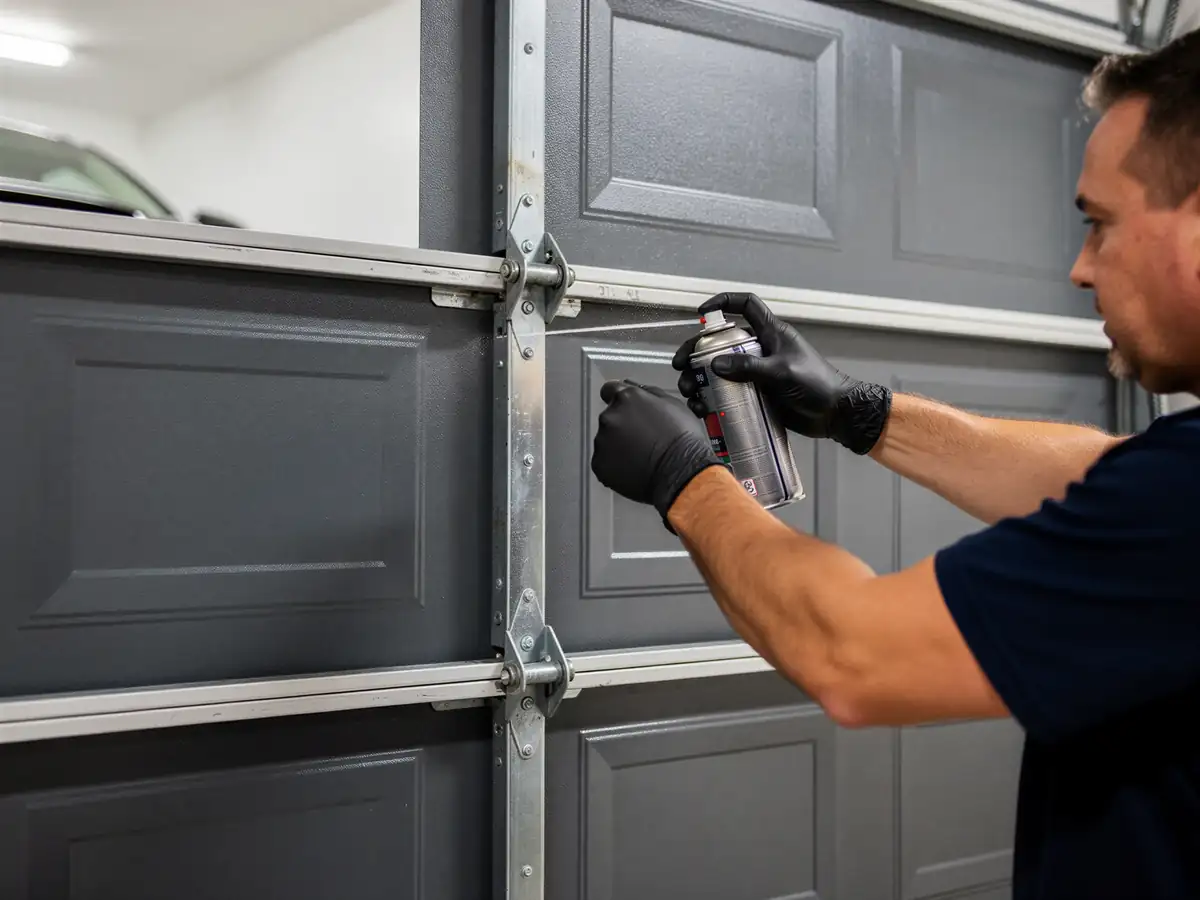
Doing It Yourself
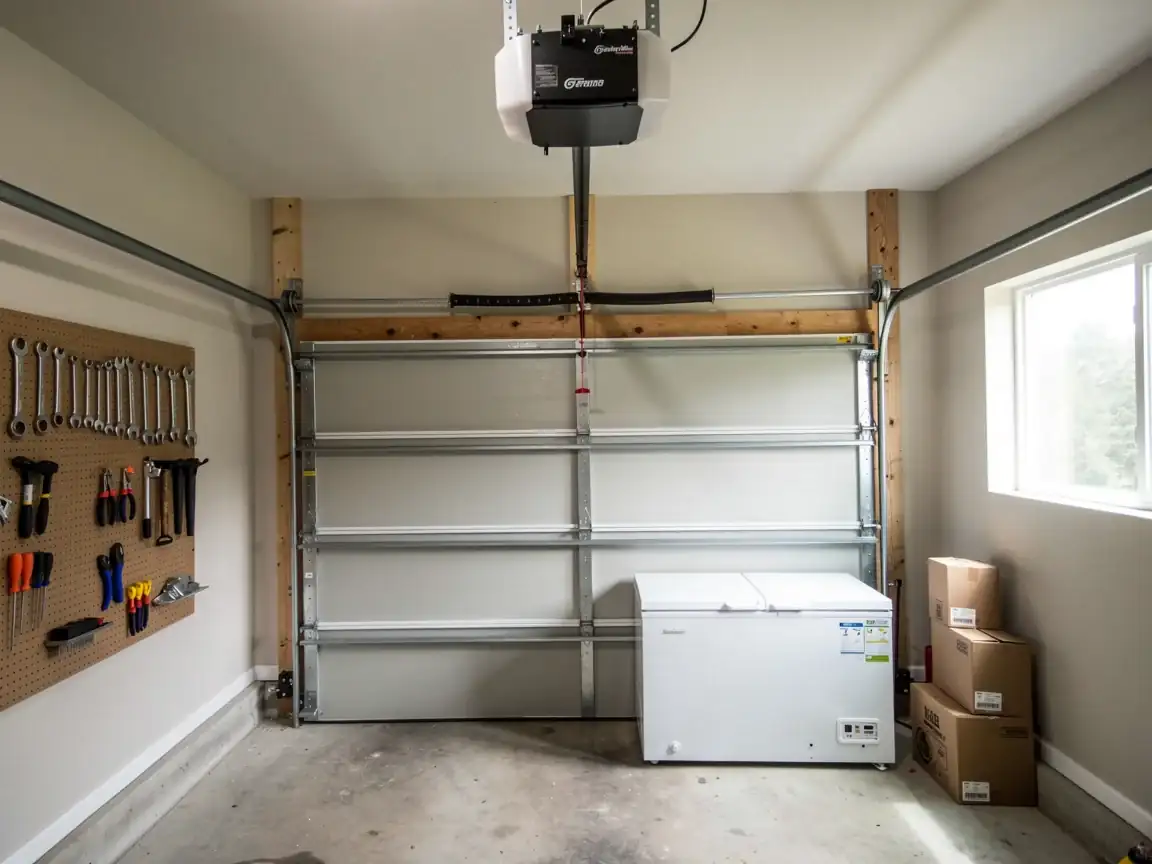
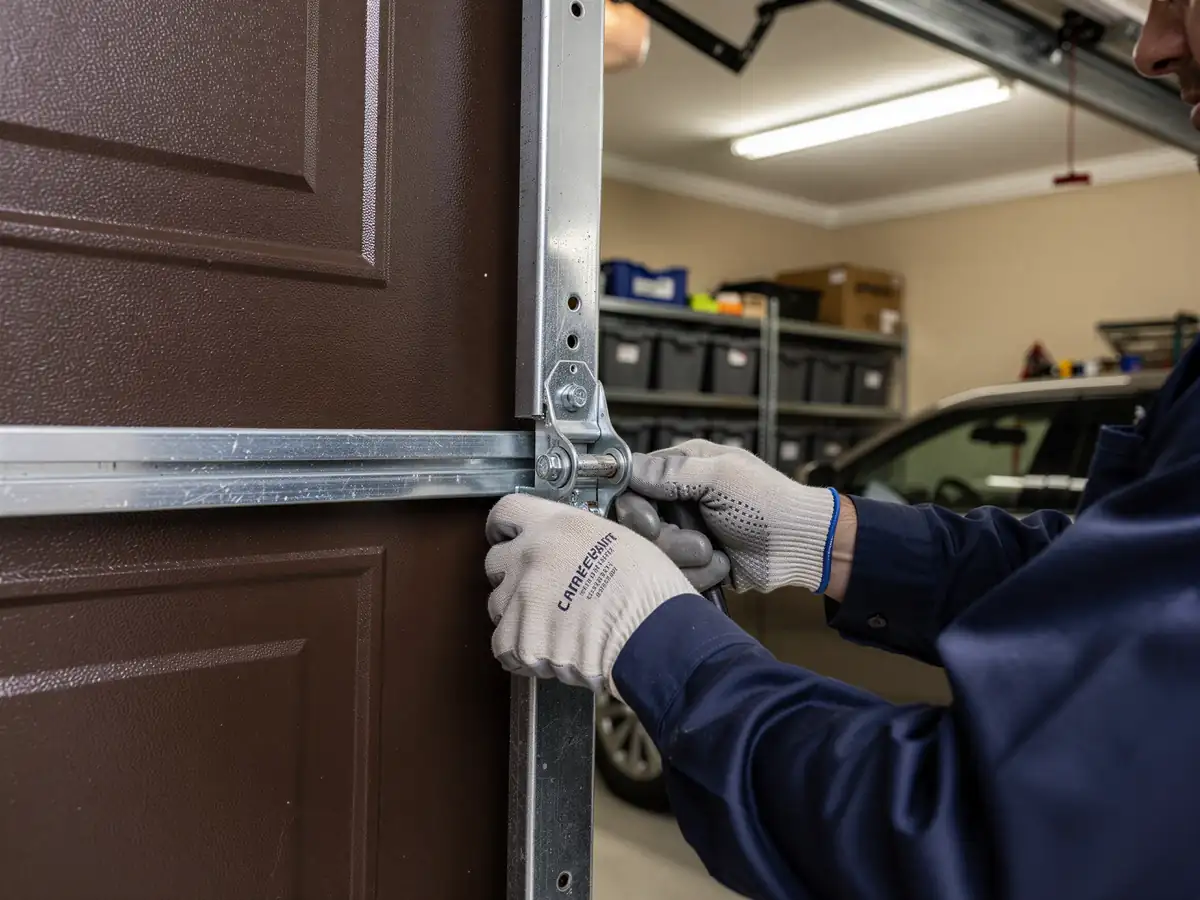
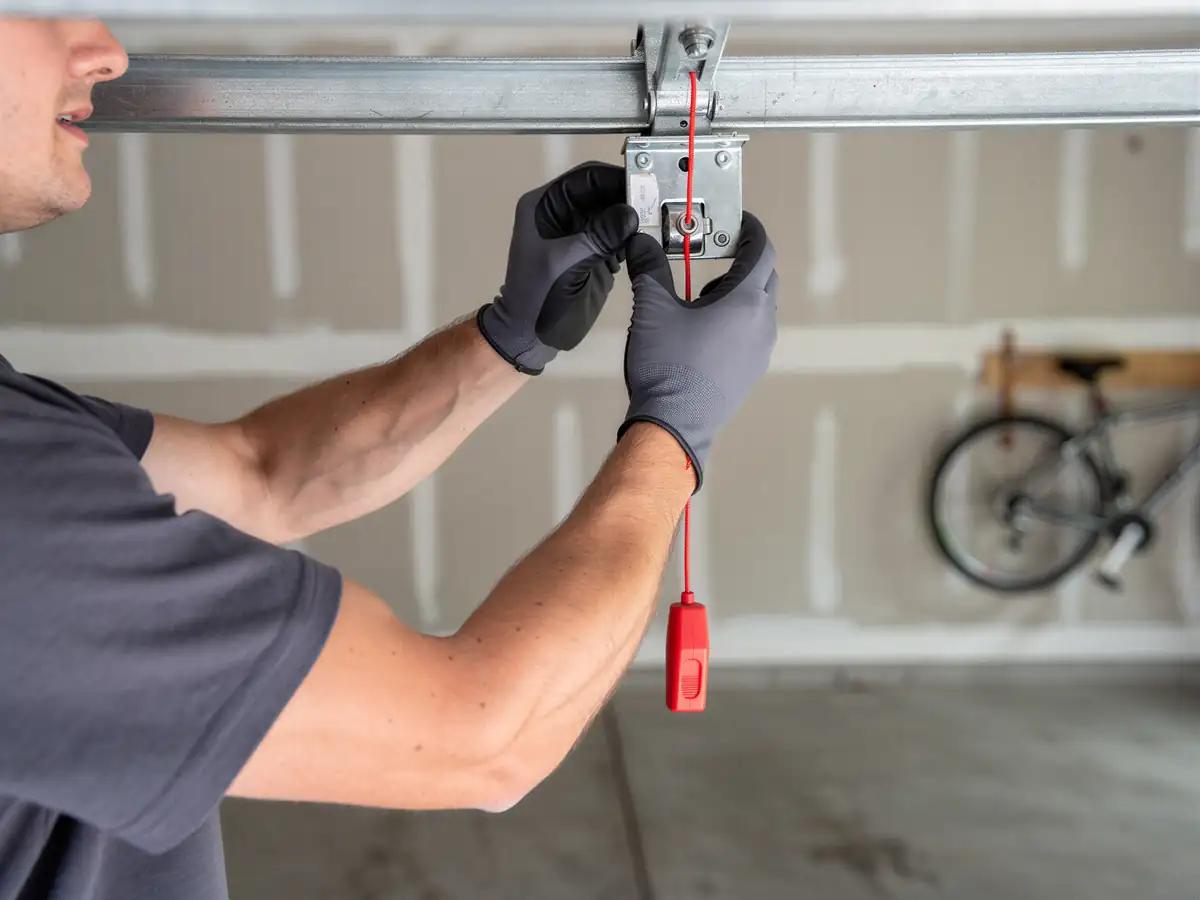
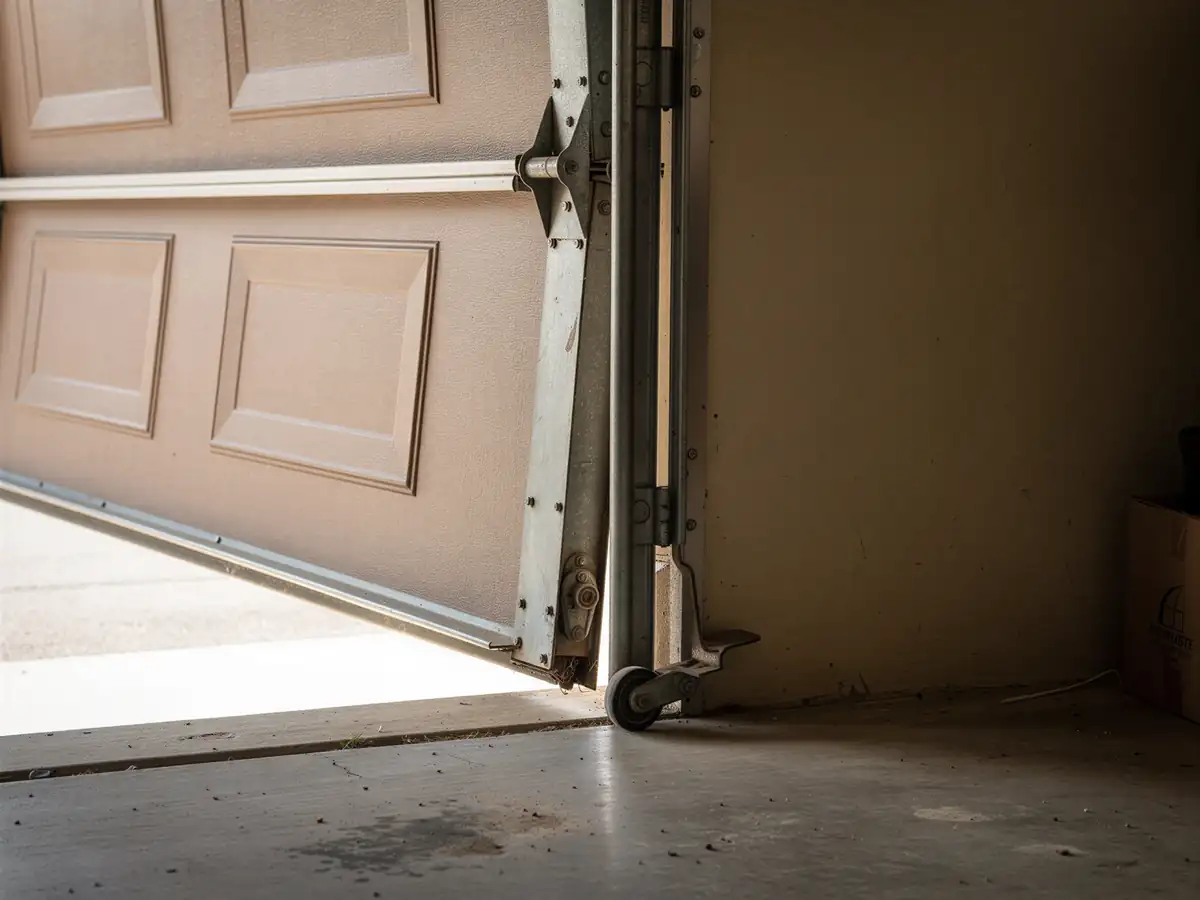
Lubricating hinges and rollers with a garage-door-specific spray, checking that the auto-reverse still kicks in when you set a 2x4 under the door, and tightening loose bolts on the track brackets - all of that is fair game for a homeowner with a ladder and a Saturday afternoon. What isn't: touching the torsion spring itself. These springs store enough force to break a wrist or worse, and on a door this age the spring has already given up thousands of cycles of its rated life, so it's not a forgiving place to learn. If your door is noisy, slow, or sits crooked, that's information worth gathering before you call anyone - note which side binds, whether it's a grinding or a popping sound - but the spring and the cable drums are not a DIY repair.
Why This Fails Locally
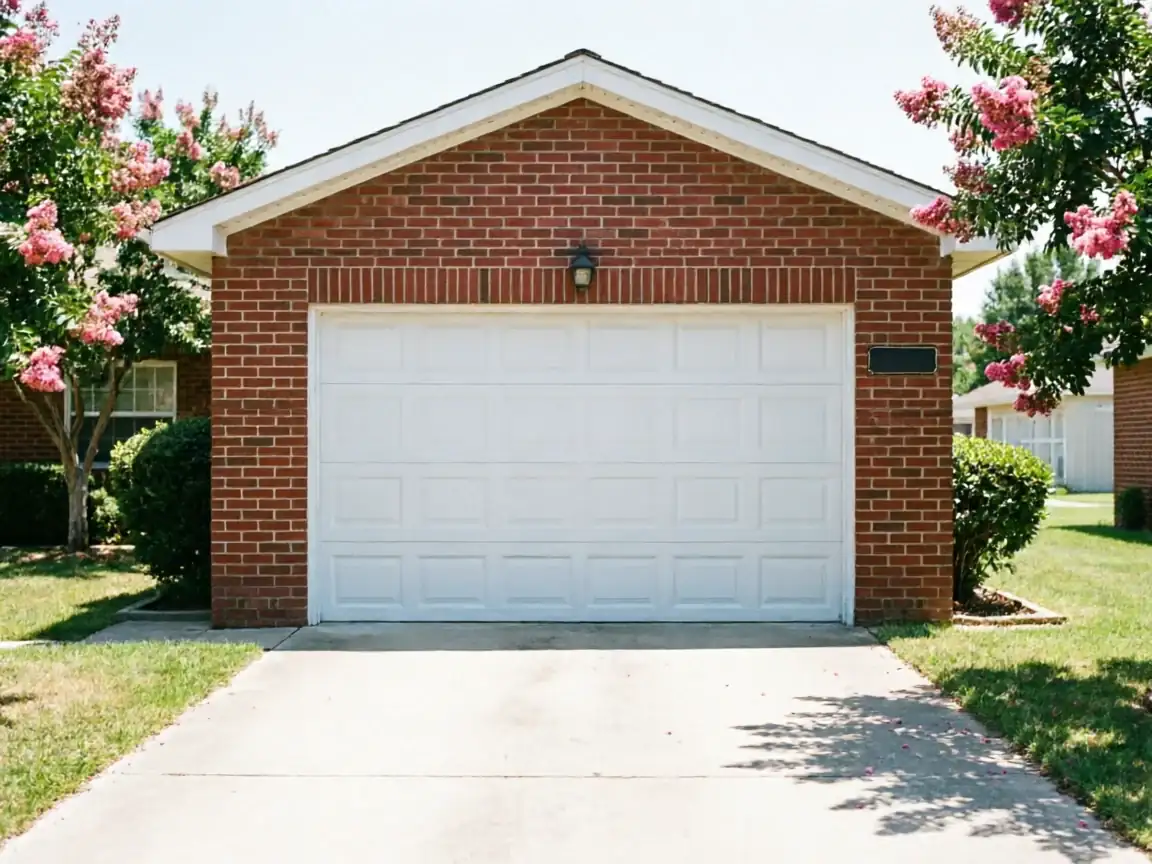
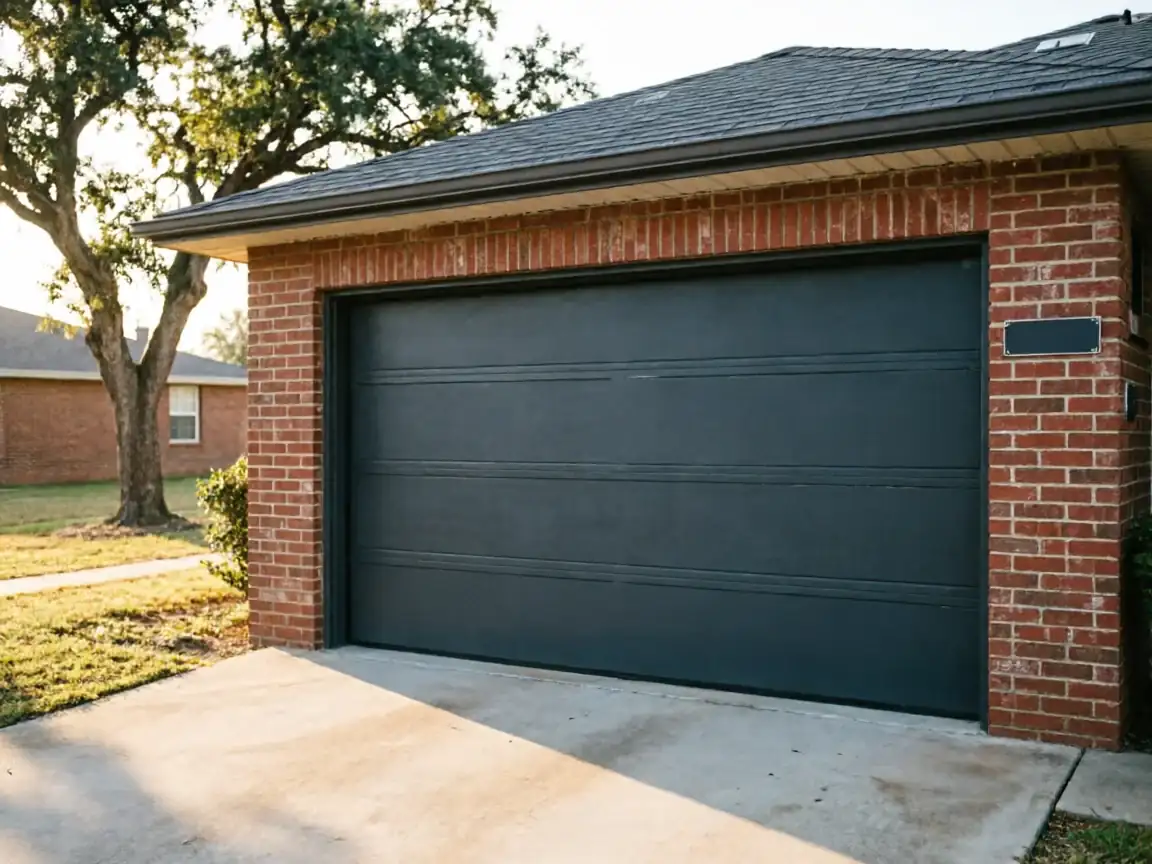
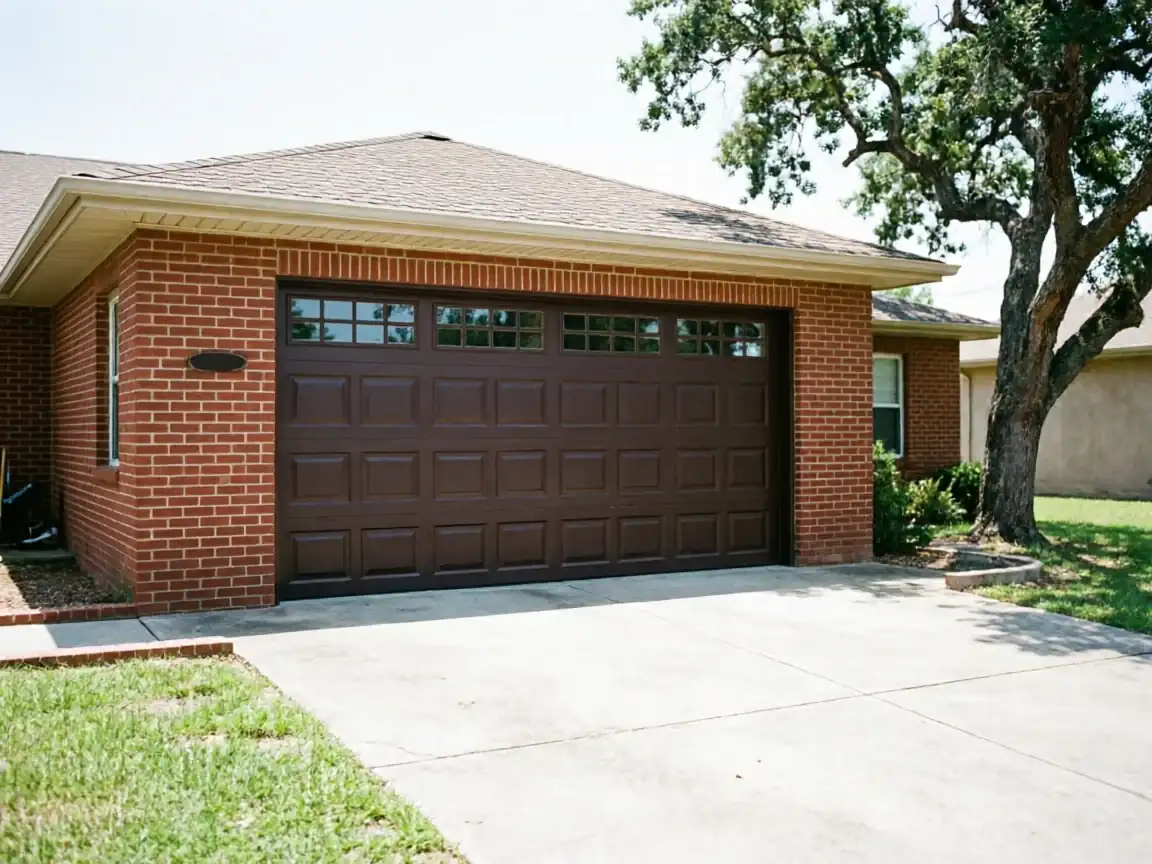
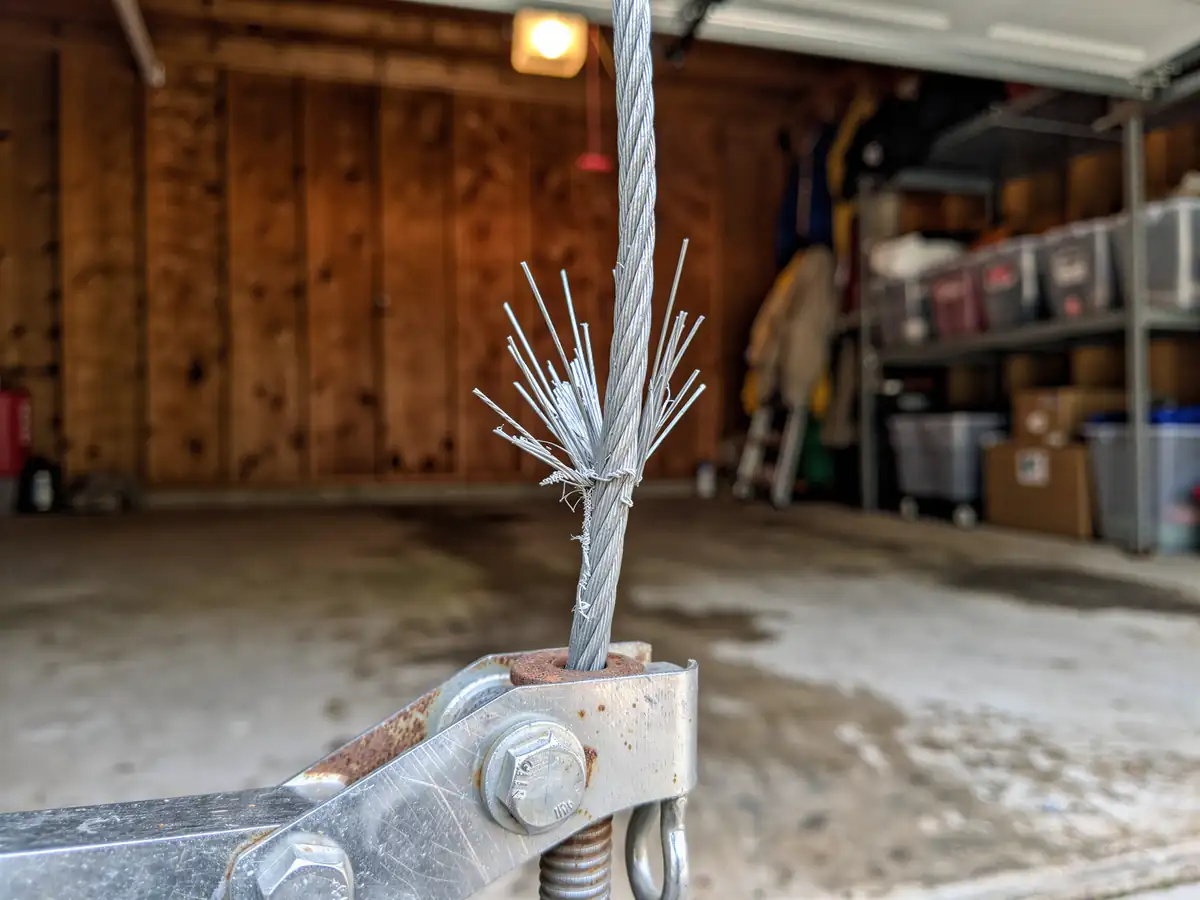
Most houses in this part of the service area were built around 1995, which puts the original garage door hardware at roughly 30 years of age right now - older than the door itself will likely last without intervention. That generation of door came with steel rollers or early nylon, galvanized lift cables, and torsion springs rated for a cycle count that's long since been used up by a door opening twice a day for three decades. Add in a climate band that swings cold enough in winter to stiffen lubricant and tighten metal tolerances, and you get the failure pattern we see on this vintage of door: a spring that's been creaking all fall finally lets go on the first hard freeze, or a cable that frayed slowly all summer snaps when the cold makes it brittle. None of that is unique to any one house - it's what happens to hardware installed in the mid-90s that never got a second look. A newer door in a newer subdivision doesn't show this pattern yet; this one does, because the clock started in 1995.
What the Fix Involves
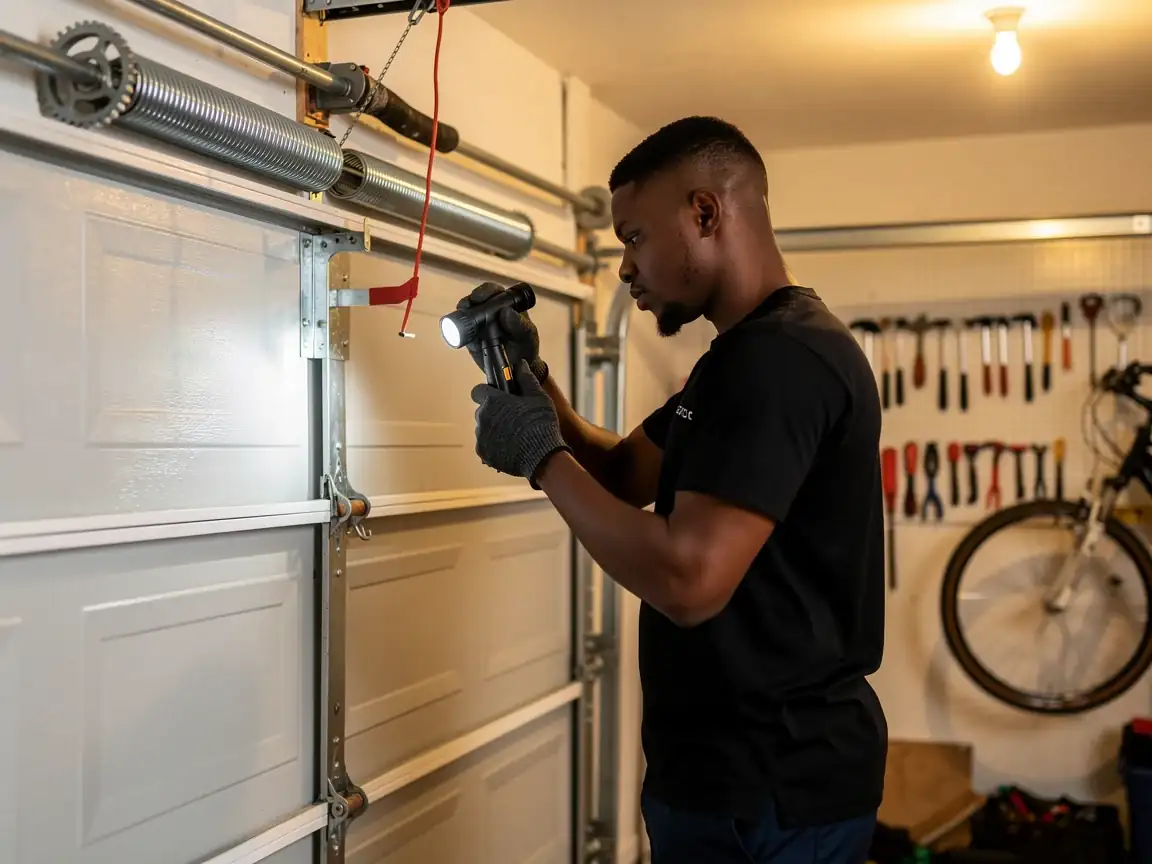
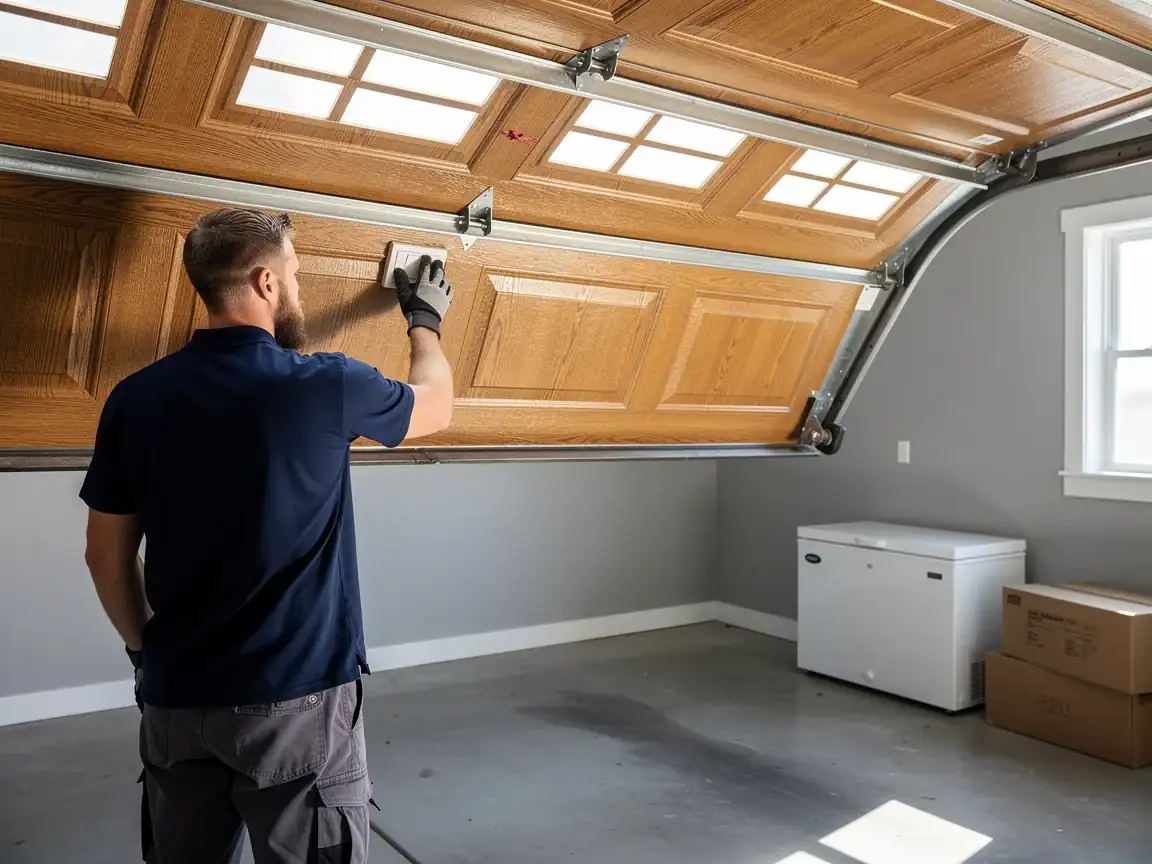
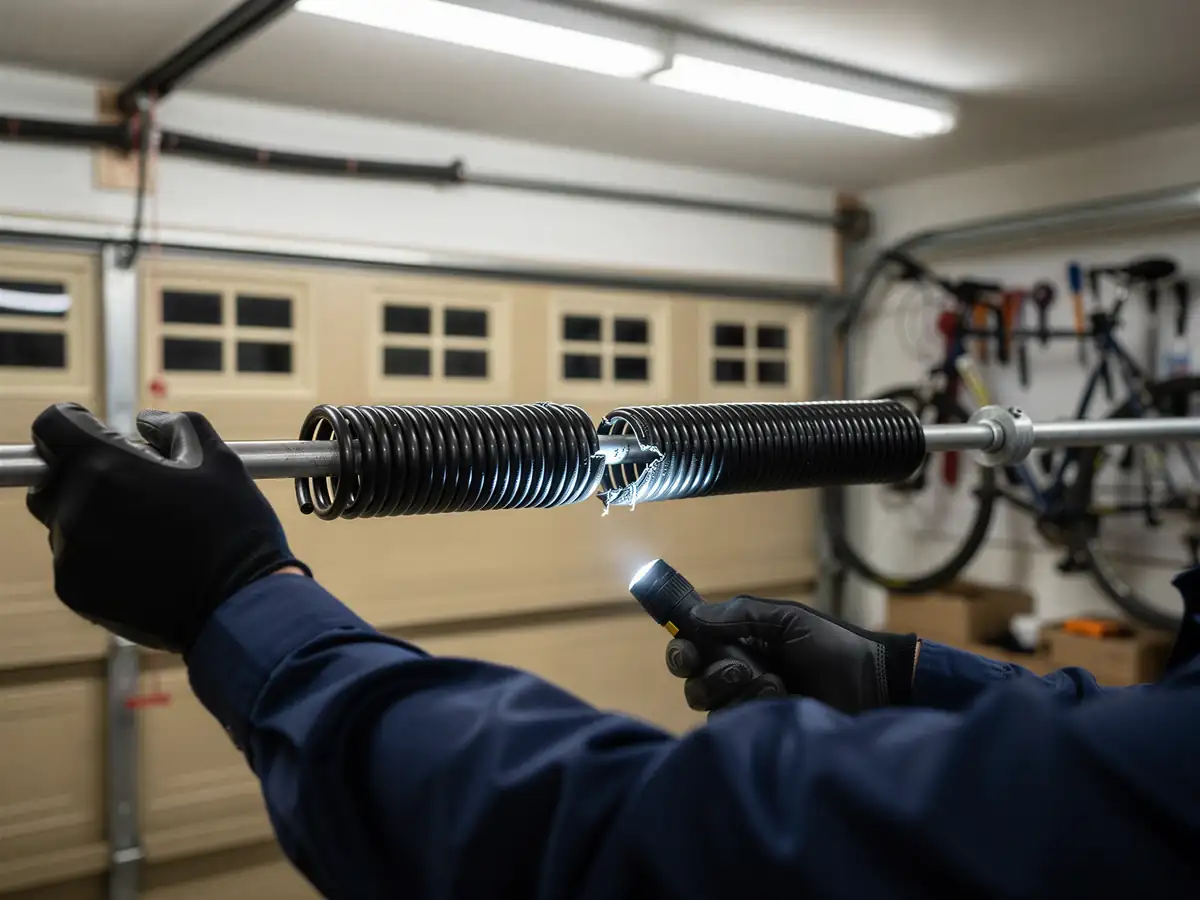
A real maintenance visit on a house this age starts with pulling the spring tension off the door and checking the spring itself for rust, flat spots, or a diameter that's stretched beyond spec - a 1995-era torsion spring rarely passes this check without at least needing adjustment. From there it's rollers (nylon ones from this era are usually cracked, not just worn), cable condition at the drum, track alignment at the brackets, and the opener's force and travel limits, which drift over the years even if nobody touches them. We also check the auto-reverse safety function, since an opener from this vintage may be running on original circuitry that's never been tested since install. We don't replace parts that don't need it - a spring with some surface rust but good coil spacing gets lubed and left alone, not swapped for revenue. If the door needs a full spring replacement, we'll say so plainly rather than bury it in a maintenance invoice.
How Long You Are Without the Door
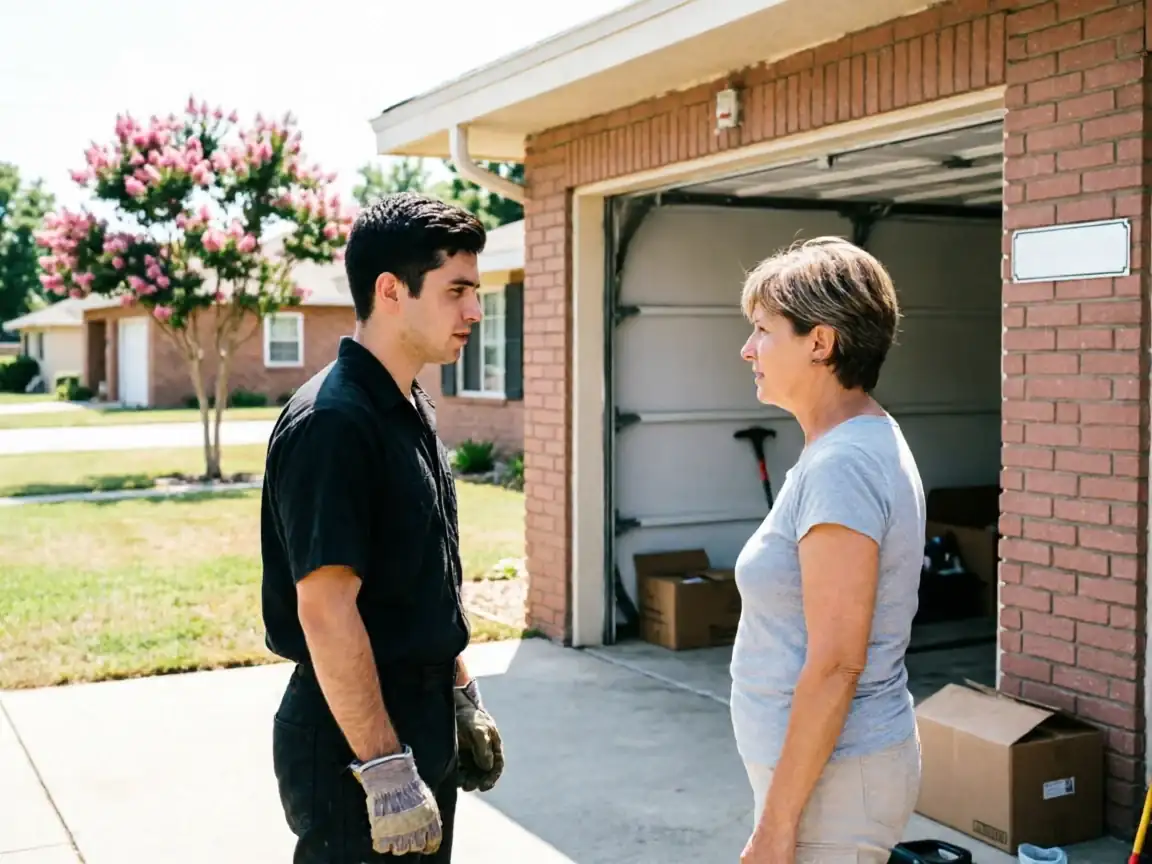
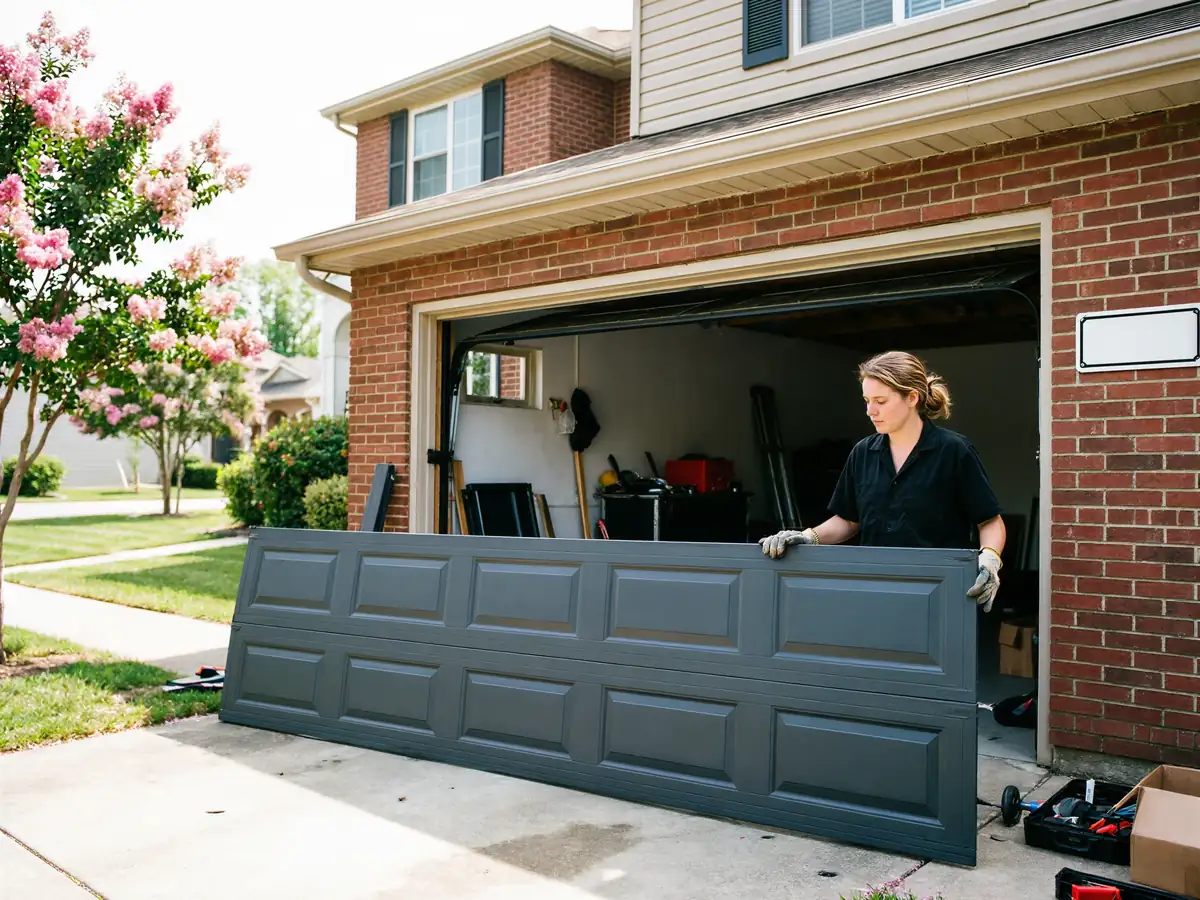
We run this route from Rogers, about 12 miles out, so the truck time is part of the window on top of the work itself. Routine maintenance - lube, adjustment, safety check - usually has the door back in service the same visit, same afternoon. If the tech finds a spring or cable that's past the point of adjustment, that's a different conversation, because parts for older torsion setups aren't always something we're carrying on the truck that day, and a 30-year-old door sometimes needs a part that has to be ordered. We'd rather tell you that up front than promise a same-day fix we can't back up from 12 miles away.