The Cost of This Job
What drives the price on a new install here isn't the door panel itself
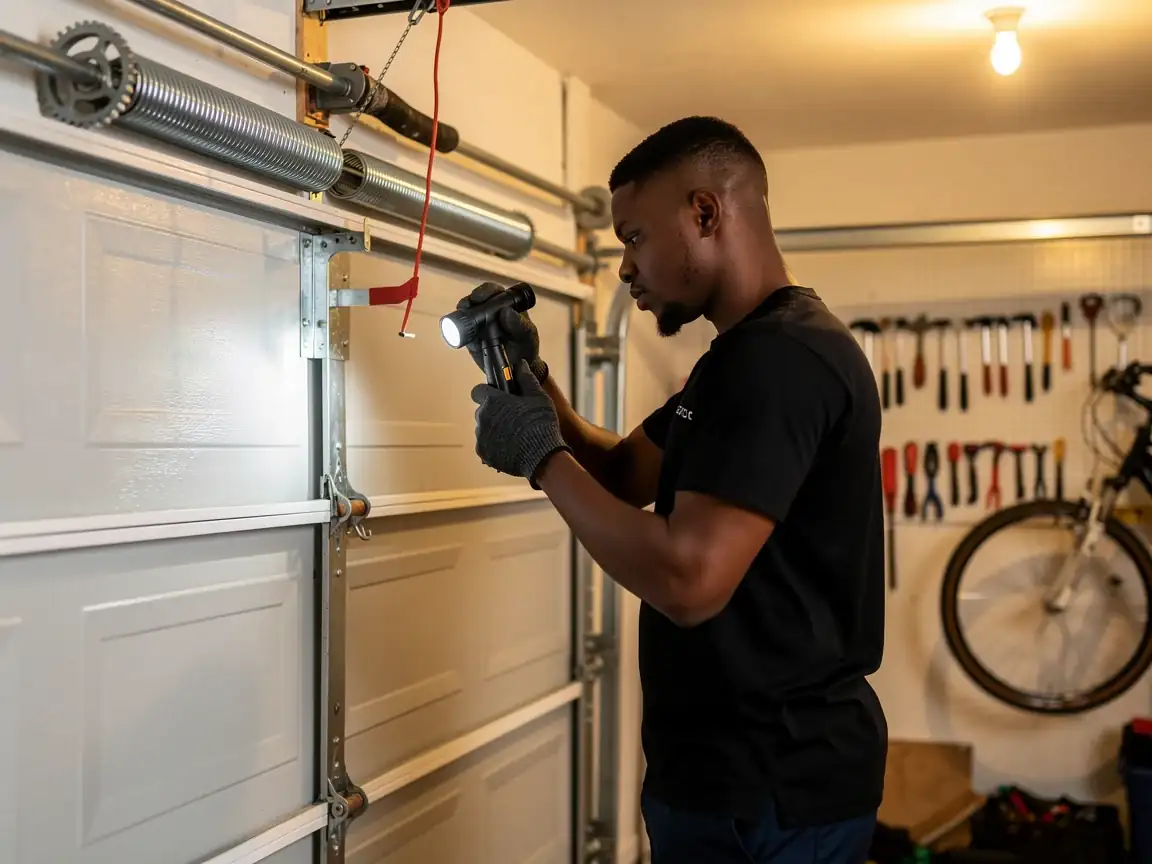
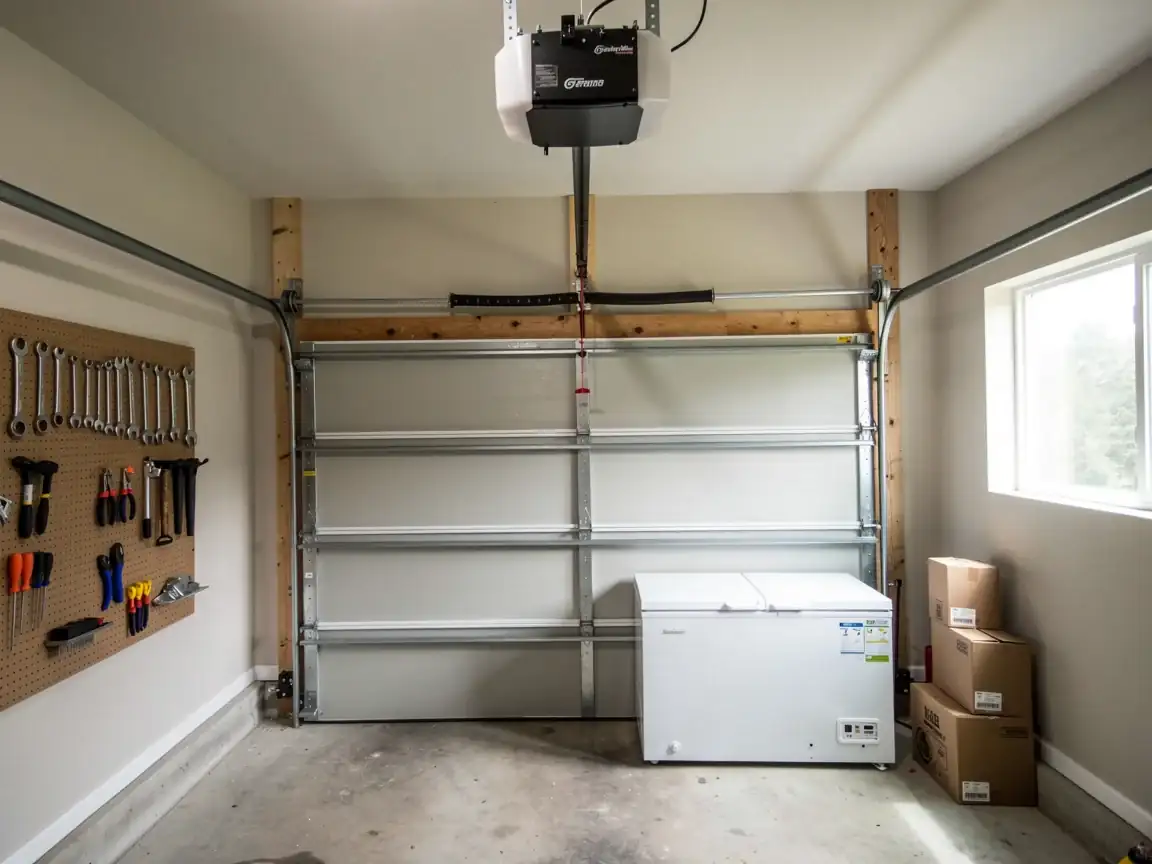
It's what has to change around it. A lot of Bella Vista garages were framed for the lighter, non-insulated steel doors that were standard when the house went up, and swapping in a heavier insulated door means the torsion spring has to be re-rated, not just the door hung on the old one. If the opener is older than the door, it may not read the new door's weight correctly either, and that's a second line item people don't expect.
Headroom and track width also matter more than most buyers assume
Houses from the 1990s construction run common to this part of the service area often have two-inch rail track, which limits which door systems fit without a header retrofit. We price the spring, the track, and the opener compatibility separately from the door itself because in a lot of these jobs, one of those three ends up being the real cost driver, not the panel you picked out of the catalog.
Doing It Yourself
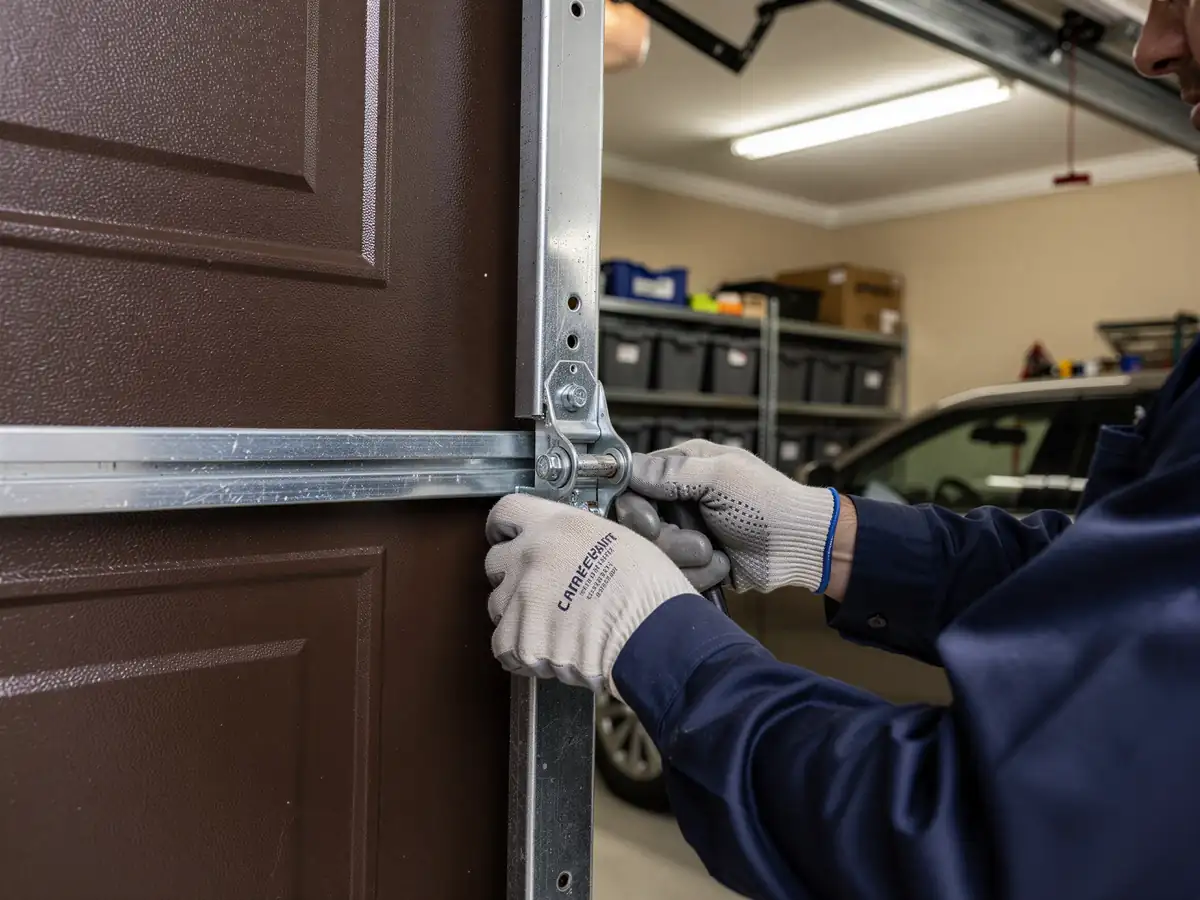
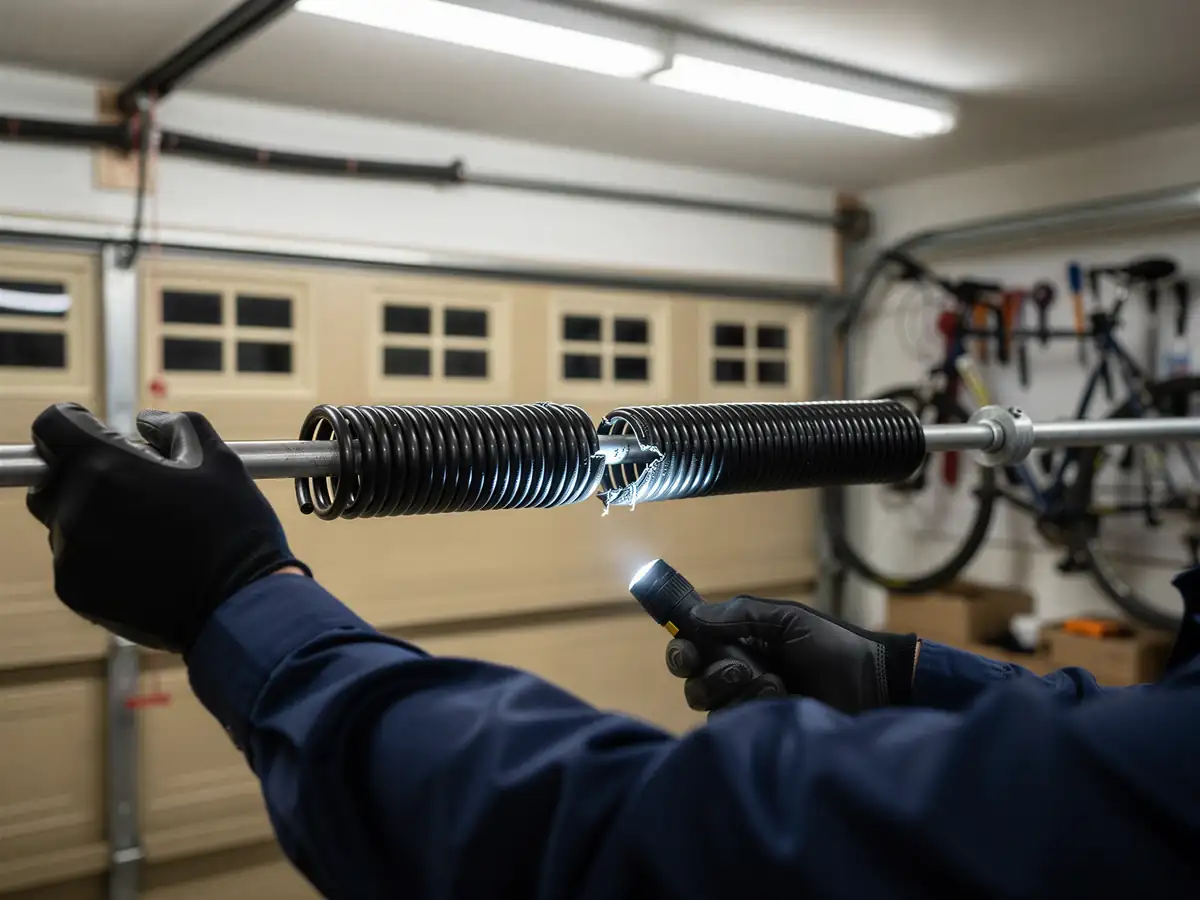
A new door install looks like a weekend job on video, right up until the torsion spring goes on. That spring is wound under enough tension to break a wrist or worse if the winding bar slips, and on houses from this era the spring is usually sized for a door that's lighter than what people are installing now. Get the spring rating wrong and the opener strains against it every single cycle until something gives.
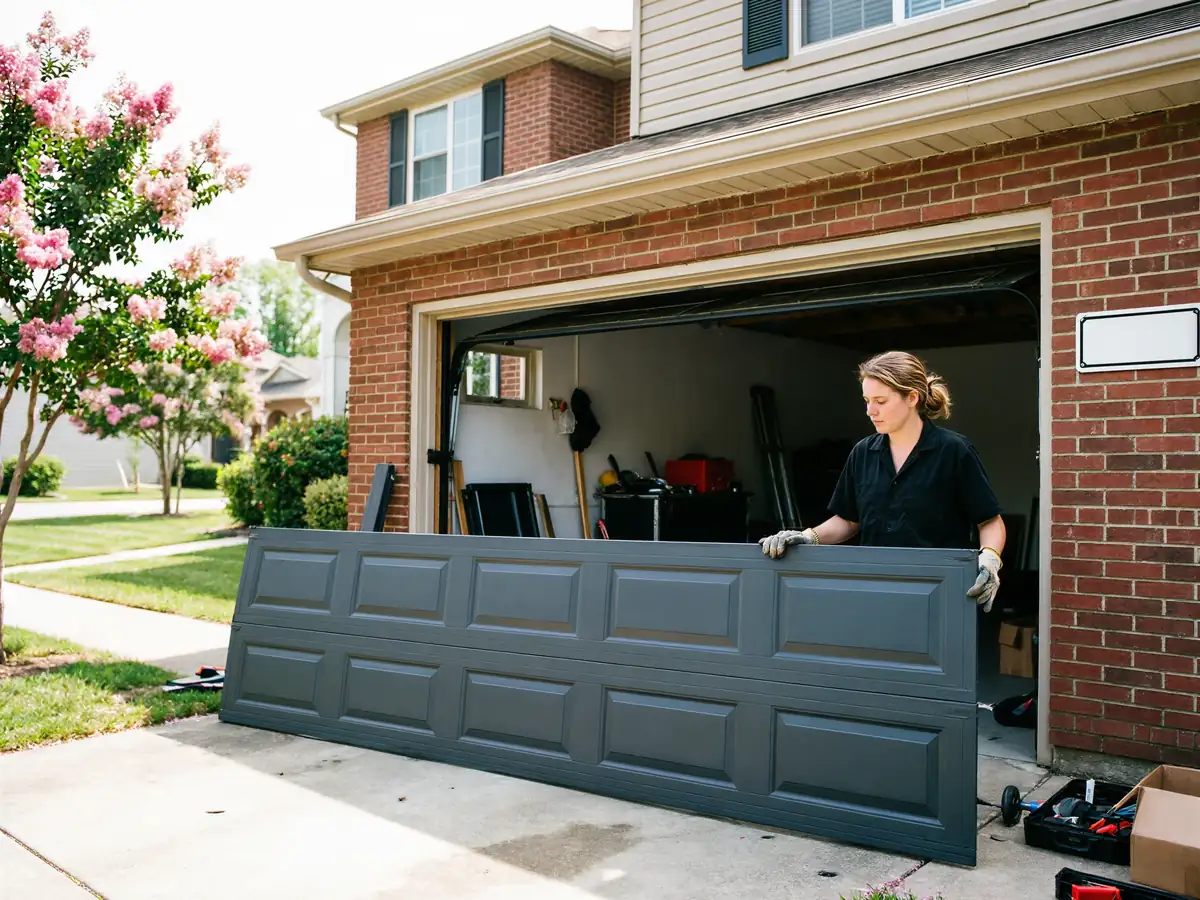
We're not going to pretend there's no DIY path at all. Swapping weatherstripping, replacing rollers, even hanging a lightweight single-panel door on existing track are jobs a careful homeowner can do. Where it stops being worth the risk is the spring, the cable drums, and anything involving the header if the new door doesn't match the old opening. If you've gotten as far as removing the old door and you're staring at the track wondering if it's wide enough, that's the point to call rather than guess.
Why This Fails Locally
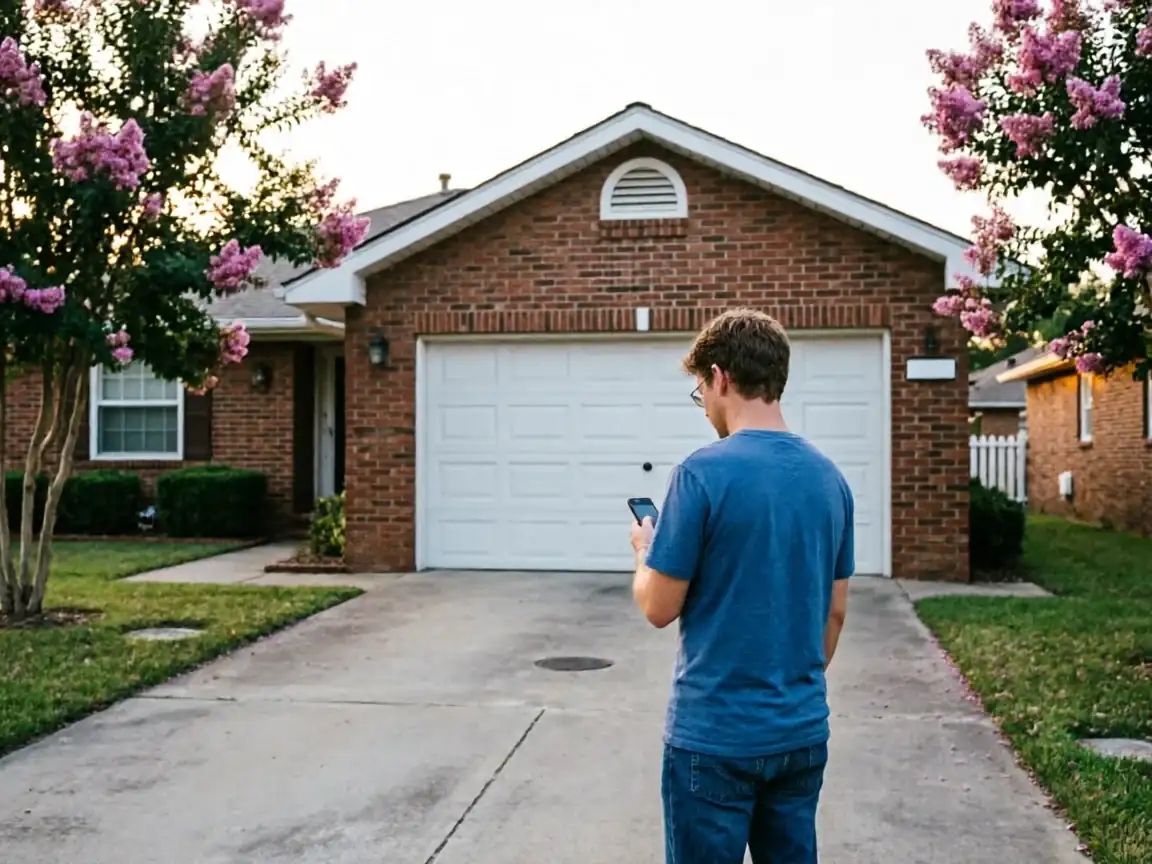
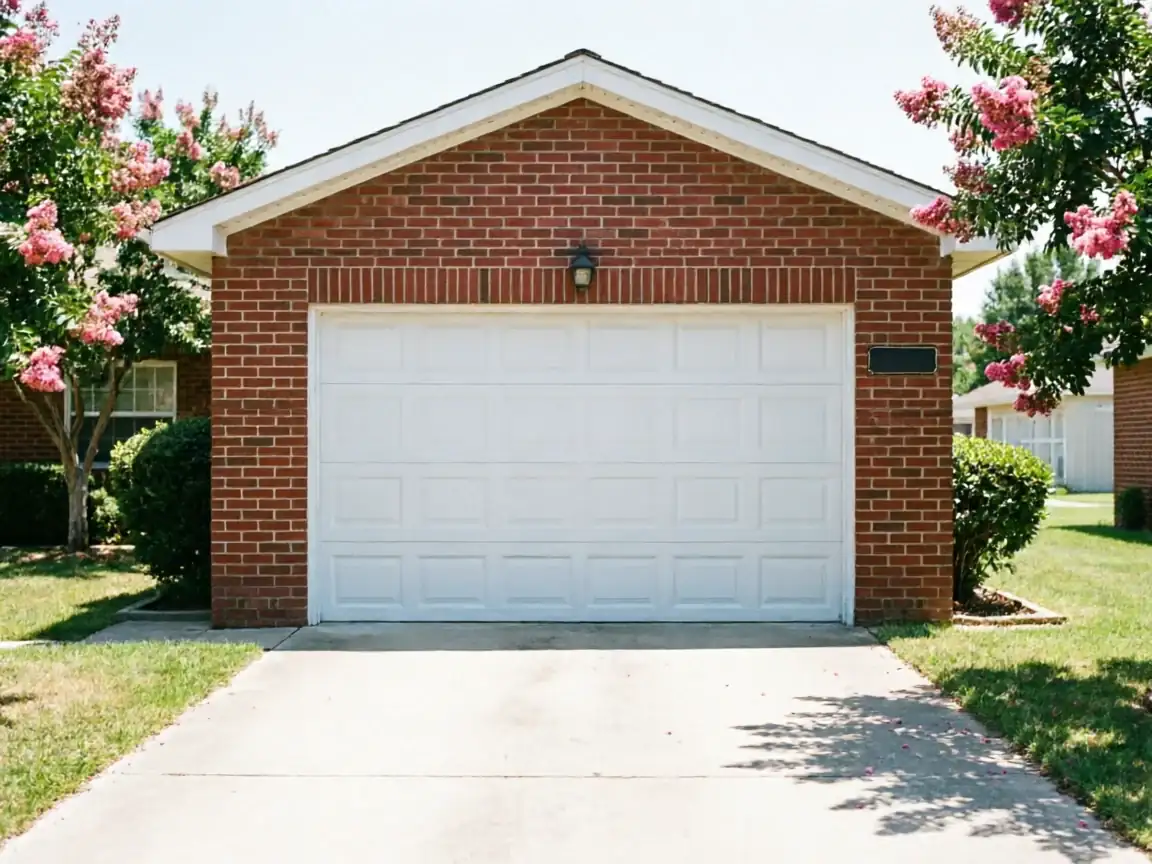
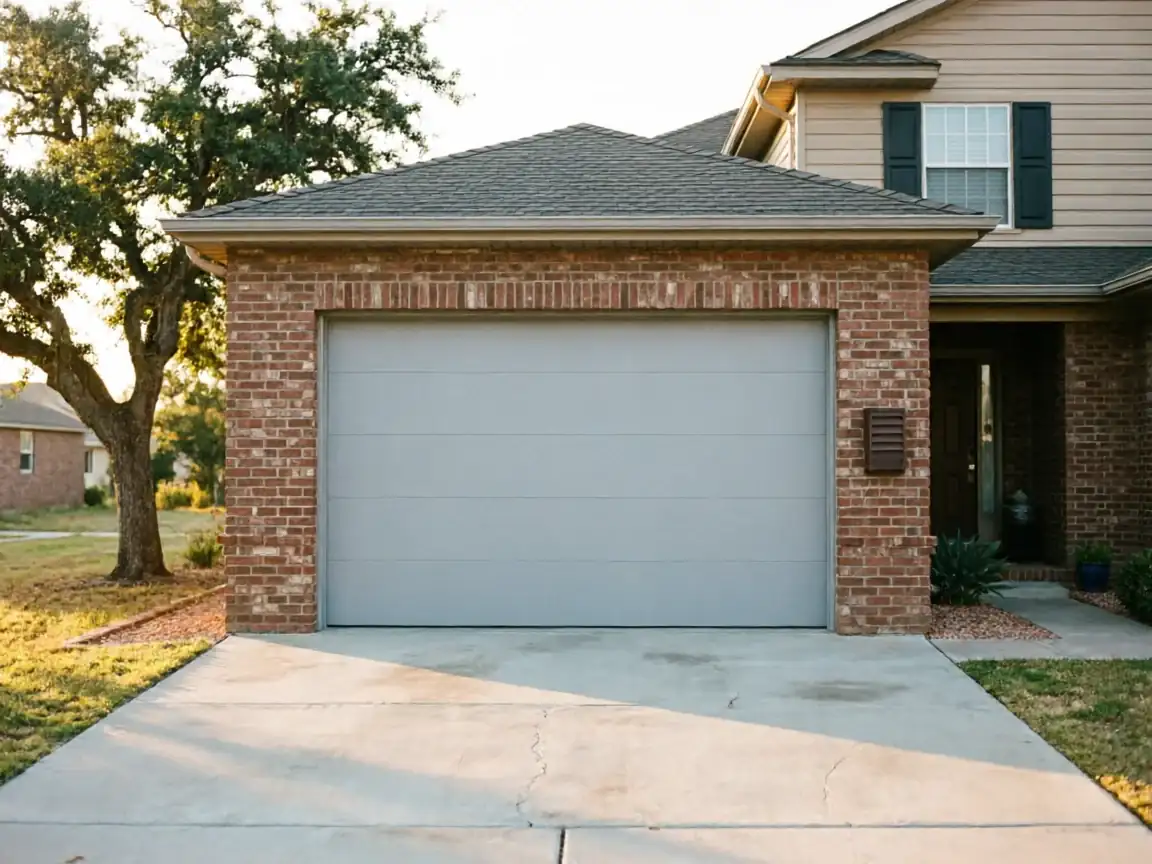
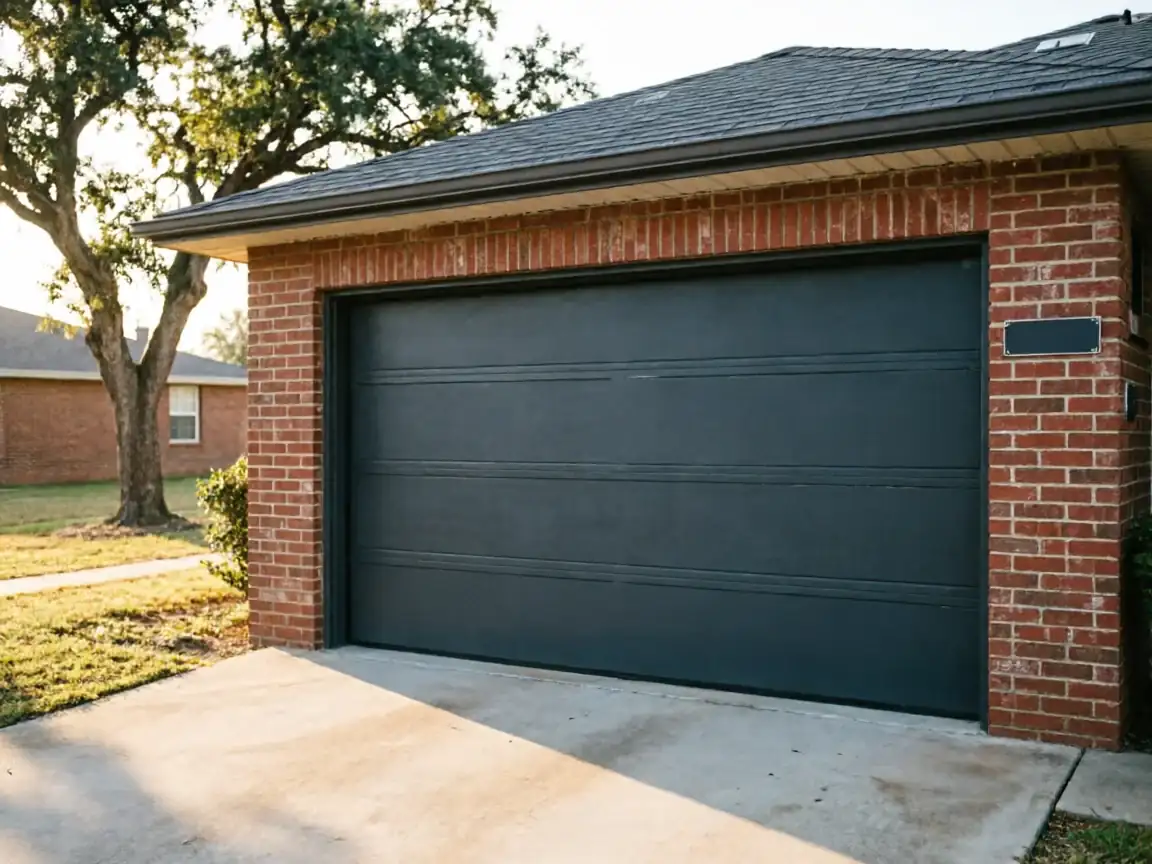
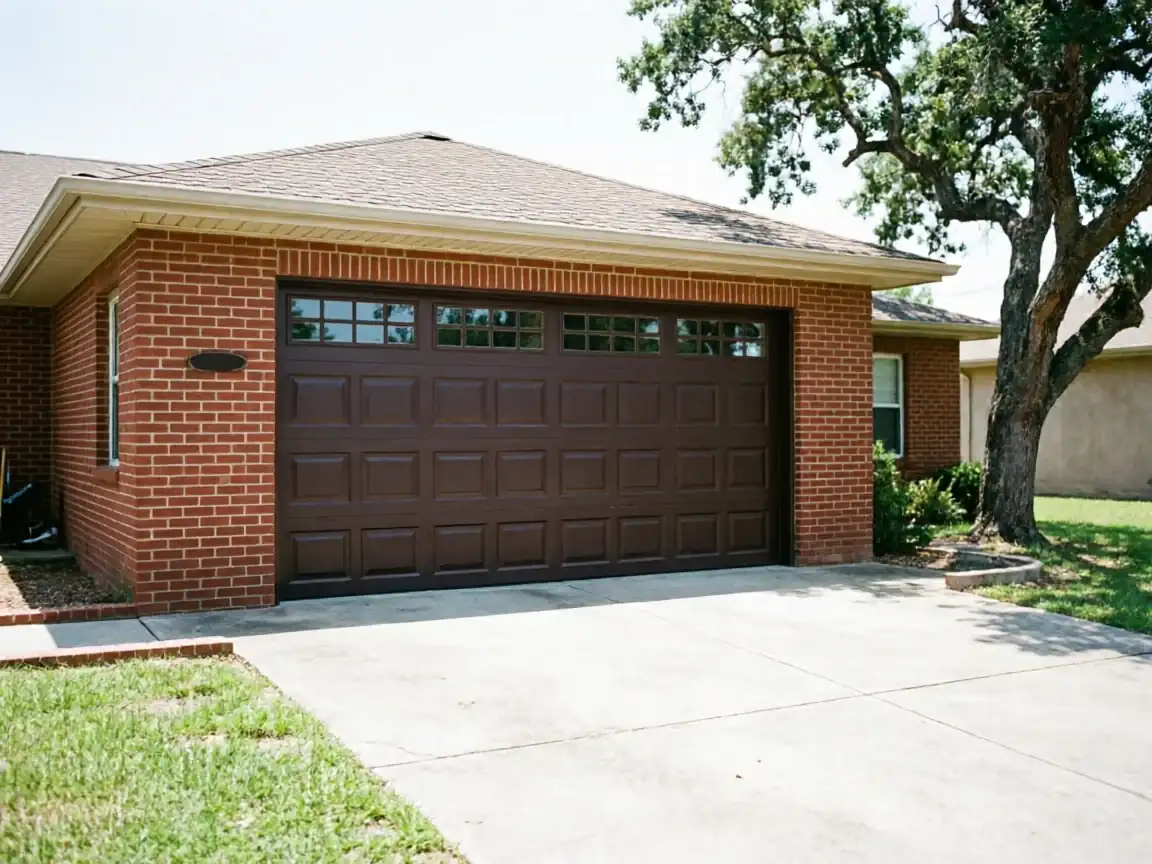
Houses in Bella Vista mostly date to construction through the 1990s, consistent with the 1987-2013 range across the wider service area. That era of building came with steel doors and torsion hardware sized for a lighter, single-layer panel, not the insulated doors most people want installed now. When a heavier door goes up on original springs, the opener does the extra work the spring should be doing, and that shortens the opener's life fast.
The cold-moderate winters here are the other half of it. A door built to 1990s spec wasn't engineered around today's insulation expectations, so even a door in decent shape lets more cold air through the panel seams than its age alone would suggest. New installation gives you a chance to correct both problems at once, provided the track, spring, and opener get rated for what you're actually putting up, not just the door that used to be there.
The Symptom
Most calls start with a door that's heavier to lift than it used to feel
Or an opener that strains and groans partway up the track. Sometimes it's simpler than that: a dent or a dead panel from years of use, and the owner would rather replace the whole door than patch one section that won't match. Other times it shows up as a cold garage in winter, air coming through the bottom seal or around the panel edges in a way that wasn't noticeable when the door was new.
What these all have in common is a door that's reached the end of what weatherstripping and a tune-up can fix
On a door built to 1990s standard with 1990s hardware, insulation was rarely part of the original spec, so a replacement is often less about damage and more about catching the house up to what current doors actually do.
What the Fix Involves
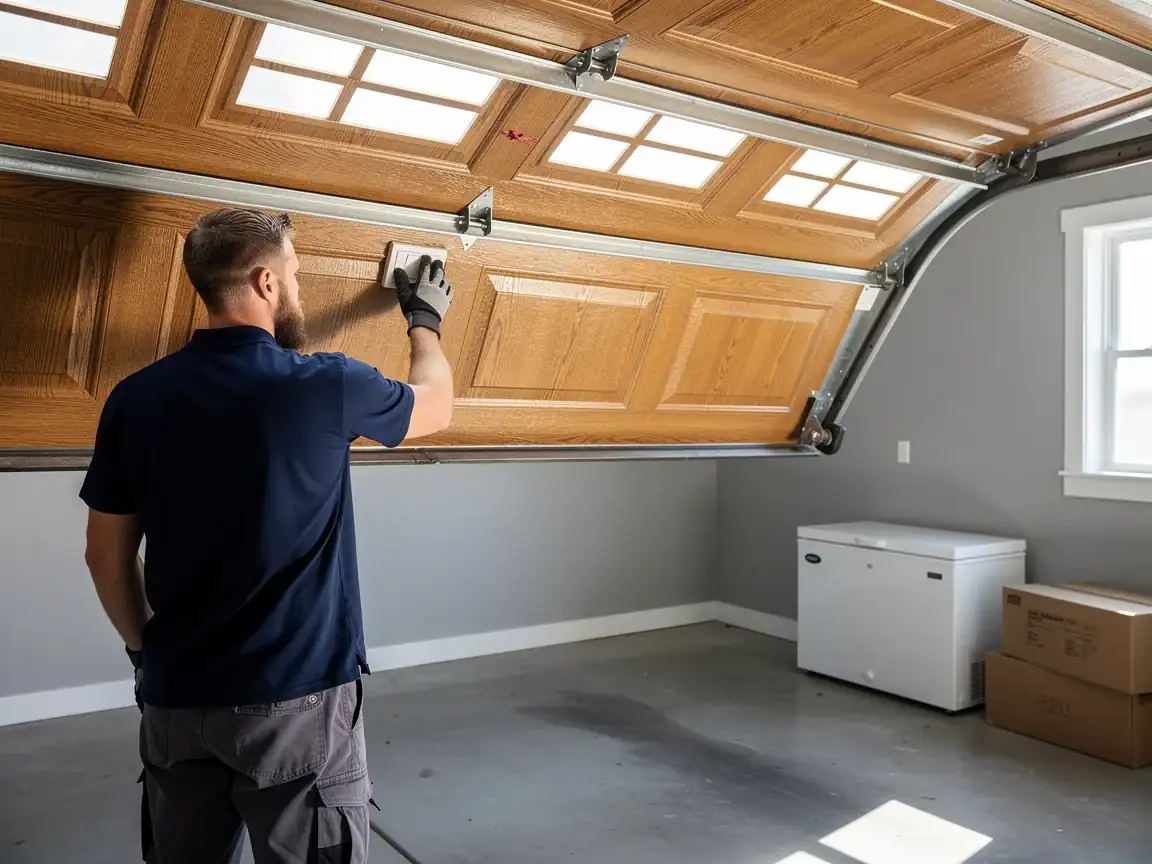
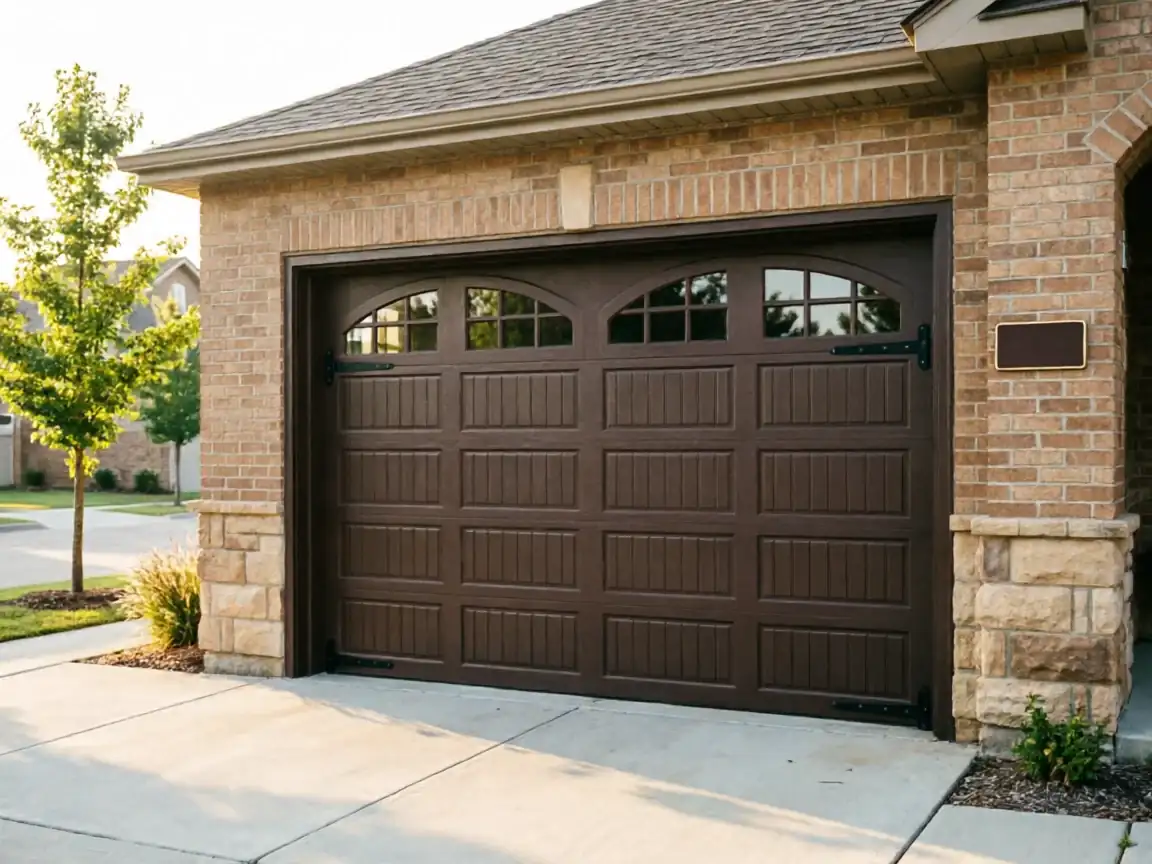
A proper new install starts with measuring the opening and checking headroom against what the new door actually needs, not assuming the old track dimensions carry over. If the house has two-inch rail track from its original build, that gets addressed before the door goes up, not after. The spring is rated to the new door's actual weight, which on an insulated steel door is almost always heavier than what came off the house.
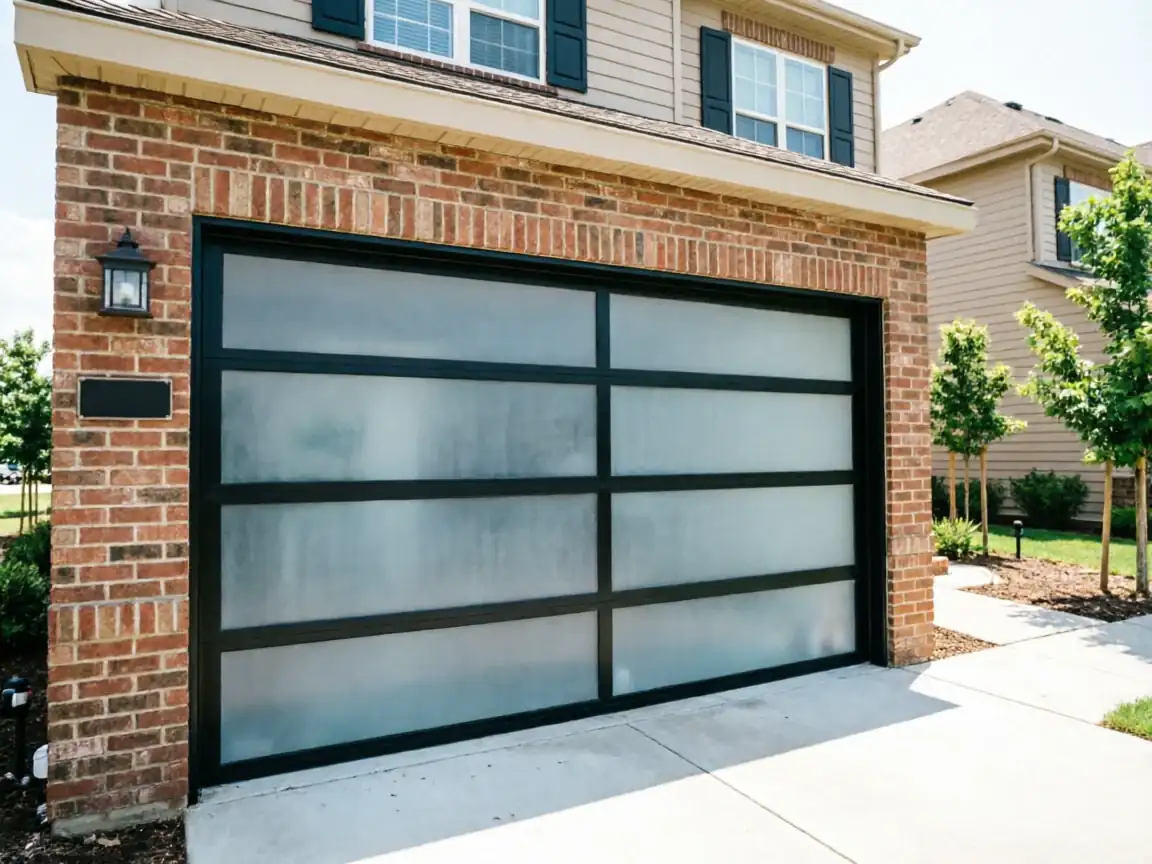
Given the cold-moderate winters here, insulation value is worth discussing at this stage rather than after the door's hung. The opener gets checked against the new door's weight and cycle count too; an older opener paired with a heavier door is a common reason new installs fail early. We remove and haul off the old door and hardware as part of the job rather than leaving that to the homeowner.
How Long You Are Without the Door
We don't post a fixed turnaround for this because it depends on the door size, whether the opener needs replacing alongside it, and what's in stock when you call. What we can say is that the garage isn't left open overnight between removal and install; the job is sequenced so the opening is secured at the end of the work day it starts. Since we travel out from Rogers, about 12 miles from Bella Vista, the job gets scheduled as a full visit rather than a quick in-and-out, so we plan for enough time on site to finish the install, not just hang the door and leave the opener for a second trip.