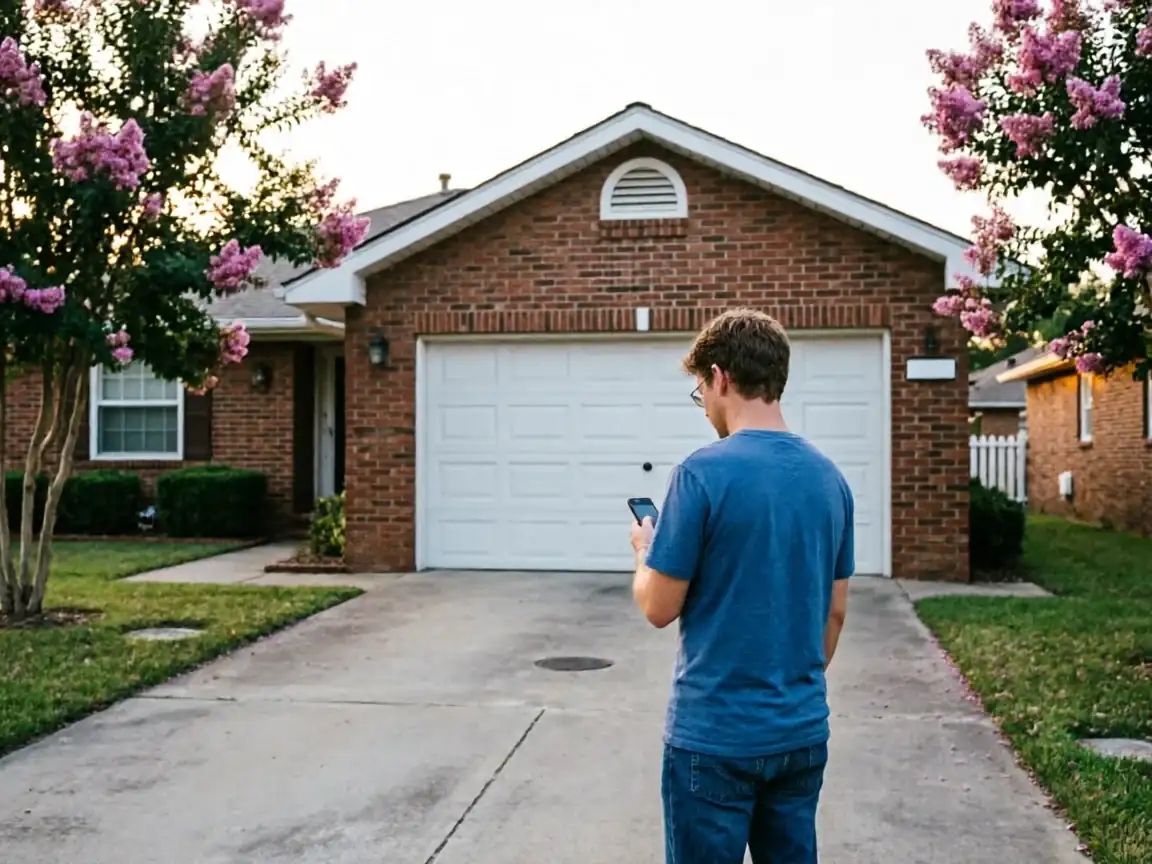
The Symptom
Centerton is an 8-mile run from our shop in Rogers
And that drive shapes how the call actually goes. It's a straight shot down well-traveled roads, not a crawl through town, so a truck leaving Rogers isn't fighting stoplights the whole way - but it's still 8 miles, which means the first thing we ask on the phone is what you're seeing, because we want the right spring and the right opener board on the truck before we leave, not after.
- 8 miles
What we're seeing on these calls fits the neighborhood
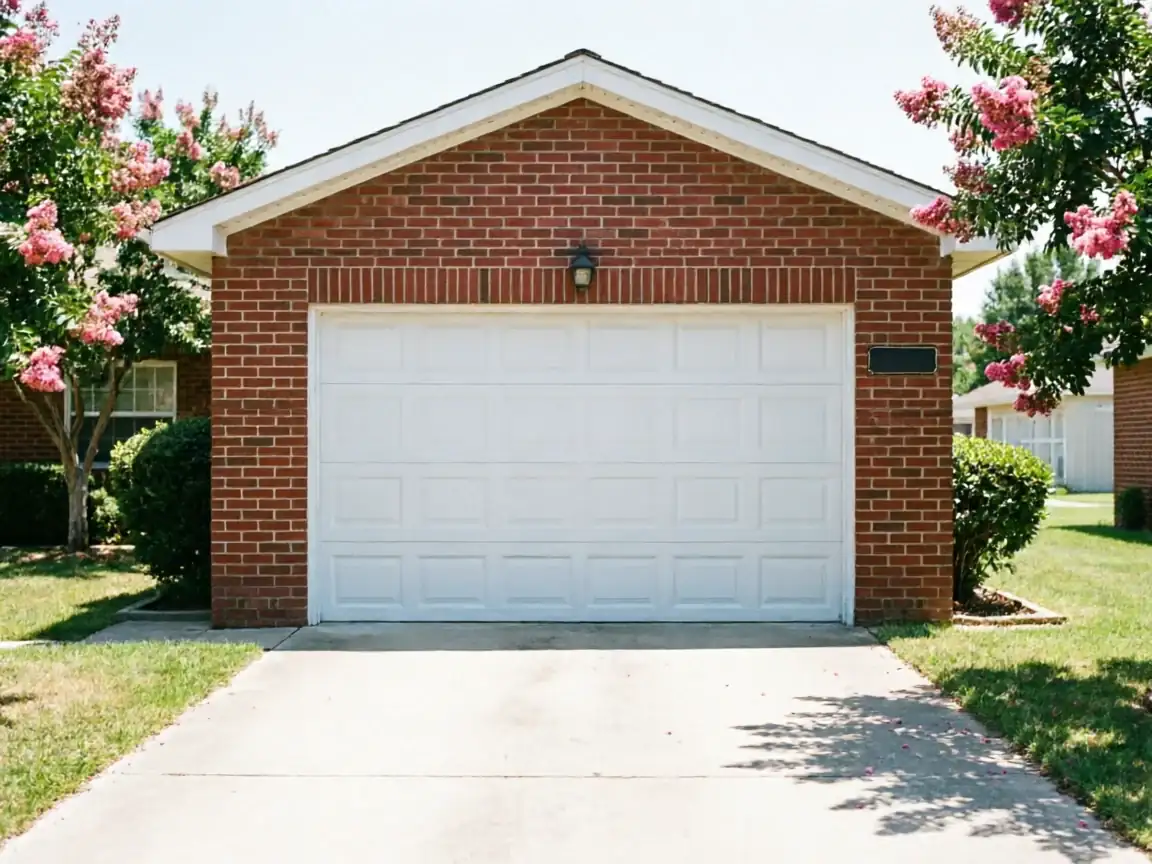
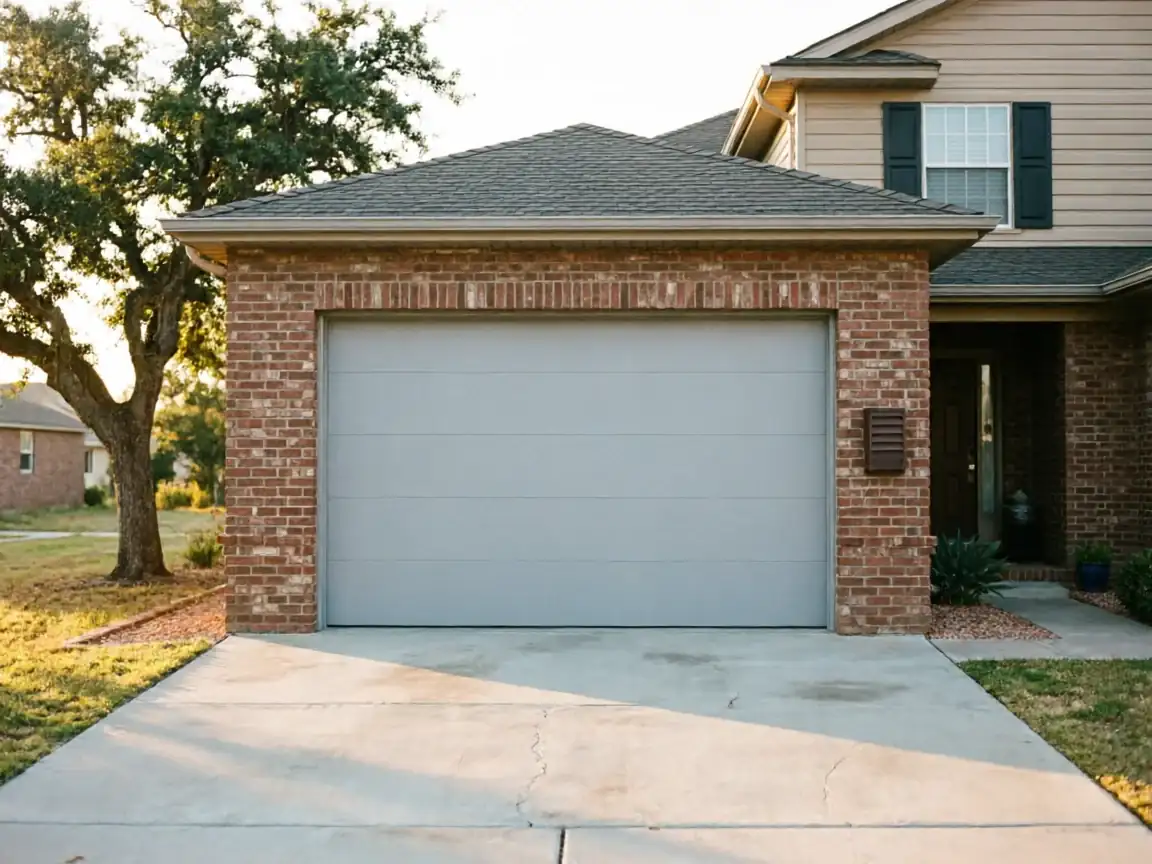
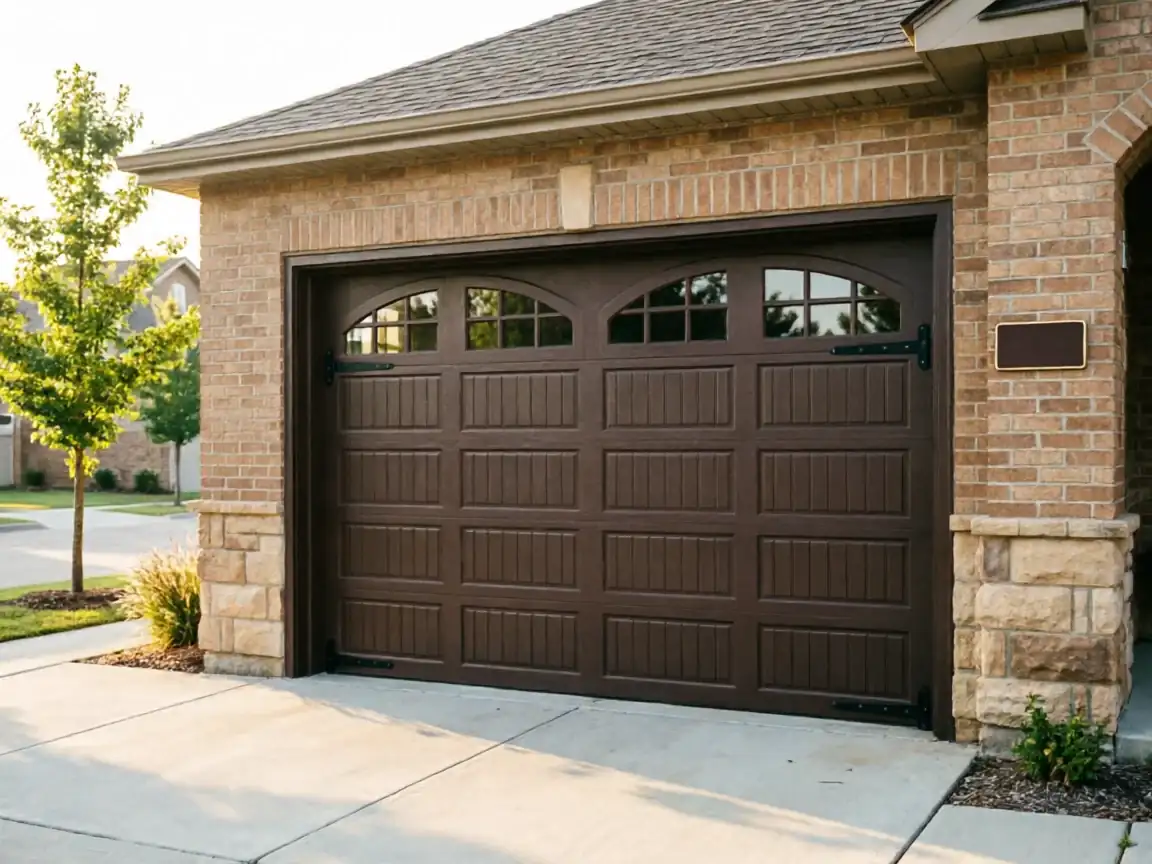
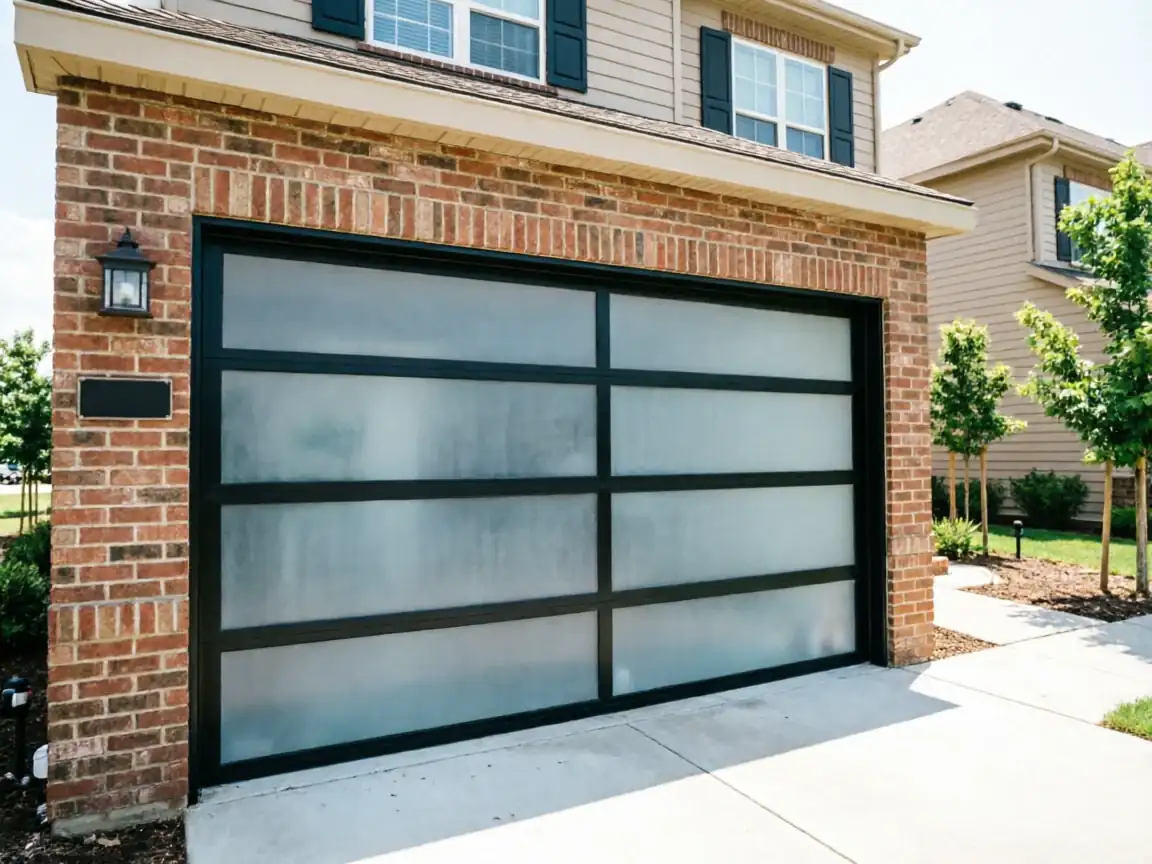
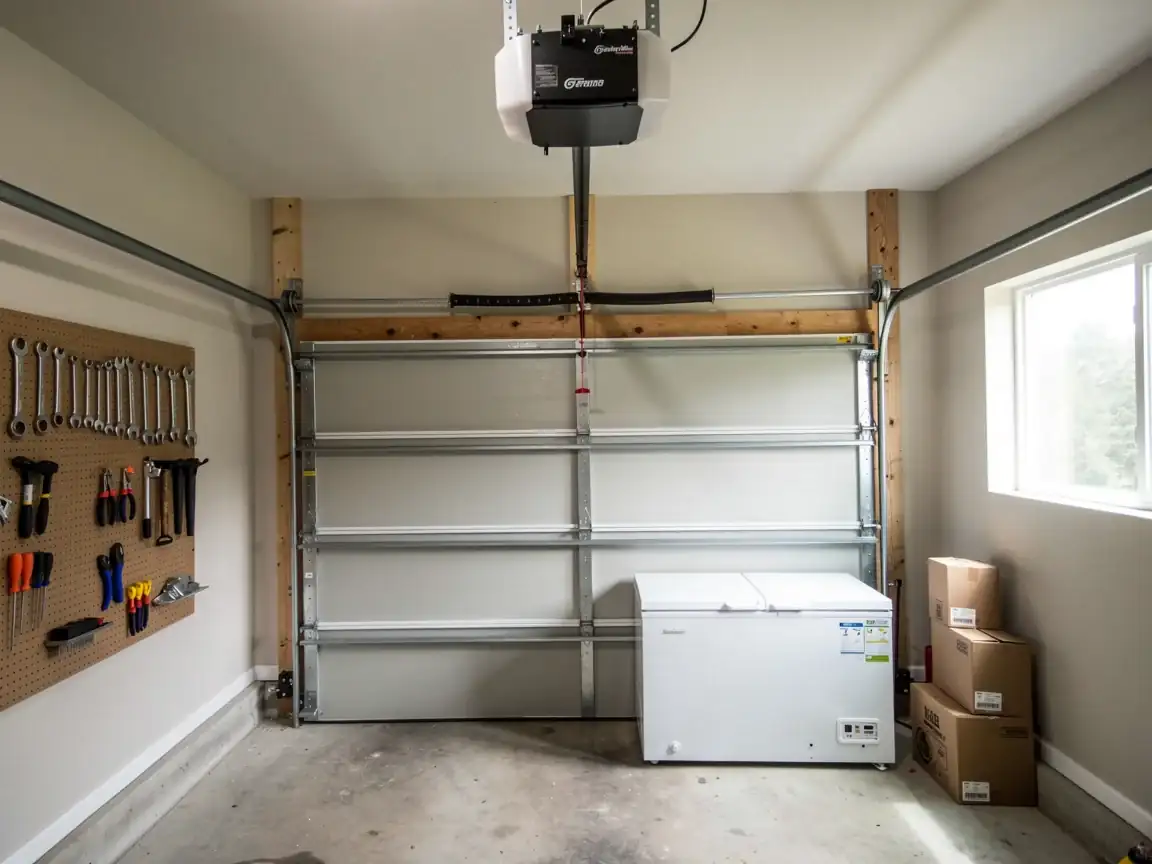
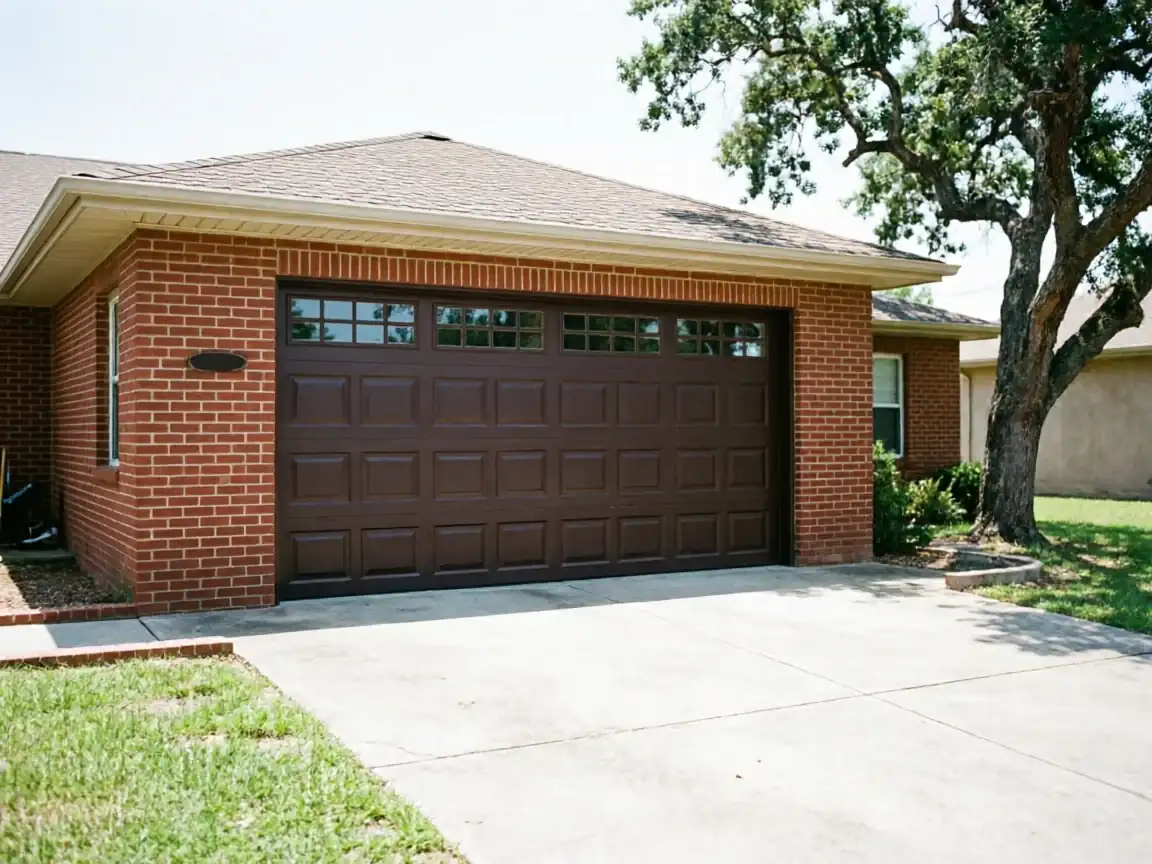
Centerton's houses are newer than a lot of what we work on elsewhere in the service area - most went up well after 2000. That means fewer old one-piece doors and side-mounted hardware, and more factory steel sectional doors on standard torsion springs with chain or belt-drive openers carrying circuit boards and photo-eye safety sensors. When one of those fails hard enough to trap a car or leave a door hanging open, it's usually the opener logic board, a broken spring on a door that's seen 15-20 years of daily cycles, or a sensor knocked out of alignment, not a door that's simply worn out from age the way older stock can be.
- 20 years
The Cost of This Job
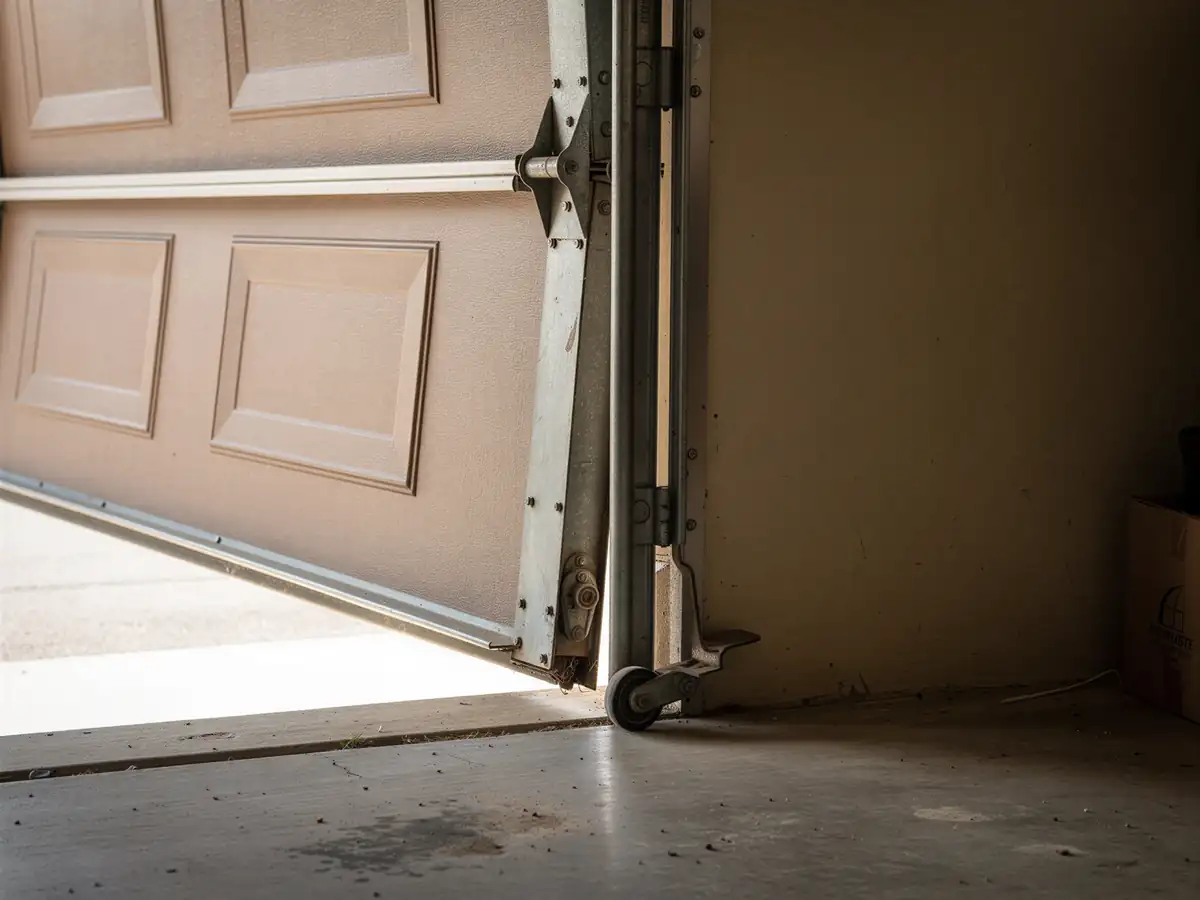
We're not going to quote a number here that isn't tied to the actual door in front of us - springs, cable, and opener boards price differently, and guessing at a figure for a house we haven't seen does nobody any favors. What we can tell you is what drives the cost on a Centerton call: whether it's a spring swap or a full opener replacement, whether the track or rollers took damage along with the primary failure, and whether the part is something we carry stocked for newer production doors or something we have to source.
Household incomes in this part of the service area run higher than the regional median, and we mention that only because it tends to mean homeowners here are replacing rather than patching once a door hits real wear - worth knowing before you decide whether a repair or a swap makes more sense for a 15-year-old opener.
Stocked Parts
Because most Centerton garages run doors and openers from the 2000s-2010s production era, our truck carries the torsion springs, cables, and drive gears sized for that generation of hardware - the parts that actually fail on a house like this, not the odd obsolete bracket you'd find on a door from the 1960s. Standard-size torsion springs, photo-eye sensor pairs, opener circuit boards for chain and belt-drive units, and the rollers and hinges that wear out on steel sectional doors are all things we keep stocked rather than order in.
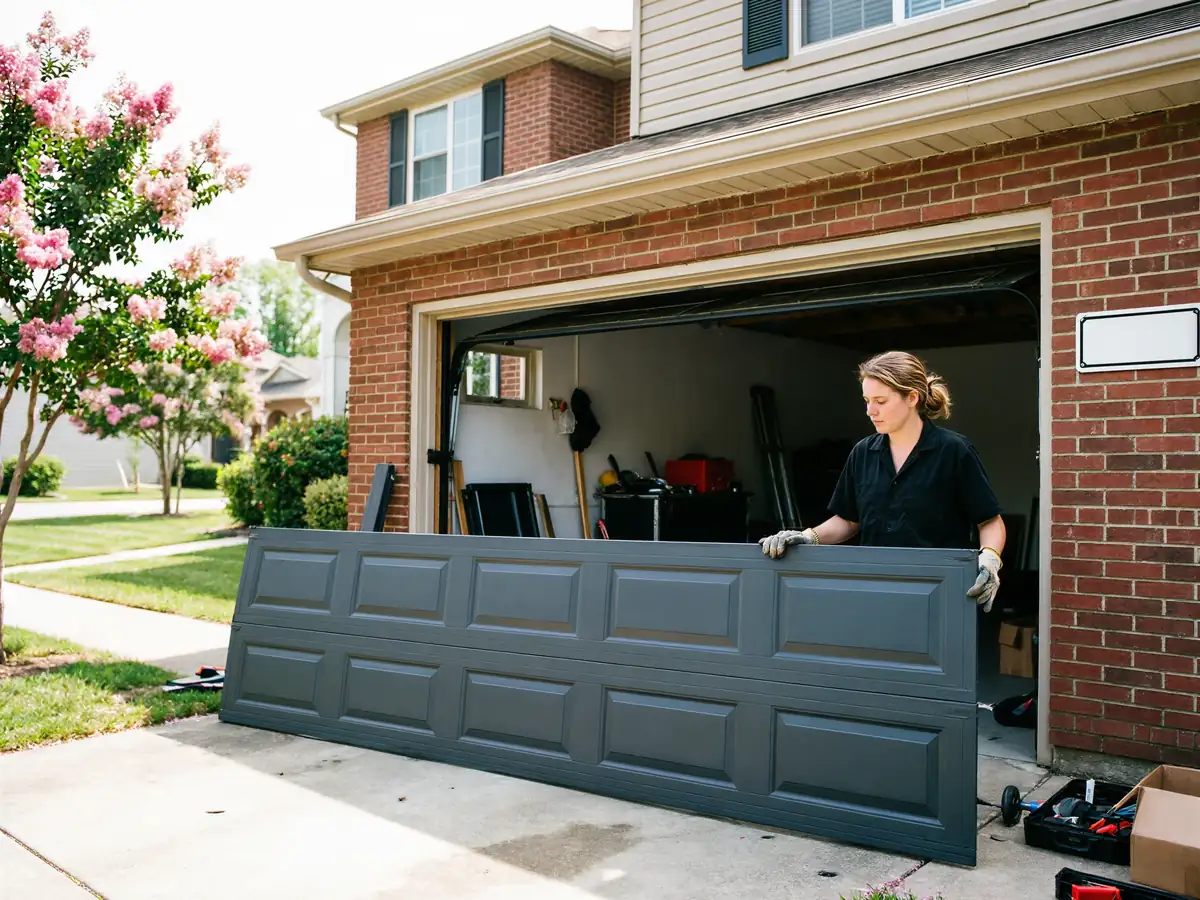
What we don't carry on the truck is anything custom - a door that was special-ordered with non-standard panel height or an opener model that's been discontinued long enough that parts aren't made anymore. On a newer house like most of what's in Centerton, that's rare, but it happens, and if it does, we'll tell you straight that it's an order-in part rather than pretend otherwise.
The Complications
The region sits in a moderate-cold climate band
And that matters more for torsion springs and steel panels than most homeowners expect. Cold tightens steel and makes a spring under tension more likely to let go suddenly rather than gradually, which is why a lot of emergency calls cluster around temperature swings rather than random Tuesdays. A door that's been fine all year can fail the first hard cold snap because the metal's behaving differently than it did in August.
The other complication is the drive itself
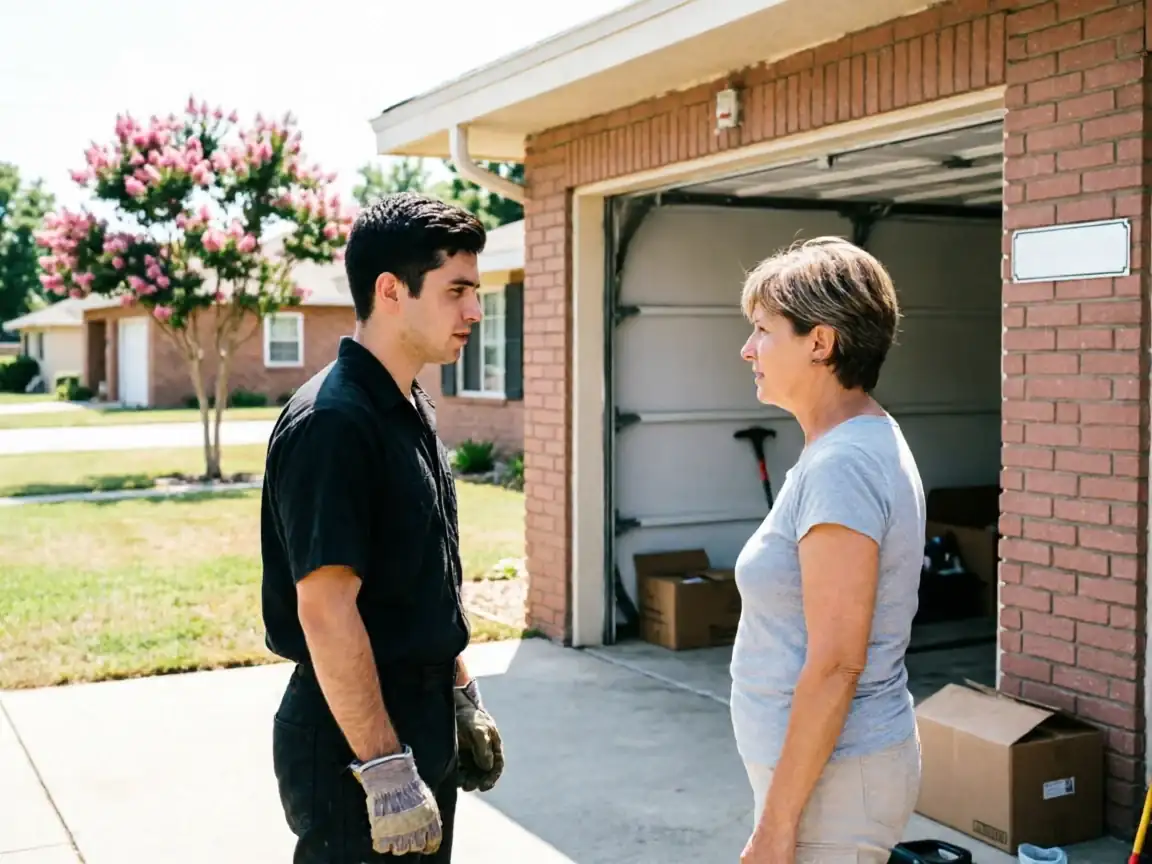
Eight miles isn't far, but it's far enough that if the wrong part is on the truck, that's a second trip, not a quick walk back to a van parked outside. We'd rather spend an extra two minutes on the phone asking what you're hearing and seeing - a bang, a grinding, a door that won't budge past a foot - than show up guessing. On a newer opener with a dead board, the symptom is usually silence and a blinking light, not noise, and that's a different part entirely than a snapped spring.
Doing It Yourself
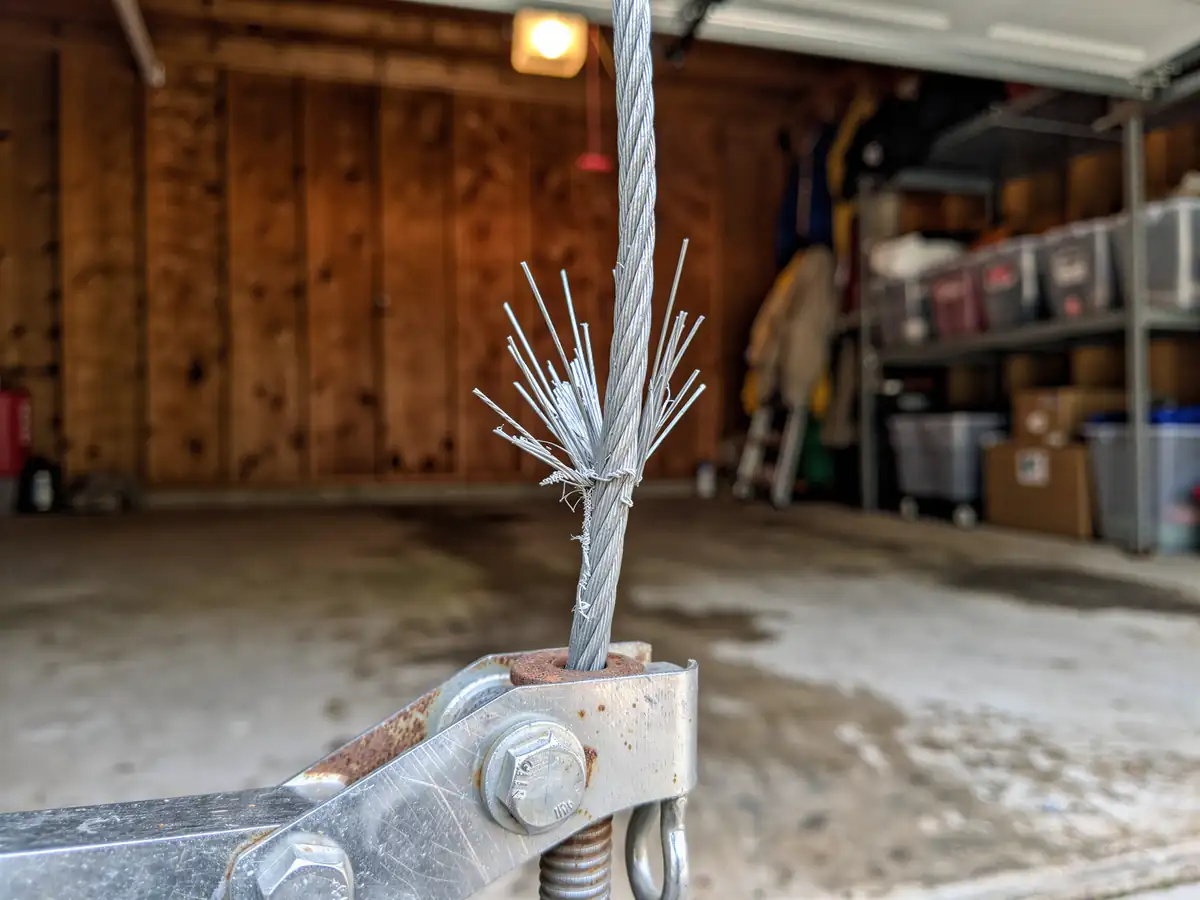
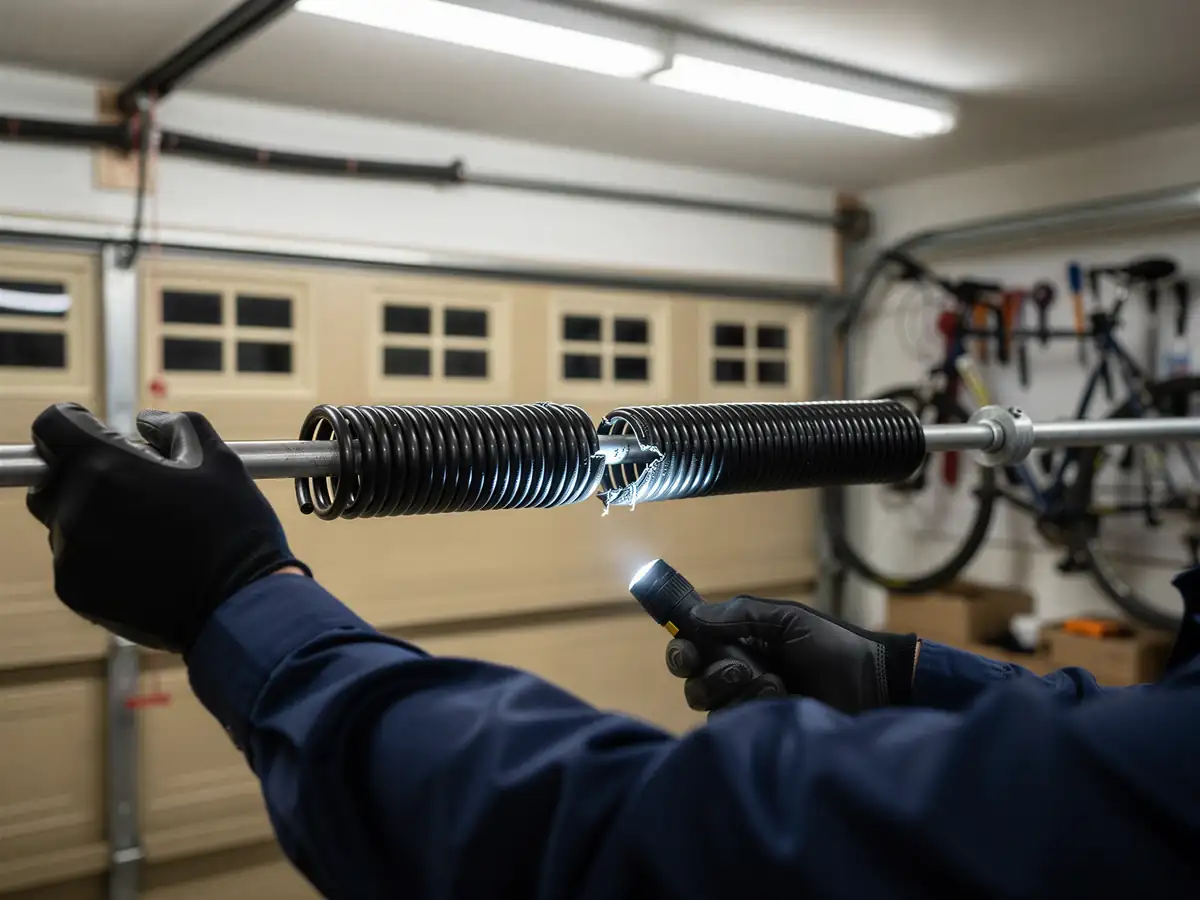
A torsion spring under full tension can put someone in the hospital, and that's true whether the door is five years old or thirty. If your garage door won't open and you can see a gap in the spring coil above the door, or the cable's hanging loose, stop there - that's not a tighten-a-bolt job, that's a call.
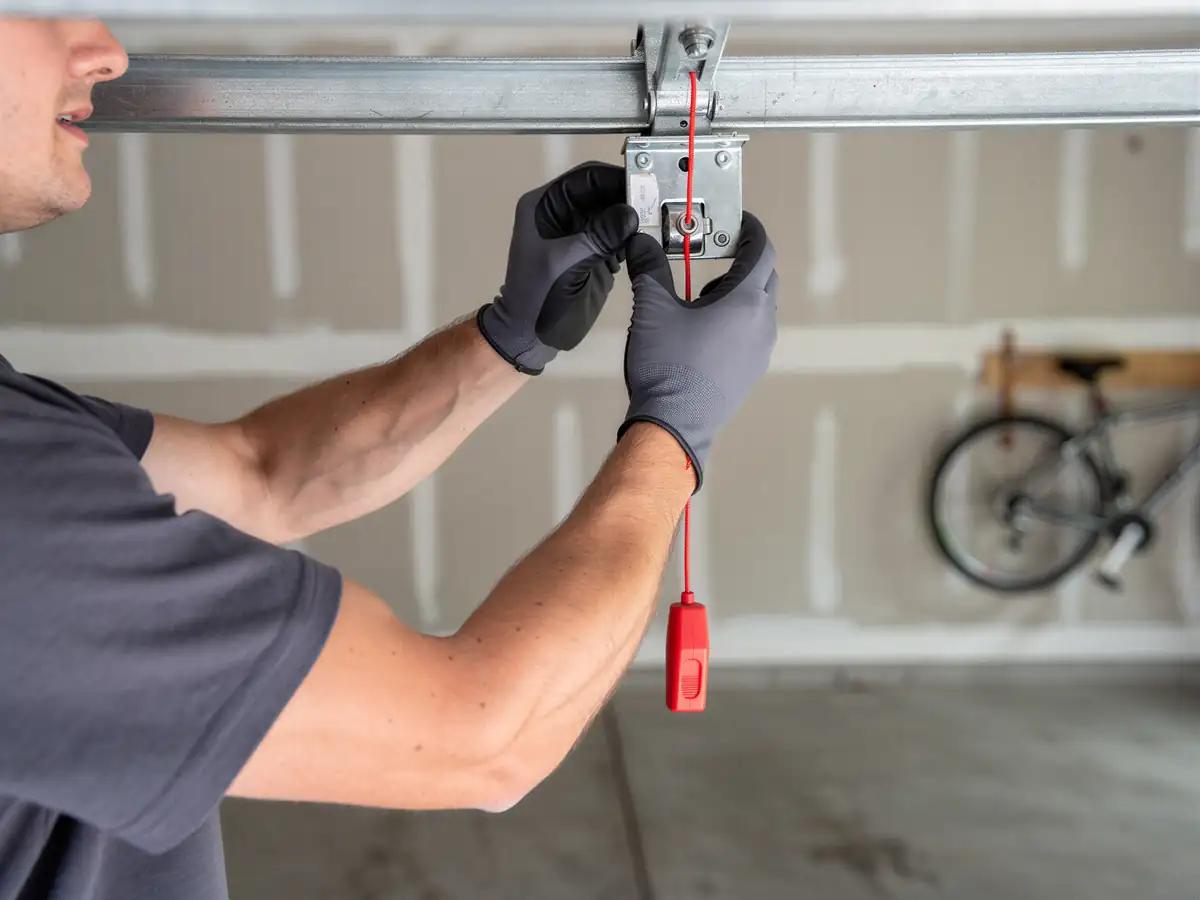
What you can check yourself first: the photo-eye sensors near the floor on each side of the track, since a bumped or dirty sensor is the single most common reason a newer opener refuses to close and it costs nothing to clean the lenses and realign them. Also check that the wall switch isn't stuck and that the opener isn't simply in vacation-lock mode, which looks like a dead unit but isn't. If the door moves fine manually (opener disconnected) but the motor won't engage, that's electrical, and that's ours to sort out, not something to wire around yourself.
What the Fix Involves
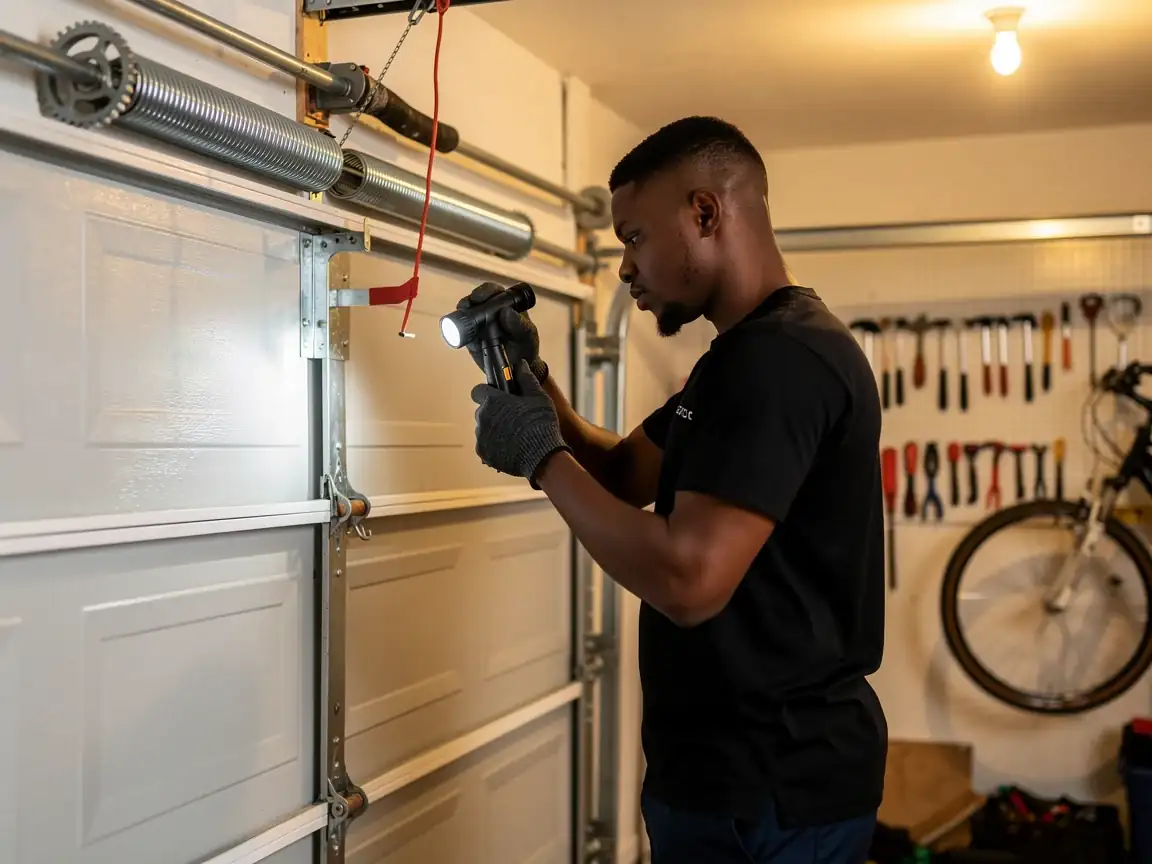
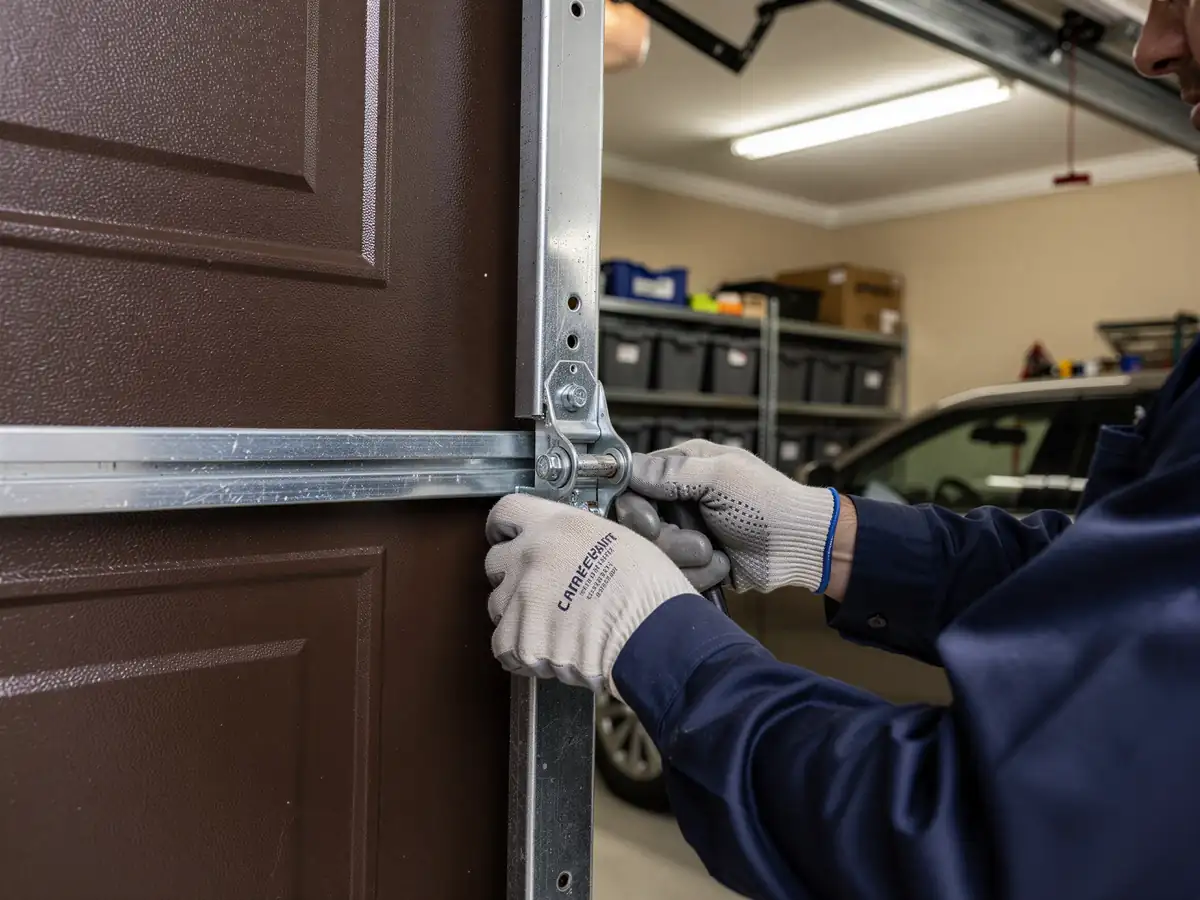
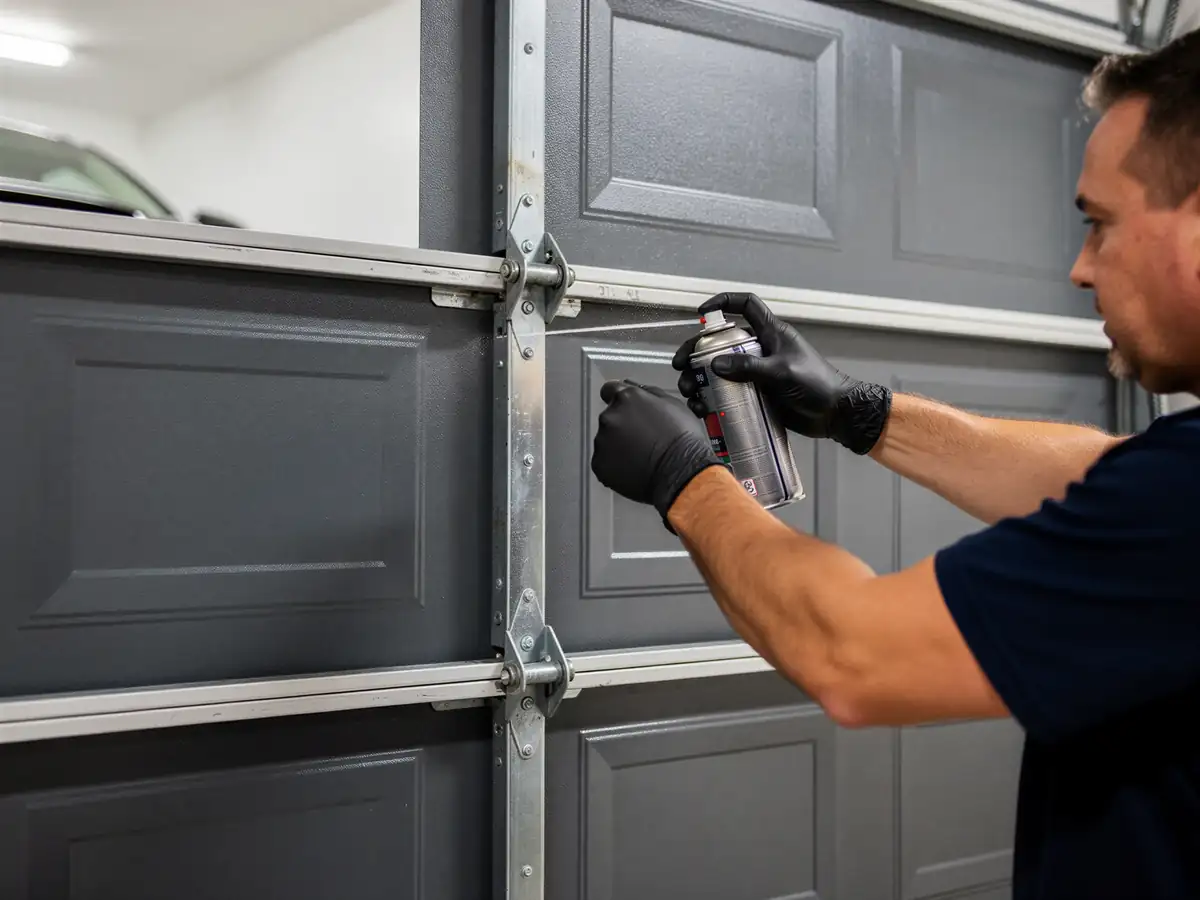
On a typical Centerton call, we start by cycling the door manually to isolate whether the problem is the spring and cable system, the track and rollers, or the opener itself - three separate systems that can each fail independently. If it's a spring, we release what tension remains safely, pull the broken coil, and set a replacement sized to the door's actual weight, not a generic stock size, then balance the door so the opener isn't doing the lifting work a spring should be doing.
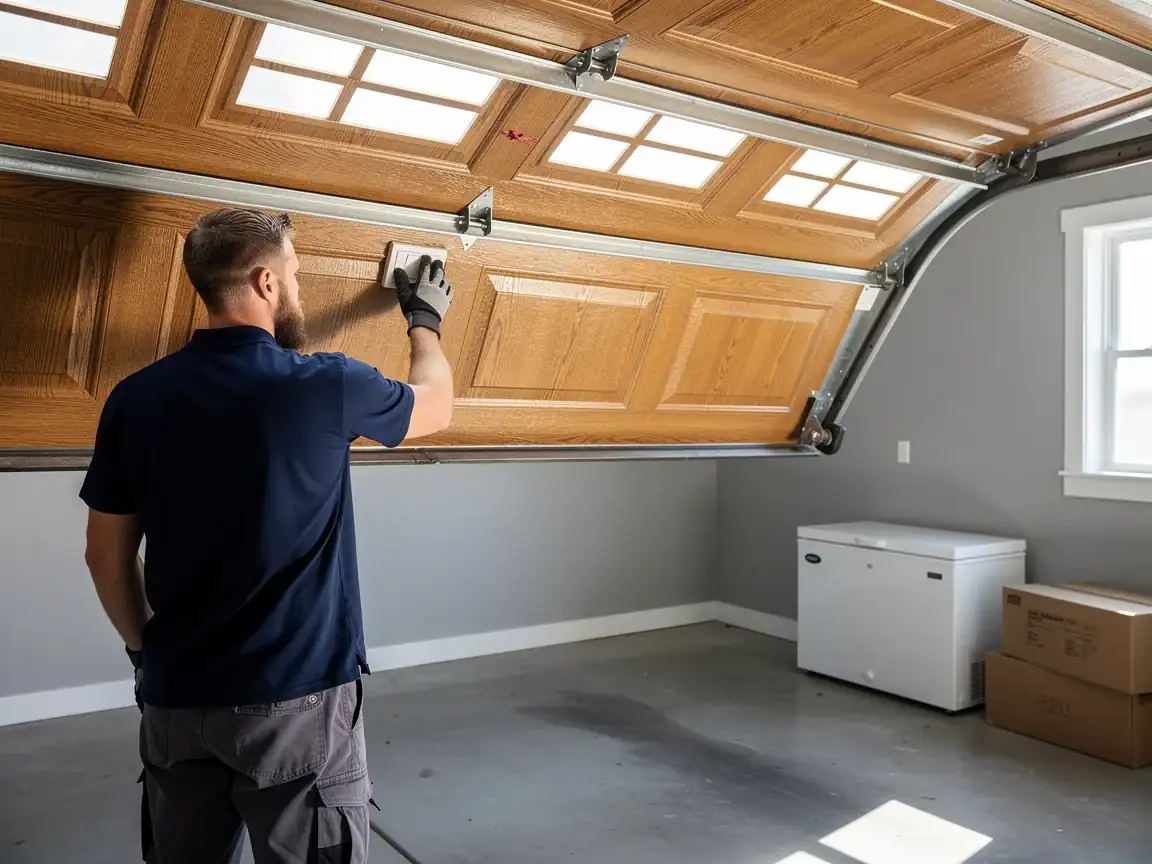
If it's the opener, we check the board, the sensors, and the drive mechanism before replacing anything, since a bad sensor can mimic a dead board and we'd rather not sell you a part you don't need. Once the repair's done, we test the door through a full open-close cycle, confirm the auto-reverse safety function trips correctly, and check that the balance holds with the opener doing minimal lifting - the same check we'd run whether this were a five-year-old door or a fifteen-year-old one.