The Symptom
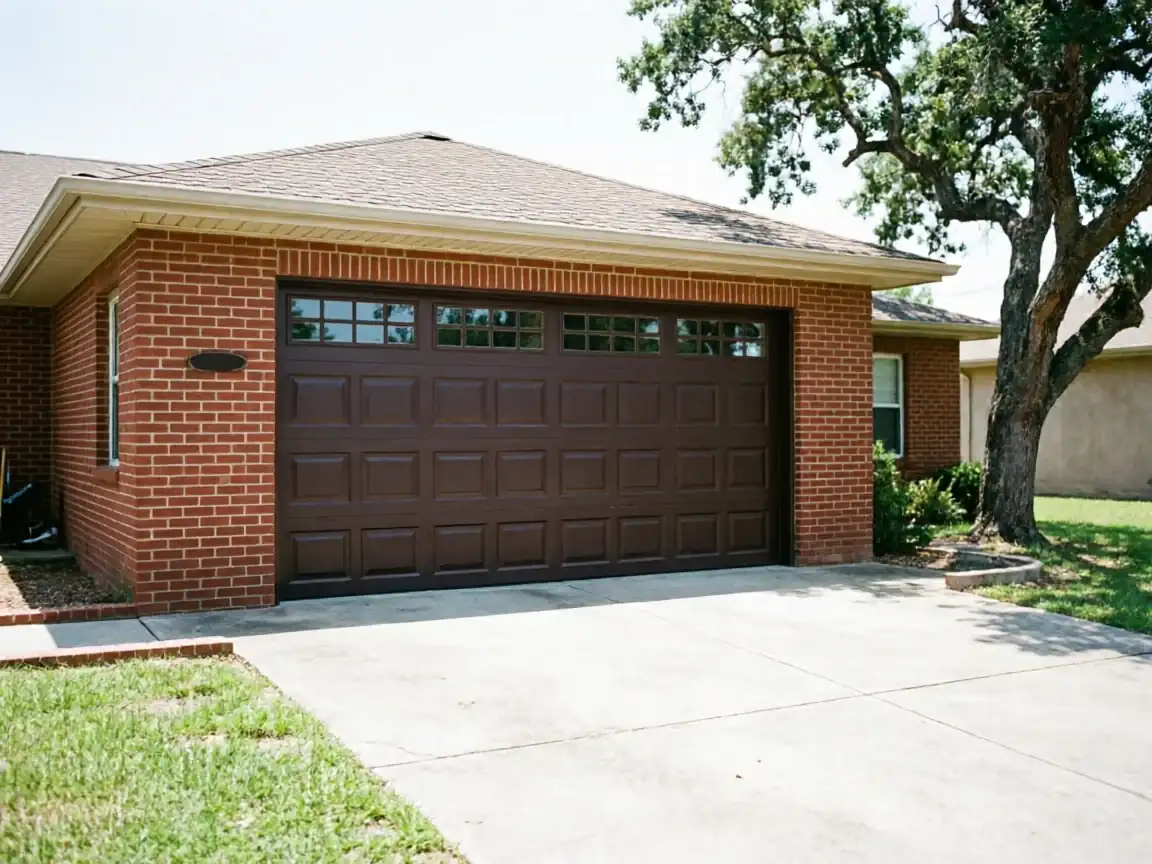
Most houses in Centerton went up around 2008
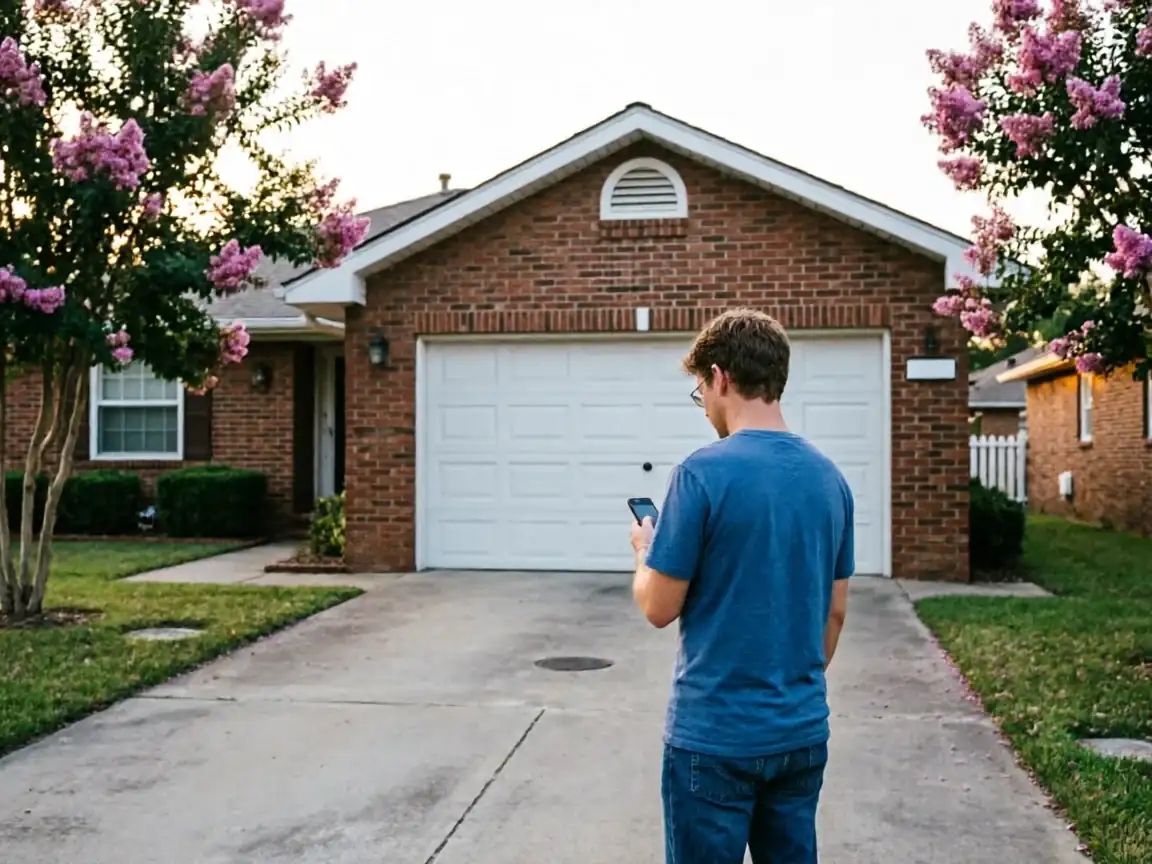
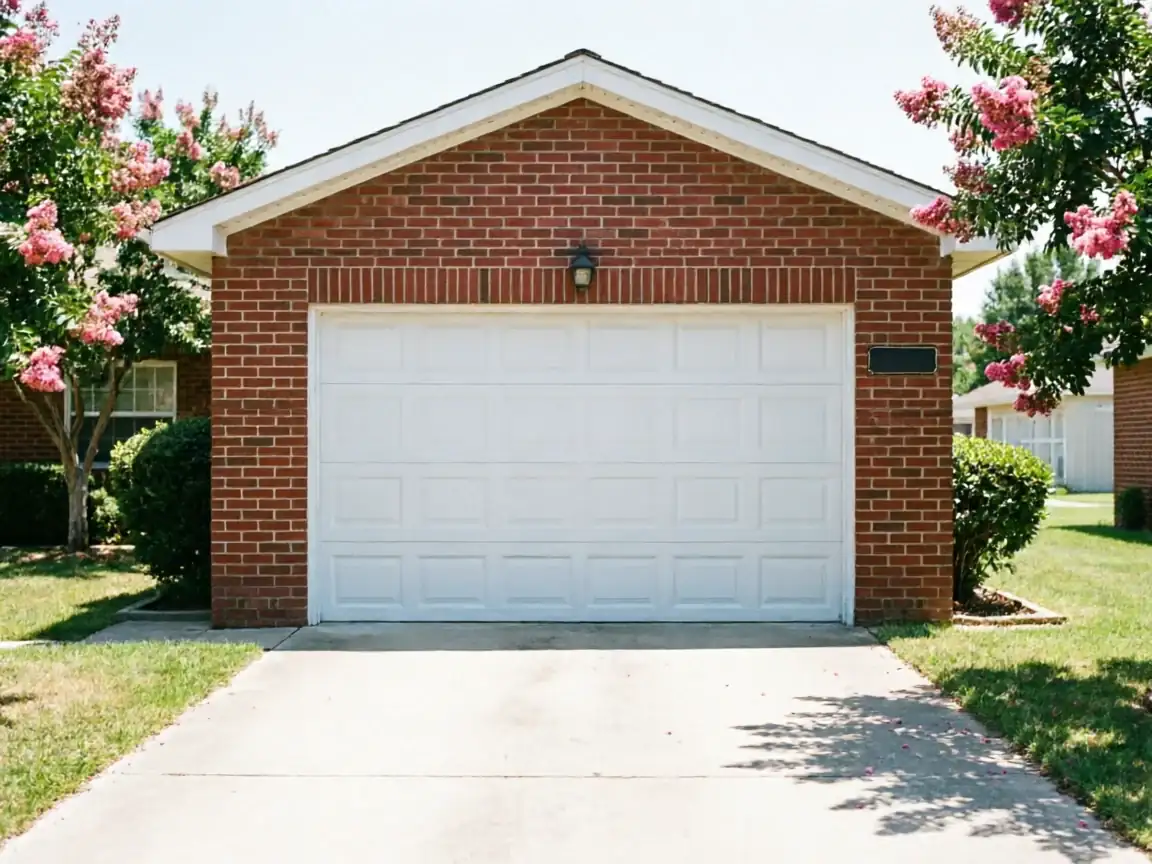
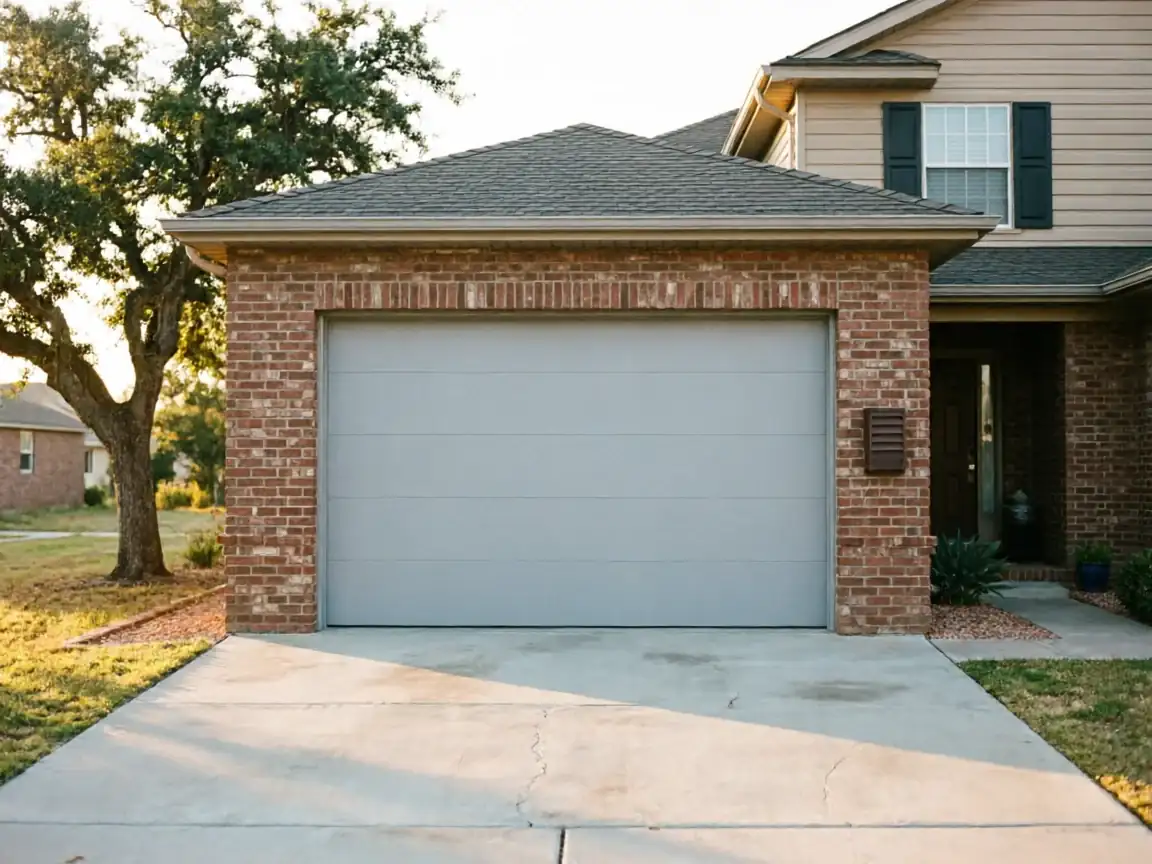
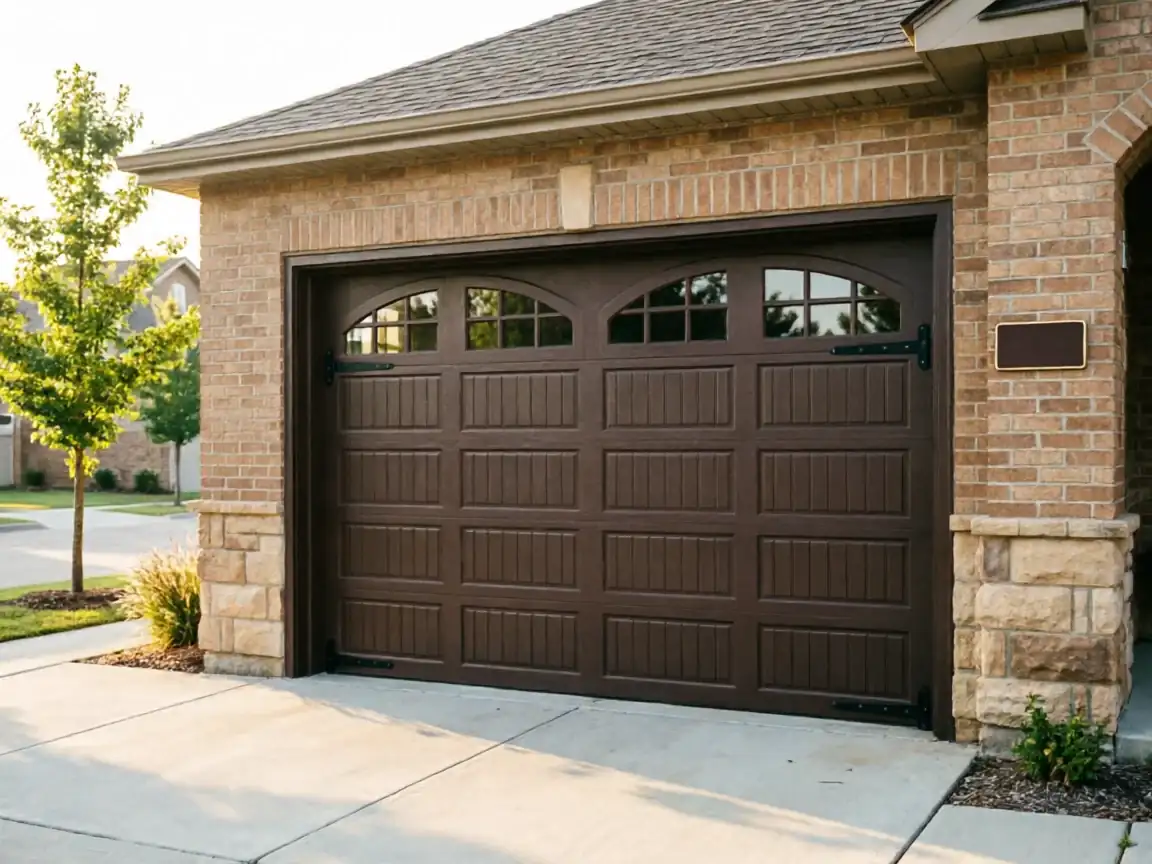
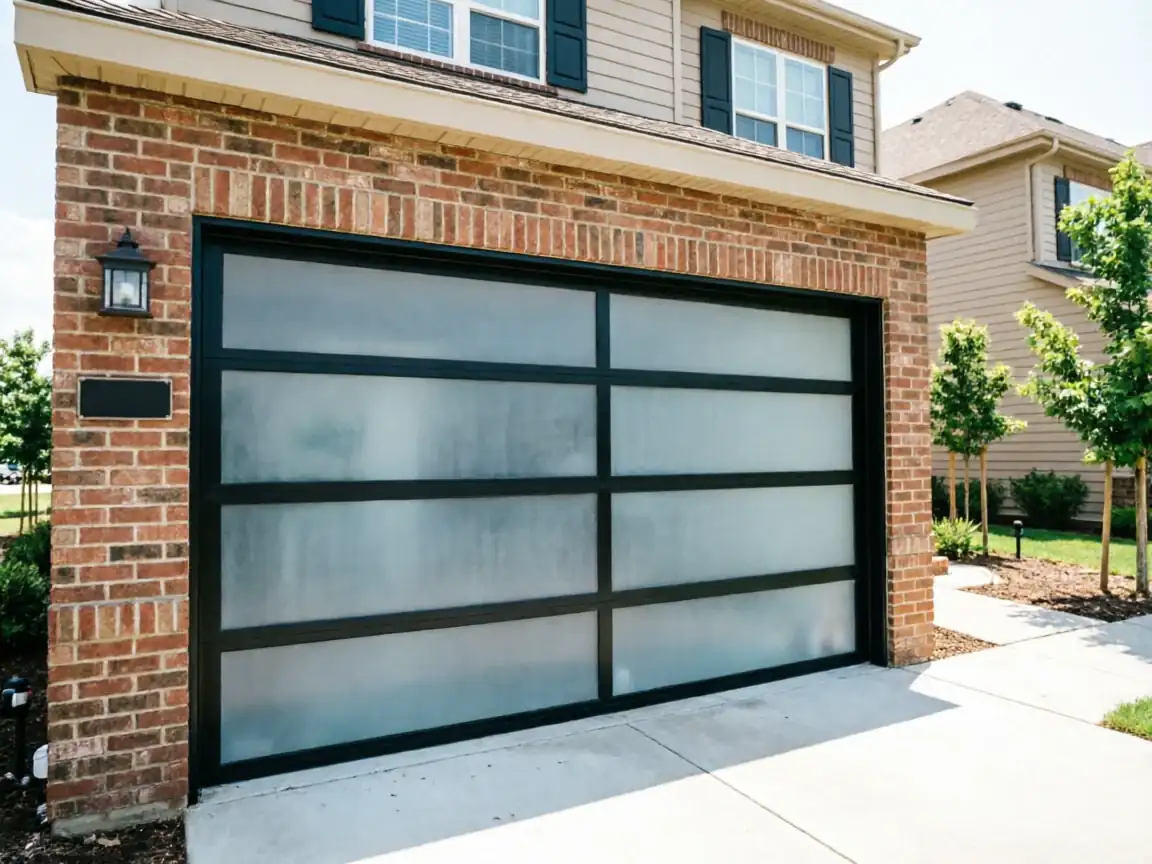
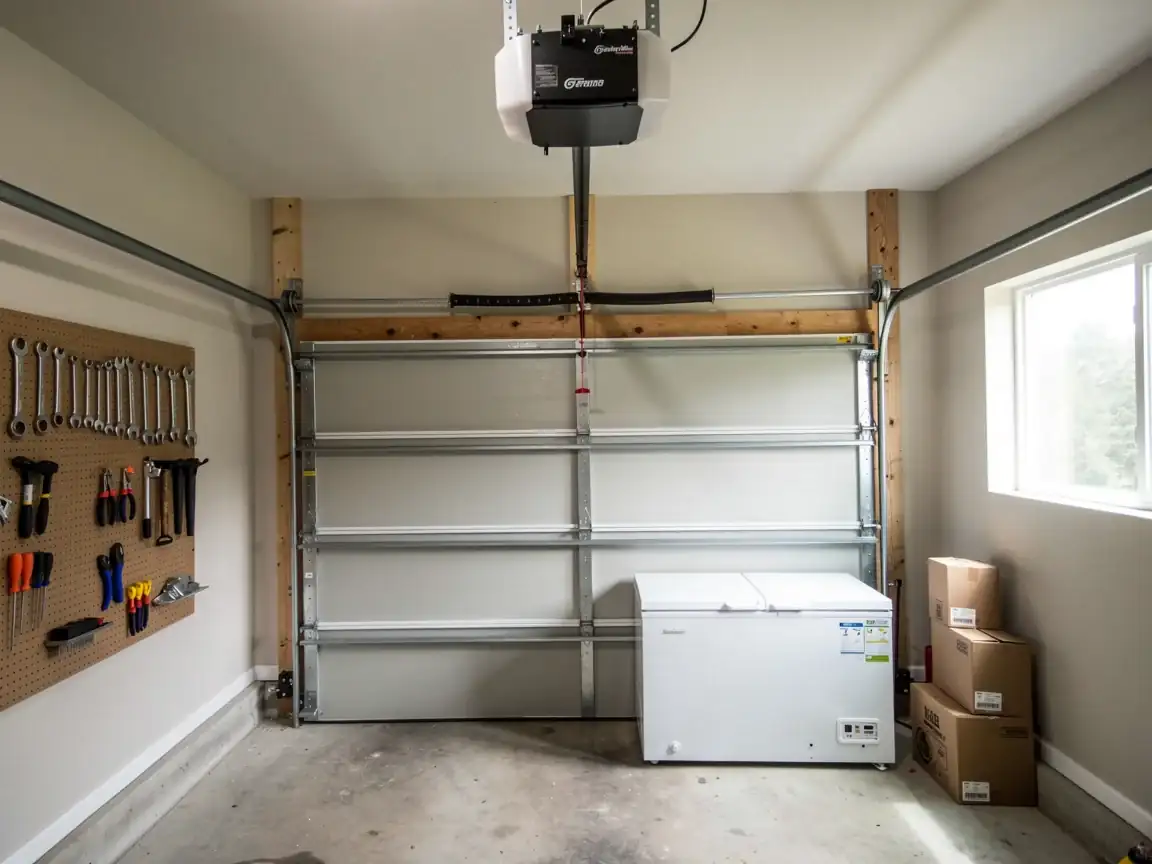
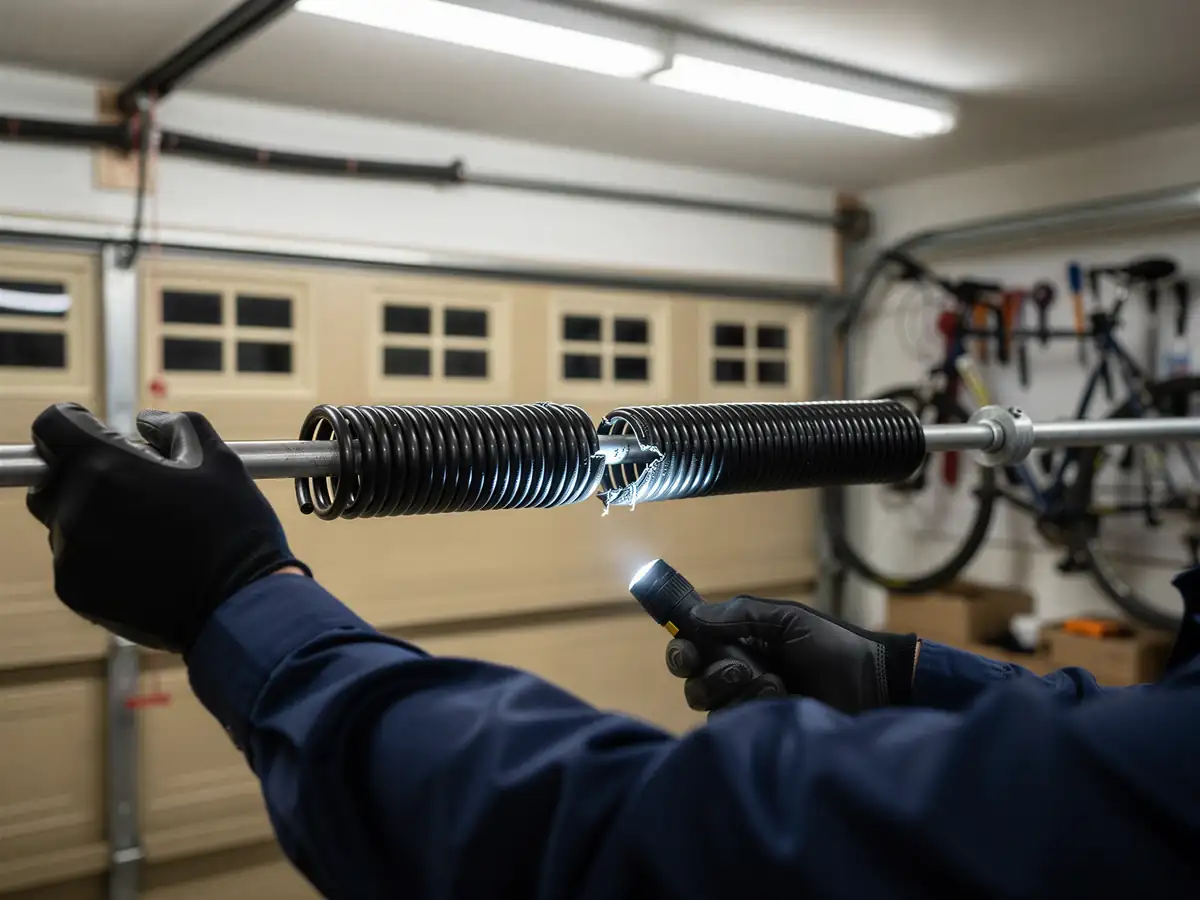
Which puts the garage door hardware on a lot of these homes right at the point where original equipment starts failing. That's a torsion spring that's never been replaced, an opener motor pushing fifteen-plus years of duty cycles, and nylon rollers that were never upgraded to steel. The symptom shows up the same way every time: the door hesitates before it lifts, the opener strains and makes a grinding whine partway through the cycle, or the door drops the last foot instead of settling. None of that is random. It's a builder-grade spring and a builder-grade opener reaching the end of what they were built for, on a house that's old enough now to need the first real repair but young enough that most owners haven't thought about it yet. If your door is doing any of that, the hardware behind the wall is probably the original run, not a replacement.
Compare that to older stock elsewhere in the service area
Where doors may have already gone through one or two replacement cycles. Centerton skews newer, so a lot of these calls are the first failure a given door has ever had, which changes what we're actually walking into.
The Cost of This Job
We're not going to quote a number here, because what drives the cost is what's actually failed, and on a 2008-era door in Centerton that's usually one of three things: the torsion spring, the opener's drive gear or logic board, or the bottom bracket and cables that took the brunt of fifteen years of use. A single spring swap on original hardware is a different job than replacing an opener that's seized up entirely, and a double-wide door costs more in parts than a single, period. What we can tell you is that original equipment from this era is usually standard-grade, not custom, so parts availability tends to be straightforward rather than a special-order situation. We'll look at the door, tell you what's actually broken, and quote the job in front of you before any work starts.
Stocked Parts
We stock for the moderate-cold climate this whole area sits in, which means springs and openers rated for temperature swings rather than hardware built for a mild coastal climate. On a 2008-build door in Centerton, the parts we're swapping are almost always standard sizes - torsion springs sized to a common door weight, steel rollers, standard-lift cables - because builder-grade installs from that era didn't use anything exotic. We carry what fits a typical double or single door out of the truck, which covers most of what original equipment from this build period needs. Where it gets slower is a door with a non-standard opening or a discontinued opener logic board; those we order in, and that's a wait, not a same-visit fix.
Doing It Yourself
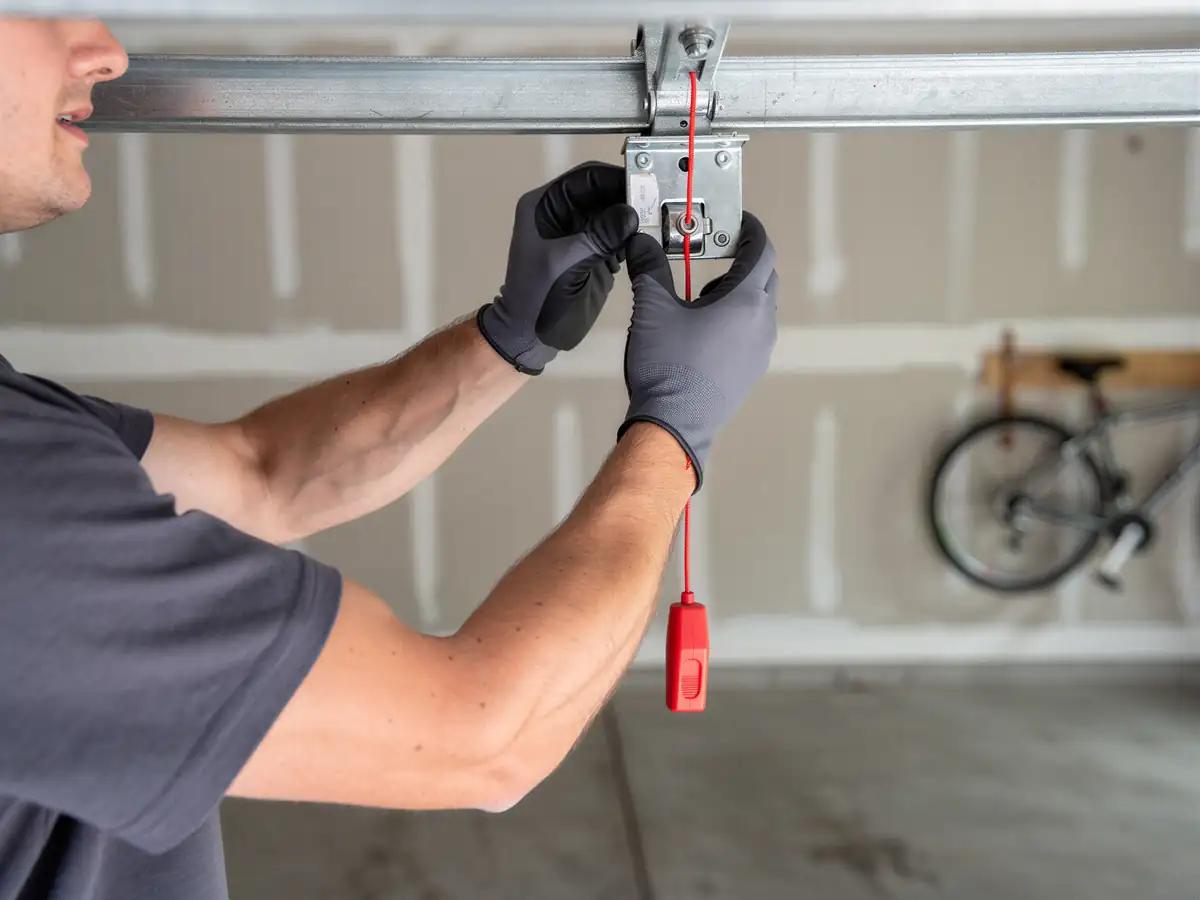
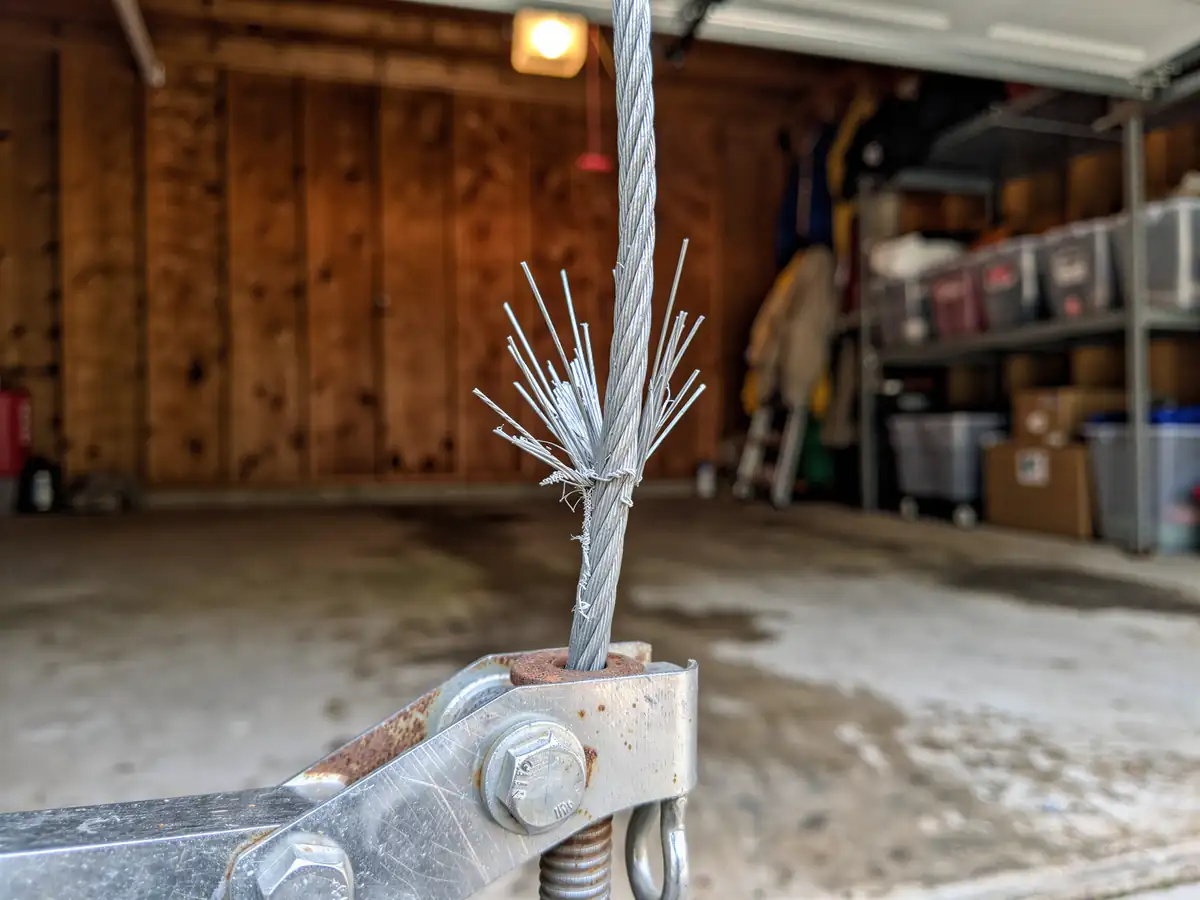
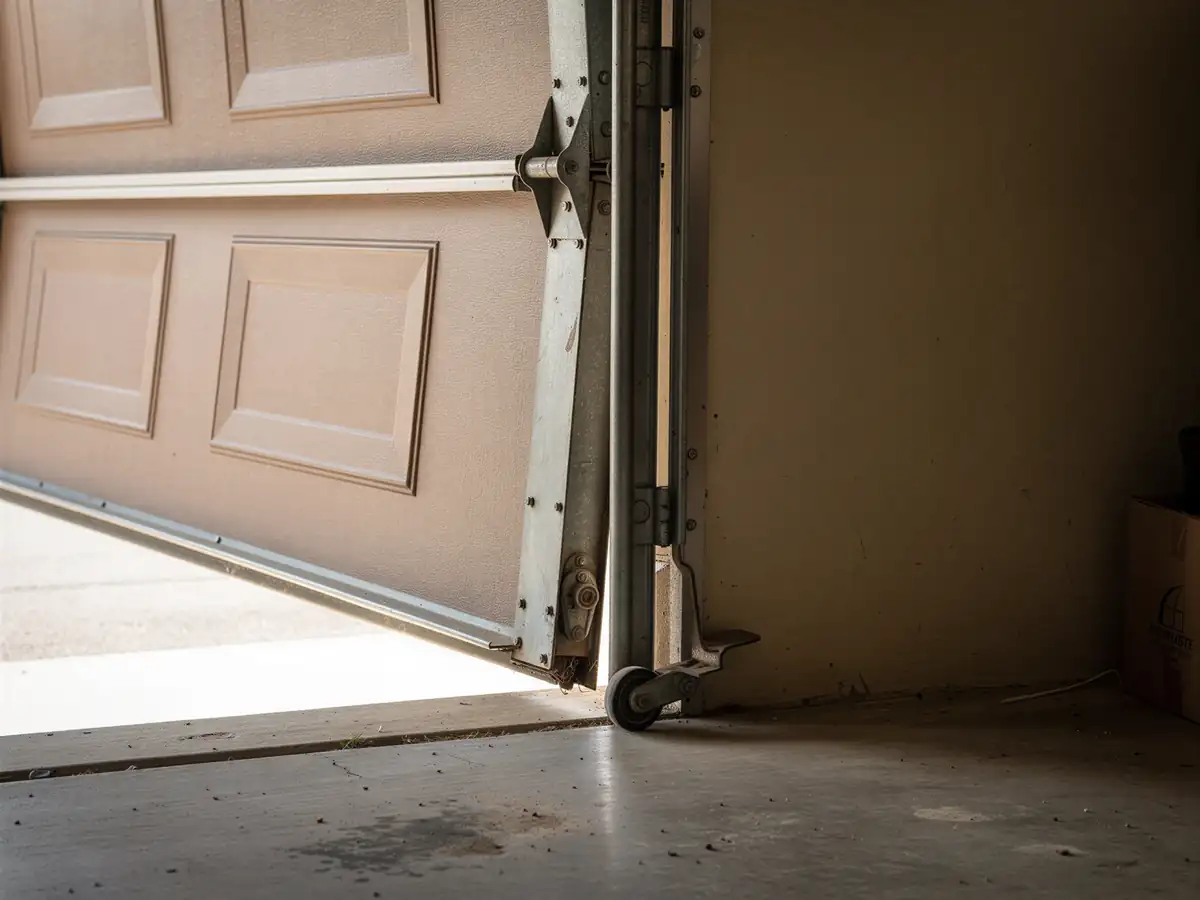
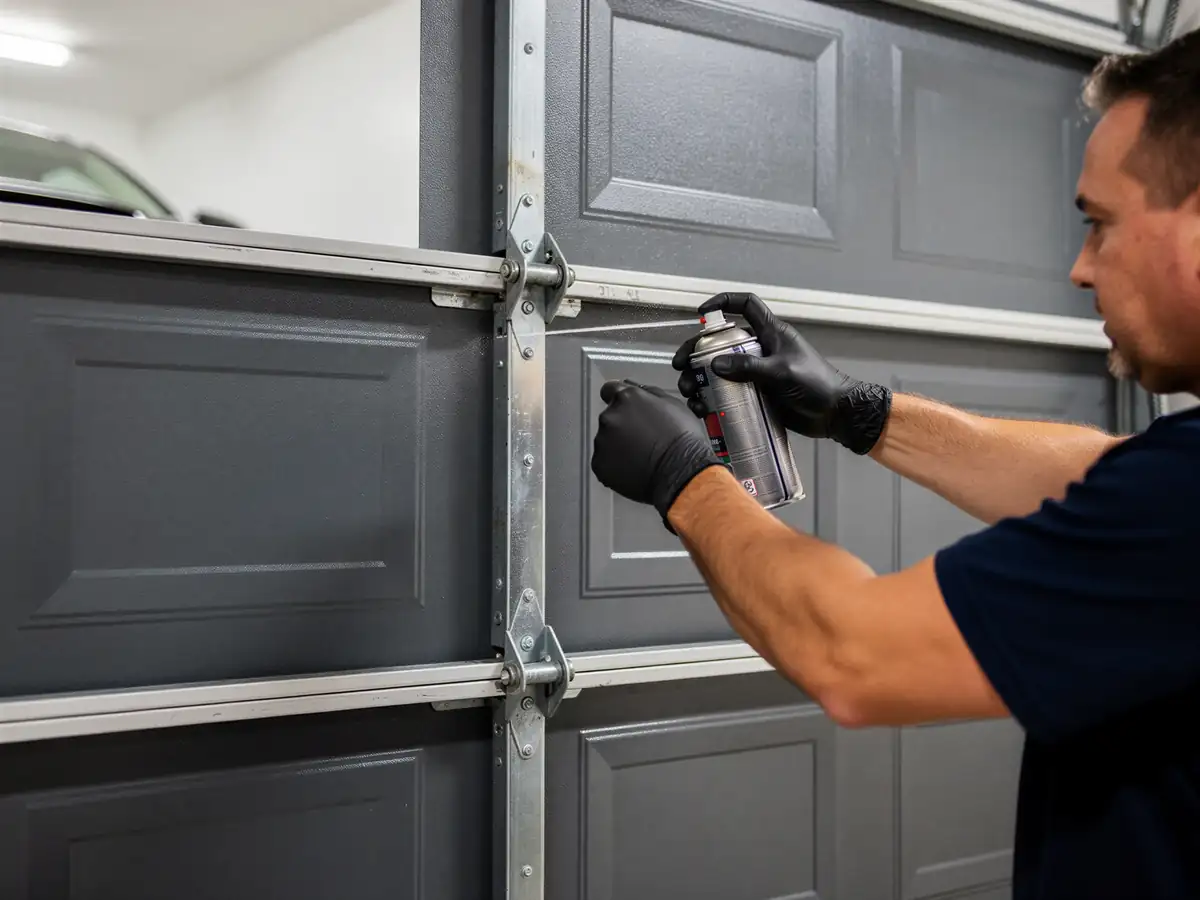
A torsion spring under tension can break a hand or worse, and that's true whether the spring is five years old or fifteen. We won't talk anyone through doing that themselves. Lubricating hinges and rollers, tightening visible bolts, and keeping the track clear of debris are fine DIY maintenance and worth doing regularly on a door this age. But if the opener is grinding, the door is uneven, or a cable looks frayed, that's a call for someone who does this for a living. Here's the honest limit on our end too: if your opener's logic board is discontinued and the manufacturer doesn't make it anymore, we're not going to pretend we can source it overnight - sometimes the right fix on a system this old is a new opener, not a repair.
What the Fix Involves
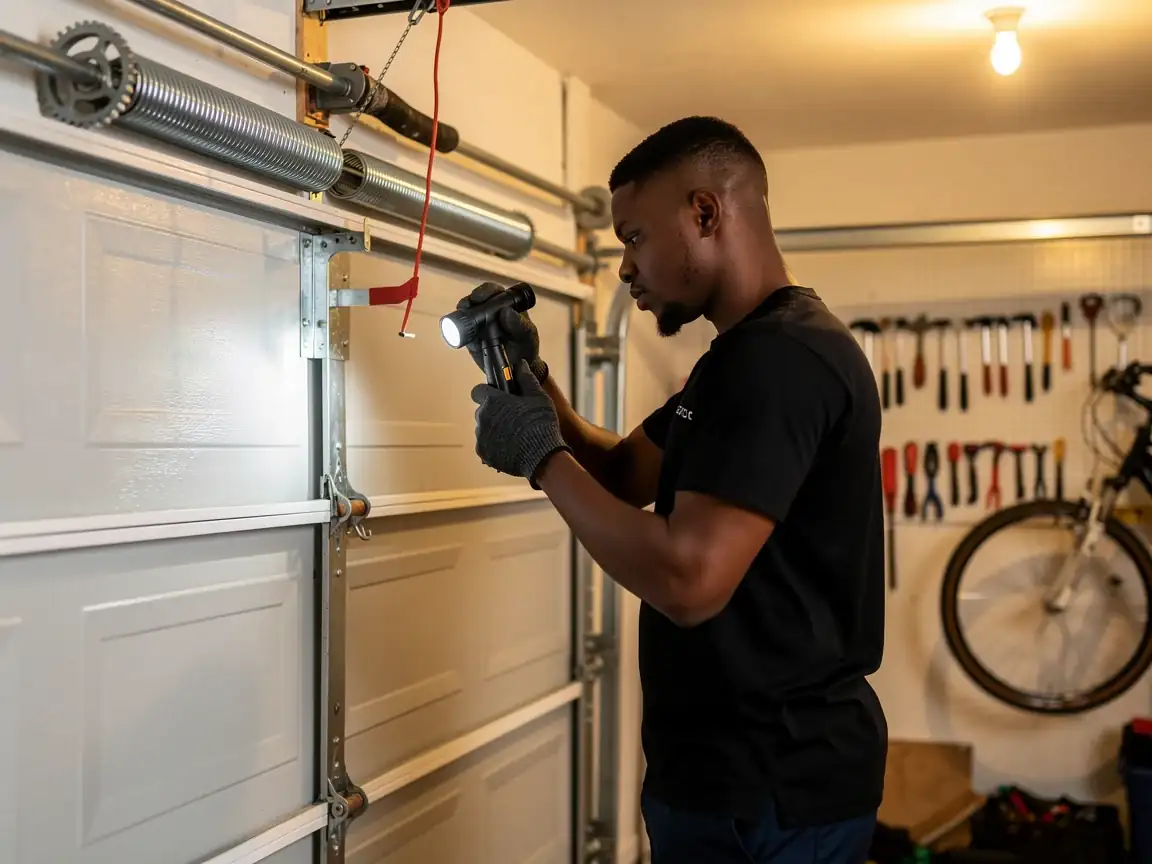
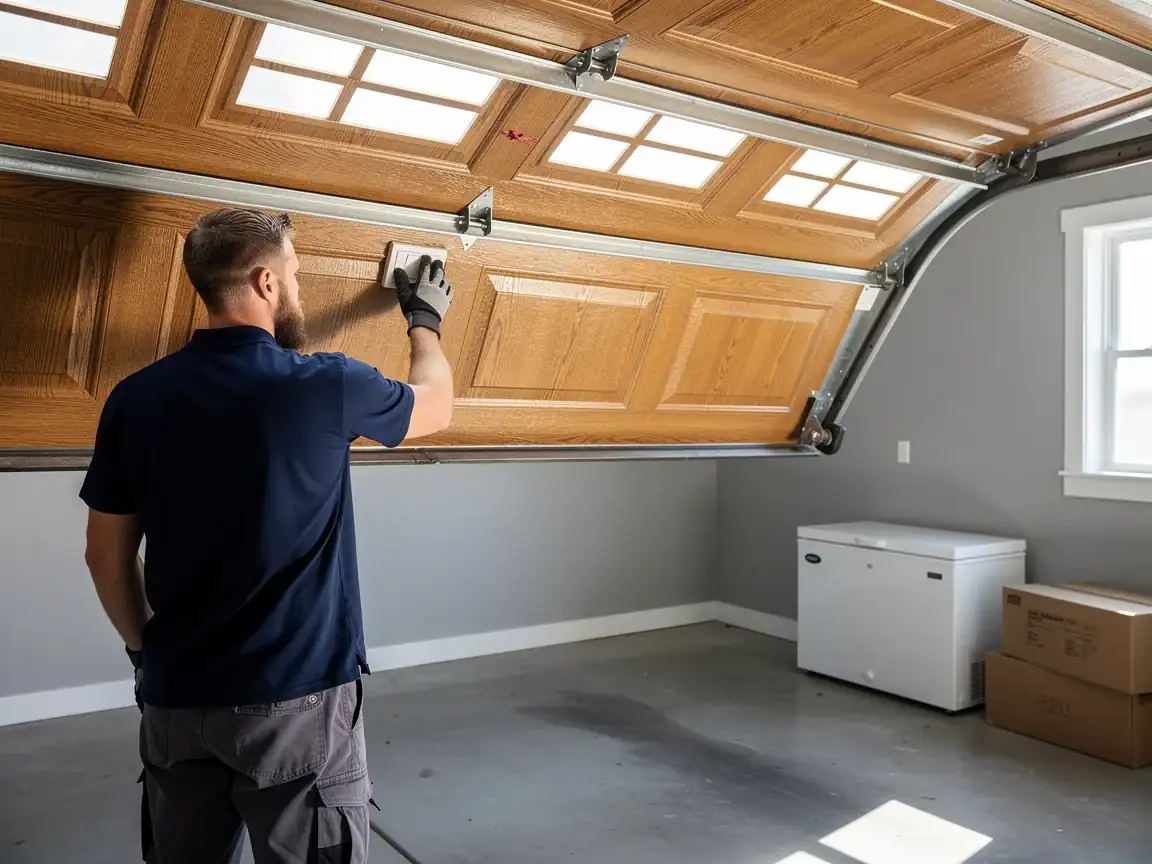
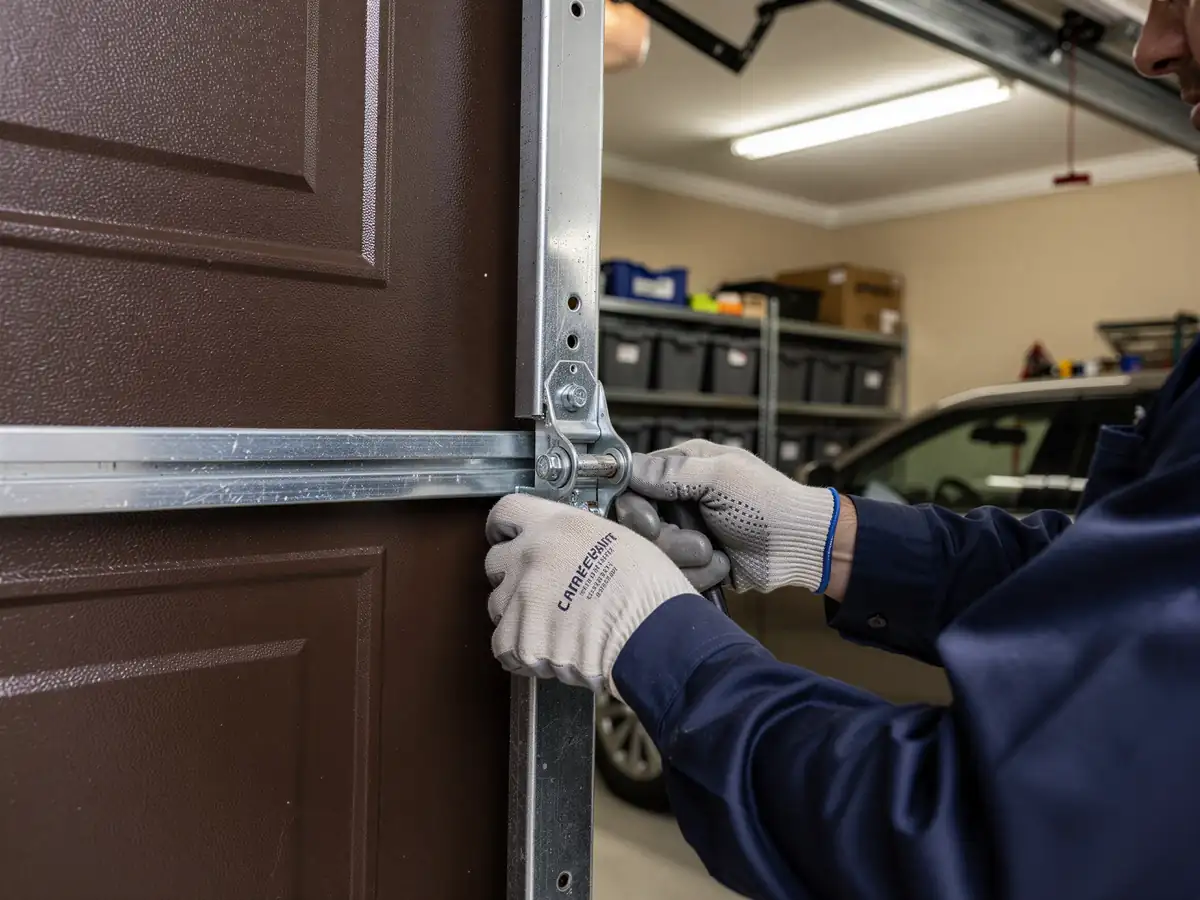
On a typical Centerton call, we start by checking the spring tension and the balance of the door itself, since a door built in 2008 was likely installed with a spring sized for the original door weight and nothing since has changed that calculation. If the spring's shot, we replace it to match, check the cables and rollers while we're in there since they're the same age, and run the opener through a full cycle to listen for strain in the motor or gear. If the opener's the failure point, we check whether it's a logic board issue or a dying motor before recommending a swap - no point replacing a whole unit over a part that's still available. Either way, the goal is leaving with a door that's balanced and quiet, not just one that closes.