Stocked Parts
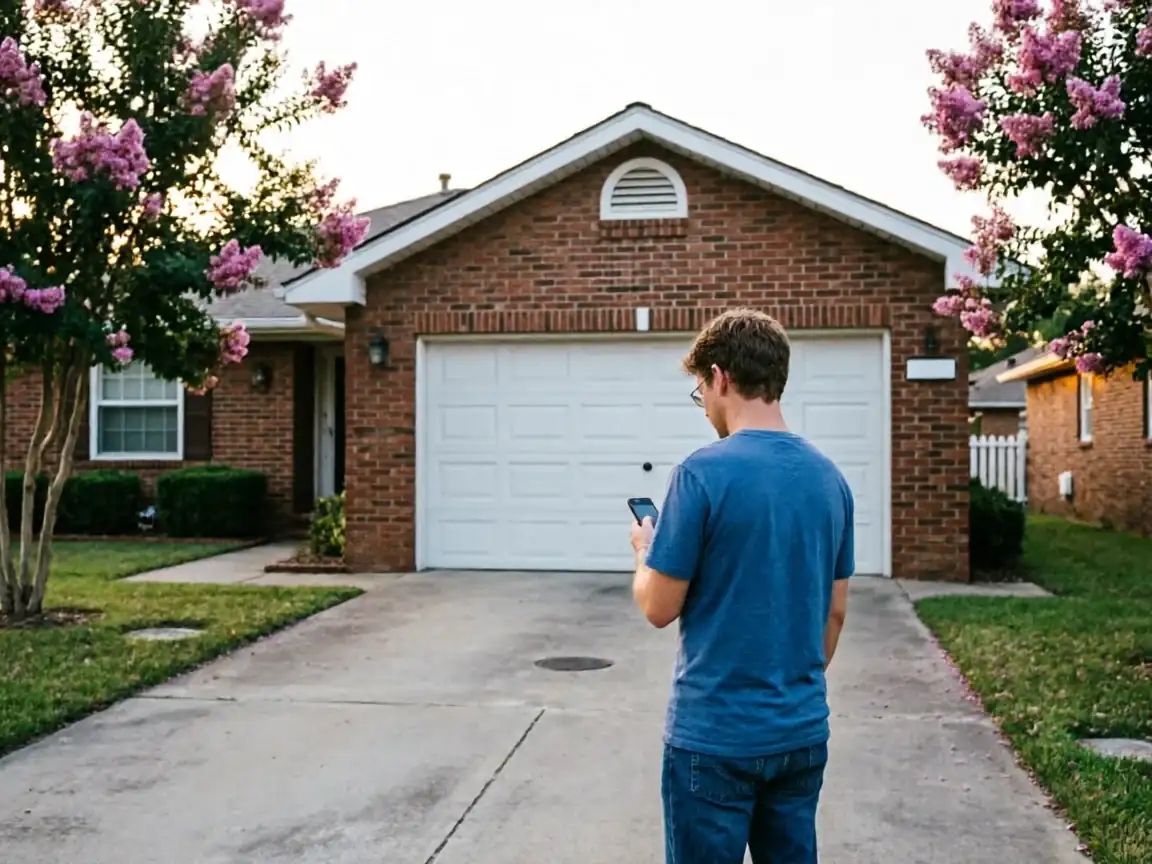
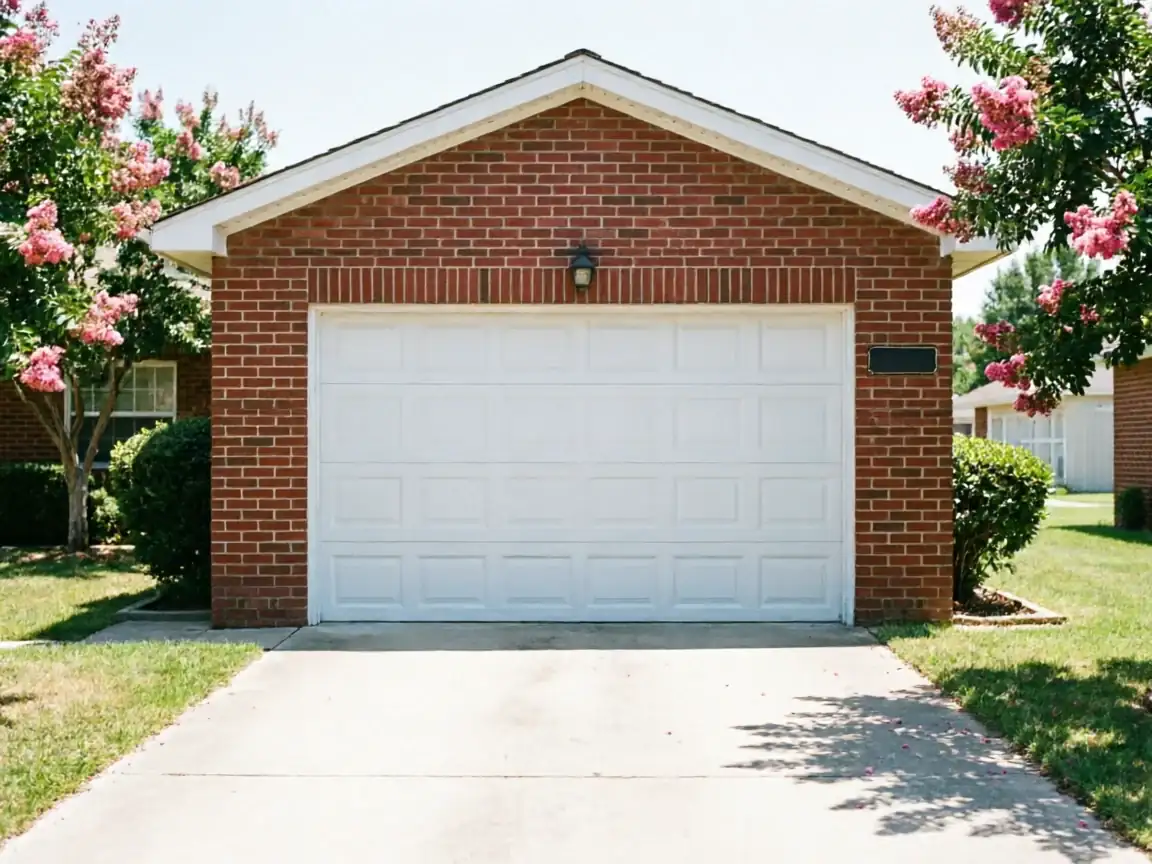
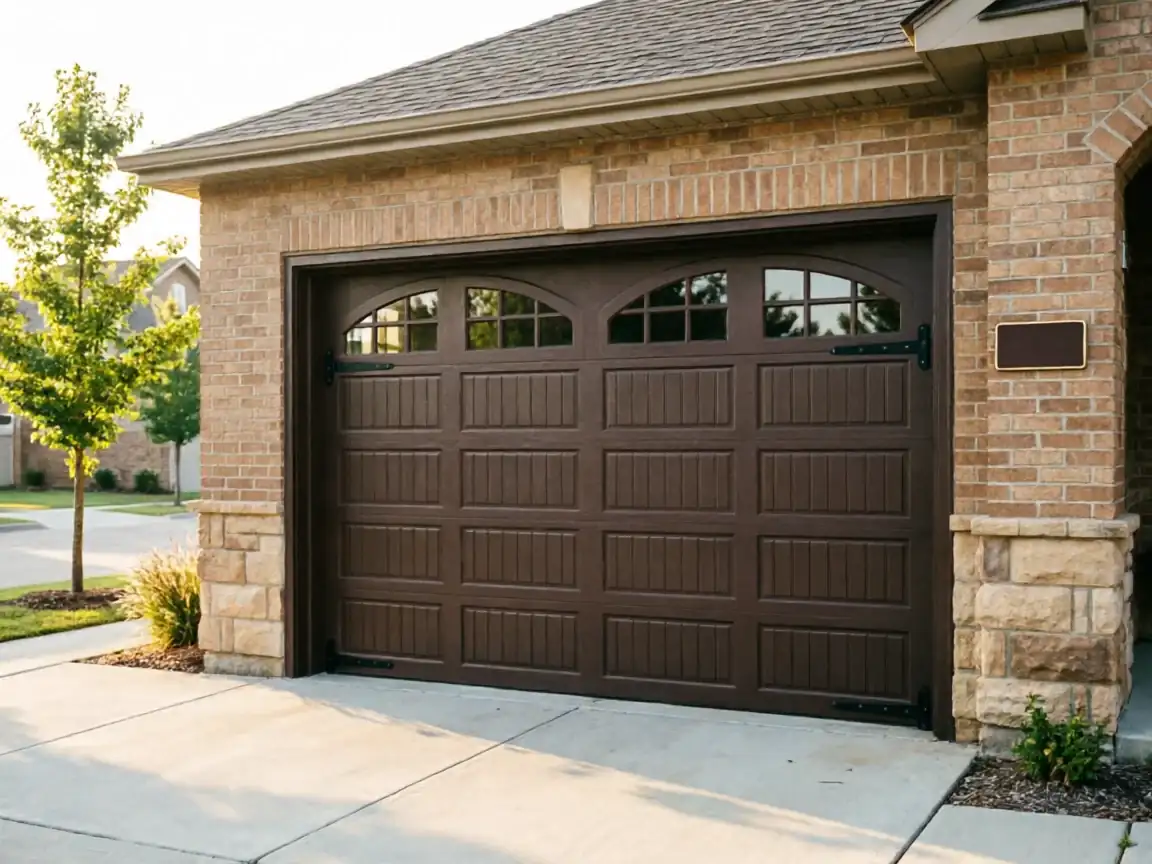
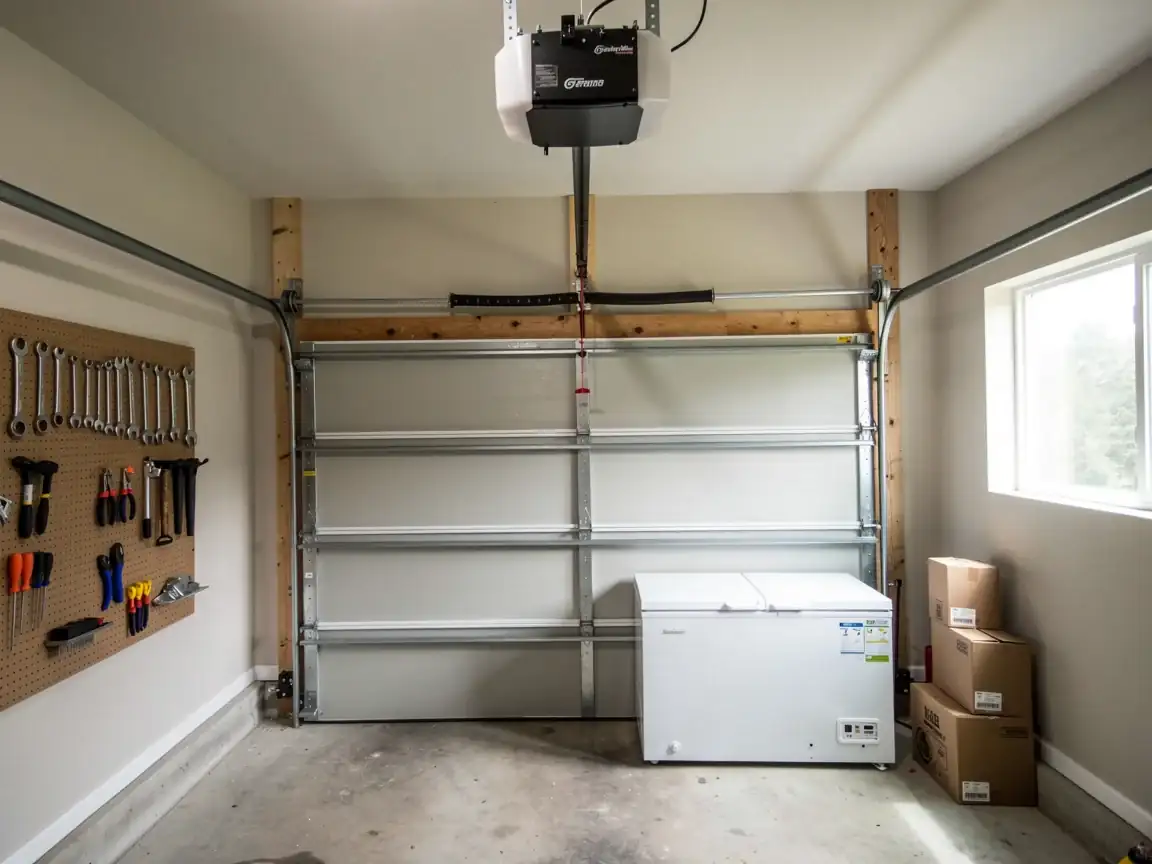
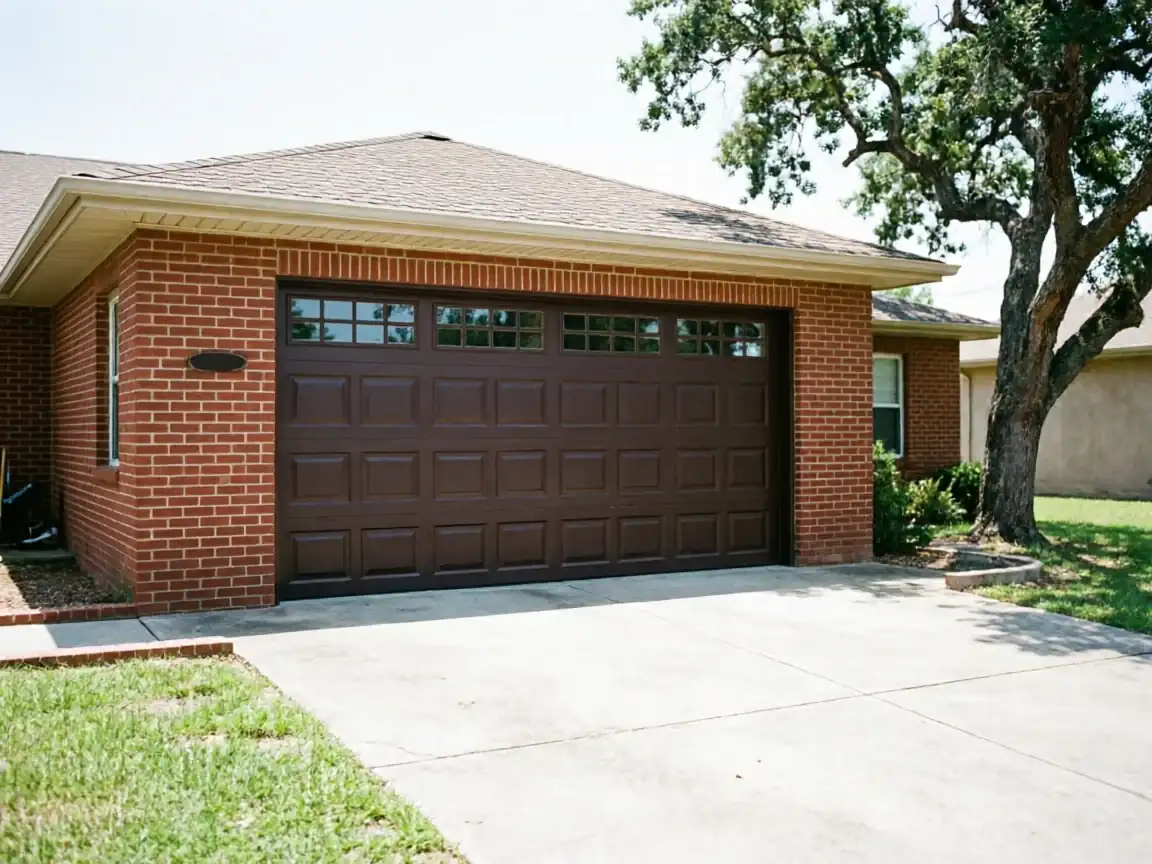
Most of Prairie Creek's houses date to around 1990, right at the early edge of the wider service area's 1987-to-2013 build-out. That means standard torsion springs, steel rollers, and openers from the chain-drive and early belt-drive generation - not the obscure side-mount hardware you find in older stock, and not the smart-opener boards that show up in newer construction. We carry the parts that fit that window on the truck most days: springs in common wind counts, standard-width cable, and openers that match what builders were putting in through the 1990s. What we don't stock is anything specialty - oversized commercial track, discontinued opener control boards, or hardware for a door nobody's made in twenty years. If your door needs one of those, we'll tell you upfront that it's an order, not a same-visit fix.
How to Book
We run this call out of Rogers, five miles up the road, and that's the honest distance - we're not pretending to have a branch in Prairie Creek. Call and tell us what the door is doing: won't open, won't close, cable snapped, spring popped, opener dead. The more specific you are about the noise or the stuck position, the better we can load the right parts before we leave the shop. We book the call, we tell you the window, and we come out. There's no separate dispatch or local crew distinct from the Rogers team - it's the same trucks running the same roads to every town on this list.
Doing It Yourself
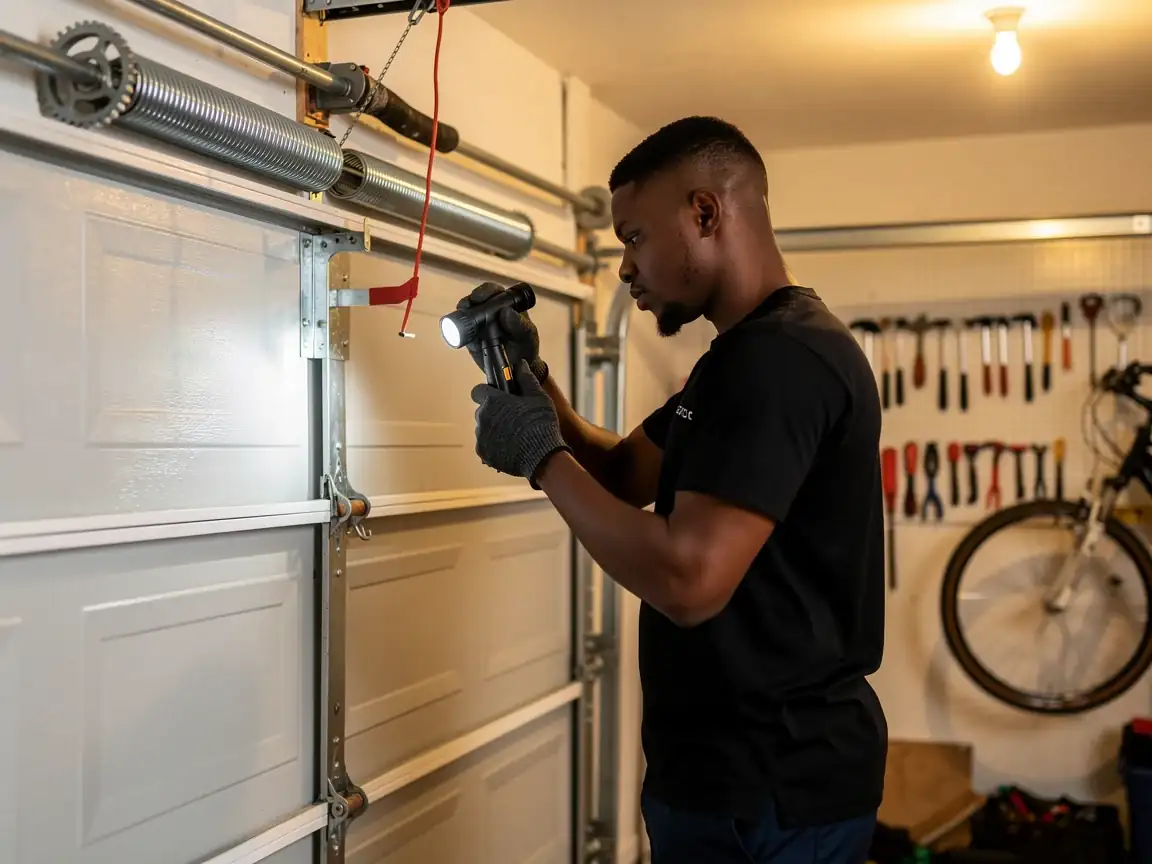
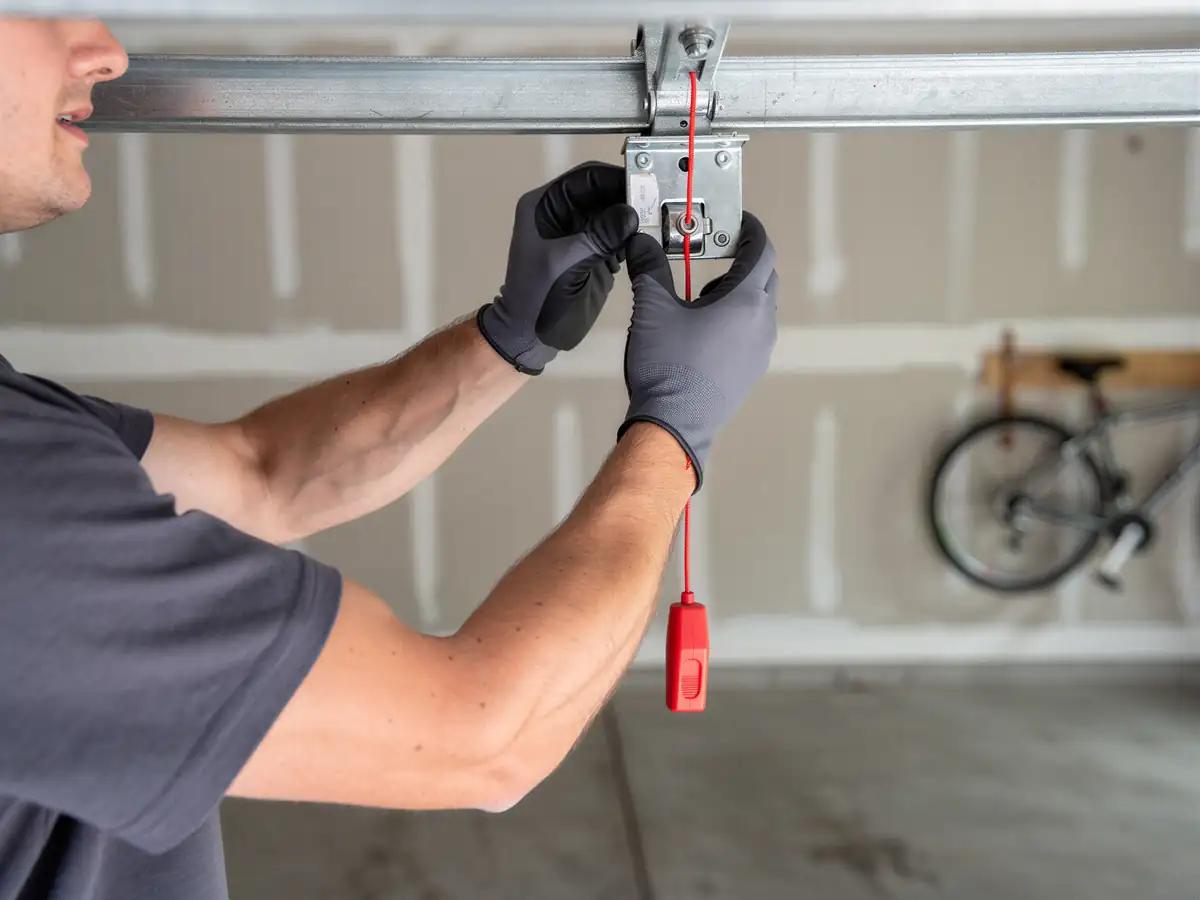
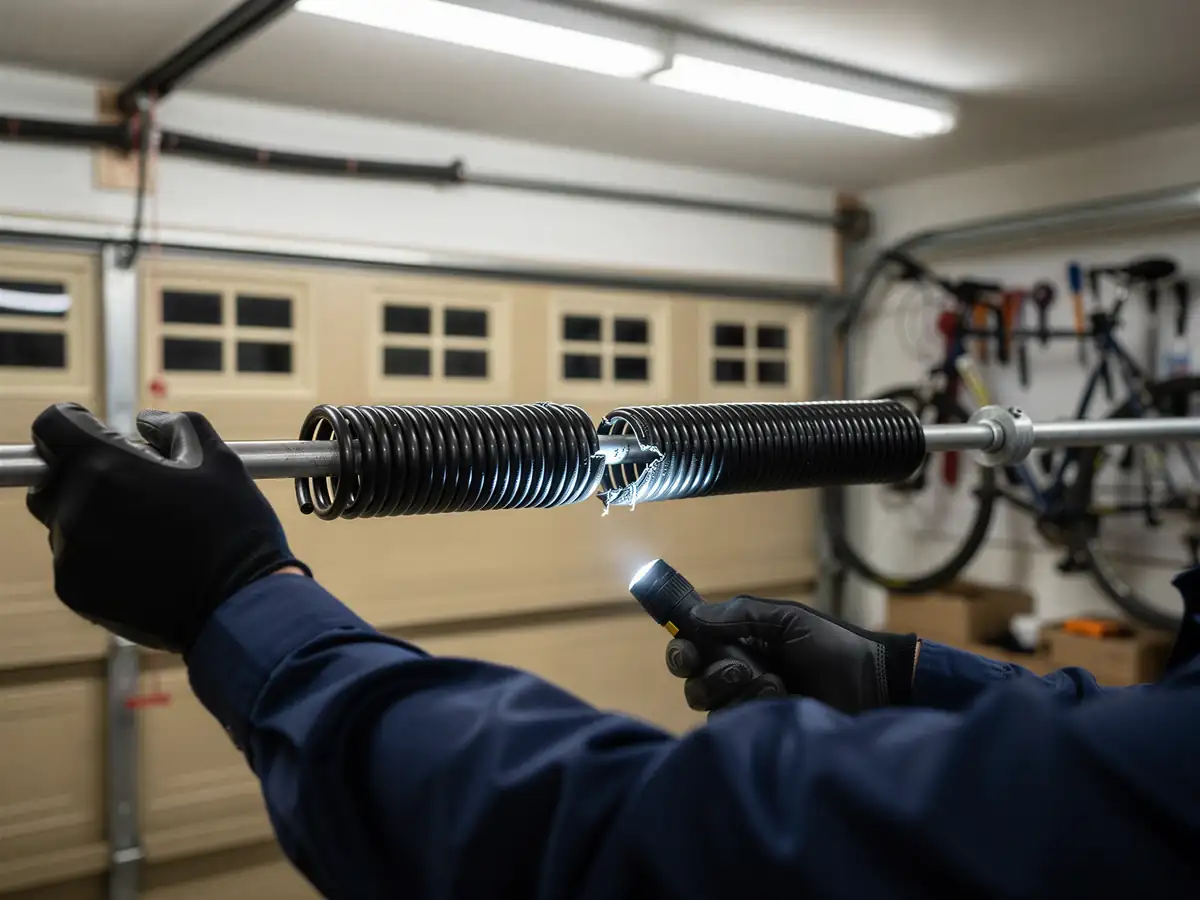
A torsion spring under load can break a hand or worse, and that's true whether the door is five years old or thirty. If the door won't open and you can see a gap in the spring coil above the header, stop - don't try to wind or cut it yourself. Things you can safely check first: the photo-eye sensors near the floor track for dirt or misalignment, the wall switch for a tripped breaker, and the manual release cord in case someone pulled it by accident. Those three account for a fair share of the calls that turn out not to need a truck at all. Beyond that, leave the springs, the cables, and the track alignment to the visit - a 1990-era door's hardware is standard, but standard doesn't mean safe to improvise on.
The Symptom
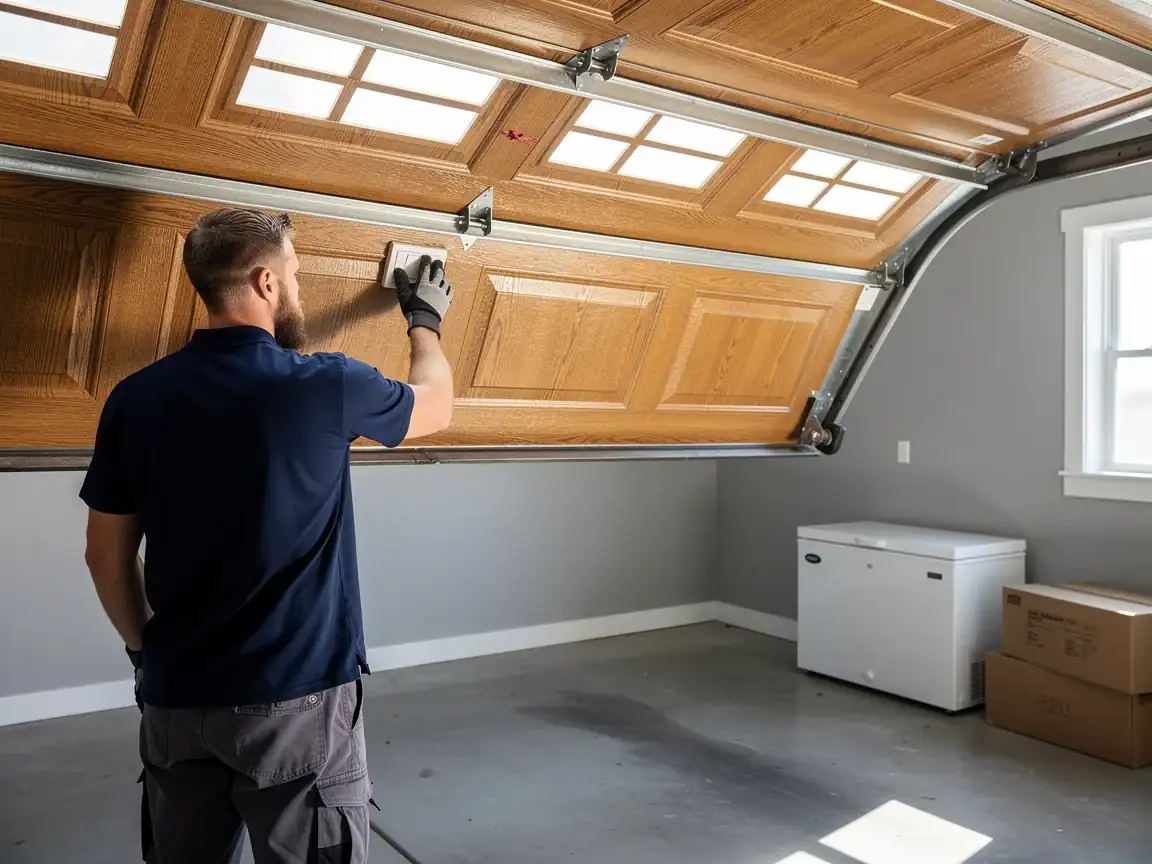
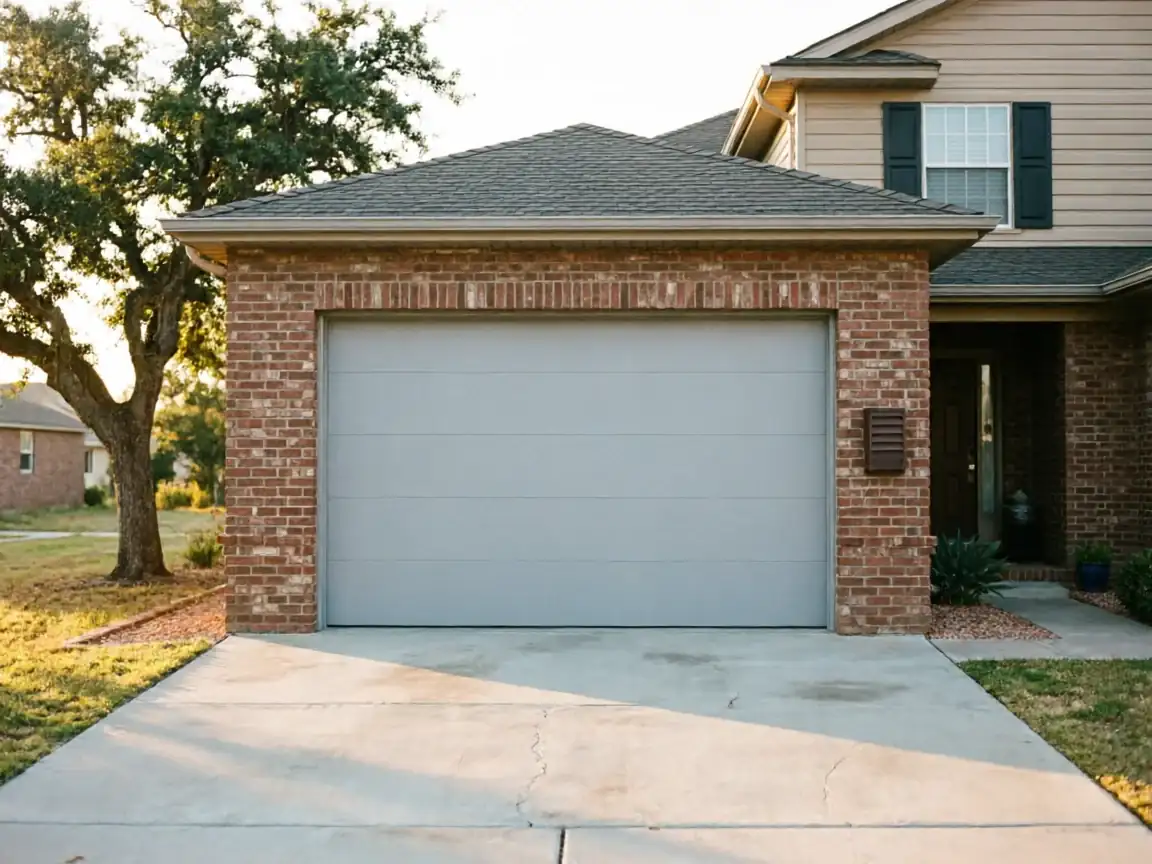
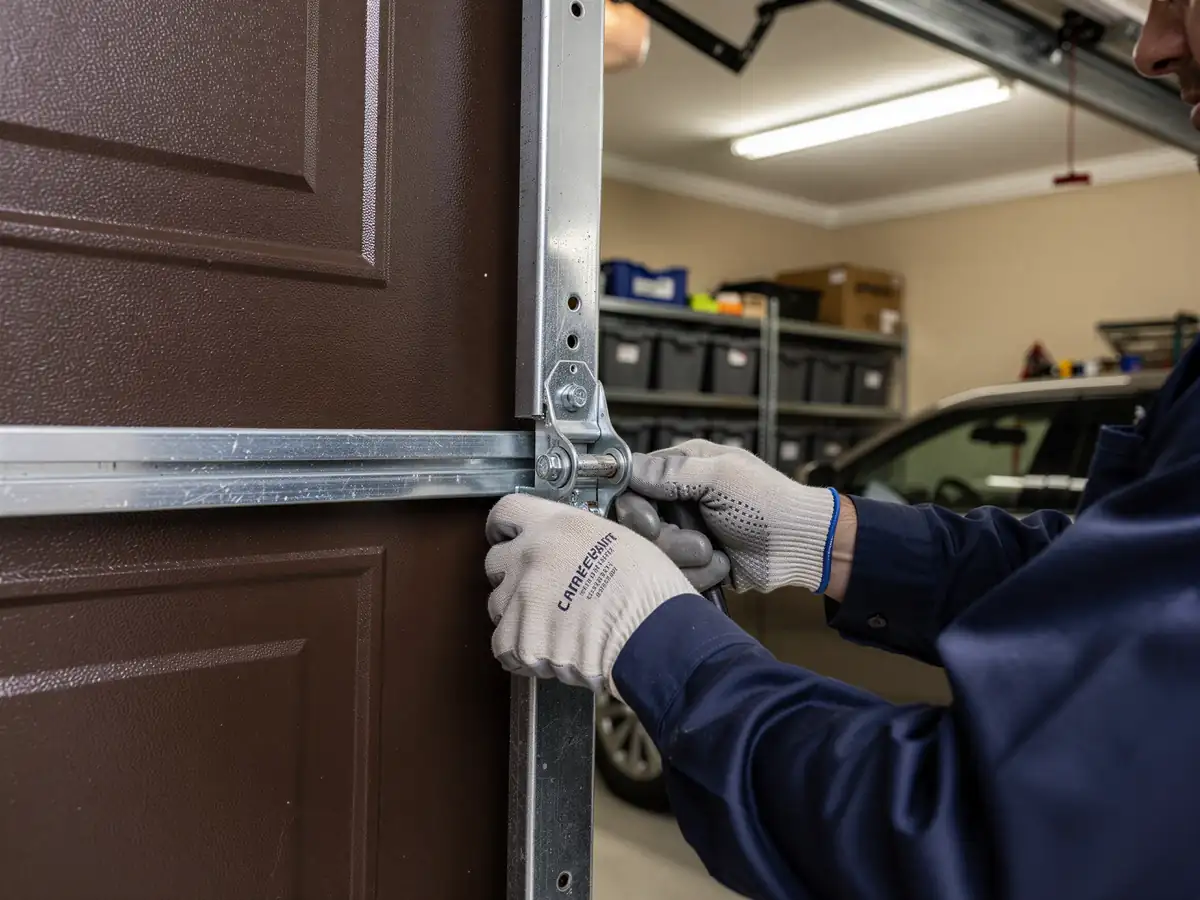
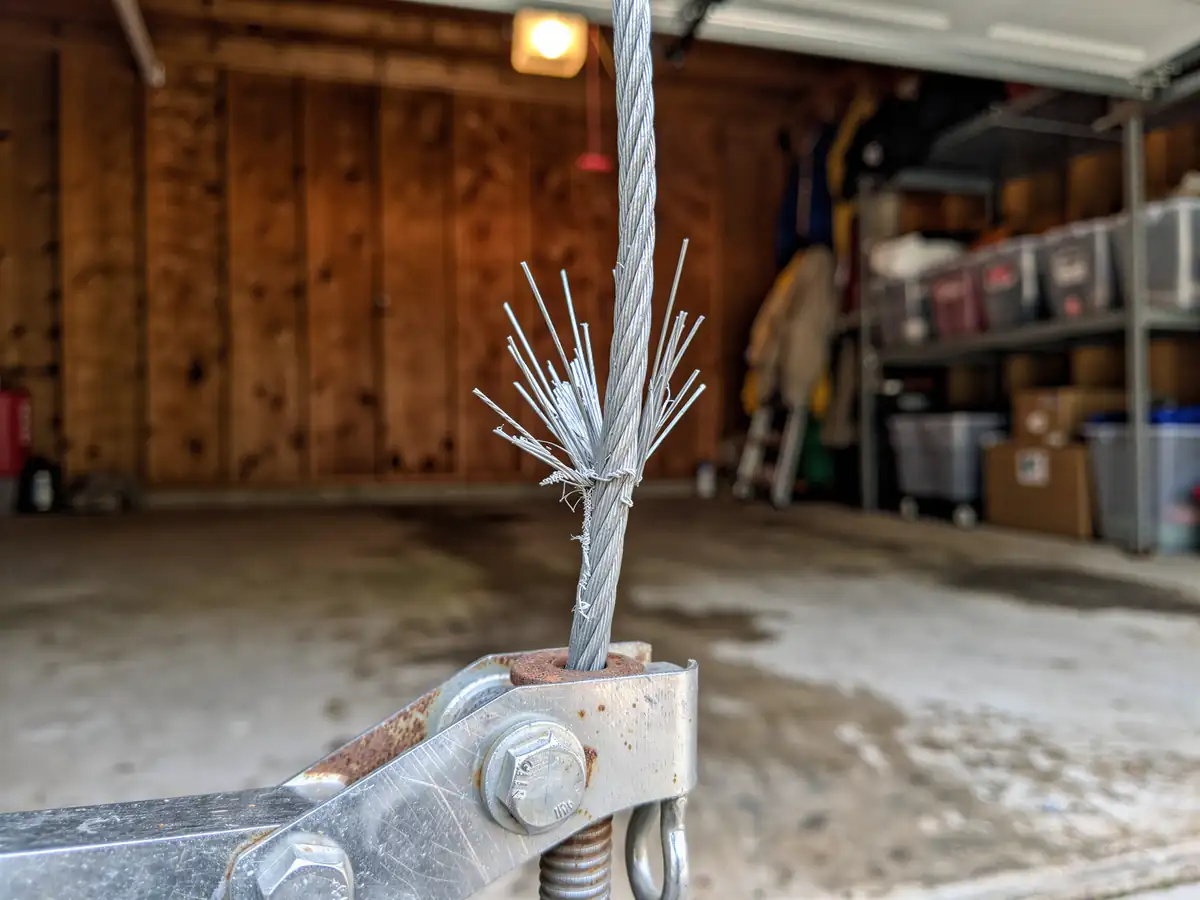
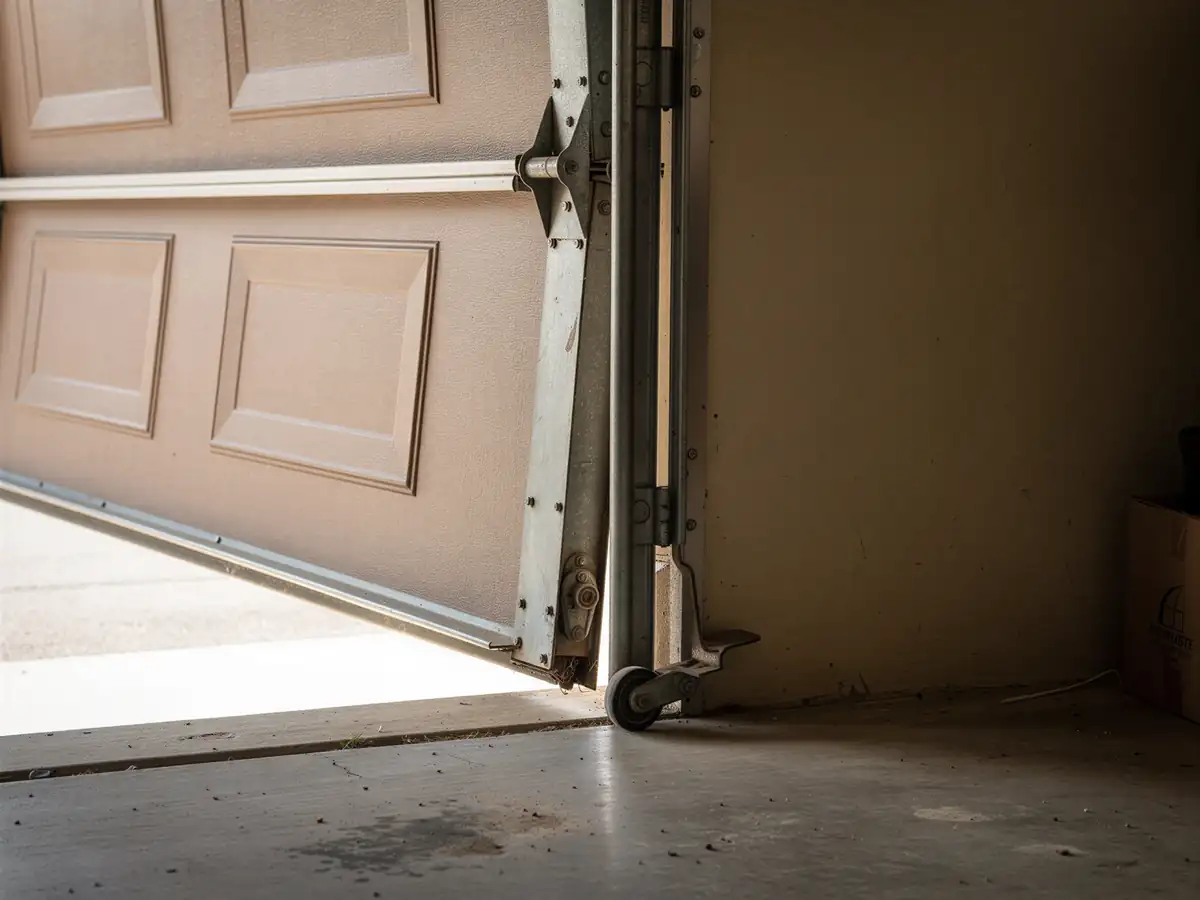
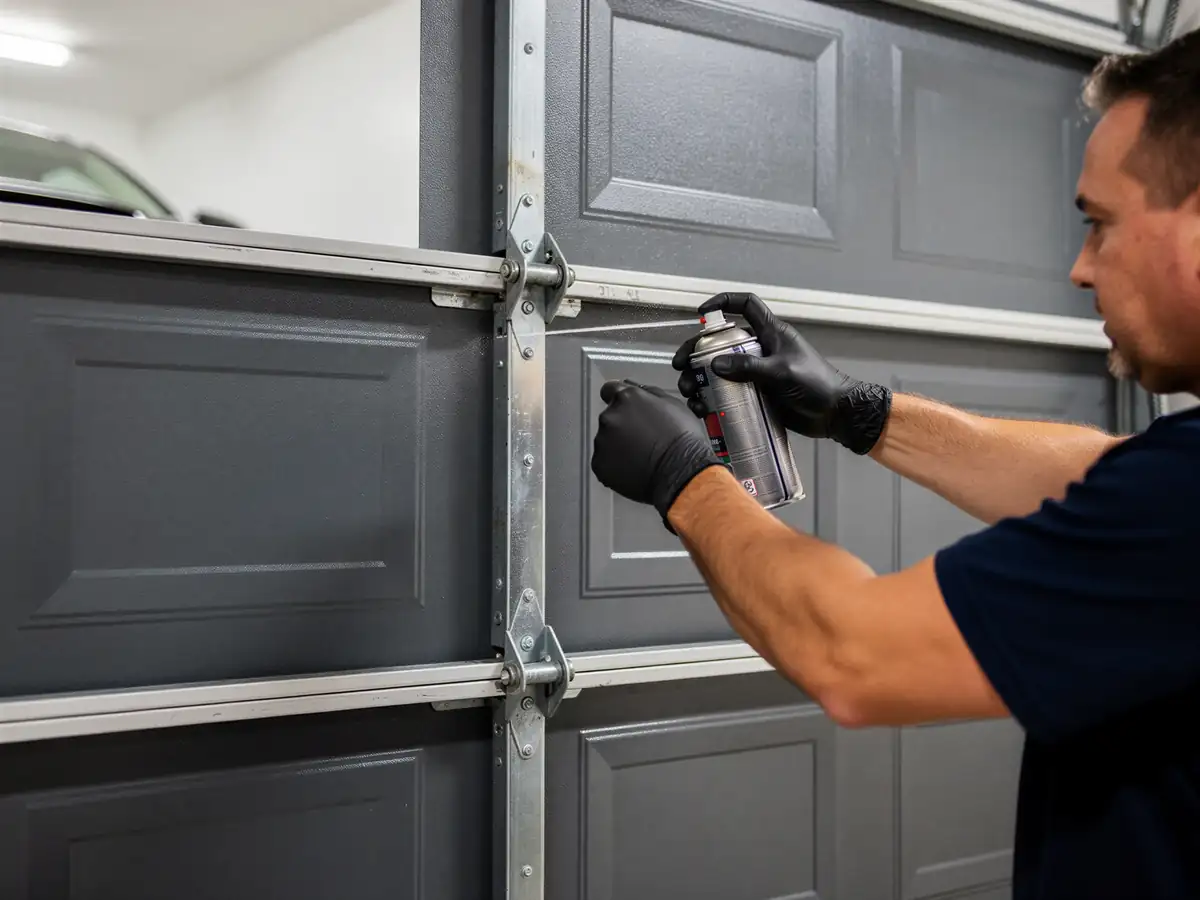
The most common call out of Prairie Creek is a door that stops partway, usually because a cable has frayed through on one side and the door is hanging crooked in the track. Builders working the 1990 wave of this area leaned on a fairly narrow set of torsion spring winds and steel track widths, so when a door starts binding or slamming the last six inches, it's almost always one of three things: a worn roller, a cable starting to fray, or a spring losing tension unevenly. None of those get better by running the opener harder - that just finishes the job the wear already started, and turns a cable swap into a torn track.