Stocked Parts
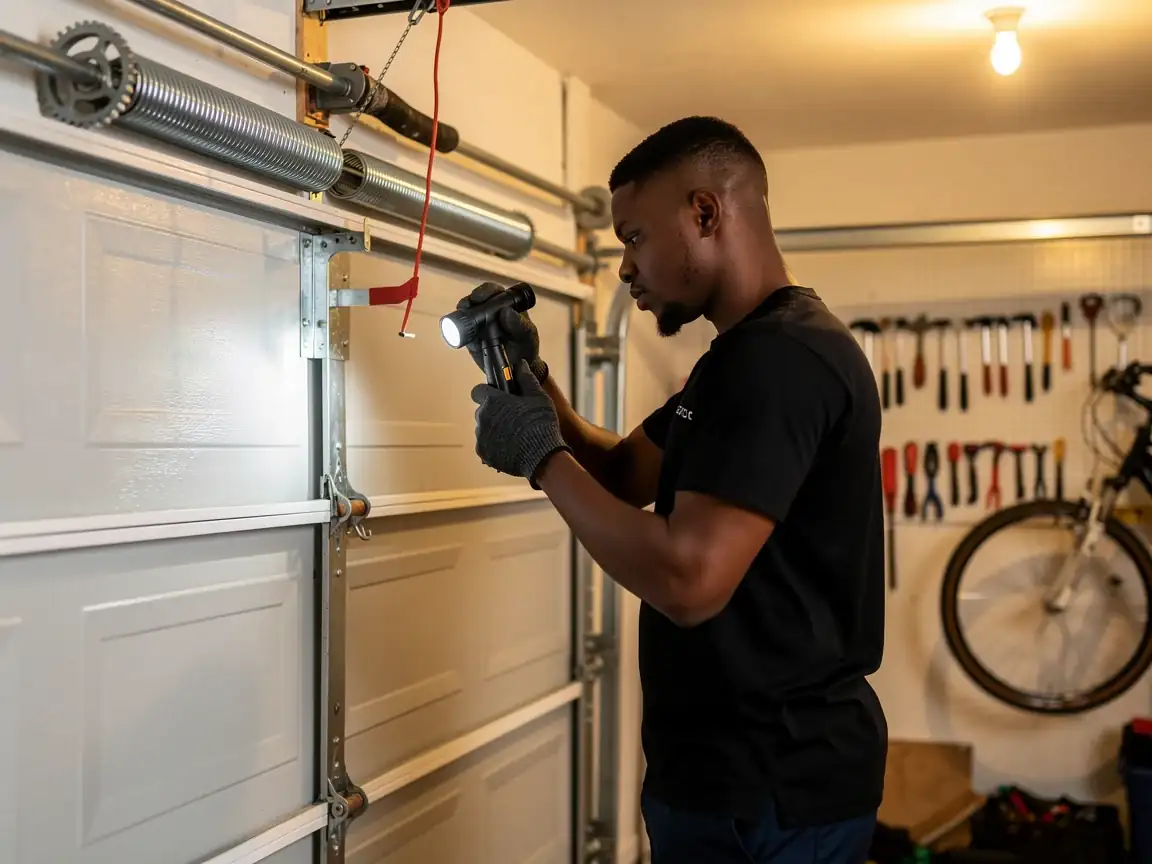
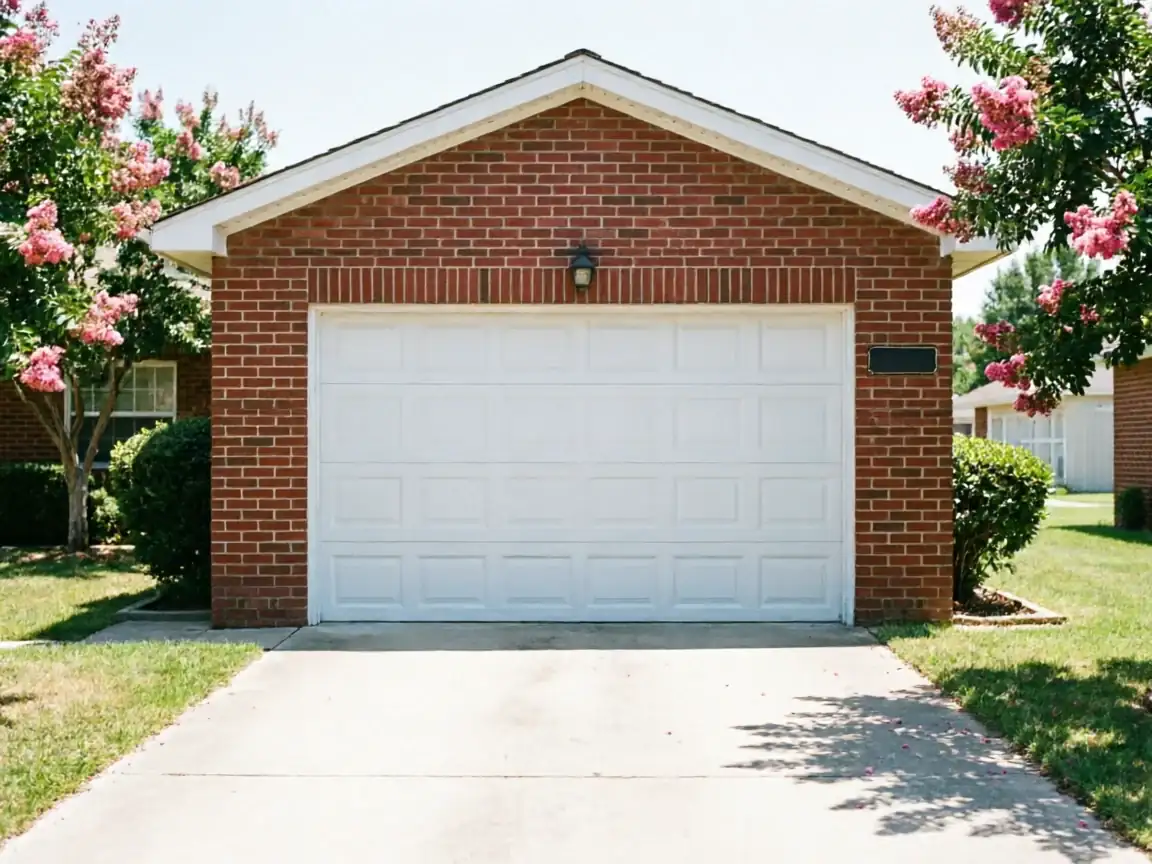
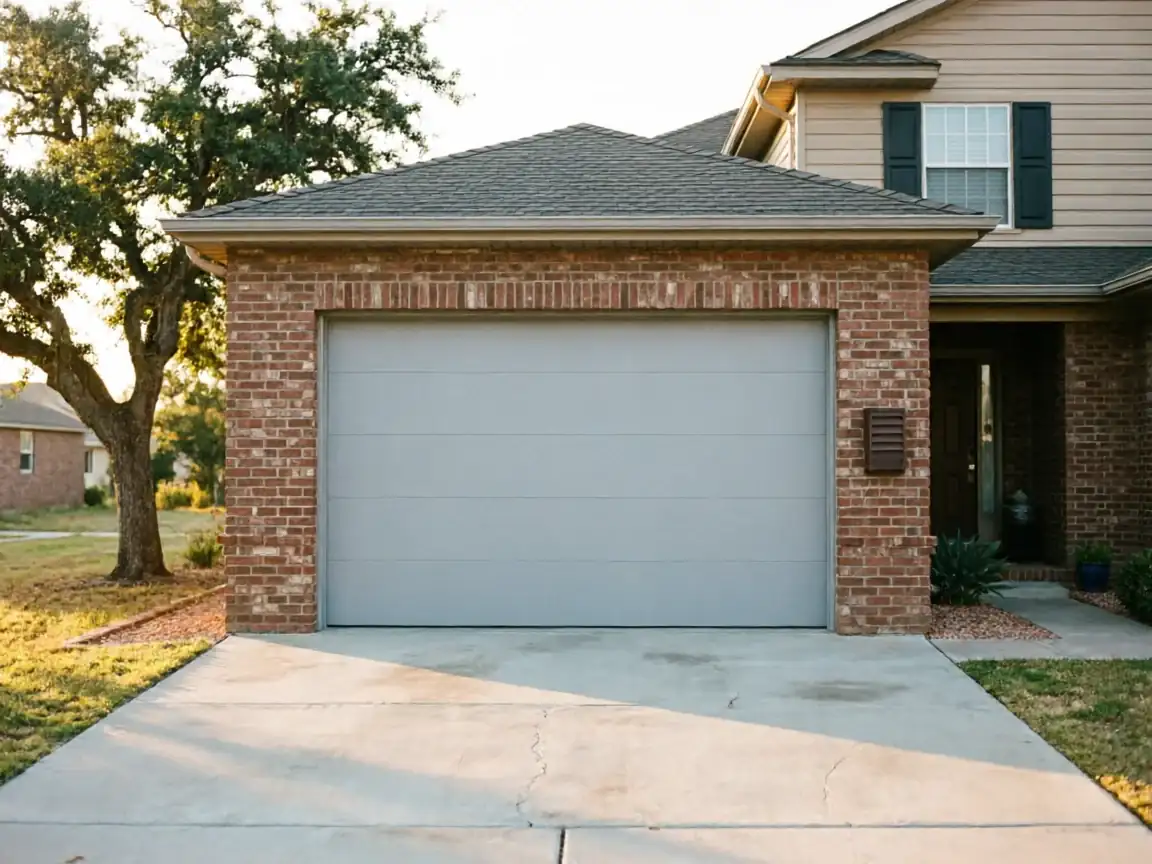
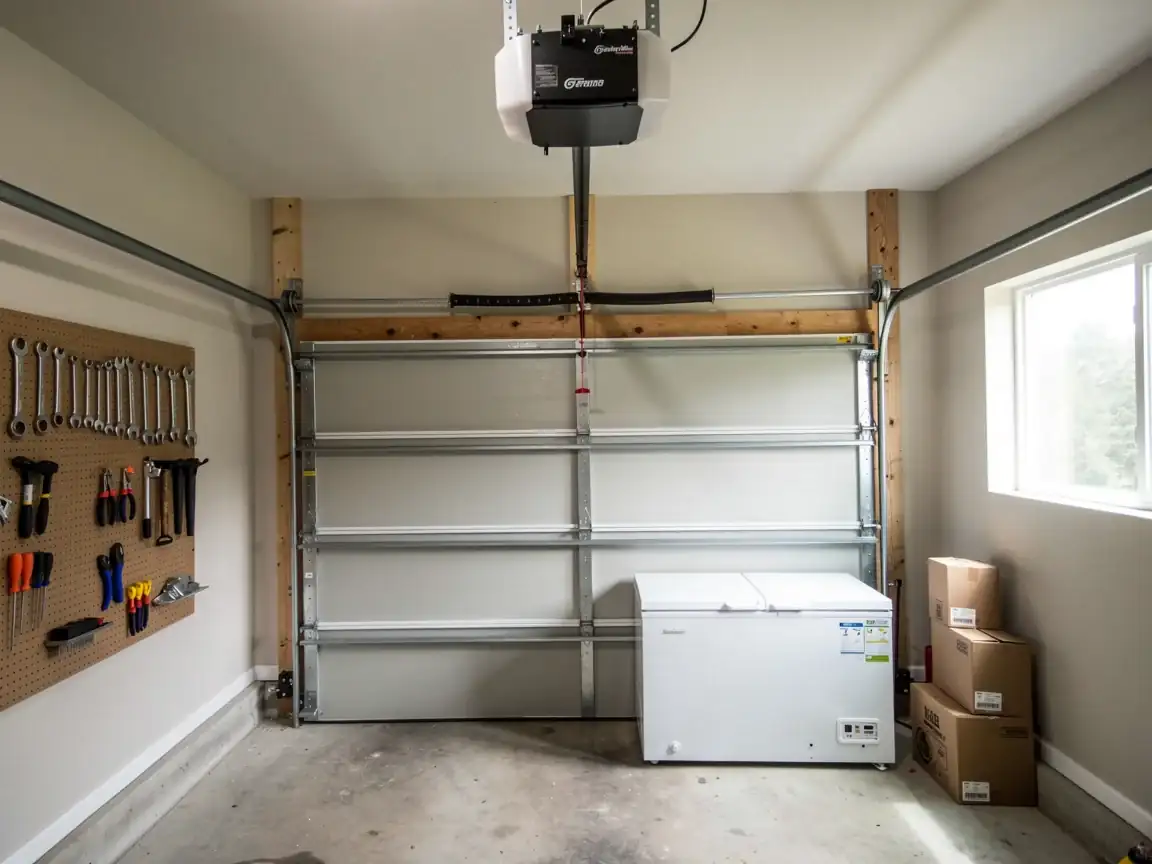
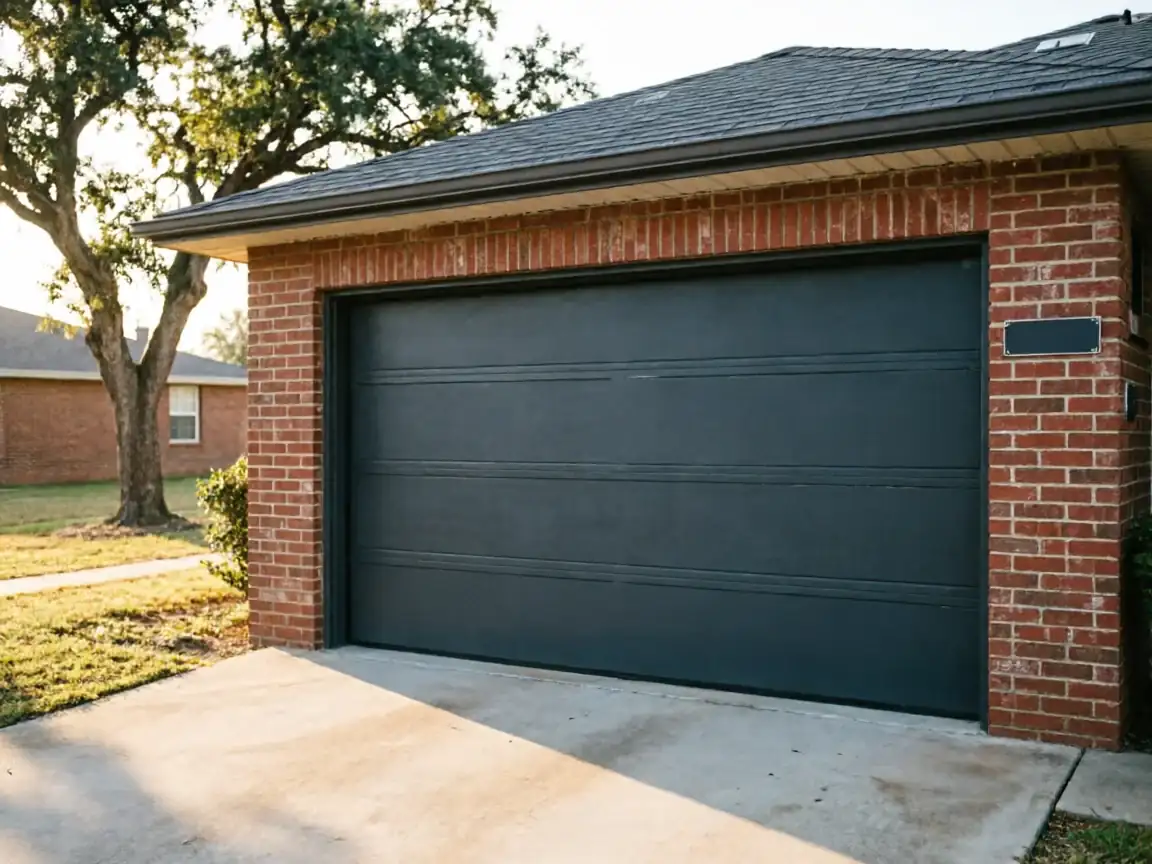
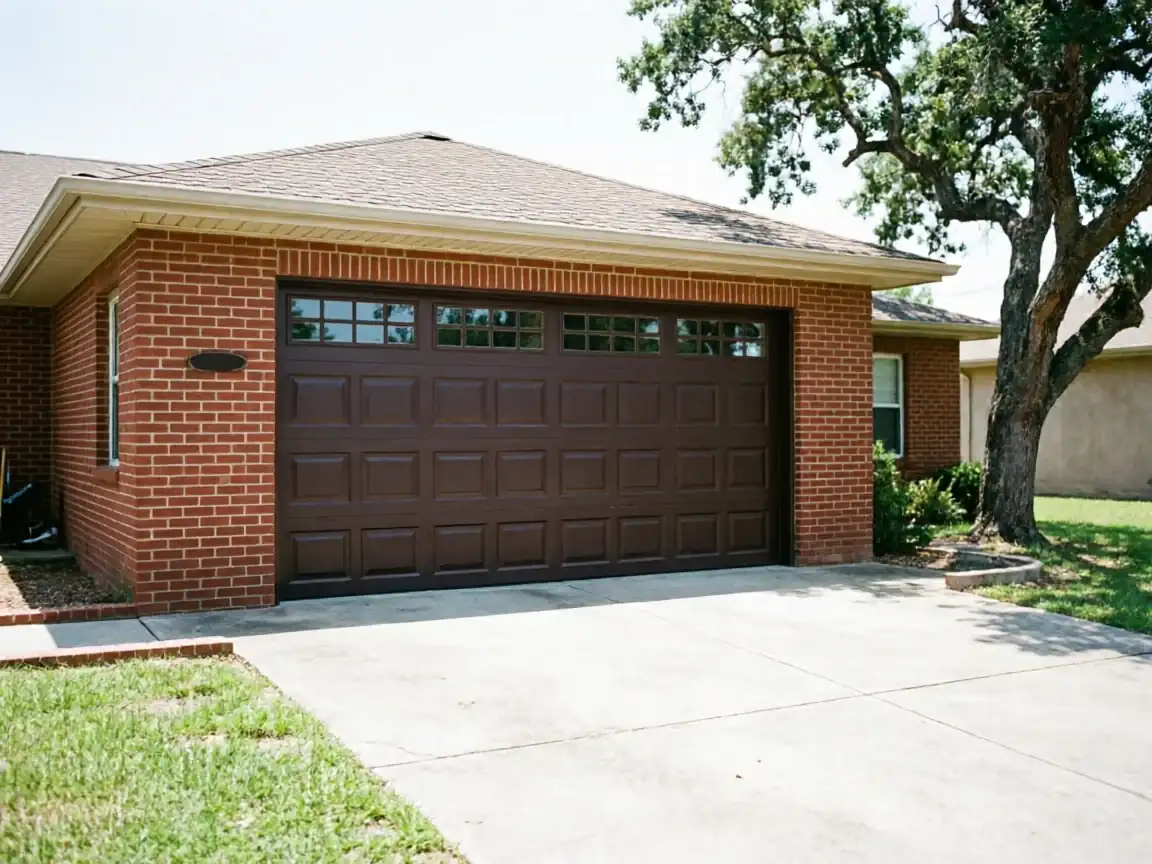
Because the housing stock through this part of the service area clusters in the late 1980s and 1990s, we keep torsion springs sized for that era's standard door weights on the truck, along with the matching cable gauge, galvanized rollers, and center bearing plates. A 914-household area like Prairie Creek doesn't generate enough call volume on its own to justify a dedicated parts depot - we don't have one here, and we're not going to pretend otherwise. What we do stock is the hardware that fits what's actually on these houses, so a torsion spring replacement or a cable swap on a 1990s steel sectional door doesn't turn into a second trip while we order a part.
How to Book
Call and tell us the door's age if you know roughly when the house was built - for Prairie Creek that's usually enough to tell us what hardware we're bringing before we leave Rogers. We don't run a branch in Prairie Creek itself, so every job here is a truck roll from Rogers, about 5 miles. That's close enough that it doesn't change how we schedule, but we're not going to claim a response time we can't back up with a local crew sitting on standby in town.
Doing It Yourself
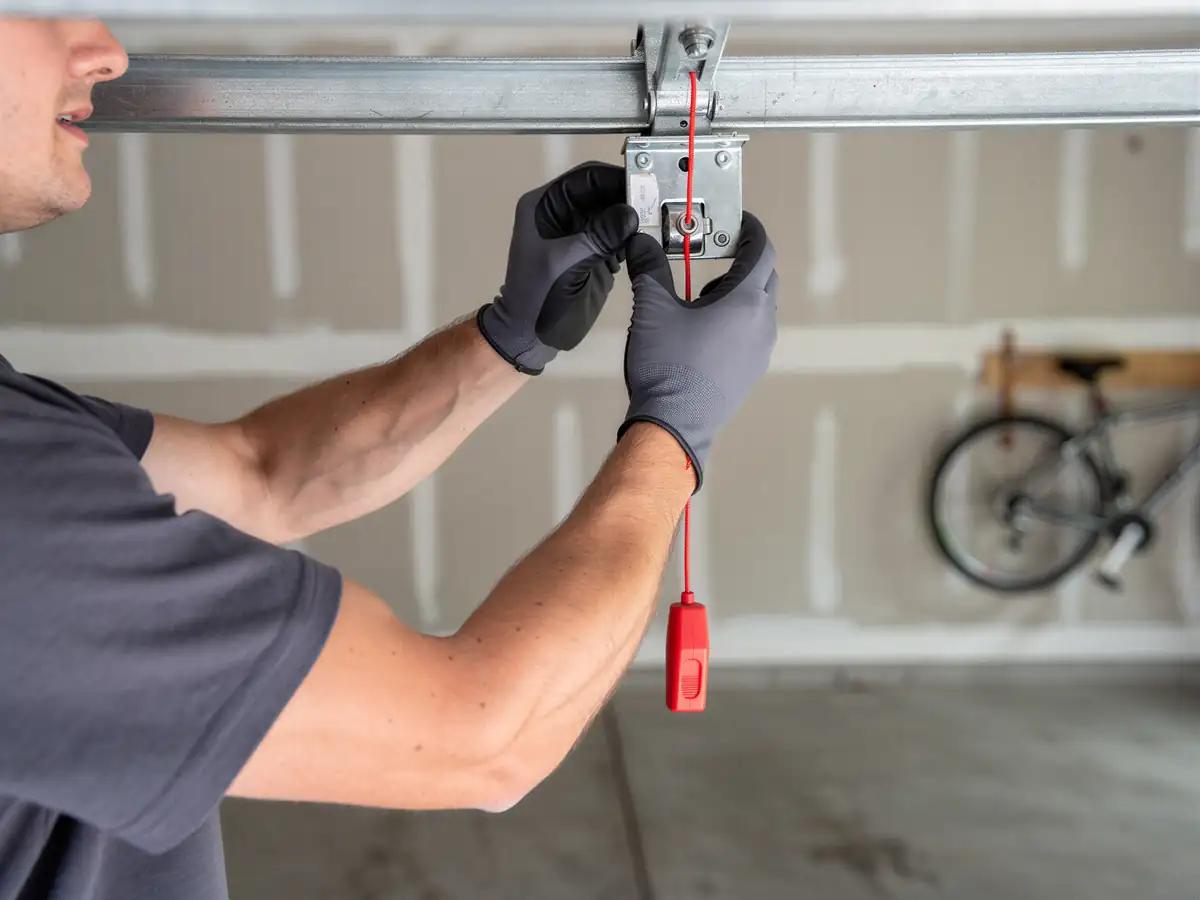
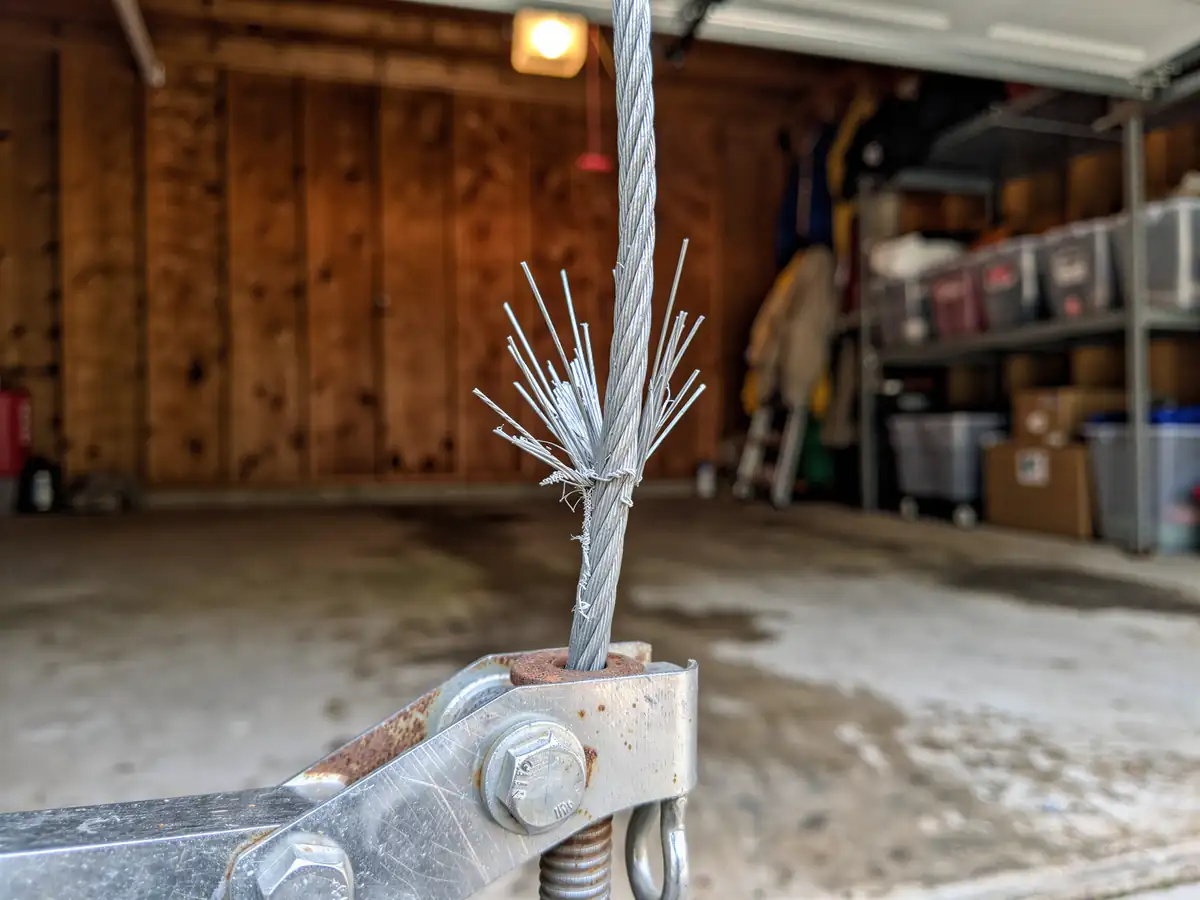
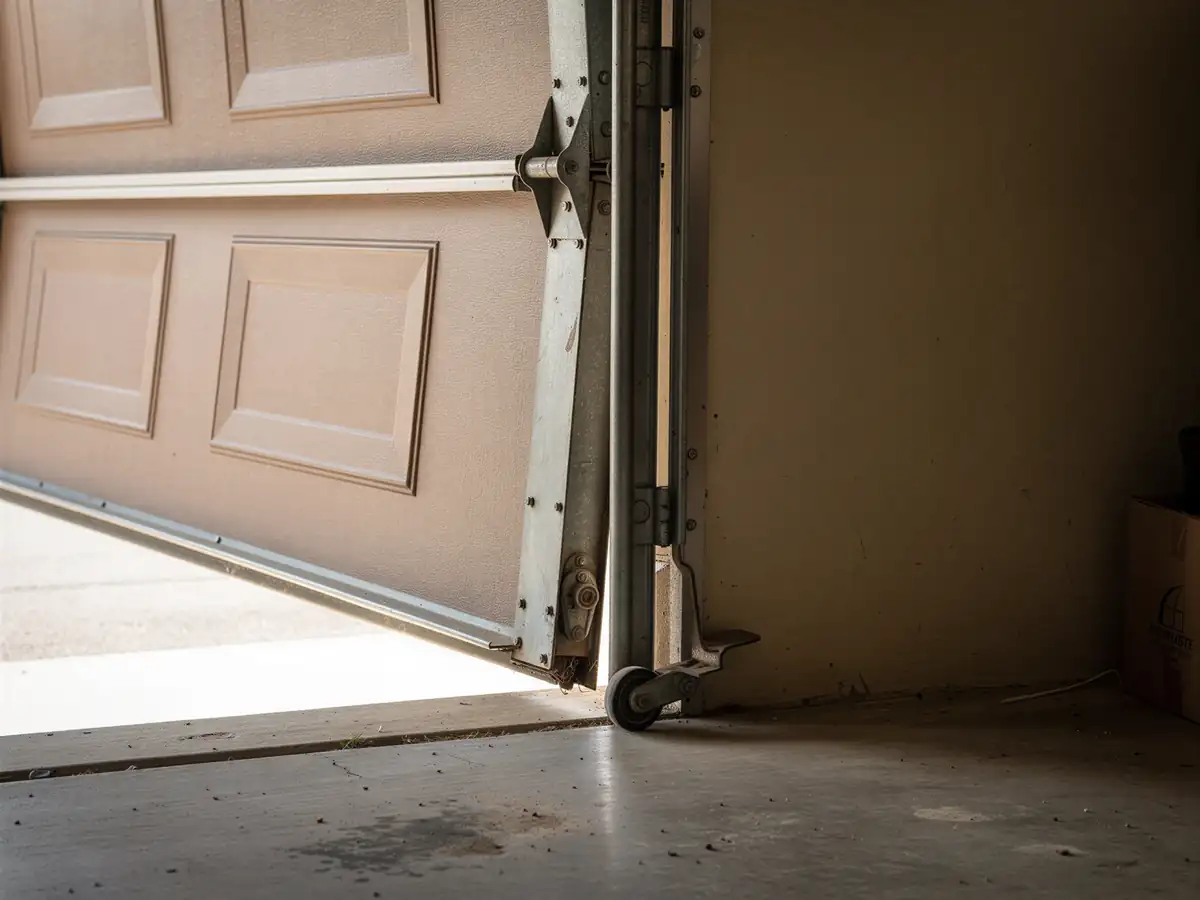
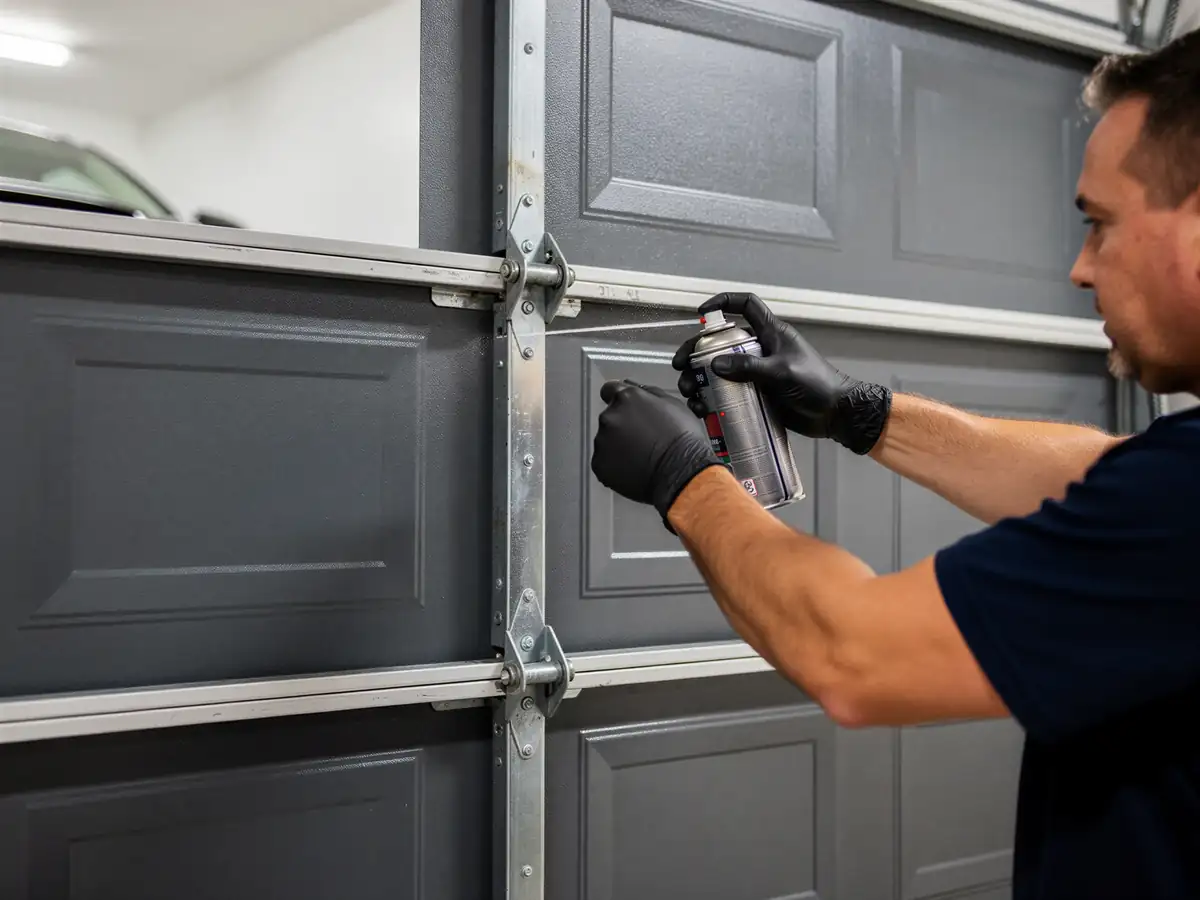
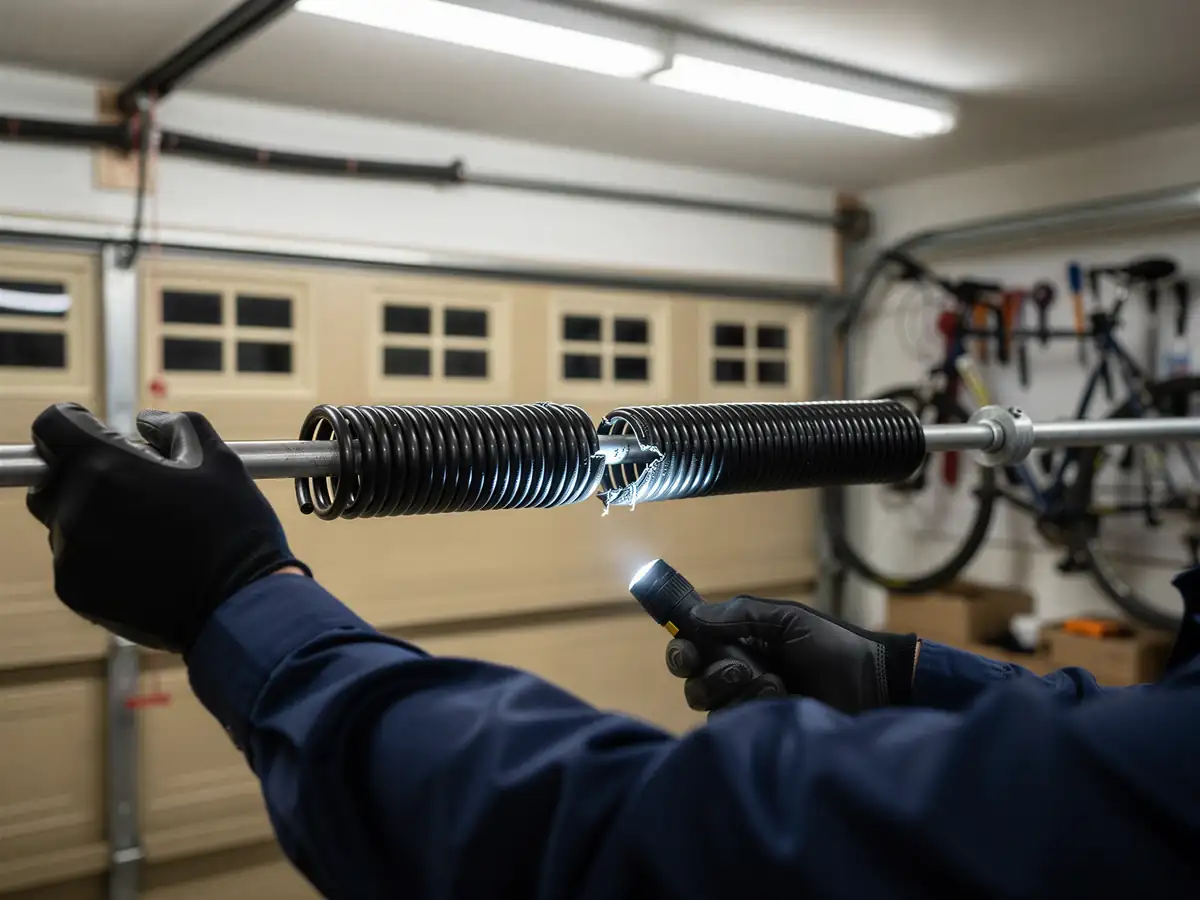
Lubricating hinges and rollers, checking that the bottom brackets aren't rusted through, and testing the auto-reverse safety feature are all things you can do yourself on a door from this era, and we'd rather you did them than ignore the door until something breaks. What you should not do yourself is touch the torsion spring. A spring sized for a double door built around 1990 is wound under enough tension to cause a serious injury if the winding cone slips, and there's no shortcut version of that job that's actually safe. If the door is sagging on one side or the cable has frayed, that's a call, not a weekend project.
The Symptom
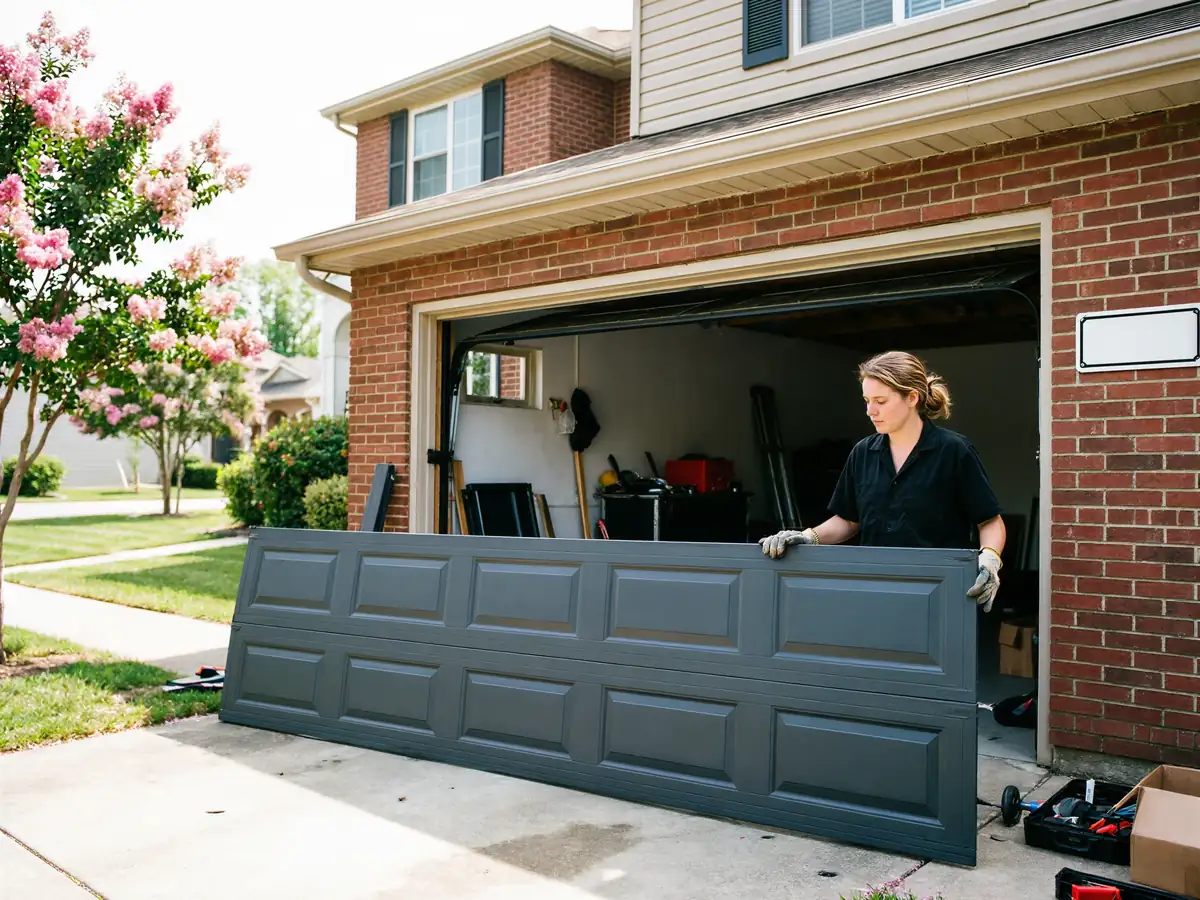
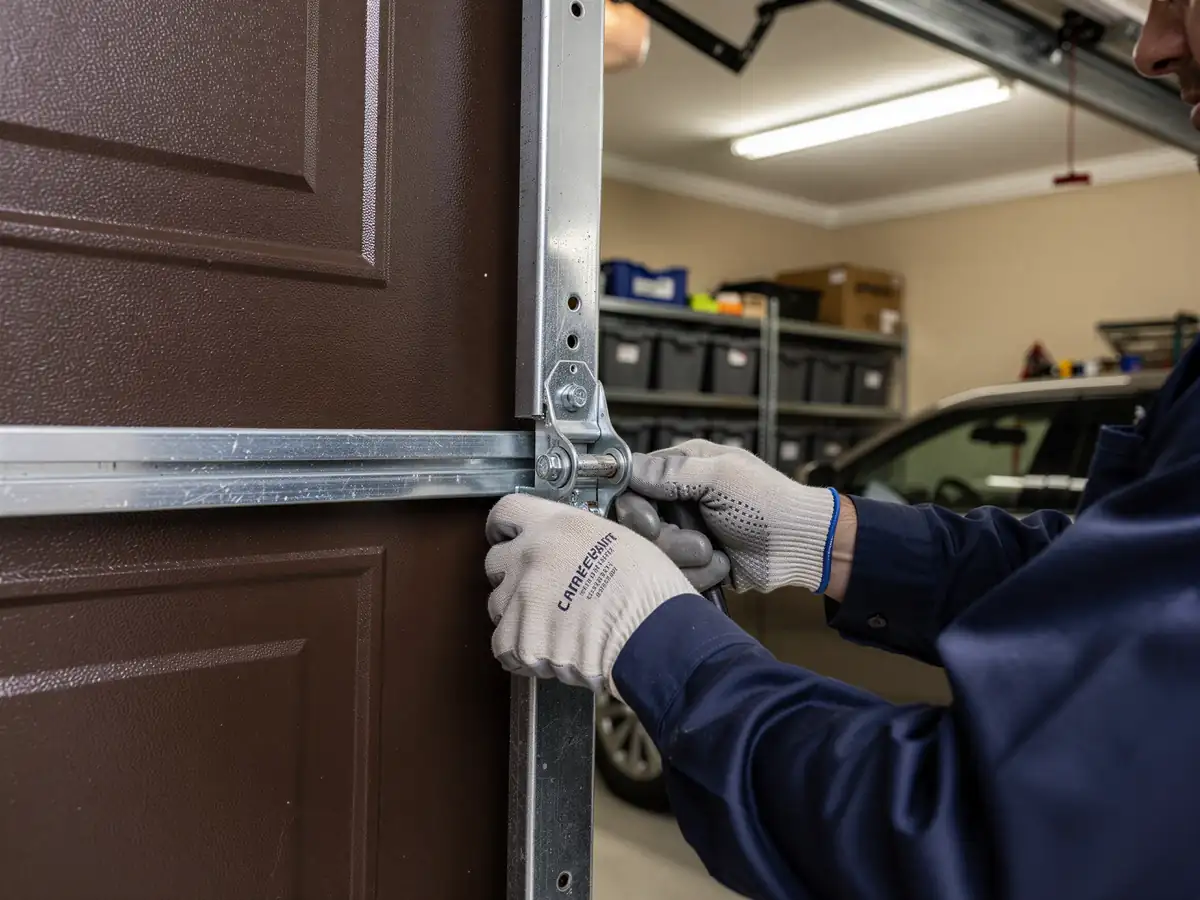
The most common call we get from this stretch of the service area is a door that won't open past a few inches, or one that slams down instead of lowering on its own weight - both classic signs of a broken or weakening torsion spring on a steel sectional door of this age. A close second is a grinding or popping sound from the shaft area right before the spring lets go entirely. Less often, but still real on original hardware, is a bottom bracket that's worked loose enough that the cable starts riding off the drum. None of these are things to keep opening the door through - a spring that's already strained enough to fail once a day makes the cable, rollers, and opener motor work harder than they're built for.