The Complications
Prairie Creek sits about five miles from our shop in Rogers
Which is close enough that a measure-and-quote visit and the install itself can usually happen on two separate trips without burning a whole day on the road. That short drive matters less for speed and more for flexibility - we can swing back out for a second look at an opening before we cut a check or order a door, instead of guessing dimensions over the phone.
The bigger factor is what's actually on the house
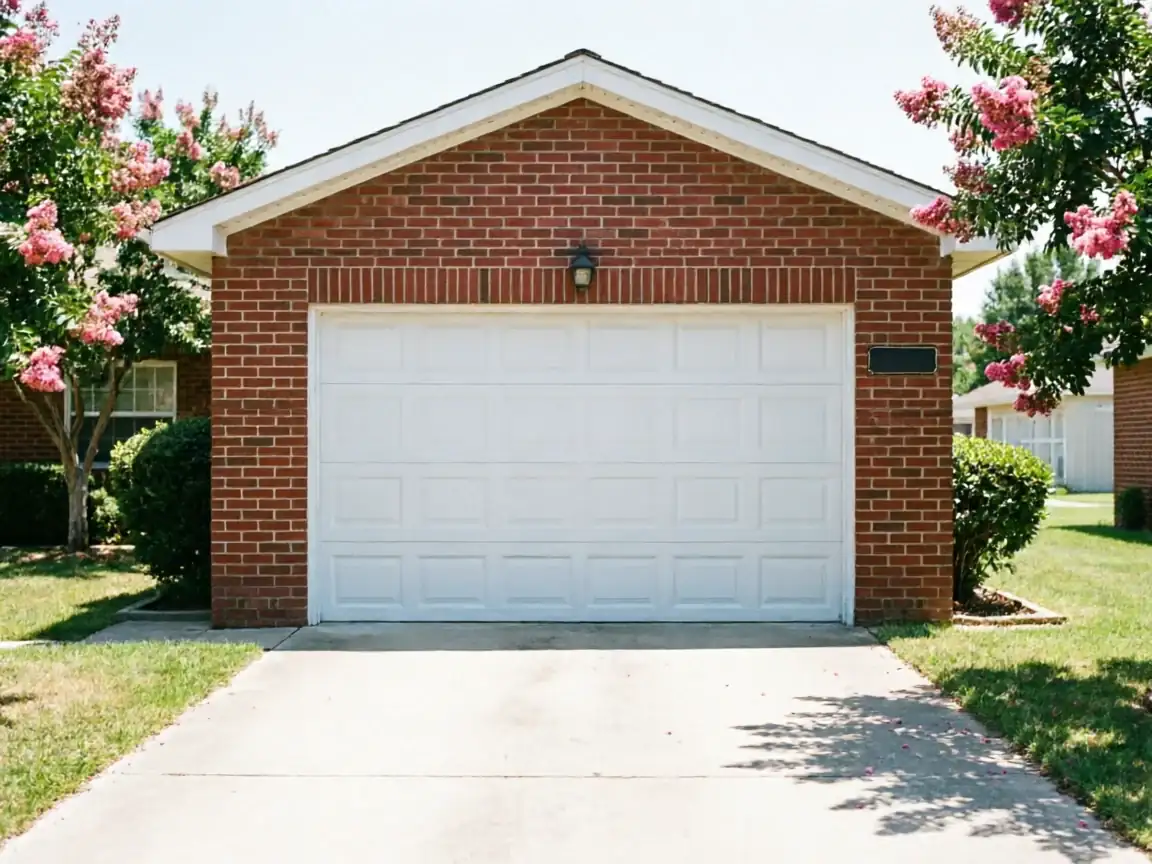
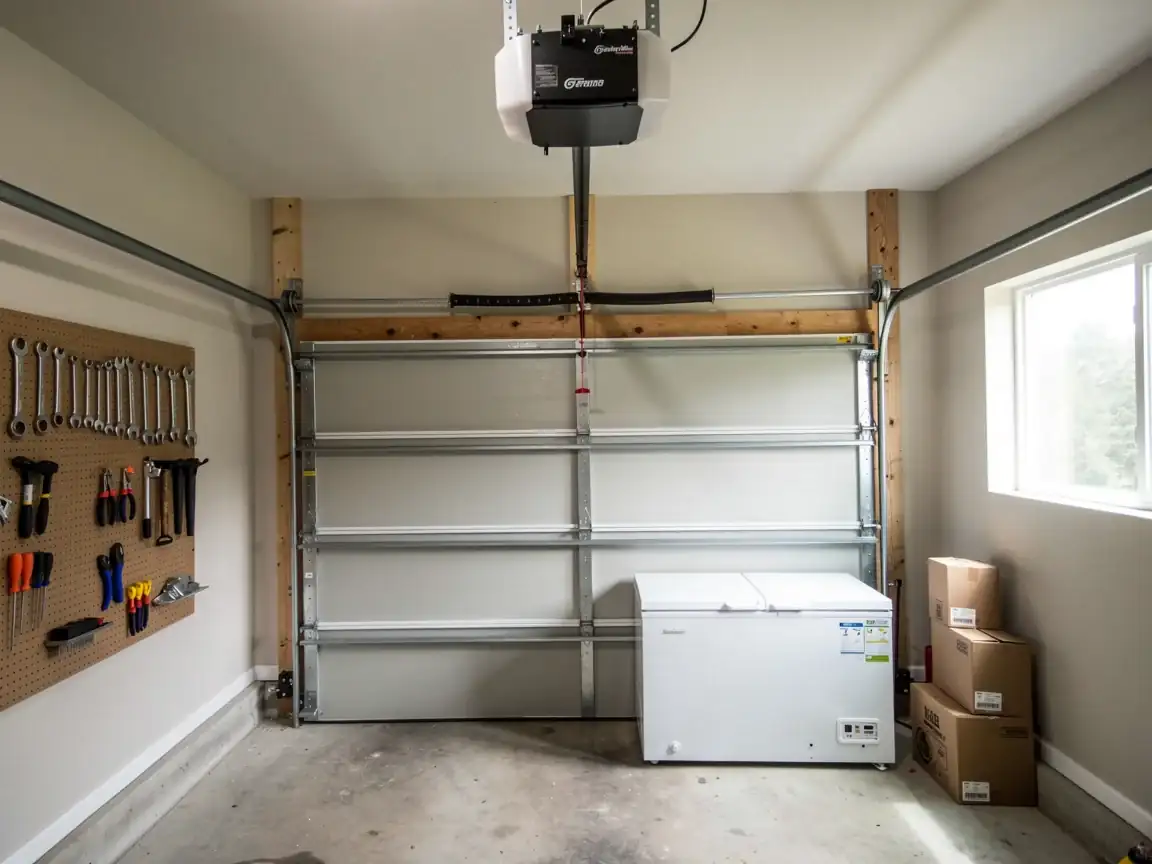
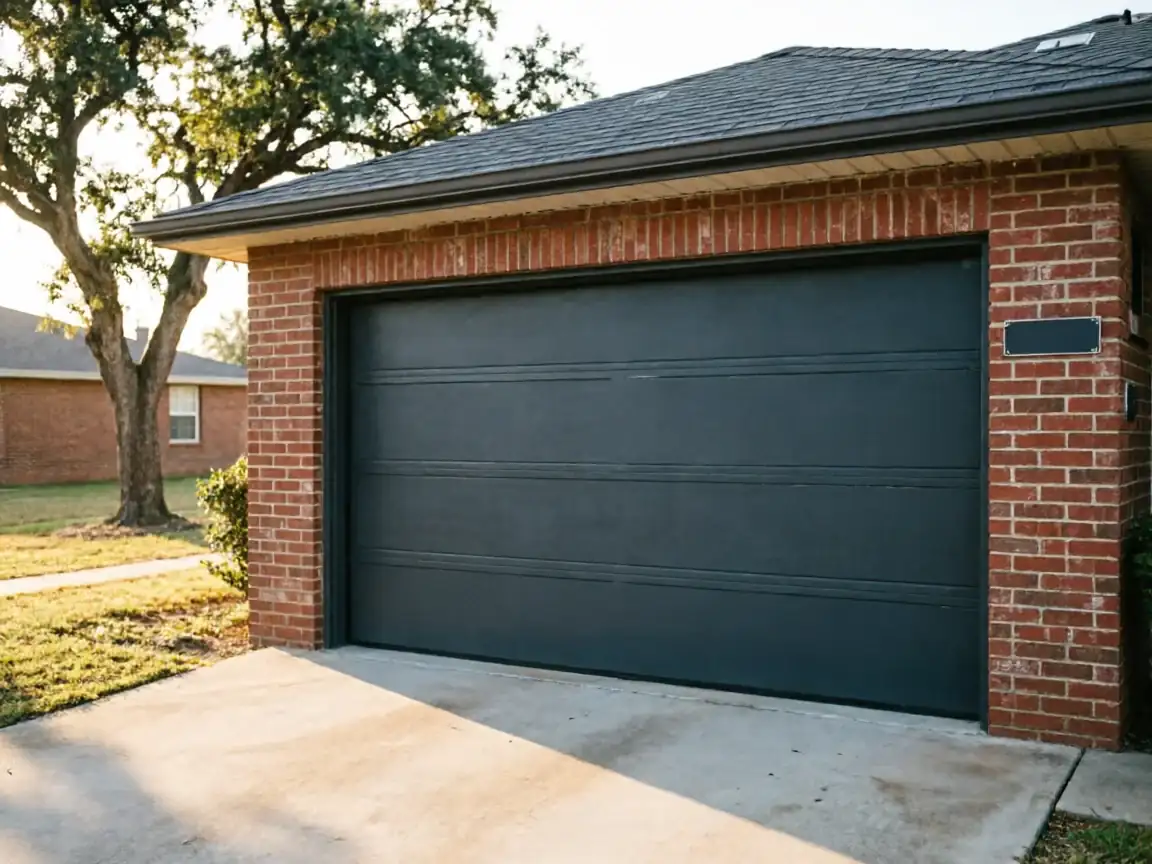
Most of Prairie Creek went up around 1990, which puts it squarely in the era of steel sectional doors on openings built to builder-grade specs of the time - often 7-foot headroom with little room to spare for a thicker insulated section or a modern torsion spring setup. If your opening was framed for a thin, non-insulated door back then, swapping in a heavier insulated panel sometimes means adjusting the track radius or upgrading the spring size, not just bolting on a new door. We check headroom and backroom before we quote anything, because guessing wrong here means a return trip and a redo.
Stocked Parts
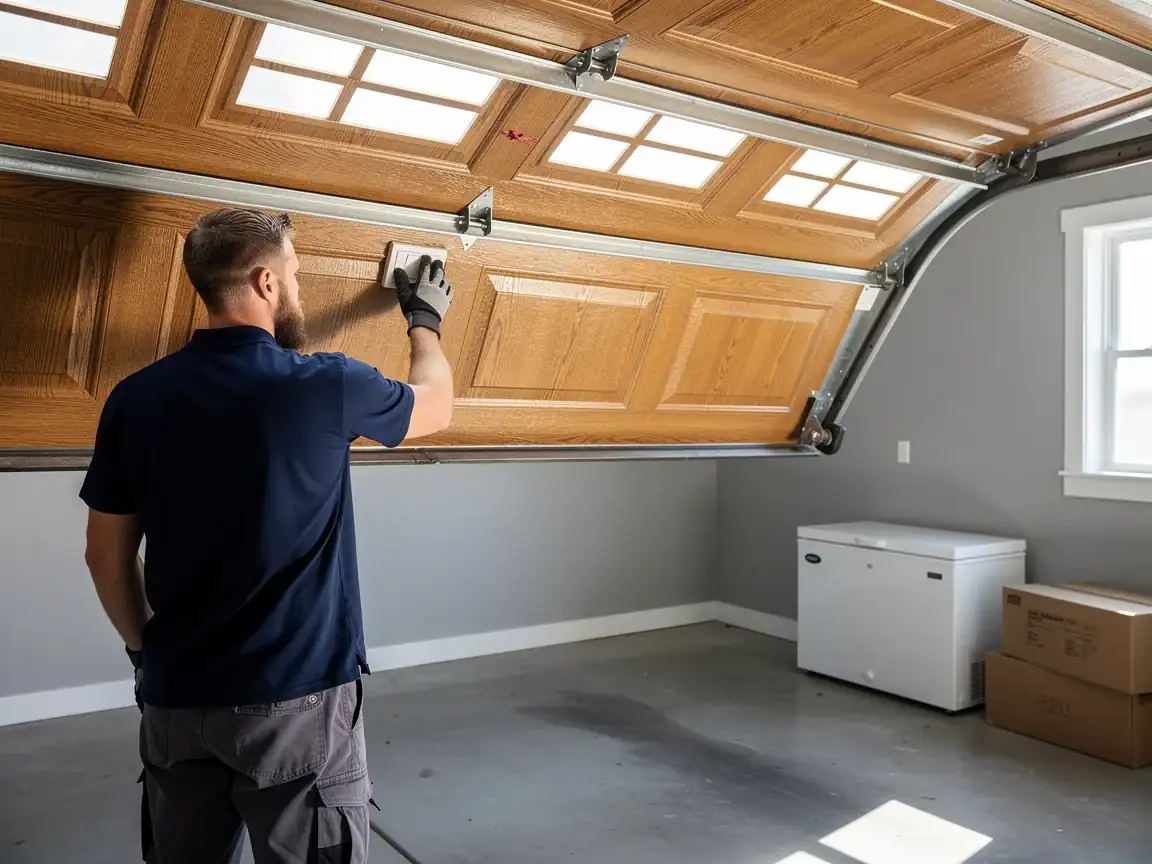
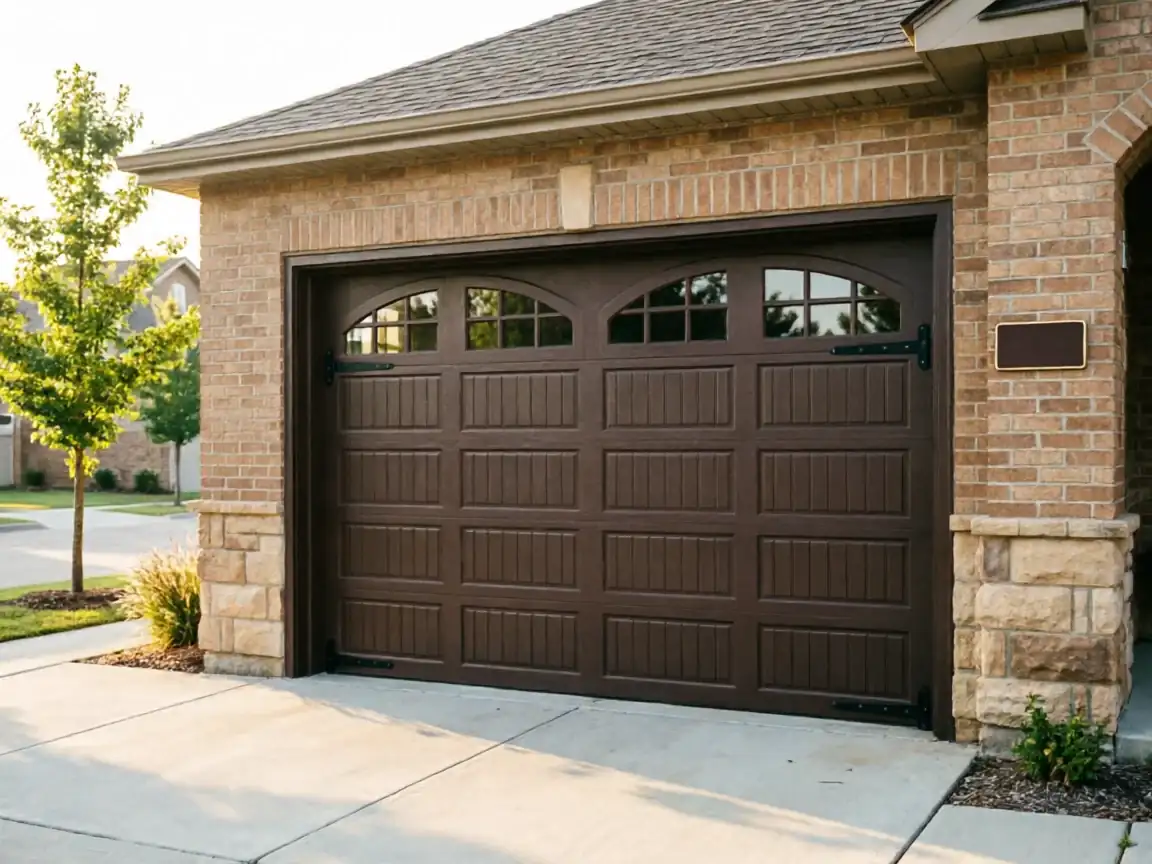
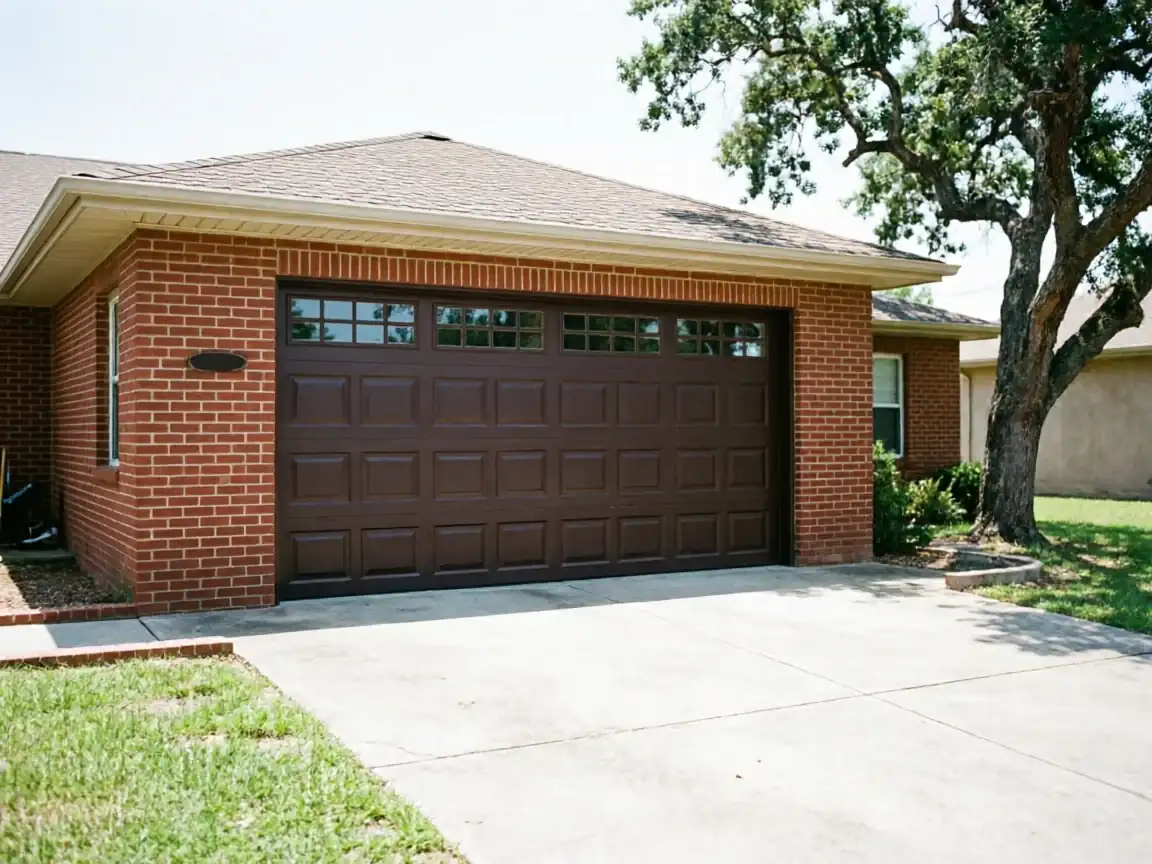
Because the run from Rogers is short, we load the truck for Prairie Creek jobs with the sizes we see most on 1990s-era openings here - standard 16x7 and 9x7 steel sections, torsion springs sized for that door weight, and standard-lift track hardware. What we don't carry as stock are custom widths, glass-panel inserts, or specialty finishes; those get special-ordered once we've confirmed your exact opening, and that adds lead time on top of the install day itself.
We'll tell you up front at the quote whether your door is a stock size or a special order, so there's no surprise when the timeline runs longer than you expected.
How to Book
Booking a new installation in Prairie Creek starts the same way it does across the area we cover from Rogers: you reach out, tell us the rough age and size of your current door, and we schedule a measure visit. From there we quote the door and hardware, you approve it, and we schedule the install once the unit is in. See our Prairie Creek service area page for what else we handle out this way, or the main Rogers installation page for the full rundown of install options we offer.
How Long You Are Without the Door
On install day itself, a straightforward swap
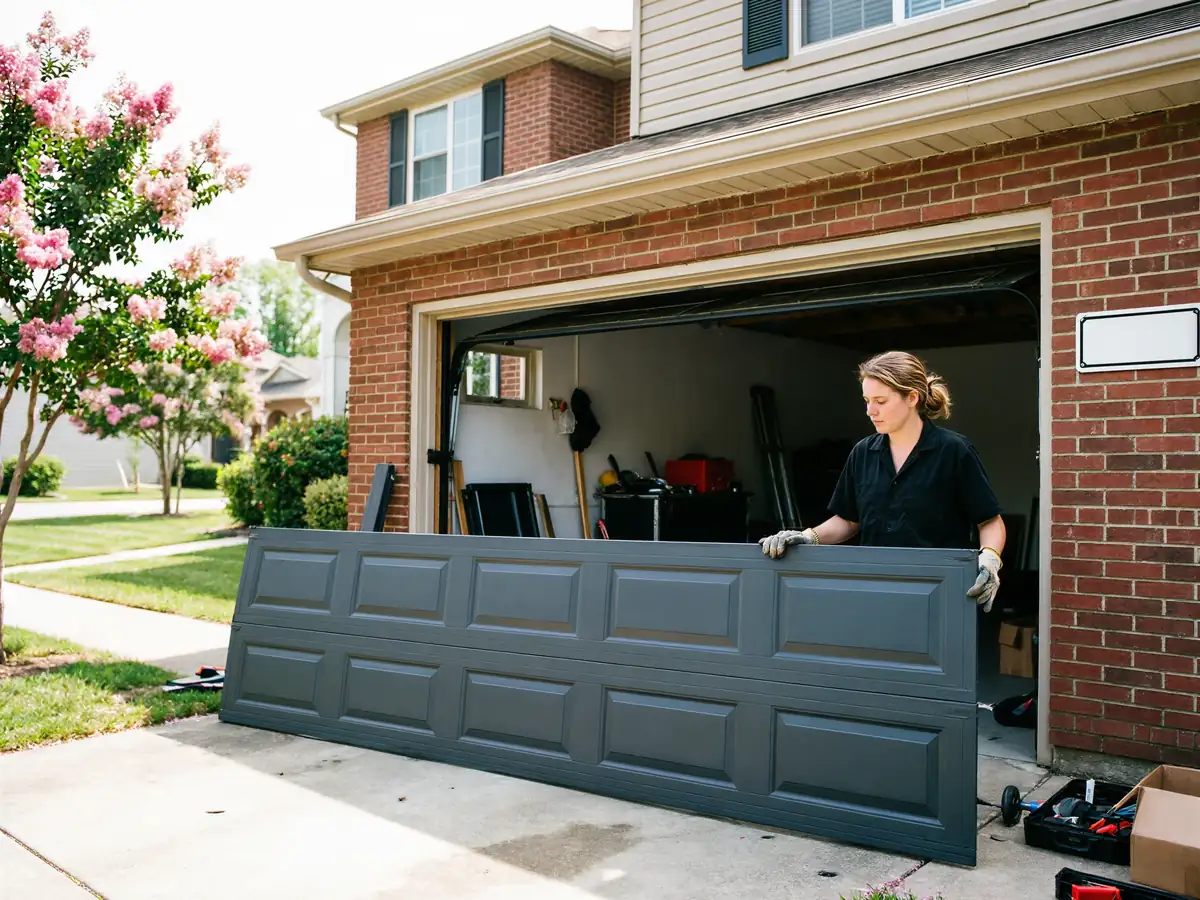
Same opening size, stock door, no structural surprises - usually wraps in a few hours and your garage isn't open and unsecured overnight. The honest limitation is the time before that day: if your door turns out to be a non-standard width, which does happen on some of the older openings in Prairie Creek's 1990-ish housing stock, the door itself has to be special-ordered, and that wait is outside our control.
We'd rather tell you that at the quote stage than have you planning around a date we can't guarantee
Doing It Yourself
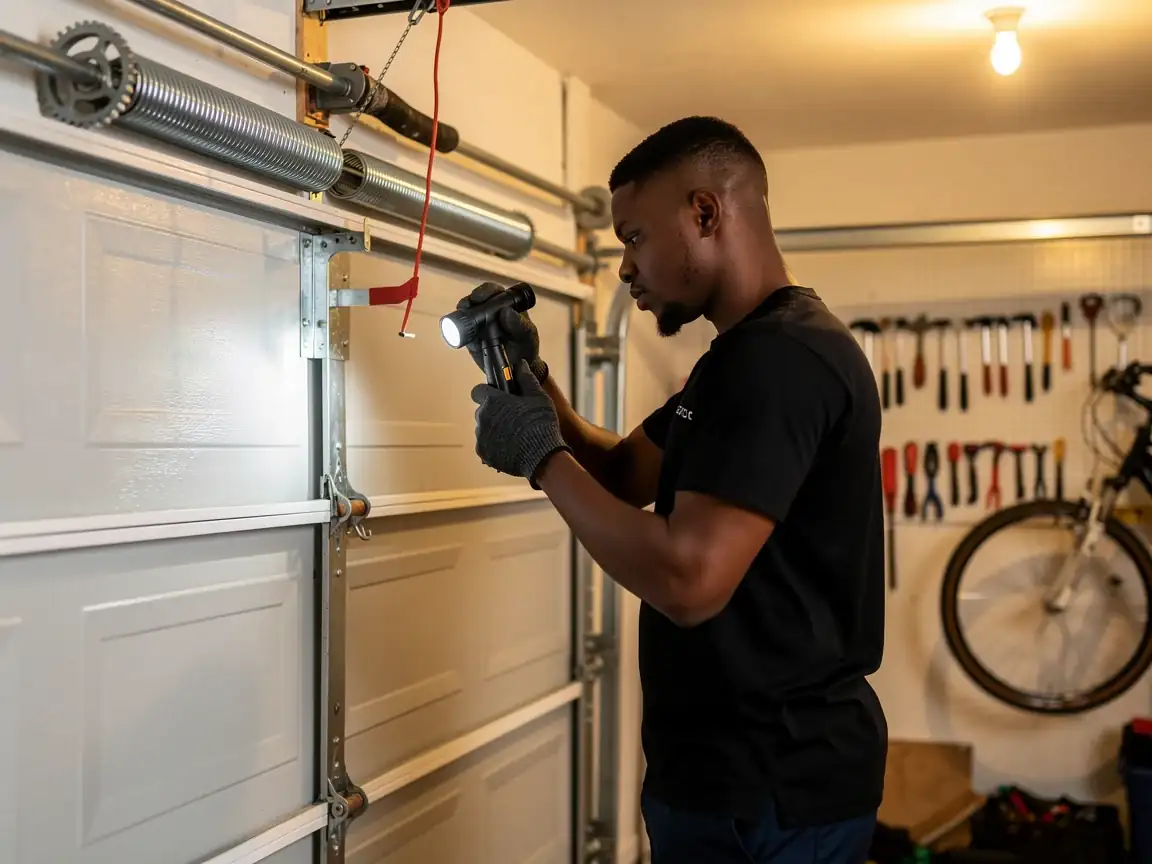
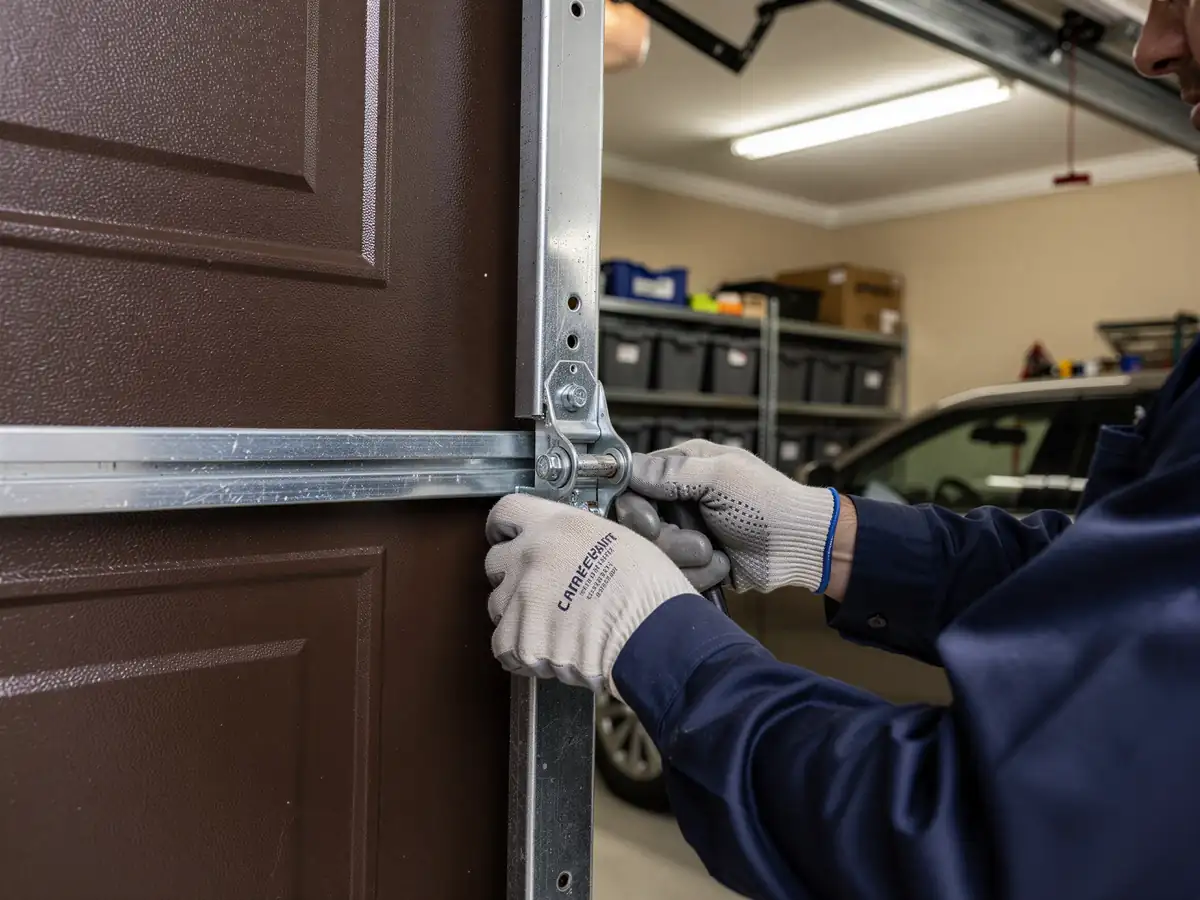
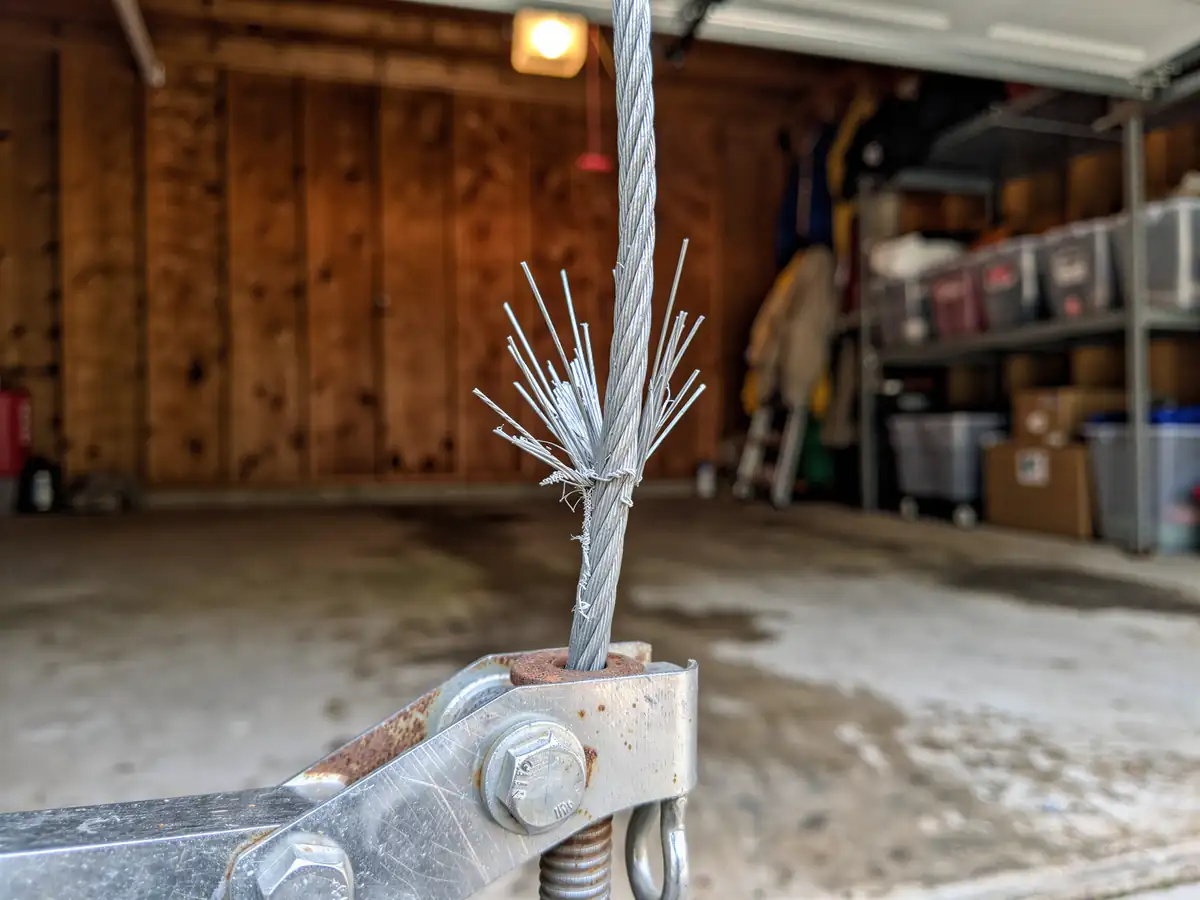
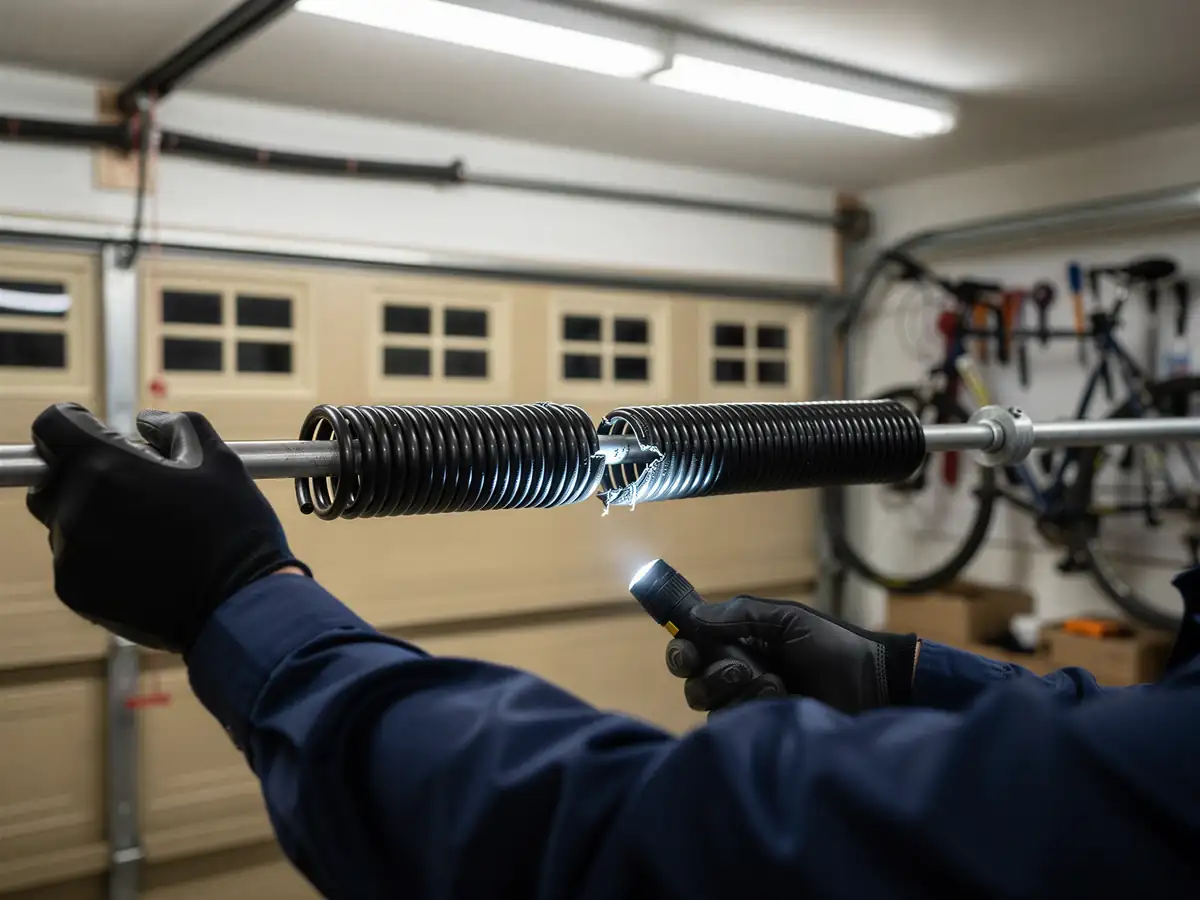
A torsion spring under full tension can put someone in the hospital, and that risk doesn't change because your house is only five miles from our shop instead of fifty. If you're comfortable swapping weatherstripping or tightening hinge bolts, go ahead - that's reasonable DIY territory. Spring replacement, cable work, or anything involving removing the old door off its track is where we tell people to stop and call, full stop. It isn't about selling you a job; it's about the math on how much force is stored in a wound spring built for a door that size.
The Symptom
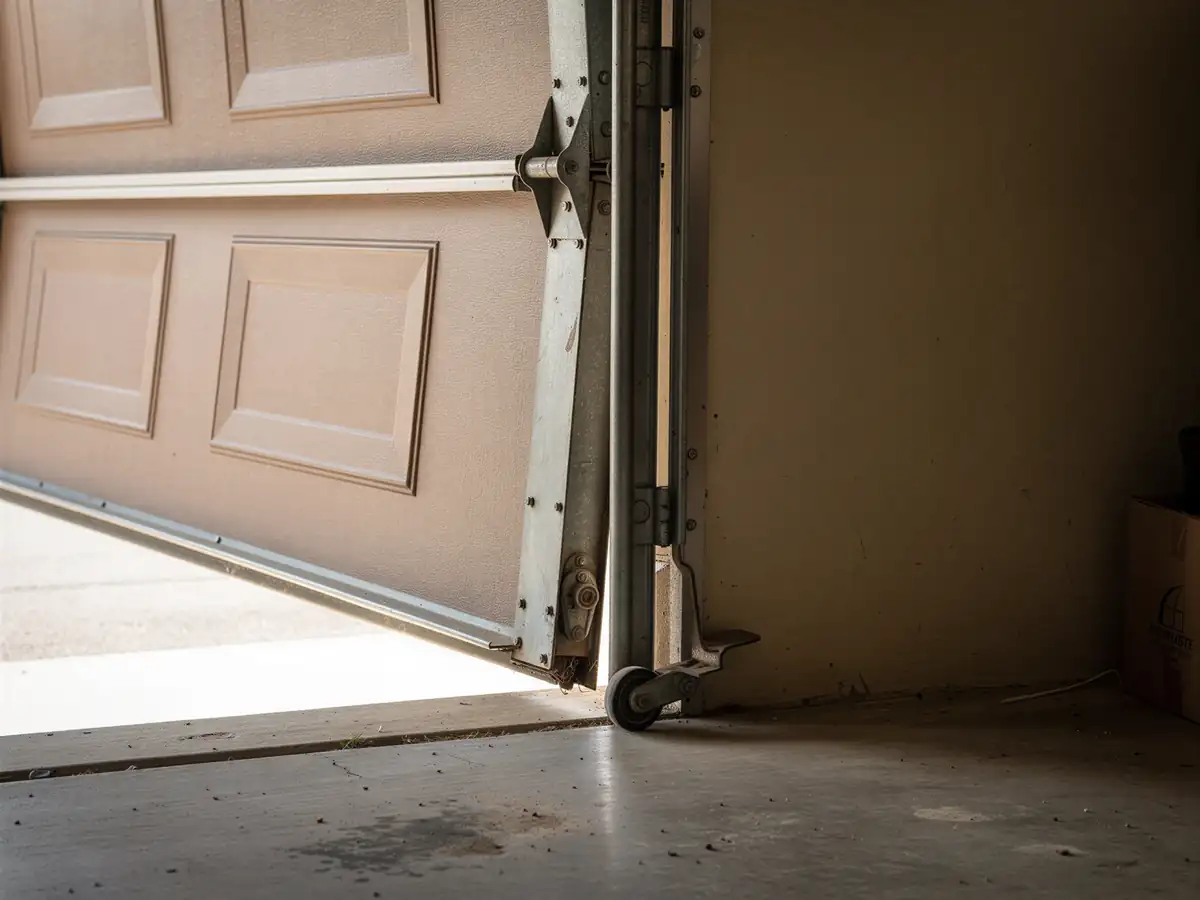
If your door is sagging at the bottom corners, won't seal flush against the slab, or the opener strains and reverses partway up, that's usually the door itself giving out, not the opener. On a house built around 1990, a door that's run 30-plus years on its original hardware is well past the point where patching makes sense - the steel thins, the insulation (if it ever had any) breaks down, and the track wears unevenly. At that point a new door, sized and hung correctly for the opening, costs less over time than another round of spring and roller repairs on a door that's circling the drain.