What the Fix Involves
Tontitown's median household income sits at $80,987
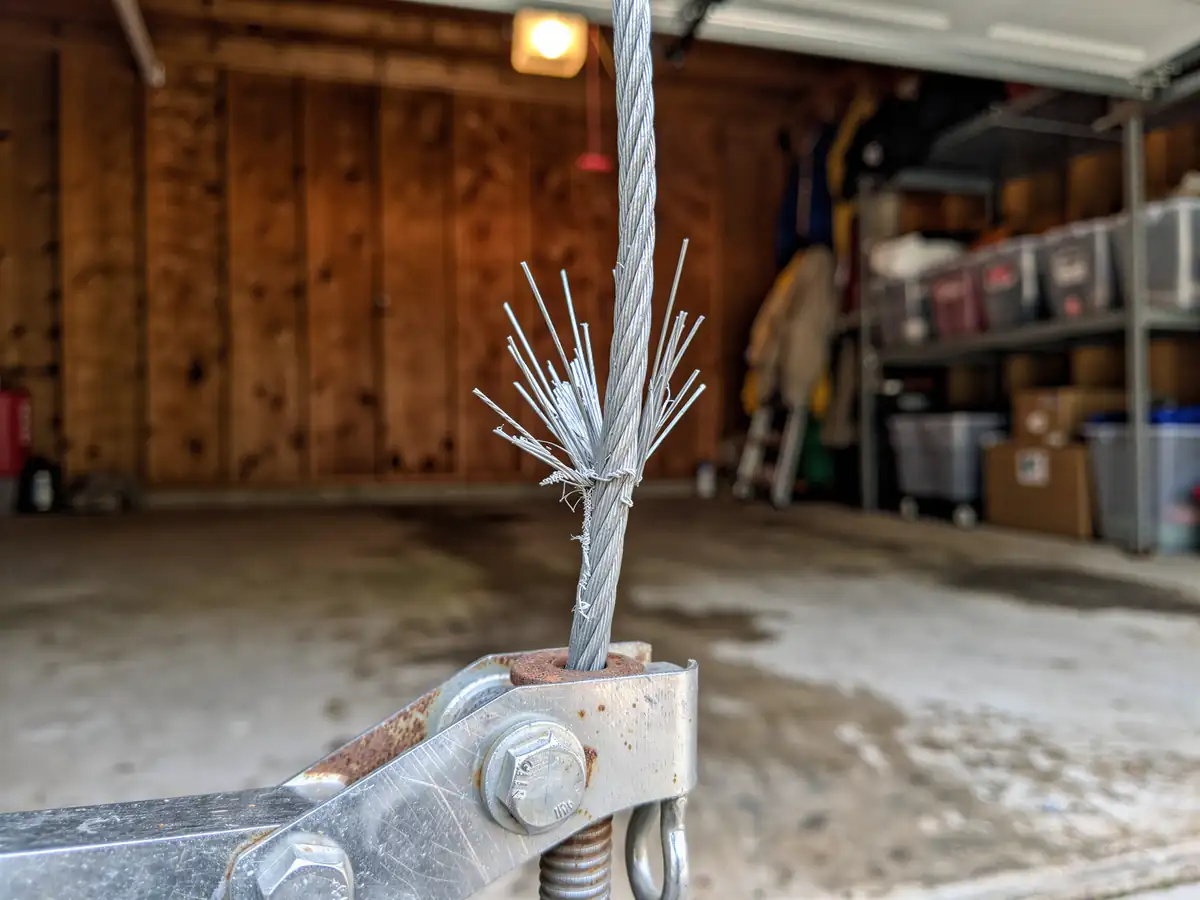
A notch below the $87,150 median across the wider Rogers service area. That gap matters here because it's exactly the kind of number that decides whether a job is worth fixing or worth replacing. A snapped or frayed lift cable is almost always a repair call, not a replacement call - you're swapping the cable, checking the drum it winds onto, and making sure the spring that was sharing the load didn't get damaged when the cable let go. On a budget like the one typical in this area, that's the right math: a cable job costs a fraction of a new door, and a properly tensioned replacement cable will run another decade without complaint.
The work itself is mechanical, not electrical
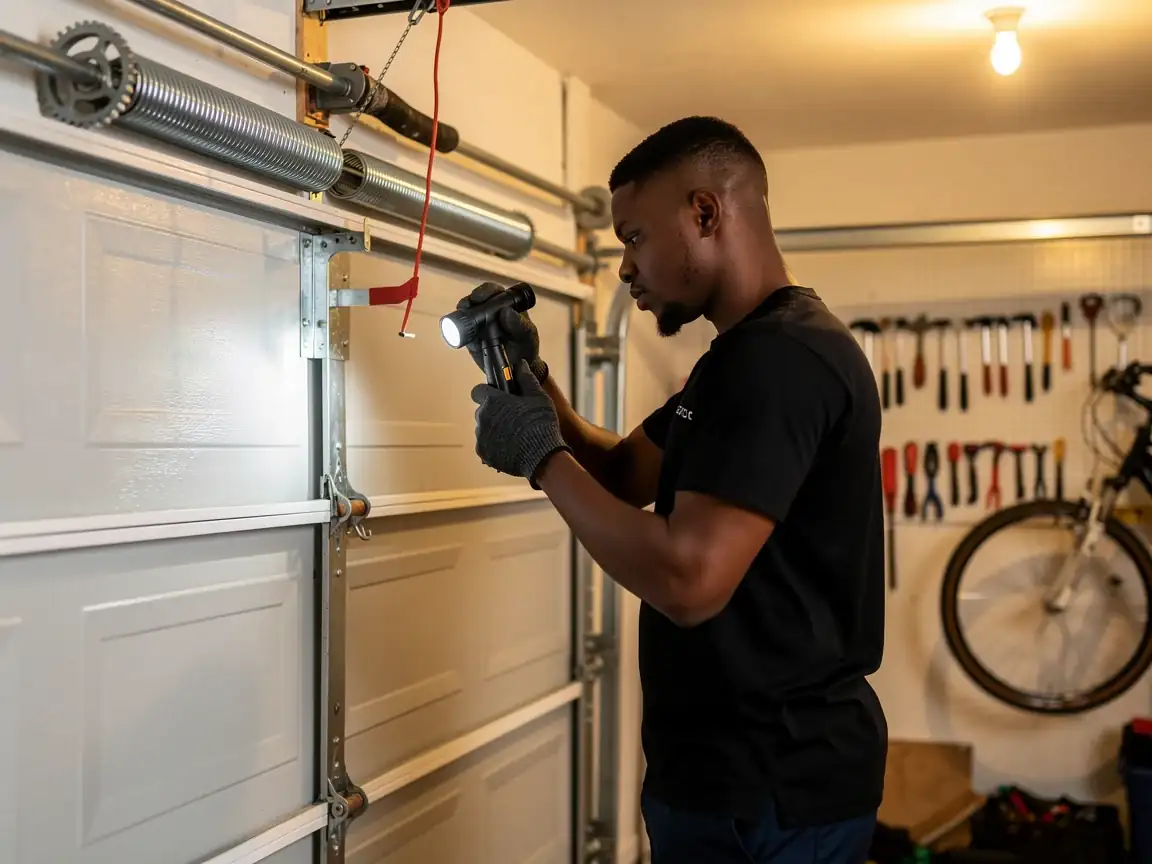
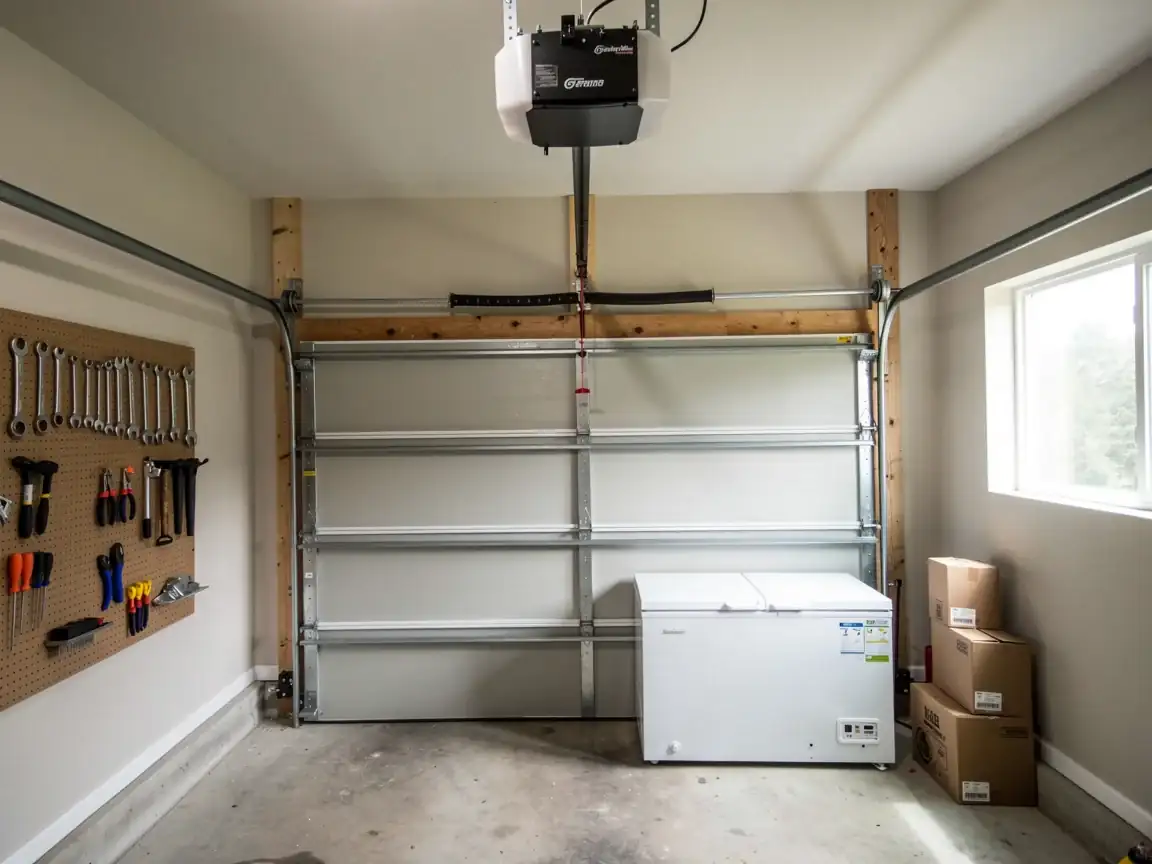
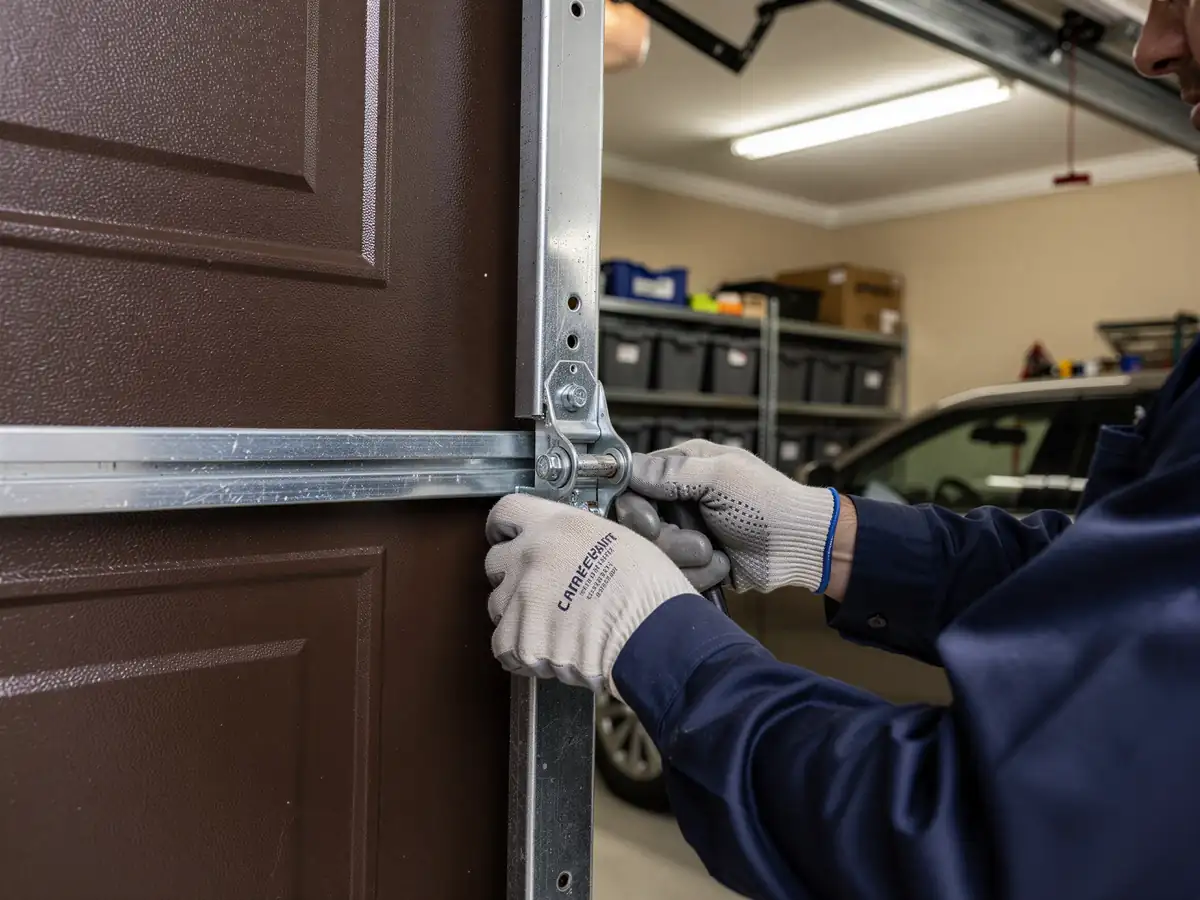
We disconnect the opener, release spring tension safely, pull the old cable off the drum, and run new galvanized aircraft cable at the correct length and wind. On a two-car door with two cables, we replace both even if only one failed - mismatched wear on the other side is how you end up back out here in six months.
Why This Fails Locally
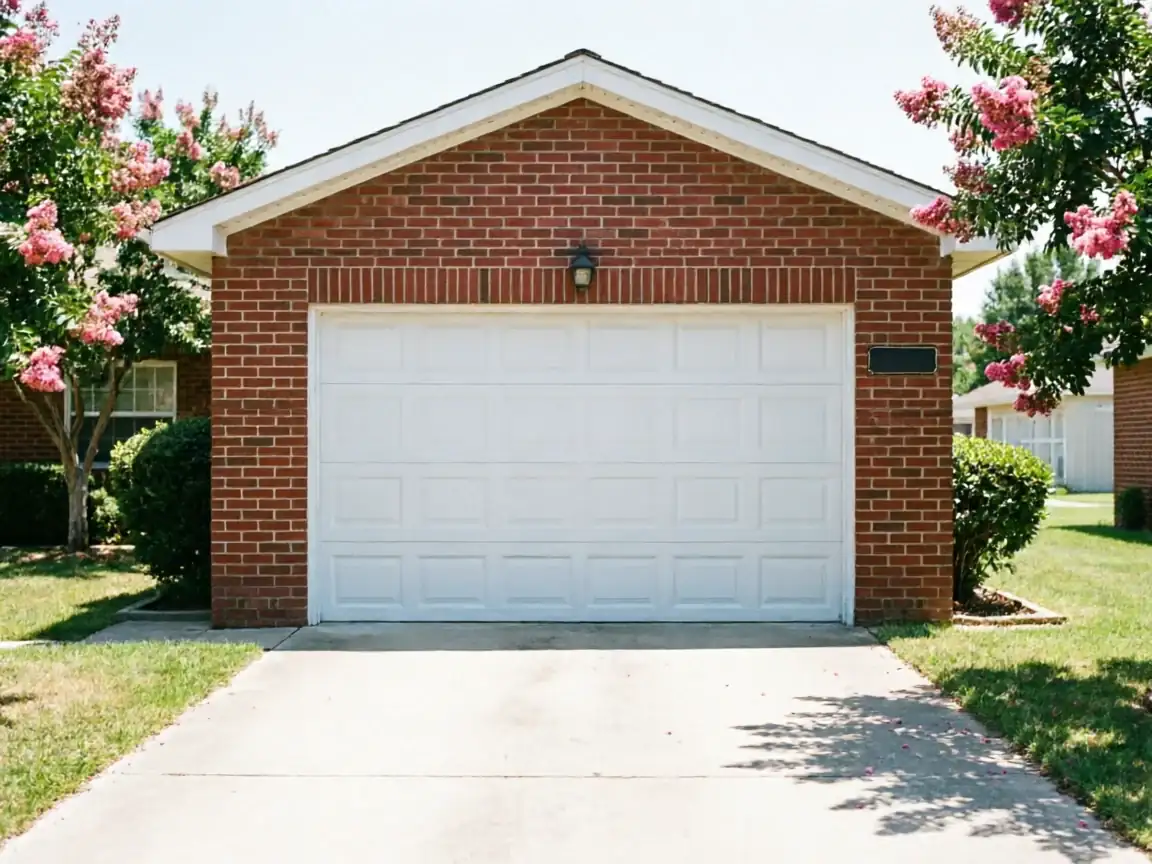
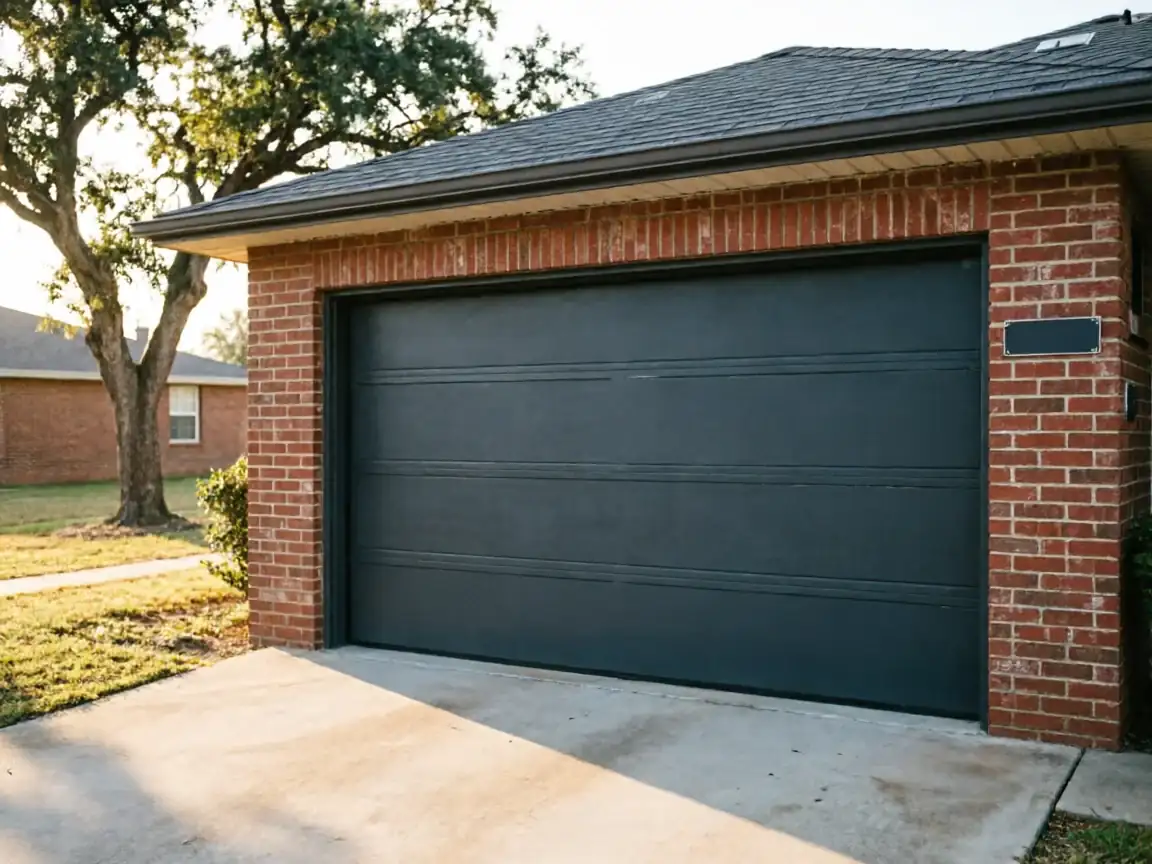
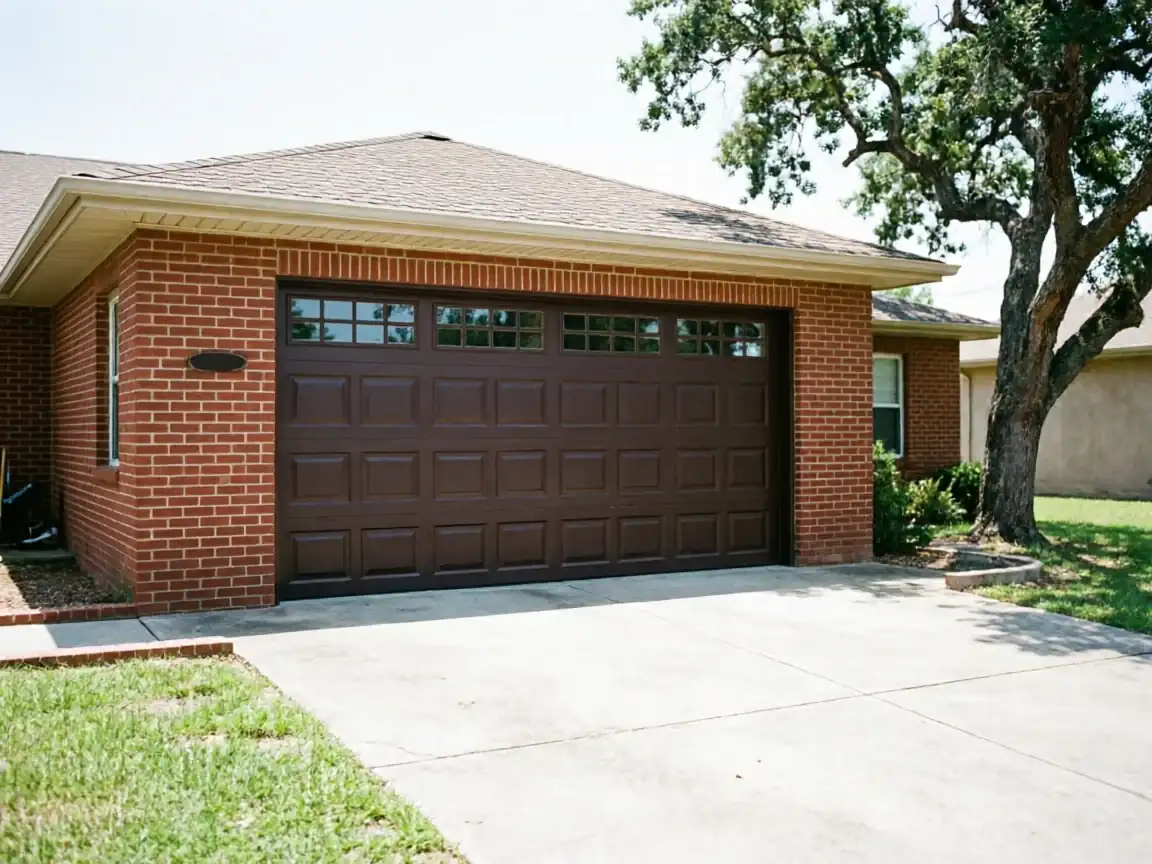
Tontitown's housing stock centers on a median build year of 1998, which lines up with the broader pattern across this part of the service area - most garage doors went in between 1987 and 2013, heavy on 1980s and 90s builds. Doors from that era commonly run galvanized steel cables on steel drums, a setup that's reliable but not immortal. After two-plus decades, the cable strands start to fray at the drum groove, usually invisible until the day it isn't.
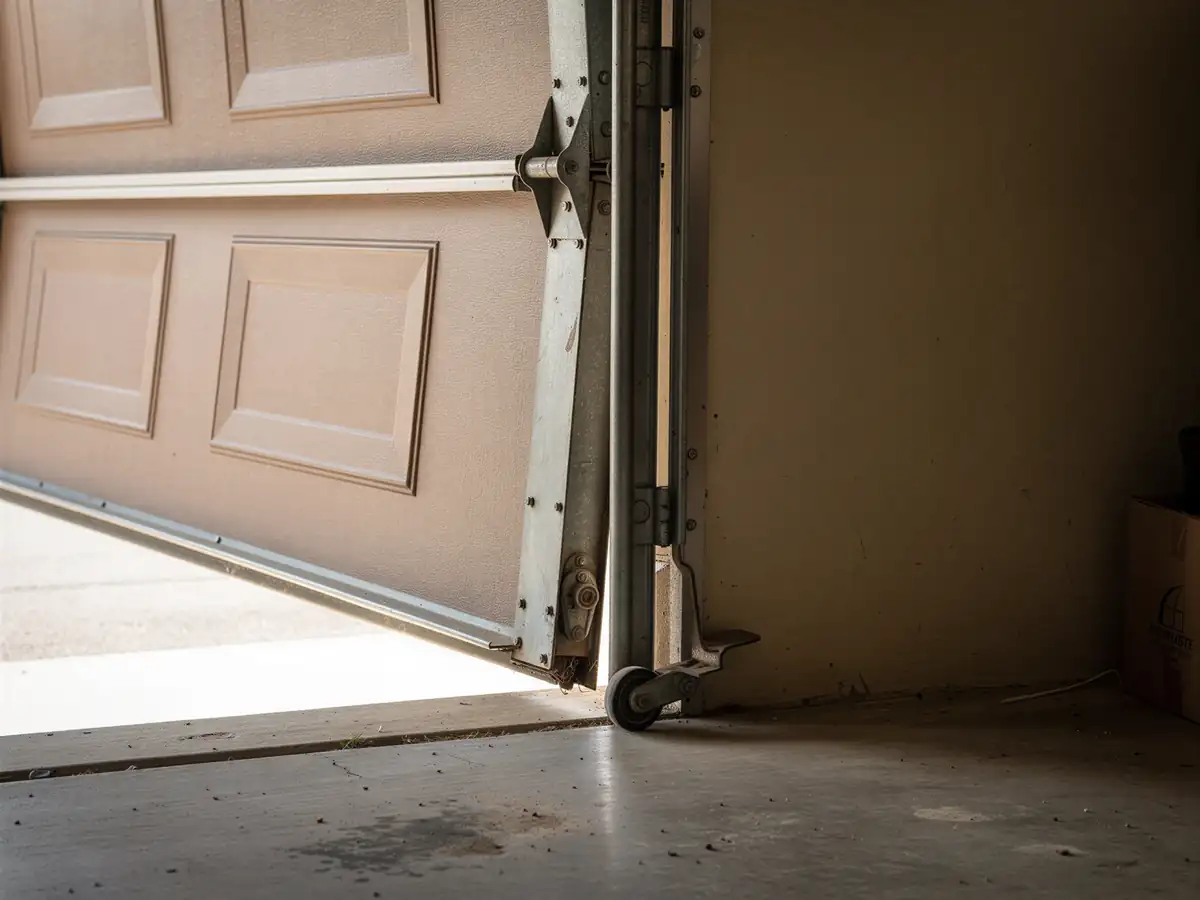
The cold moderate climate band this area sits in adds to that wear. Cable doesn't like repeated cold-to-warm cycling any more than steel springs do - the metal contracts, the strands shift slightly against the drum each time, and over enough winters that's fatigue, not drama. It's a slow failure, which is also why most owners never see it coming until the door drops crooked or won't lift square.
Doing It Yourself
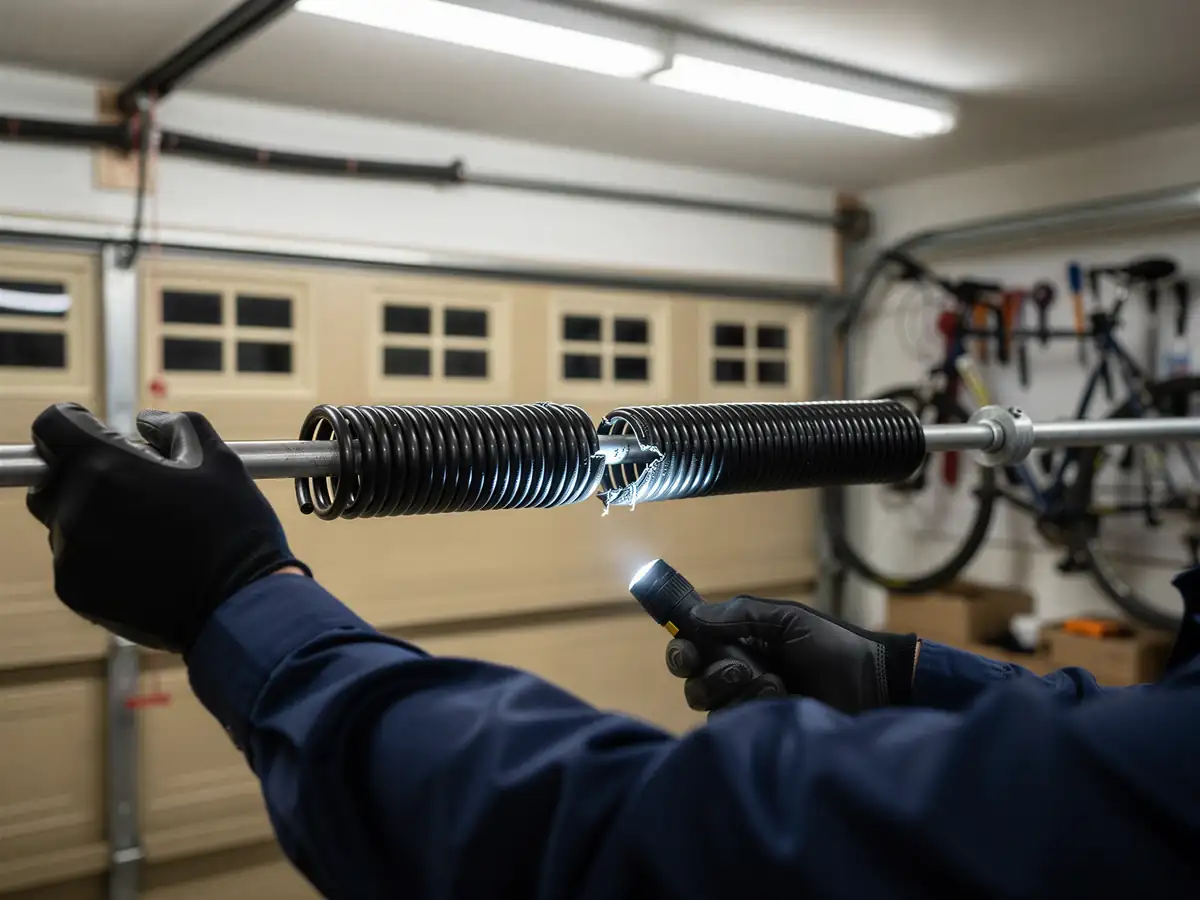
We'll be straight with you: this isn't a job to do yourself, and not because it's complicated to explain. A garage door cable works under spring tension, and releasing that tension wrong is how people get hurt - a wound torsion spring or stretched extension spring can put a cable or a winding bar through a hand in a fraction of a second. Even unplugging the opener first doesn't make the spring safe.
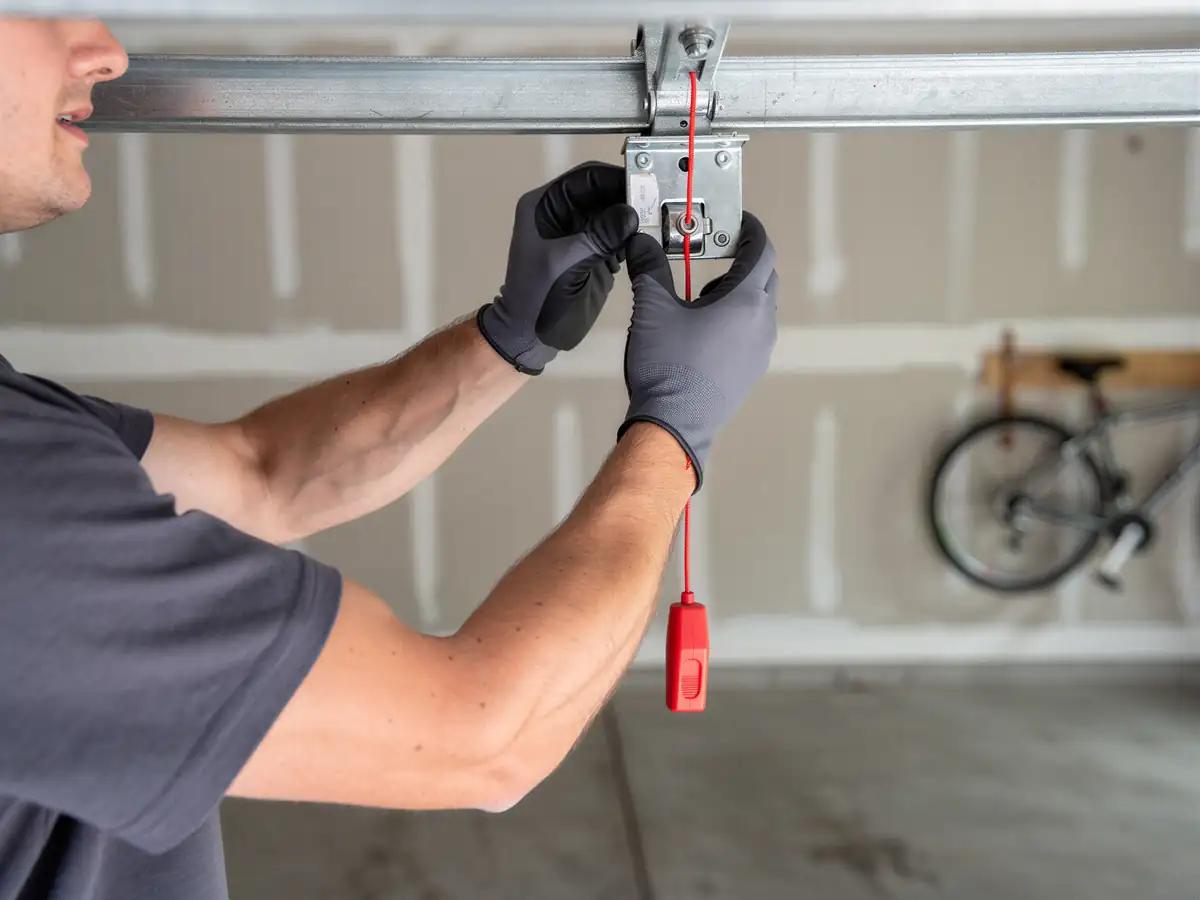
If you're comfortable with basic mechanical work, you can inspect for the warning signs yourself: a cable that looks frayed or kinked near the bottom bracket, a door that hangs crooked on one side, or a cable that's jumped off its drum. Catching it early and calling it in is the useful DIY step. Cutting or removing the cable yourself, under tension, is where we'd ask you to stop and call instead.
The Complications
Not every Tontitown door uses the same lift hardware
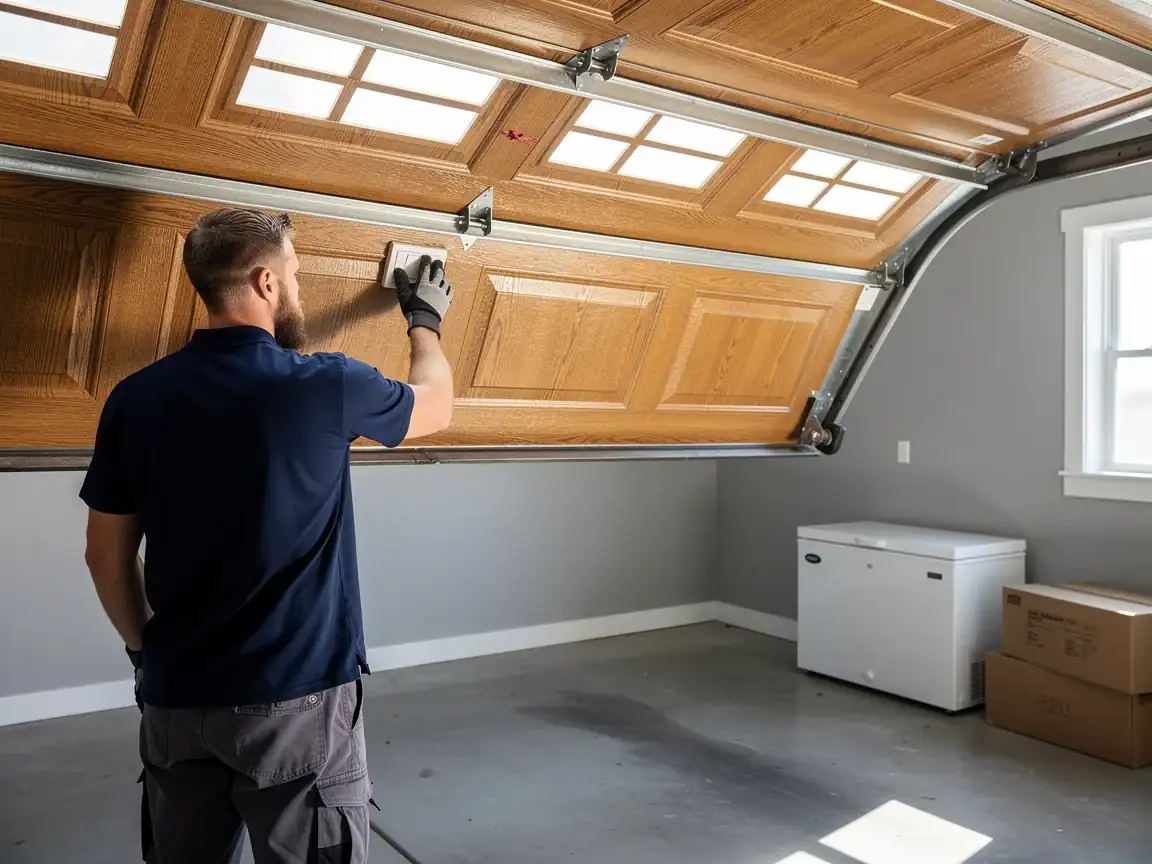
And that's where a cable job can get more involved than a quick swap. Older extension-spring setups - more common on garage doors from the earlier end of that 1987-2013 build range - route cable differently than the torsion-spring systems found on most doors built since. Get the wrong cable length or the wrong drum pitch on a torsion system and the door won't travel level, even with a brand-new cable installed correctly on one side.
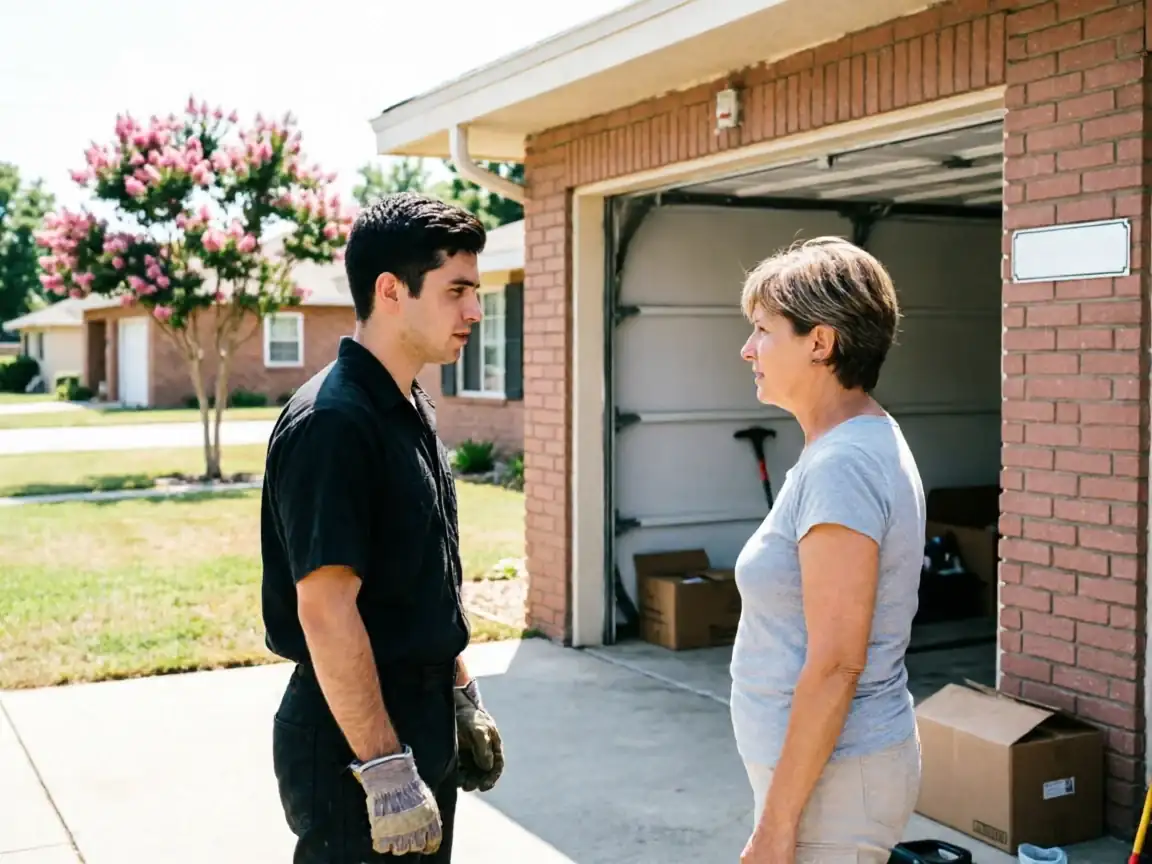
We travel to Tontitown from Rogers, about 12 miles out
So we stock common cable lengths and drum sizes on the truck rather than carrying every possible combination. On a standard double or single door that's rarely an issue. On an older or custom setup, occasionally a specific drum or a longer cable run needs ordering first, which means a short wait rather than a same-visit fix. We'd rather tell you that up front than pretend every job wraps in one trip.
- 12 miles