What the Fix Involves
Tontitown is a small town
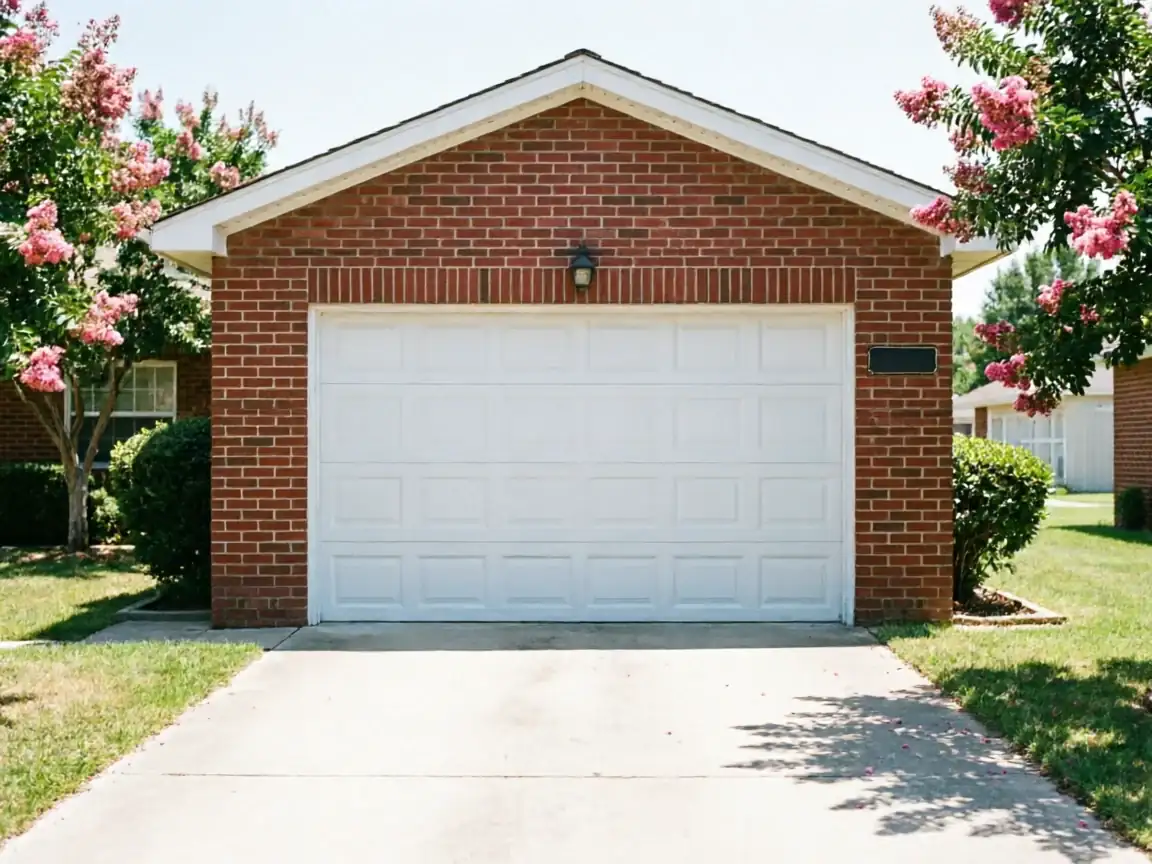
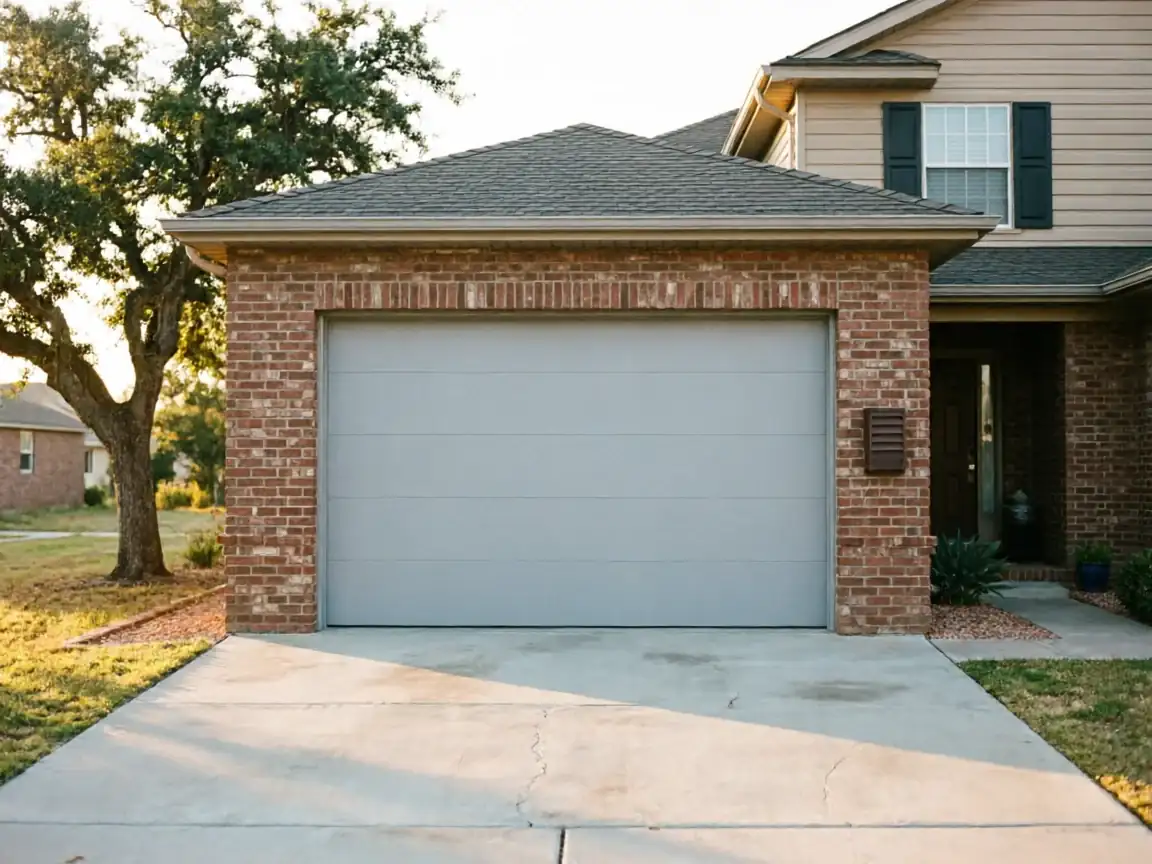
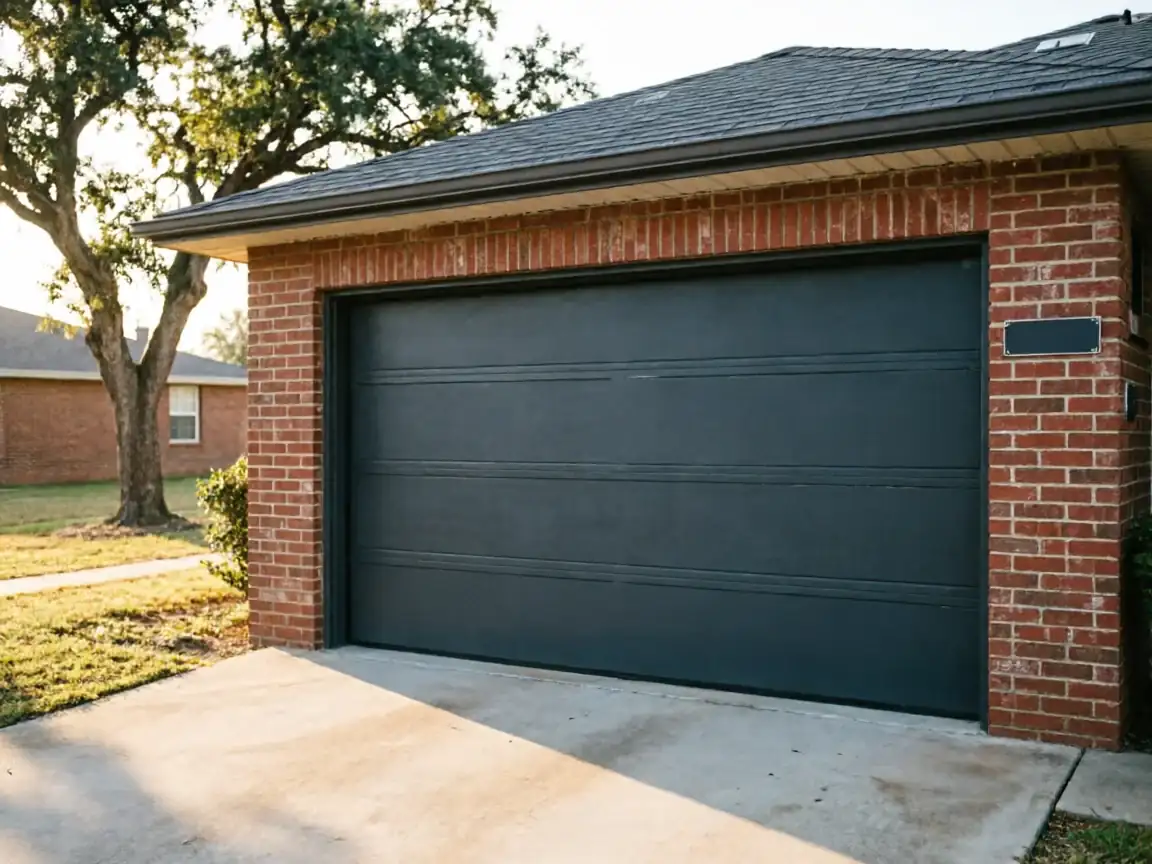
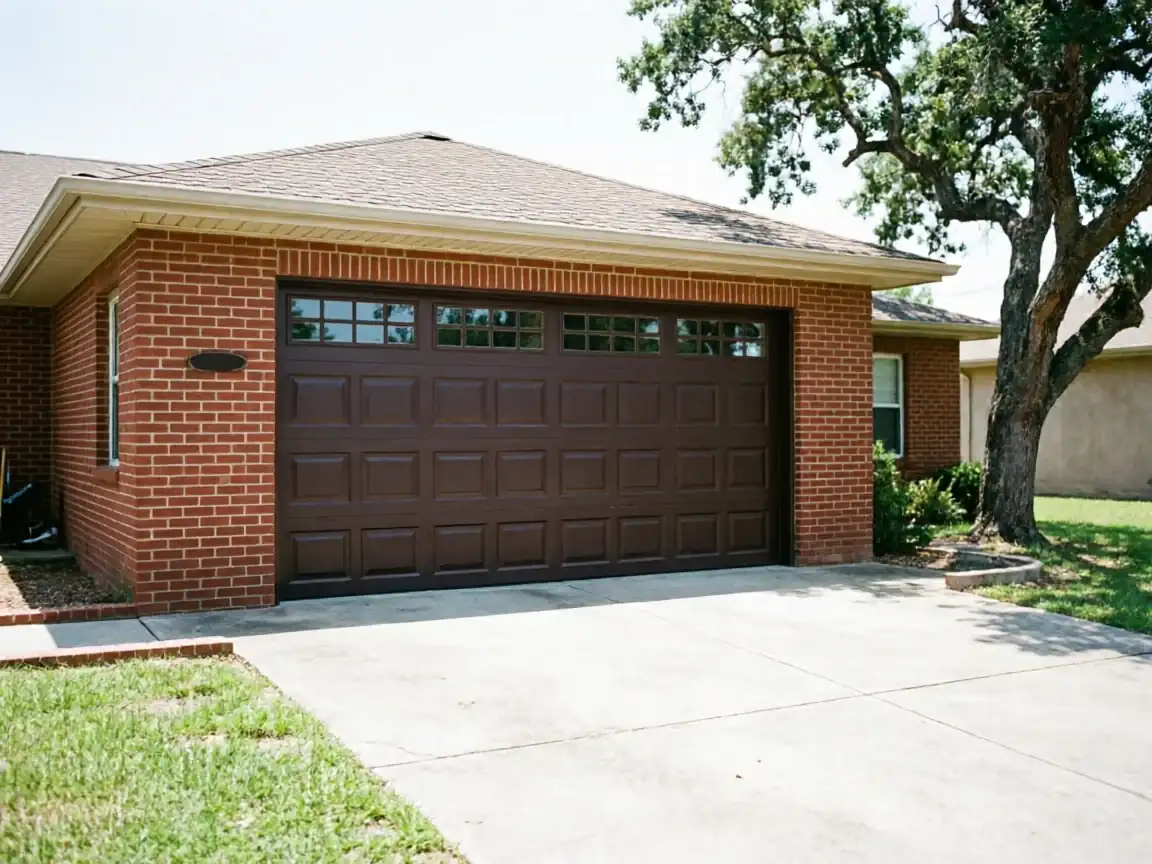
About 2,239 households - which means the install jobs we get called out for here aren't spread across every decade of construction like they are in bigger parts of the service area. Most houses went up around 1998, give or take a few years either side, so we're usually swapping out doors built to late-90s standard sizes: 16-foot double openings, 8-foot garage height, standard torsion spring placement rather than the older extension-spring setups you'd find in an area built before 1980.
- 2,239 households
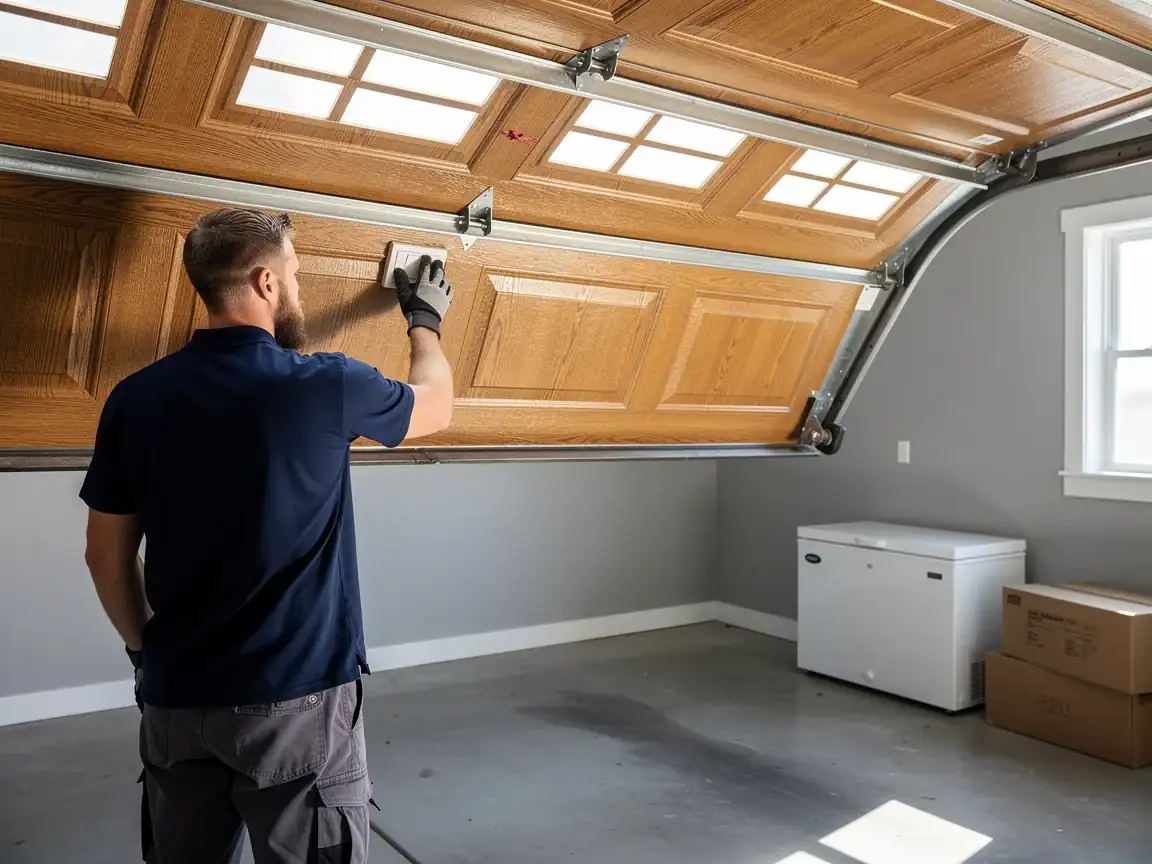
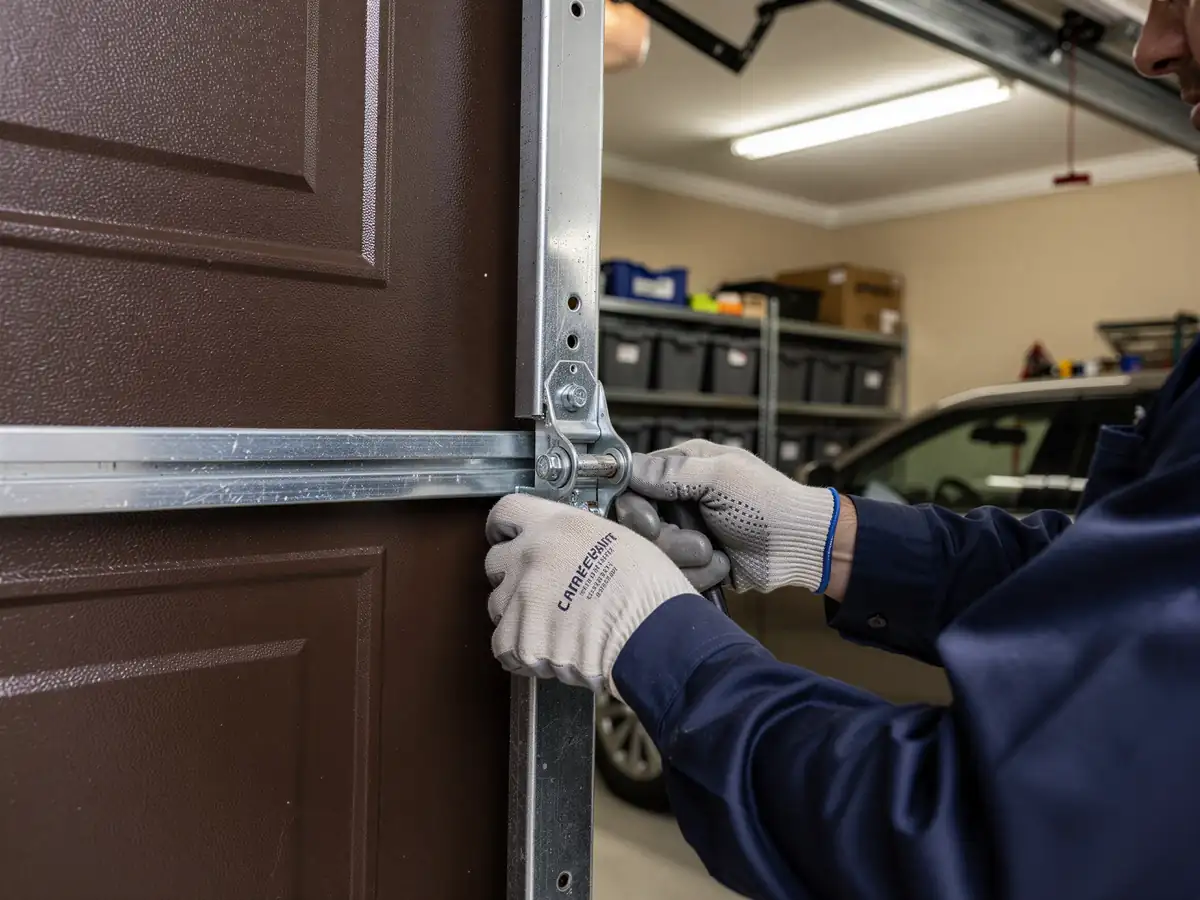
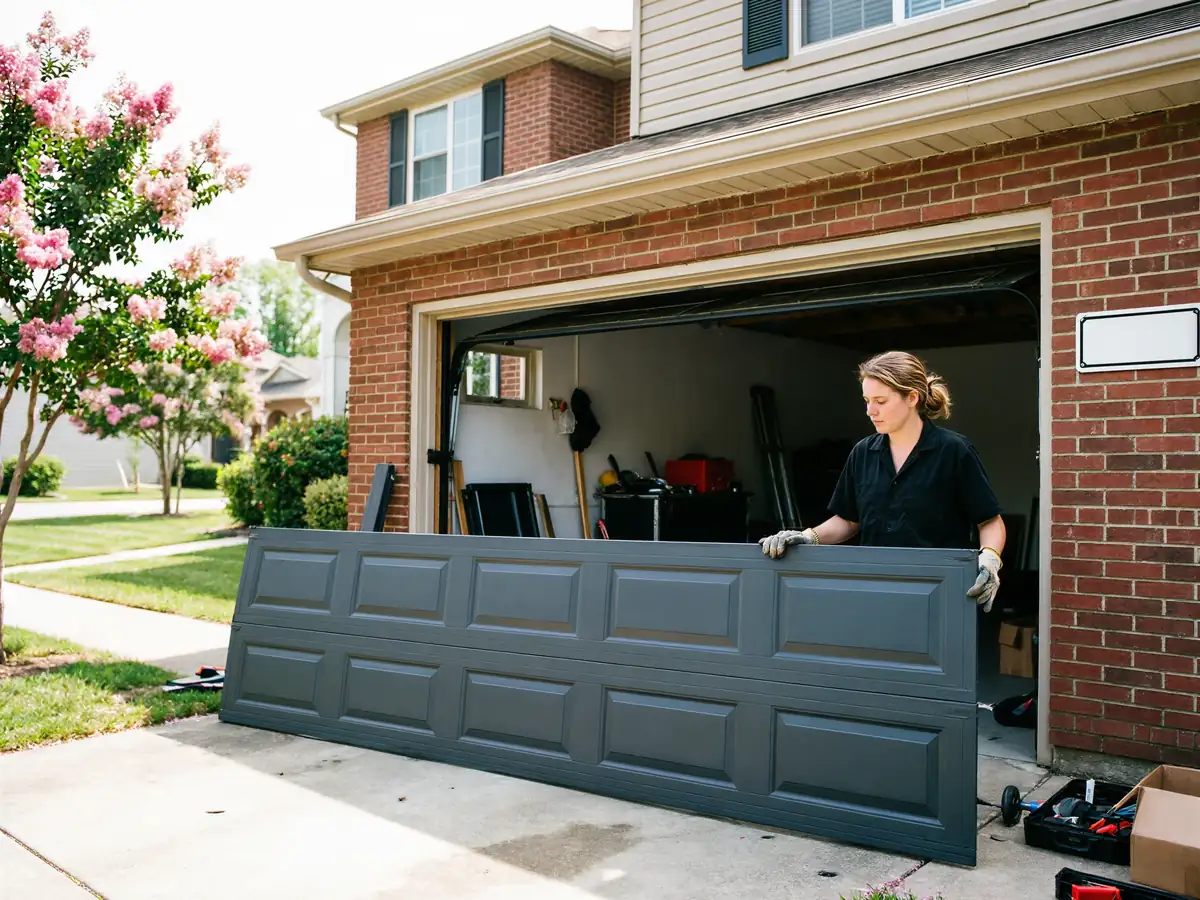
A new install means pulling the old door and track, checking the opening for square
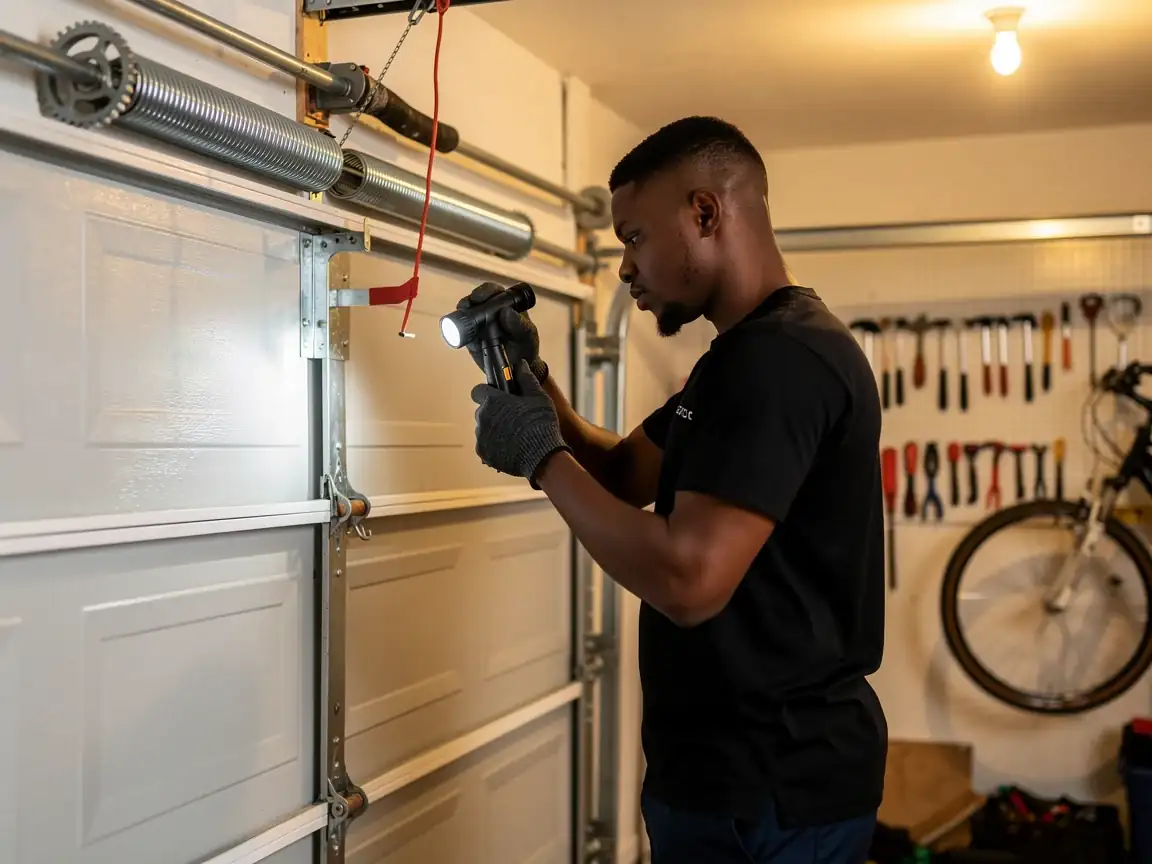
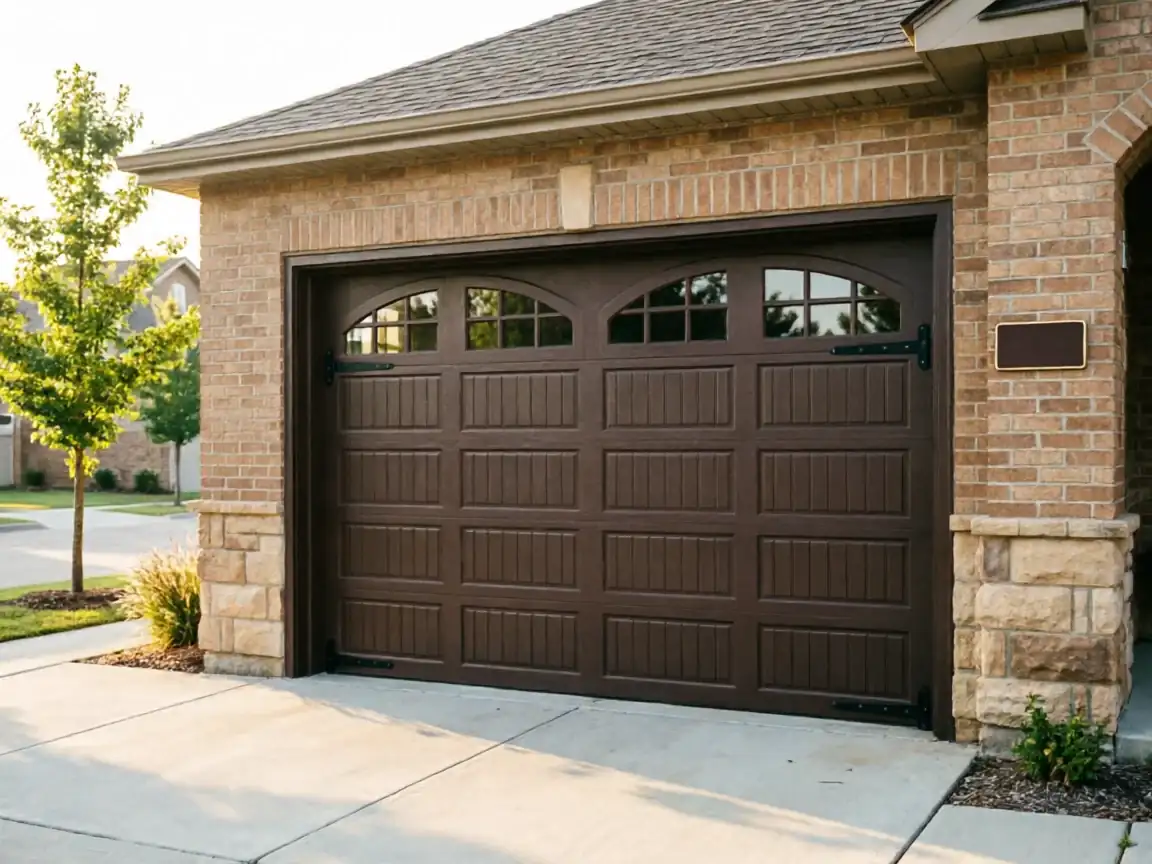
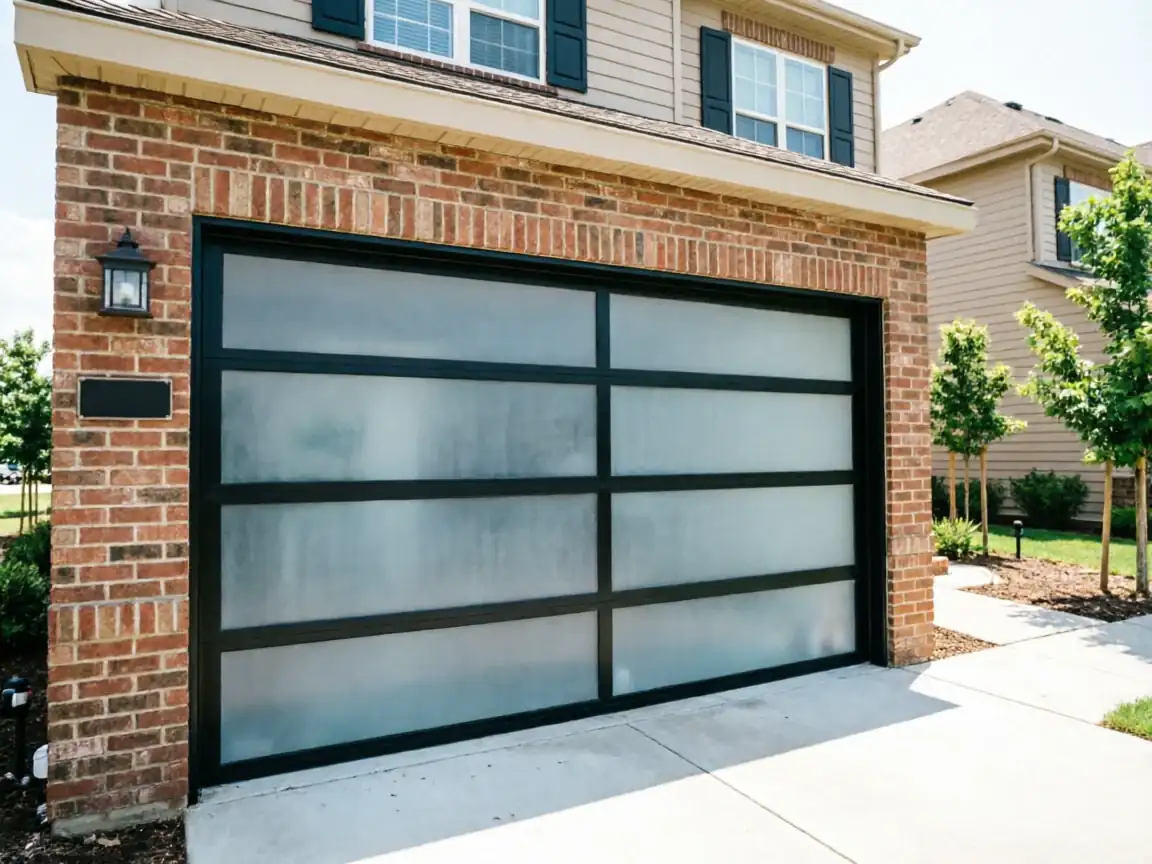
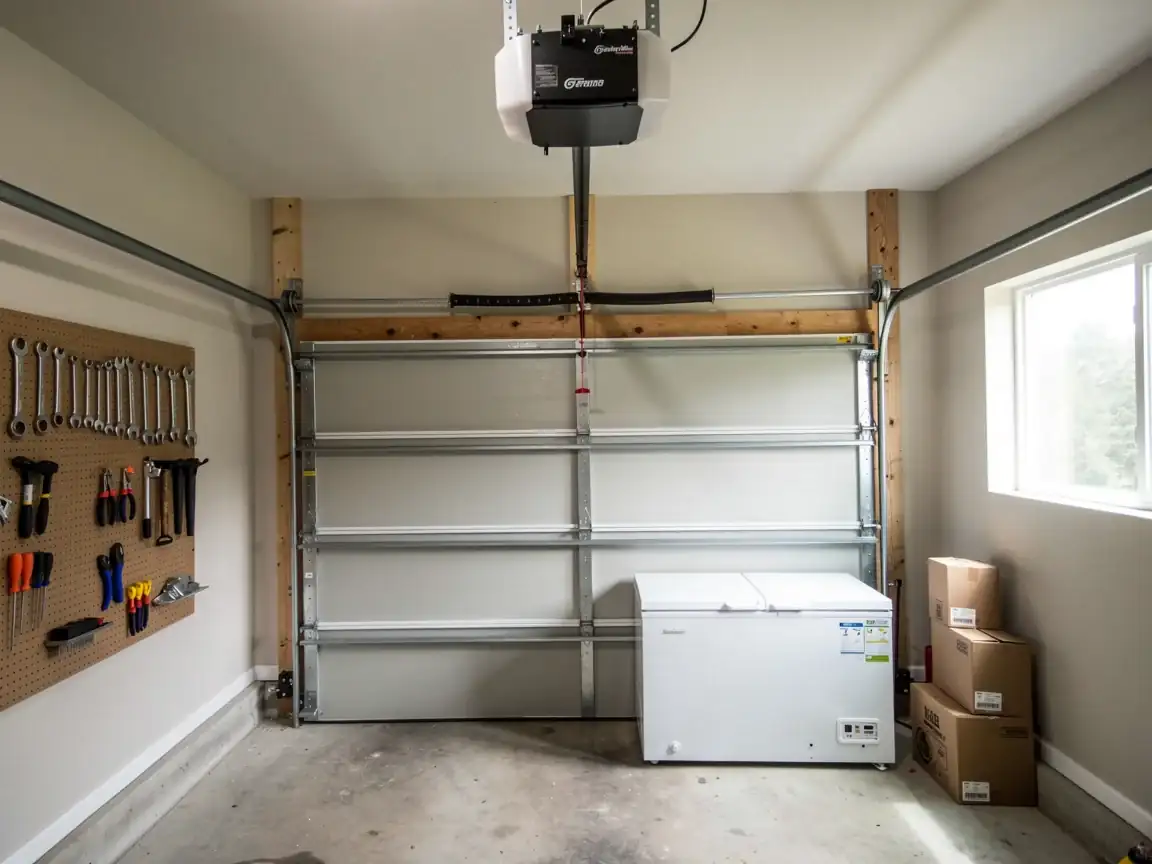
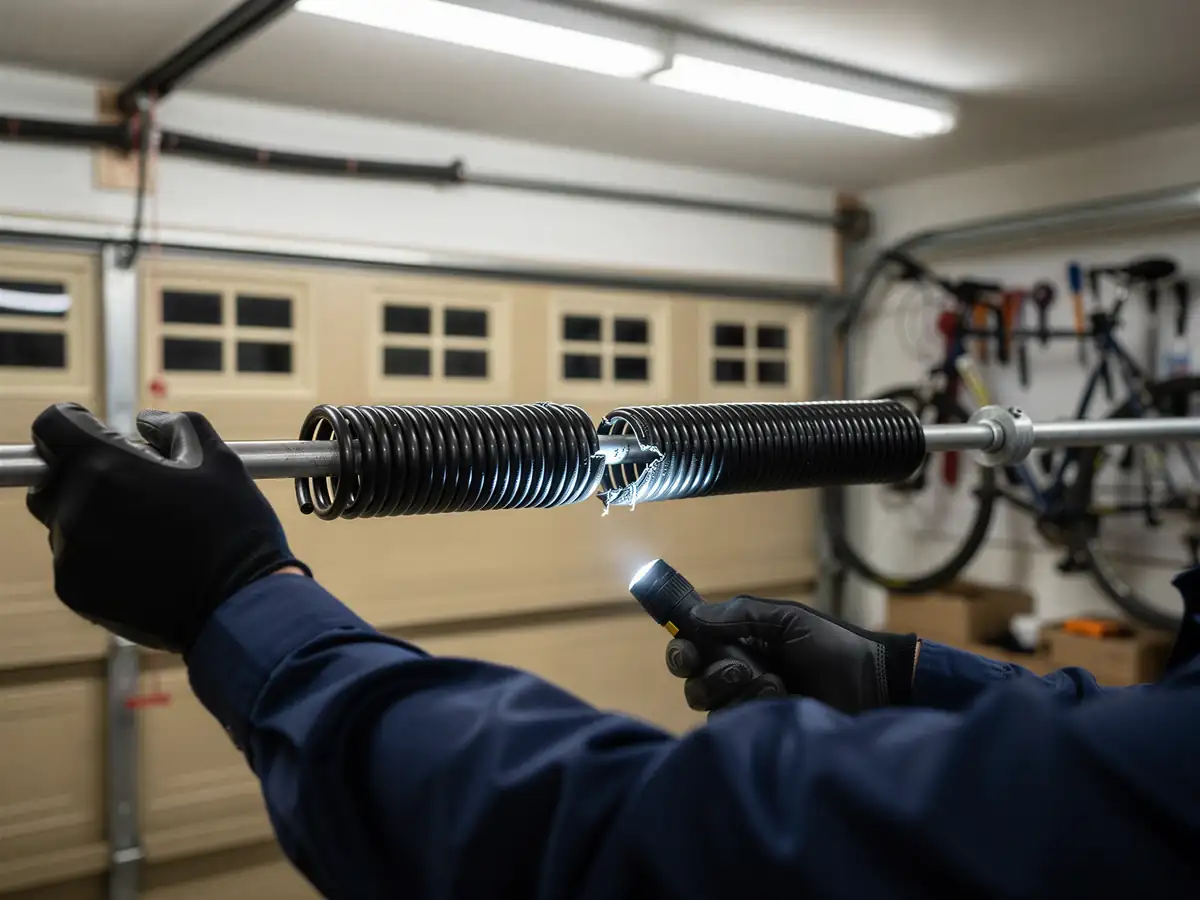
Setting new jambs if the old ones have shifted, and sizing springs to the actual door weight rather than guessing off the old hardware. If you're going from a single door to insulated steel or adding an opener upgrade, we size the torsion bar and drum to match - this isn't a universal part, and using the wrong spring rate on a 1998-built opening is how you get a door that slams down or won't stay up on its own.
We travel the 12 miles out from Rogers for these jobs
There's no branch office in Tontitown, just a truck that comes when you call.
- 12 miles
Why This Fails Locally
Doors here fail less from old age and more from mismatch - someone installed a door sized for a different opening, or a big-box replacement door went in without resetting the spring to the actual weight. Because most Tontitown houses are from the late 1990s, the openings are a fairly consistent 16x7 or 16x8, so when we see failures they're usually the opener straining against an undersized spring, or rollers worn out from twenty-plus years without ever being replaced.
The moderate-cold climate here matters for new installs too: wide temperature swings over a winter season work on the weatherstripping and the bottom seal faster than people expect, and a door installed without decent insulation will show it in the garage temperature difference, not just on the door itself. For a household income median around $80,987 in Tontitown, most owners are choosing a mid-range insulated steel door rather than top-tier custom - that's the segment where fit and spring sizing done right matters more than which brand name is on the panel.
Doing It Yourself
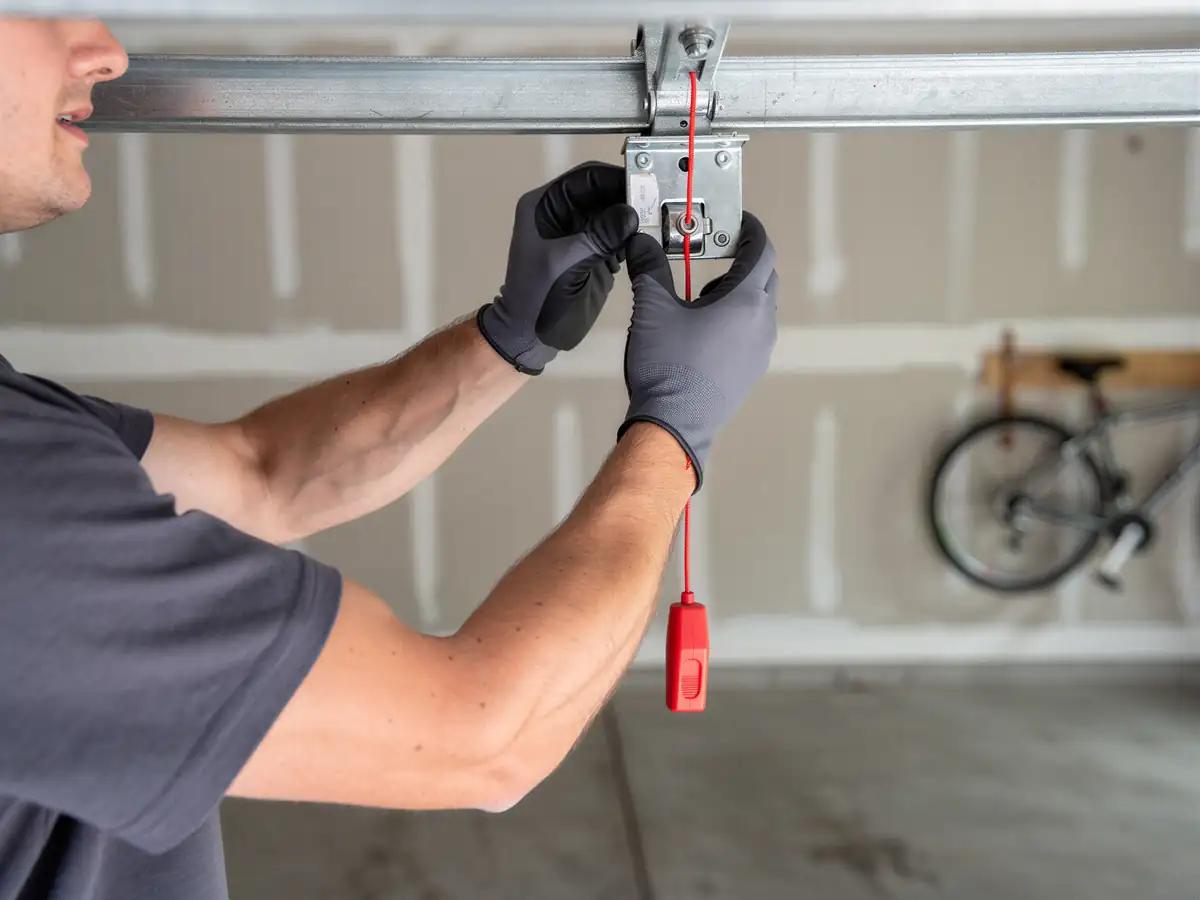
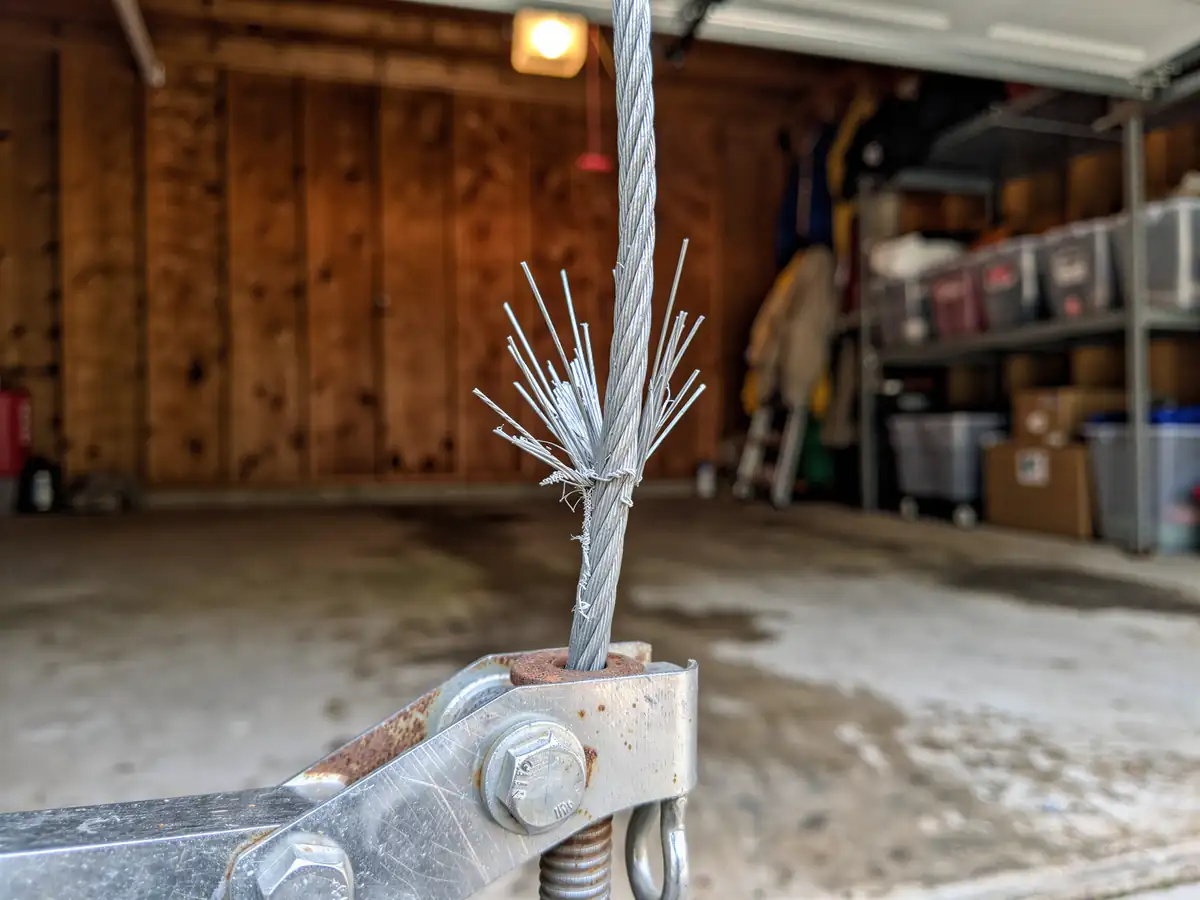
A lot of what goes wrong with DIY installs around here isn't the door panel itself - it's the torsion spring. Springs sized for a 1998-era 16-foot door hold a lot of stored energy, and setting the tension wrong is a hand-injury risk, not just a comfort issue. If you're comfortable with framing and track alignment, swapping a door panel on an opening that's already square is reasonable weekend work.
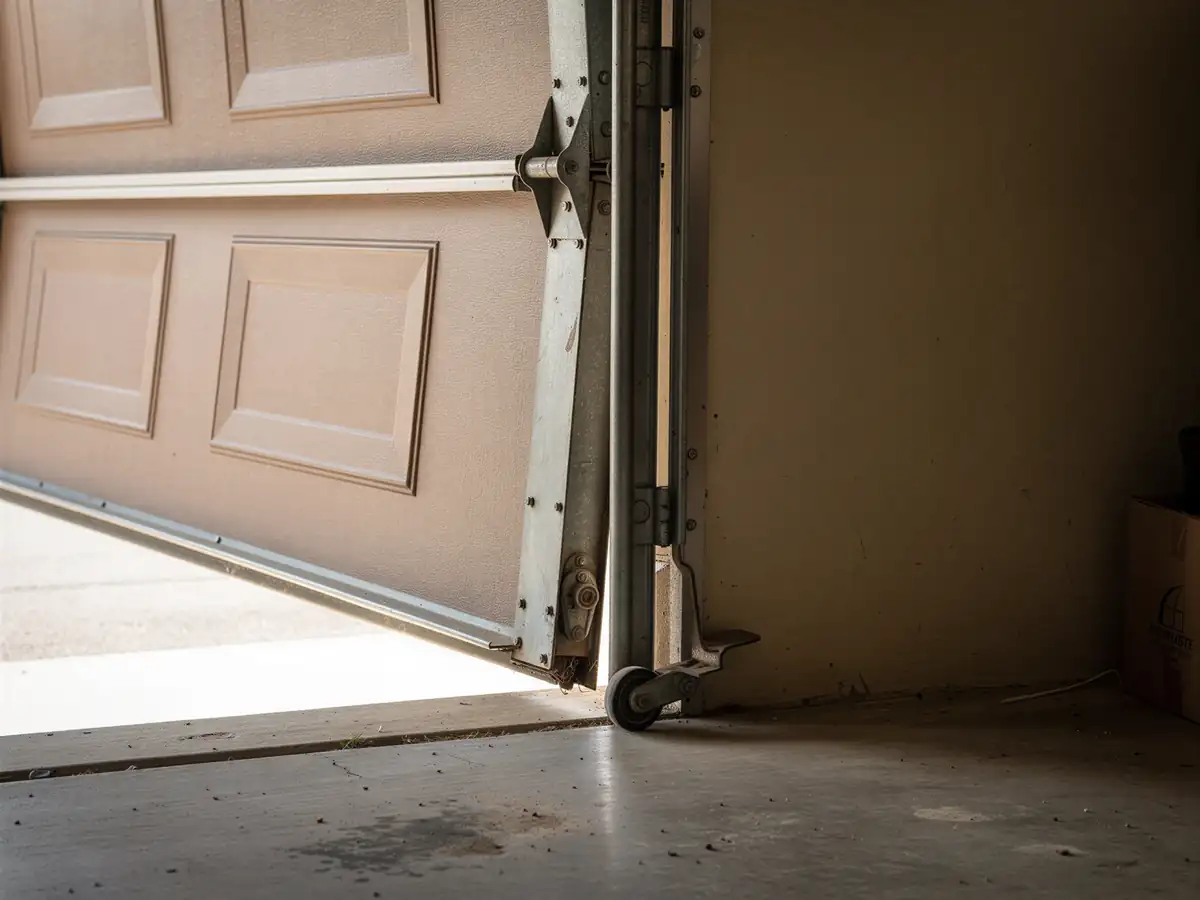
What we don't recommend doing yourself: spring installation or conversion, resetting an opener's force settings on a new heavier insulated door, or squaring a jamb that's shifted with the house settling since the late 90s. We also won't talk you into a full install if a panel repair or a spring swap gets the door back to spec - sometimes the existing door is fine and it's the track or the opener that needs the work, and we'll say so rather than sell a door you don't need.
The Complications
The most common surprise on a Tontitown install is headroom
Houses from this era sometimes have a lower top plate than modern code calls for, and a standard torsion setup needs clearance the original builder didn't always leave. We check this before quoting, not after the door's on the truck.
The other complication is opener compatibility
If the house still has its original 1990s opener and you're installing a new door with different weight or a different insulation package, the old opener's force and travel settings won't match - it'll either struggle to lift or slam down on close. That's a separate fix from the door itself, and we'll flag it rather than assume the old opener just carries over.
We don't stock every size of custom panel on the truck
Some wider or taller doors are special order, which can add lead time to the job. That's a limitation worth knowing before you schedule - if timing matters, ask about panel availability up front.