Tontitown homes built around 1998 still run original track hardware. Here's why that hardware fails and what the fix actually involves, from the Rogers crew that covers it.
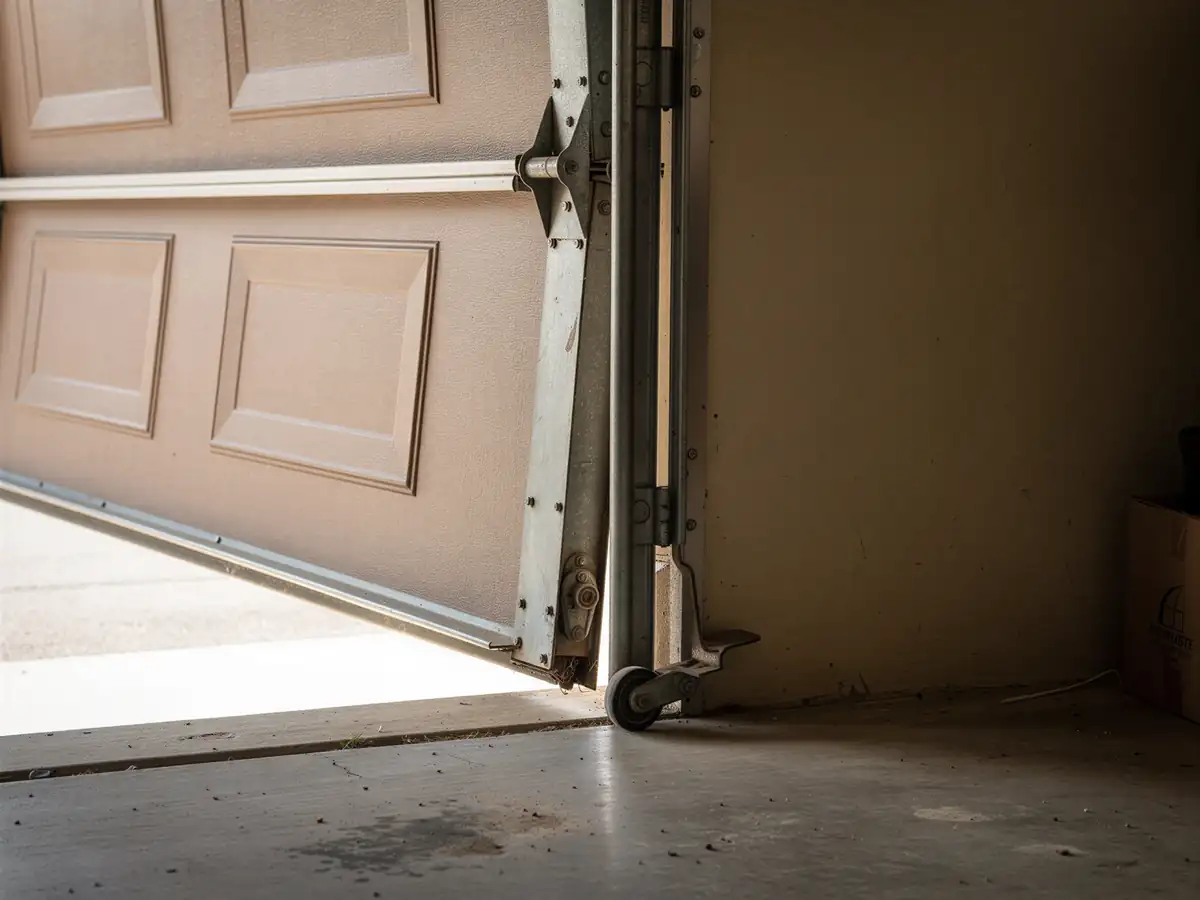
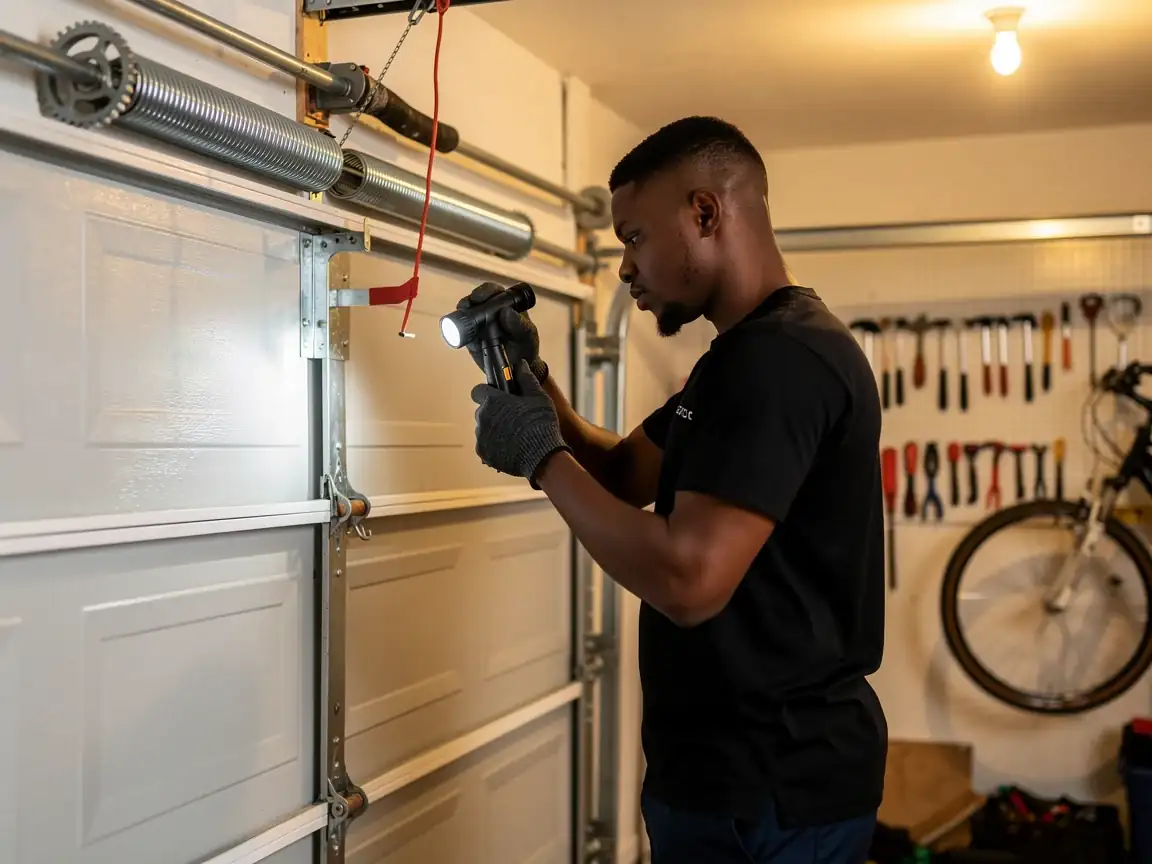
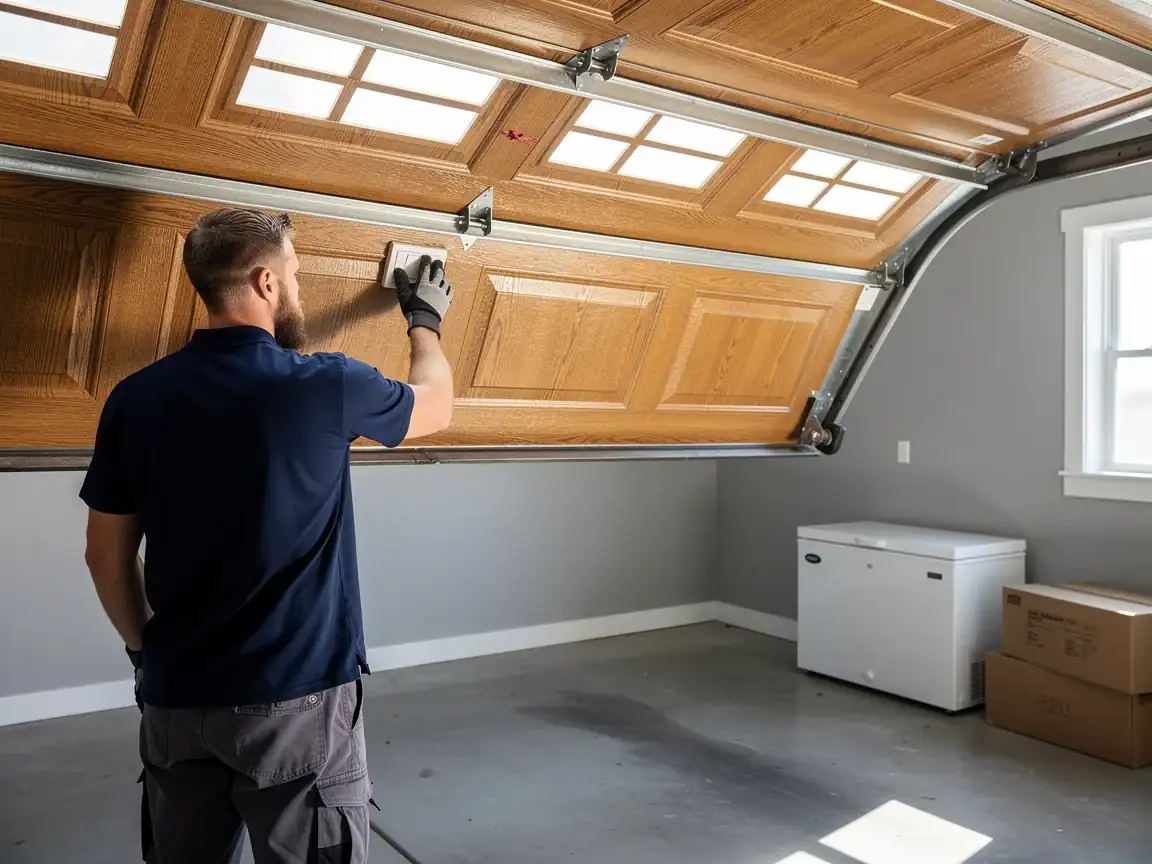
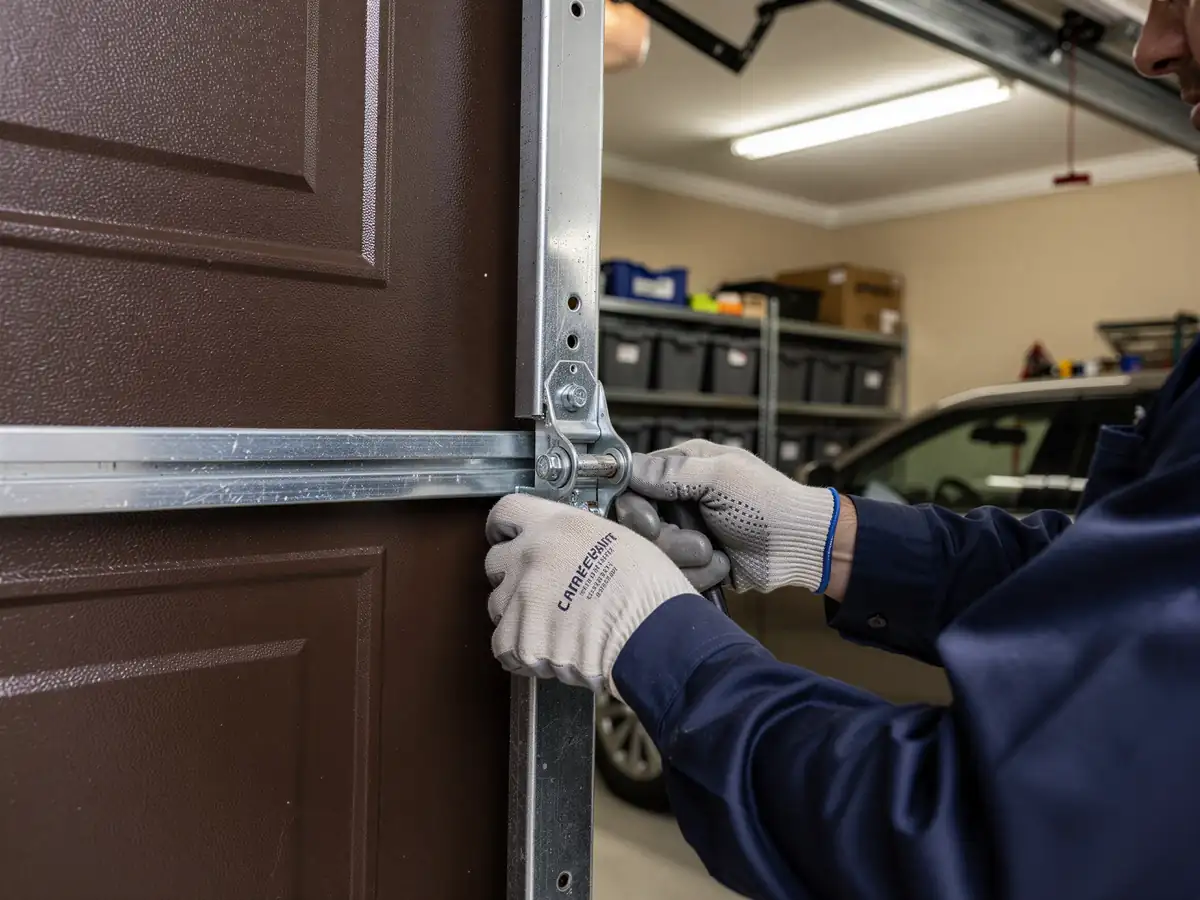
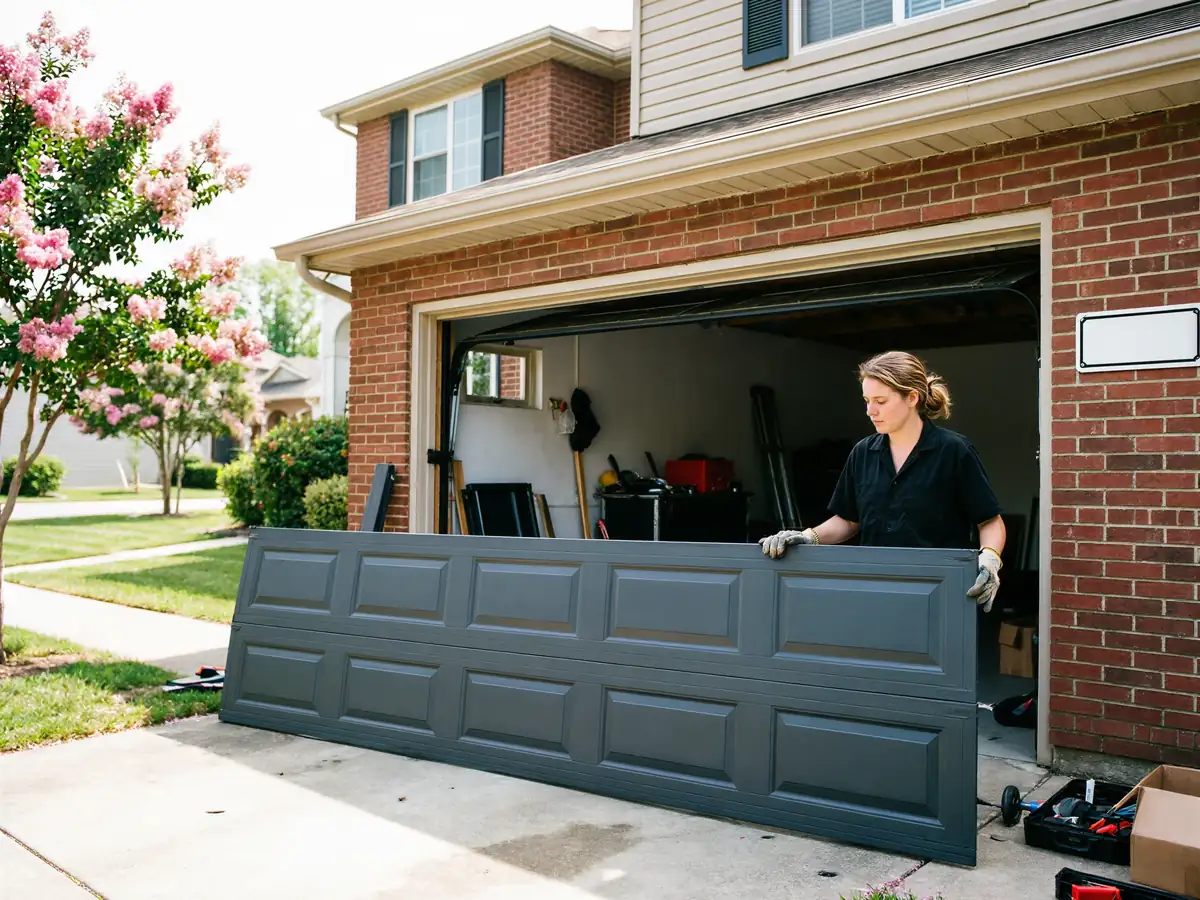
Most houses in Tontitown went up around 1998, and that one number matters more than anything else on this page. A door that's been running on its original track and rollers for over twenty-five years has worn hardware the day it jumps the track - not because of one bad knock, but because the track brackets have loosened a little every year since the house was built. Fixing an off-track door right means pulling the door, checking the track for bends (a hairline bend you can't see is usually the actual cause), re-seating or replacing the brackets, and checking the rollers for flat spots before anything goes back up. On a door this age, we're usually also looking at the cable drums and the bottom fixtures, since they were installed the same year and carry the same wear. Putting a door back on a bent track without straightening or swapping it just buys you the same call again in a few months. The actual repair is quick once the door's down - it's diagnosing whether the track or the hardware caused the jump that takes the real time, and that's the part that separates a fix from a patch.
Why This Fails Locally
Tontitown's 2,239 households sit in a smaller, tighter pocket than the Rogers service area as a whole, and that pocket skews toward the same building window - late 1990s construction, original hardware still in a lot of garages. Combine a door built in 1998 with a winter that swings cold enough to stiffen grease and contract metal brackets by a few thousandths, and you get exactly the kind of seasonal slack that lets a roller walk off the track. It's not dramatic. It's a quarter-inch of play that turns into a half-inch, then one cold morning the door catches wrong going up and comes off the rail. None of this is unique to any one house - it's what happens to hardware this age in a climate that runs cold winters, moderate otherwise, and nobody's replaced the original rollers yet.
Doing It Yourself
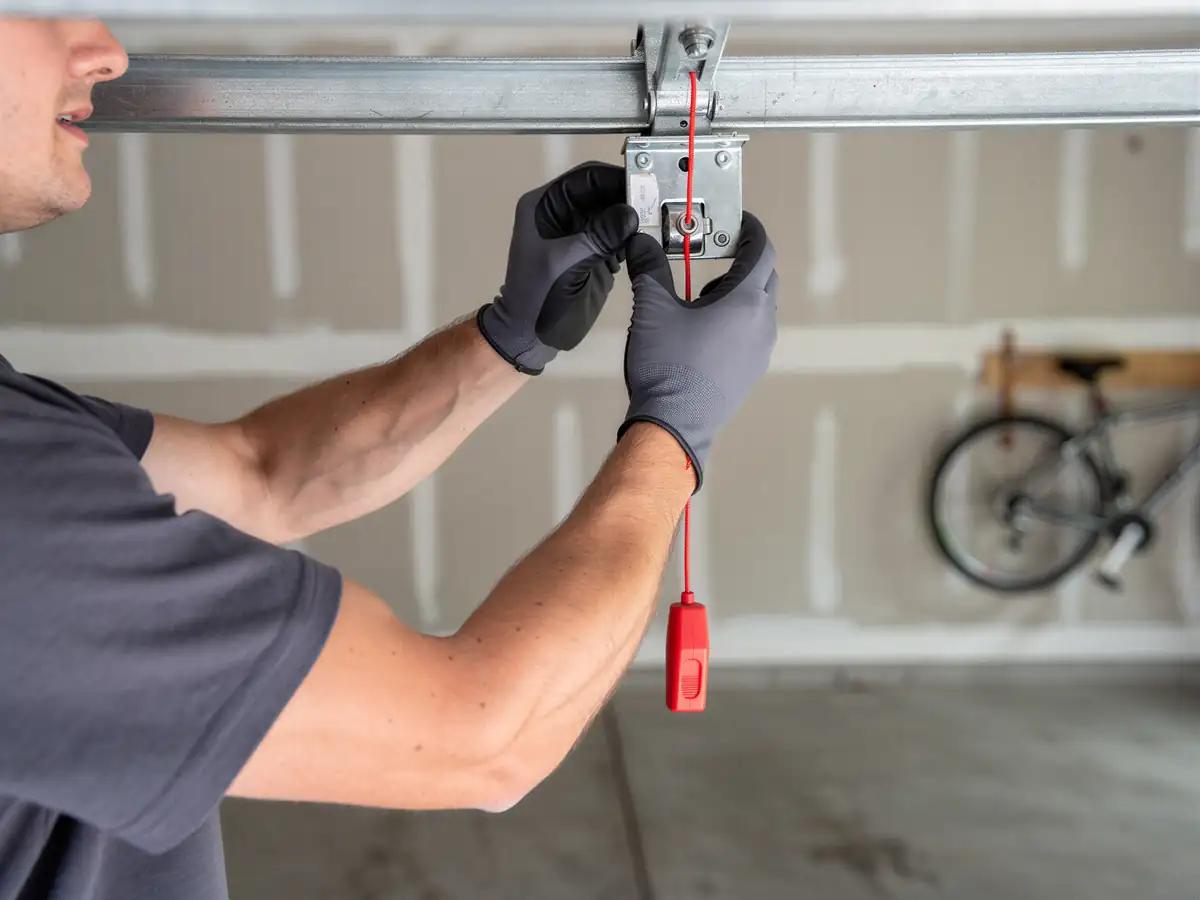
You can usually tell if a door is off-track versus just misaligned by looking at the gap between the roller and the track - if the roller's hanging outside the rail entirely, don't touch the opener or try to force the door up or down. That's a job for hands, not a motor, and running the opener against a jammed door is how a cheap fix turns into a new opener bill. What you can safely do yourself: cut power to the opener, check whether the track bolts into the wall bracket have worked loose (common on original 1998-era brackets), and look for an obvious bend. If the track looks straight and the bracket's tight, the problem is probably the roller itself, and that's not a same-day DIY part for most people - getting the right roller size and bearing type matters more than it looks like it should.
The Complications
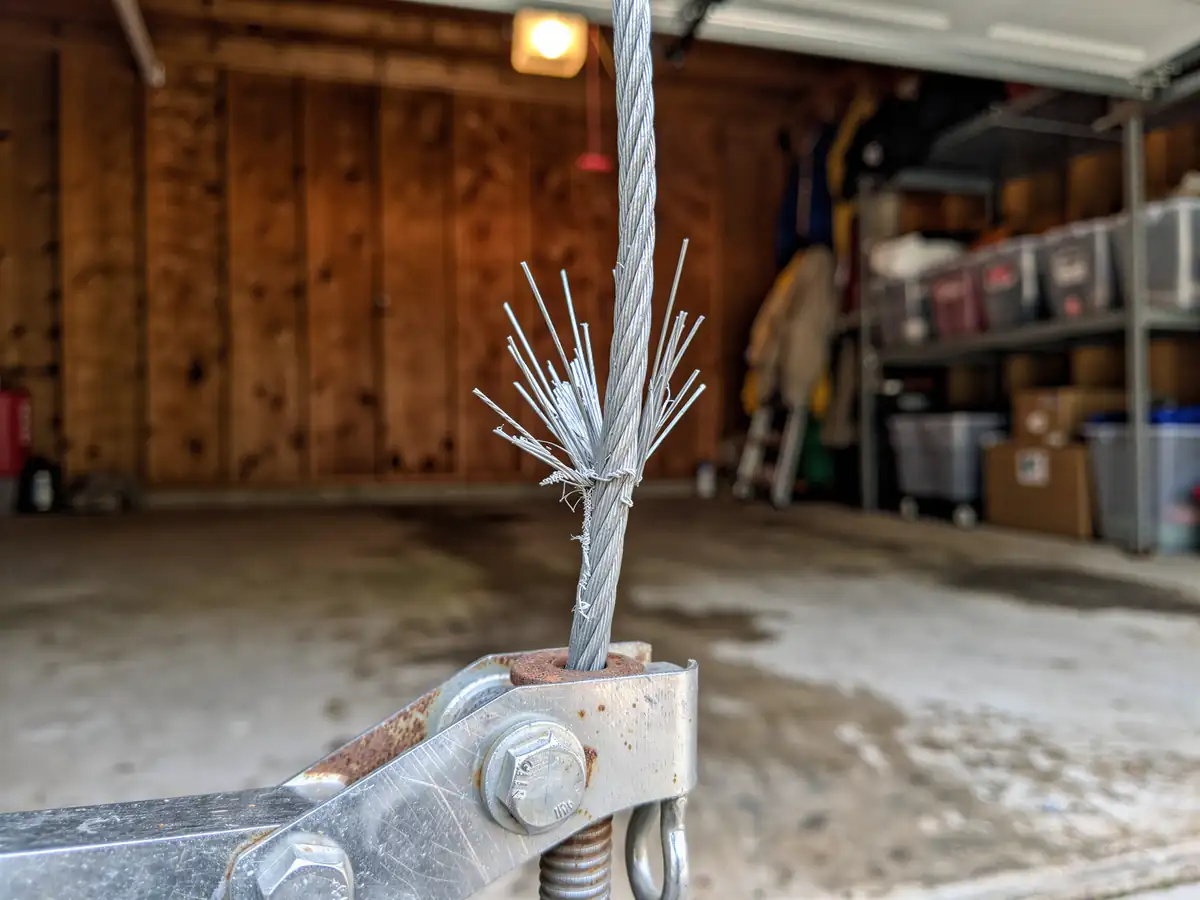
The honest limitation here: if your hardware is original to a 1998 build, we're often not just fixing the off-track issue - we're telling you the rollers, cables, or bottom brackets are close enough to end of life that fixing only the symptom means another call within the year. We'll always separate what has to happen now from what can wait, but on hardware this old, the off-track jump is frequently the first visible sign of several parts wearing out together. We travel out from Rogers for this, about 12 miles each way, so we're not a local walk-in shop - that's worth knowing before you call expecting a same-hour fix. We don't recommend DIY track replacement on a door this age; the complication isn't the track itself, it's catching the other original parts before they fail on their own schedule instead of yours.
How it works
From “it’s stuck” to “it’s fixed”
01
Tell us what’s wrong
Describe the symptom - won’t open, loud bang, opener runs but the door won’t move.
02
On-site diagnosis
A technician tests the door under power and by hand and finds what actually failed.
03
Clear, up-front plan
You get the fix that’s needed and what drives the cost - before any work starts.
04
Repaired & tested
The repair is done, the door is set true and tested, and the work area left clean.
Not sure which repair your door needs in Rogers, AR? Describe what it’s doing - every job starts with a diagnosis.
Is my garage door's hardware still original if my house was built in the late 1990s?
Likely, yes. Most Tontitown homes date to around 1998, and unless a previous owner replaced the door or opener, the track, rollers, and cable drums are probably original. Original hardware from that era is the most common cause of a door jumping its track after this many years of use.
How far out do you travel for an off-track repair in Tontitown?
We run out of Rogers, about 12 miles from Tontitown. We don't keep a branch or depot there, so plan around drive time rather than expecting a same-hour local response.
Can I just push the door back onto the track myself?
If the roller is fully off the rail, no - forcing it back on by hand or with the opener risks bending the track further or snapping a cable under tension. Cut power to the opener and call for a hands-on diagnosis instead.
Does cold weather really cause this?
It's a contributing factor, not the whole story. Our winters run cold enough to stiffen grease and tighten metal brackets slightly, which adds play to hardware that's already loose from age. On a newer door it rarely matters; on original 1998-era hardware it's often the final push.
Ready to get your garage door sorted?
Tell us what it’s doing and where you are in Rogers - we’ll take it from there.