Doing It Yourself
If your door is stuck and you're tempted to force it, stop and look at the spring first
Houses in Little Flock went up mostly around 1992, which puts a lot of torsion springs and openers at roughly thirty years of service with no record of ever being swapped. That's not a guess about any one house - it's what a build year that old implies about original hardware nobody tracks or replaces until it fails.
You can safely do a few things yourself
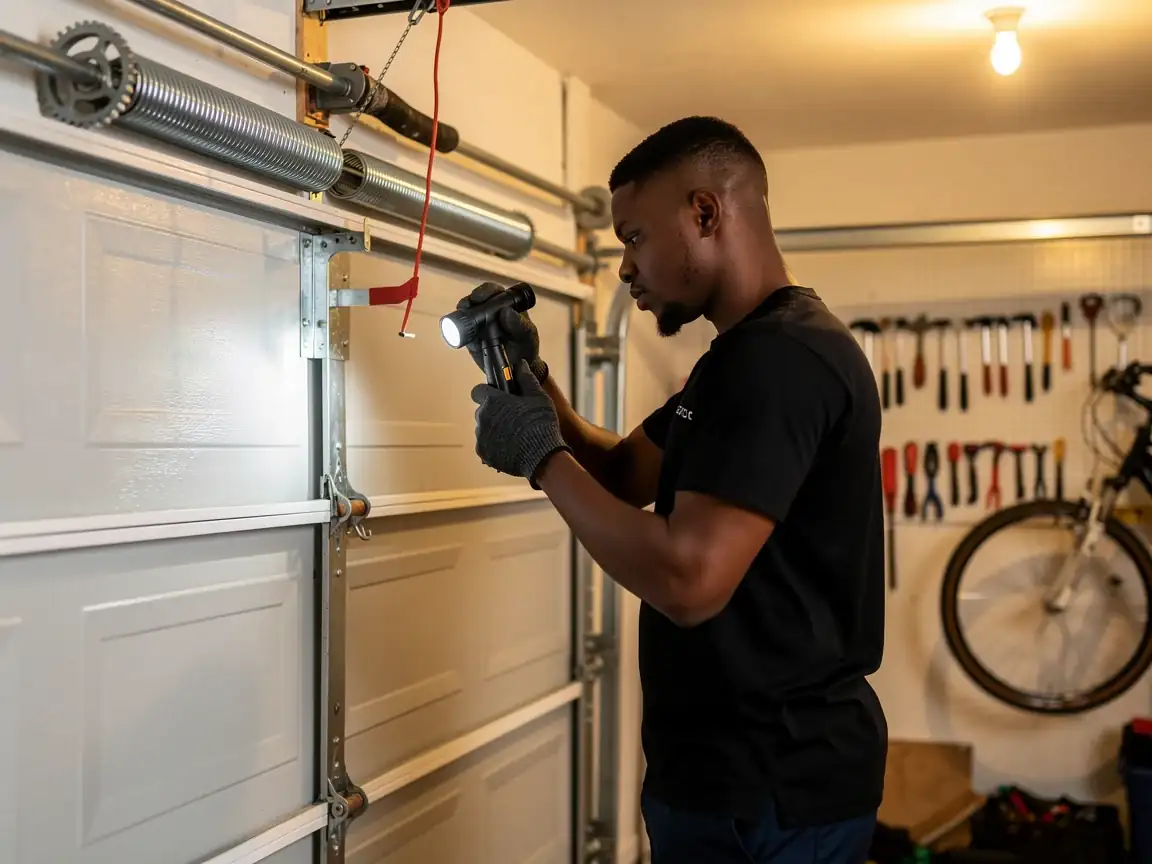
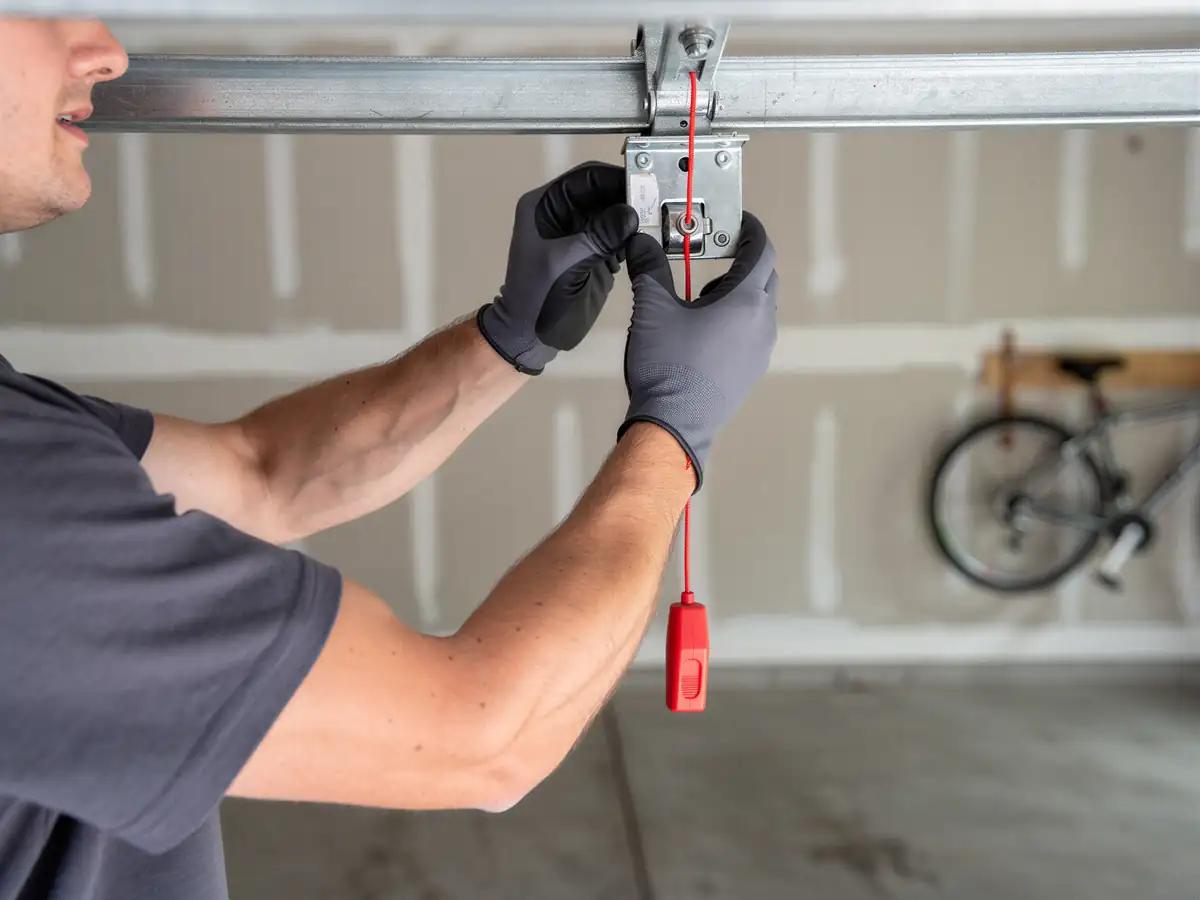
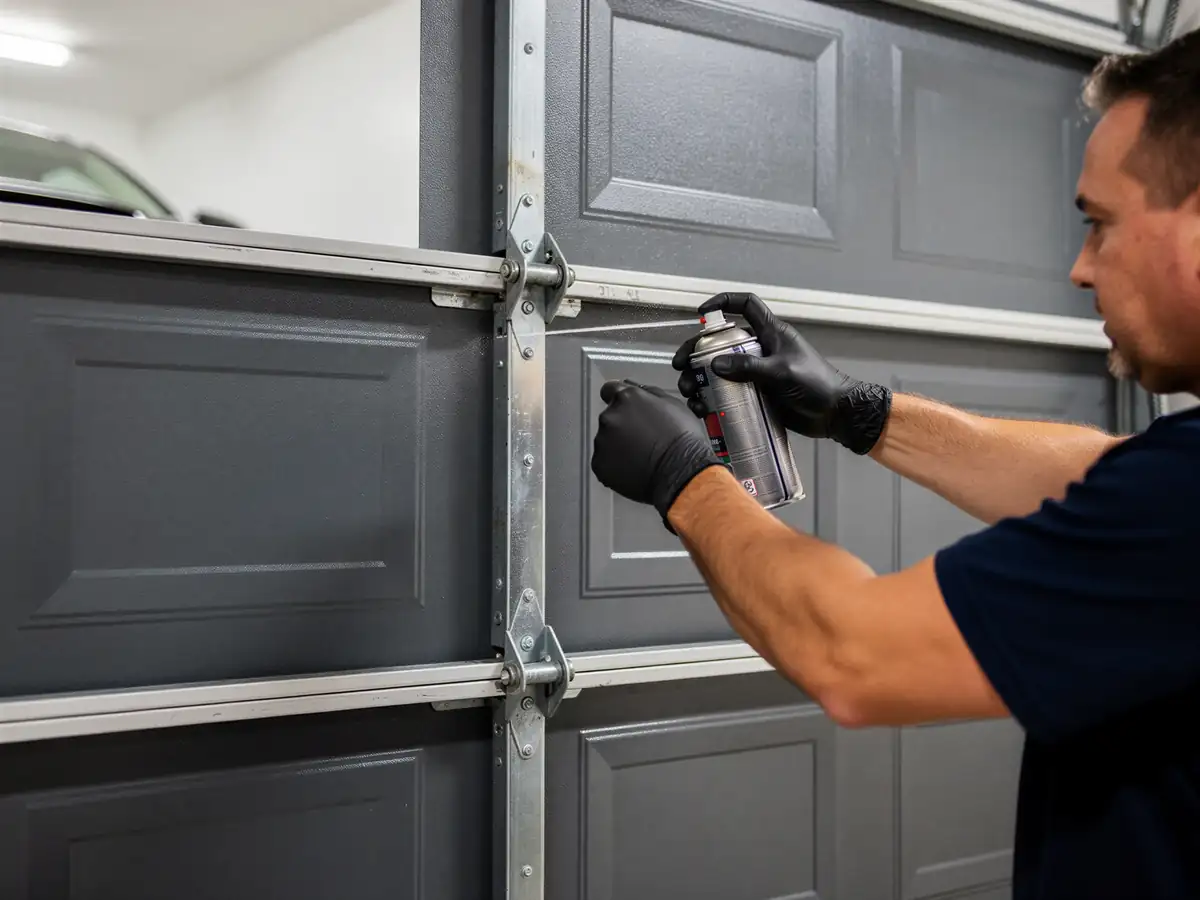
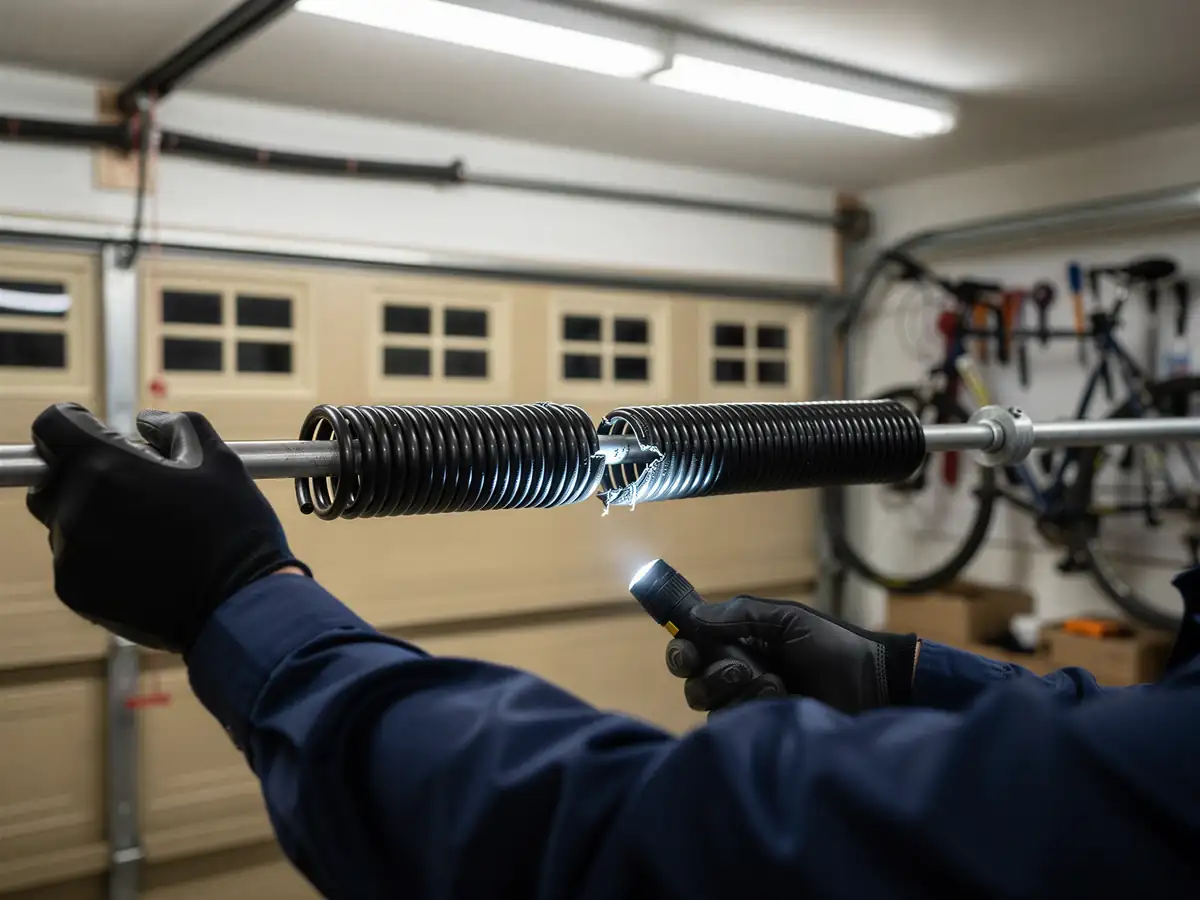
Check that the wall switch has power, look for a disconnected safety sensor (a blinking opener light usually means this), and clear the track of obvious debris. What you should not do is touch a wound torsion spring, cut a cable, or try to realign a bent track under tension. A spring at the end of its life can let go with enough force to break a hand or worse.
With 1,358 households in Little Flock and a median income of $56,961
Well under the wider area's $87,150 - a lot of owners here are weighing whether a repair is worth doing right versus doing cheap. Our honest answer: a worn torsion spring is a straightforward fix. A door that's also warped, rusted through, or missing matching panels is often not worth chasing with patch repairs.
- 1,358 households
How to Book
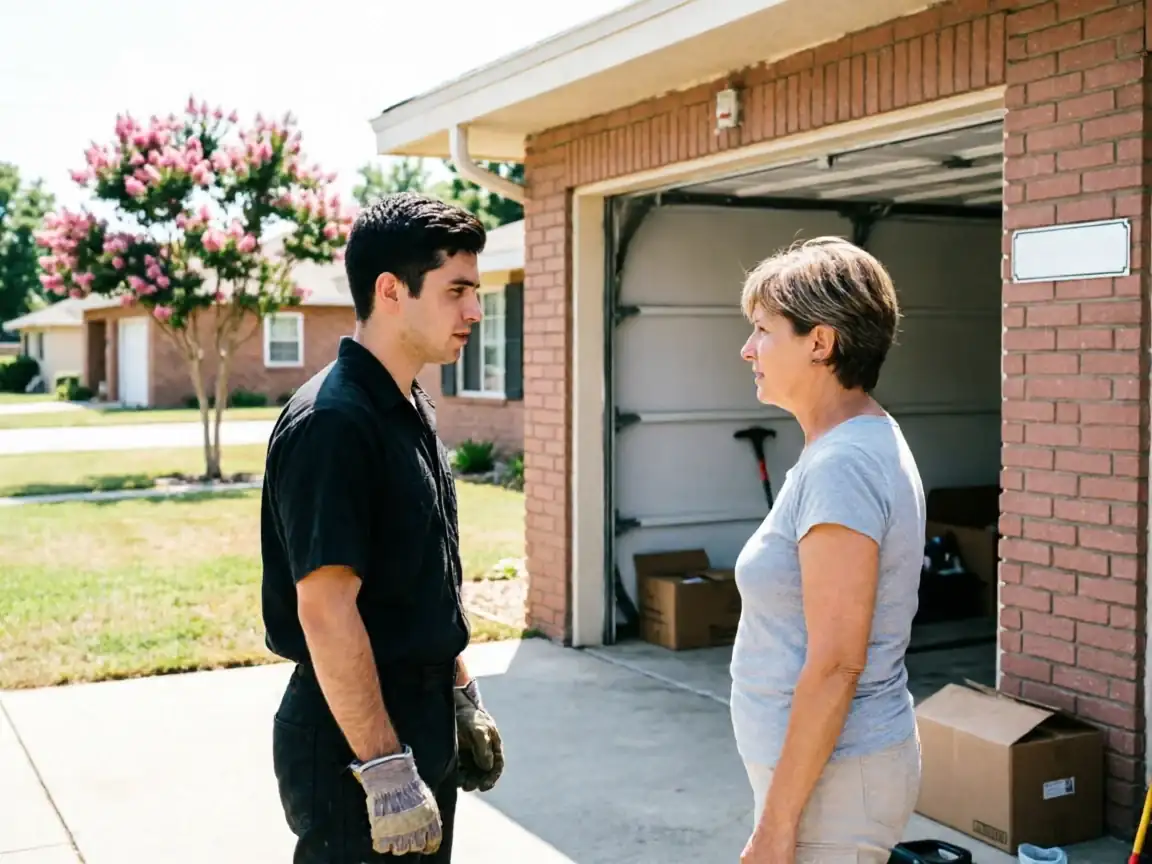
We run out of Rogers, about 5 miles from Little Flock, so there's no local branch or storefront here - just a truck that comes to you. Call and describe what's happening: door won't move, door moves partway and stops, opener grinds but the door doesn't lift, or a spring has visibly snapped. That description tells us what to load on the truck before we leave Rogers, which saves a second trip if your door needs a part we wouldn't normally carry for a routine call.
Have your address and, if you know it, the rough age of the door or opener ready when you call. If the house is original to around 1992 like most of the neighborhood, assume original hardware until proven otherwise - that assumption changes what we bring.
See the Little Flock service area page for what else we cover out here, and the Rogers emergency repair page if you're closer to town and want the broader service rundown rather than the Little Flock specifics.
What the Fix Involves
On a 1992-era door, the repair call usually starts with figuring out whether we're looking at original equipment or a prior patch job. A broken torsion spring on a door this age almost always needs both springs replaced as a pair - ask a tech to explain why, but the short version is that a mismatched old-and-new spring pair wears unevenly and fails again fast.
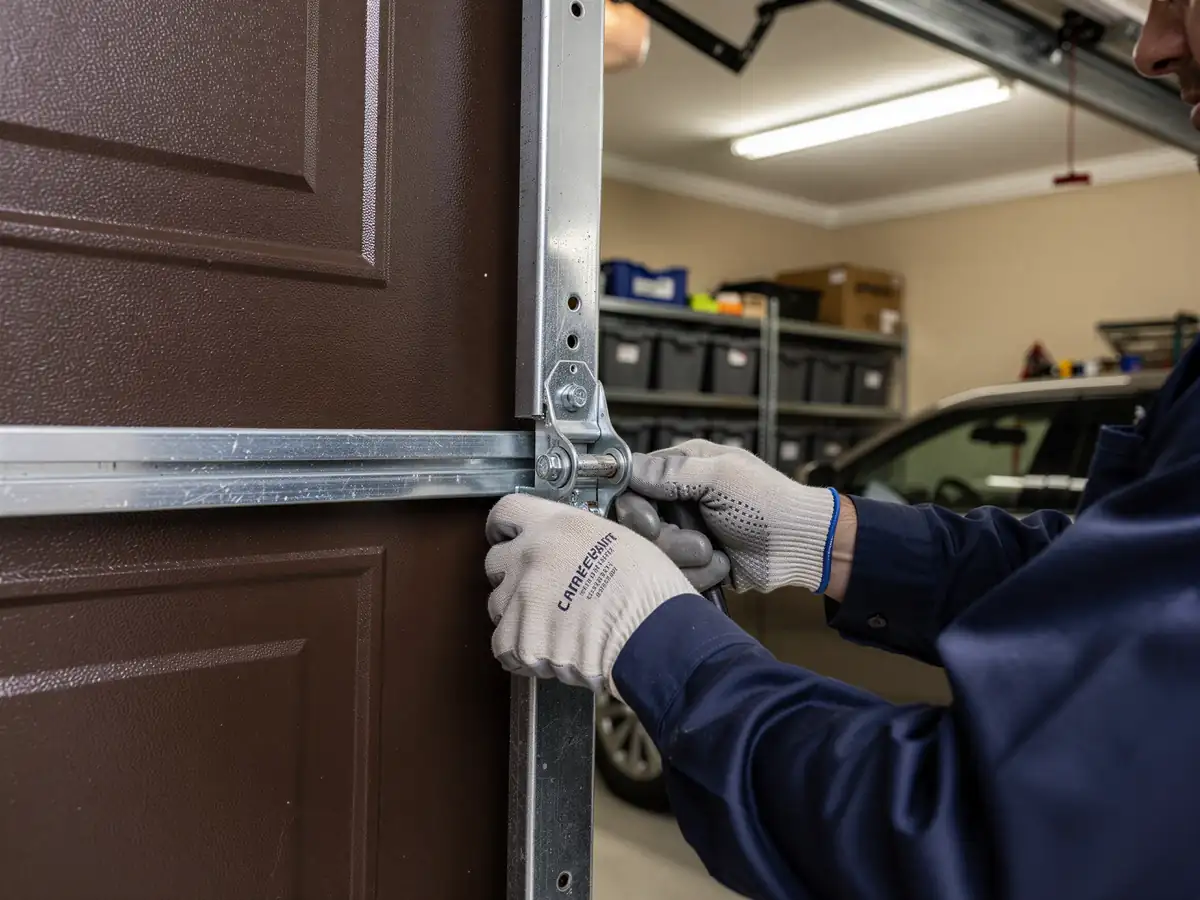
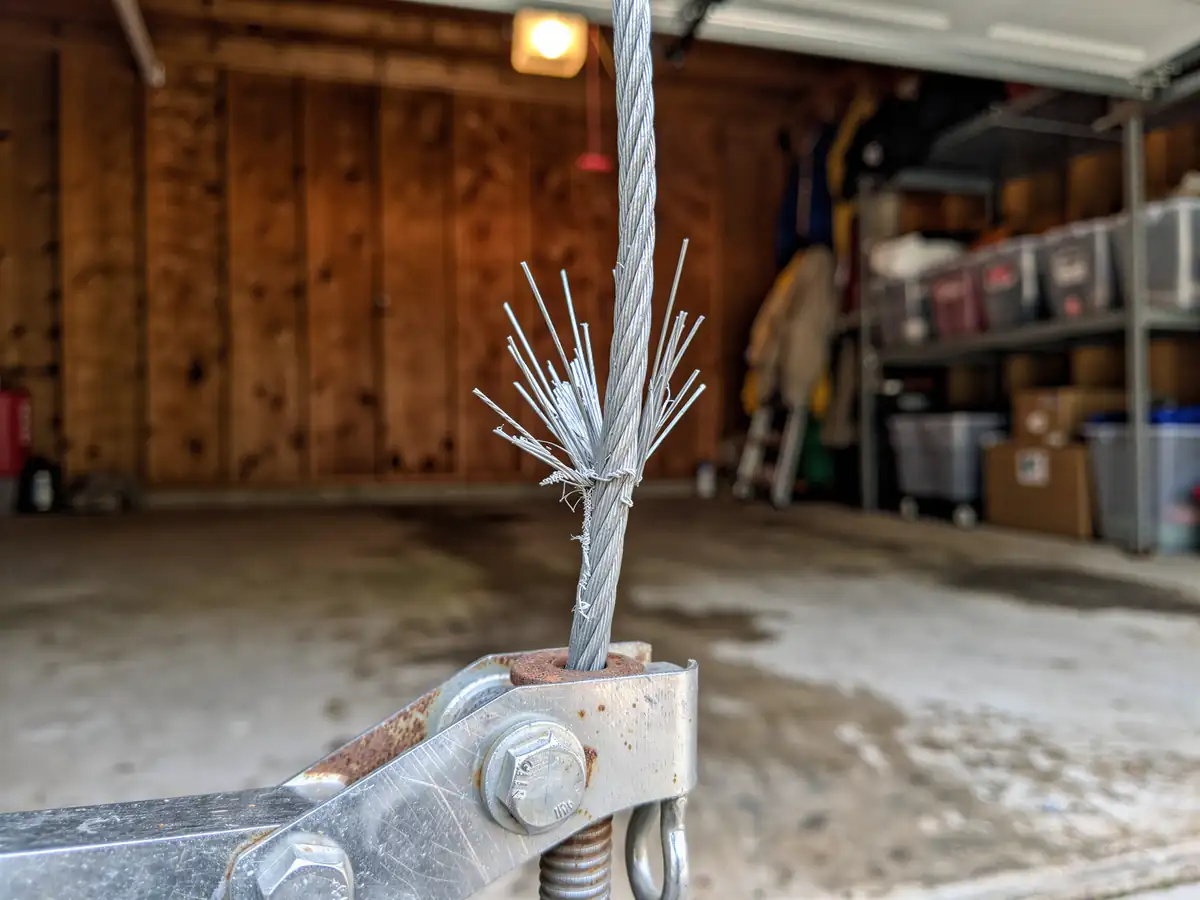
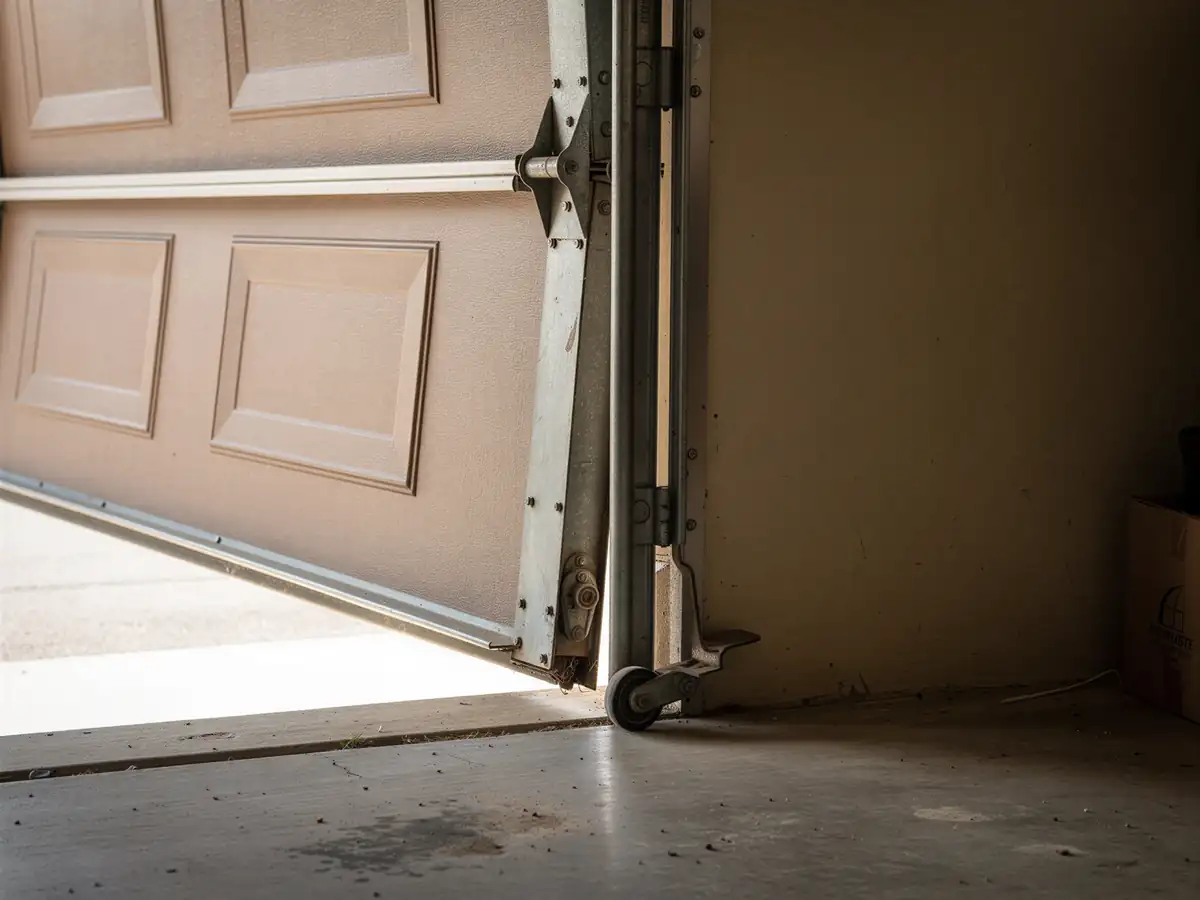
Cable and roller wear shows up often on doors from this build window too, since steel rollers and basic cable were standard then and neither lasts forever under Arkansas winters. We check the track alignment while we're in there, since side-mounted hardware from the early '90s can shift as framing settles over thirty-plus years.
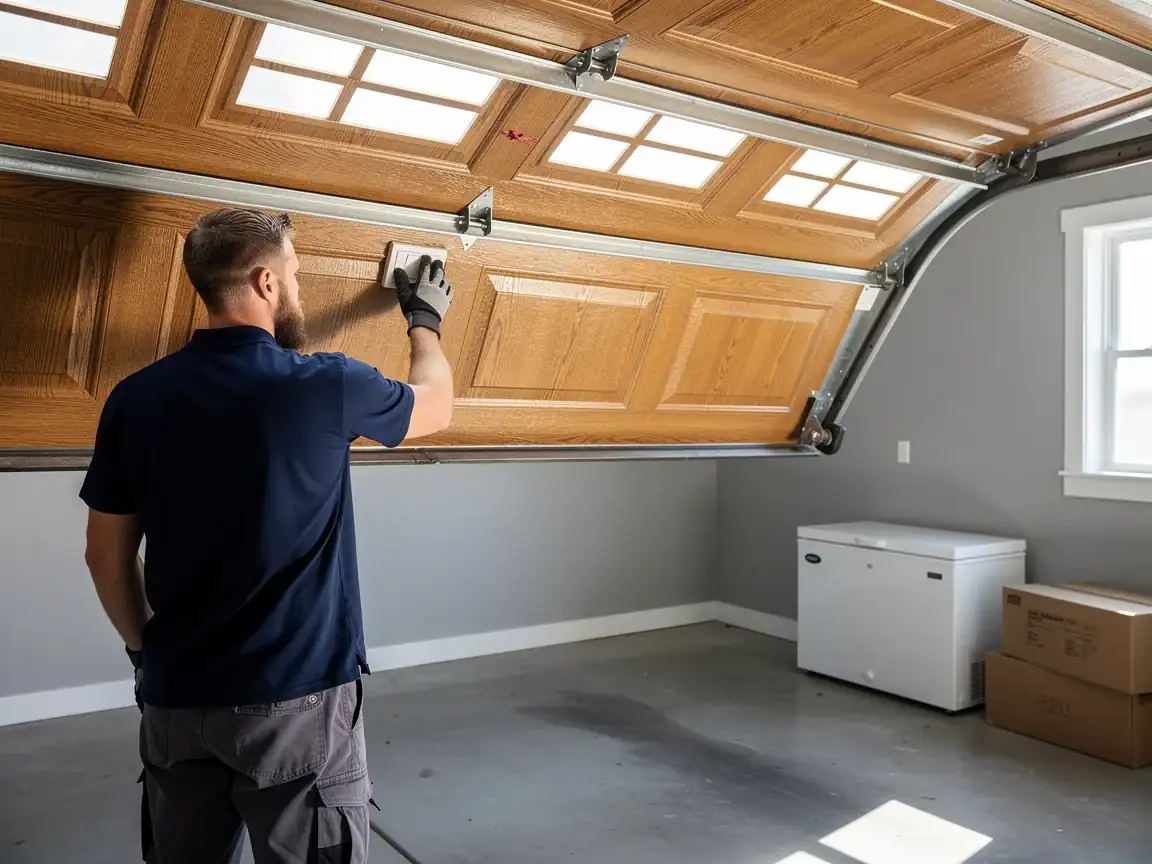
If the opener itself is the problem - grinding, running but not lifting, or dead - we test the logic board and the drive gear before assuming a full opener swap is needed. Sometimes it is. We tell you straight when a repair costs more than it's worth given the door's age and condition, rather than stacking parts onto a door that's near the end of its run anyway.
The Symptom
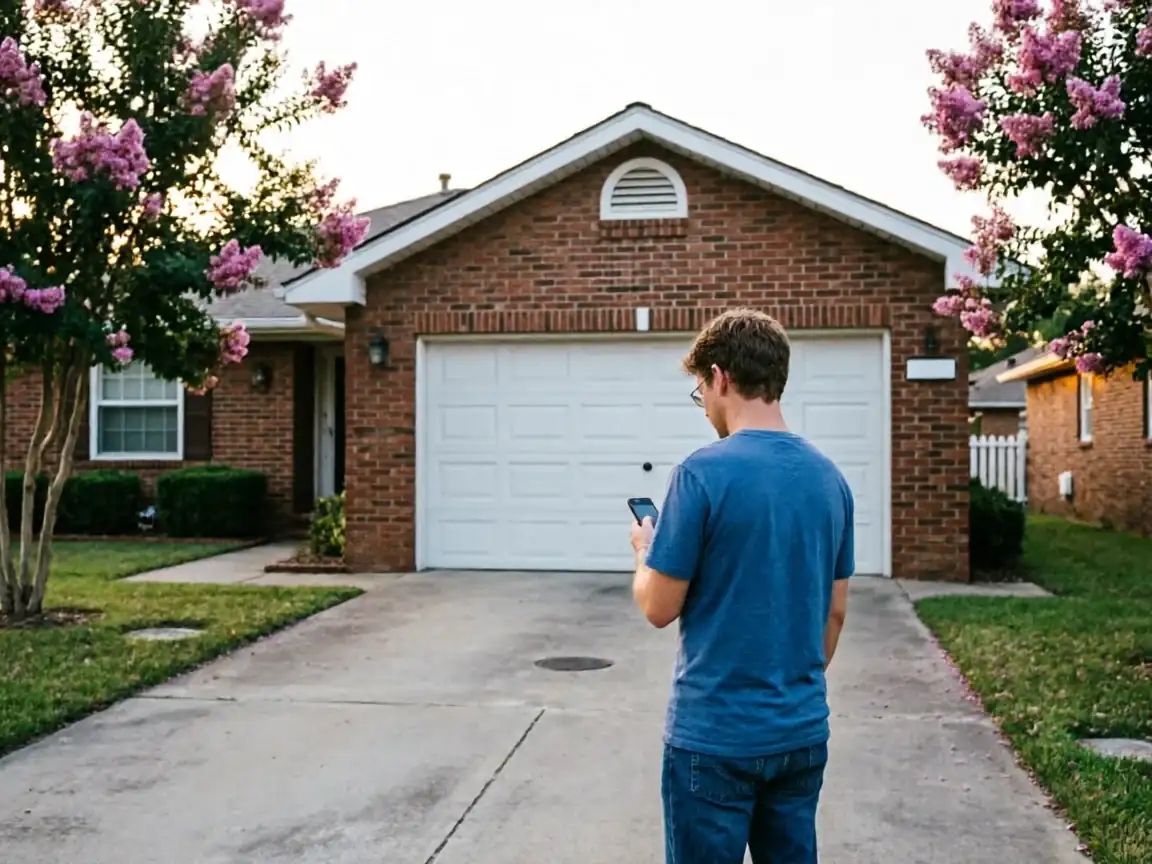
The most common emergency call we get from this part of the service area is a door that won't budge at all
Paired with a loud bang heard earlier in the day or overnight - that's almost always a torsion spring letting go. The second most common is a door that opens a few inches, stutters, and reverses; that points to a broken cable or a sensor misalignment rather than the spring.
Cold mornings make both worse
The climate here runs cold enough in winter that steel springs and cables lose a little flex overnight, and an aging spring that was already marginal can snap on the first cold-morning cycle of the day. If your door has been getting slower to open over the past few weeks and then quits outright, that's the spring failing gradually, not suddenly - worth calling before it happens at the worst time, like halfway through backing a car out.
A door that's silent and totally dead, no sound at all from the opener
Is more often an electrical issue than a spring issue, and that's a different call entirely.