Doing It Yourself
There's a few things worth checking before you call anyone
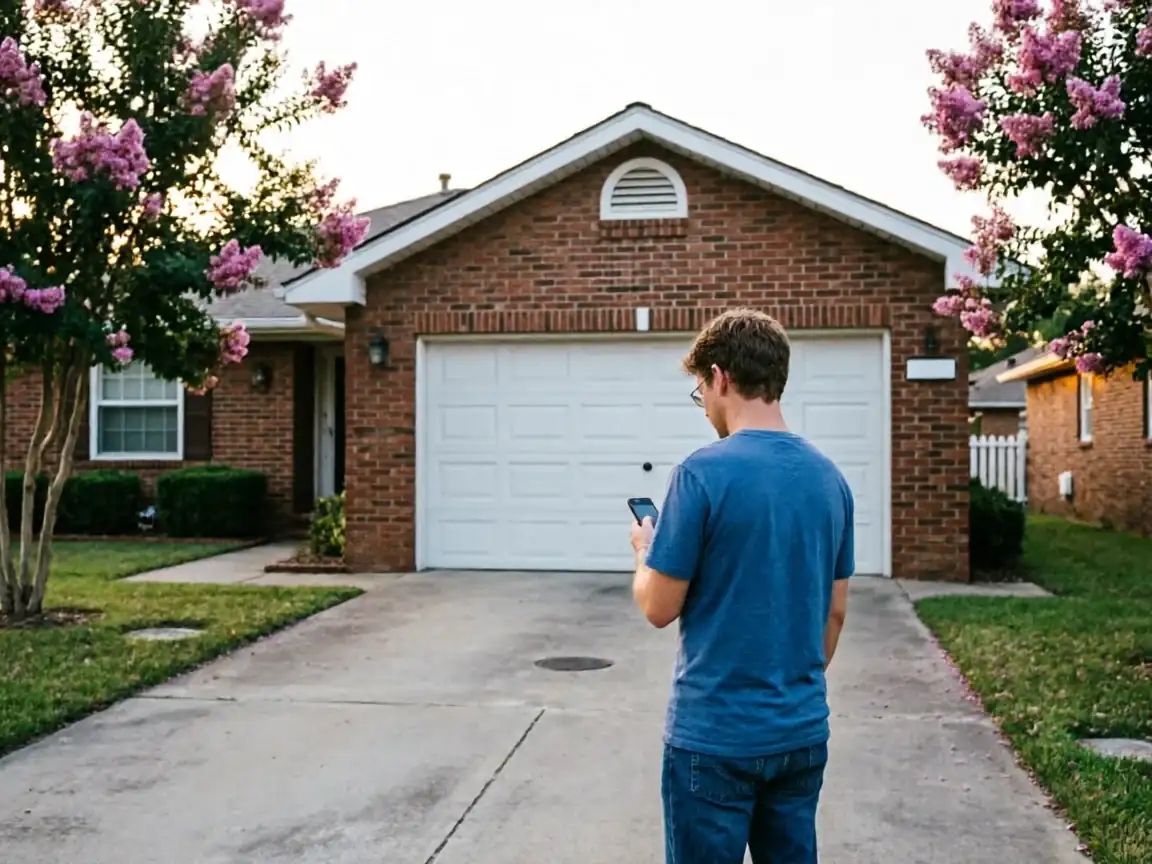
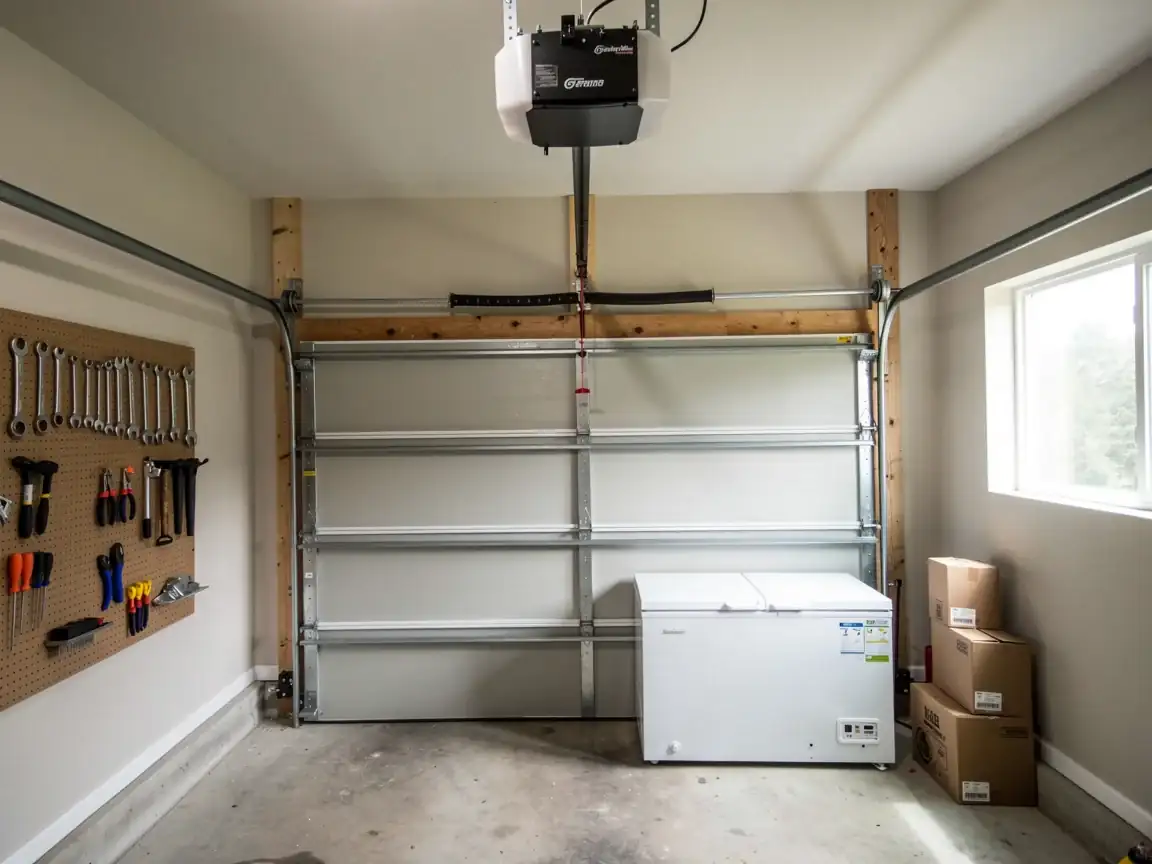
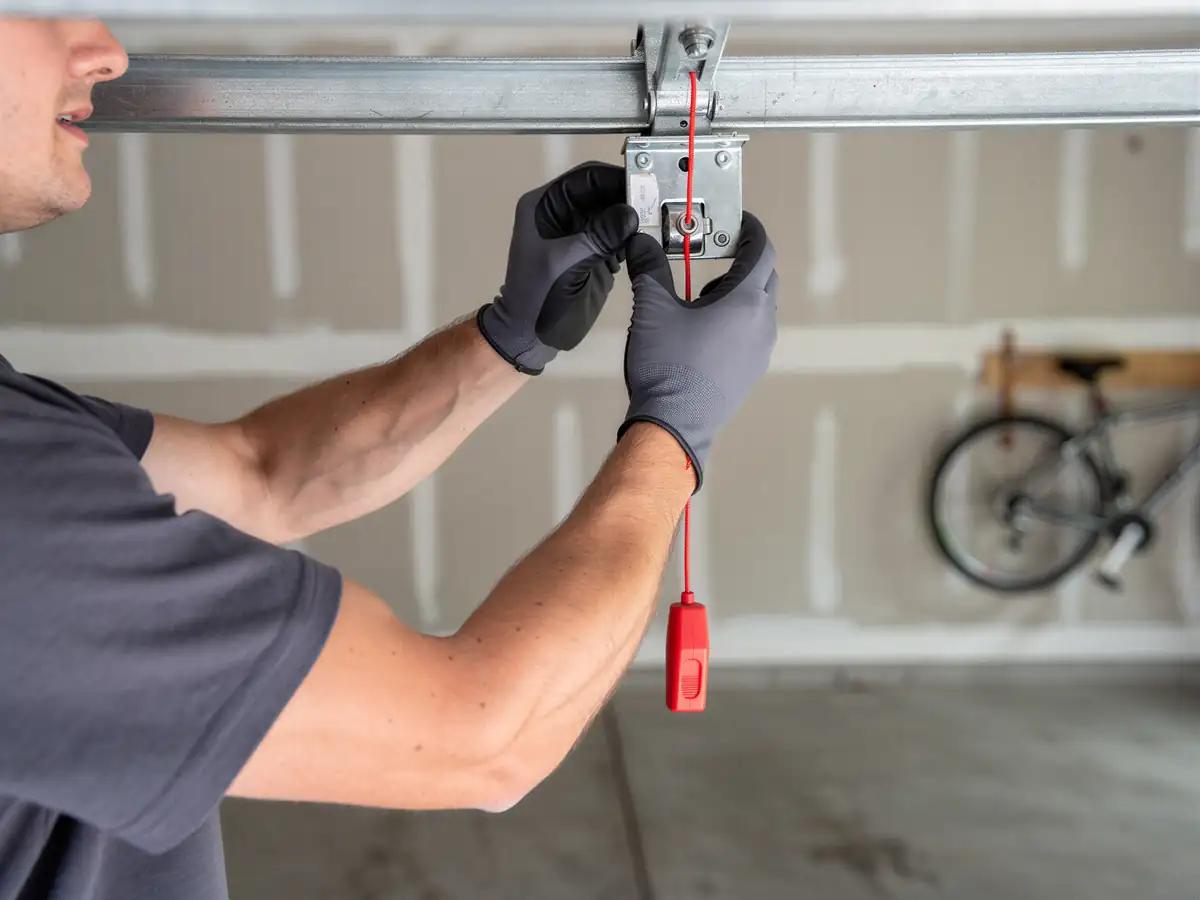
If the opener runs but the door won't move, look at the wall button first - sometimes it's just a dead battery in the remote, or the safety sensors at the bottom of the track are knocked out of alignment and blinking instead of solid. Wipe the sensor eyes clean and make sure nothing's sitting in the beam. If the opener hums but the door doesn't budge, don't keep hitting the button - that's usually a stripped gear or a broken drive component inside the unit, and running the motor against it just chews it up worse.
What you shouldn't do is take the opener housing apart yourself
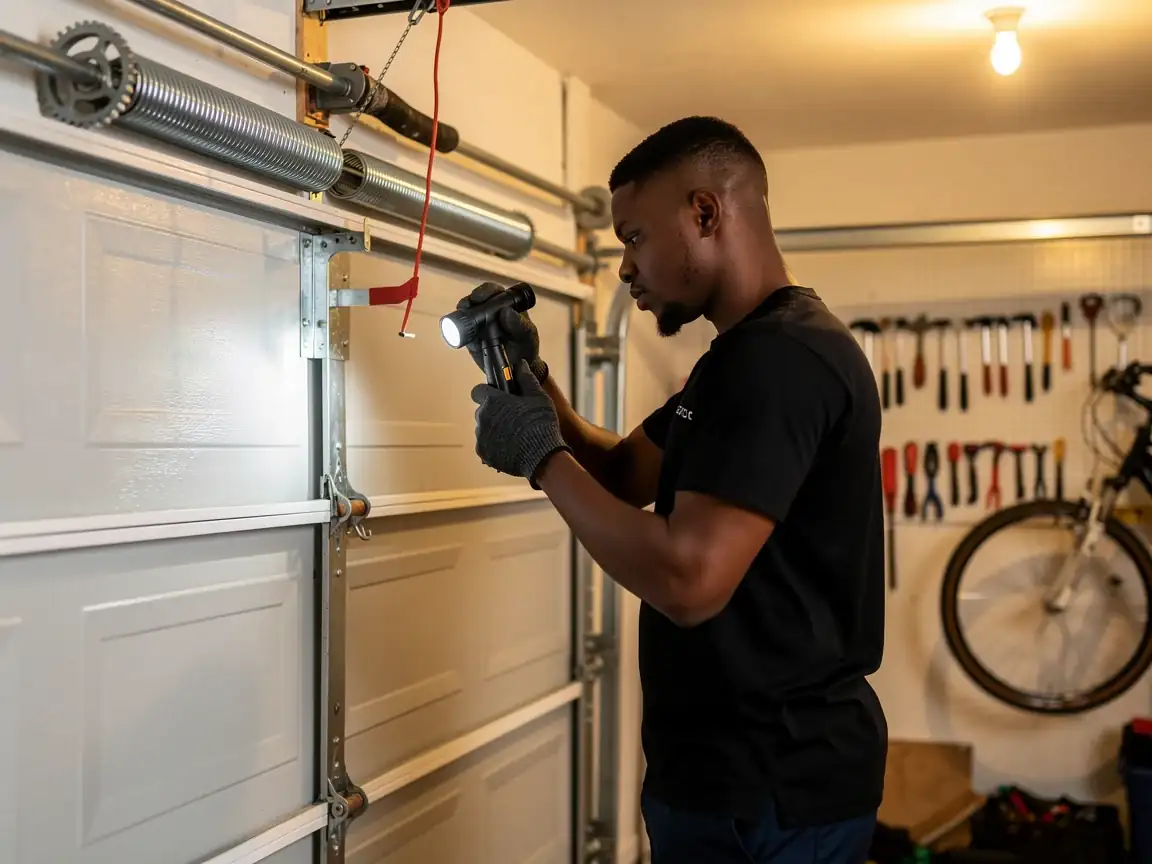
The capacitor inside can hold a charge even unplugged, and on the chain-drive units common to houses built around 1992 in this area, the gear assemblies aren't something you want to guess at without the right parts on hand. If the door moves fine by hand when you pull the manual release but the opener won't engage it, that's almost always the opener itself, not the door - and that's a job worth having a tech actually open up rather than swap parts at random.
How to Book
Little Flock sits about five miles from Rogers, so a call here fits into the same run as several other nearby stops without it being a special trip. When you call, tell us what the opener is doing - grinding, humming without movement, reversing before it closes, or just silent - because that tells the tech what to load on the truck before he leaves Rogers.
You can see which other nearby communities we cover from the service area page. If you're also dealing with a spring, track, or panel issue alongside the opener, the Rogers opener repair page covers the broader service across the whole area we work.
What the Fix Involves
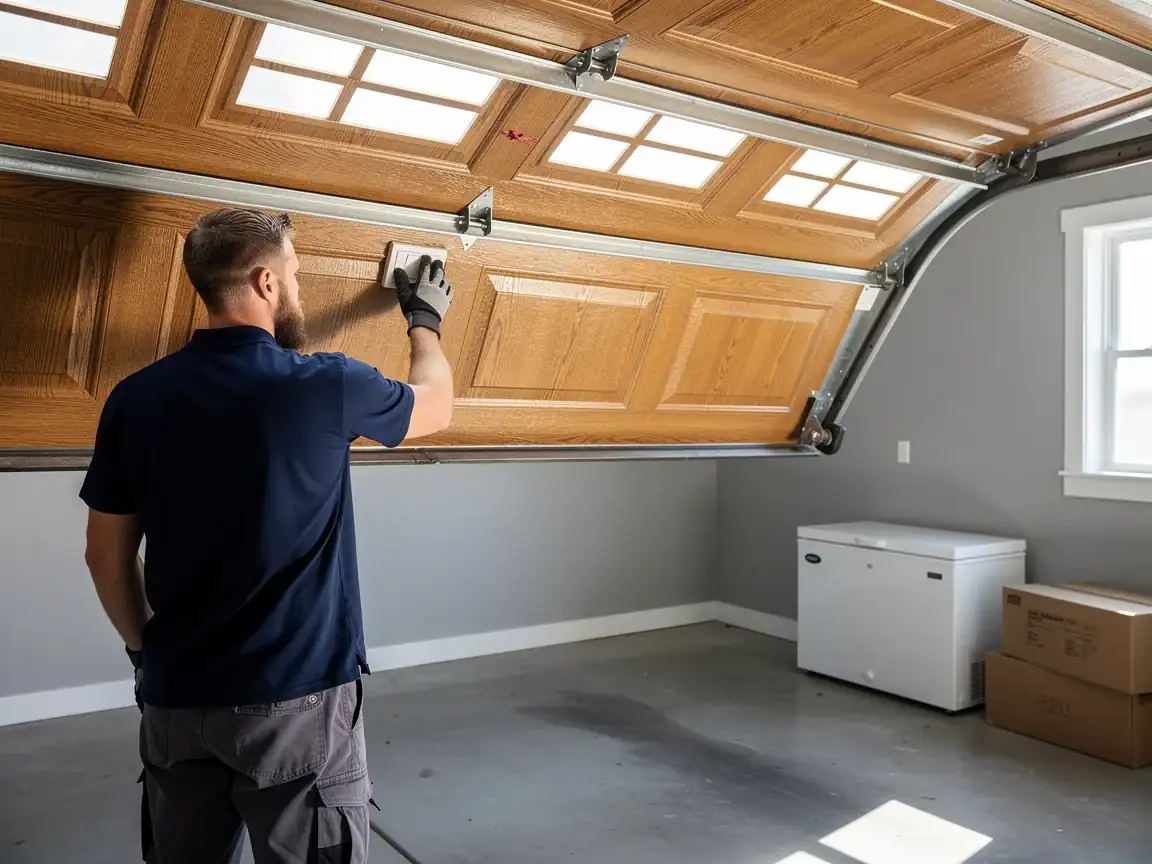
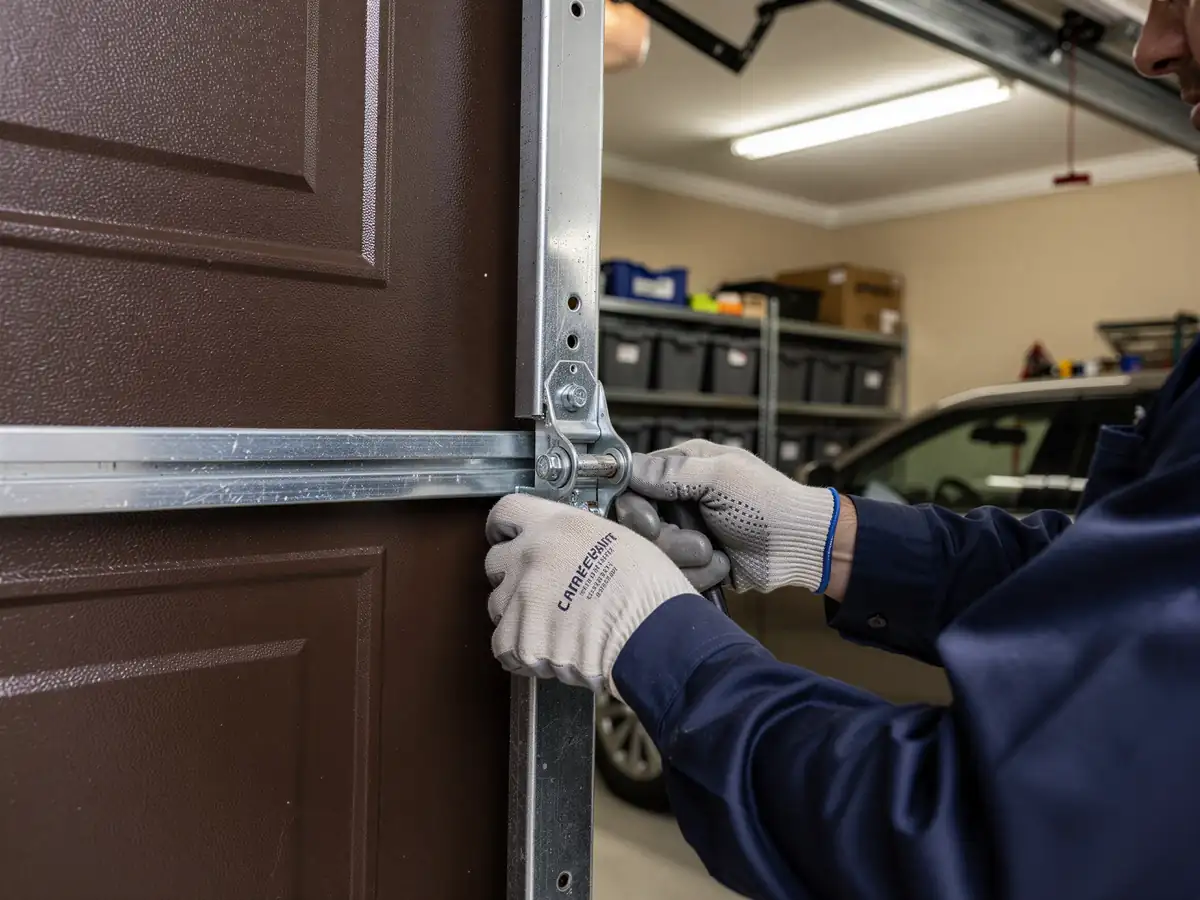
Most houses in Little Flock went up around 1992, which puts the opener hardware squarely in the chain-drive and screw-drive era - units that are reliable but old enough now that gears wear out, drive belts stretch, and circuit boards start failing from age rather than abuse. A repair usually means replacing the drive gear kit, the logic board, or the sensor wiring, not swapping the whole unit, unless the motor itself has burned out.
Median household income in this area runs $56,961, noticeably below the $87,150 median across the wider service area we cover, and that's part of why we walk through the repair-versus-replace math honestly instead of defaulting to a new opener every time. A $40 gear kit on a working motor is a different conversation than a motor that's seized. If the opener is original to a 1992-built house, there's a real chance the belt or chain has reached the end of its life regardless of what else is wrong, and we'll say so rather than patch around it.
The Symptom
Cold winters here are harder on openers than most people expect
The safety sensors and limit switches on a unit from the early 1990s are usually the first things to act up in a cold spell - not because the motor's weak, but because the plastic housings and wiring connections get brittle and the contacts don't make a clean connection in low temperatures. If your door reverses halfway down or refuses to close at all once the temperature drops, that's the pattern to look for before assuming the motor's dying.
A door that opens fine but closes slow
Or closes then immediately reopens a few inches, is almost always a sensor or limit-switch issue, cheap to fix if caught early. A door that won't respond to the wall button or remote at all, with no light or sound from the opener, points toward the logic board or power supply - a bigger job, but still usually a repair rather than a full replacement on these units.