Garage Door Maintenance for Little Flock's Early-90s Doors
Little Flock homes went up mostly in the early 1990s, which means steel sectional doors on torsion springs rated for that era. Here's what upkeep looks like.
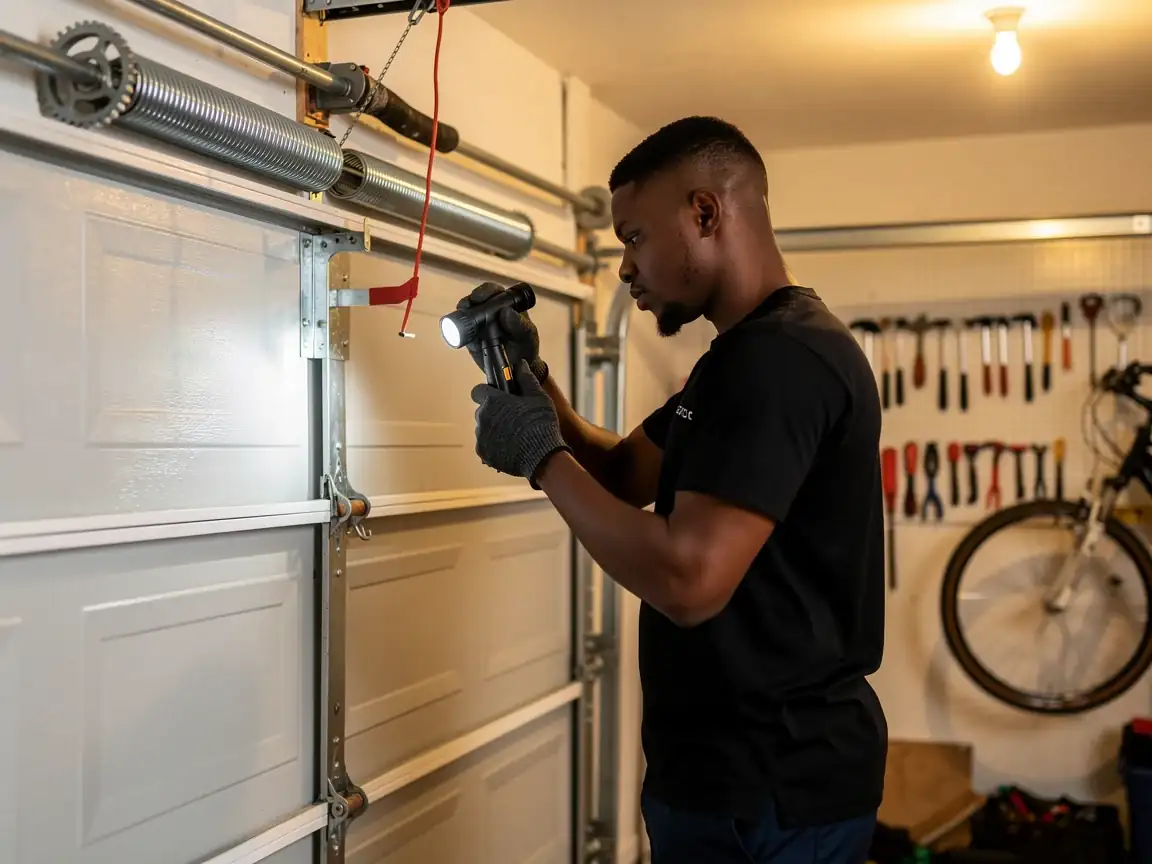
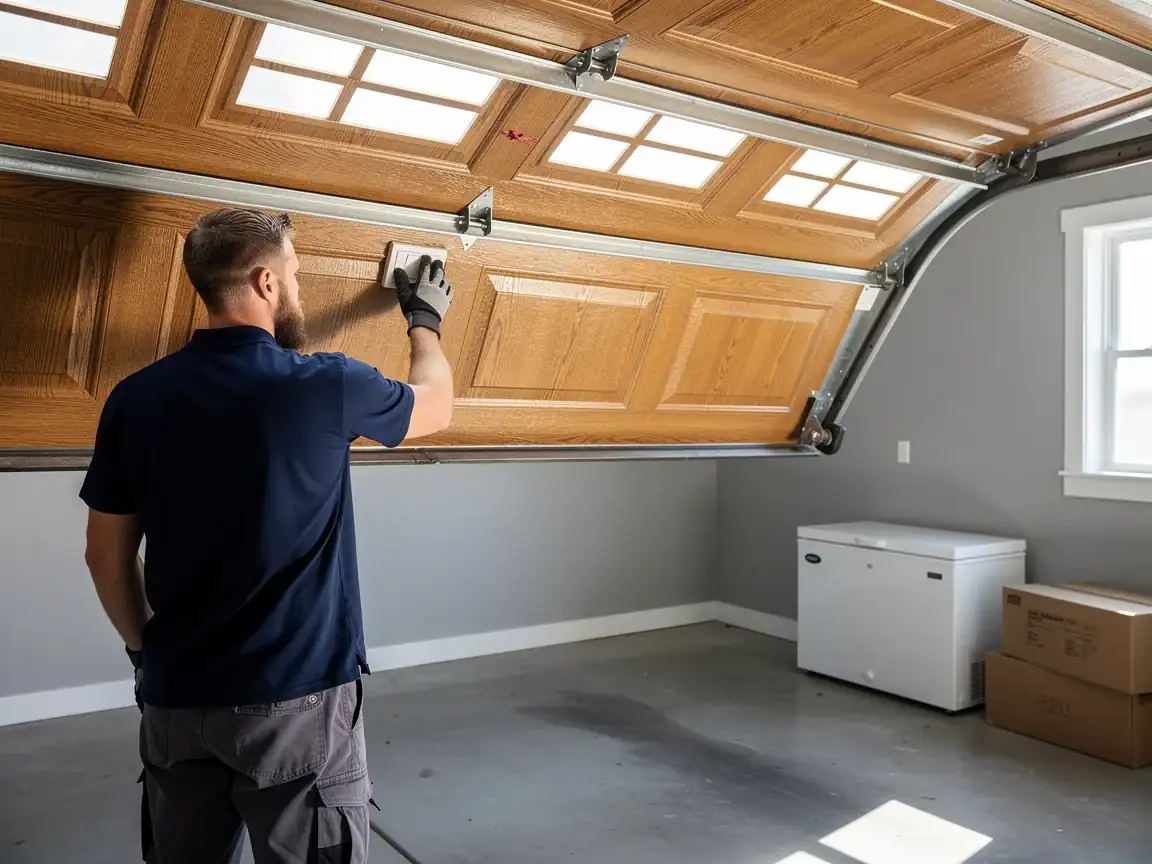
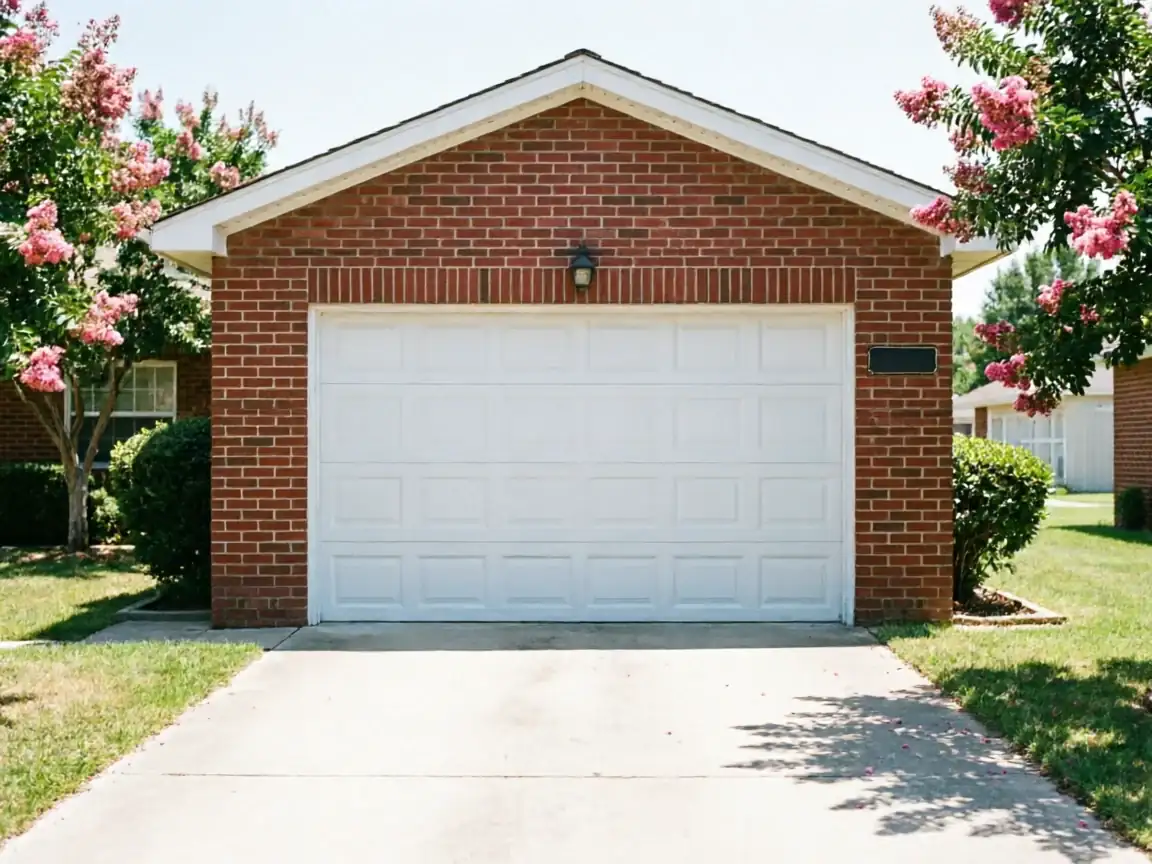
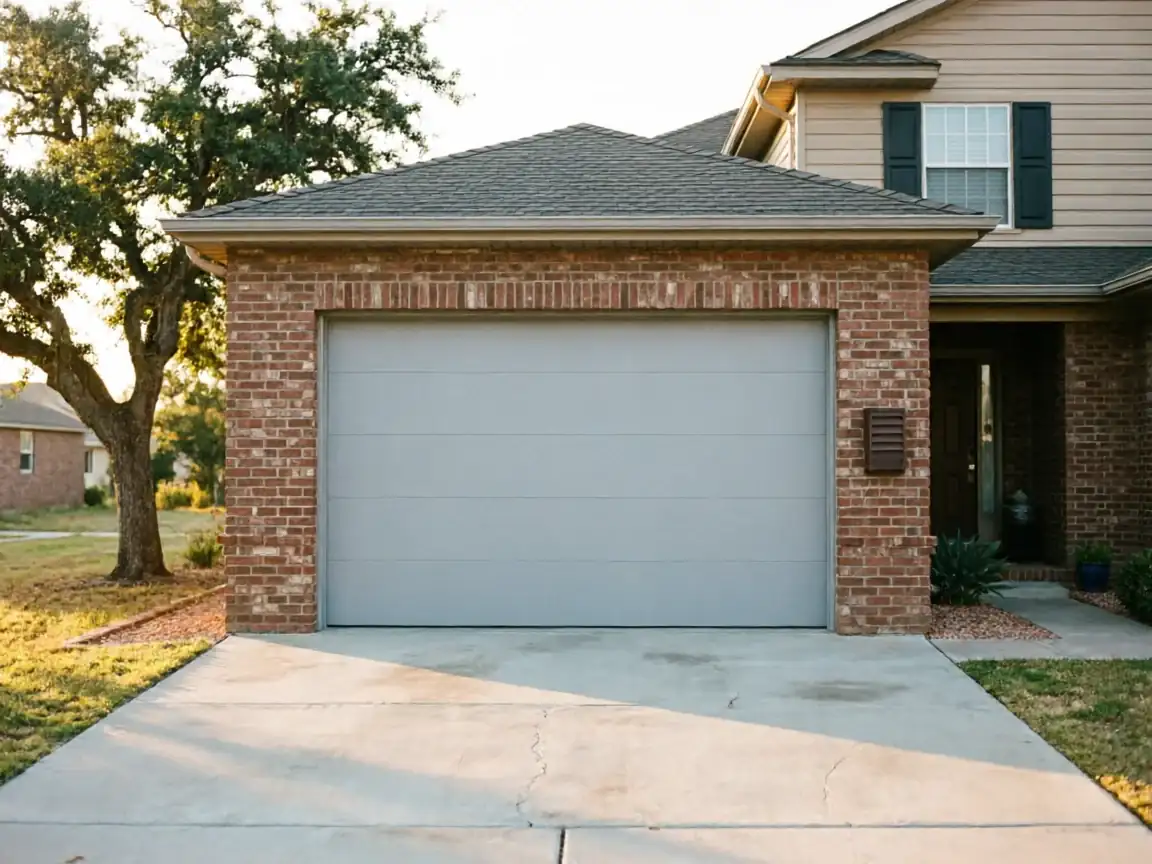
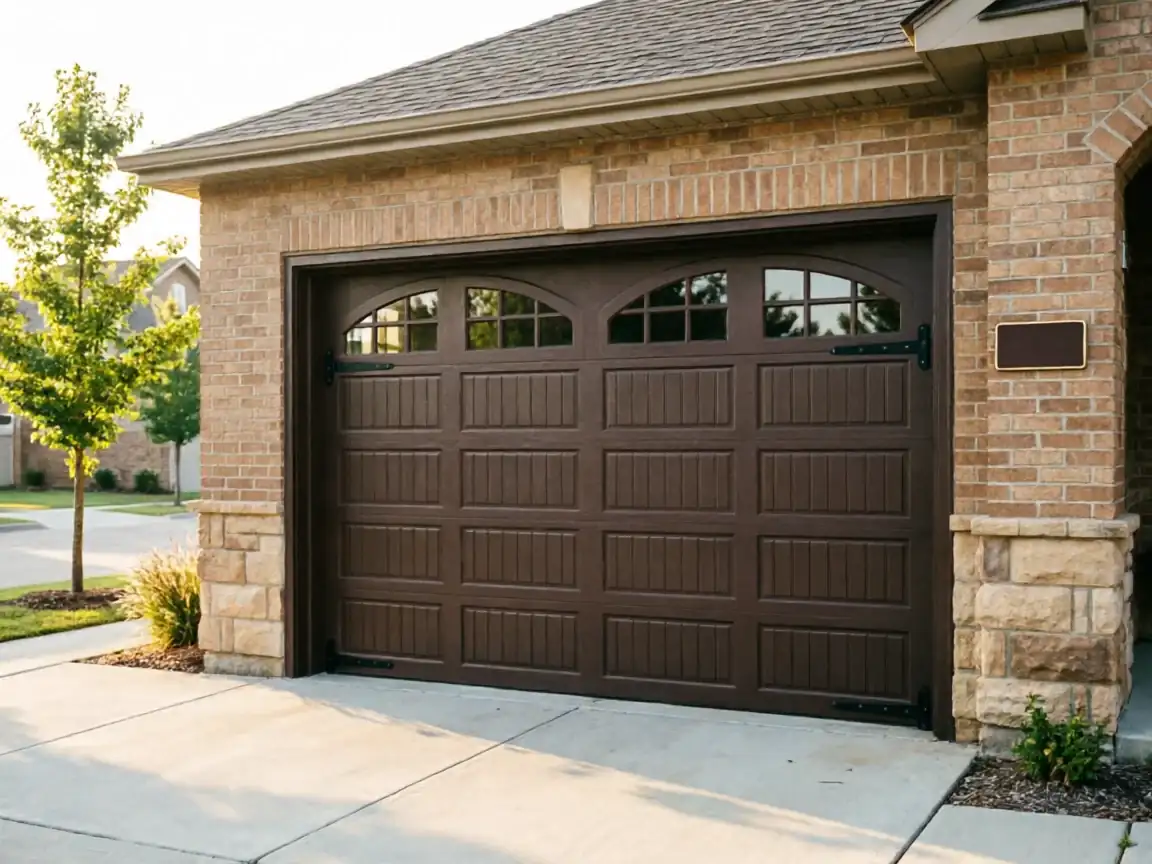
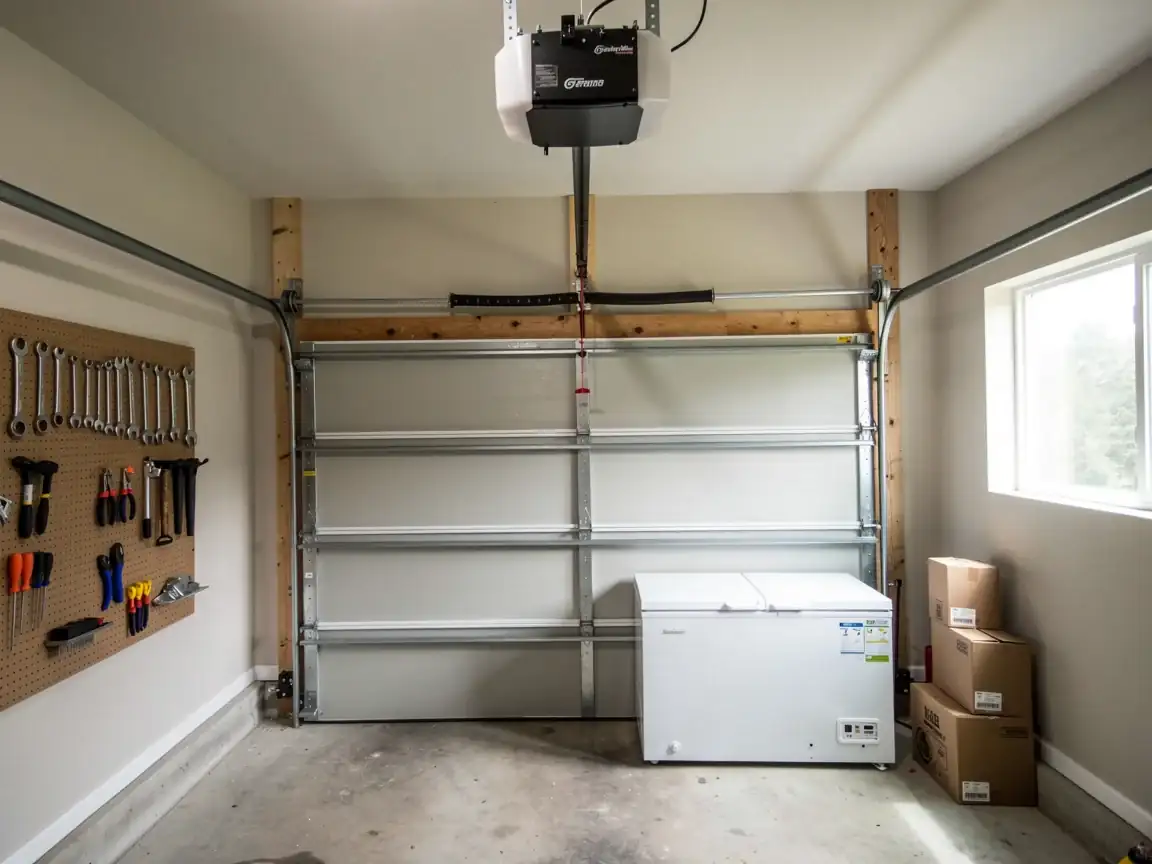
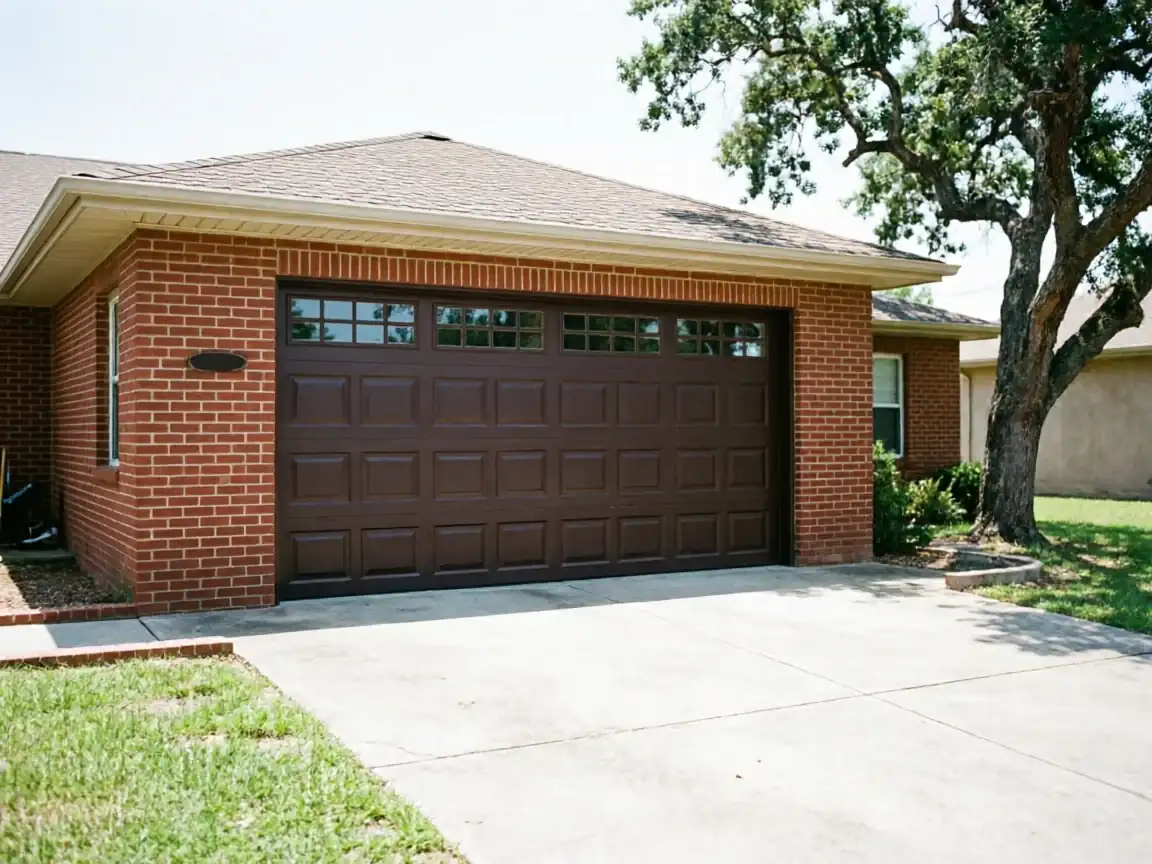
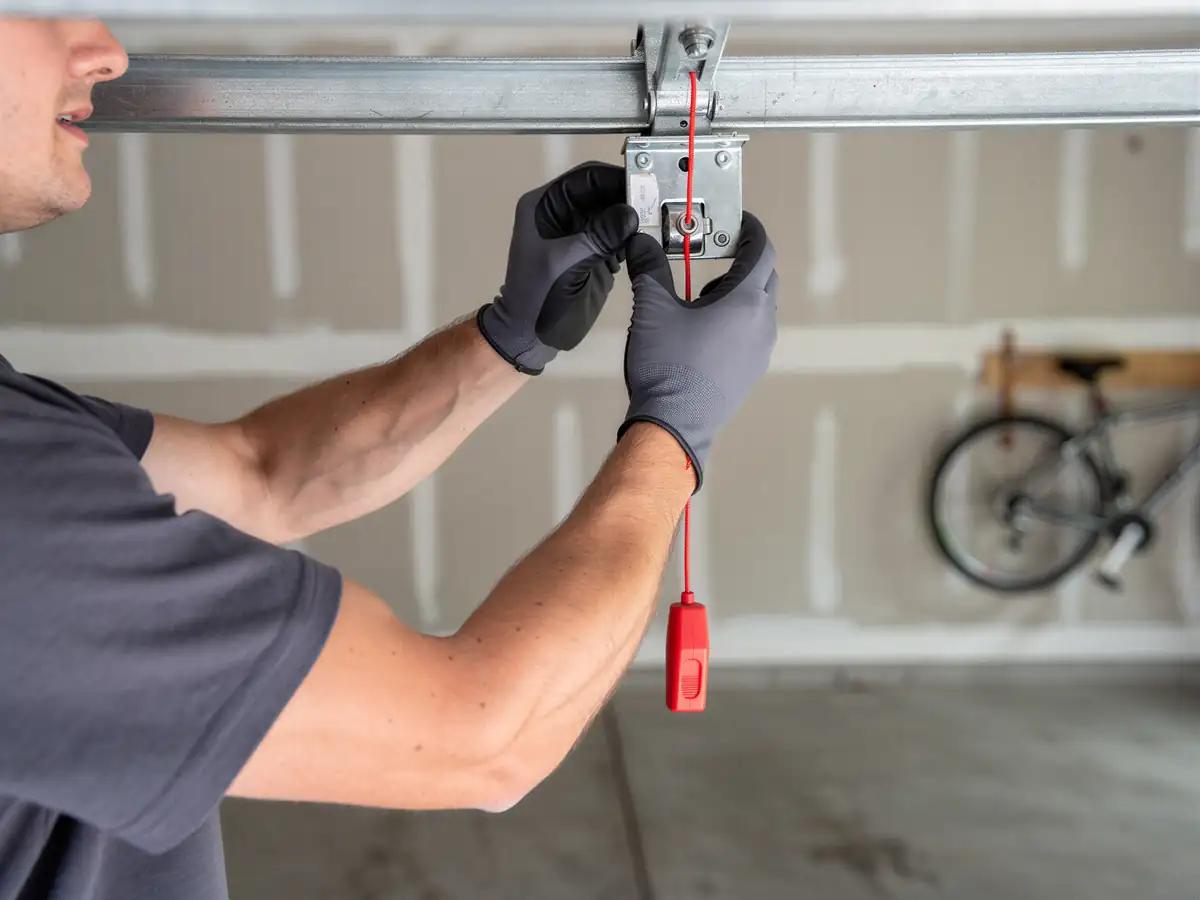
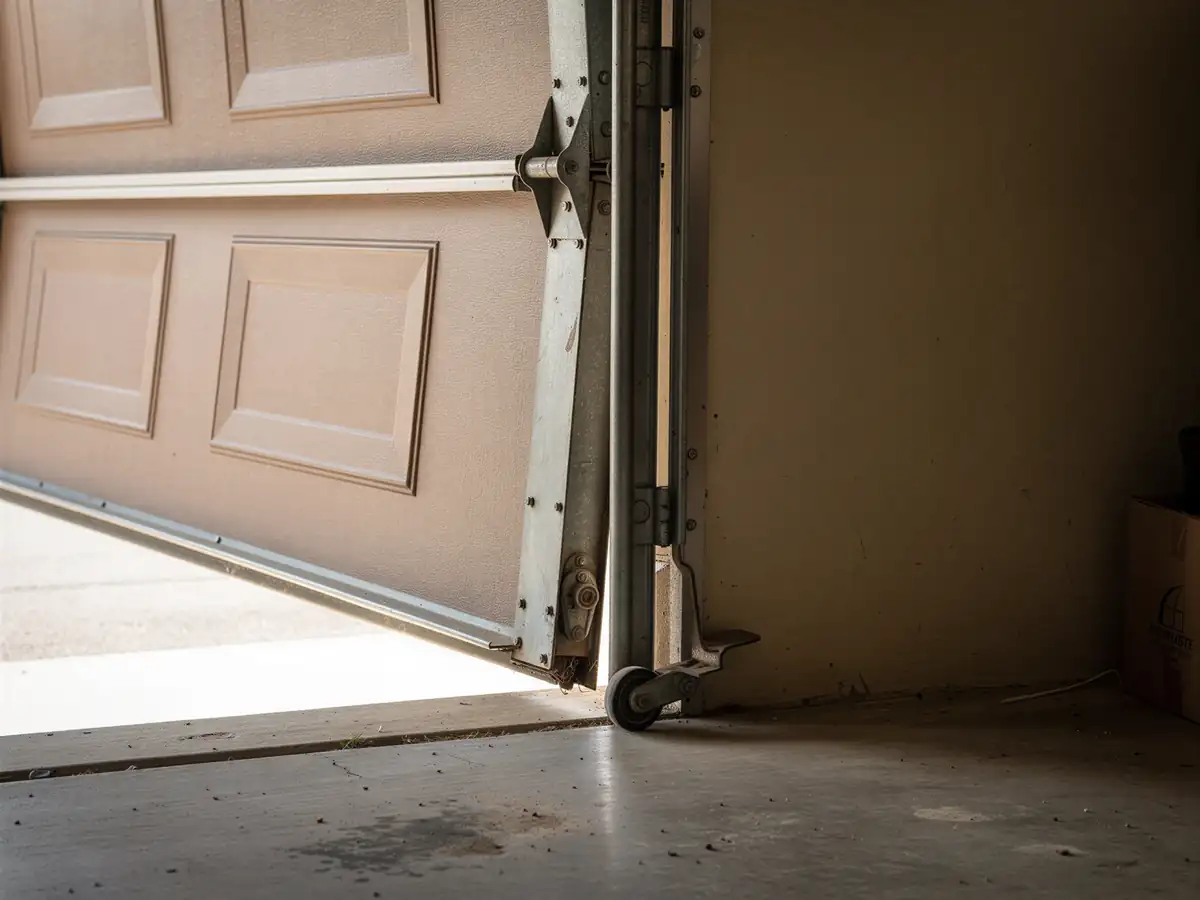
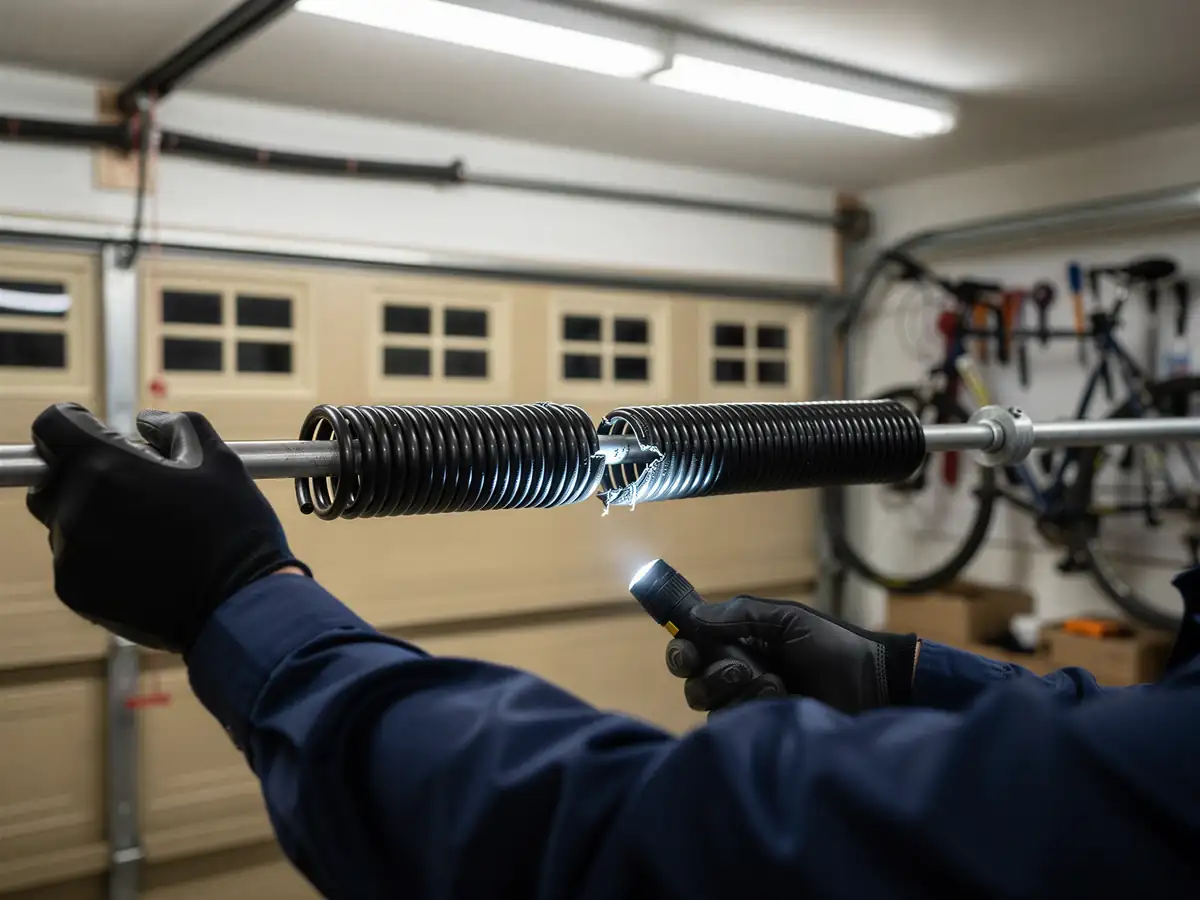
Most garages in Little Flock went in around 1992, which puts the door itself squarely in the steel-sectional, torsion-spring era - not the older extension-spring setups you still see on pre-1980 houses, and not the insulated composite panels going into new builds further out. That means a few things you can check yourself without a ladder fight. Look at the two tracks for dents or gaps where the rollers ride; a door built in the early 90s is old enough now that the track brackets have usually loosened at least once. Pull the release handle with the door down and lift it by hand - it should stay roughly level and rise with light effort. If it drops or fights you, a spring is losing tension, and that's not a DIY fix. You can also vacuum out the track channels and wipe down the bottom seal, since cold-weather contraction in this area tends to crack a seal that's gone stiff and dry. What you shouldn't touch: the torsion spring itself, or the cable drums. Those are under real load, and a 1990s-era spring that's never been serviced can let go with enough force to break a hand. That's the line between owner maintenance and a call to someone who does this daily.
How to Book
Rogers Garage Door Pros covers Little Flock from Rogers, about 5 miles out, so there's no local branch here - the truck comes from Rogers on scheduled runs rather than a walk-in counter down the street. Booking works the same whether your door is original to a 1992 build or a newer install: describe the symptom, give an address, and get a day that works. For the broader service menu and what a standard maintenance visit covers across the Rogers area, the Rogers garage door maintenance page lays it out in full. If you want to see what else is covered nearby, the Little Flock service area page has that rundown.
What the Fix Involves
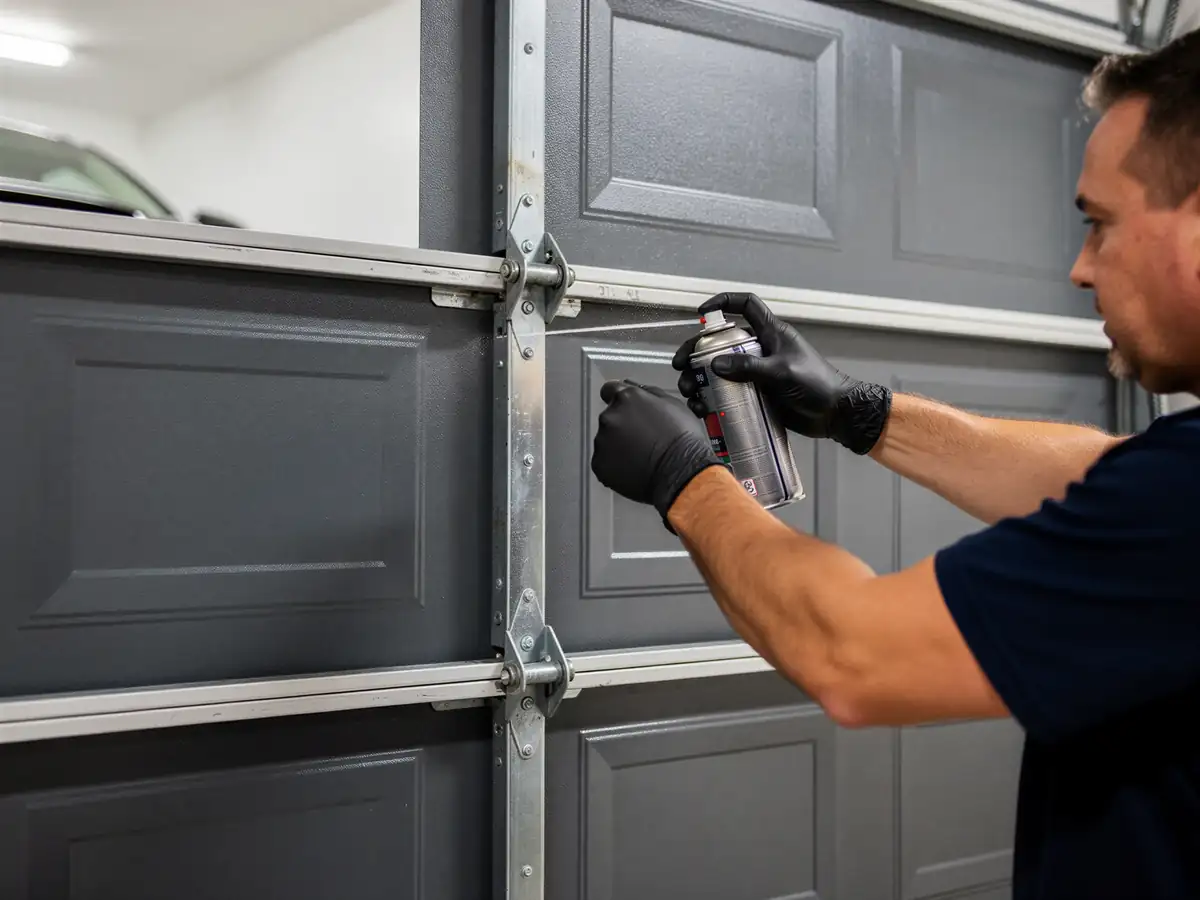
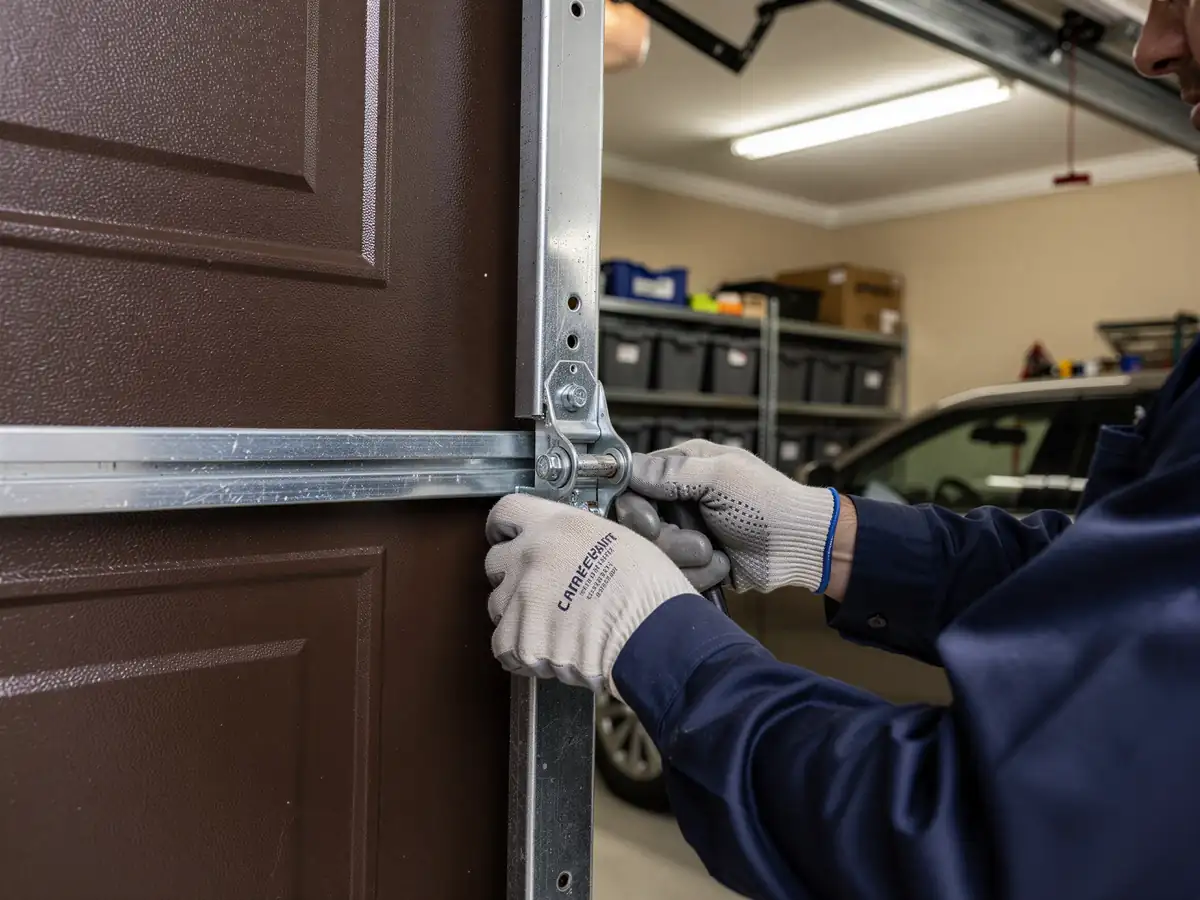
On a door this age, a maintenance visit usually starts with the hardware, not the panels. Torsion springs installed in the early 90s were sized for the door weight at the time, and if a previous owner ever swapped to a heavier insulated door without re-rating the spring, that mismatch shows up as a door that's hard to lift or slams down fast. We check spring tension against the door weight, not just whether it moves. Rollers from that era are often the original nylon, which by now are usually cracked or flat-spotted - those get swapped for steel-ball rollers that handle the cold-weather stiffness better. Track alignment gets checked top to bottom, since 30-plus years of seasonal ground shift will walk a track out of plumb a little at a time. Lubrication is lithium grease on the hinges and bearings, not oil, which attracts grit. One honest limit: if the spring is original and the door is original, we're often looking at a full spring replacement rather than an adjustment - at that age, patching a spring that's already fatigued just moves the failure a few months down the road.
The Symptom
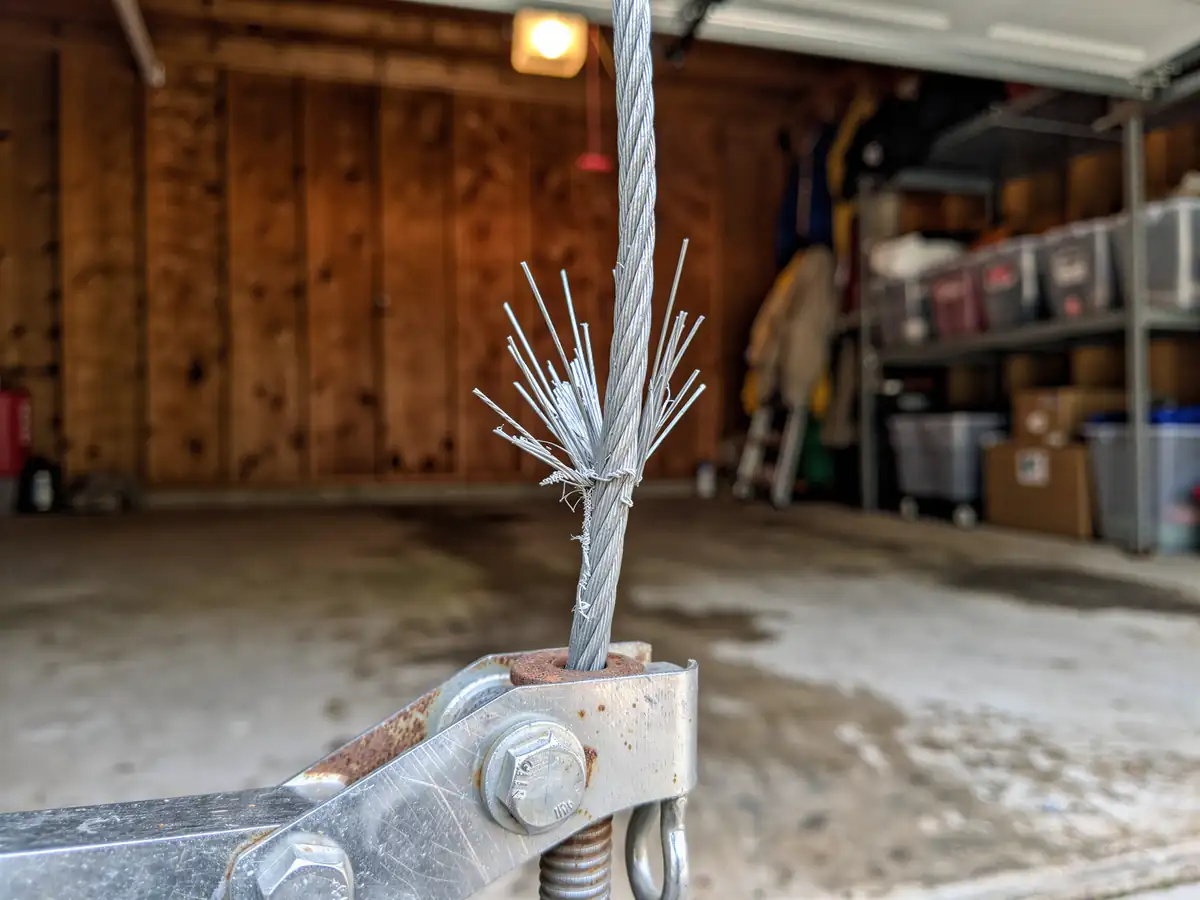
The call we get most from this part of the service area is a door that's suddenly heavy - it used to lift with one hand, now it takes both arms and a shove. On a house built around 1992, that's almost always spring fatigue, not the opener. The opener motor just compensates by working harder, which is why some owners think the opener is dying when it's actually the spring giving up behind it. A second common symptom is a door that reverses partway up or down on its own; on hardware this old, that's usually a sensor that's drifted out of alignment or a cable that's started to fray at the drum. Neither is a big job if caught early. Left alone through a few more cold snaps, a frayed cable on a door this age tends to snap rather than slip, and that's a same-day replacement instead of a tune-up.
How it works
From “it’s stuck” to “it’s fixed”
01
Tell us what’s wrong
Describe the symptom - won’t open, loud bang, opener runs but the door won’t move.
02
On-site diagnosis
A technician tests the door under power and by hand and finds what actually failed.
03
Clear, up-front plan
You get the fix that’s needed and what drives the cost - before any work starts.
04
Repaired & tested
The repair is done, the door is set true and tested, and the work area left clean.
Not sure which repair your door needs in Rogers, AR? Describe what it’s doing - every job starts with a diagnosis.
Most houses here were built around 1992, so the garage door and hardware are usually from that same era - steel sectional doors on torsion springs. If the door's never been replaced, it's closing in on 30 years old, which is past the usable life of most springs and rollers.
Do you have a branch in Little Flock?
No. Rogers Garage Door Pros runs out of Rogers, about 5 miles away, and covers Little Flock on scheduled visits. There's no local counter or drop-in location here.
Can I just replace the spring myself?
We'd advise against it. A torsion spring on a door this size is under heavy load even when the door looks still, and the tools to wind it safely aren't something most homeowners keep around. It's one of the few jobs here worth leaving to someone who does it regularly.
Why does my door feel heavier in winter?
Cold tightens steel and stiffens the lubricant in the bearings and hinges, so a spring that's already a little fatigued feels worse once temperatures drop. On a door from the early 90s, that seasonal heaviness is often the first sign the spring needs replacing, not just a re-grease.
Ready to get your garage door sorted?
Tell us what it’s doing and where you are in Rogers - we’ll take it from there.