Doing It Yourself
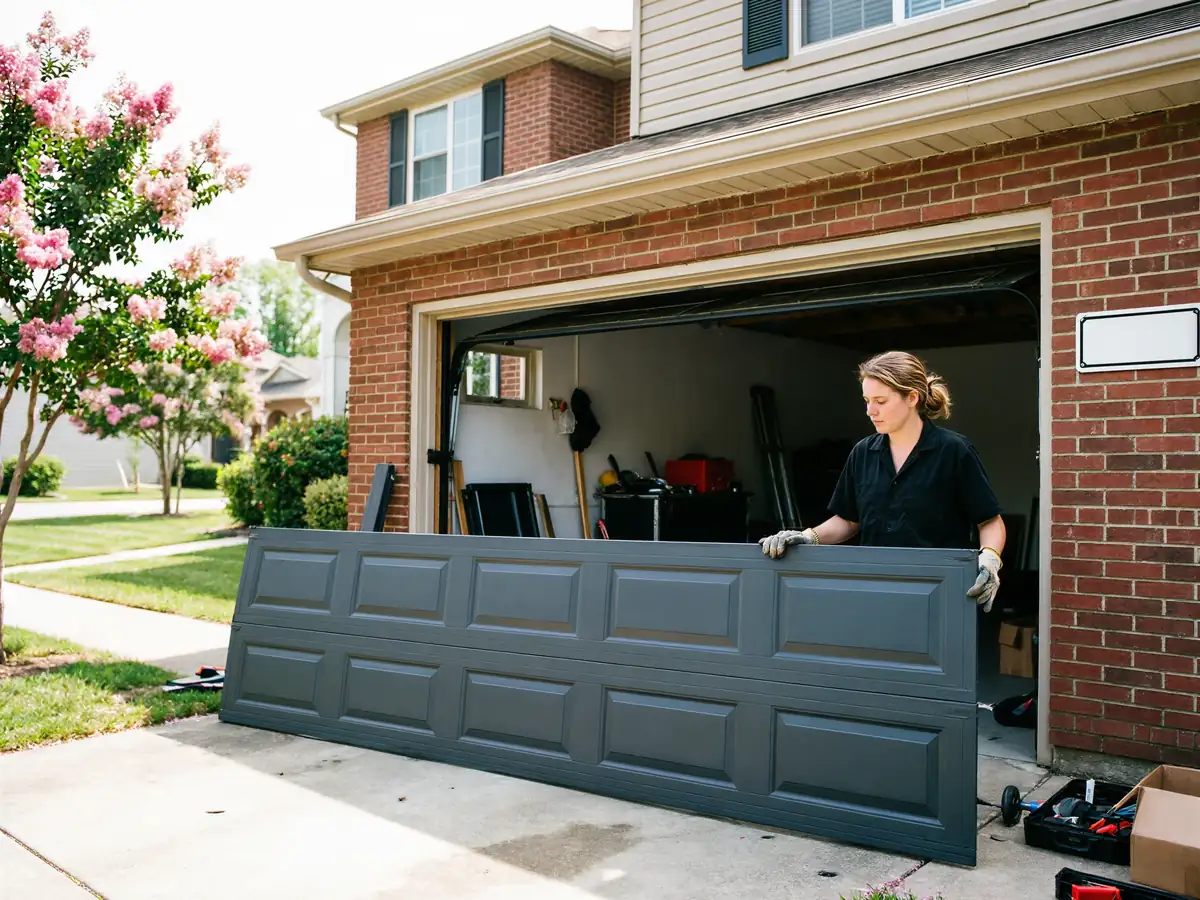
A lot of homeowners look at a new door and figure it's a weekend project with a buddy and a case of beer
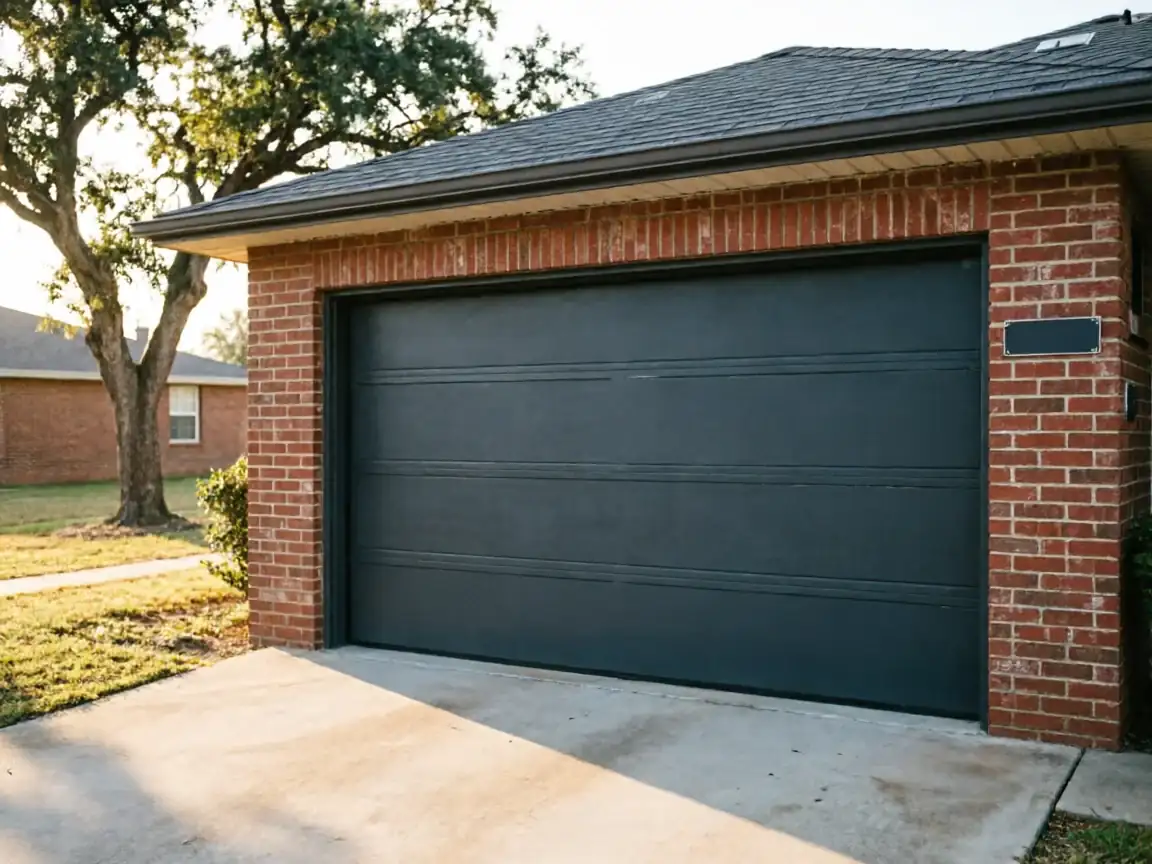
For a single lightweight panel on a detached garage, maybe. But Little Flock's housing stock sits right at the start of the broader 1987-2013 build window for this area, with a median year of 1992 - five years earlier than the service area's overall median of 1997. That means more of these houses still have their original jamb framing and header, built to whatever lumber and anchor standards were common in the early '90s, not today's. Hanging a new door on old framing without checking it first is how you end up with a door that looks fine and then won't track straight in six months.
The other piece people miss is the opener circuit
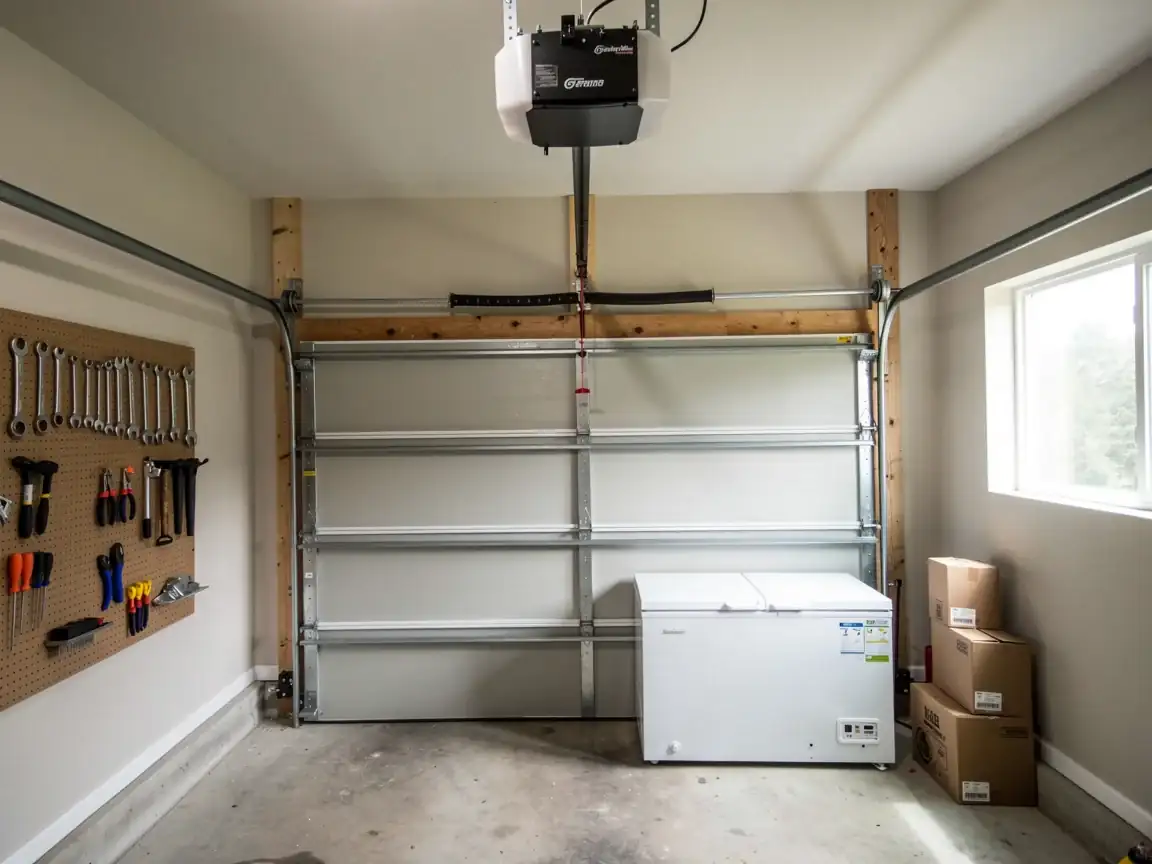
Houses from this era often ran a single switched outlet for the opener, nothing dedicated, and newer openers draw differently under cold-weather load. We're in a moderate cold climate band here, and that matters more than people think when a door's going up in January versus July. If you've done the framing and wiring before and know what you're checking for, go for it. If you're not sure what year your jamb was last touched, that's the one thing worth having someone look at before you order a door.
How to Book
We run out of Rogers, about 5 miles from Little Flock, so there's no local branch to call - the truck comes from there. Booking works the same way it does for the rest of the service area: you reach out through our service area page for Little Flock or the main installation page for Rogers, tell us the door size, how old the house is, and whether you're replacing a single or double, and we schedule the measure and install from there.
Because Little Flock is a smaller pocket within the Rogers service area - around 1,358 households total - we don't keep a separate crew or stock point here. Everything gets loaded in Rogers and driven out, so give us the correct address and a little lead time on ordering if you want a less common size or insulation package. We're not going to promise a same-day install we can't back up from five miles away with traffic and the rest of the day's jobs already on the board.
What the Fix Involves
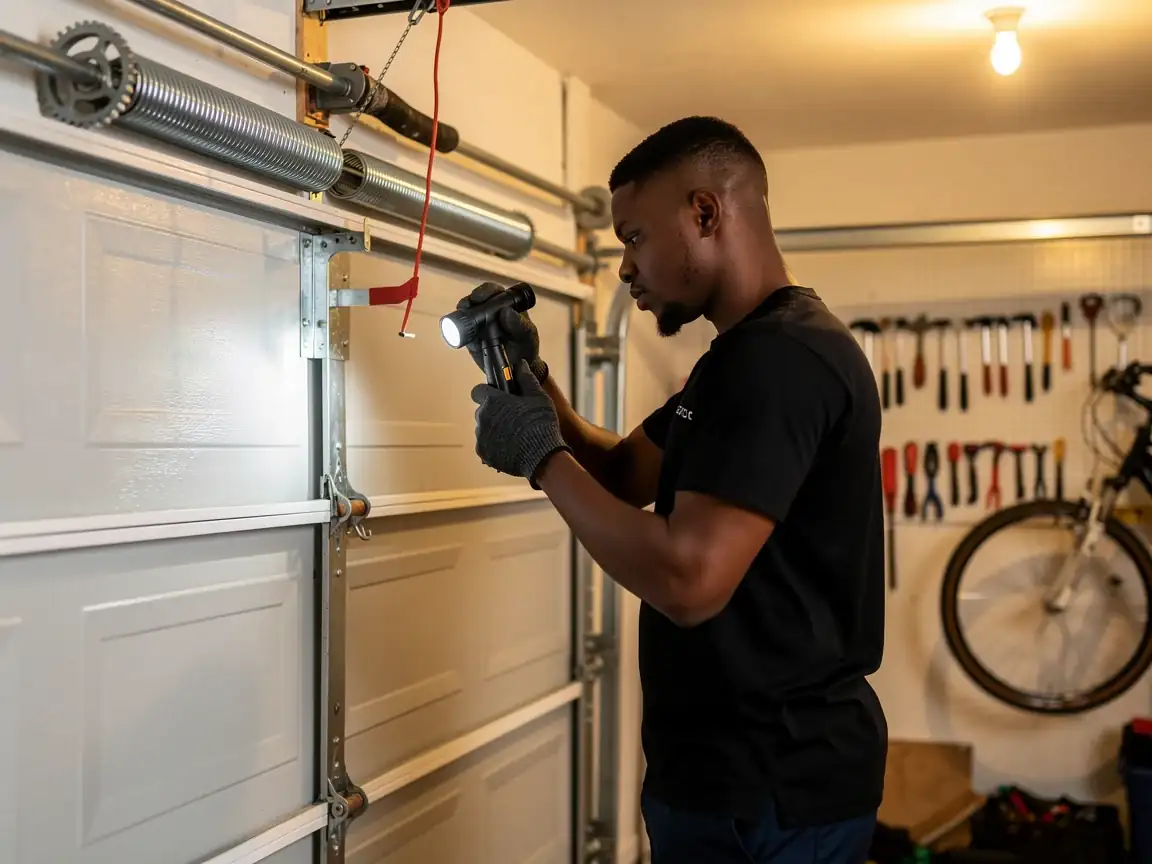
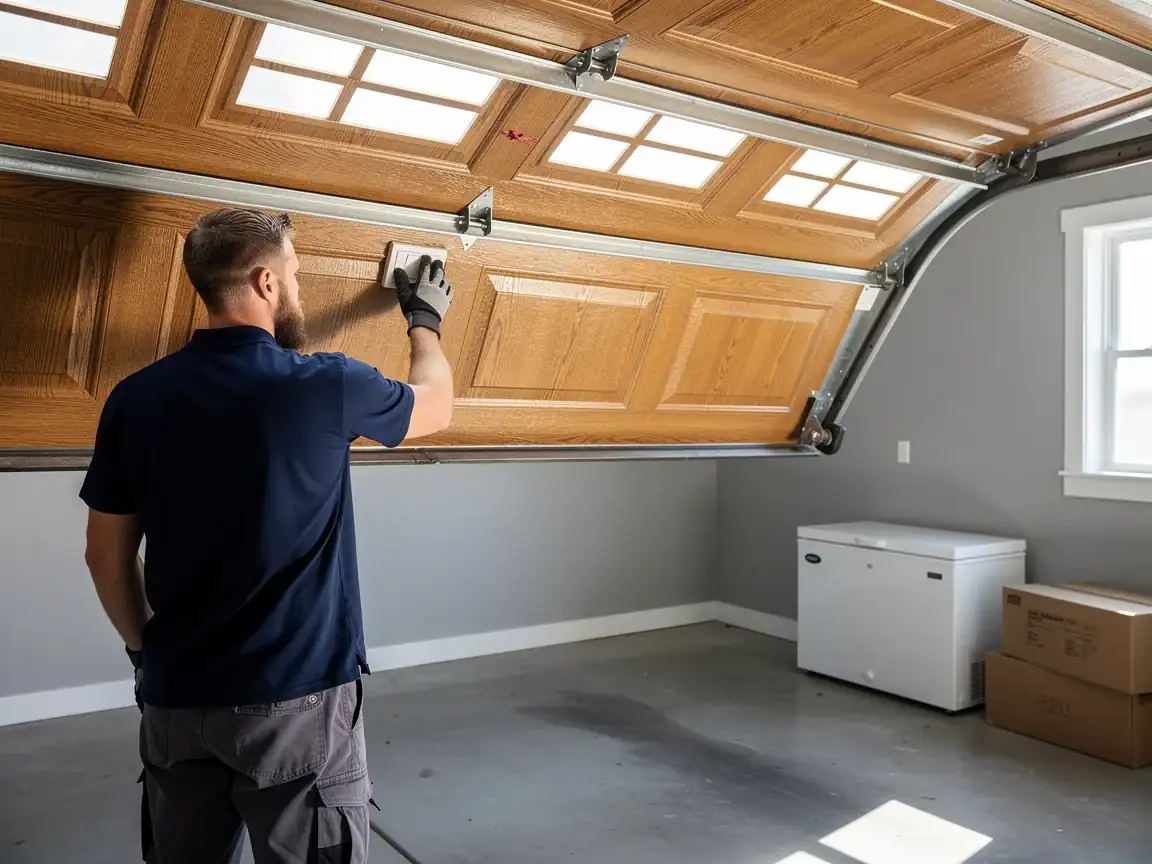
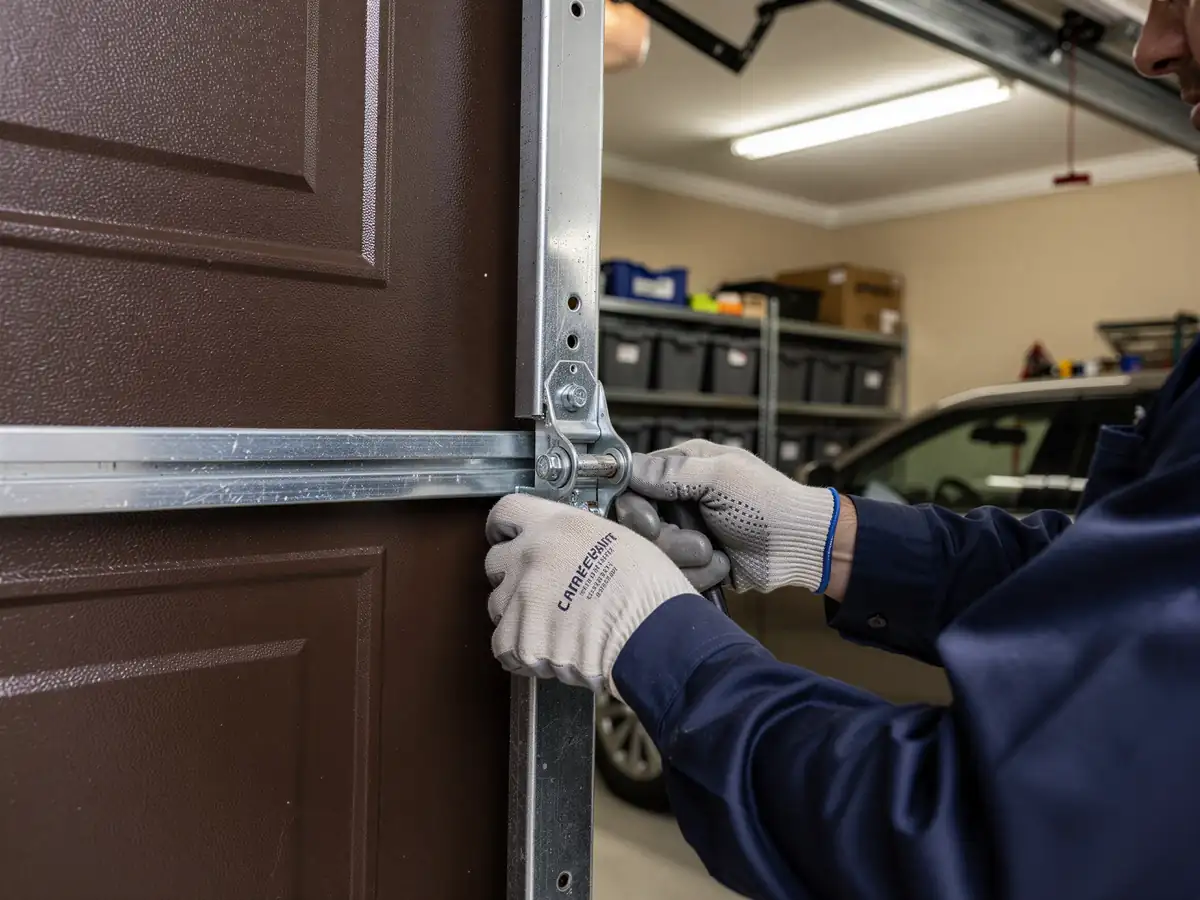
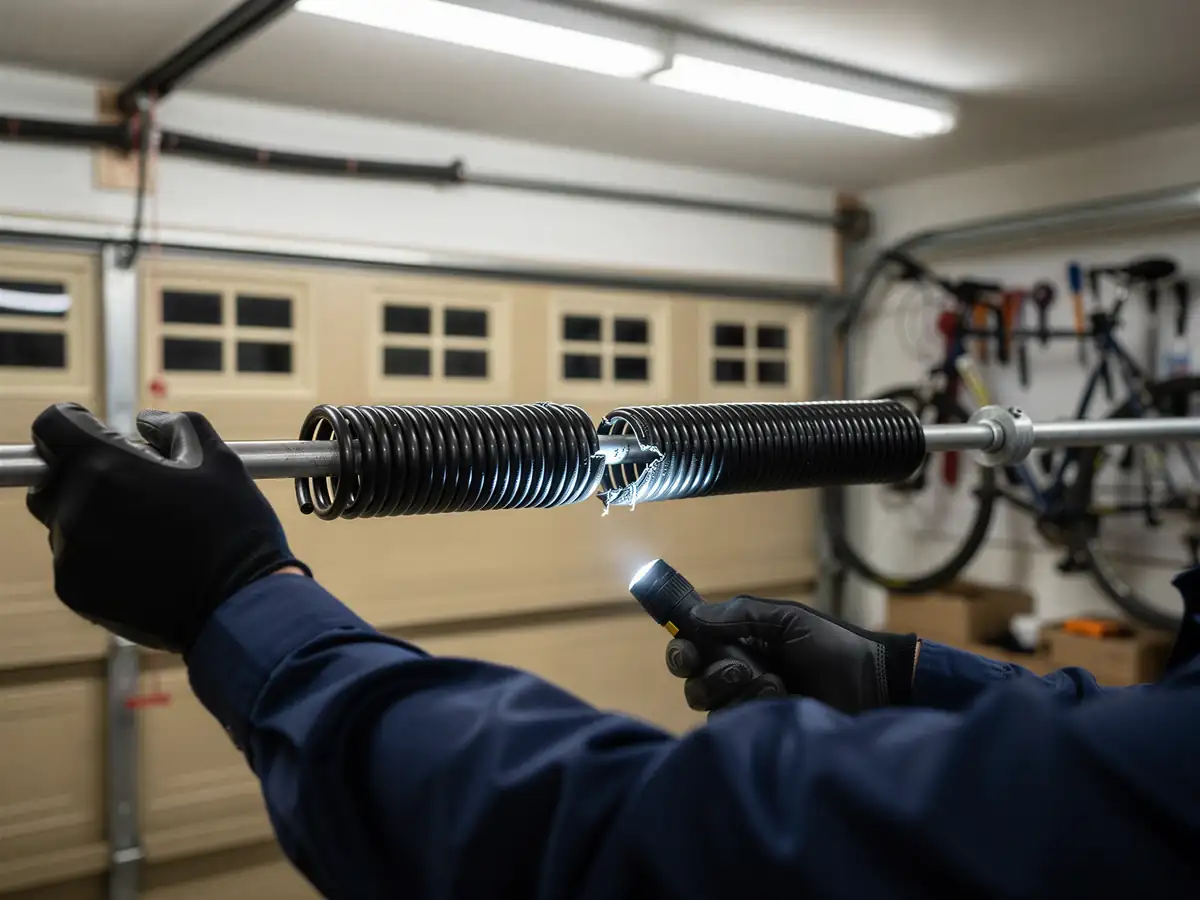
Installing a new door isn't just unbolting the old one and bolting in a new one. On a house built around 1992, we start by checking the jamb and header for square and for rot, especially near the bottom few inches where moisture collects. If the framing's sound, we set new track, new springs sized to the actual door weight (not whatever was on the old door), and a new opener if the existing one's circuit and mounting won't support the door you're putting up.
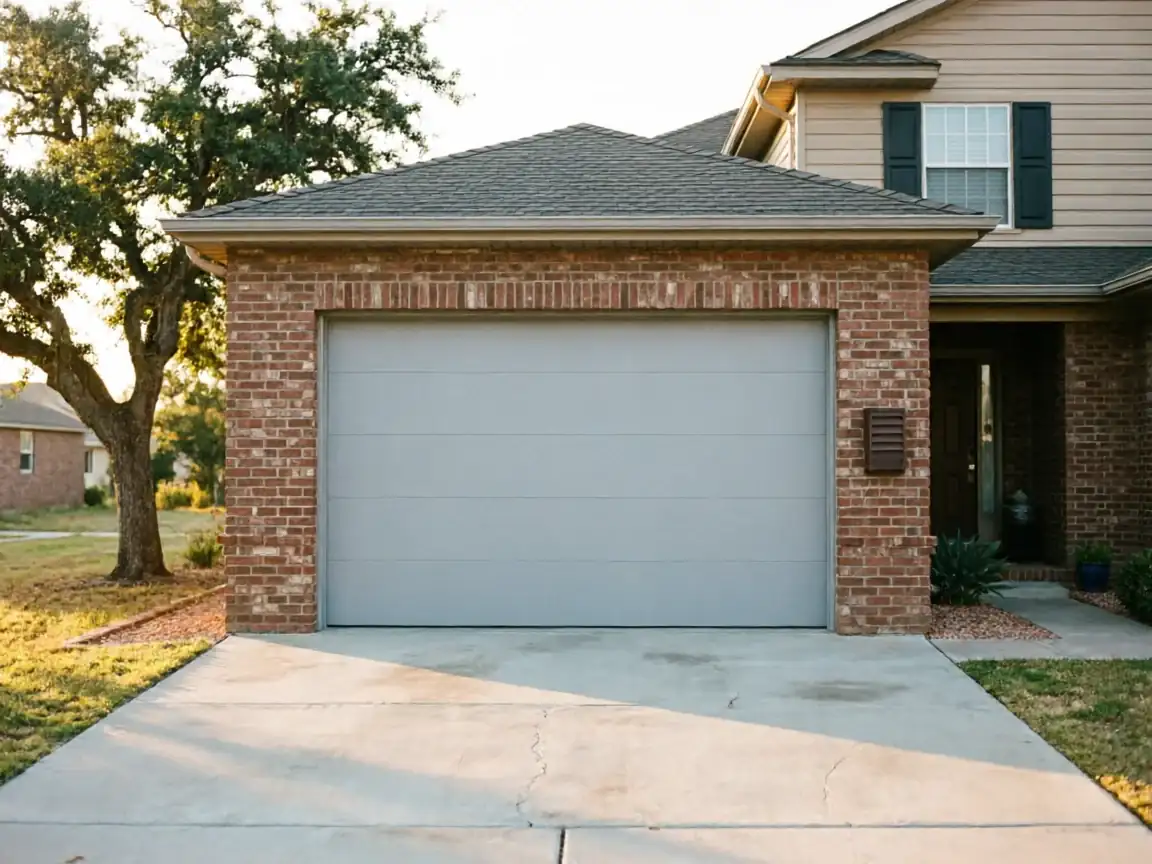
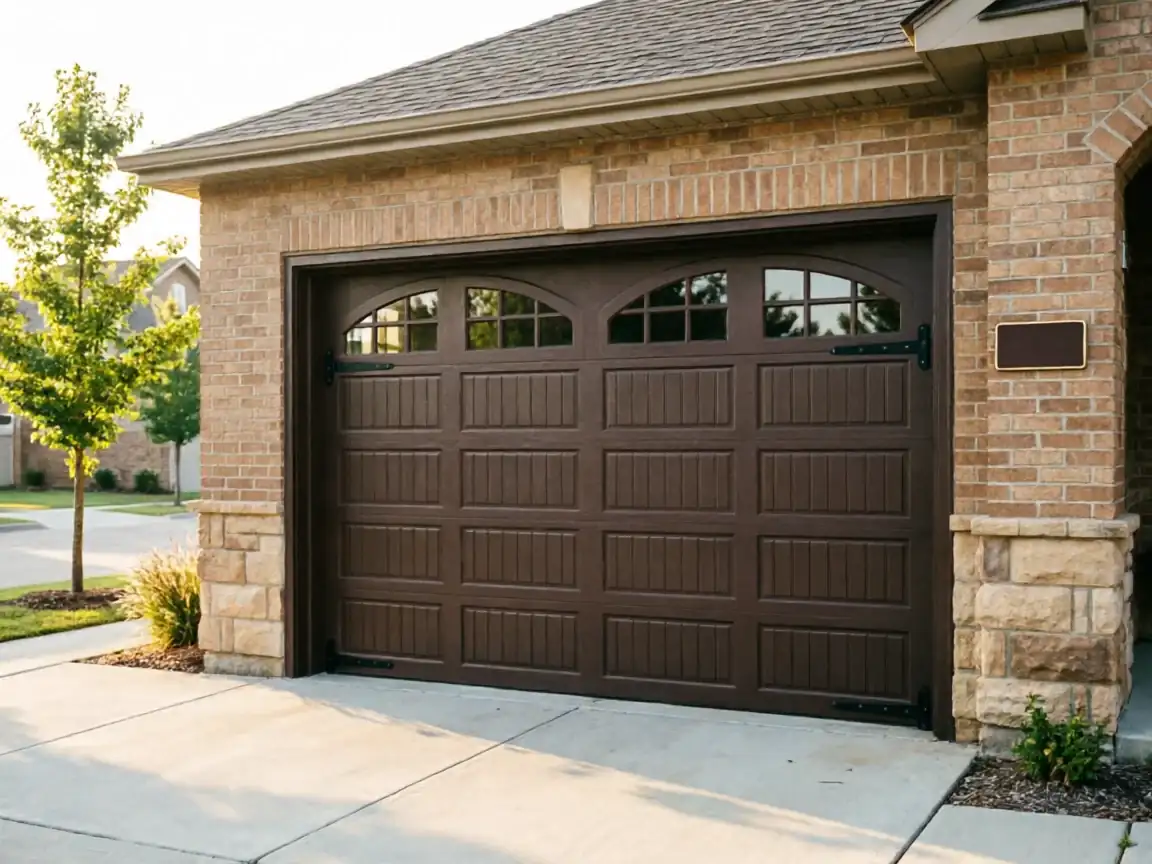
Given the moderate cold climate here, insulation value is worth discussing before you pick a door, not after. A hollow single-skin door was common when these houses went up in the early '90s, and swapping to a two-layer or insulated steel door changes the weight, which changes the spring sizing - that's not optional, it's physics. One honest limitation: if your opening is an odd size or out of square by more than a small amount, we may need a custom order, and that adds lead time beyond what we can source off a standard rack.
The Symptom
The usual trigger for a new-door call out here isn't a dramatic failure
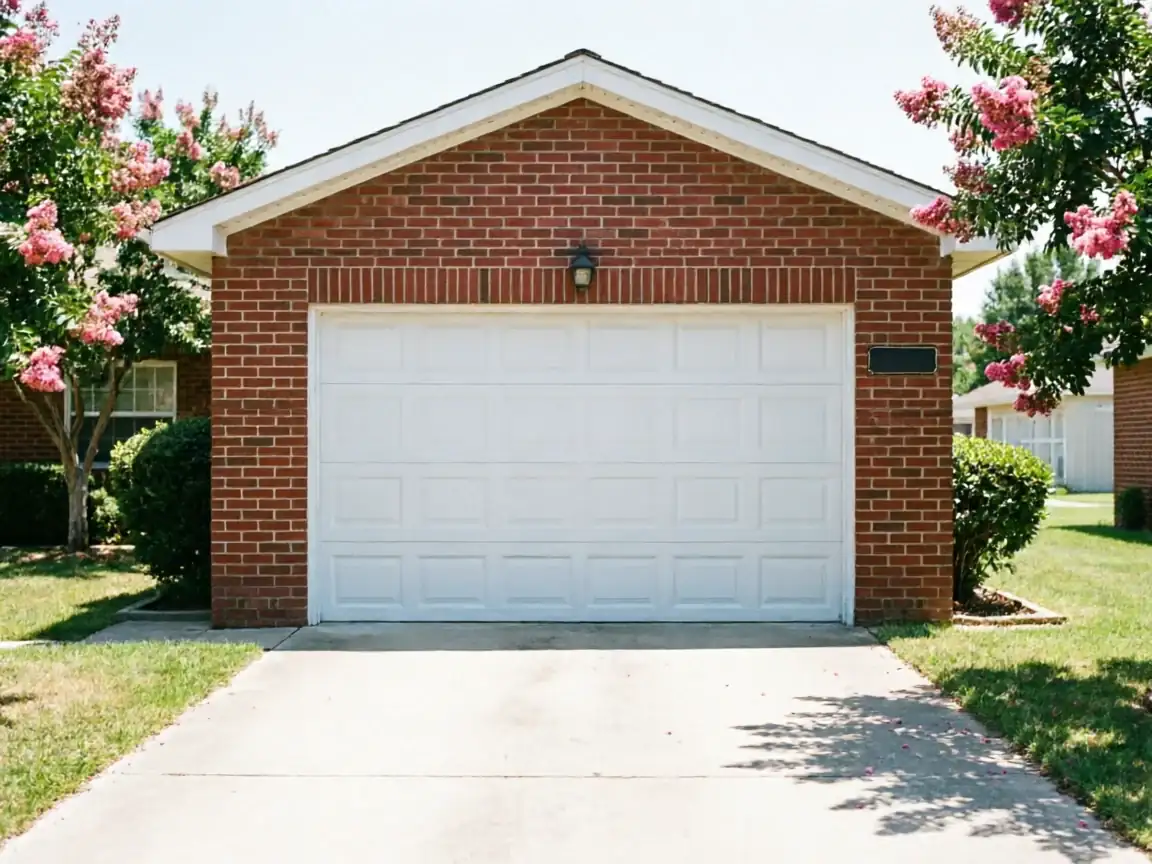
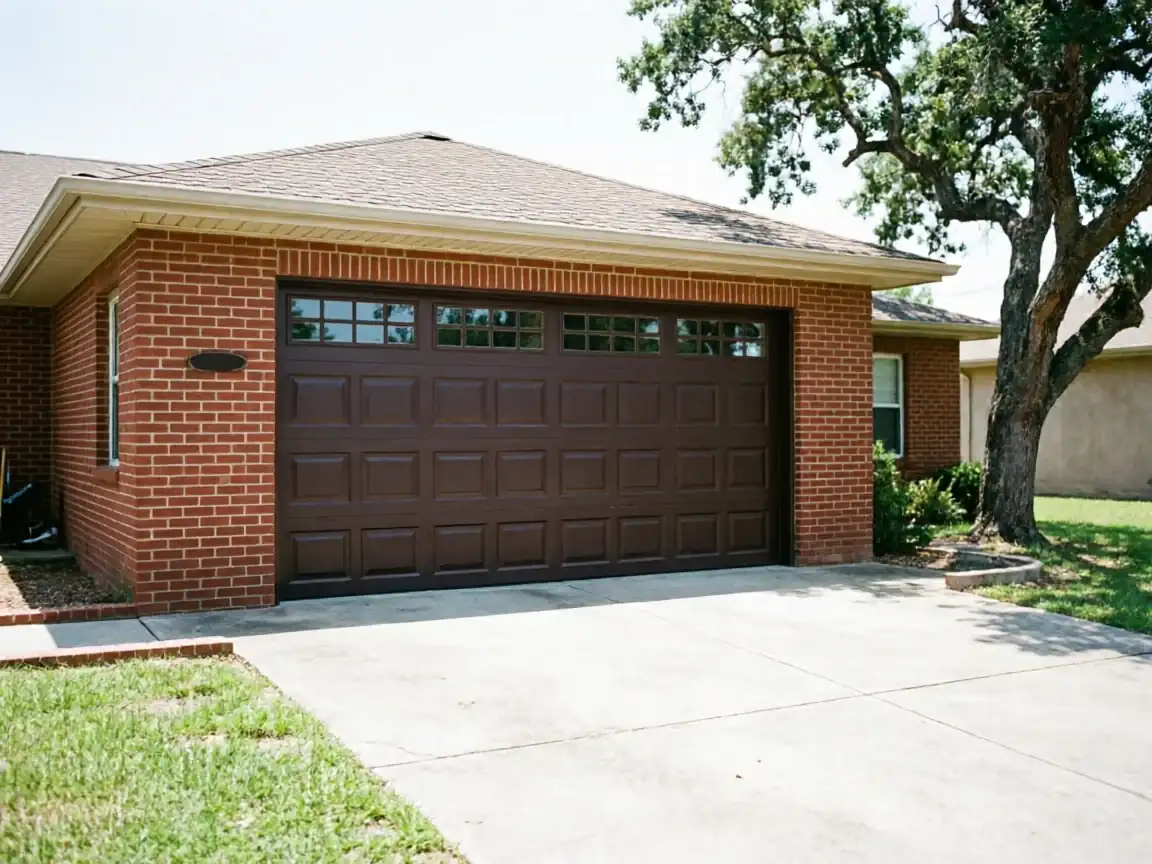
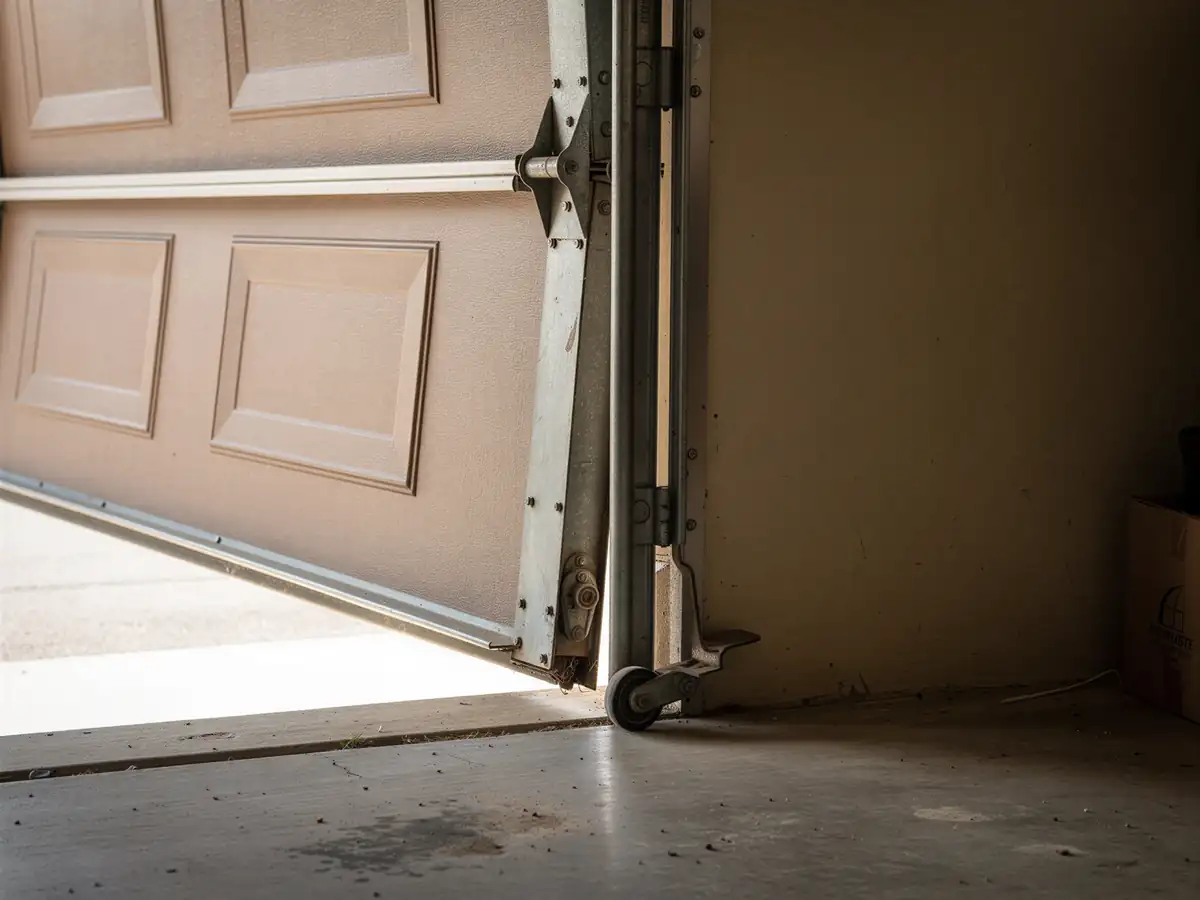
It's a door that's gotten heavy to lift by hand, or one where the opener strains and reverses halfway up. On houses built in the early '90s, that's often the original door nearing 30 years old, with a spring that's been replaced once or twice but hardware and panels that are original. Wood trim swelling and shrinking through winters in this cold-moderate band also tends to throw the door out of square over time, so it binds on one side before it ever fully breaks.
- 30 years
If your door is cracked along a panel seam, dented badly enough that it won't sit flush
Or if you're replacing springs more than once every couple years, that's usually a sign the door itself needs replacing rather than another repair. We'll tell you straight if a repair will hold for a few more years versus if you're just paying to delay the same job - sinking money into a 30-year-old door isn't always the better math.