The Complications
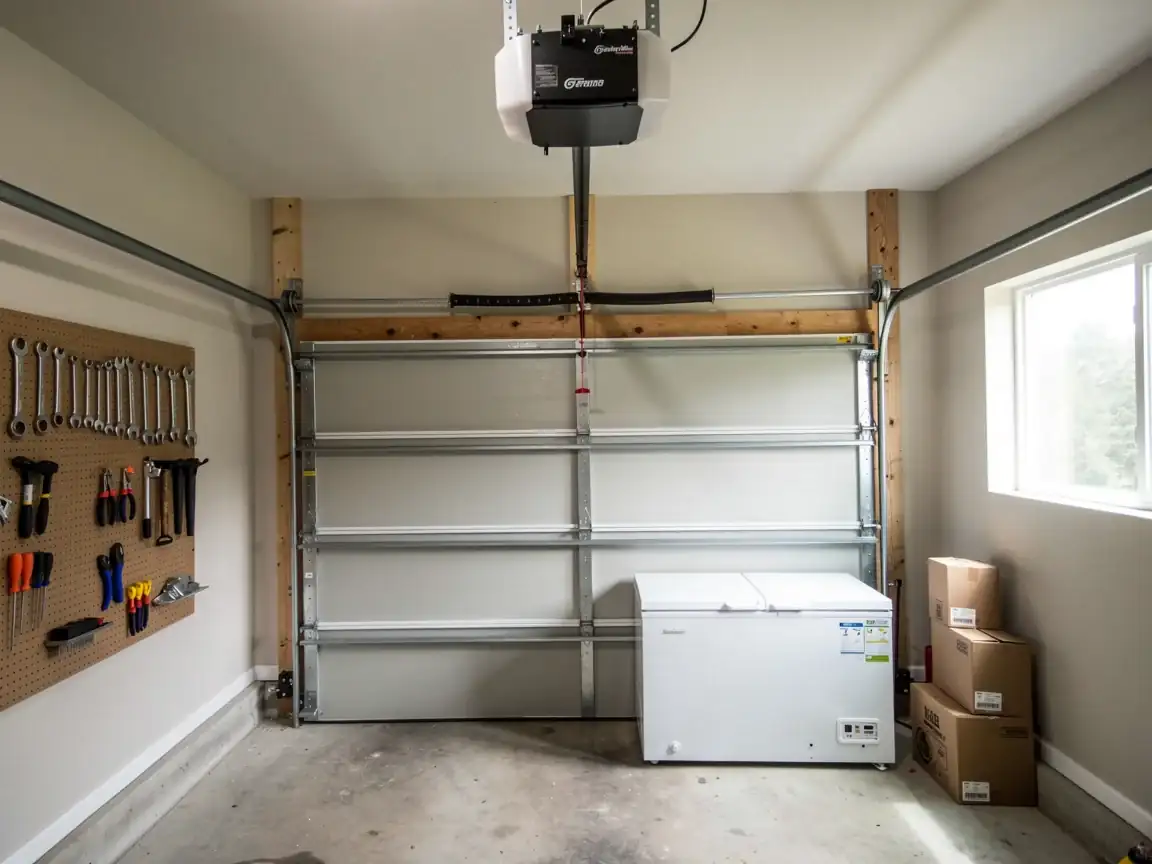
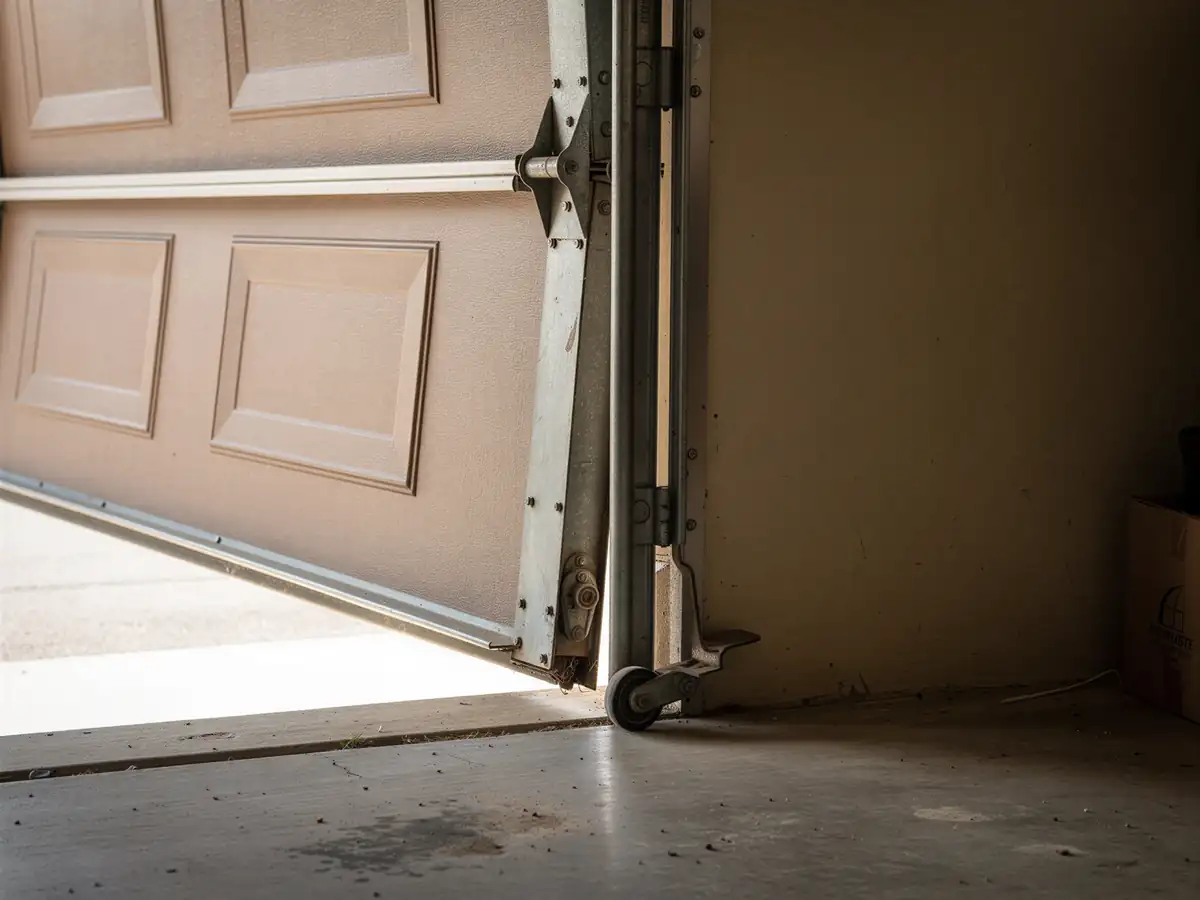
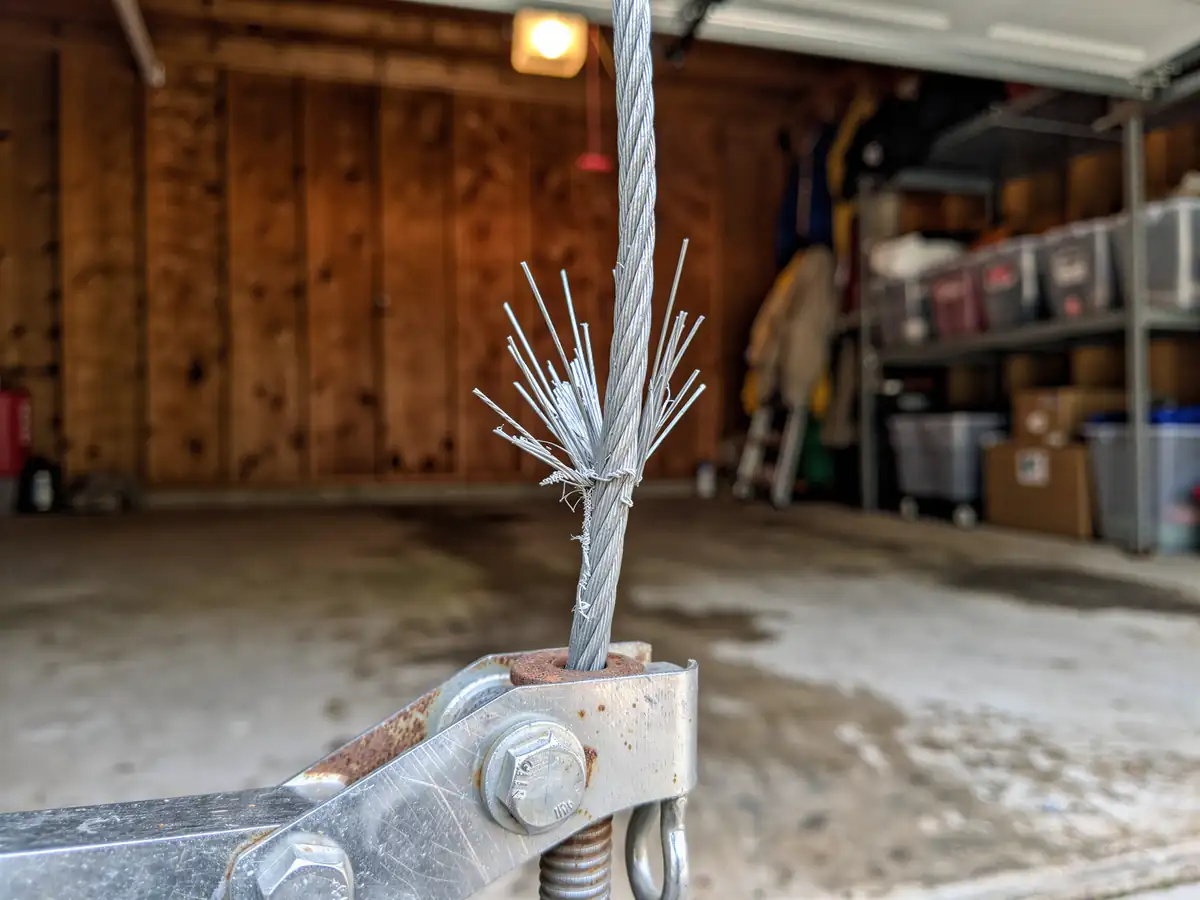
Lowell's housing runs younger than much of the surrounding area - median year built here is 2001, later than the 1997 median across the broader 17-area footprint. That means most garage doors in Lowell are original or one replacement cycle in, usually on galvanized lift cables sized for a 1990s-2000s torsion or extension system, not the older hardware you'd find on a house from the 1970s. The complication isn't rusted-out hardware - it's that a cable rarely fails alone. If one cable snapped because it frayed where it wraps the drum, the other side's cable is wearing on the same schedule and is worth checking while the door's already apart. Cold-weather stiffening is a factor too: this area sits in a moderate-cold climate band, and cable and spring steel both lose a little flex on the coldest mornings, which is often when a worn cable finally gives. None of that is unique to any one house, but on newer torsion hardware the fix is usually contained to the cable and drum - it doesn't often cascade into track or panel work the way it can on an older door.
Doing It Yourself
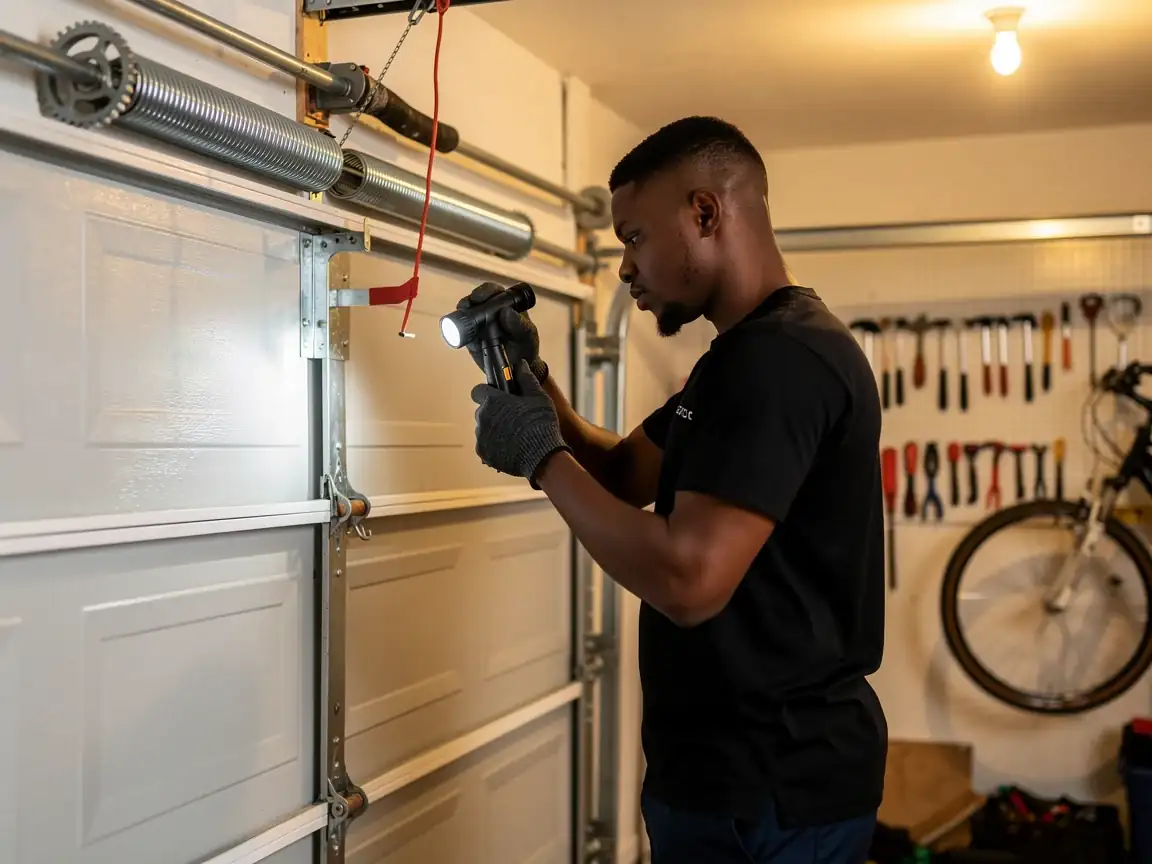
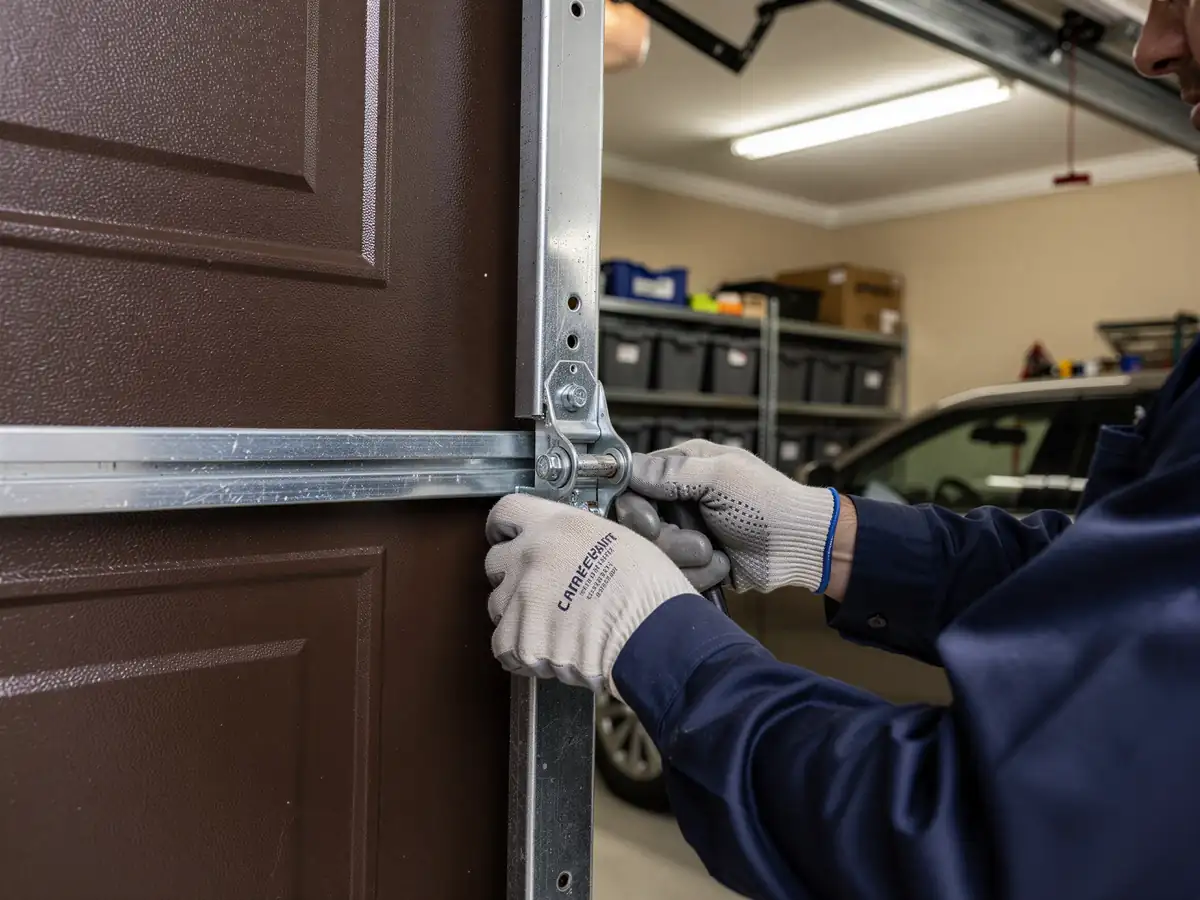
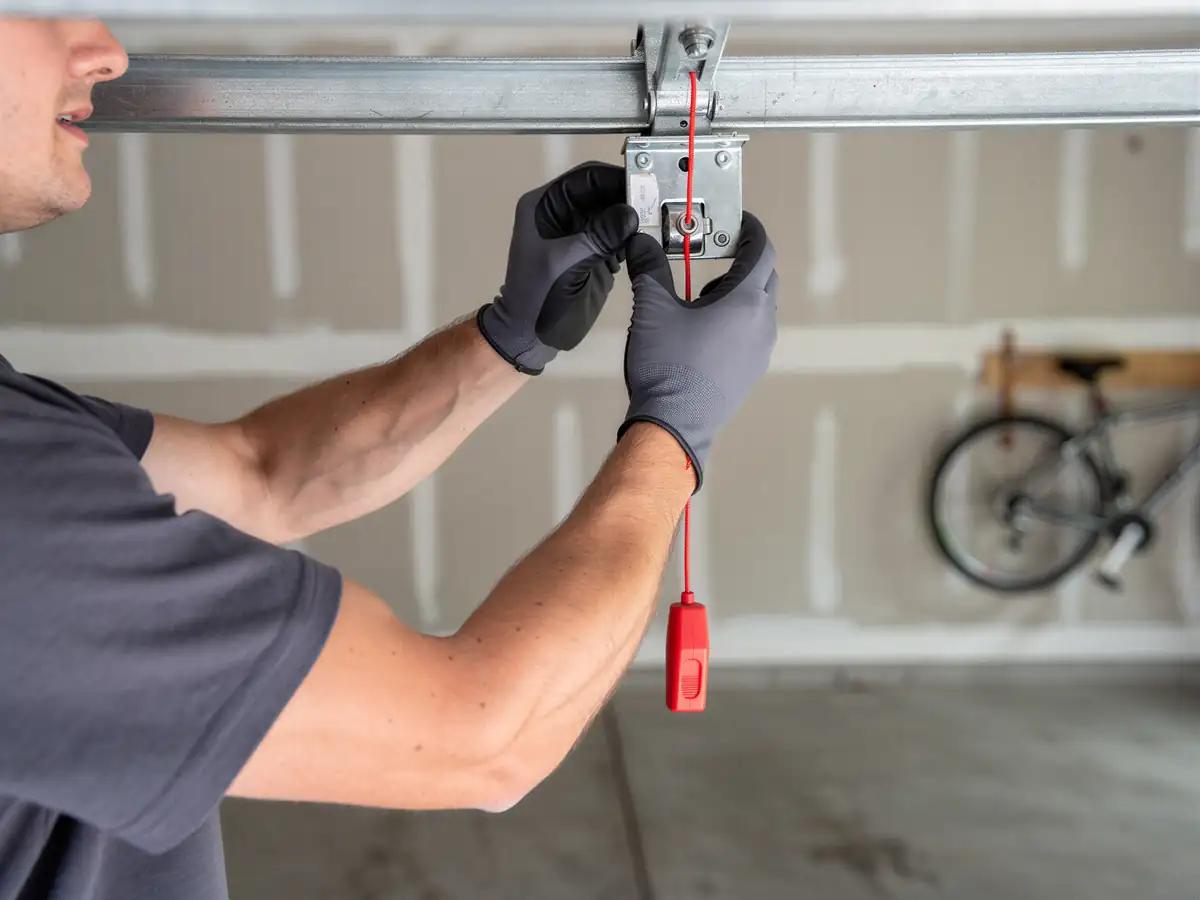
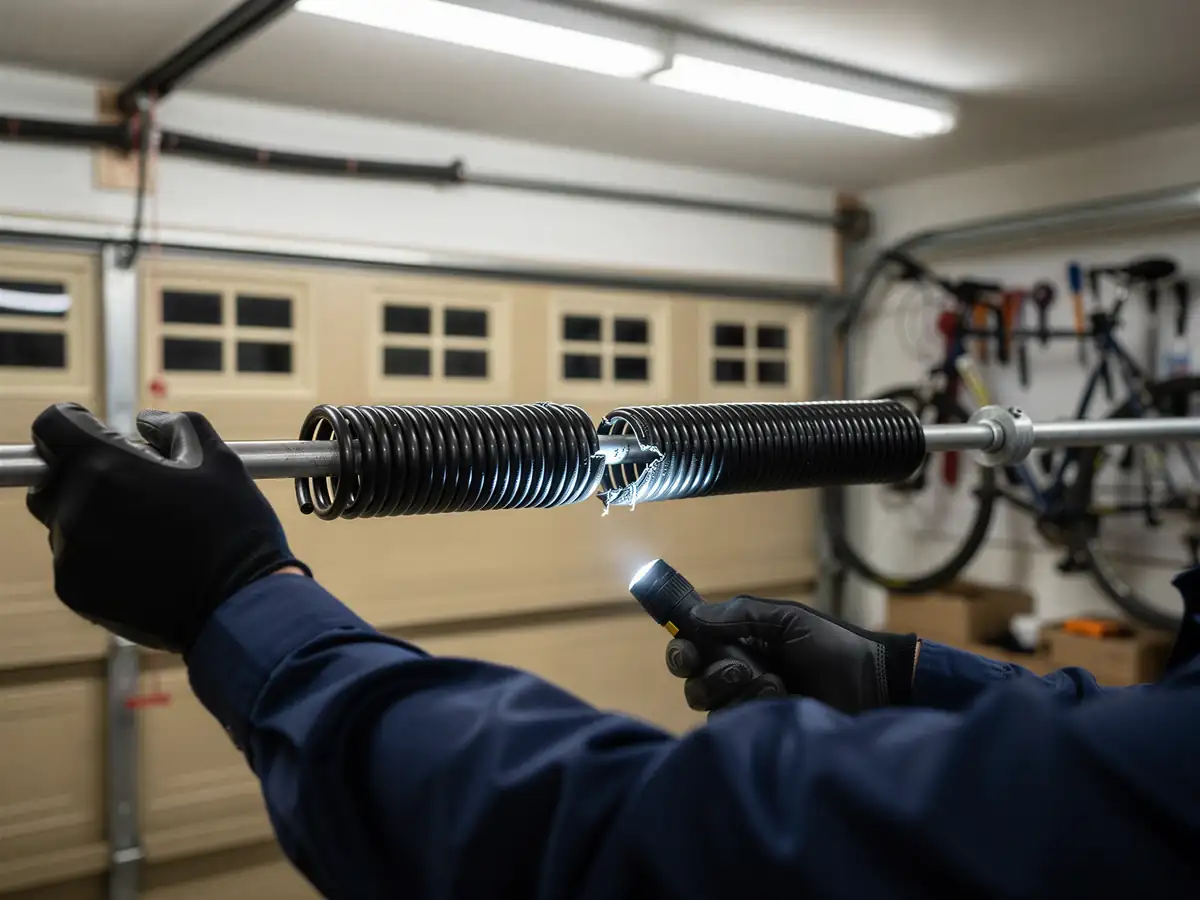
A garage door cable sits under spring tension, and that's the honest limitation here: this isn't a job to learn on your own door. The cable anchors to a drum that's wound under the pull of a torsion or extension spring, and unwinding or rewinding that without the right bars and clamps is how people end up in the ER with a hand or a face in the way. Even a loose cable that looks like it just slipped off the drum can whip back under tension the moment the door moves. If you're comfortable with basic maintenance, you can do the visual check yourself - look for frayed strands near the bottom bracket or the drum, and check that both cables look even in wear. But the actual swap means releasing spring tension safely first, and that step is where this job stops being a DIY project for almost anyone without the right tools.
What the Fix Involves
The job starts with releasing tension on the torsion spring (or disengaging the extension spring system) so the drums can be worked on safely. From there it's pulling the old cable free of the bottom bracket and drum, checking the drum groove for burrs or wear that could fray a new cable the same way, and running the new cable with even tension on both sides so the door tracks level. On the newer torsion hardware common in Lowell's 2001-era housing, this is usually a same-visit fix - we're coming from Rogers, about 4 miles out, and the job itself typically runs under an hour once we're on site. We'll check both cables and the drums while the door's open, since replacing one side and leaving a worn cable on the other just means a second call later.