The Complications
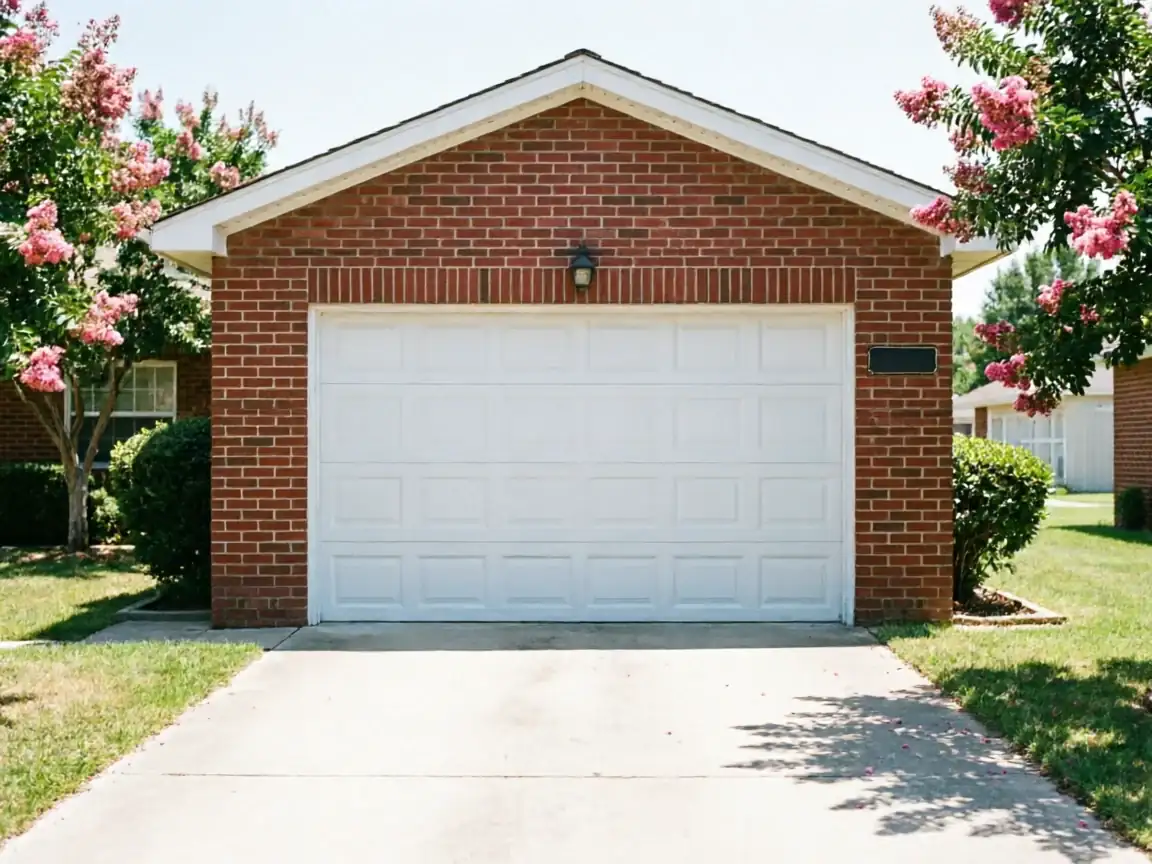
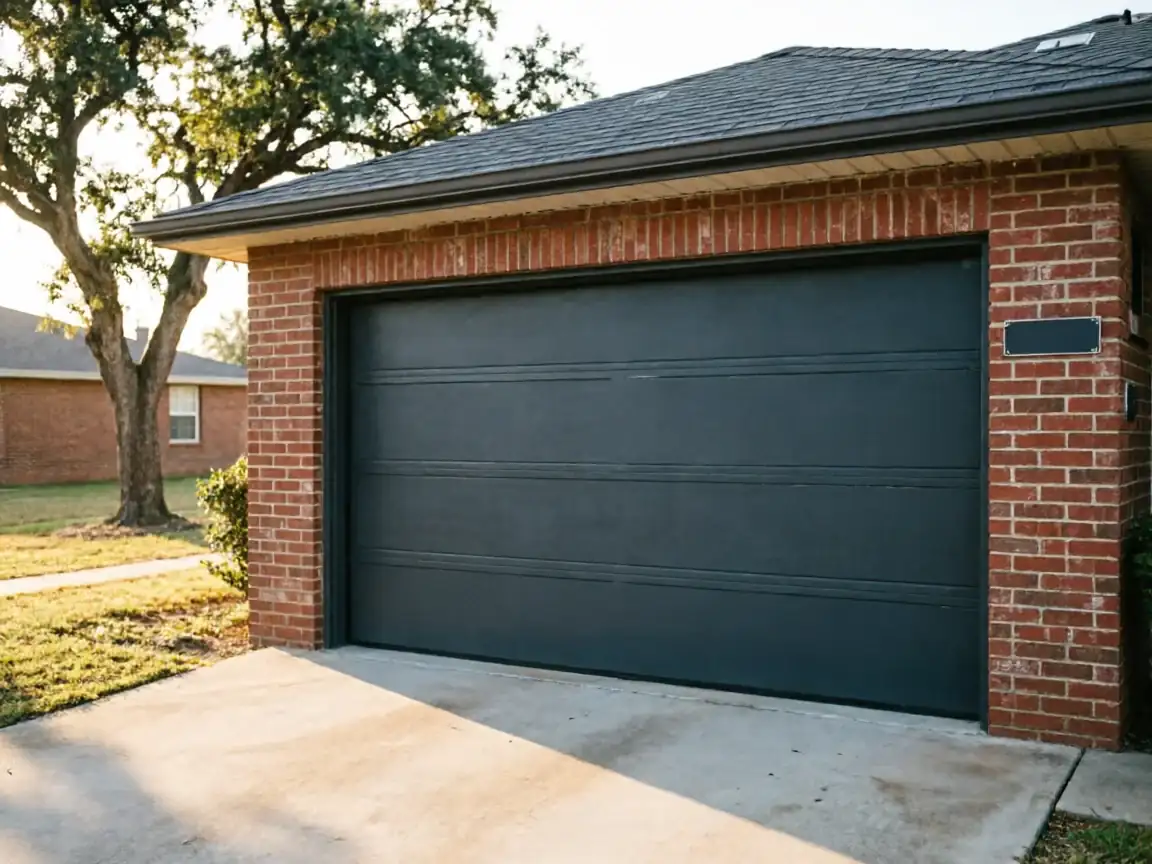
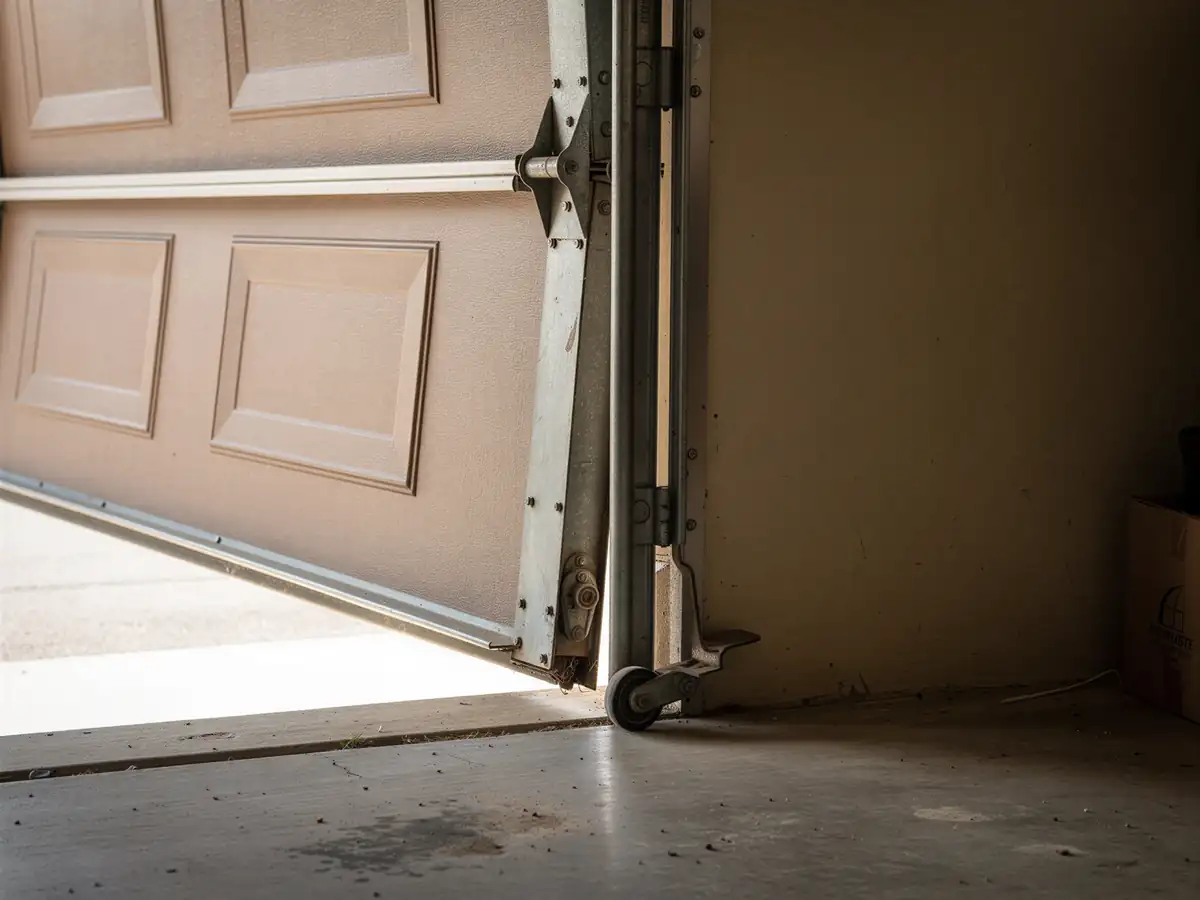
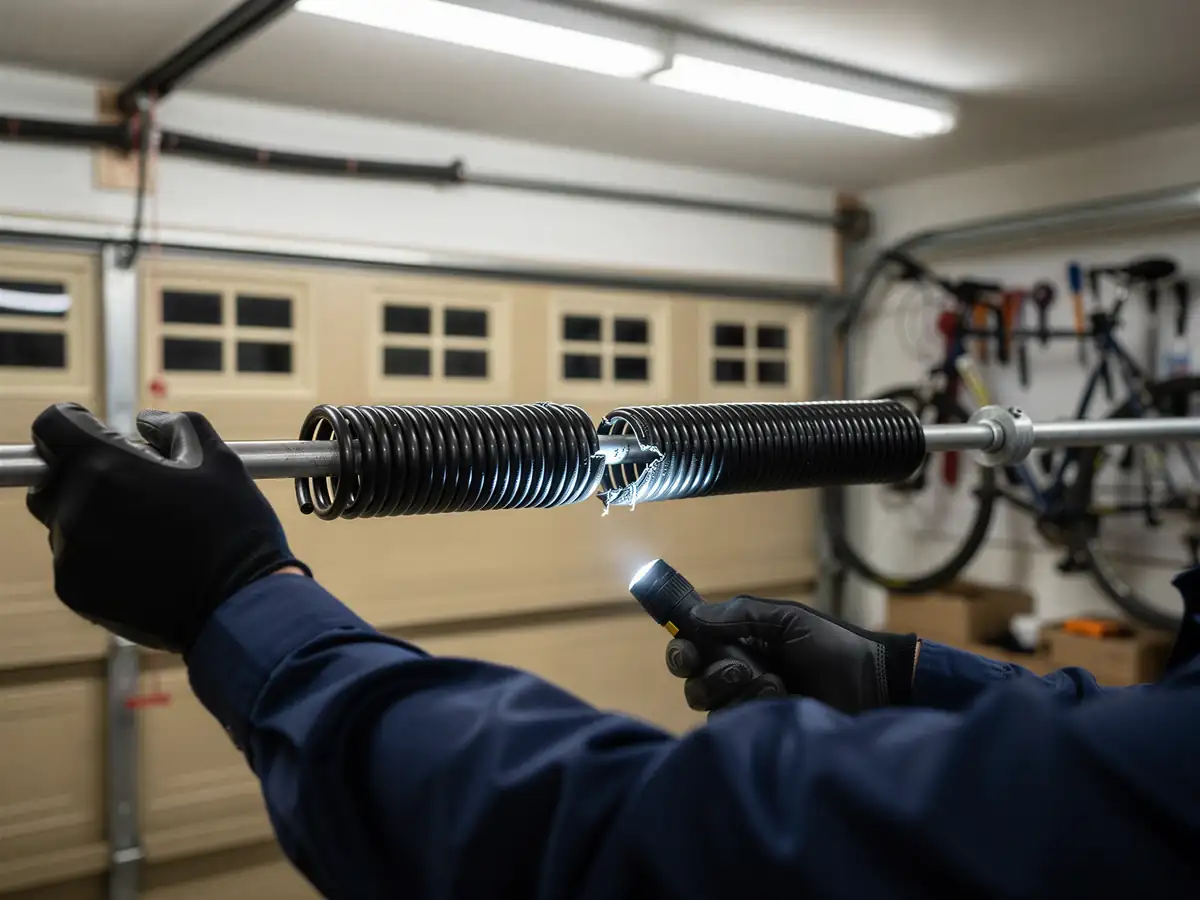
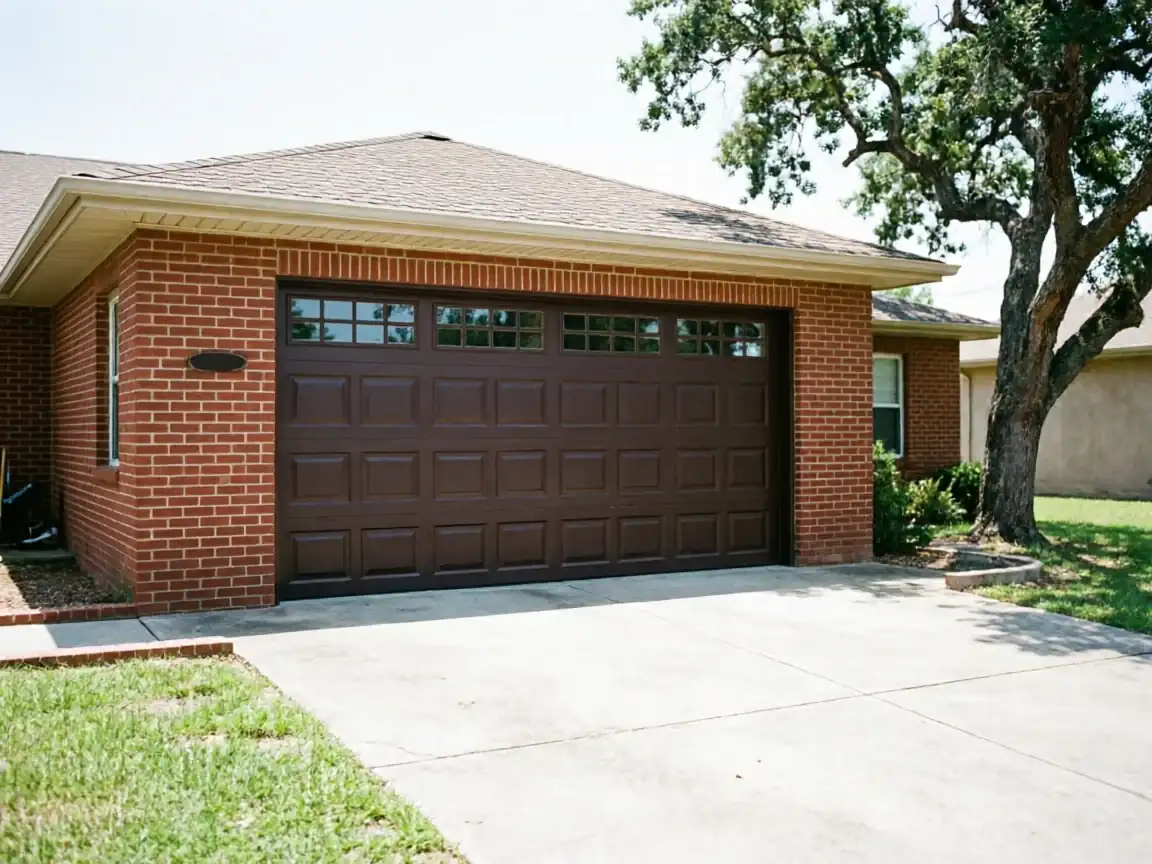
This area sits in a cold-moderate climate band, and that shapes how these early-2000s doors fail more than people expect. A lot of Lowell garages aren't insulated to the same standard the house is, so you get condensation on the inside of steel panels through the colder months, and that's what starts the rust at the bottom corners years before the rest of the door looks tired. Torsion springs also lose tension faster with repeated cold-to-warm cycling, so a spring that's been fine for years can snap on a morning that's just a little colder than usual. None of this is unique to one house - it's a pattern across the newer construction in this part of the service area, and it's why a door that looks fine in August can suddenly bind or sag once the weather turns.
Doing It Yourself
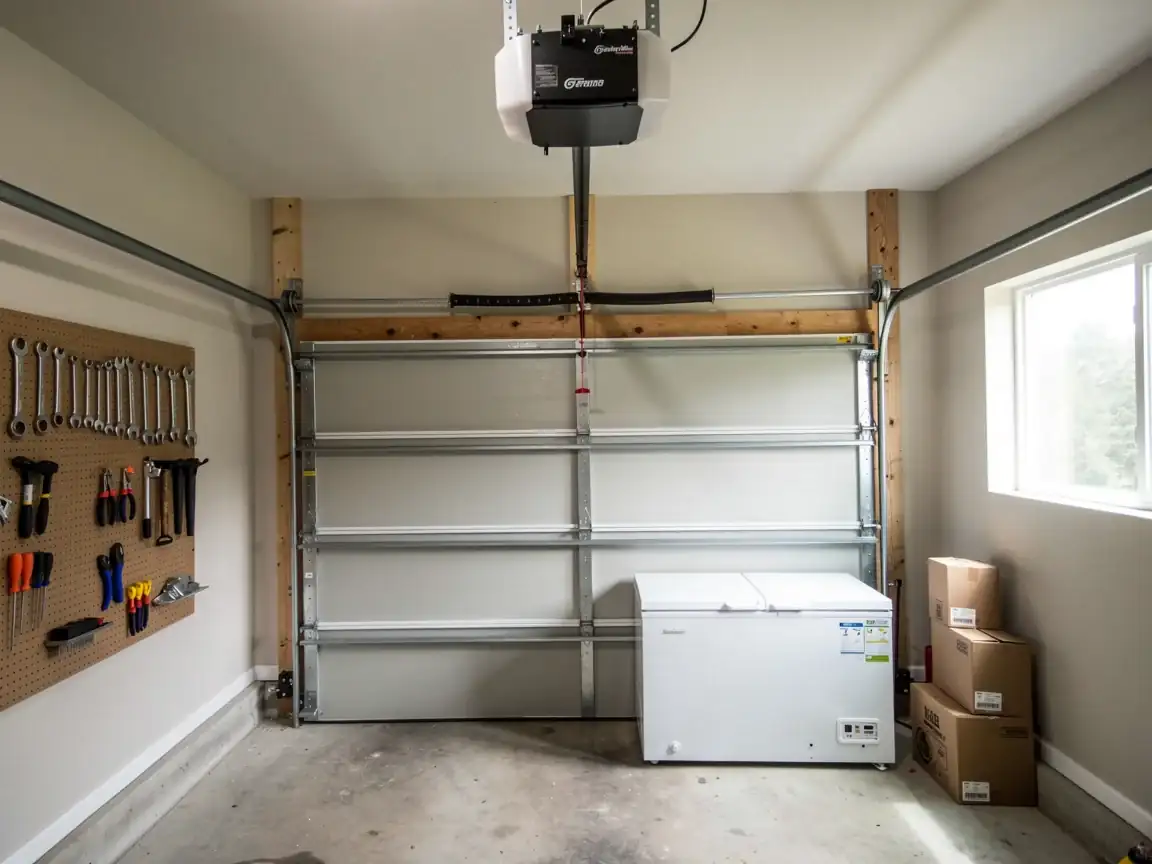
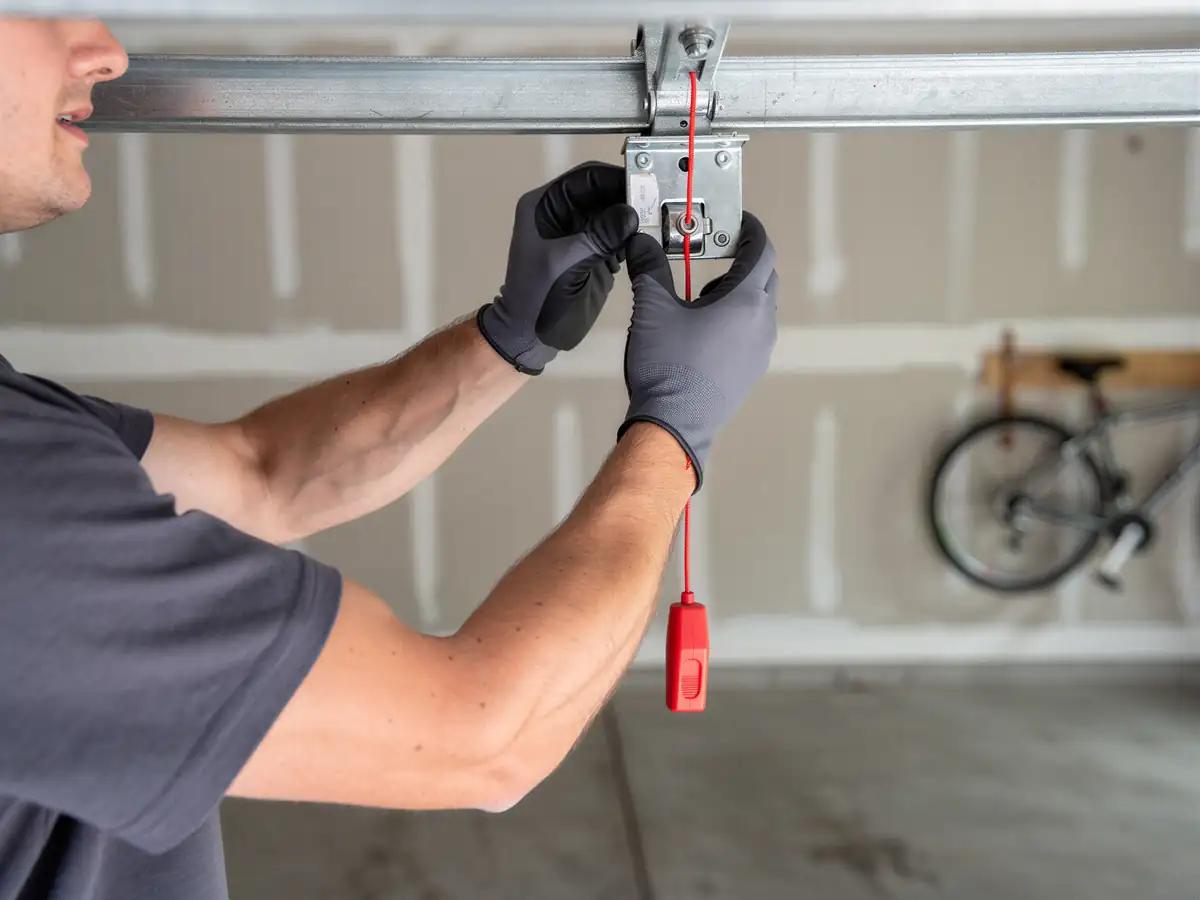
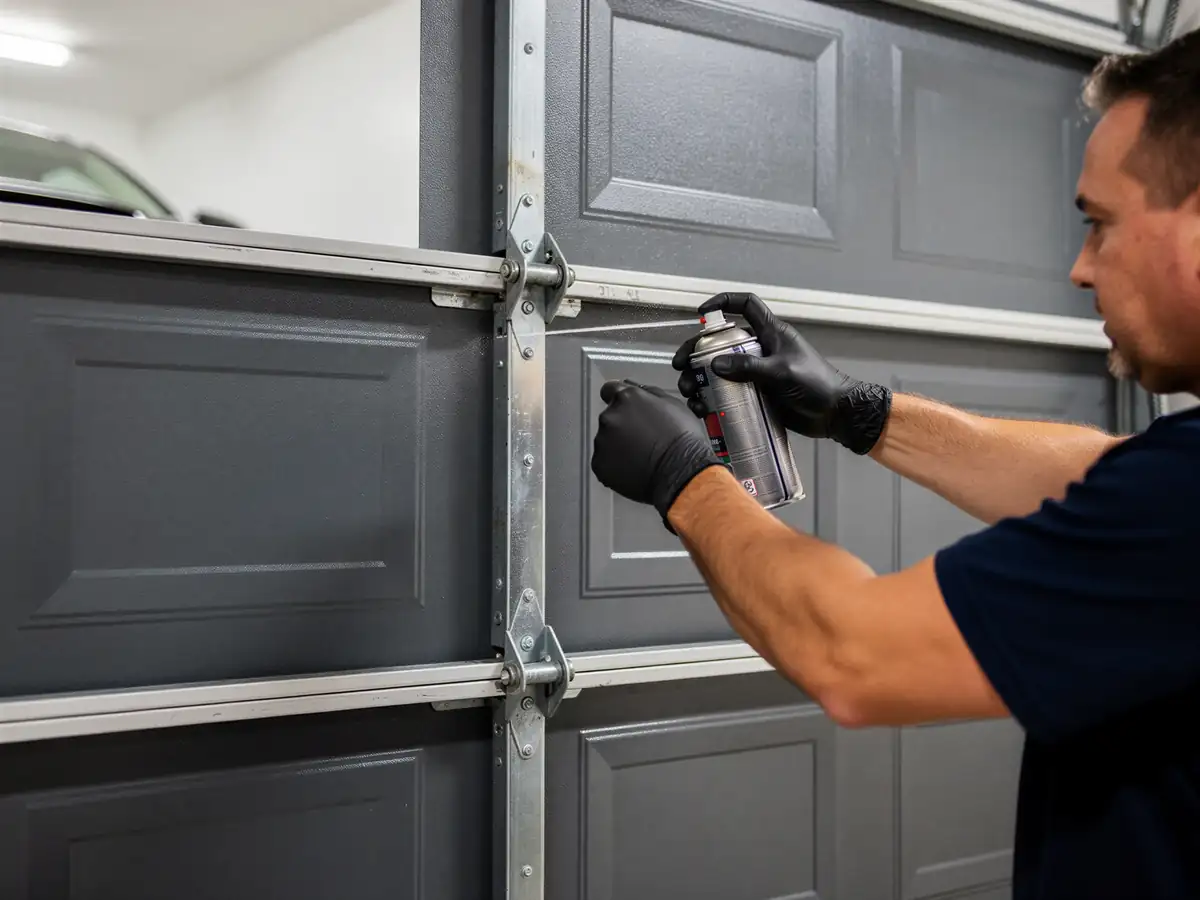
Rollers, weatherstrip, and tightening loose hardware are reasonable DIY jobs, and plenty of Lowell homeowners handle those themselves. Torsion springs are not. A door built in the early 2000s likely still has its original springs, and those are under enough stored tension to cause a serious injury if you don't know how to wind them down first. We'll also say plainly: if your opener is an early-2000s belt or chain unit and it's finally failing, there's often a point where replacing it costs about the same as a repair once you add up parts and labor, and we'll tell you that straight rather than patch something that's going to call us back in six months.
What the Fix Involves
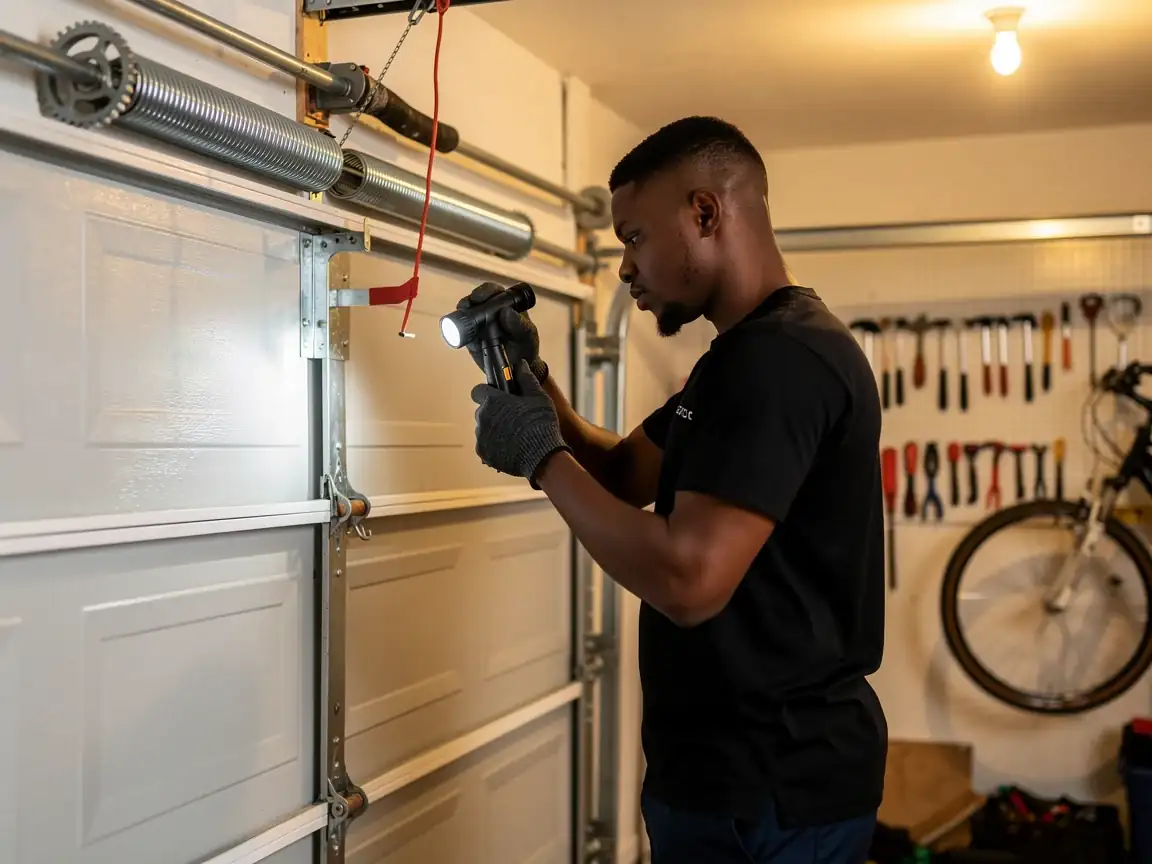
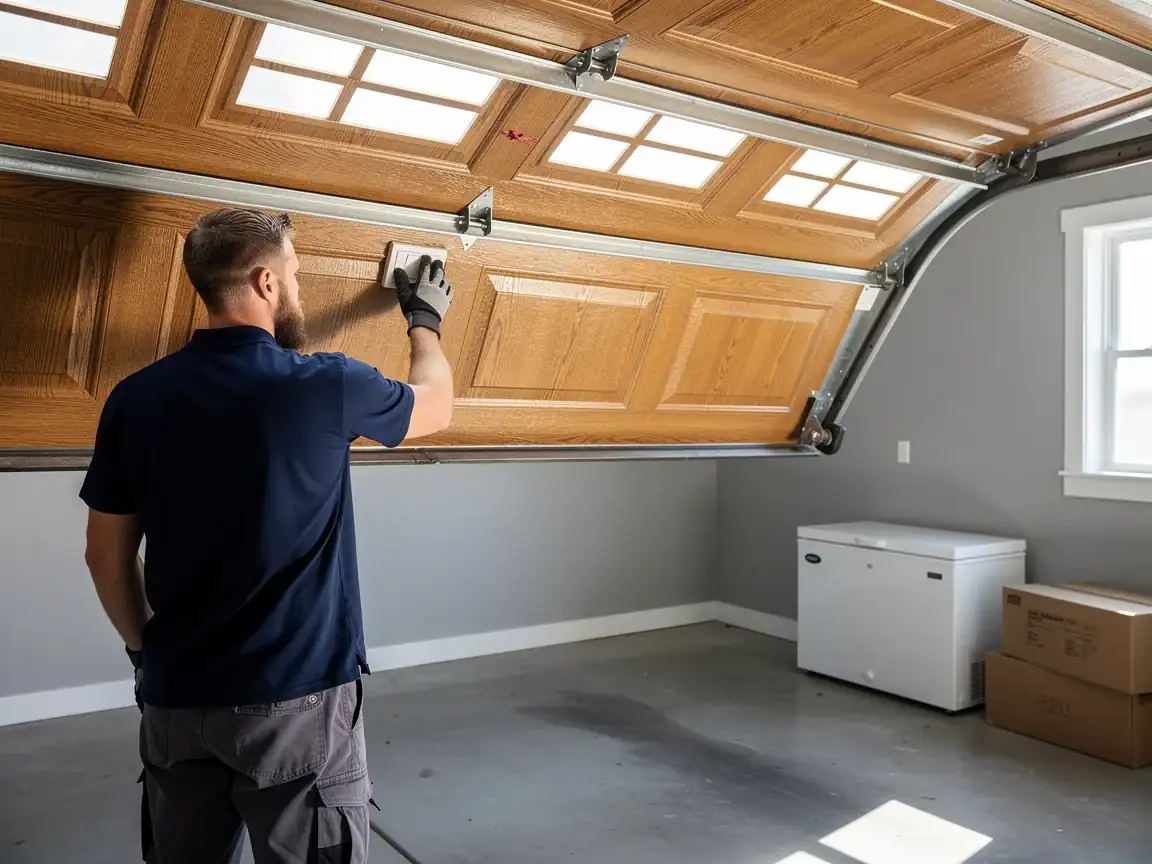
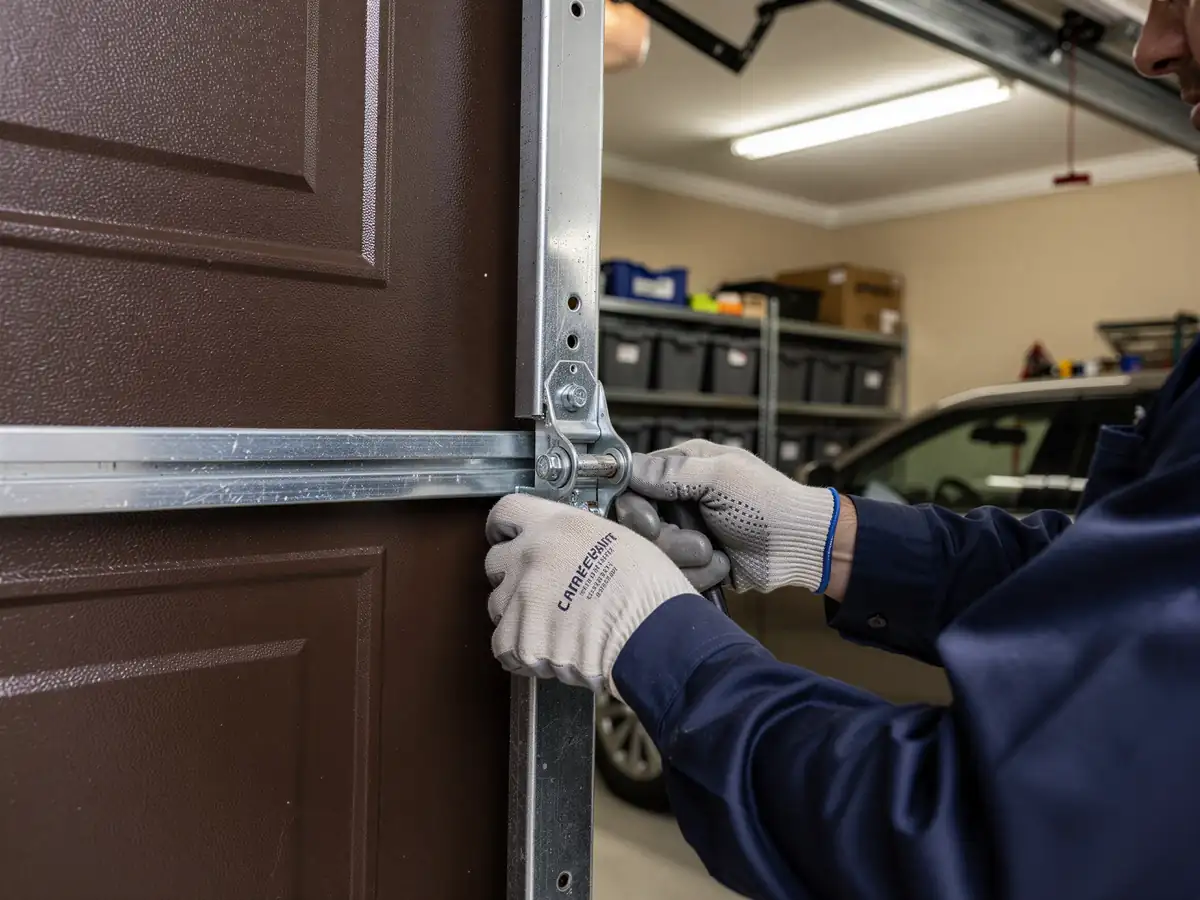
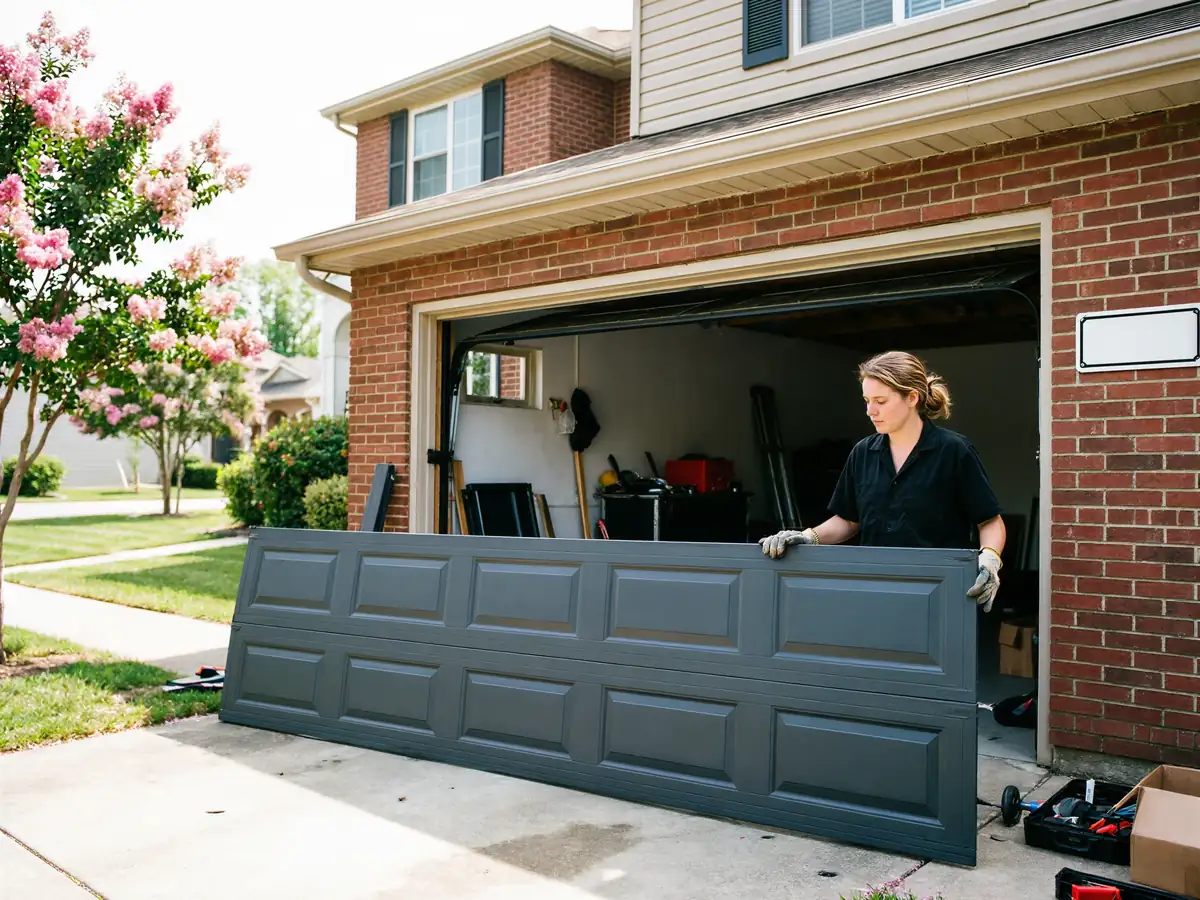
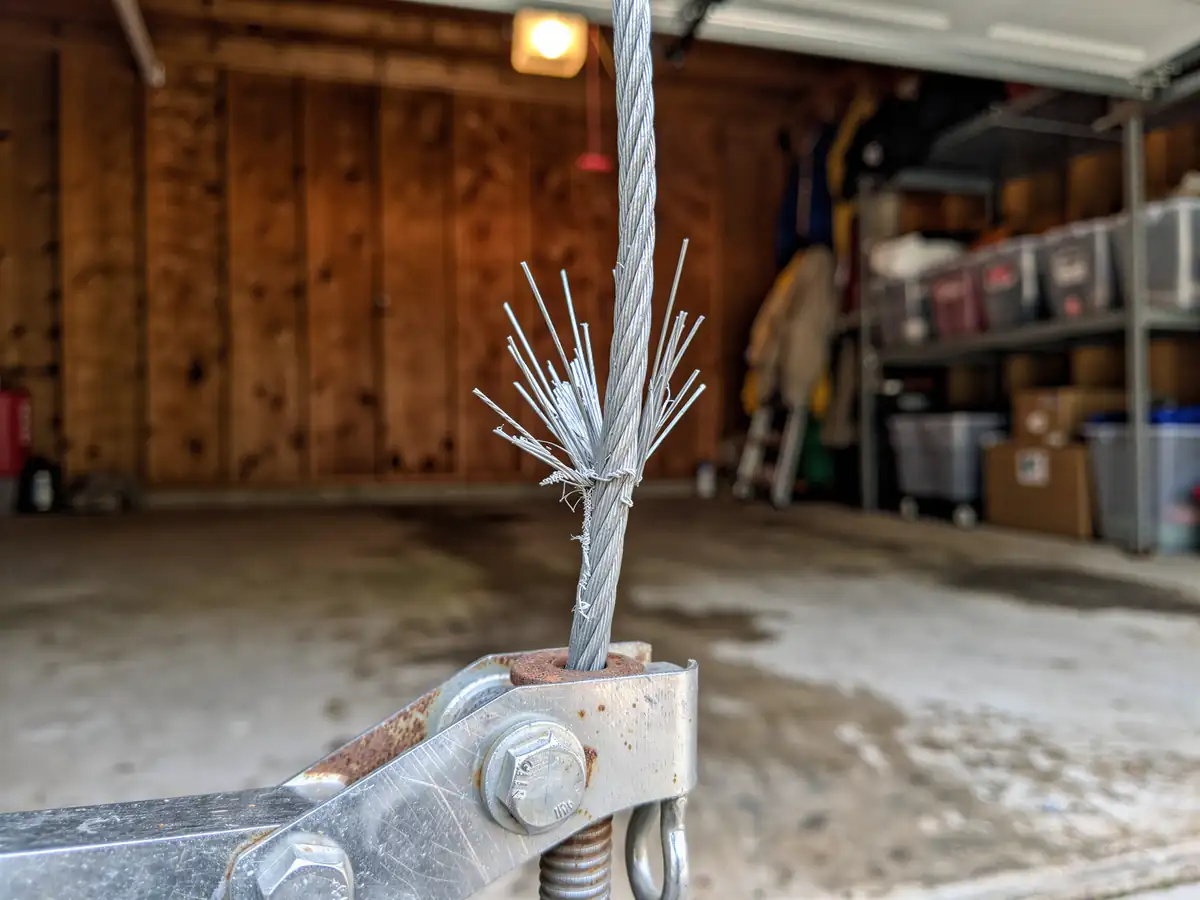
For a torsion spring job on a door this age, we check both springs even if only one broke - they age together - and we inspect the cables, drums, and bottom brackets while the door is open, since those wear on the same timeline as the spring. If the opener is original to a 2001-era build, we'll check the gear set and the circuit board before assuming it needs full replacement; sometimes it's just a worn drive gear. On the door itself, we look at the bottom panel for rust-through before doing cosmetic work, because painting over corroded steel just hides a problem that's going to come back. Every part we swap, we show you first - no work starts without you seeing what's actually worn.