The Complications
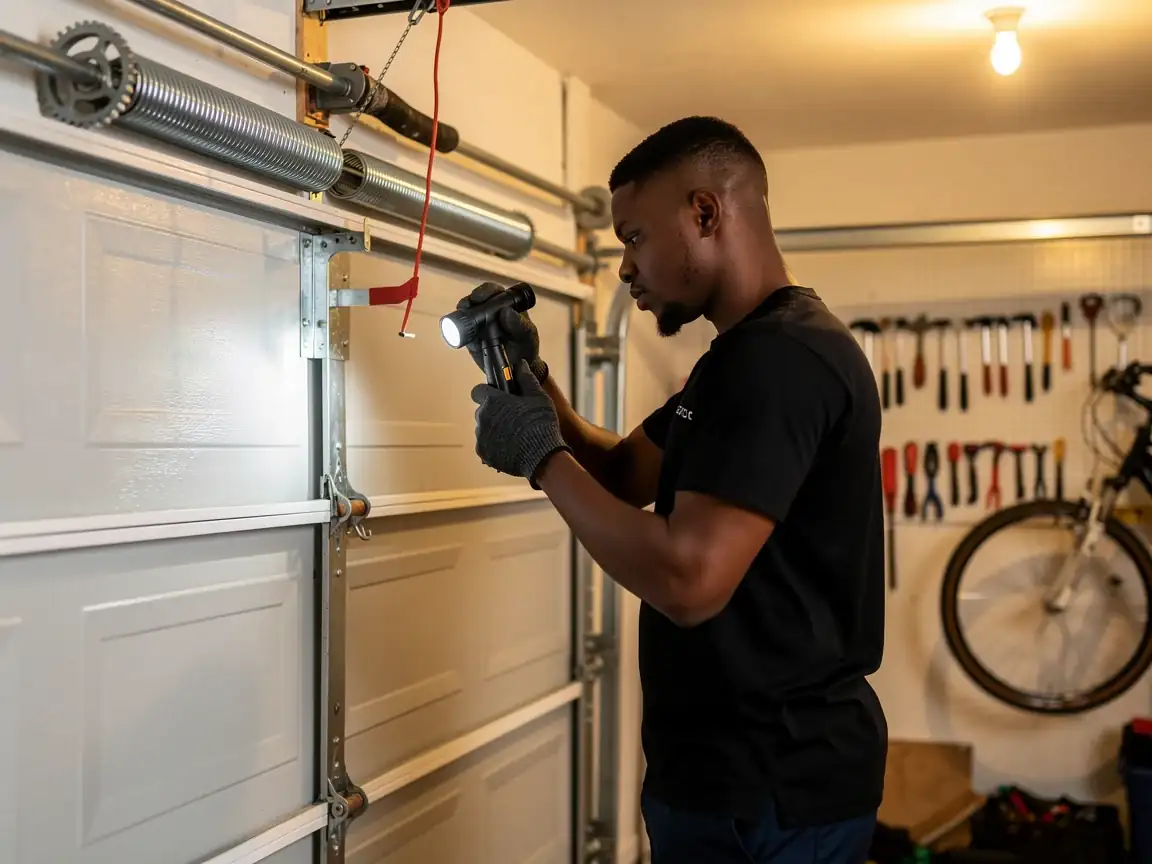
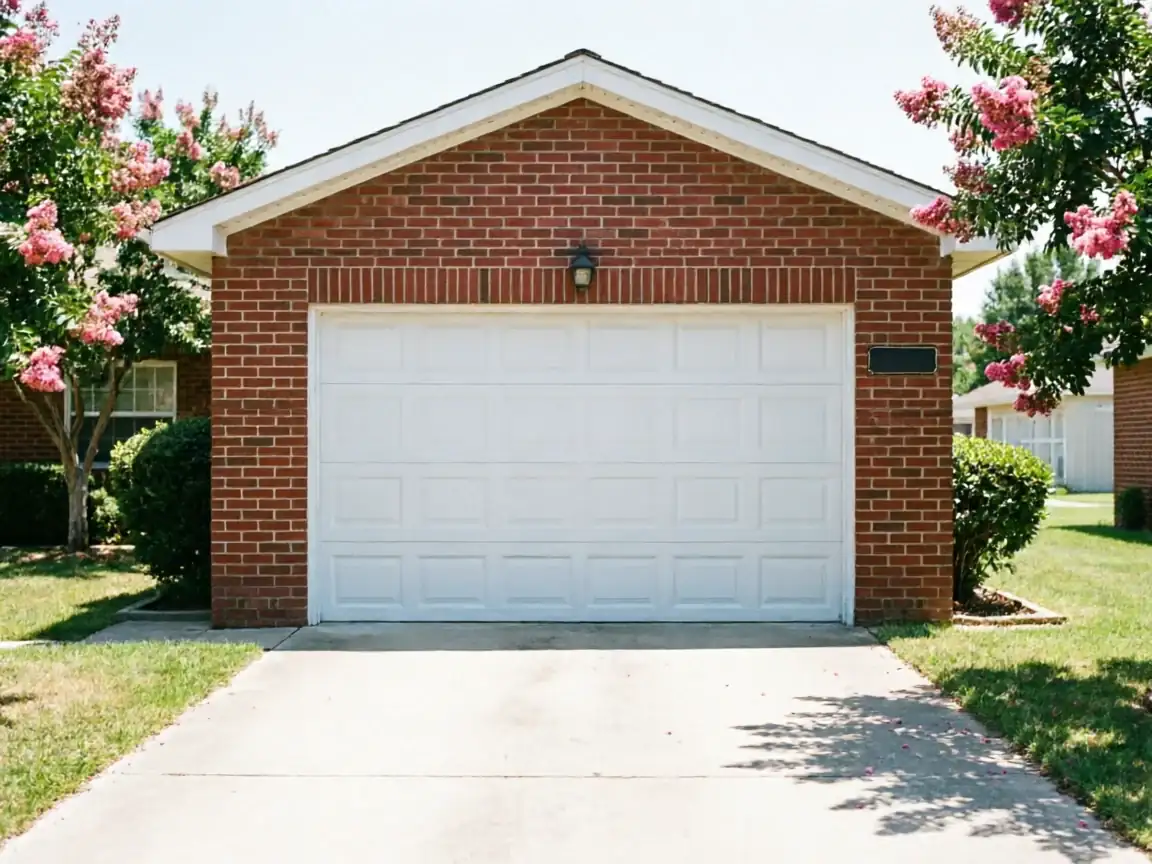
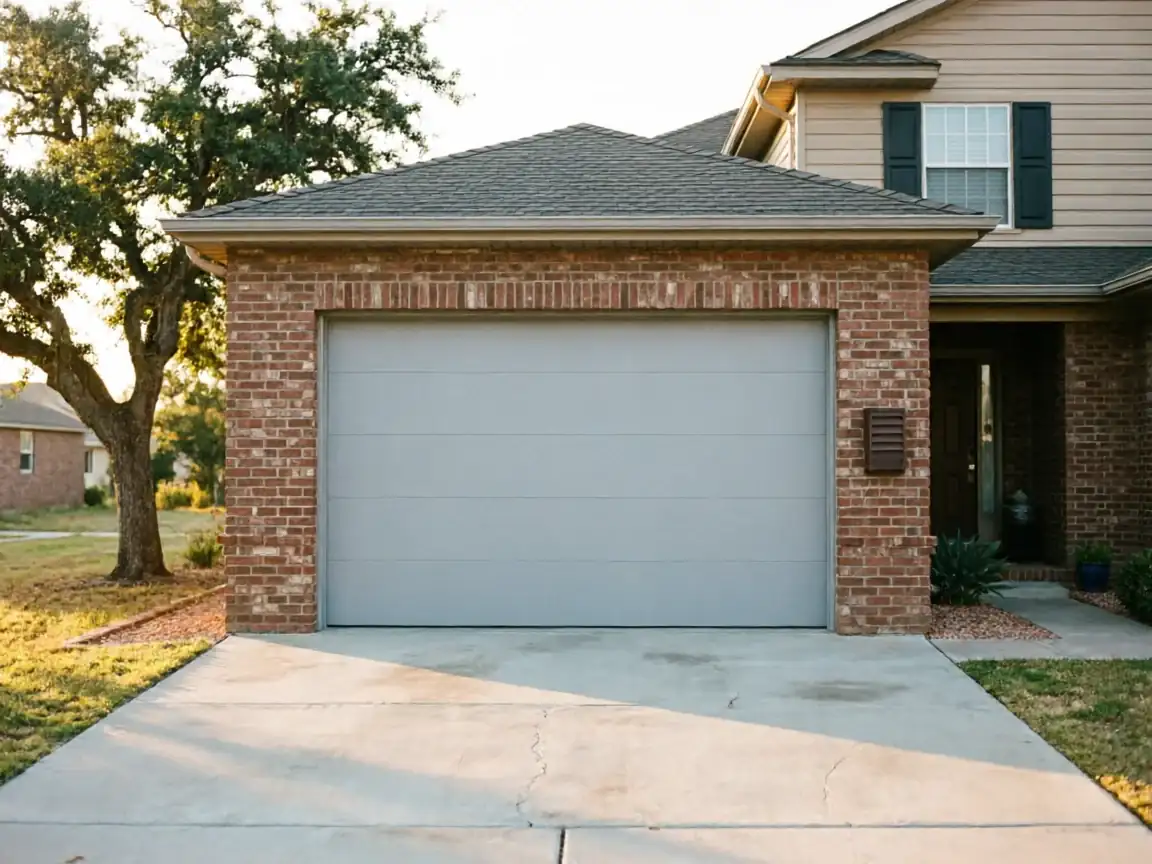
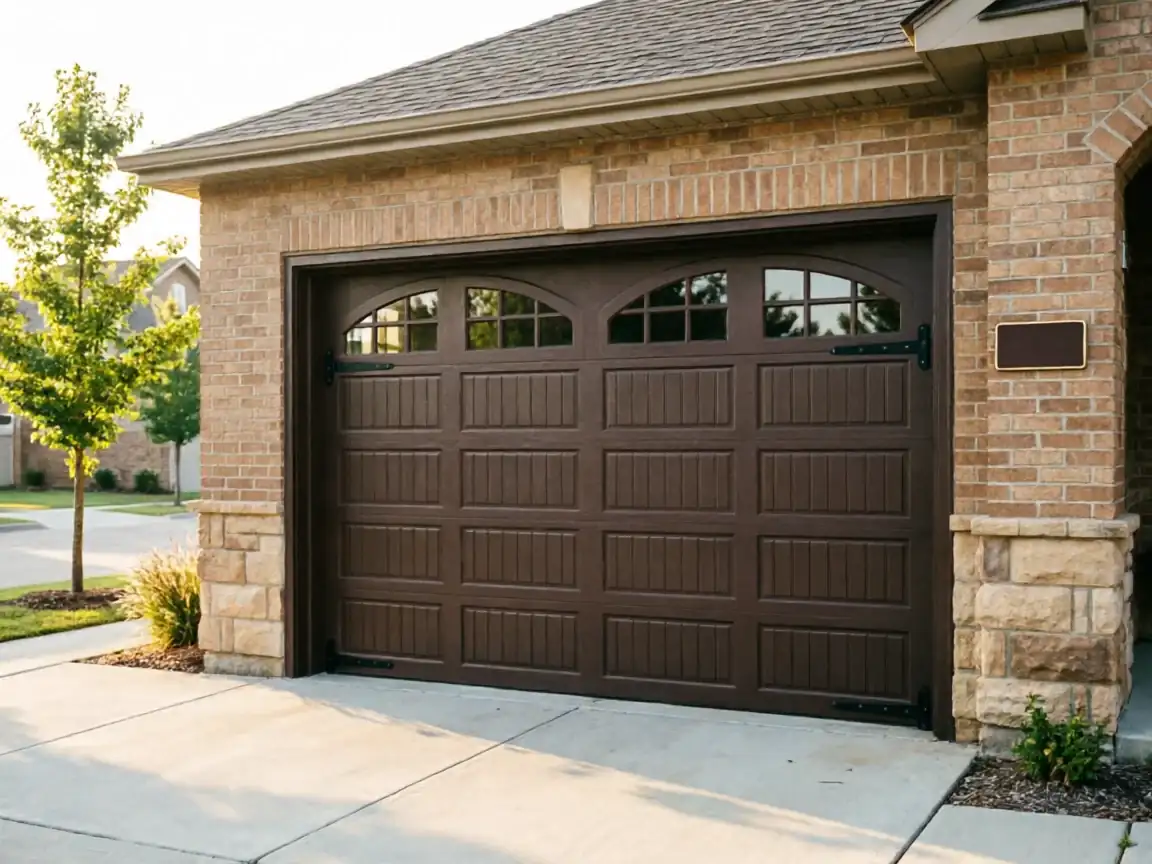
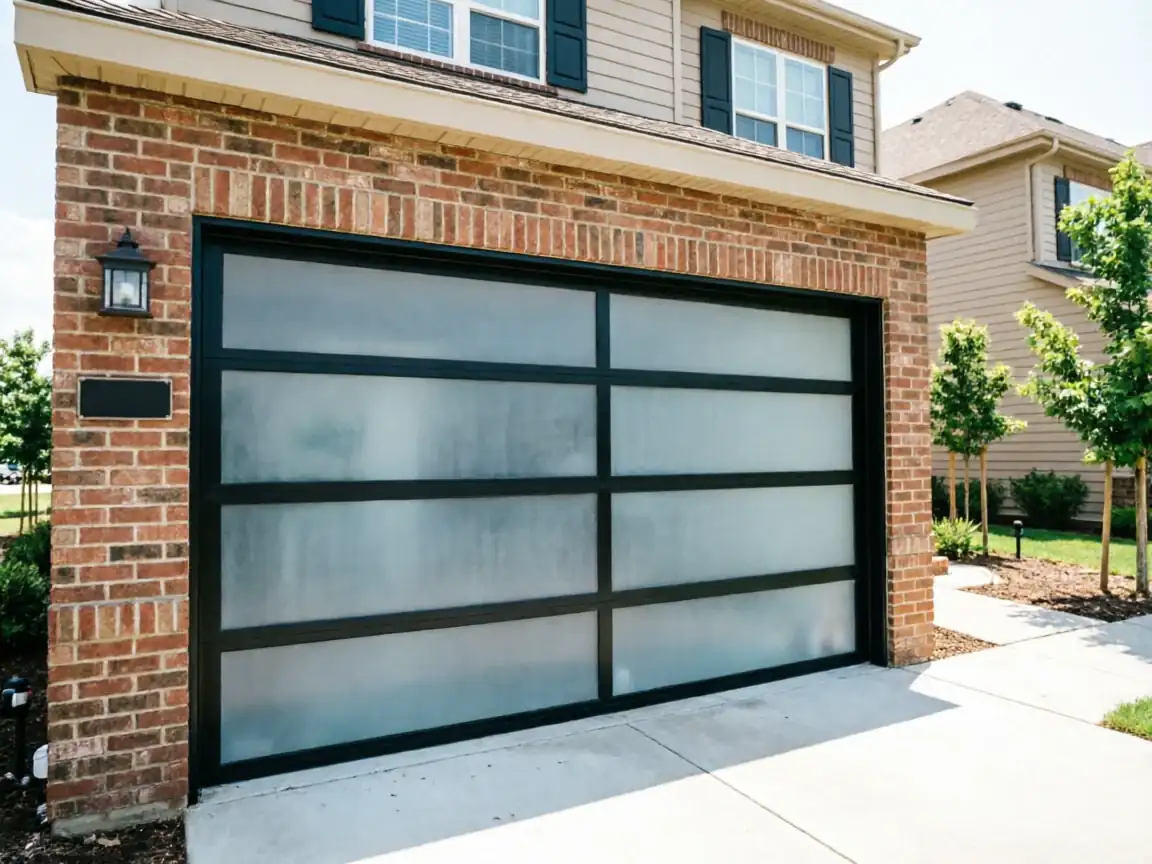
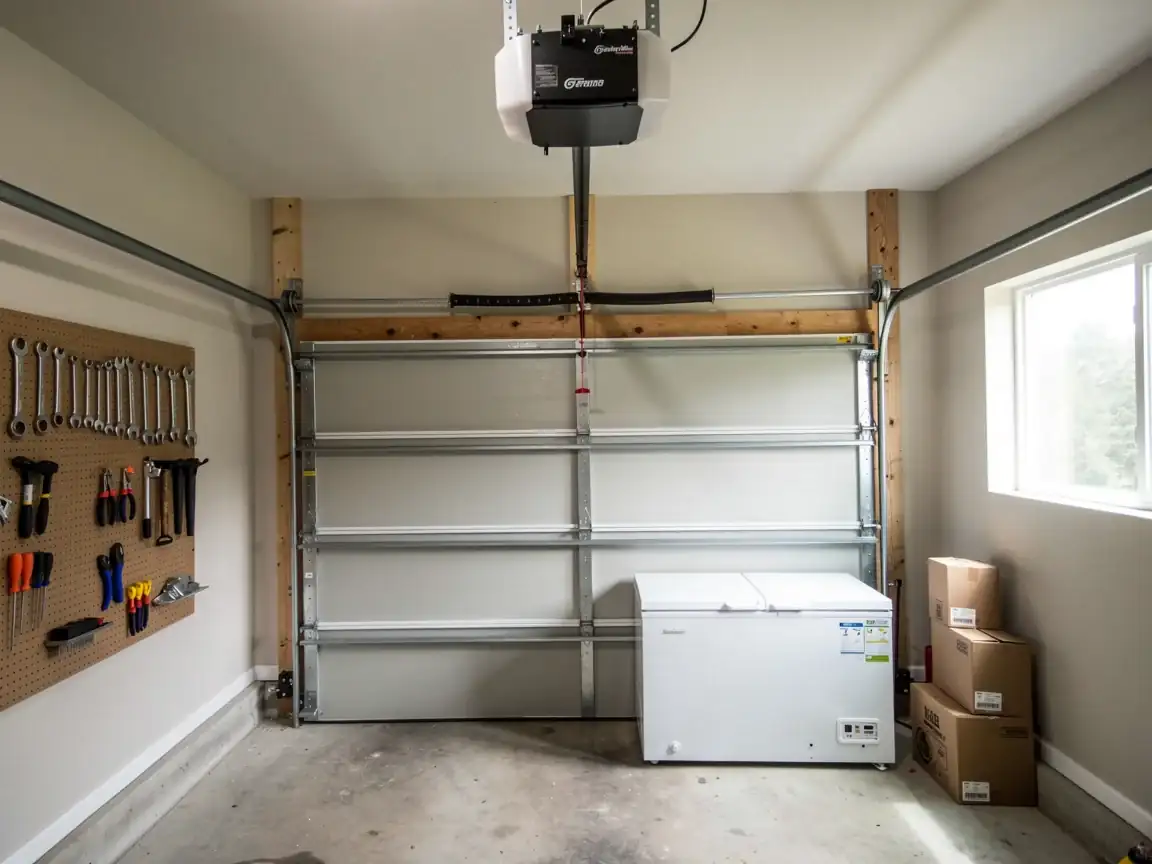
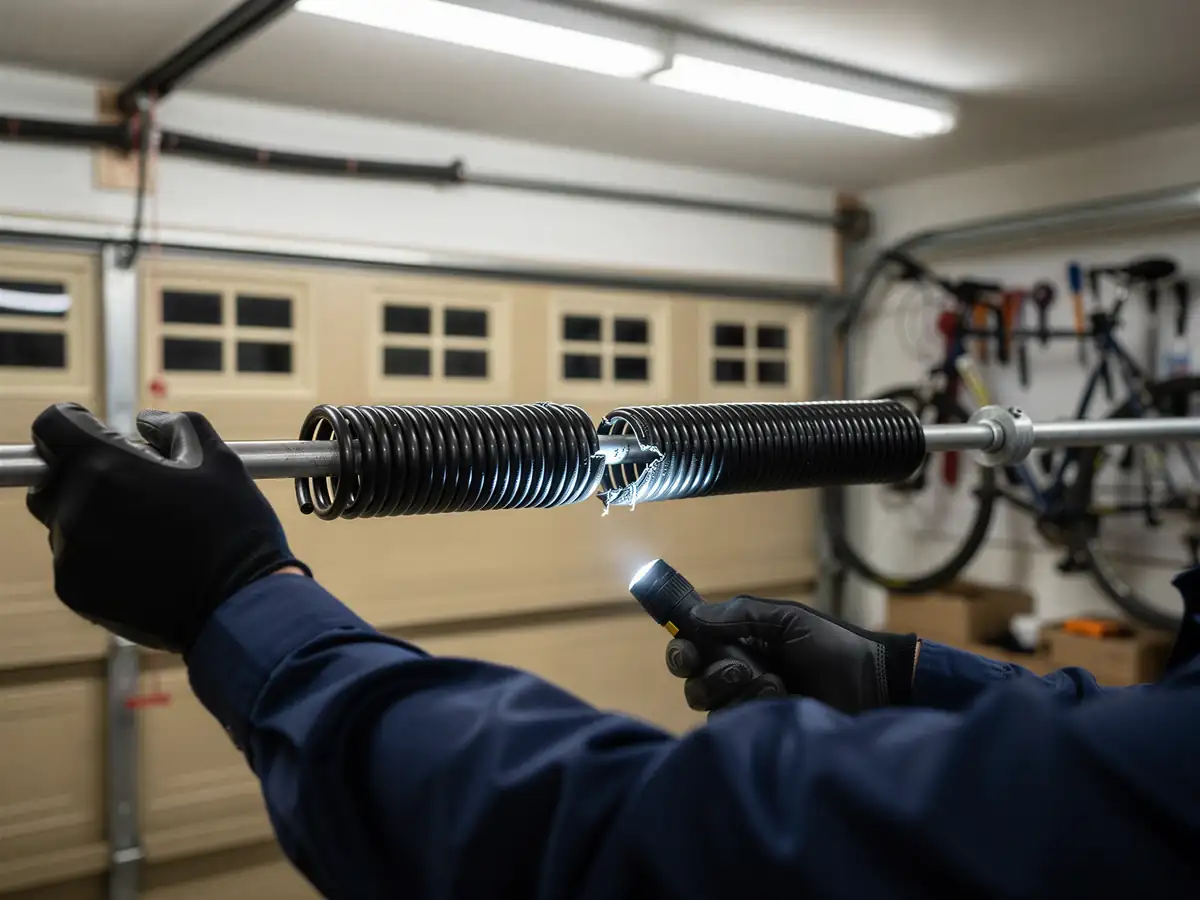
A 2001-era door isn't trouble-free, it just fails differently. The galvanized torsion springs standard on builds from that period are rated for a service life measured in cycles, and a door that's opened and closed several times a day for over two decades is due. We also see nylon rollers from this generation starting to crack and bind in the track, which throws extra load onto the opener and can mask itself as a motor problem when it's really friction. The area sits in a cold-moderate climate band, and a door that's slightly out of square from years of thermal expansion in the track rails will stick worse once temperatures drop. None of that is unique to Lowell, but the age of the stock here means these failures are showing up now, in a fairly tight band of years, rather than spread across decades like in older parts of the service area.
Doing It Yourself
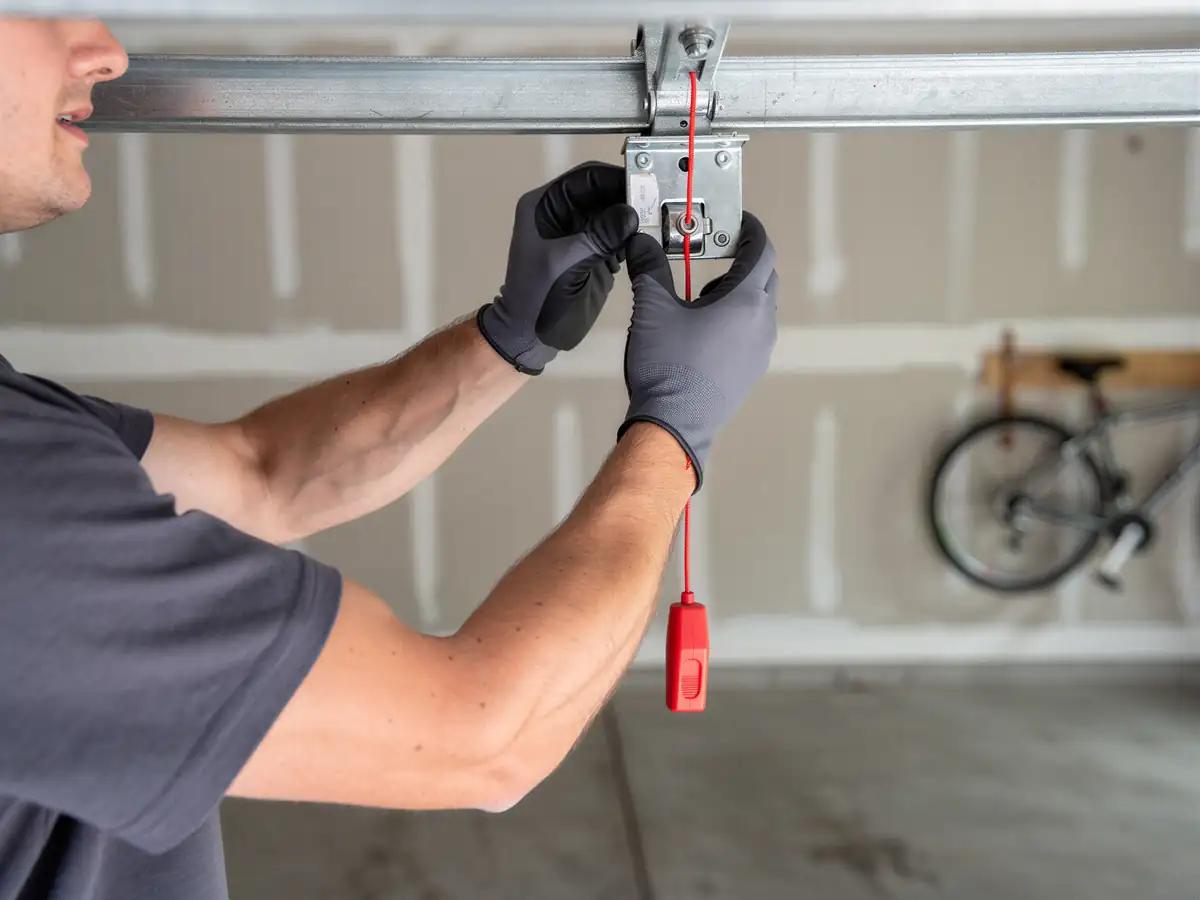
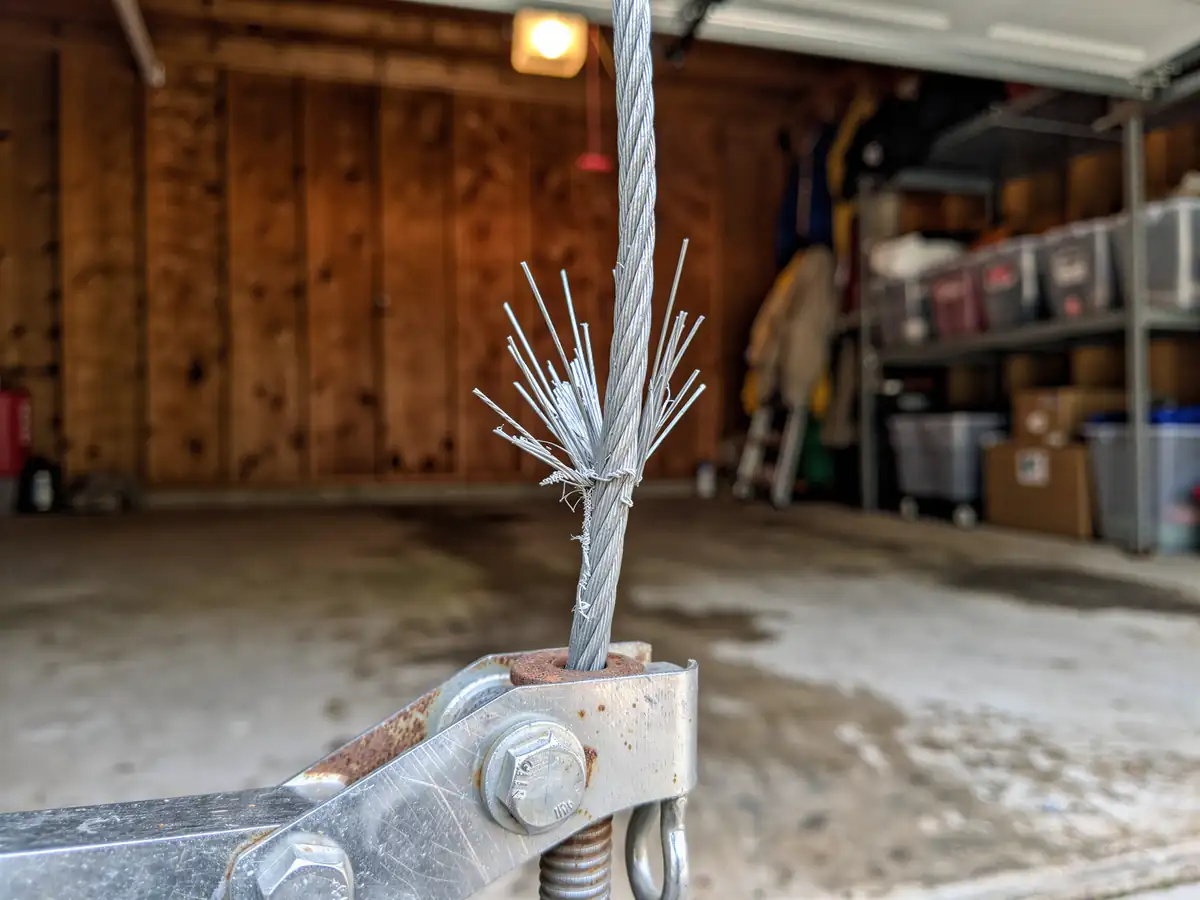
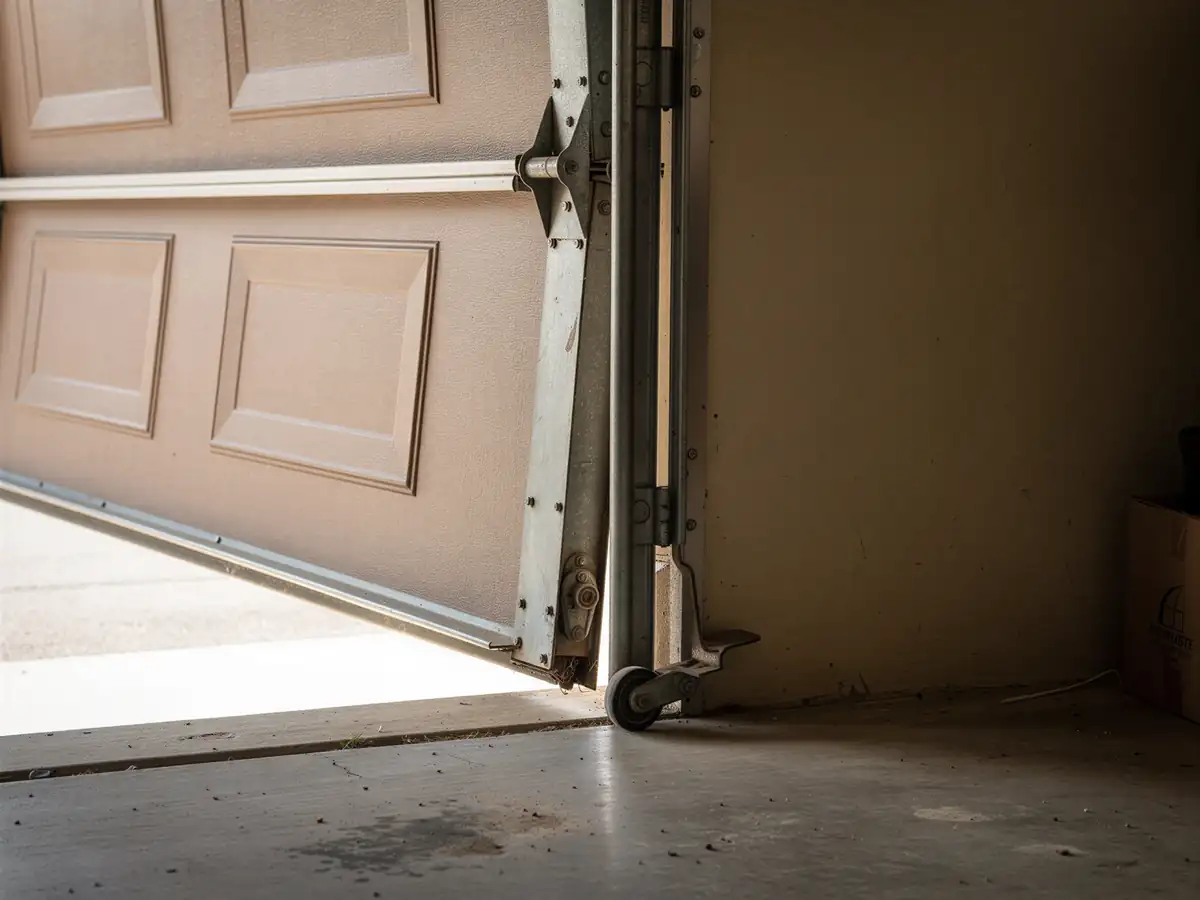
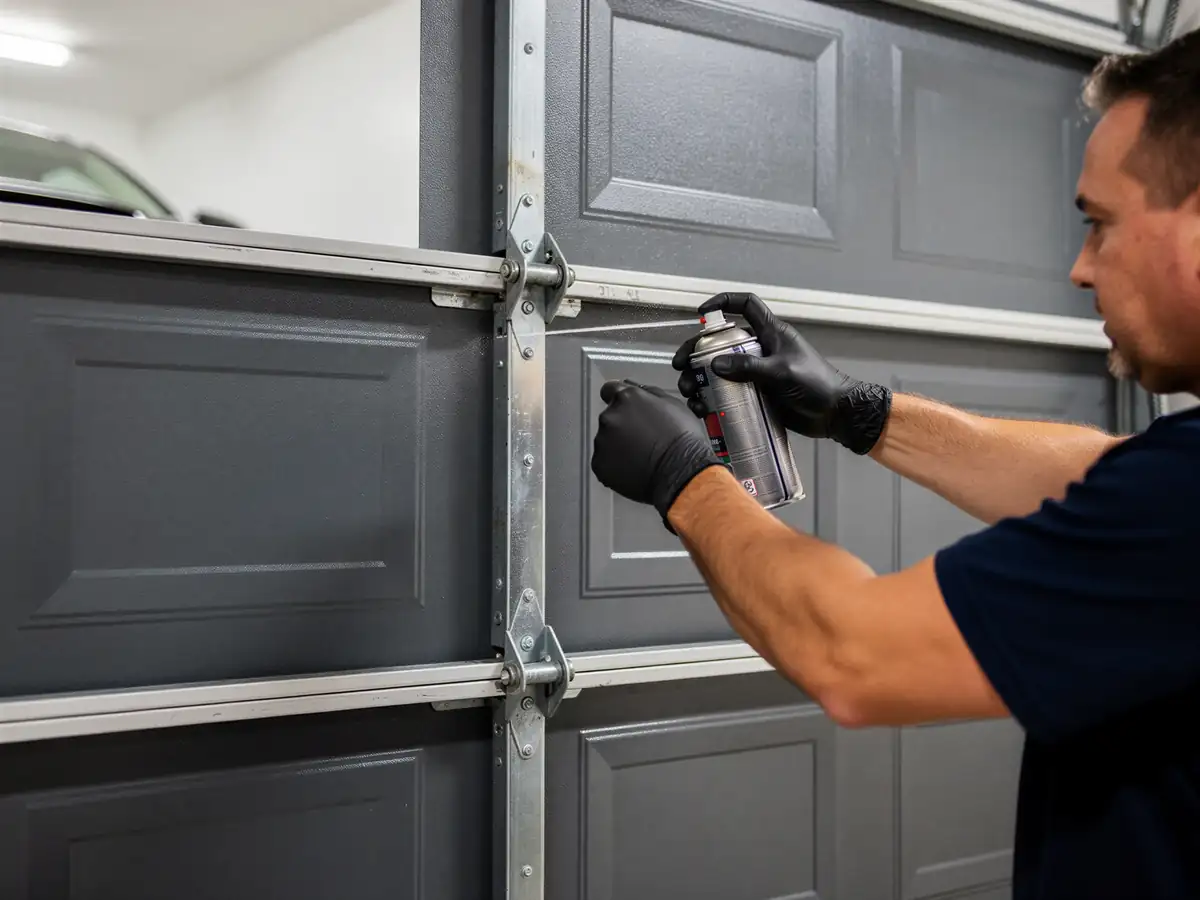
Checking the photo-eye alignment yourself is fair game - wipe the lenses, make sure neither sensor is knocked sideways, and see if the indicator lights go solid. Lubricating rollers and hinges with a garage-door-specific lubricant (not WD-40) is also reasonable upkeep. What you shouldn't touch is the torsion spring itself. It's wound under enough tension to cause a serious injury, and on a door this age the spring is likely original, which means it's had 20-plus years to fatigue even if it looks fine. If the door is off its track, if a cable has frayed, or if the spring has visibly separated, call it in rather than improvise a fix.
What the Fix Involves
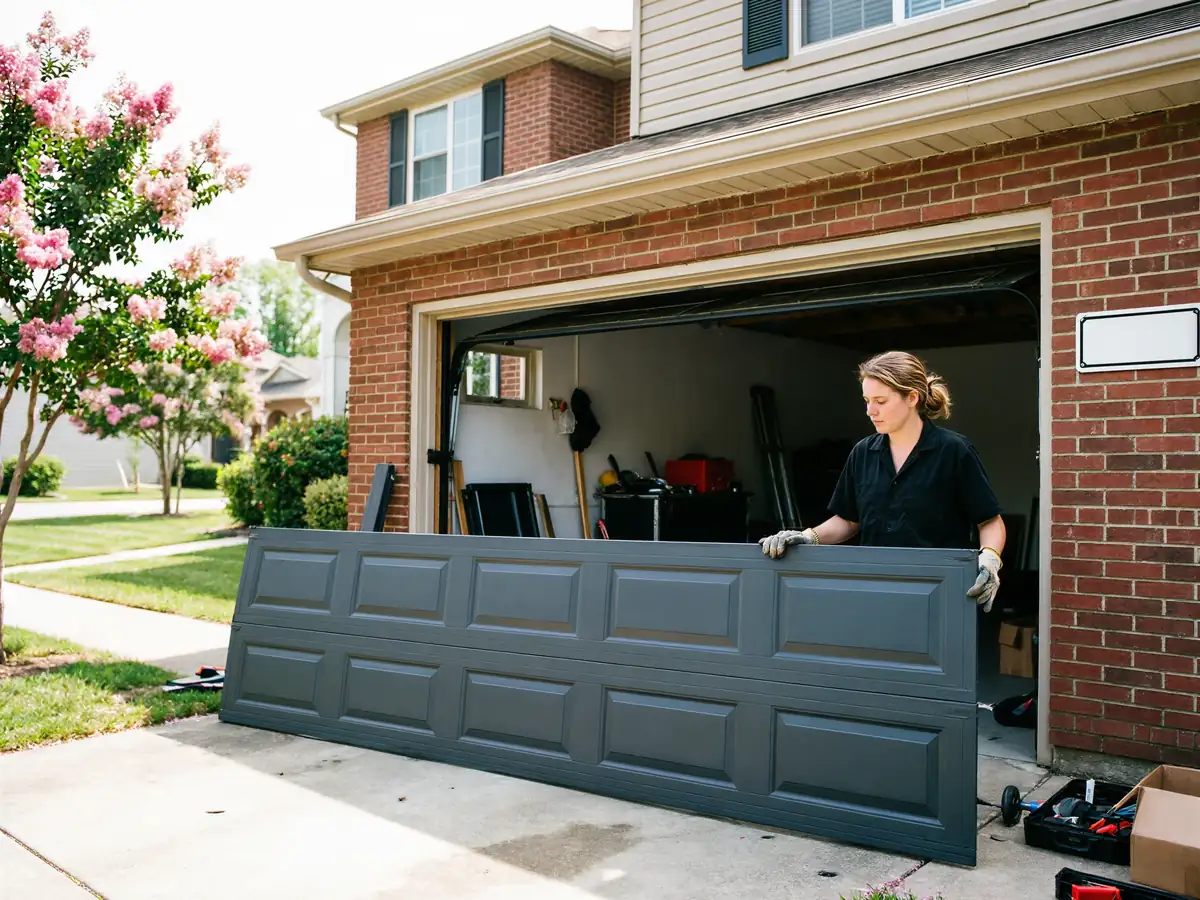
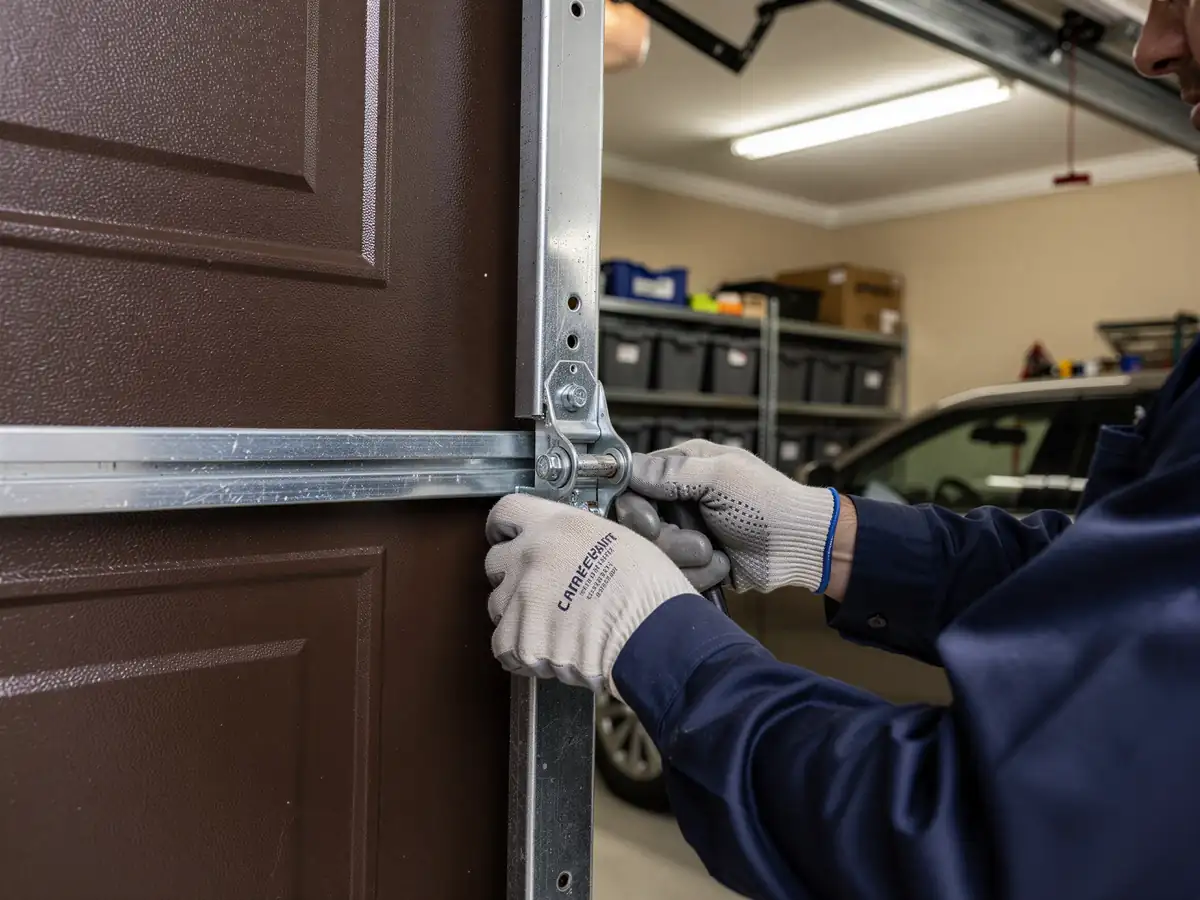
For the openers and torsion hardware typical of Lowell's 2001-median housing, most repair calls break down into a handful of jobs: resetting or replacing a photo-eye sensor, re-tensioning or swapping a torsion spring, replacing worn rollers, or reprogramming limit switches after a power outage resets them. We bring the sizes of spring and roller that fit doors from this build era because that's most of what we see out here. If a door has been neglected long enough that the track is bent along with everything else, sometimes replacing the door is the more honest answer than patching a frame that will keep throwing problems - we'll say so rather than run up a repair bill on a door that's past the point.