The Symptom
The call we get most from Lowell is a door that hesitates halfway up
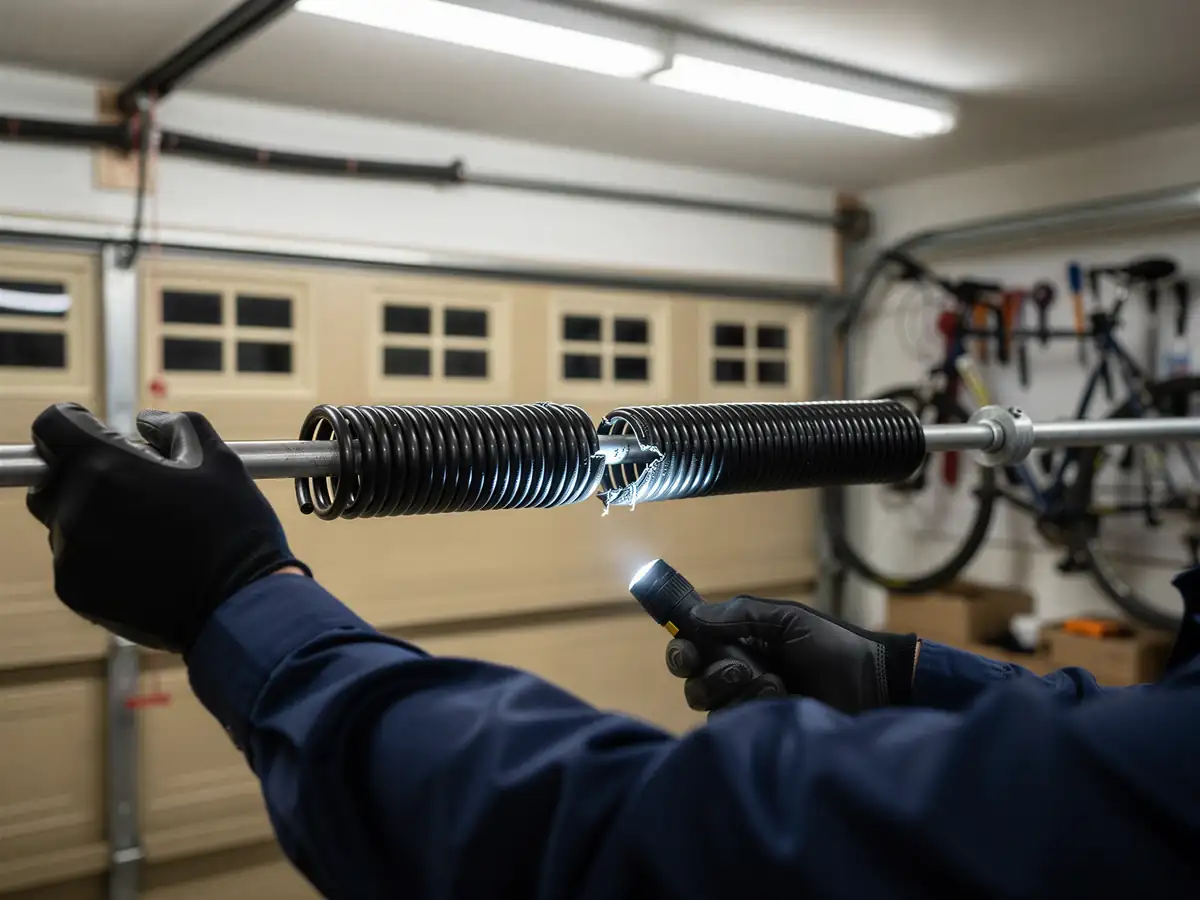
Or an opener that runs the motor but the door barely moves. Nine times out of ten it's a torsion spring that's lost tension, not a dead opener. The motor isn't built to lift a door on its own; the spring does the work, and when it's worn down, the opener just grinds against the extra weight until something gives.
Lowell's housing stock centers on 2001
Which puts a lot of doors and springs right in the window where factory-rated torsion springs - good for somewhere around 10,000 cycles - start to give out. If your door went in when the house did, you're not early for this repair. You're on schedule for it.
The Complications
A door built in the early 2000s often came with a basic chain-drive opener and a logic board that wasn't designed to last forever. When the spring starts to fail, the opener's circuit board takes the strain trying to compensate, and sometimes the board goes before the spring does. That turns a $200ish spring job into a spring-and-opener job if nobody catches it in time.
Winters here aren't brutal, but this is a cold-moderate climate, and steel springs lose a measurable amount of lift force in cold weather even when they're healthy. A spring that's already near the end of its cycle count combined with a cold snap is a common way for these doors to fail on the exact morning you need to leave for work.
Doing It Yourself
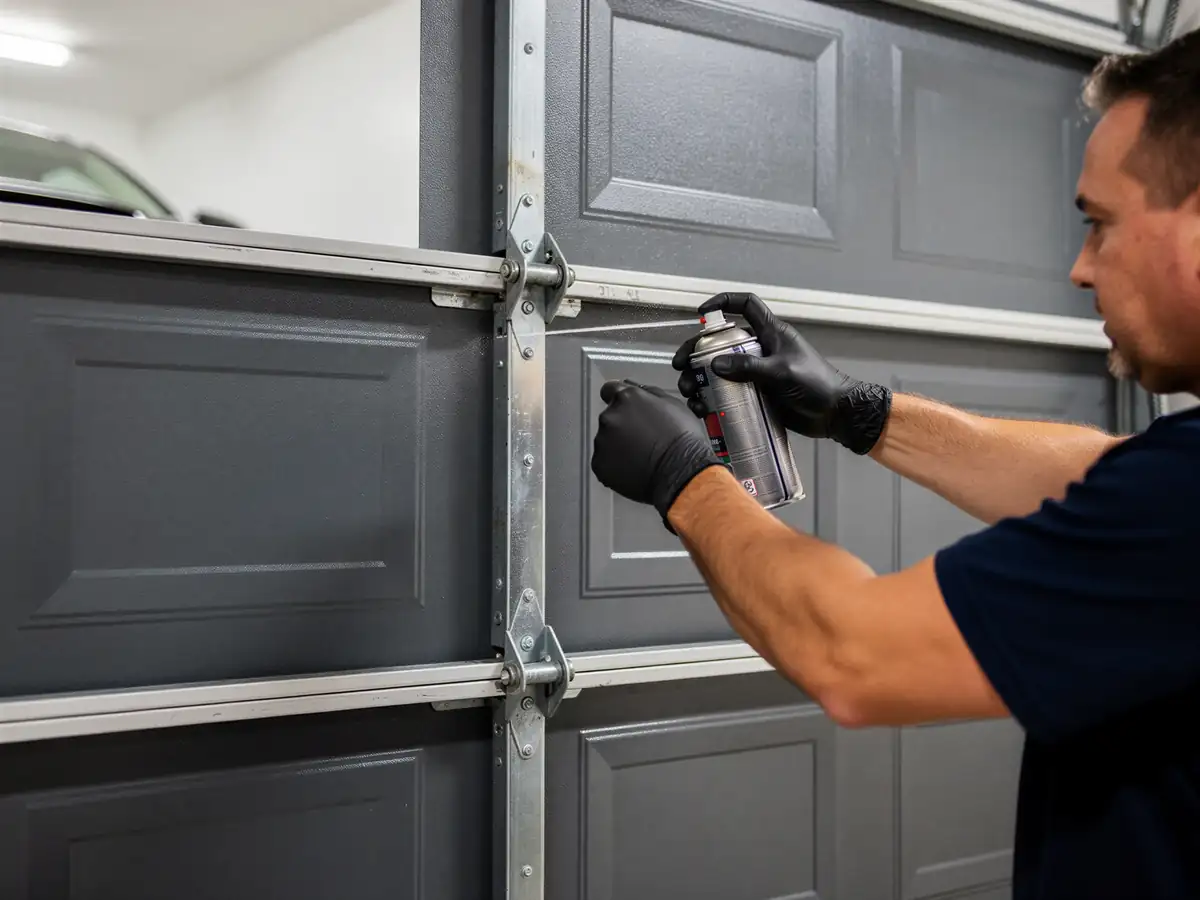
You can do real maintenance here without calling anyone. Wipe down the tracks, check that the rollers aren't cracked or flat-sided, and lubricate the hinges and rollers with a garage-door-specific lubricant, not WD-40, which washes out grease rather than replacing it. Tighten the bolts on the track brackets if they've worked loose, which is common once a door's been cycling for 20 years.
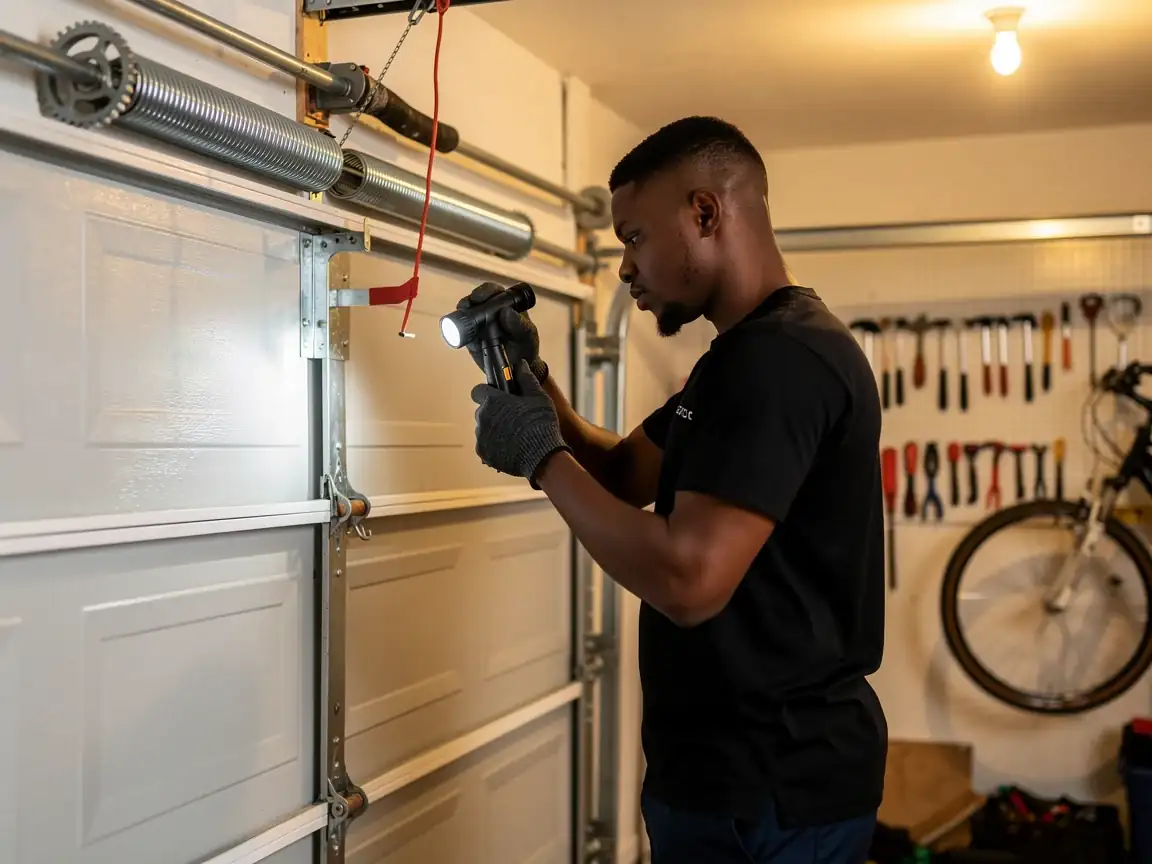
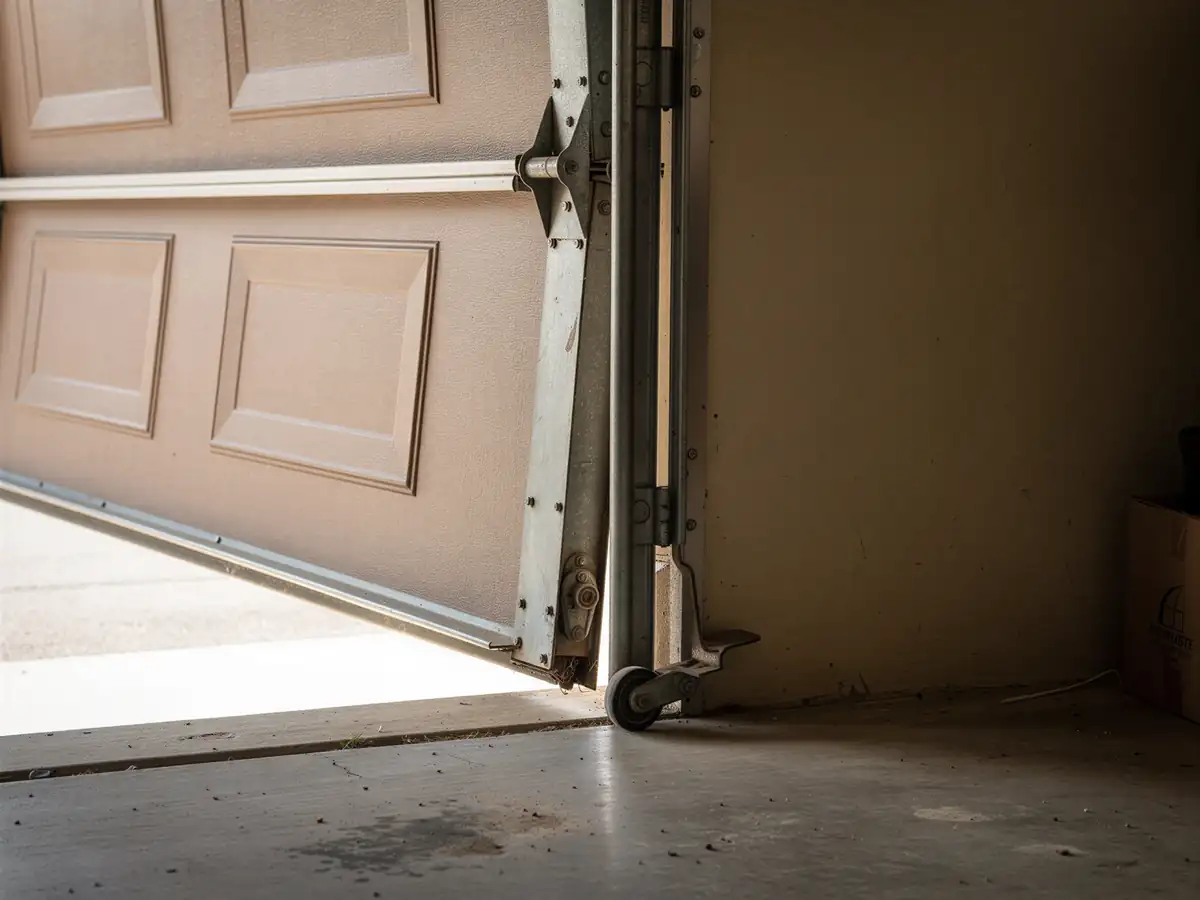
What you shouldn't touch is the torsion spring itself. It's wound under enough tension to do real damage if it lets go while you're near it, and there's no safe way to eyeball how much life is left in one. If your door is sagging unevenly, slamming the last foot of travel, or the opener strains and then reverses, that's a spring or cable problem, not a lubrication problem - leave it alone and get it looked at.
The Cost of This Job
We don't have a flat number to post here that would hold up across every door
A single torsion spring job costs differently than a two-spring job on a double-wide door, and that's before anyone knows if a roller or cable needs replacing at the same visit. What we can tell you is that catching a worn spring before it snaps usually means a smaller bill than waiting for the opener to burn out trying to compensate for it.
Households in this area carry a median income near $92,986, well above the service area's broader median of $87,150
And most owners we talk to would rather pay for a planned spring swap than an emergency call after the door won't open at all.
What the Fix Involves
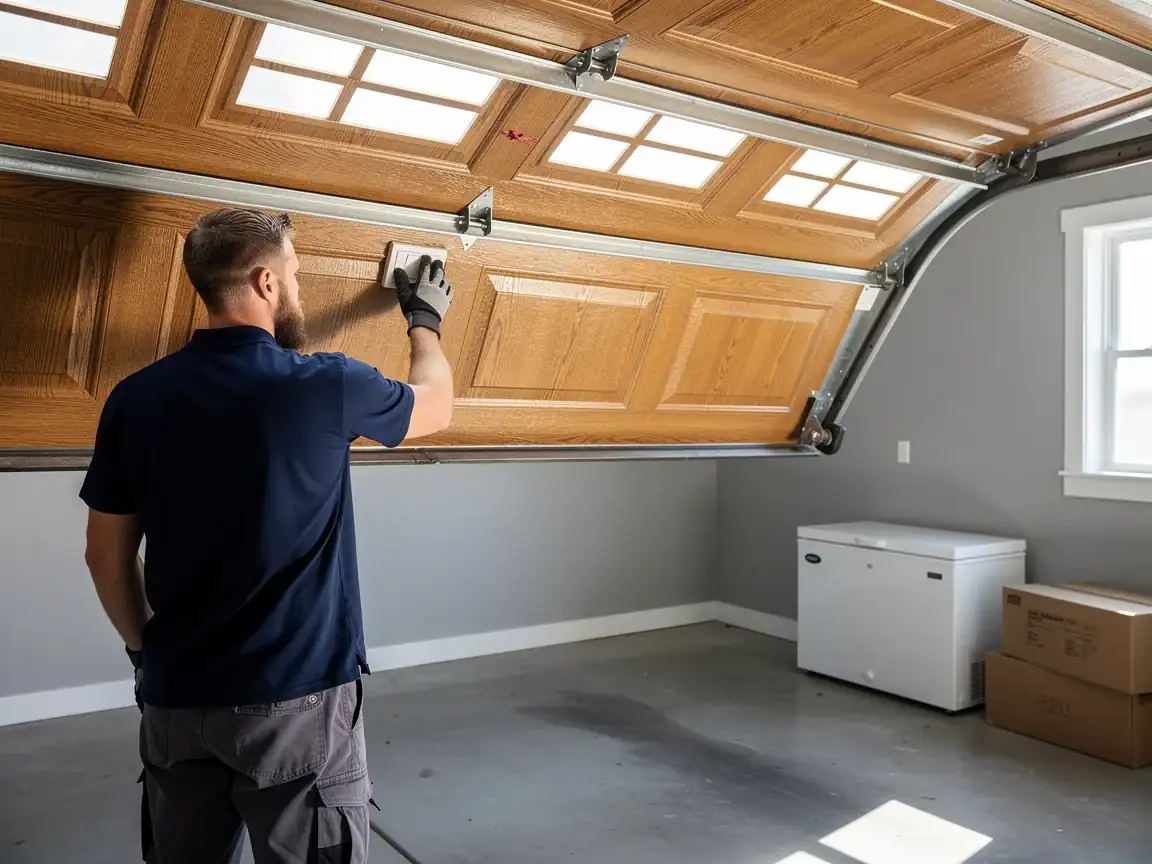
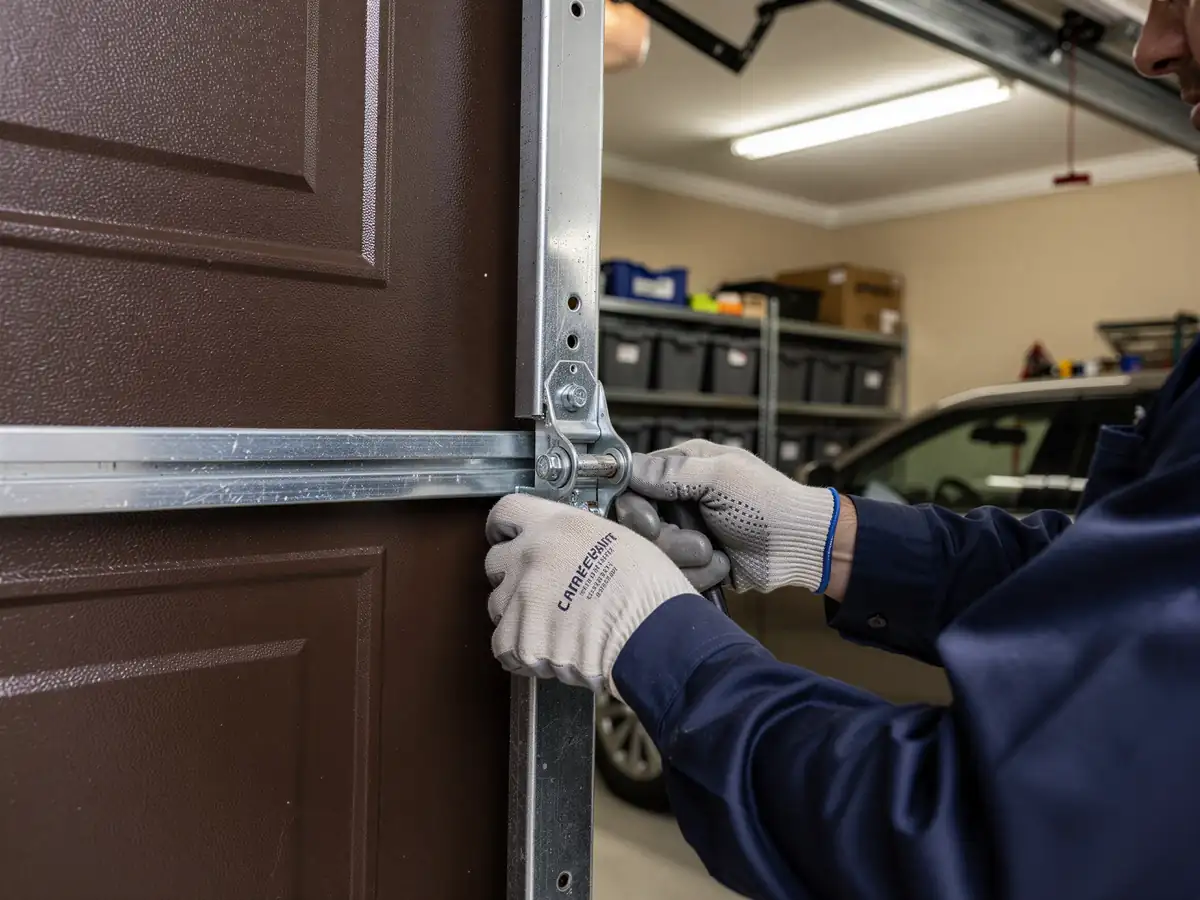
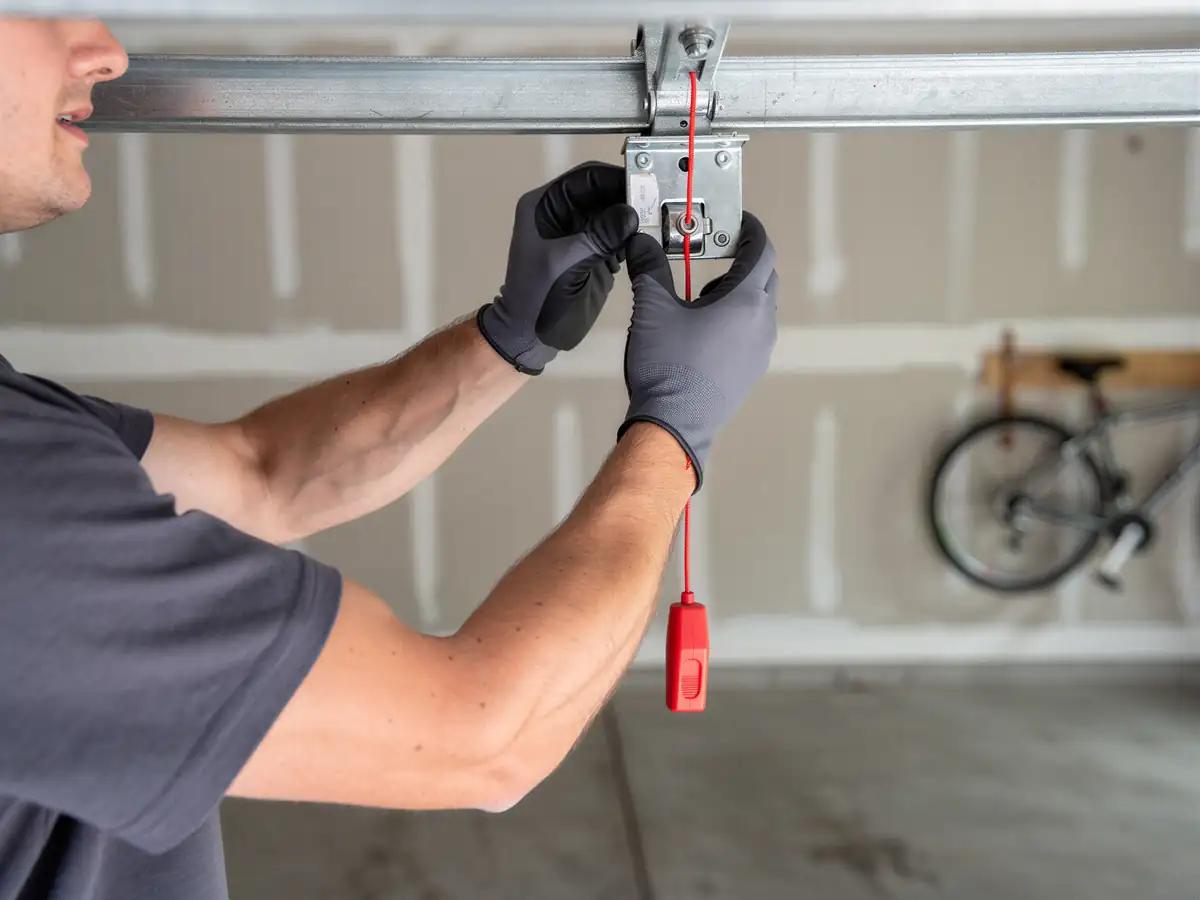
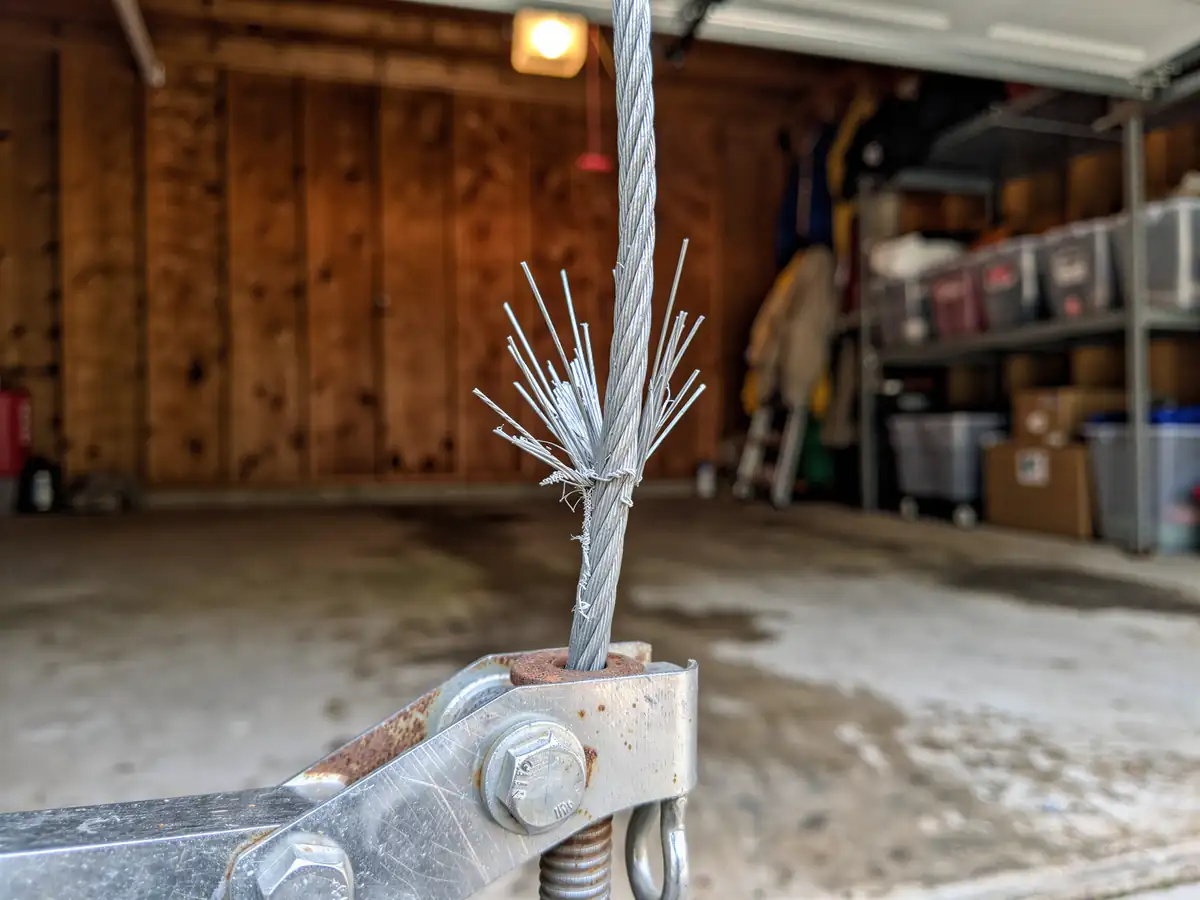
A proper maintenance visit on a door from this era starts with checking spring wind and balance - we disconnect the opener and see if the door holds position halfway up on its own. If it drops, the spring's underpowered for the door's weight, which happens as springs age even without a dramatic failure. We also check the cables for fraying, the rollers for wear, and the opener's force settings, since those drift over the years and cause the opener to overwork.
We come out from Rogers, about 4 miles from most of Lowell, so there's no separate branch here - just the same crew making the short drive. If a spring needs replacing, we match it to the door's actual weight and cycle needs rather than putting back whatever was there, since builder-grade springs from the early 2000s were often sized to the minimum, not to last.